



A Safety Upgrade Notice Appeared

One afternoon, I noticed a small sign taped to the balcony door of my Northgate apartment. It said something about a "safety upgrade" and that repairs had been done. The railing got fresh paint and new screws, shiny and clean. But when I leaned on it, the railing still wobbled. I traced my fingers along the metal, feeling how loose it was where it attached to the posts. It didn’t feel like a real fix—more like a cover-up to make it look safe, not actually be safe.
The balcony was concrete beneath my feet, cold and solid, but that railing was the barrier that mattered. I thought about how many tenants must have leaned on it without knowing. The screws were new on the surface, but the posts shifted under pressure. I wondered who had signed off on that work, and if anyone had inspected the repairs properly. The fresh paint hid the rust underneath, but the wobble was undeniable.
The Railing Gave Way Suddenly

I was standing on the balcony one evening, just leaning on the railing like I’d done a hundred times before. The metal gave way with a sudden tear at the posts. I felt the world tilt and then I was falling over the edge. It wasn’t reckless or careless—I was just leaning. The railing should have held me, but it didn’t. I hit the ground hard, pain exploding in my side and back.
There was the rough texture of the concrete sidewalk beneath me, sharp against my skin. I could hear voices somewhere, distant and confused, and the steady thump of my heartbeat. I tried to move but everything hurt. I knew then this wasn’t on me. It was the railing that failed, not my balance. That moment was the core fact I needed to prove, but it seemed like no one was ready to hear it.
Paramedic Said It Didn’t Slip

In the ambulance, one paramedic glanced over at me and said quietly, "This doesn’t look like a slip." I was barely able to focus through the pain, but that line stuck with me. It meant they already suspected the railing failed. I realized then that I had to remember every detail—the sound the railing made, how I was standing, everything. I knew the story could be twisted later, that the narrative might shift to blame me.
The interior of the ambulance smelled like antiseptic and rubber. The paramedics worked quickly, their hands steady but gentle. The siren’s wail faded into the background as I tried to commit everything to memory, fearing the fact would be rewritten before it ever got the light of day.
Office Manager Called Hospital Room

While I was still in the hospital bed, the phone beside me rang. It was Northgate’s office manager. She asked if I had been drinking and said they needed to "secure the scene." Her voice was cold and clipped, like she was already assigning blame. I felt a chill as the implications sank in: they were preparing a defense, and controlling the story before I even fully understood what was happening.
My hospital room smelled faintly of antiseptic and fresh linen. I sat up slowly, the IV in my arm reminding me of how fragile I’d become. The call left me uneasy, realizing that the landlord wasn’t just worried about my health, but about liability and evidence. I knew this was the start of a fight.
Adjuster Demanded Recorded Statement

The next morning, I got a call from an insurance adjuster. He said they needed a recorded statement as part of their "investigation." The way he said it made me uneasy. It wasn’t just about facts—it felt like a trap where my own words could be twisted against me. I tried to keep my voice steady, but inside I was bracing for every question, every hesitation that might be used to deny my claim.
I sat at the edge of my bed, hands folded tightly on my lap. My gray cardigan felt heavy, like a shield I wasn’t sure I had the strength to wear. The room was quiet except for the sound of his voice through the speaker. I knew then the battle was as much about words as it was about evidence.
Railing Was Replaced Completely
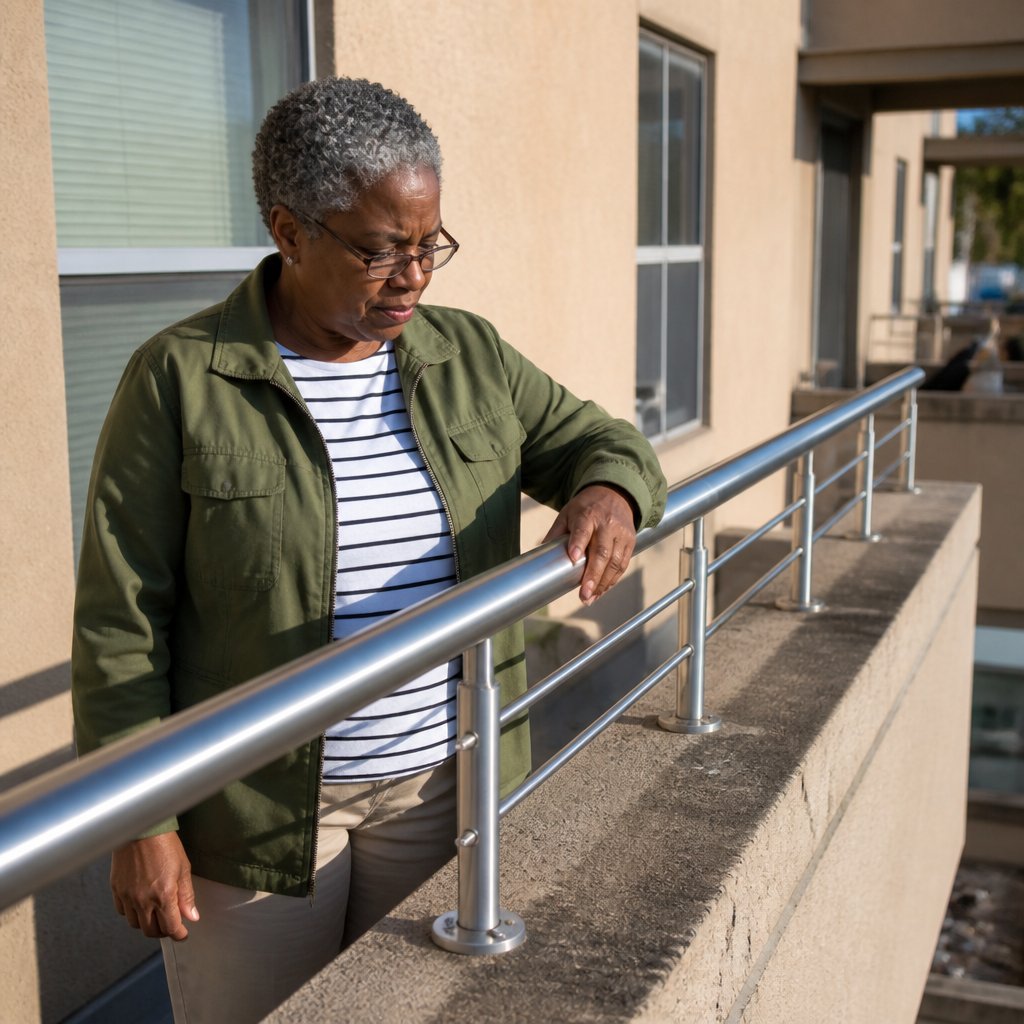
When I returned to my apartment days later, the entire balcony railing was replaced. The new metal gleamed in the sunlight, with fresh bolts and no sign of the old broken pieces. The hardware that had torn away was gone, vanished without a trace. It hit me then: the evidence was disappearing. Whatever proof I could have had felt like it was being erased before my eyes.
I ran my hand over the smooth new railing, the cold metal under my fingertips. It was flawless—and frustrating. The broken parts that had caused my fall were nowhere to be found. I wondered if anyone had taken photos, if anyone knew what had really happened before the replacement. I felt a knot in my stomach—was this the start of spoliation?
Neighbor Reported Dumpster Disposal

A neighbor told me that maintenance had hauled the broken railing to the dumpster early in the morning, around 6 a.m. They’d warned tenants not to talk about it. Hearing that made my skin crawl. It wasn’t just a cover-up—it felt like intimidation and deliberate evidence disposal. I thought about how many people had seen or heard but stayed silent.
We met by the parking lot, where the scent of damp leaves hung in the air. The neighbor was a middle-aged man in a worn jacket and baseball cap, his voice low and cautious. He looked over his shoulder before sharing what he knew. It was a small detail, but it felt big. Someone was trying to erase the truth.
Insurer Denied Claim In Writing

A letter arrived from the insurer, certified mail and all. It said they were denying my claim, blaming a "pre-existing defect" that wasn’t reported before. It was a cold, legal document that turned the fight into a battle over notice and knowledge. I felt the full weight of their denial, as if my injury wasn’t enough—they wanted proof I’d told them earlier.
I held the letter in my hands, the paper coarse and stiff. The room smelled faintly of coffee from a cup on the table. I stared at the typed words I couldn’t change, wondering how I would prove what they claimed I hadn’t. It was more than a denial—it was a challenge I wasn’t sure how to meet.
Health Insurance Demanded Reimbursement

Shortly after, I got warnings from my health insurance about liens and reimbursements. Even if I won against the landlord or their insurer, my own health coverage wanted their money back. The letters made my chest tighten. It felt like being squeezed from all sides—financial pressure building on top of the pain and uncertainty.
I sat at my dining room table, the smooth wood cool beneath my hands. A pile of mail spread before me, the official envelopes stark against the faded green wall. I ran my fingers through my short gray hair, thinking about what this all meant. Winning the case might not be enough to stop the debt from swallowing me whole.
Boss Suggested Workers’ Comp Claim

My boss called me while I was still recovering. She said the shift I missed couldn’t be held open and suggested I file a workers’ comp claim instead. Her tone was careful, almost like a warning. I realized this might be a trap—taking that claim route could damage my credibility and weaken my case against Northgate. The wrong move now could cost me everything.
I was sitting on the living room sofa, wearing a soft gray sweatshirt and black leggings. The fabric felt warm but offered little comfort against the rising doubt. I stared out the window at the parking lot where cars passed by, wondering if I could trust anyone to help me through this.
Northgate Files Aggressive Lawsuit
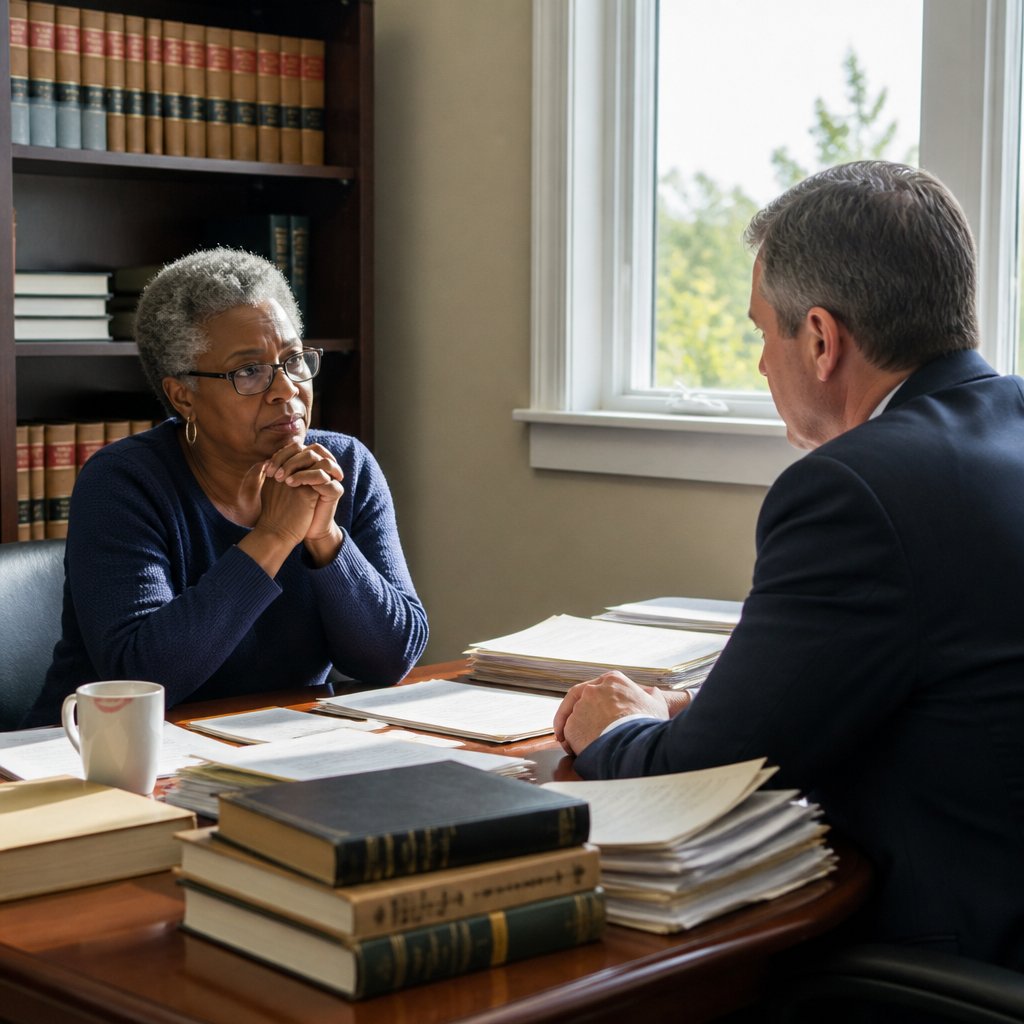
Northgate’s lawyers didn’t waste time. They filed a declaratory judgment that basically said my fall was my fault. Their papers suggested I caused my own accident—no railing failure, no landlord liability. It was a legal fastball that forced me to switch from victim to defendant overnight. I had to answer their accusations and prove their repairs were shoddy, without yet having the full evidence.
I sat in the cramped conference room of my lawyer’s office, the air thick with the smell of stale coffee and paper. The walls were covered with framed certificates and worn legal texts. The lawyer laid out the complaint, the aggressive language hitting me harder than I expected. Filing first meant they controlled the narrative, pushing me to defend rather than just tell my story.
It was a shift I wasn’t ready for. The stakes had ramped up. Northgate wasn’t just denying responsibility—they were attacking my credibility and character. Their move meant every word I said, every fact I presented, would be scrutinized for weakness or contradiction.
Photos Reveal Pattern Of Quick Patches
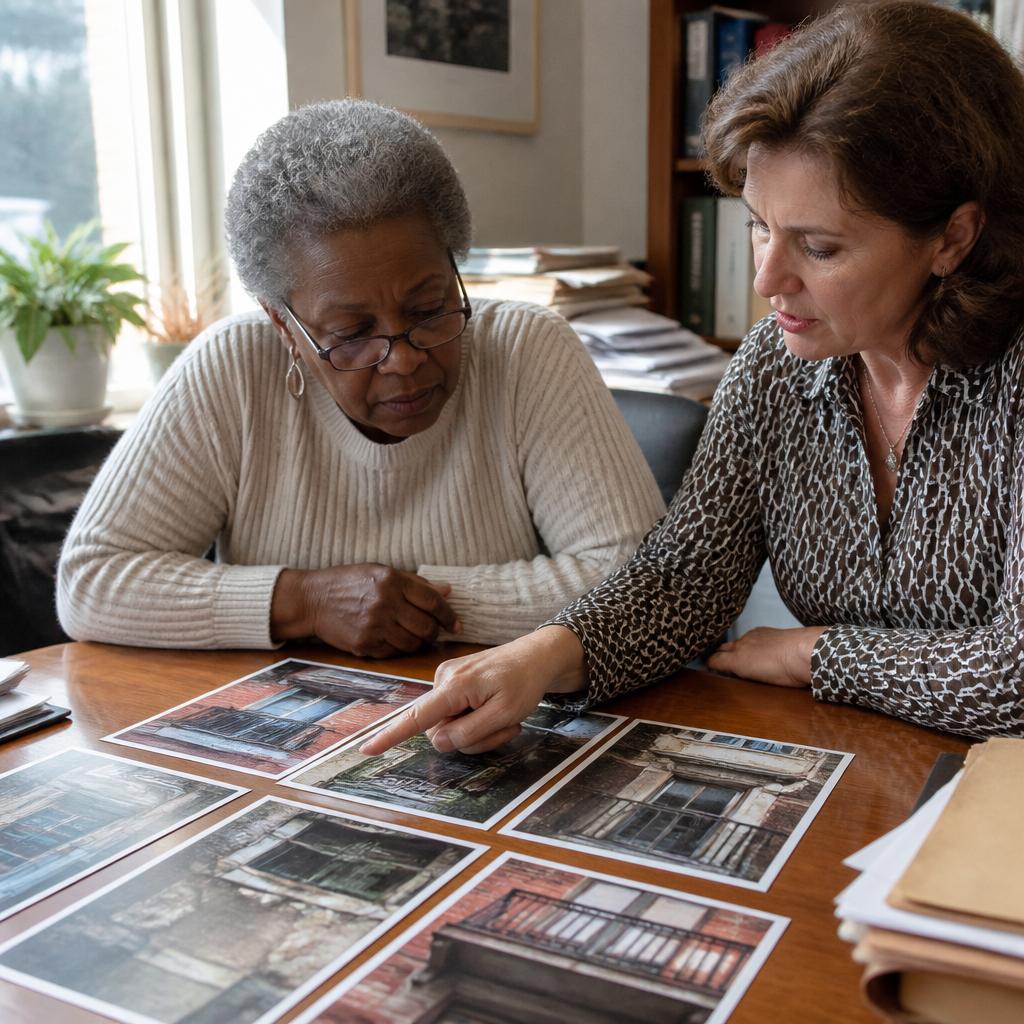
My private investigator brought photos from other balconies at Northgate. Each showed the same quick fixes—cracked railings painted over, gaps filled with caulk, rust spots barely touched. The PI lawyer said, "They do this everywhere." It wasn’t an isolated problem; it was a complex-wide pattern. But the judge hadn’t ruled yet if this evidence was admissible.
We met in the lawyer’s cramped office again, the fluorescent light humming overhead. The PI spread color photos on the worn wooden table. I fingered the edges of the pictures—some showed bamboo balconies with peeling paint, some had rust-stained metal supports. My stomach sank seeing the breadth of neglect.
These images could be a turning point, connecting my railing’s failure to a broader failure by Northgate. But without the court’s approval, they were just pictures, potential proof stuck in limbo. I could feel the pressure to keep pushing, even though nothing was settled.
Railing Demand Sparks Spoliation Fight
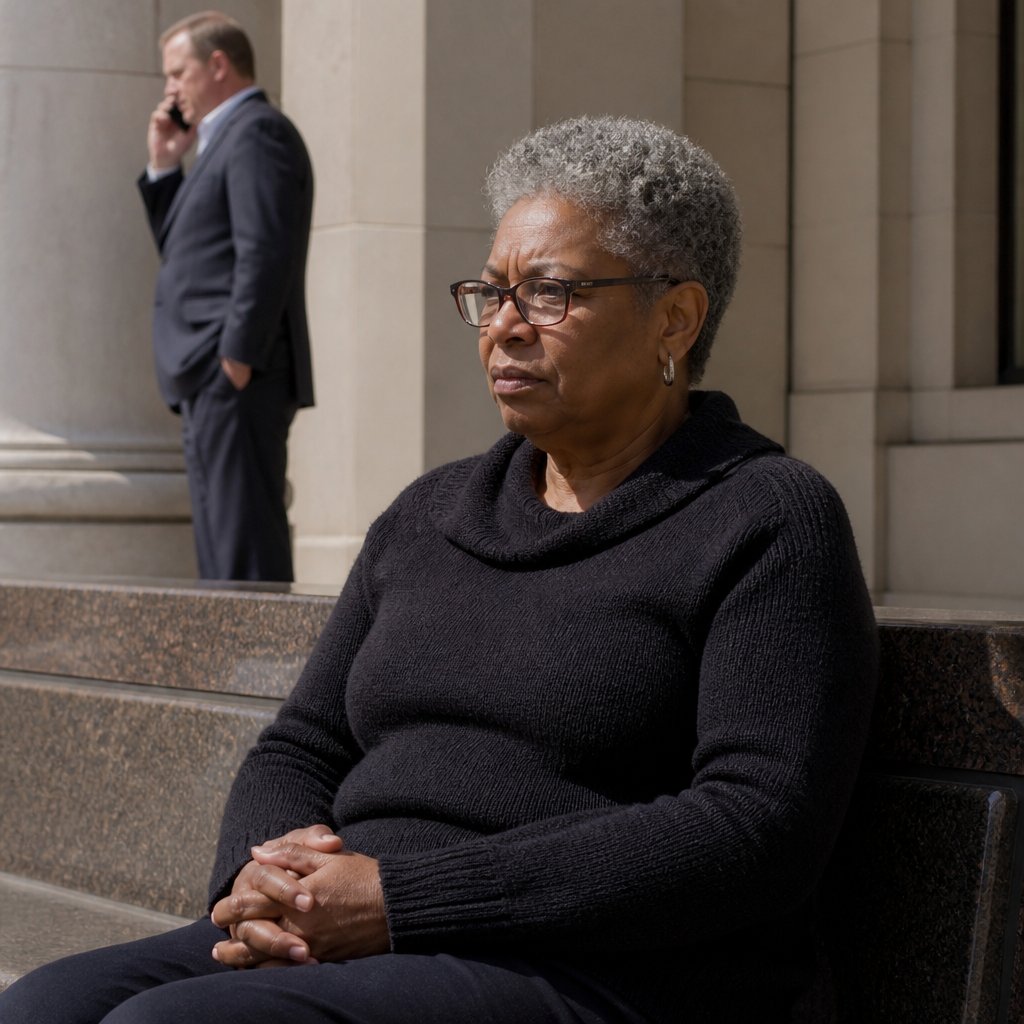
My lawyer sent a preservation letter demanding Northgate keep the failed railing intact for inspection. Instead of agreeing, their lawyer replied they had "no duty" to preserve items discarded during routine maintenance. That formalized the spoliation battle—whether Northgate deliberately destroyed evidence.
I sat quietly in the courthouse lobby, the cold tile floor chilling my feet. The scent of strong disinfectant mixed with paper and ink. My lawyer paced nearby, phone to ear, negotiating next steps. The railing, the key physical proof, might already be gone.
Without the railing, proving Northgate’s negligence became much harder. Their claim about routine disposal felt like a dodge. Were they hoping I’d have no solid proof of the faulty repair? The question hung heavy as I waited for the next move from their side.
Maintenance Supervisor Suddenly Unreachable
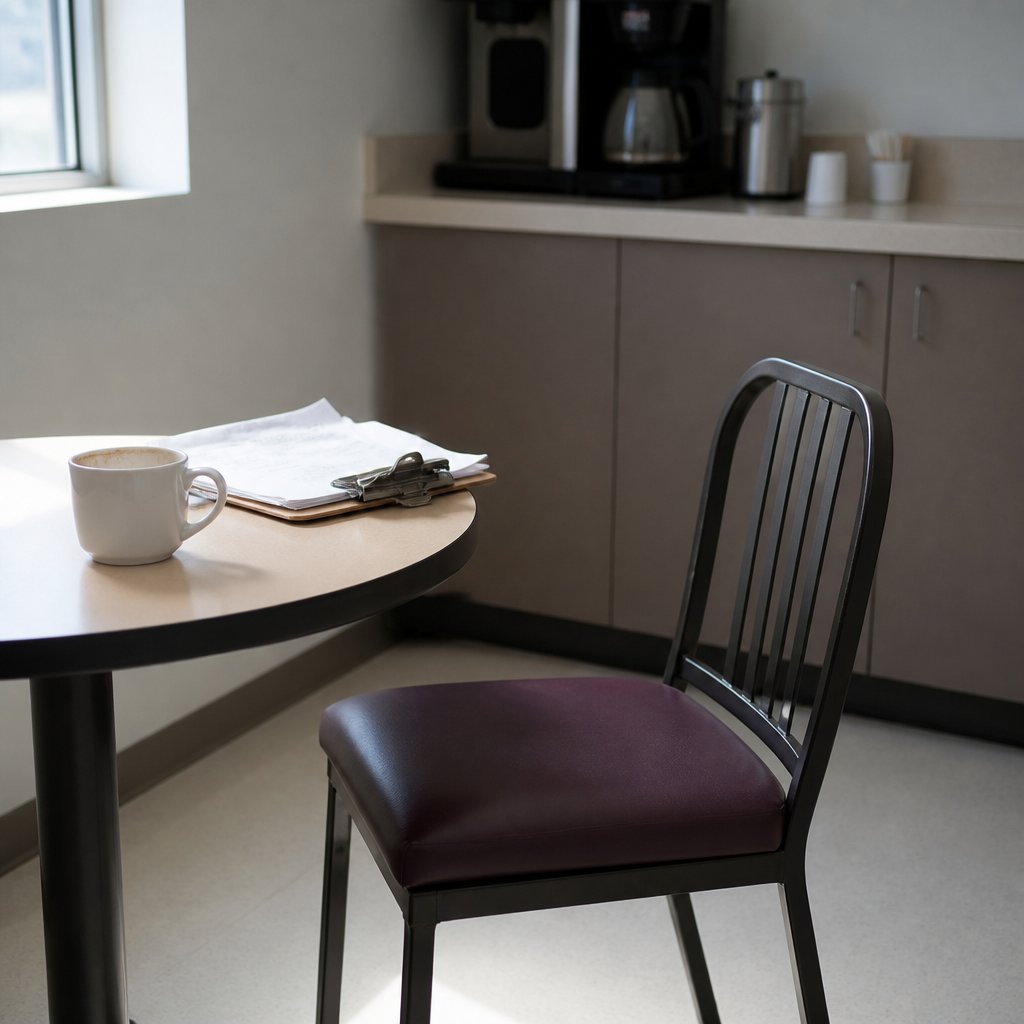
The day before the maintenance supervisor’s scheduled deposition, my lawyer called to tell me Northgate’s attorney said the supervisor was “no longer employed” and unavailable. That was the one person who’d know exactly what repair orders had been given for the balcony railing — the person who could confirm if the fixes were rushed or half-done. My stomach sank. Without that testimony, it’d be like trying to solve a puzzle with a missing piece.
I pictured the dimly lit break room where I imagined the supervisor had spent countless hours, clipboard in hand. Now, they were suddenly out of reach. The office phone line buzzed unanswered. Emails sat unopened. Northgate’s statement felt like a deliberate cut-off — the protector suddenly gone, leaving me exposed.
It was hard to shake the feeling that this was no accident. Someone was shutting doors, blocking the trail. And without the supervisor’s account, proving what was real and what was covered up felt impossible.
City Inspection Report Emerges

Then, a city inspection report turned up unexpectedly. It detailed “balcony guard instability” at the building the previous year, the exact problem I’d fallen victim to. I held the report in my hands like a lifeline, but Northgate’s lawyer waved it off, saying the issue had been “corrected.”
The problem was the paper trail looked thin. There were no detailed follow-ups or photos attached. Just a brief note claiming fixes were made. It felt like a half-hearted attempt to tick a box rather than a real repair. How could they have fixed a dangerously loose railing without documentation? The report was official, but the story it told was incomplete.
I sat across from my lawyer in a cramped conference room, the glossy report spread between us. The air smelled faintly of stale coffee and printer toner. Outside, a janitor’s mop echoed faintly down the hallway. Every question about whether Northgate was being truthful seemed to grow louder.
Inspector Agrees To Testify

We managed to contact the city inspector who’d written the report. She agreed to testify but warned us that follow-up photos had never been submitted by the property management. That meant someone had signed off on the repairs without the required documentation.
This opened a whole new question: who had signed off, and why? If the inspector hadn’t gotten the follow-up evidence, why had the fix been approved? The absence of photos suggested a cover-up or negligence. The signer became the next piece in this puzzle, someone who might have knowingly put tenants at risk.
Her office was a cluttered cubicle filled with engineering maps and safety binders. She spoke quietly but firmly, her voice steady as she laid out the procedural gaps. Outside the window, the city skyline blurred behind a haze, the everyday world moving on as if nothing had happened.
Defense Shows Dubious Repair Invoice
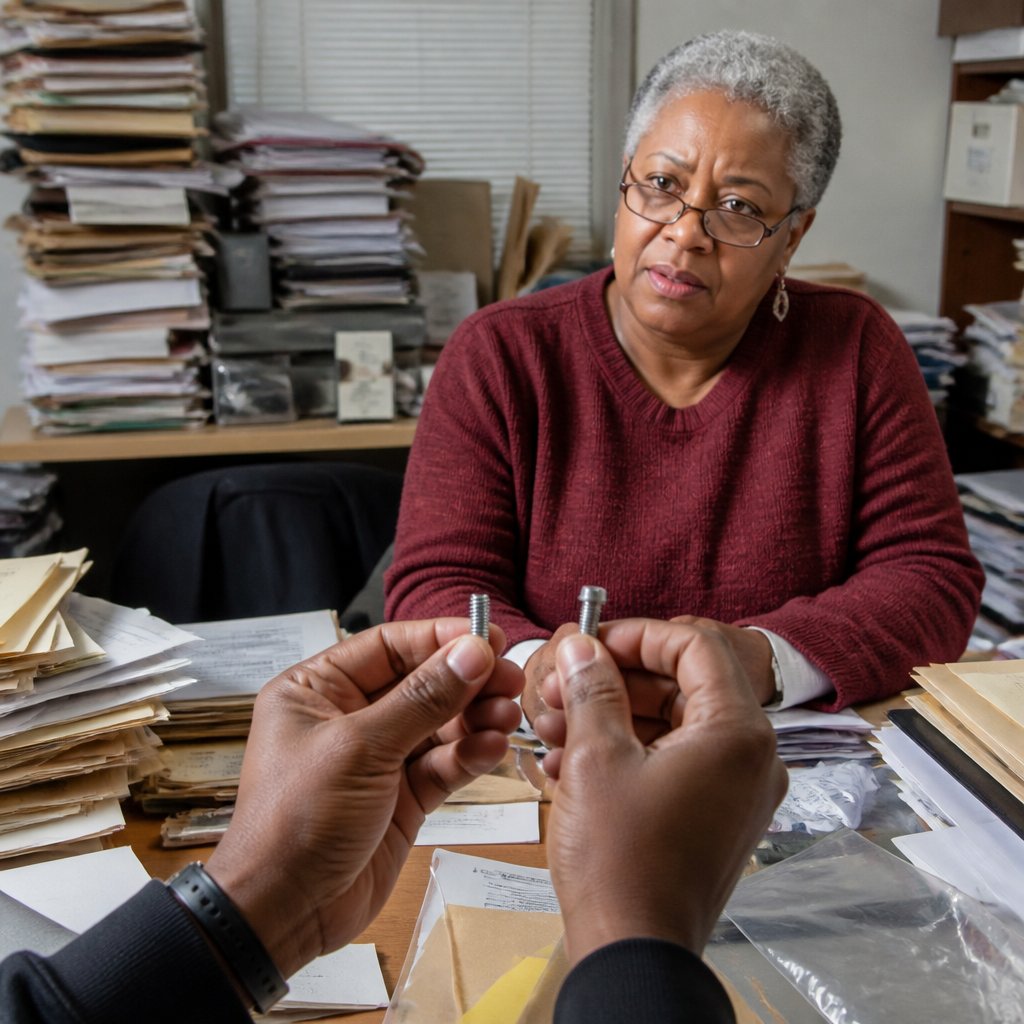
During discovery, the defense produced what they called a “repair invoice,” claiming new bolts had been installed on the balcony railing. It was supposed to prove they fixed everything properly after the city report. But my expert took one look and said the bolt type didn’t match any bolts on the remaining balconies.
That suggested the invoice was manufactured after the fact. If they’d truly done the repairs, the bolts would be uniform. Instead, this document looked like an attempt to paper over the truth. The thought made my blood run cold.
We sat in the dim light of the law office’s evidence room, piles of documents stacked around us. My expert held up samples of the bolts taken from other balconies, the cold metal catching the overhead light. Each small detail added weight to the suspicion that Northgate was trying to rewrite history.
Mediation Collapses Abruptly

The mediation session took a sudden, hostile turn. Northgate’s attorney accused me of staging my fall — an accusation that shocked me and everyone else in the room. I sat frozen, my heart pounding as the mediator’s face shifted noticeably at the mention of the city inspection citation.
The mediator, who had been calm until then, glanced down at the papers again and gave a subtle but telling look. It was as if the citation rattled Northgate and revealed they were scared but still refusing to give ground. The session broke apart quickly after that, with no resolution in sight.
The conference room had a bland, institutional feel. We all wore the clothes we’d worn that morning — me in a navy jacket, Northgate’s attorney in a crisp gray suit. The tension in the air was thick enough to taste, like the faint metallic scent of anxiety rising before a storm.
Corporate Rep Denies Knowing
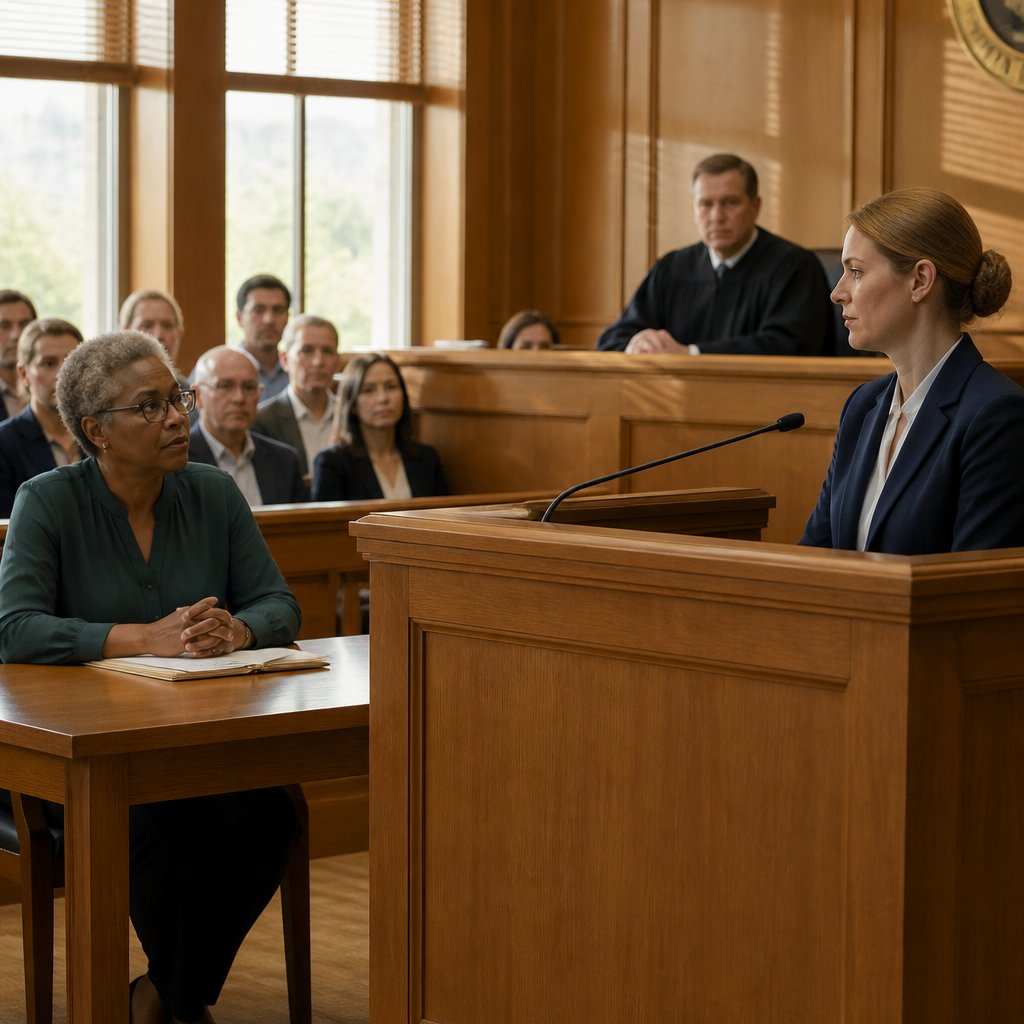
I sat in the courtroom listening as Northgate’s corporate representative took the stand. She was a tall, middle-aged white woman with her hair pulled back tightly, wearing a navy blazer and a crisp white blouse. She looked confident at first, but her answers started to wobble when the plaintiff’s lawyer brought up an internal email titled “Balcony Optics.”
She claimed she had never seen the email before. The lawyer slid a printed copy across the table, pointing to the line where the company’s legal department was copied in. Her face tightened, and she looked down, unable to explain why legal had been in the loop. I noticed a bead of sweat on her temple.
The jury watched her closely, their eyes flicking between the woman’s shifting gaze and the paper in front of them. The judge reminded everyone to withhold judgment, but the tension in the room was thick. The corporate rep’s evasiveness only made the situation feel more real and more urgent to me.
As her testimony ended, I realized the battle was far from over. Whether the jury would see through the smoke and mirrors was still unknown. I held my breath, waiting for the verdict that could change everything.
Missing Bolt Becomes Focus
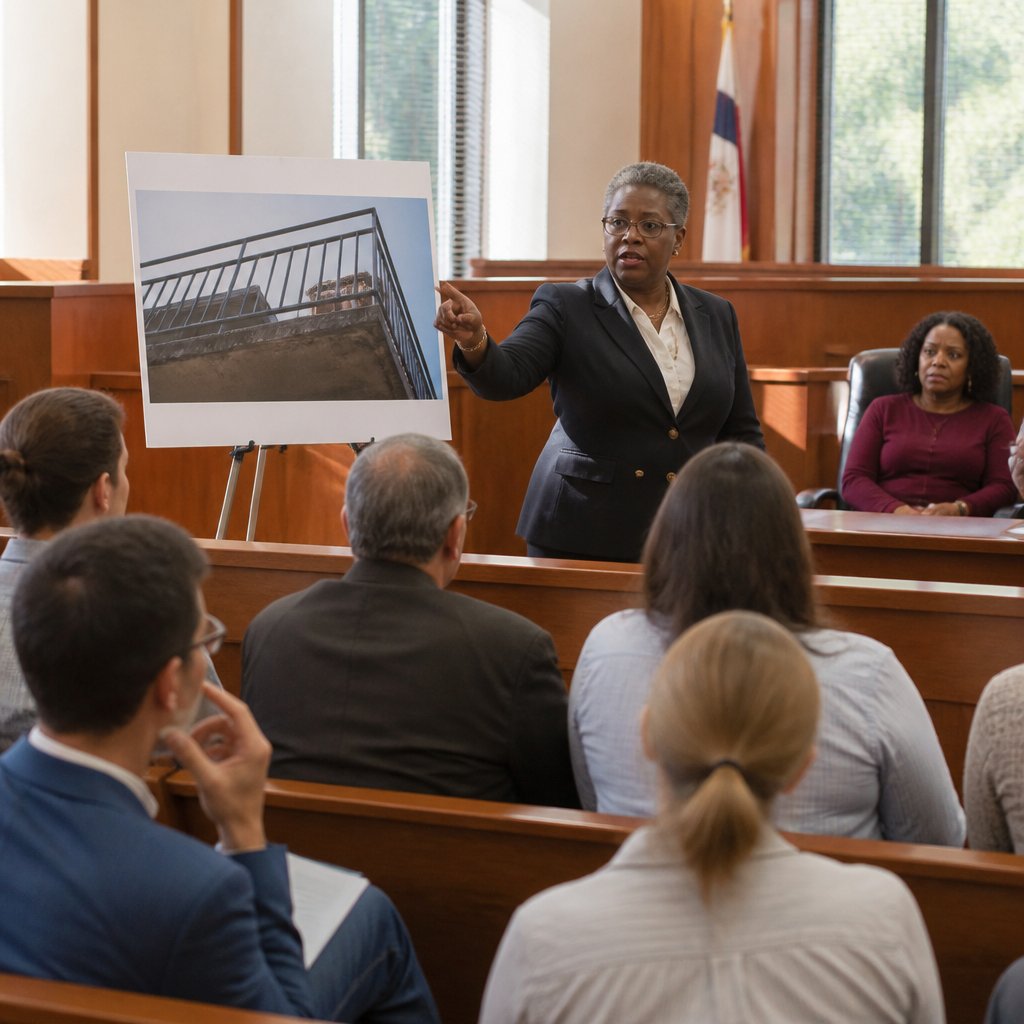
The closing argument began with Marcus’s lawyer standing firmly by the jury’s benches. He was a younger Black man, dressed in a charcoal suit and light blue shirt, speaking clearly and deliberately. He pointed to an enlarged photo of the balcony railing’s broken section where the missing bolt should have been.
“Who threw away the best evidence?” he asked harshly, his eyes scanning the jury. “The bolt that held that railing together disappeared. That’s no accident—Northgate destroyed critical evidence.”
The jury exchanged looks. Minutes later, the bailiff returned with a note. The jurors wanted the spoliation instruction—the official explanation of what it means when evidence is destroyed—and they also asked to see the email printout again.
I felt my heart pound as the judge took the note and prepared to respond. This was the moment all the fighting had led to. But the room held its breath, waiting for the judge’s answer and the jury’s next move.
Was the jury right to request spoliation instruction here?