



Leg Day at FitZone
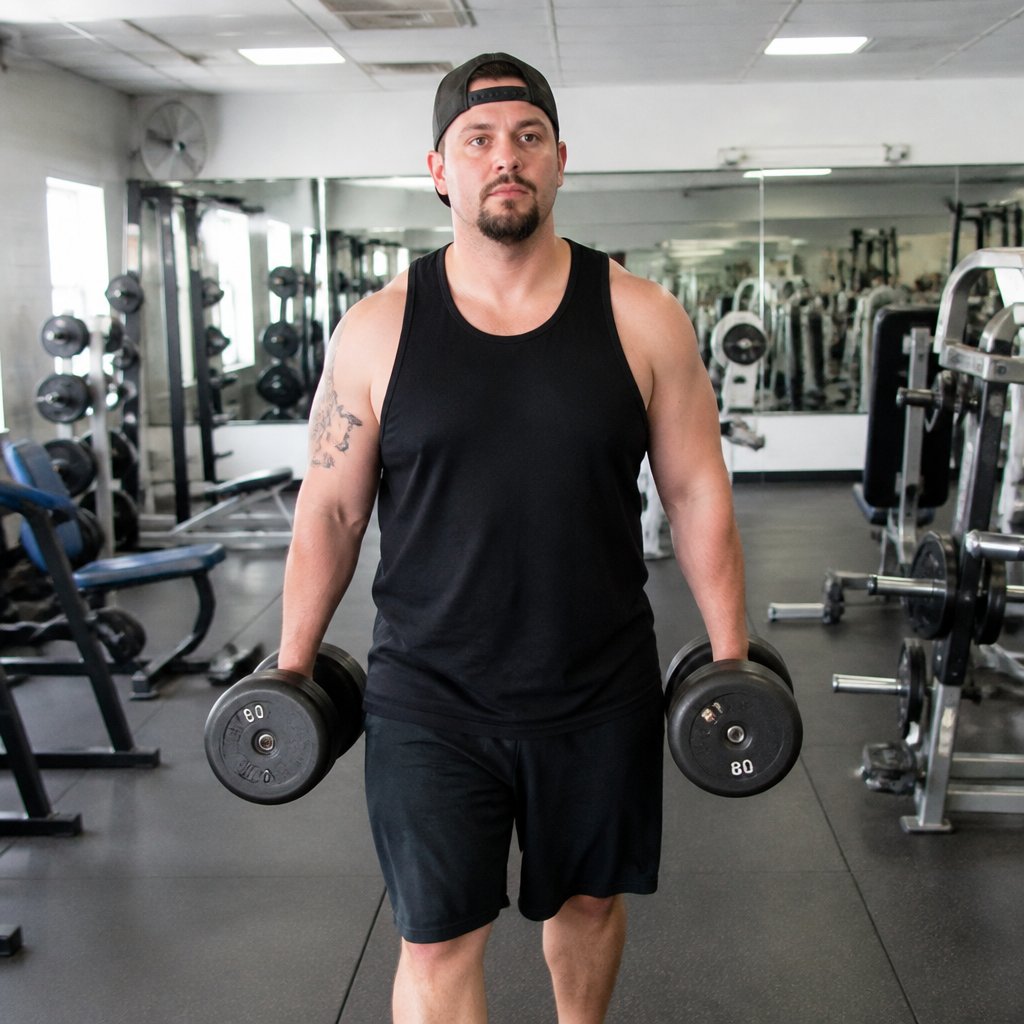
Kyle Brannick walked into FitZone Fitness at 6:45 on a Tuesday morning like he always did. Hat backward, pre-workout buzzing through his veins, earbuds in. He'd been coming five days a week since January — one of those New Year's resolution guys who actually stuck with it, or at least that's how he told it.
The gym was a budget chain off Route 9, twenty bucks a month, no frills. Rubber floor mats that smelled like feet, mirrors with fingerprints nobody wiped, and a dumbbell rack that hadn't been organized properly since the place opened. Kyle grabbed the 80-pounders and headed for the bench.
The Drop Heard Around the Free Weights

According to Kyle's account — the one he'd later repeat under oath — he was re-racking the 80-pound dumbbell after his last set when it slipped from his grip. It landed squarely on his right foot. He wasn't wearing proper lifting shoes. He was wearing flip-flops.
The sound was somewhere between a crack and a thud. Kyle said he blacked out for a second. The teenager working the front desk came running. By the time the kid got there, Kyle was sitting on the floor holding his foot, his face the color of chalk, the dumbbell still resting where it had landed.
Three Broken Metatarsals
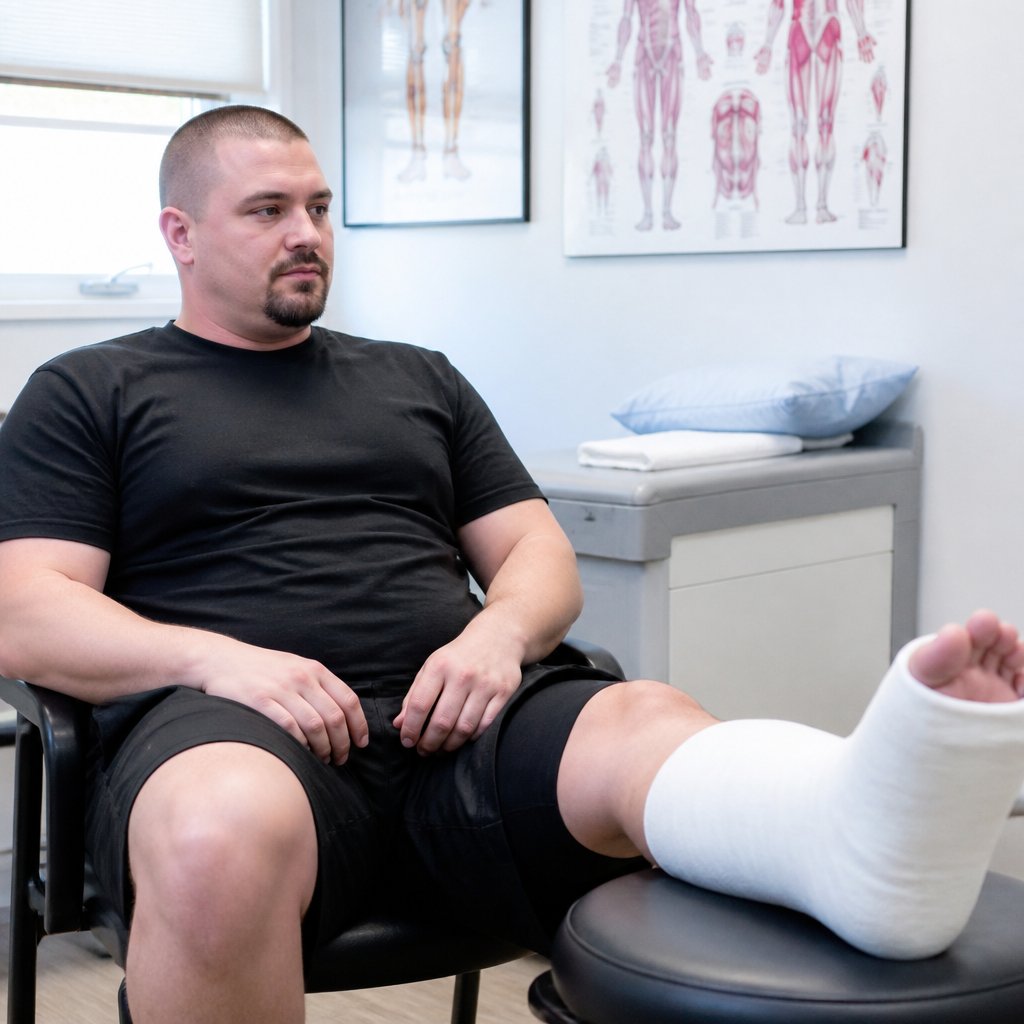
The X-rays showed three broken metatarsal bones in his right foot. The ER doctor said it was consistent with a heavy blunt-force impact — no surprise there. Kyle got a cast, crutches, and a referral to an orthopedic specialist. The specialist said he'd need six to eight weeks of recovery, possibly a pin if one of the fractures didn't heal cleanly.
Kyle left the orthopedist's office and called his brother-in-law, who happened to be a personal injury attorney in the next county over. The conversation lasted twelve minutes. By the end of it, Kyle was already thinking about dollar signs.
The Lawsuit That Made the Local News
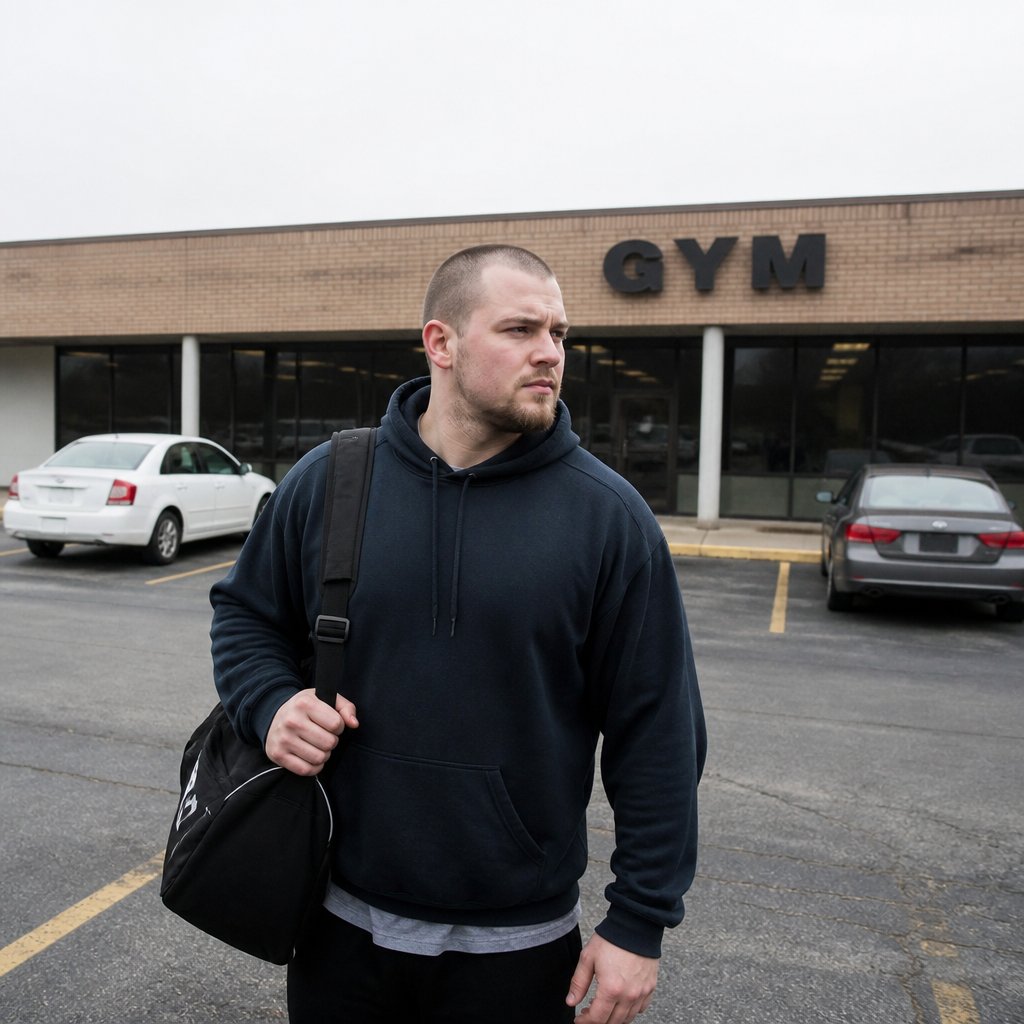
Three weeks later, Kyle's brother-in-law filed a complaint against FitZone Fitness LLC seeking $3.5 million in damages. The complaint alleged that FitZone had failed to provide adequate safety equipment, failed to enforce a footwear policy, failed to maintain the dumbbell rack in a safe condition, and failed to provide warning signage about the dangers of heavy free weights.
Three and a half million. For a broken foot. At a gym that cost twenty dollars a month. The story made the local news that same week.
Kyle's Theory of Negligence
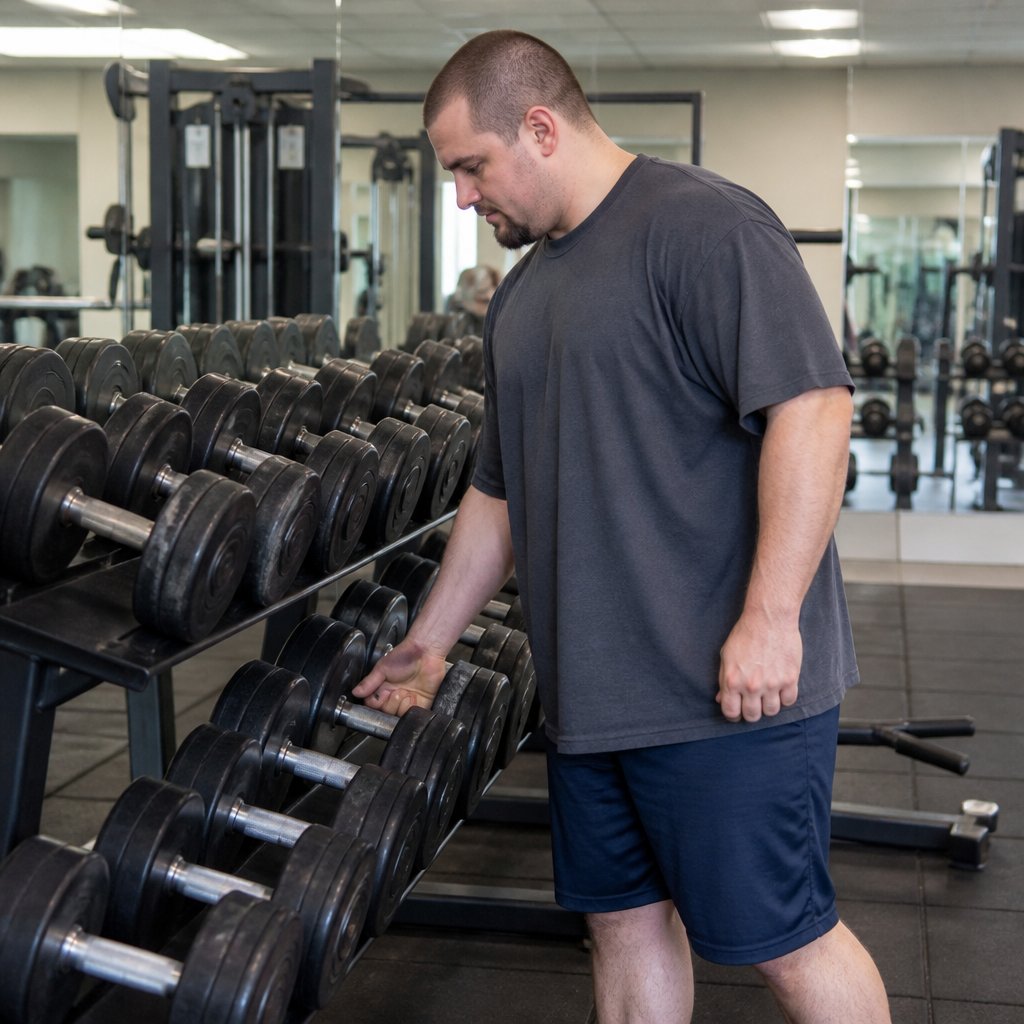
The complaint laid out Kyle's theory: the gym should have required closed-toe athletic shoes. They should have posted signs warning that dropping weights could cause injury. The dumbbell rack's worn rubber stoppers made the weights "unreasonably slippery." And the floor mats should have been thicker to cushion any dropped weights.
Reading it, you'd think the gym had actively tried to injure him. What the complaint didn't mention was that Kyle had been coming to that gym for nine months. Same rack. Same dumbbells. Same flip-flops.
FitZone Didn't Blink

FitZone's corporate office forwarded the lawsuit to their insurance carrier, which assigned it to a defense attorney named Margaret Hwang. She was the kind of lawyer who wore her reading glasses on a chain and smiled at you right before she dismantled your case piece by piece.
Her first move was to request Kyle's gym entry records. FitZone scanned member cards at the door. They had nine months of Kyle's check-ins — dates, times, everything. She also requested the surveillance footage from the morning of the incident. The gym kept camera recordings for sixty days. She got it on day fifty-eight.
The Footage Told a Different Story
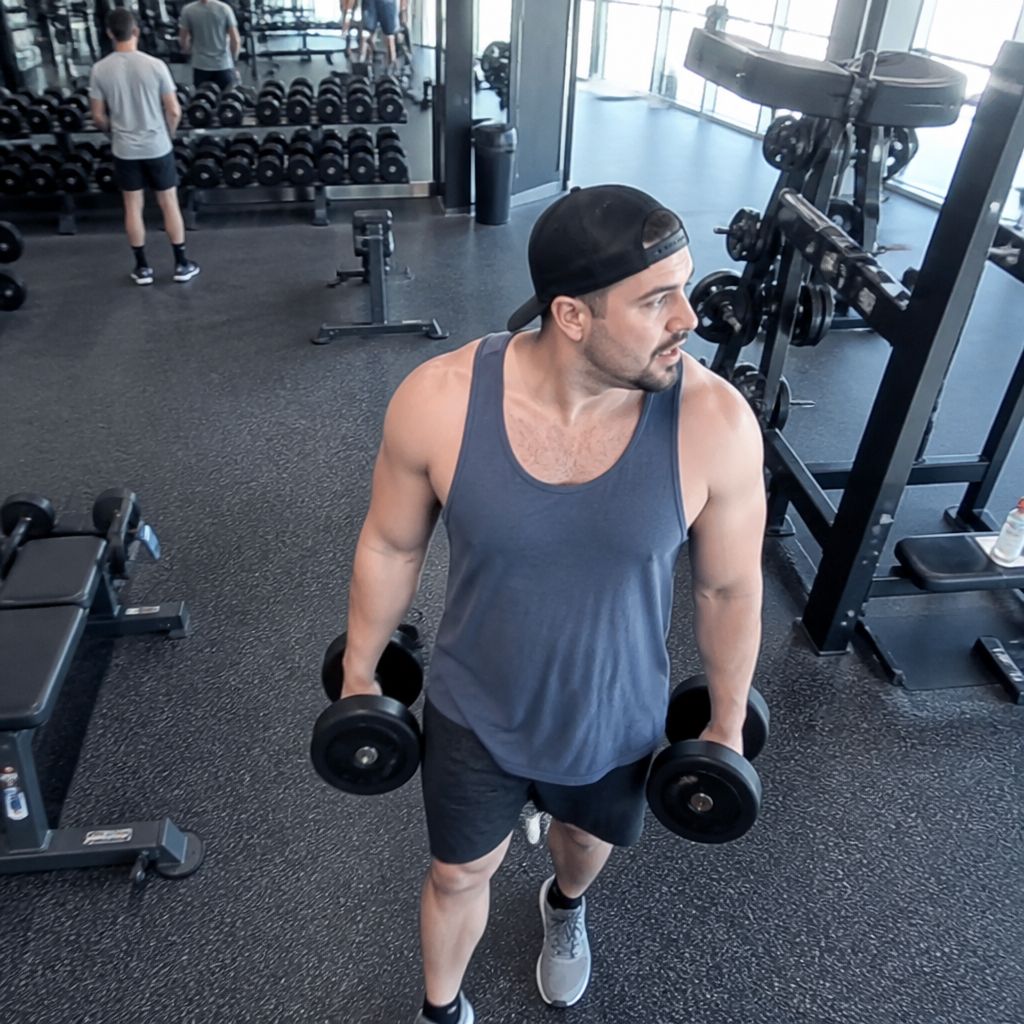
The surveillance video showed Kyle at the bench press that morning. Clear as day — backward hat, tank top, flip-flops. He finished his set, stood up, and grabbed one dumbbell in each hand to return them to the rack. Halfway there, he turned his head to look at a woman on the treadmill. Not a glance. A full head-turn, rubbernecking stare.
That's when his right hand lost its grip. The dumbbell didn't slip off the rack. It fell because he wasn't paying attention. Because he was staring at someone instead of watching what he was doing with eighty pounds of iron in his hands.
Margaret Hwang Smiled When She Saw It

Margaret watched the footage three times. She made notes. She paused on the frame where Kyle's head was turned a full ninety degrees away from his hands. Then she moved on to phase two.
She subpoenaed Kyle's social media accounts. His Instagram was public — she didn't even need a court order for most of it. What she found there would turn his $3.5 million case into something the judge would remember for years. Not in the way Kyle wanted.
The Instagram Problem
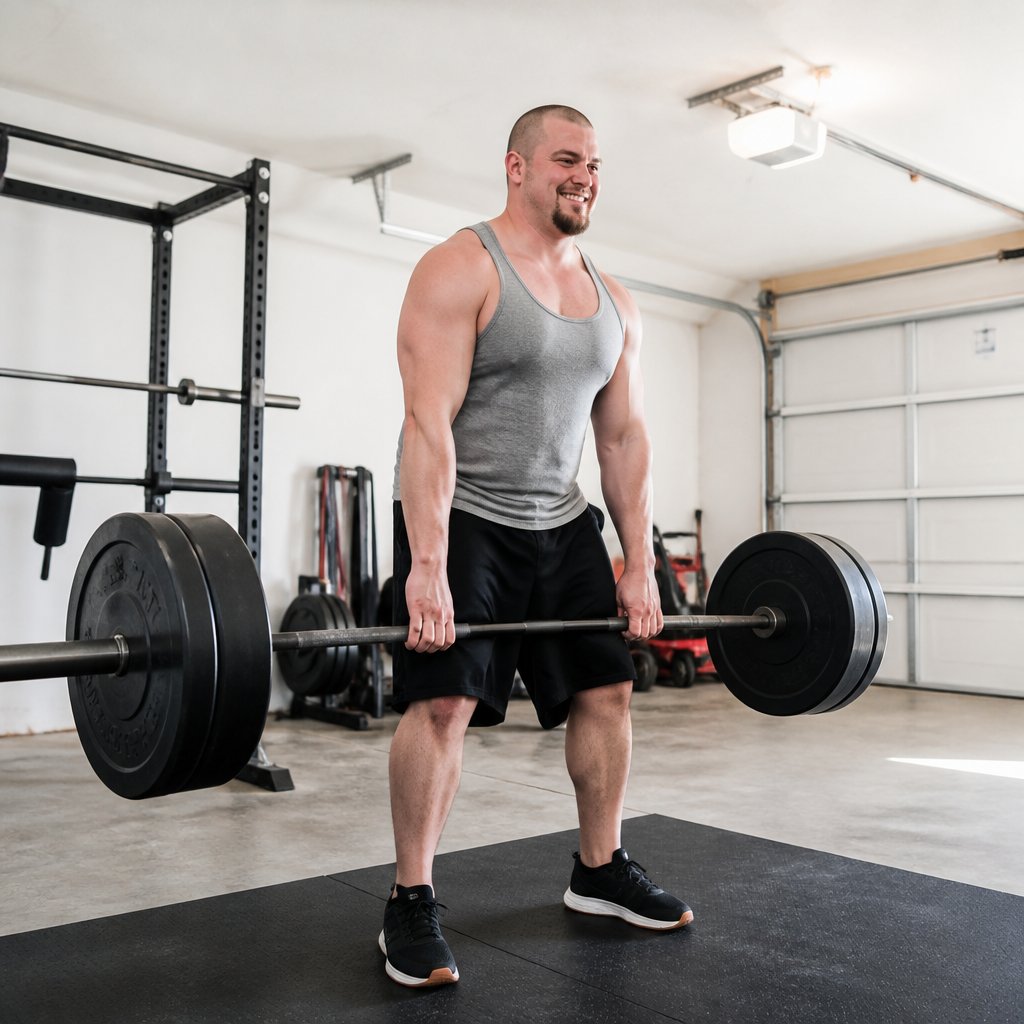
Fourteen days after the incident — while Kyle was still supposedly unable to walk, still claiming debilitating pain, still wearing the cast — he posted a video on Instagram. In it, he was doing deadlifts in his garage. No cast. No crutches. No visible limp. The caption read "Can't keep a beast caged" with three flame emojis.
It got forty-seven likes. One of them was from his brother-in-law's firm's paralegal, who apparently hadn't put two and two together. Margaret Hwang's office printed every frame.
The Posts Kept Coming
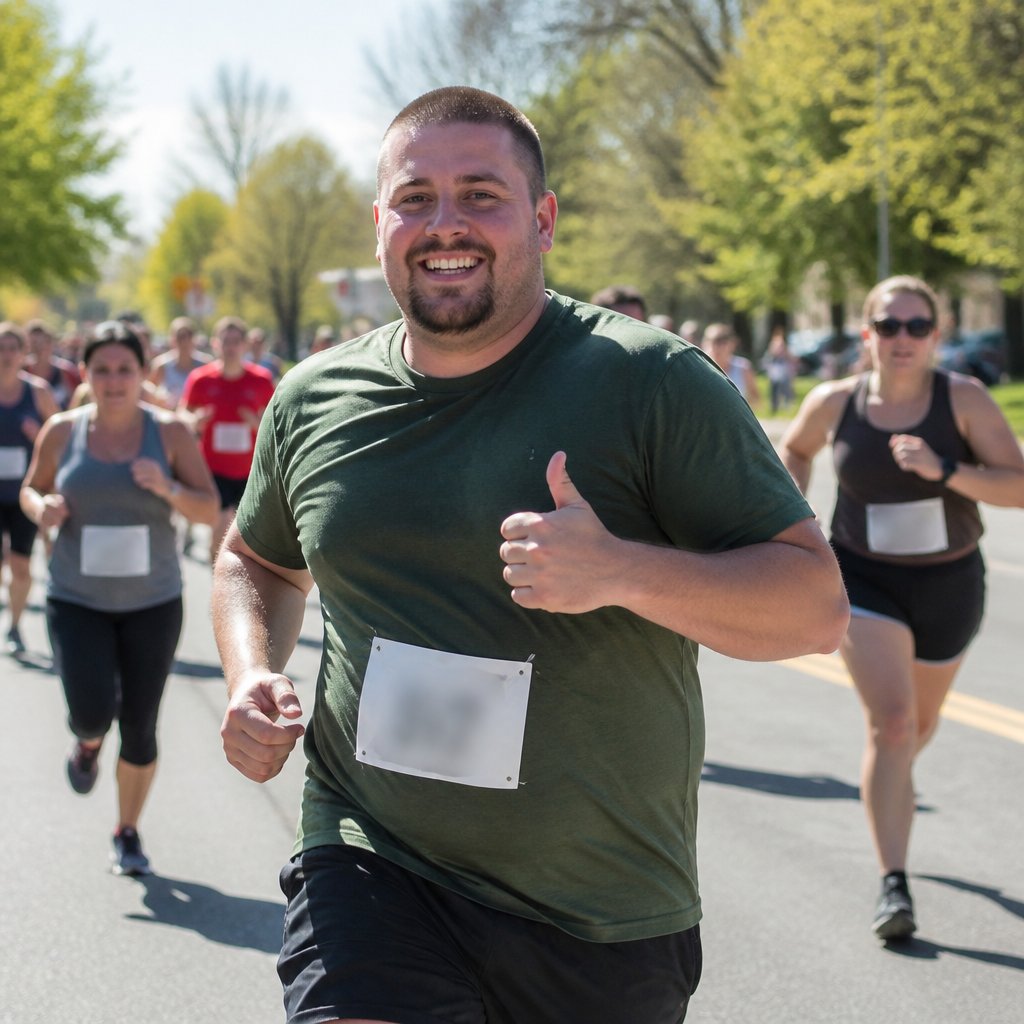
It wasn't just one video. Over the next three weeks, while his lawsuit claimed he was suffering from "permanent impairment" and "inability to perform daily activities," Kyle posted: a selfie at a 5K fun run ("back on my feet baby"), a photo of him playing basketball with his nephews, and a story of him kicking a soccer ball around a park.
Each one was timestamped. Each one was during the period his medical claims said he was incapacitated. Margaret's paralegal organized them chronologically in a binder that was three inches thick by the time they were done.
His Lawyer Should Have Checked
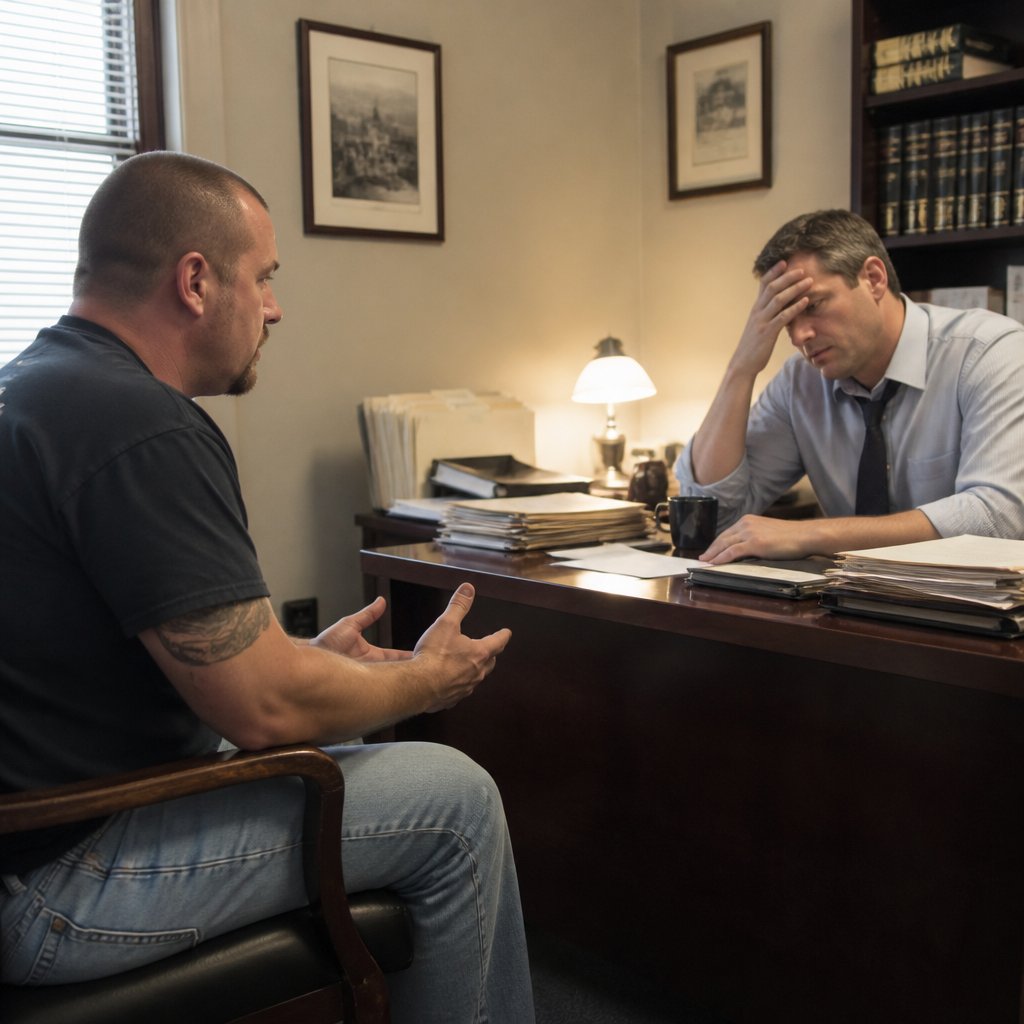
Kyle's brother-in-law, Todd Brannick of Brannick & Associates, either didn't check his client's social media or chose to ignore what was there. Either way, it was a mistake that would haunt him. When Margaret filed her motion for summary judgment, she attached sixty-three pages of exhibits — timestamped posts, geotagged photos, and the surveillance footage stills.
Todd called Kyle that evening. The conversation, according to Kyle's later account, was short. Todd said something to the effect of: why didn't you tell me about this? Kyle said he didn't think Instagram counted.
The Motion to Dismiss

Margaret's motion was surgical. She argued that Kyle's own social media demonstrated he had no lasting impairment, that his medical claims were exaggerated or fraudulent, that the surveillance footage showed contributory negligence (distraction plus inappropriate footwear), and that the gym's waiver — which Kyle had signed — specifically disclaimed liability for injuries caused by improper use of equipment.
The waiver. Kyle had forgotten about the waiver. It was right there in the membership agreement he'd signed nine months earlier. Paragraph six.
The Judge Had Questions
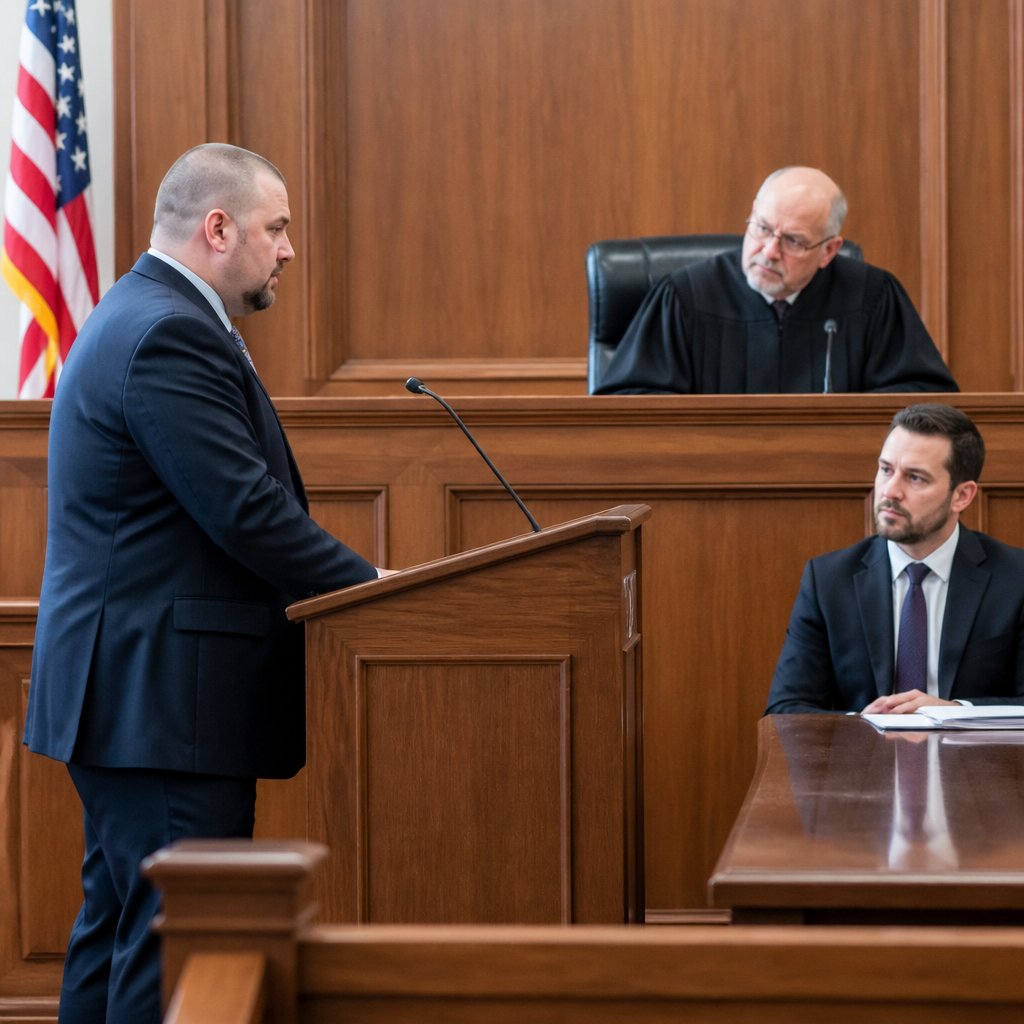
At the hearing on the motion, Judge Raymond Torres asked Kyle's attorney one question: "Counselor, were you aware of your client's social media activity during the claimed period of incapacity before or after the defense brought it to light?"
Todd stood at the podium in a suit that suddenly seemed too big for him. He said he'd only recently become aware. The judge looked at him over his glasses for a long three seconds, then turned back to the paperwork in front of him. The courtroom was quiet enough to hear the air conditioning.
Kyle Took the Stand Anyway
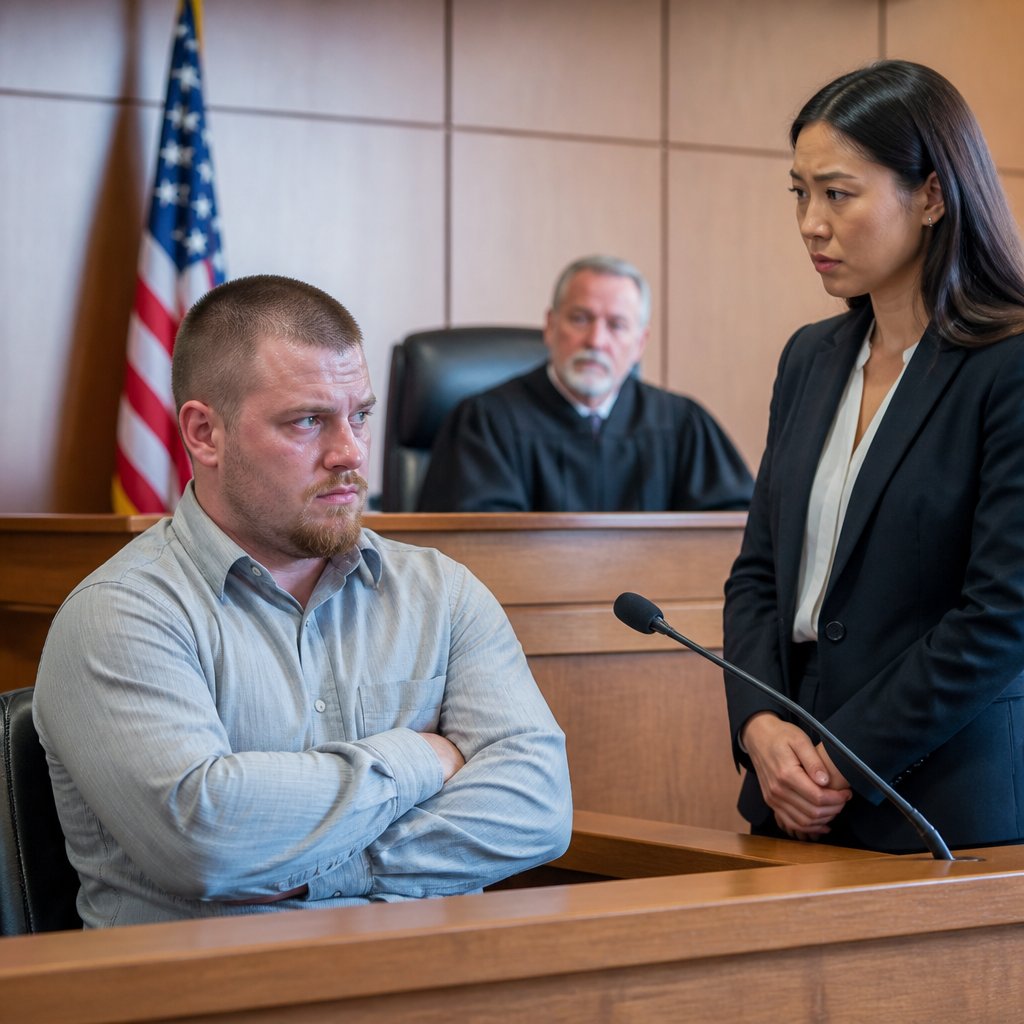
Against his attorney's advice, Kyle insisted on testifying. He wanted to explain. The 5K wasn't really running, he said — he mostly walked. The deadlift video was old, re-posted. The basketball was just shooting around, not real playing. Each explanation was thinner than the last.
Margaret's cross-examination took forty minutes. She showed him each post, one at a time, and asked him to reconcile it with his sworn medical affidavit claiming he was unable to walk without pain. By the fifteenth exhibit, Kyle's answers had shortened to "I don't remember posting that" and "it's not what it looks like."
The Medical Expert Backtracked
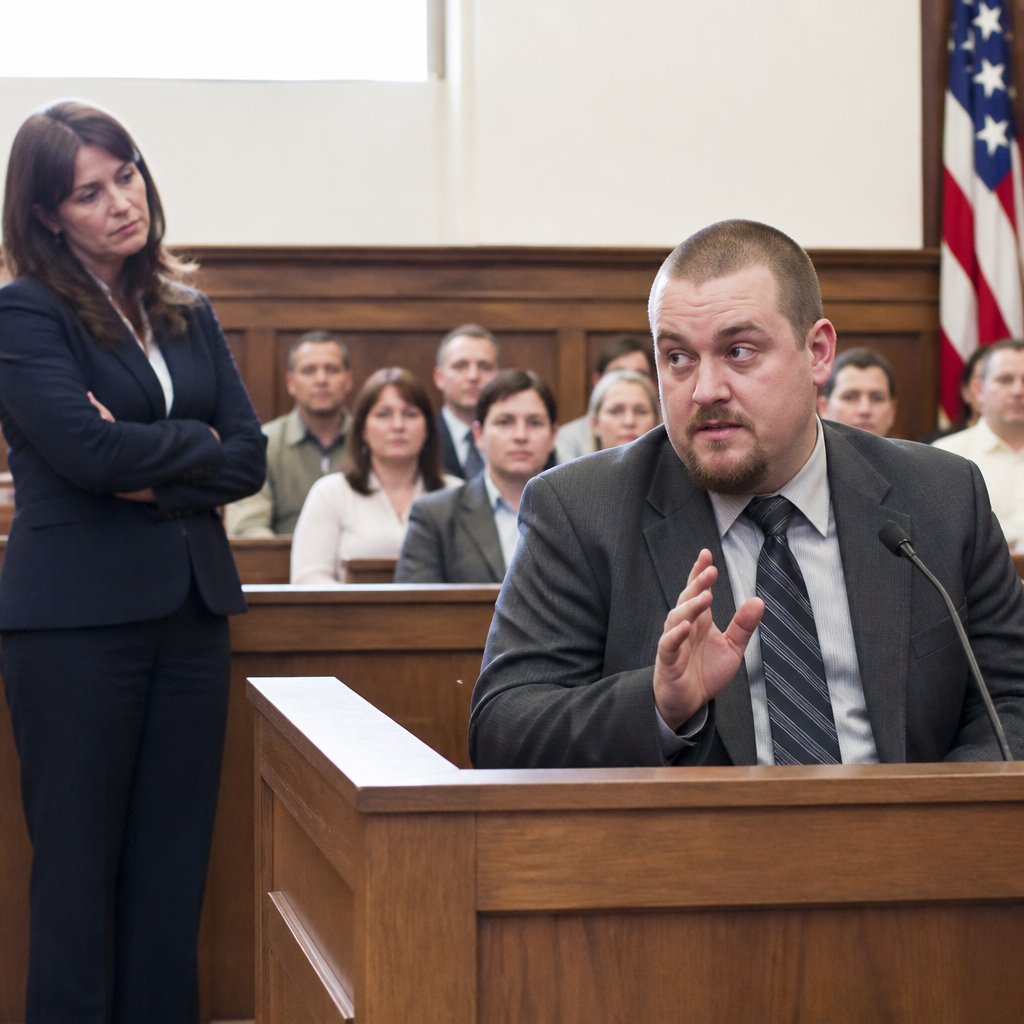
Kyle's medical expert, a podiatrist named Dr. Finch, had written a report claiming permanent impairment. On cross-examination, Margaret showed him the deadlift video. Then the 5K photo. Then the soccer park story. She asked if a person with permanent impairment from three broken metatarsals could perform those activities fourteen days post-injury.
Dr. Finch paused. He said that in light of new evidence, he would need to revise his assessment. Margaret thanked him. The jury — they'd pushed past the motion phase — was watching like hawks. Two of them were shaking their heads.
Margaret's Closing Was Three Minutes Long
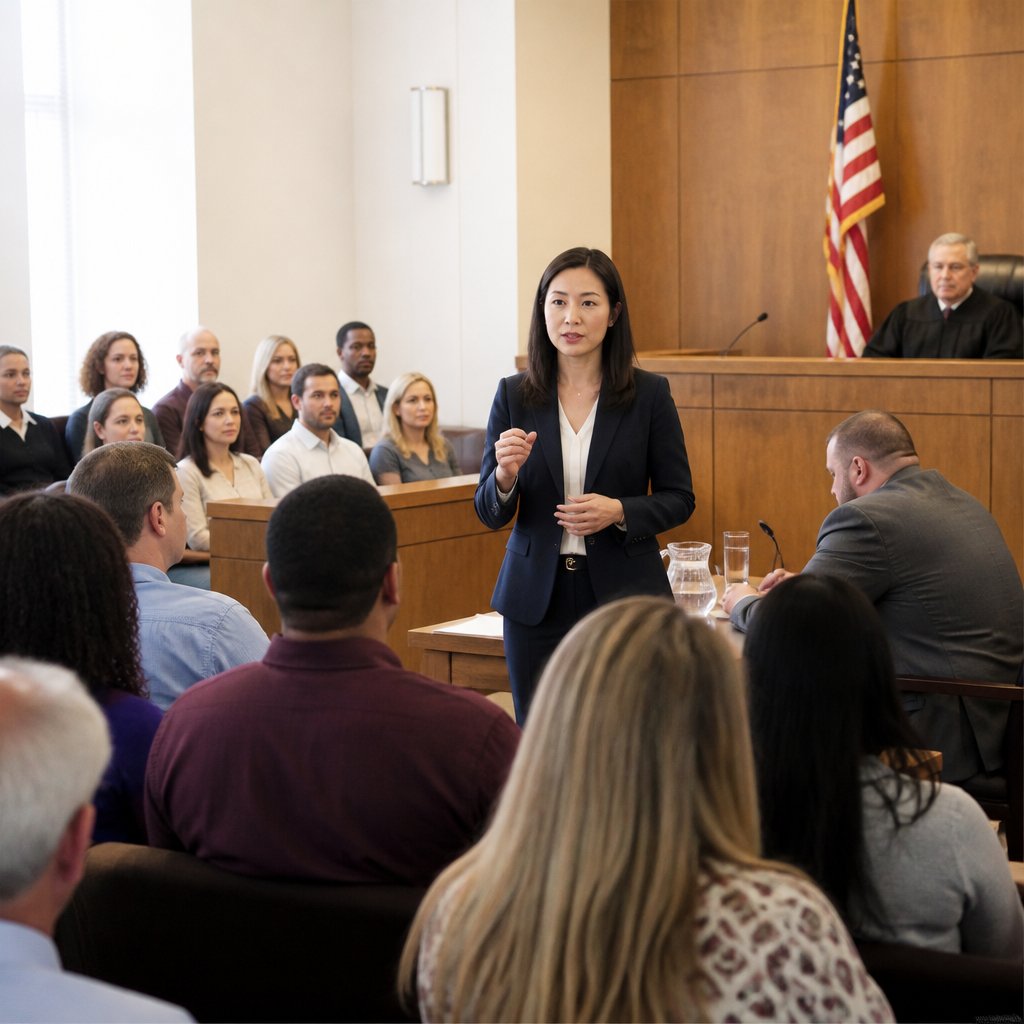
Most closing arguments run twenty minutes or more. Margaret's was three. She said: Mr. Brannick wore flip-flops to lift eighty-pound weights. He wasn't watching what he was doing. He dropped the weight on his own foot. He signed a waiver. He was running a 5K two weeks later. He wants you to give him three and a half million dollars. Then she sat down.
Kyle's attorney's closing ran seventeen minutes. It felt like an hour. Even Kyle could tell the jury wasn't with him. The woman in the front row hadn't looked at him once since the Instagram exhibits.
The Jury Was Out for Forty Minutes
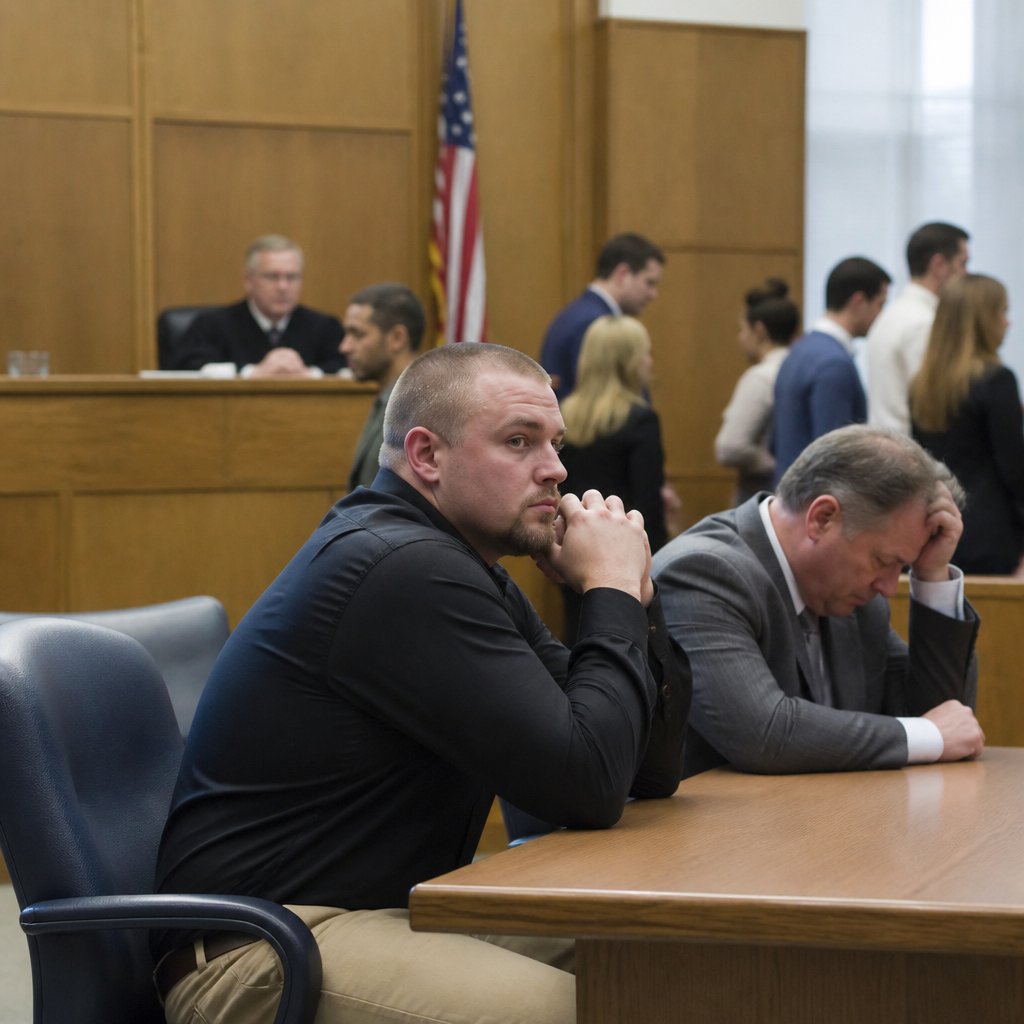
Forty minutes. That was it. Kyle barely had time to eat a granola bar from the vending machine before the bailiff came out and said they had a verdict. Forty minutes for a $3.5 million claim. That's how long it takes to order pizza and watch one episode of something on TV.
They filed back in. None of them looked at Kyle. That's the thing everyone says about juries — if they won't look at you, it's over. Kyle's brother-in-law stood up slowly, like a man bracing for impact.
Judgment for the Defense
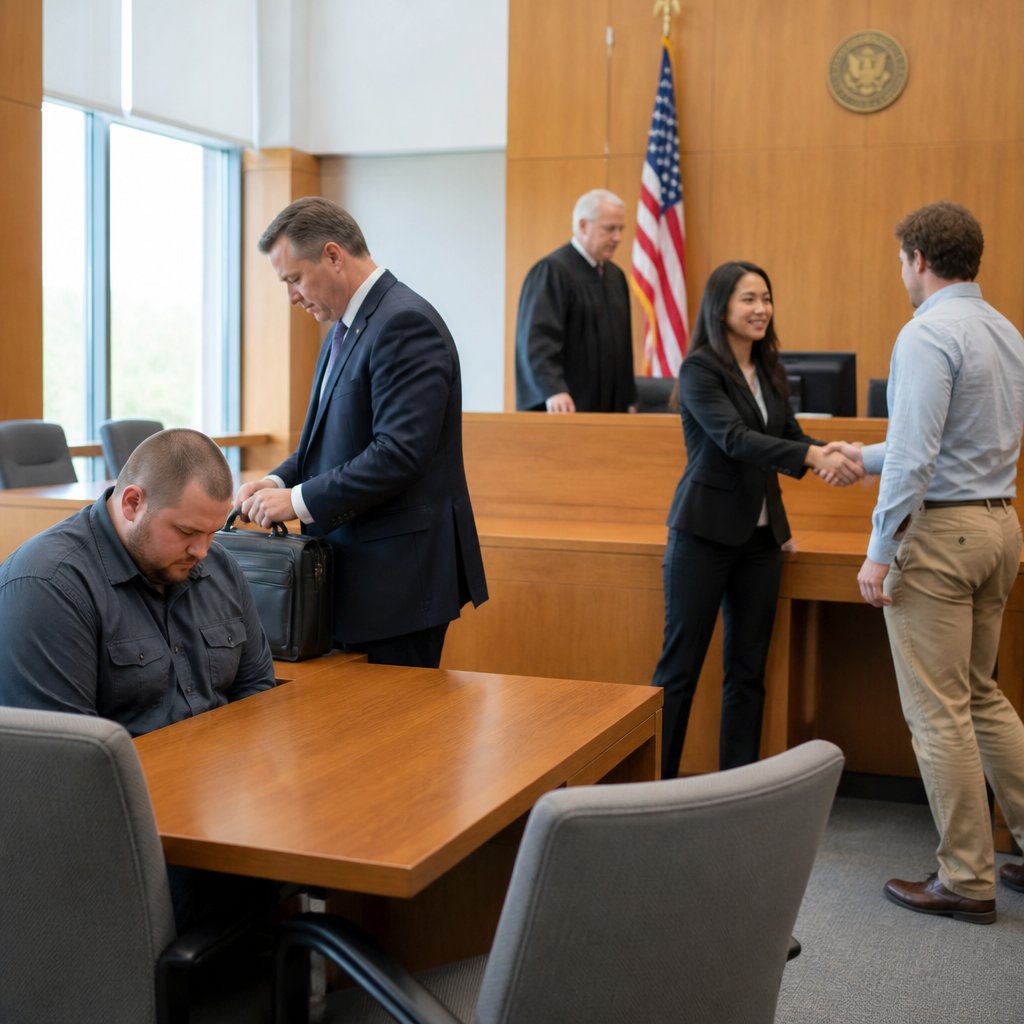
The foreperson read the verdict: judgment for the defense on all counts. Kyle was awarded nothing. Zero. The jury found that FitZone bore no liability for Kyle's self-inflicted injury and that Kyle's own negligence was the sole proximate cause of his broken foot.
Kyle sat there. His brother-in-law closed his briefcase. The judge thanked the jury and dismissed them. Margaret Hwang shook hands with her client's representative — a regional manager for FitZone who'd driven two hours to be there. Nobody shook Kyle's hand.
It Got Worse

Two weeks after the verdict, Margaret filed a motion for sanctions. She argued that Kyle and his attorney had pursued a frivolous claim with evidence they knew to be false — specifically, the medical affidavit claiming incapacity while Kyle was publicly demonstrating otherwise. She also sought attorney's fees under the state's anti-SLAPP provision.
The judge granted both. Kyle was ordered to pay FitZone's legal fees: $47,000. His brother-in-law was referred to the state bar for a disciplinary review. Kyle had gone from suing for $3.5 million to owing forty-seven thousand.
The Internet Had Opinions
The story hit the local paper first, then got picked up by one of those legal humor blogs. The headline was: "Man Sues Gym for $3.5M After Dropping Weight on Foot in Flip-Flops; Instagram Account Tells Different Story." The comments were unanimous in a way the internet rarely is.
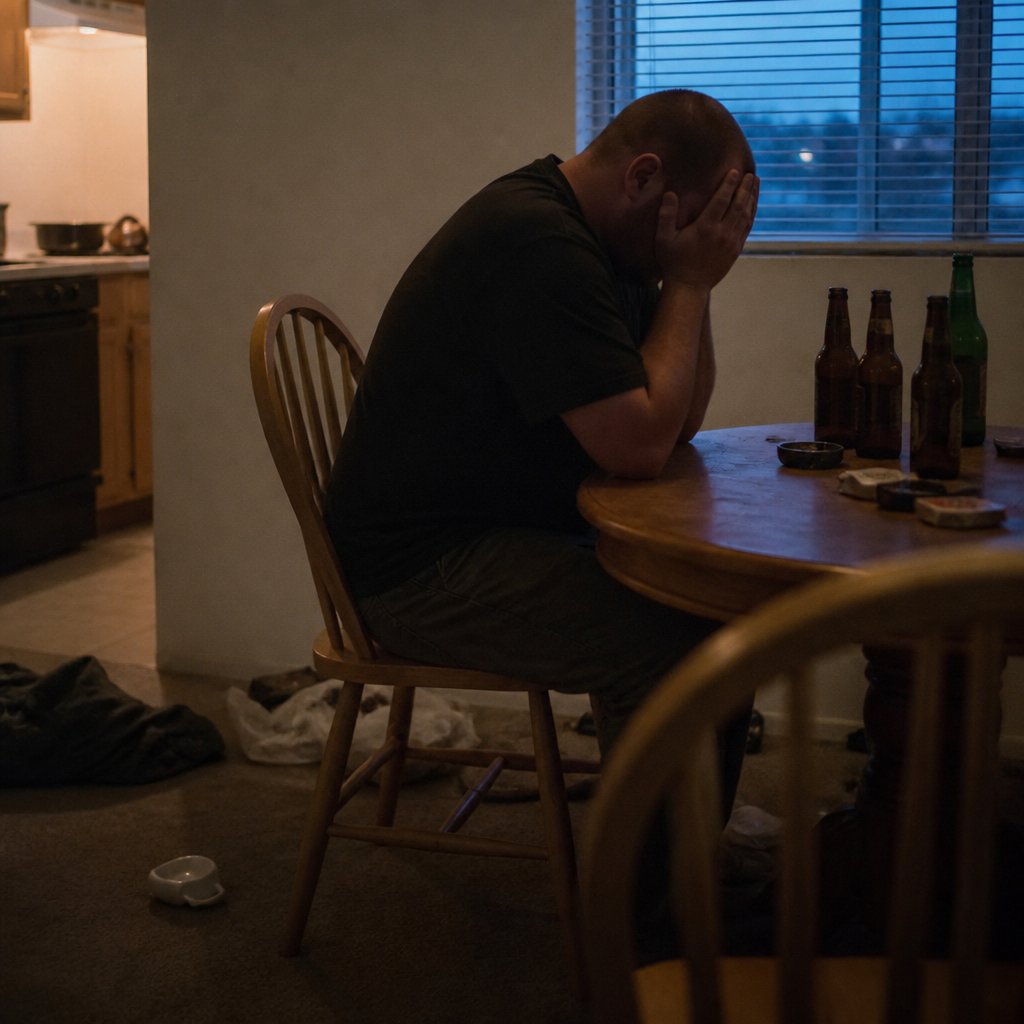
Kyle deleted his Instagram. Then his Facebook. Then his Twitter. It didn't matter — people had screenshotted everything. The 5K photo in particular became a meme format for about three days. Kyle didn't find it funny.
His Brother-in-Law Stopped Returning Calls
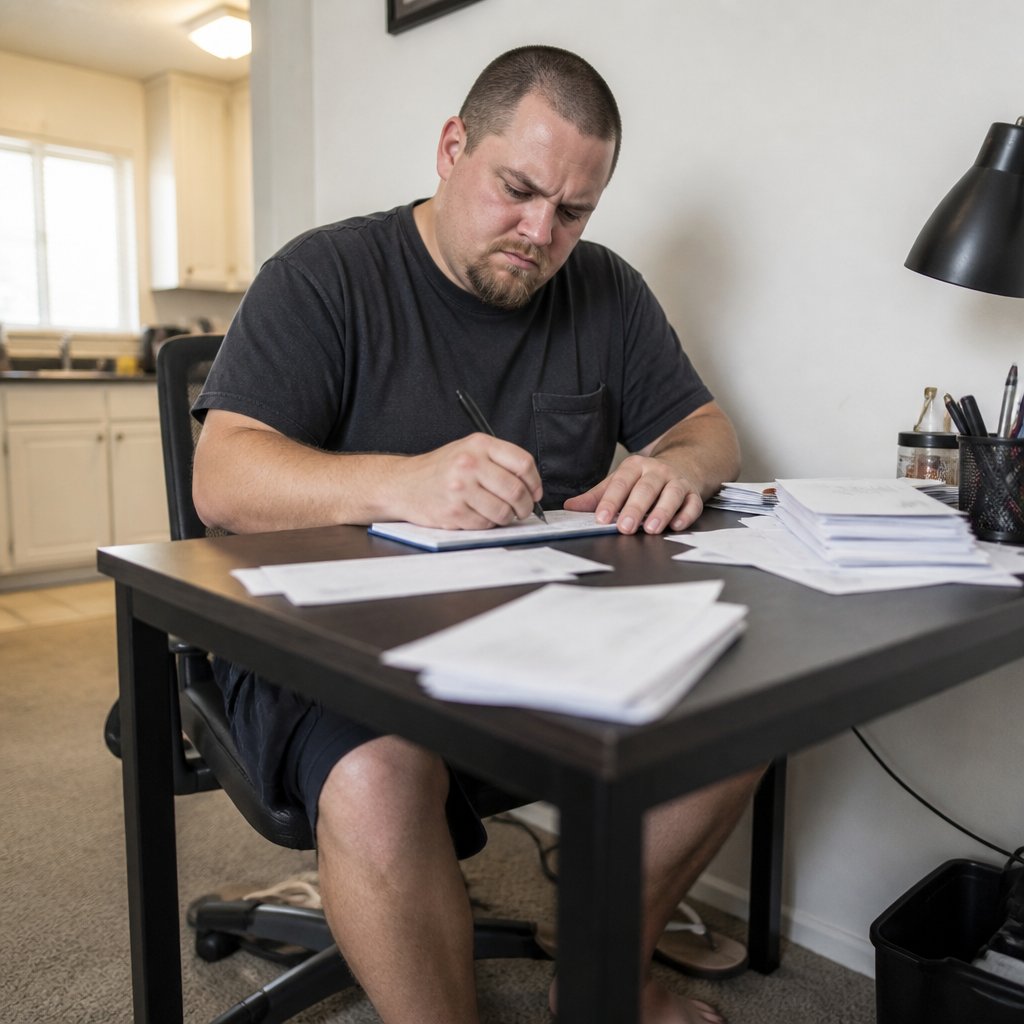
Todd Brannick's law firm quietly removed Kyle's case from their website. The state bar inquiry took four months and resulted in a private reprimand — not disbarment, but a mark on his record. Todd blamed Kyle. Kyle blamed Todd for not checking the Instagram. Family dinners got a lot quieter after that.
Kyle still owed the $47,000 in legal fees. He set up a payment plan — $800 a month for five years. Every month, writing that check was a reminder of the 80-pound dumbbell, the flip-flops, and the head-turn that started the whole thing. His foot had healed in six weeks. His pride was going to take longer.
Should he have sued the gym for negligence?