


Woke Up Unable To Lift Head
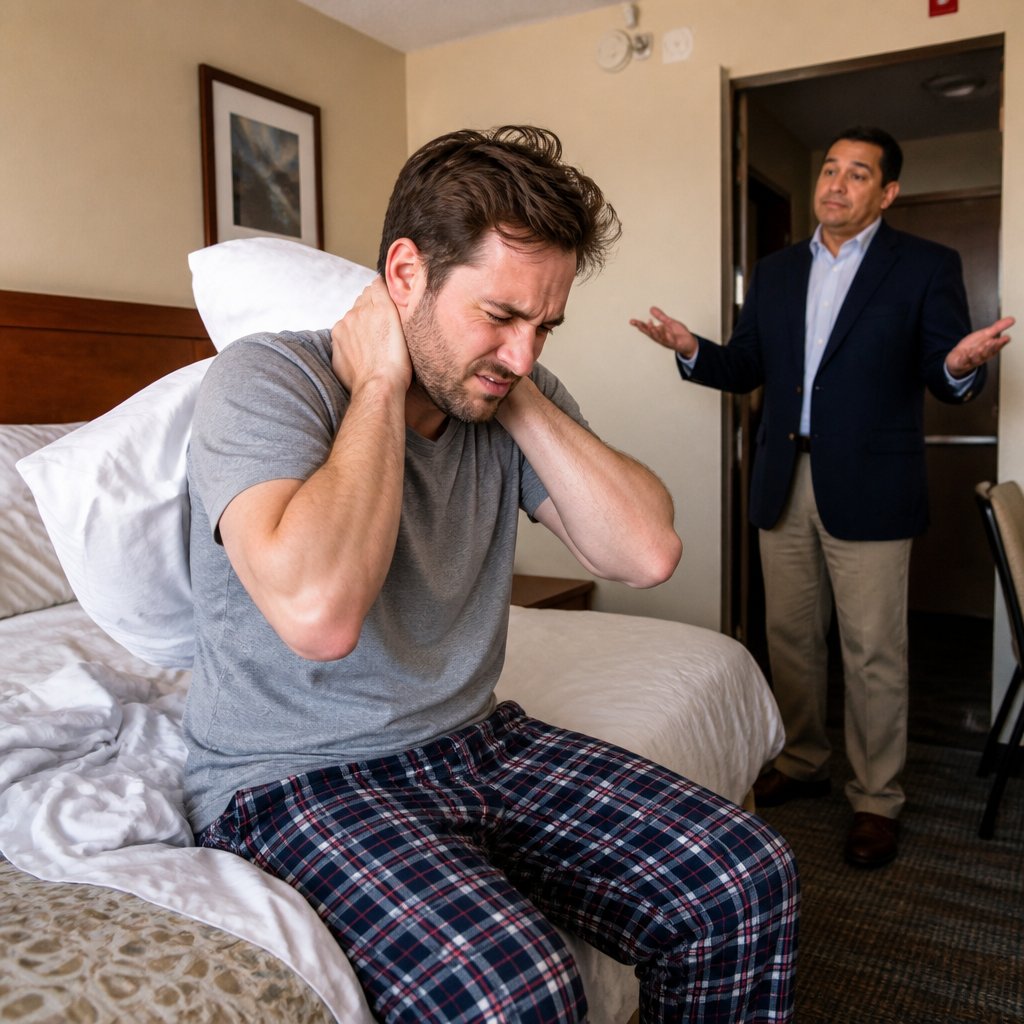
Day two in the hotel, I woke up unable to lift my head. My muscles felt weak, and a dull ache spread through my neck and shoulders. I called the front desk, and the hotel manager stopped by my room. He shrugged off my complaints, saying I was probably "overreacting" or just tired from traveling. But when I finally made it to the emergency room, the doctor listened carefully to my symptoms: headache, nausea, dizziness. He mentioned that carbon monoxide exposure fit the picture and ordered a blood test to confirm it.
Paramedics Switch Devices Silently
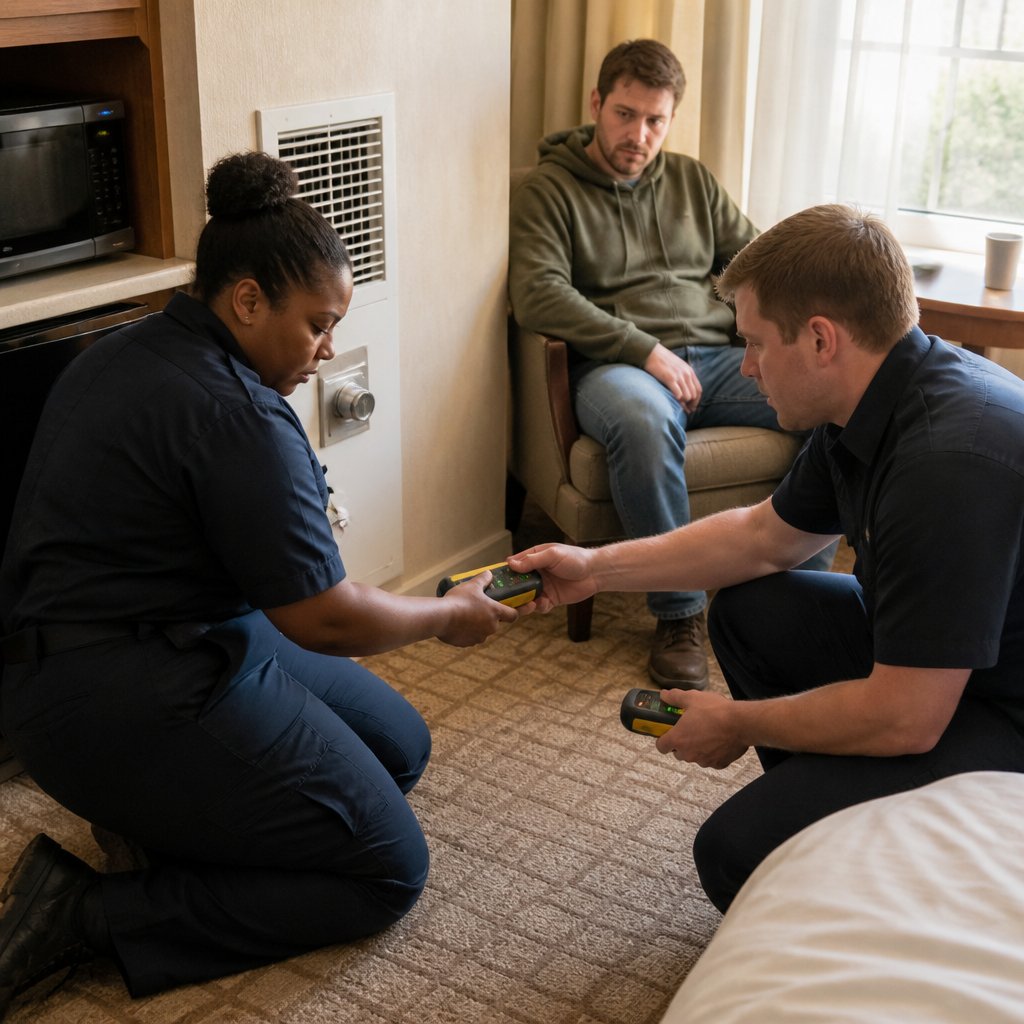
The paramedics arrived at the hotel room swiftly. They switched between different handheld devices, scanning the air around the vents and appliances. After a moment, they went quiet and asked about gas appliances in the room. Their tone changed, suggesting this was not a routine medical call like a flu or hangover. It sounded serious—an environmental poisoning source that might still be active in the hotel. I watched as they donned masks, their eyes tense, looking around suspiciously.
Fire Inspector Taping Off Door
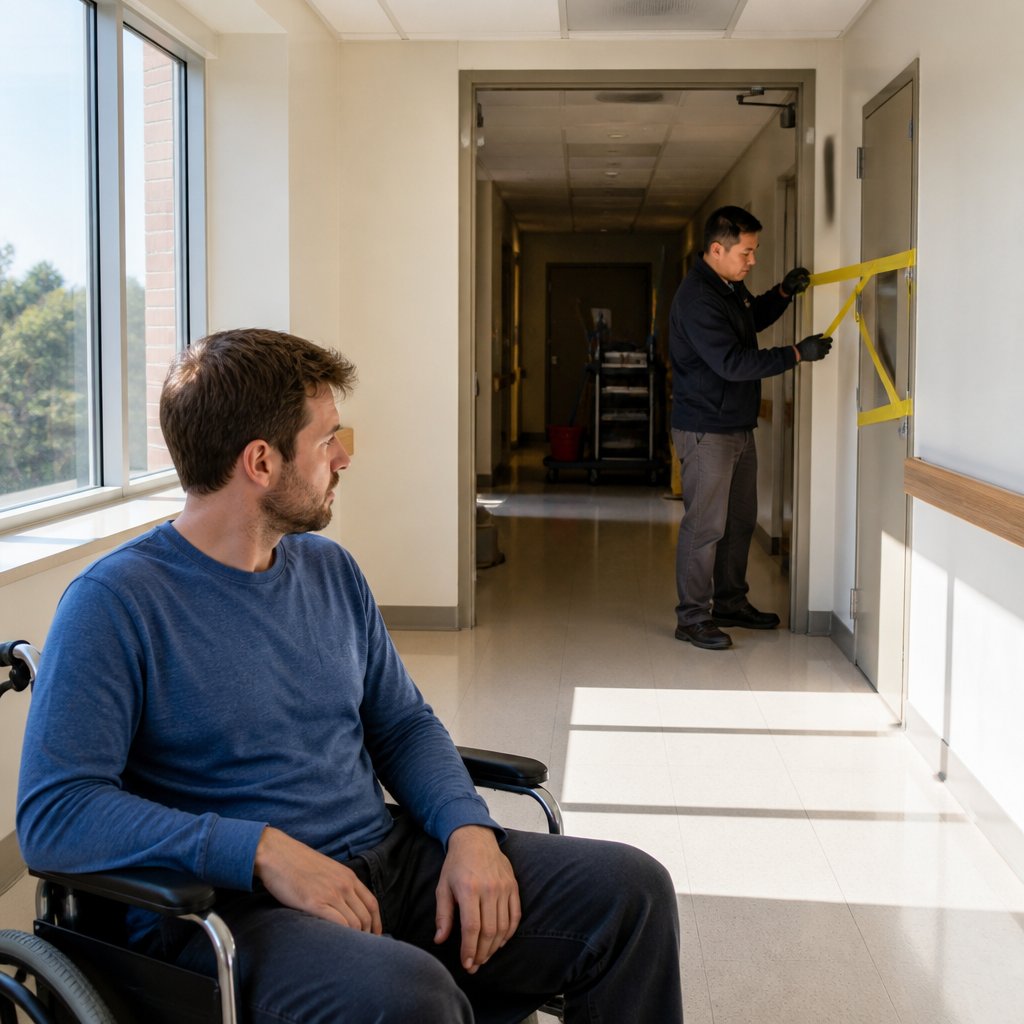
From my wheelchair in the hospital hallway, I watched a fire inspector tape off a service door near my hotel floor. The yellow tape fluttered slightly as the inspector worked methodically. Yet the hotel seemed to keep their usual calm tone in calls and emails. They implied the event was minor, almost routine, before anyone official could even document what happened. It felt like they were already shaping the story, downplaying the incident to protect themselves before the facts came out.
Hyperbaric Chamber And Missed Calls
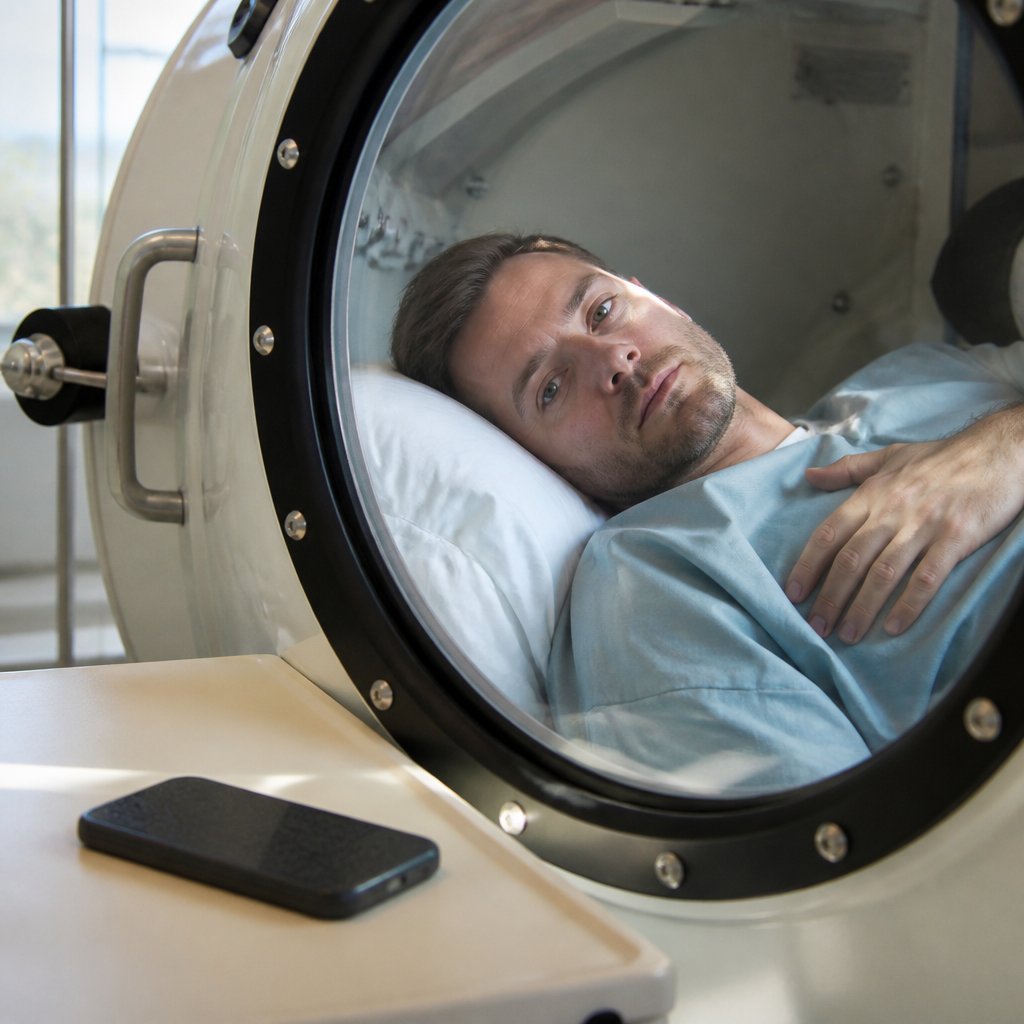
I was transferred to a hyperbaric chamber for treatment, confined in the tight space as the pressure adjusted around me. Outside the small glass window, my phone lay face down on the bedside table, buzzing silently with missed calls from work. The hospital staff warned me about delayed neurologic damage from carbon monoxide exposure—complications that might appear well after this visit. The reality hit me: this wasn’t just a single emergency room trip. The stakes were higher, and the future uncertain.
Hotel Offers Voucher For Silence
After checking out, I received an email from the hotel’s guest relations department. They offered a free-night voucher for a future stay, along with a release form they wanted me to sign "for incident documentation." The message was polite but firm, hinting they wanted to lock in my silence before any official records or test results came back. It felt like a preemptive move to keep me quiet, even as my health and bills remained uncertain.
Doctor Warns Of Delayed Symptoms
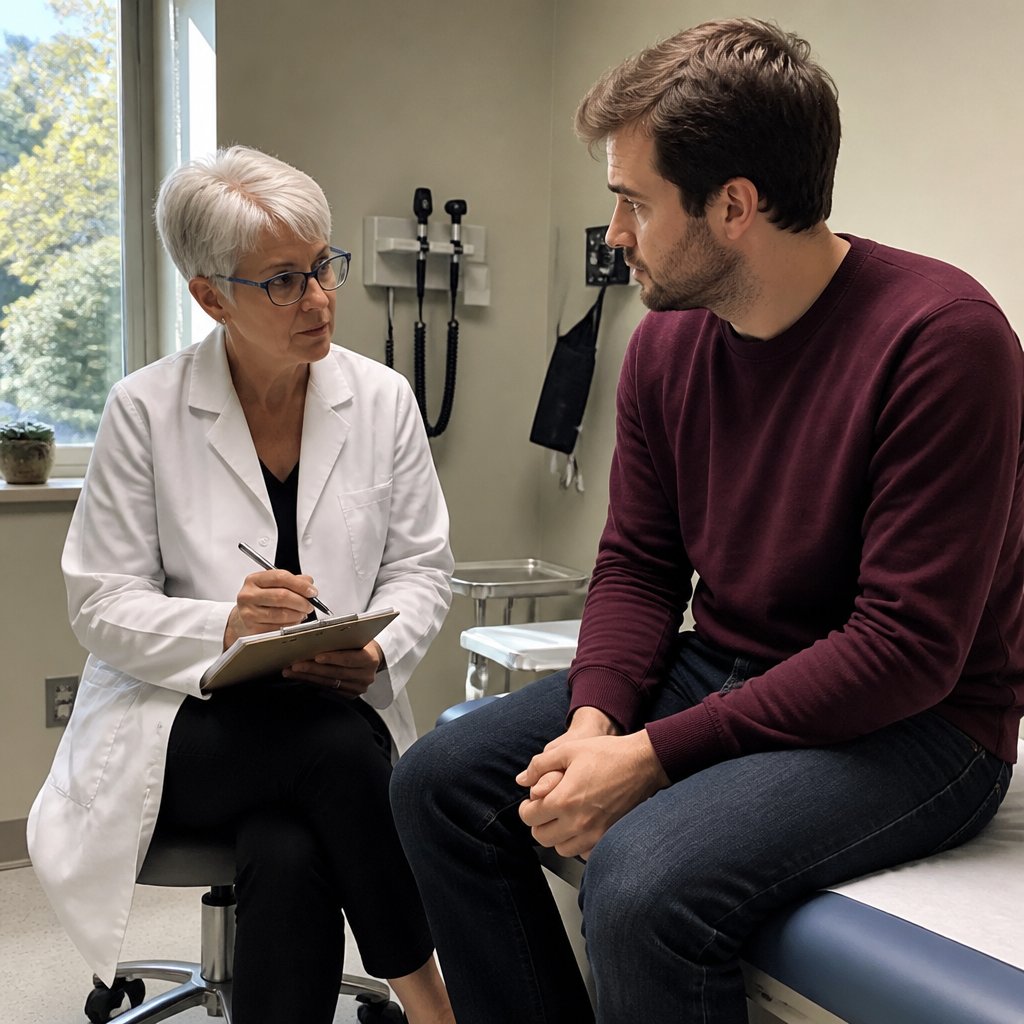
My primary doctor examined my chart carefully and wrote “possible delayed neurologic sequelae” in big letters on the prescription pad. She looked me in the eye and warned me not to drive or operate heavy machinery for at least a few weeks. This was proof that my symptoms could worsen later and were not just temporary. Meanwhile, my sick leave was already draining, and the uncertainty about recovery weighed heavily on me.
First Bill Shocks My Wallet

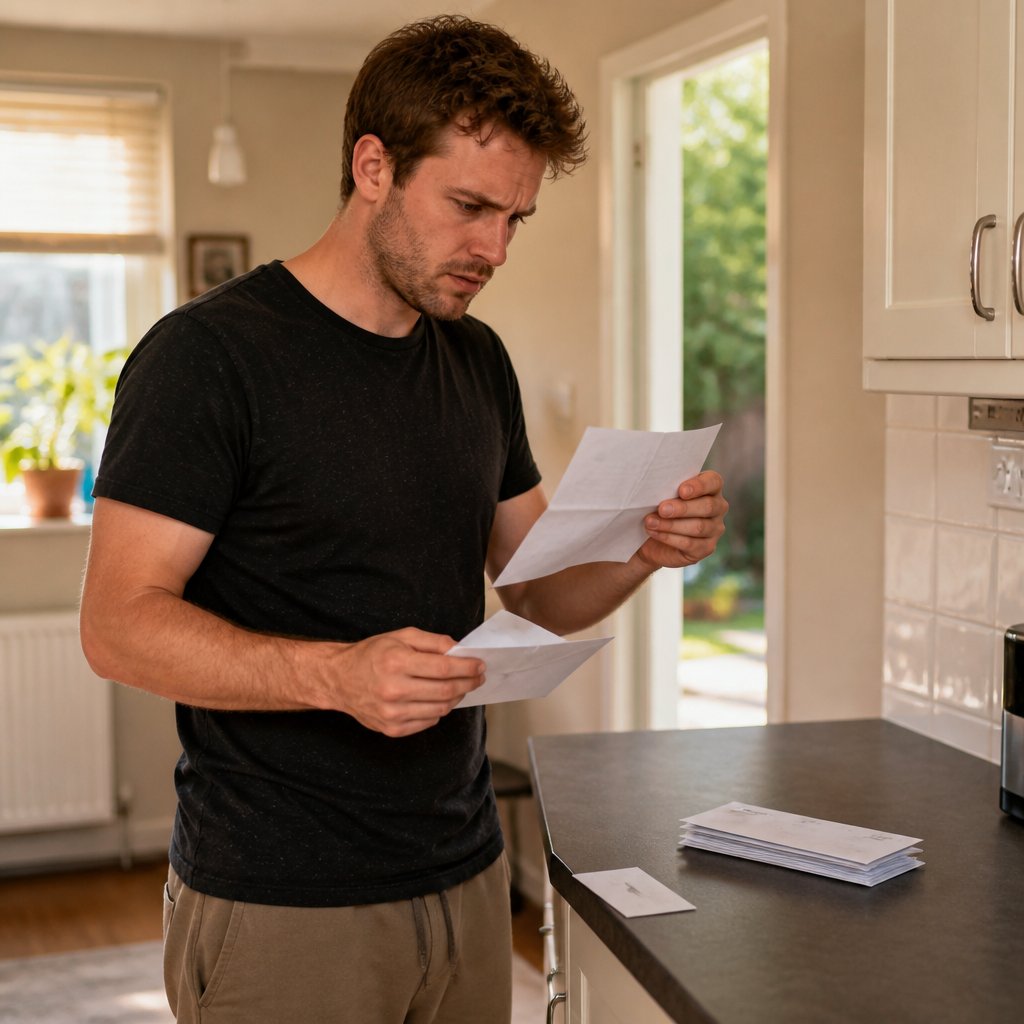
The first medical bill arrived, and it was ten times the cost of my entire vacation. The envelope felt heavy in my hands as I stared at the numbers. At the same time, my HR department sent me paperwork about unpaid leave and benefits. The pressure mounted: with mounting expenses and dwindling paychecks, it felt like they were pushing me toward accepting a quick settlement just to catch my breath. The financial strain was becoming a weapon against me.
Insurer Probes My Behavior

The insurance company recorded my statement and kept circling back to questions about alcohol and sleep aids. Their tone implied they suspected my behavior caused or worsened the poisoning, not any hotel negligence. It felt like a setup—the defense strategy was to blame me instead of the faulty building systems. I tried to stay calm, but every question felt like an accusation wrapped in concern.
Hotel Denies Incident Happened

I requested the hotel’s incident report to understand what they documented. Their reply was chilling: they said no incident occurred on their property. That was a flat-out denial, directly contradicting the taped-off service door I had seen with my own eyes. It was clear they were refusing to acknowledge the poisoning or any fault. The official story was already being rewritten, and I felt more isolated than ever.
Other Guests Also Affected

I discovered that two other guests had sought urgent care the same weekend. When I tried to contact one, they refused to talk. A local news clip labeled the event a “minor HVAC issue” on the exact date. It felt like an attempt to contain the story quietly, avoid panic, and downplay the impact. I was left wondering how many others had been hurt—who was speaking up, and who was silenced?
A Lowball Offer And Deadline
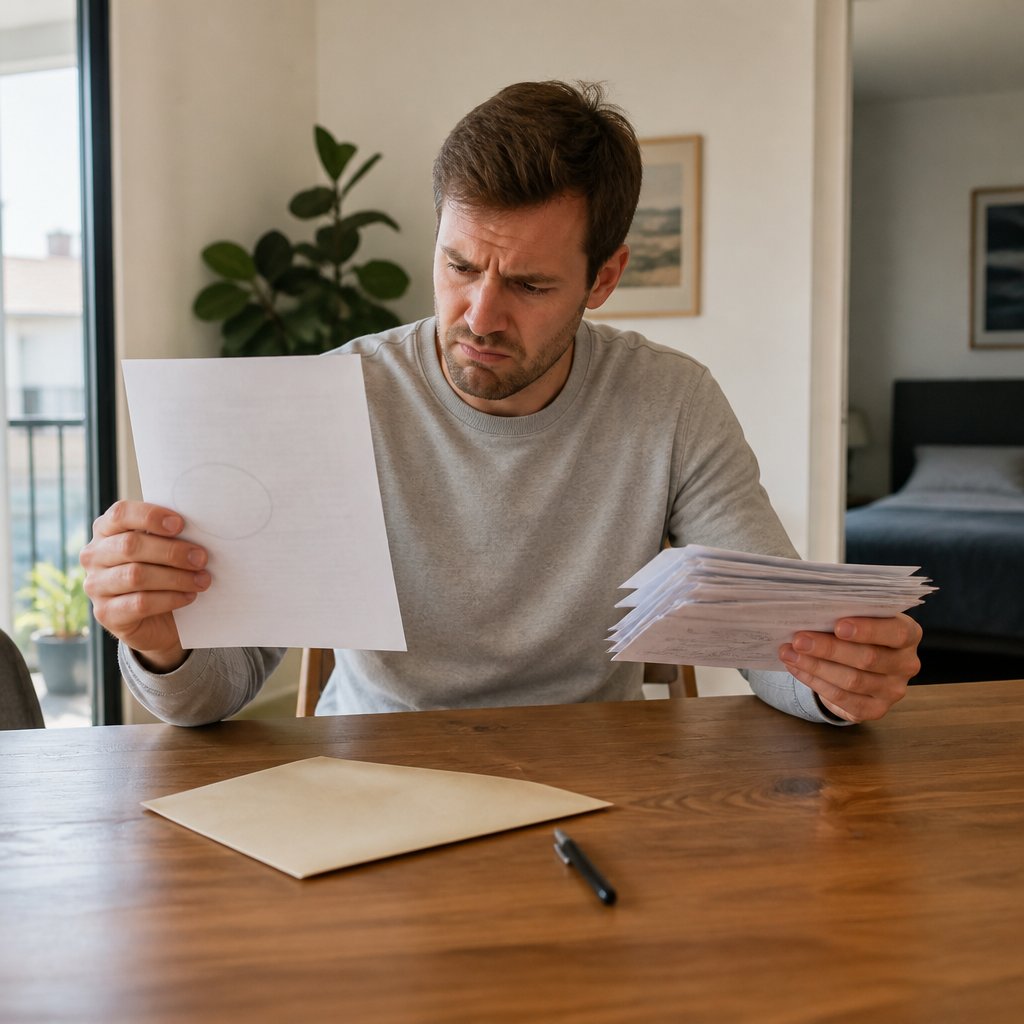
I got an email from the hotel’s insurance company offering a settlement. It was a pittance compared to my medical bills and lost wages. They wanted me to sign a confidentiality agreement too — no talking about the poisoning or the hotel afterward. The offer came with a ten-day deadline, like a ticking clock designed to pressure me into silence quickly.
I sat in my cramped apartment, brain fog blurring my thoughts, the cold plastic of the letter in my hands. I could barely concentrate on anything beyond the fatigue that weighed on me every morning. The idea of taking a quick payout was tempting. It meant less stress and money to cover mounting expenses.
But something about the whole thing felt wrong. Their lawyers had denied responsibility. The repair records were missing. And I wasn’t the only one who’d gotten sick. Was this hush money a way to keep all the victims quiet?
That night, staring at the ceiling with a dull ache behind my eyes, I made the call: I needed a lawyer. Someone who could fight back against the hotel’s denials and shady tactics.
Preservation Letter Ignored
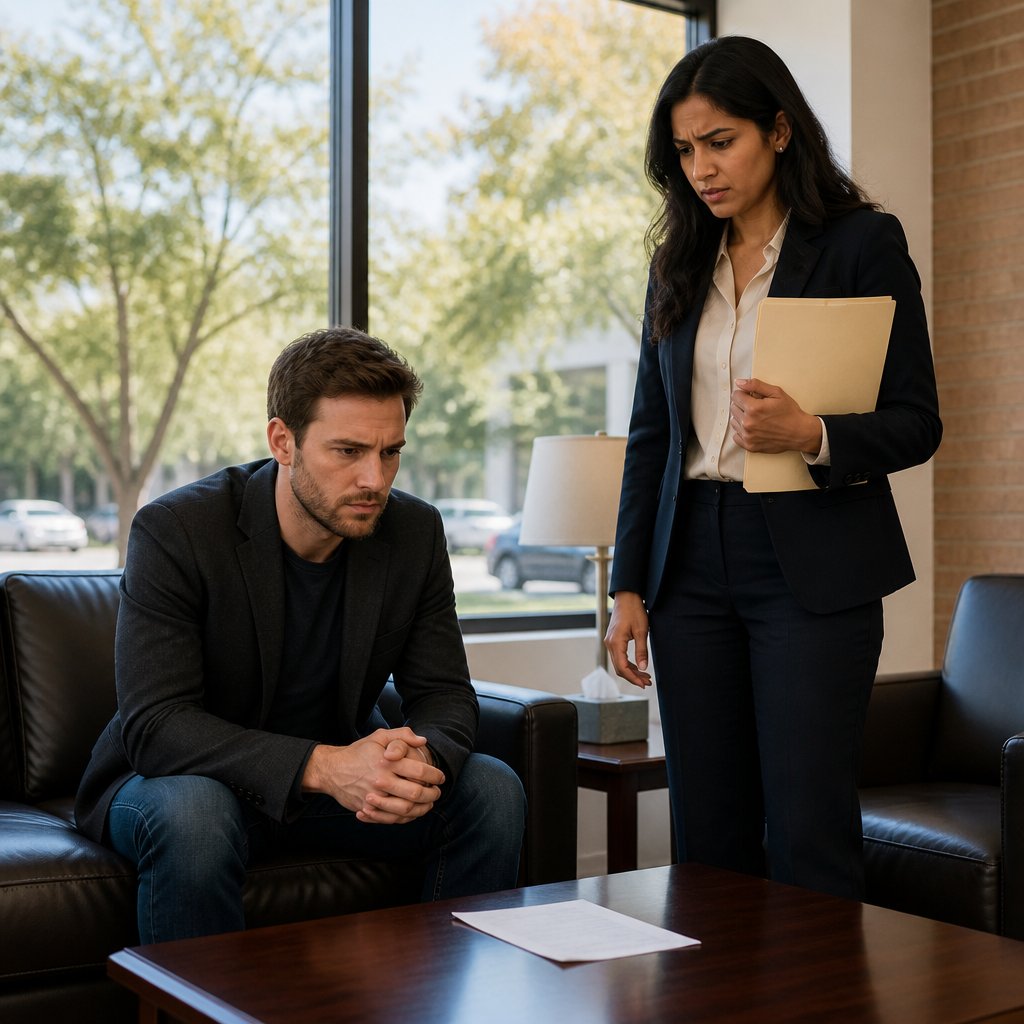
My lawyer sent a formal preservation letter to the hotel’s legal team, demanding they keep all related records intact. Days later, their reply came back cold—no relevant documents existed beyond routine maintenance logs. It felt like a brush-off.
Later, the hotel manager called me directly, his voice sharp. He accused me of "creating panic" among staff and guests. To add insult to injury, he warned I might be billed for the hazmat team’s emergency response to the boiler room, as if I was responsible.
I sat in a sterile conference room at my lawyer’s office, the smell of coffee and printer ink in the air. My hands trembled slightly as I reread the manager’s email on the printed sheet. The threat was clear: they weren’t backing down easily.
Was this tactic meant to intimidate me into silence? And if so, how far would they go to keep the truth buried?
Case Moved To Another County
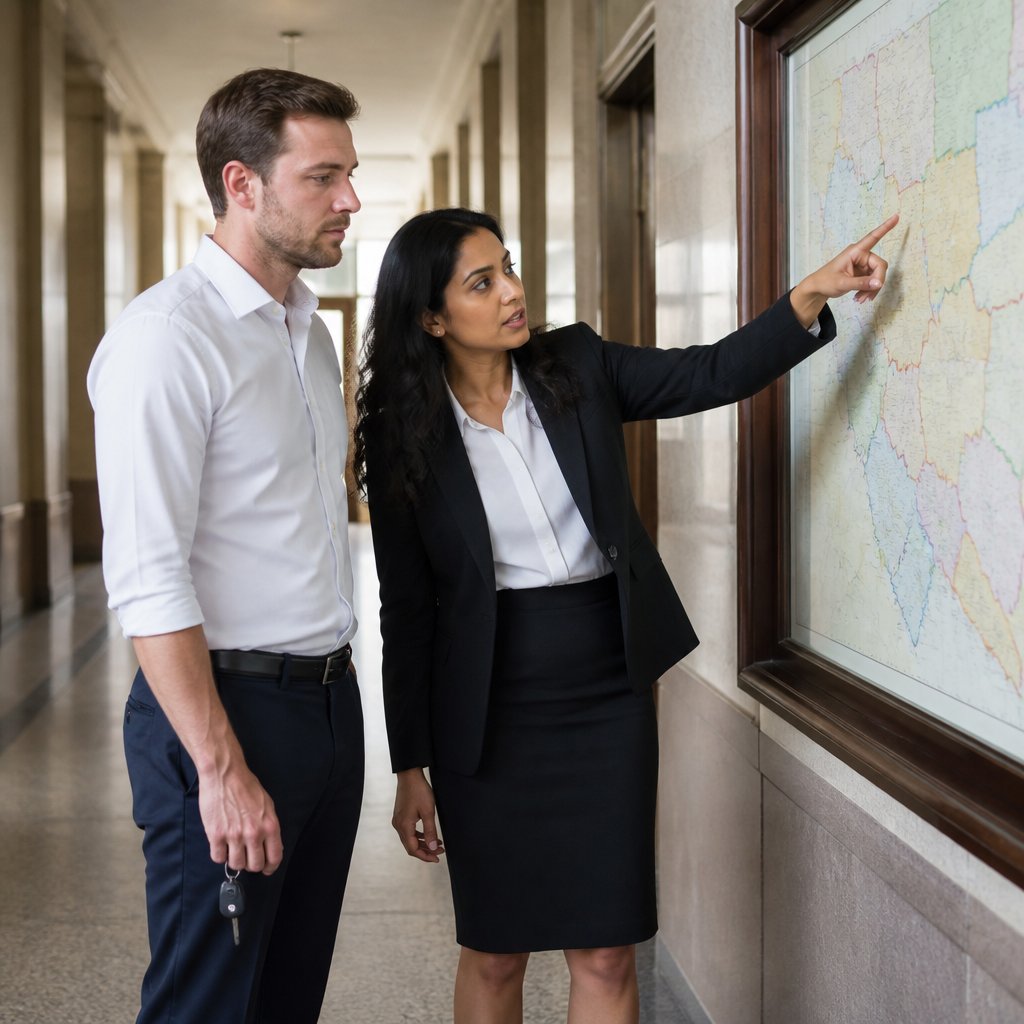
We filed the lawsuit against the hotel and the maintenance contractor. Almost immediately, their attorneys filed a motion to change the venue to a county far from where I lived and worked. It was a procedural move that meant more travel, more expense, and more delay.
They also asked the court to limit discovery—the phase where we could request documents and information. That made it harder to uncover what really happened. It felt like a stalling tactic, designed to wear me down while my symptoms worsened.
At work, my focus faltered. Routine tasks became puzzles I couldn’t solve. My coworkers noticed; my boss asked if I was okay. I tried to hide the fog, but it crept into every meeting and email. The legal battle was bleeding into every part of my life.
Could I keep fighting this uphill battle when everything—including my own brain—was starting to fail?
Suspicious Maintenance Logs Surface
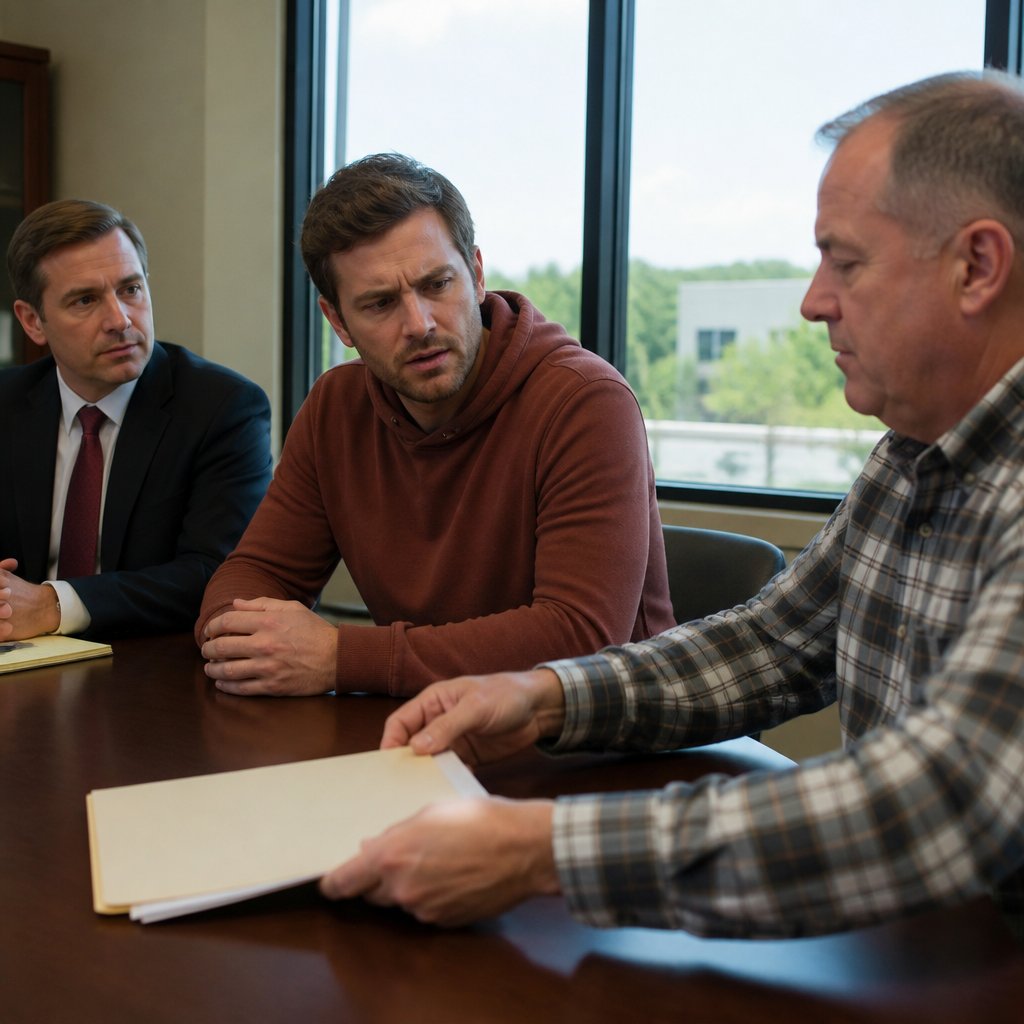
During discovery, we learned the hotel had replaced the boiler just weeks before my stay. But the city permit file was thin—almost no documentation of inspections or approvals. That raised red flags.
Then the hotel produced maintenance logs. At first glance, they looked thorough. But my lawyer noticed something odd: the typed entries were nearly identical in phrasing, layout, and even typos. It was as if someone had typed them all at once and backdated them.
I sat in a cramped attorney’s office, the faint hum of the air conditioner above, flipping through printouts of these logs. The pages smelled faintly of copier toner. My heart sank as I realized how deep the cover-up might be.
Were these fake documents the hotel’s attempt to erase the truth? And if so, who was behind it?
Site Inspection Raised New Questions
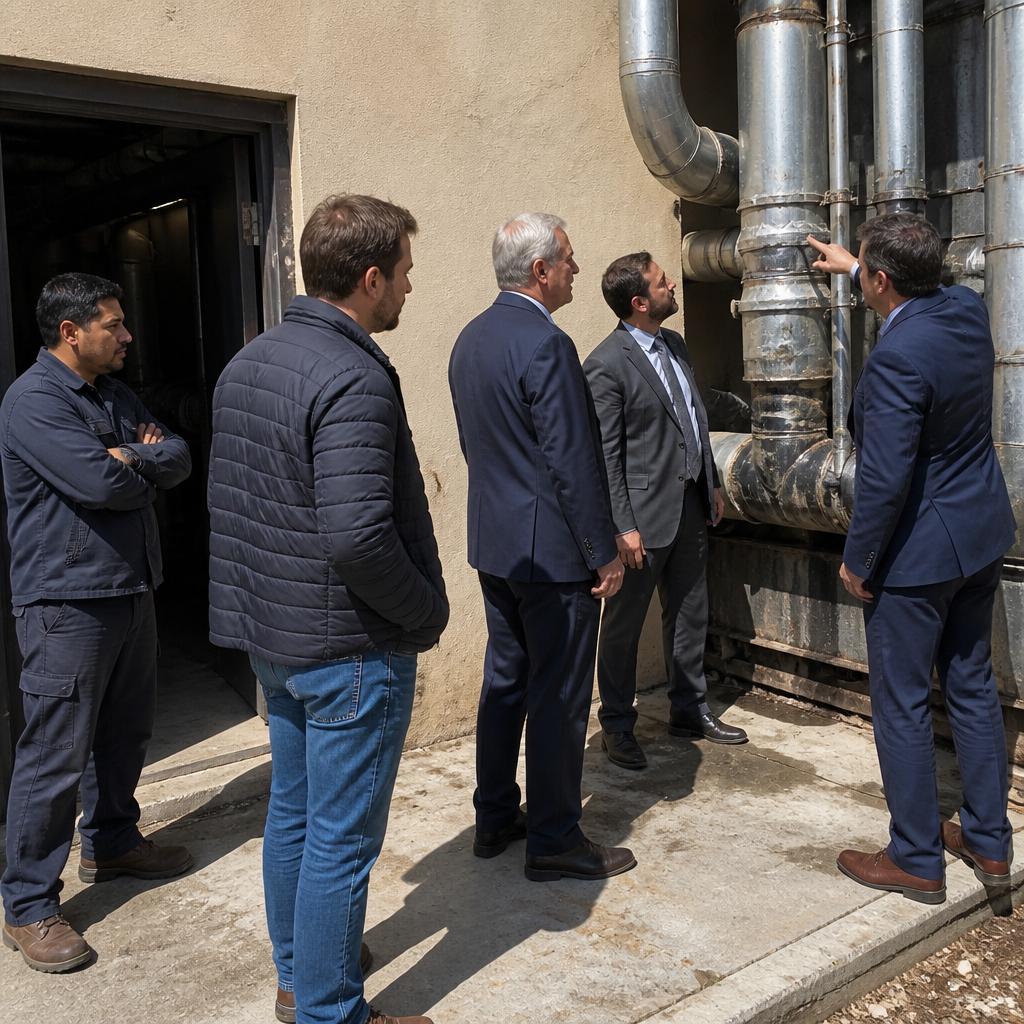
The court-ordered site inspection happened on a chilly morning. I stood outside the hotel's boiler room while the judge and attorneys examined the ductwork. Fresh sealant glistened on pipes that weren’t on the original permit drawings. The defense expert, who had been confident before, started shifting his stance, mumbling about possible recent repairs he hadn’t known about.
The judge frowned at the inconsistencies and announced a tampering hearing to explore whether evidence had been altered. I noticed the smell of fresh putty and a faint metallic scent in the air. The defense lawyer avoided eye contact, and I could feel the tension tighten in the cramped basement.
As the inspection wrapped, I wondered what the new hearing would uncover. Would anyone admit to manipulating the evidence, or would this just stall the case more? The uncertainty lingered like the sharp odor of the sealant.
Trial Eve Brings Unexpected Offer
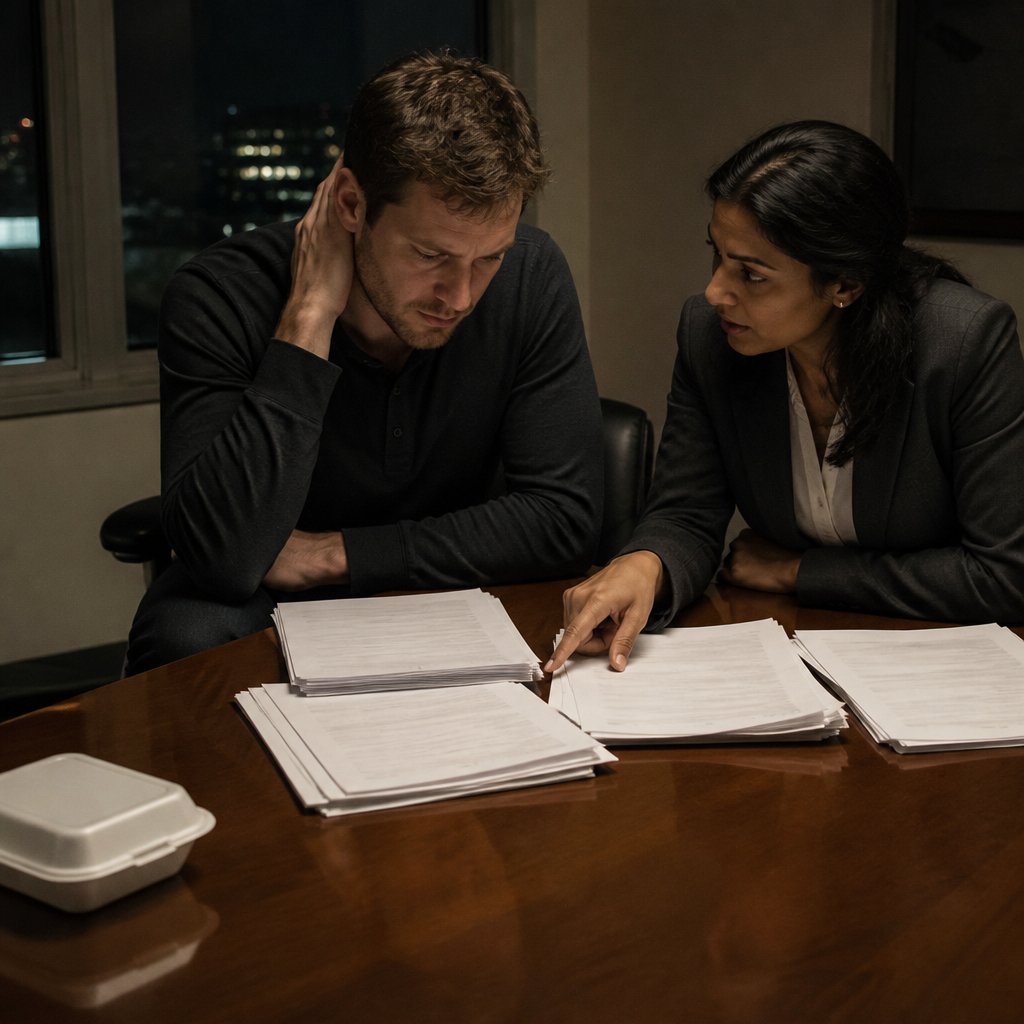
On the eve of trial, the hotel sent a settlement offer through their lawyer. They increased the amount but demanded a strict nondisclosure agreement—a gag clause. My lawyer and I debated it late into the night in a narrow conference room, the hum of the overhead heater buzzing softly. I felt my stomach knot as I weighed the money against silence.
The next morning, jury selection began in a worn courtroom with peeling paint. Jurors filled the wooden benches behind the rail. Many gave off a guarded attitude, and during questioning, several said they trusted big hotels more than "people looking for a payout." Their faces were blank but firm, the faint scent of stale coffee hanging in the air.
The bias was clear, but I had no choice but to keep going. The room felt smaller with every passing minute, and I wondered how this would shape the trial ahead.
Defense Tried To Paint Me Careless
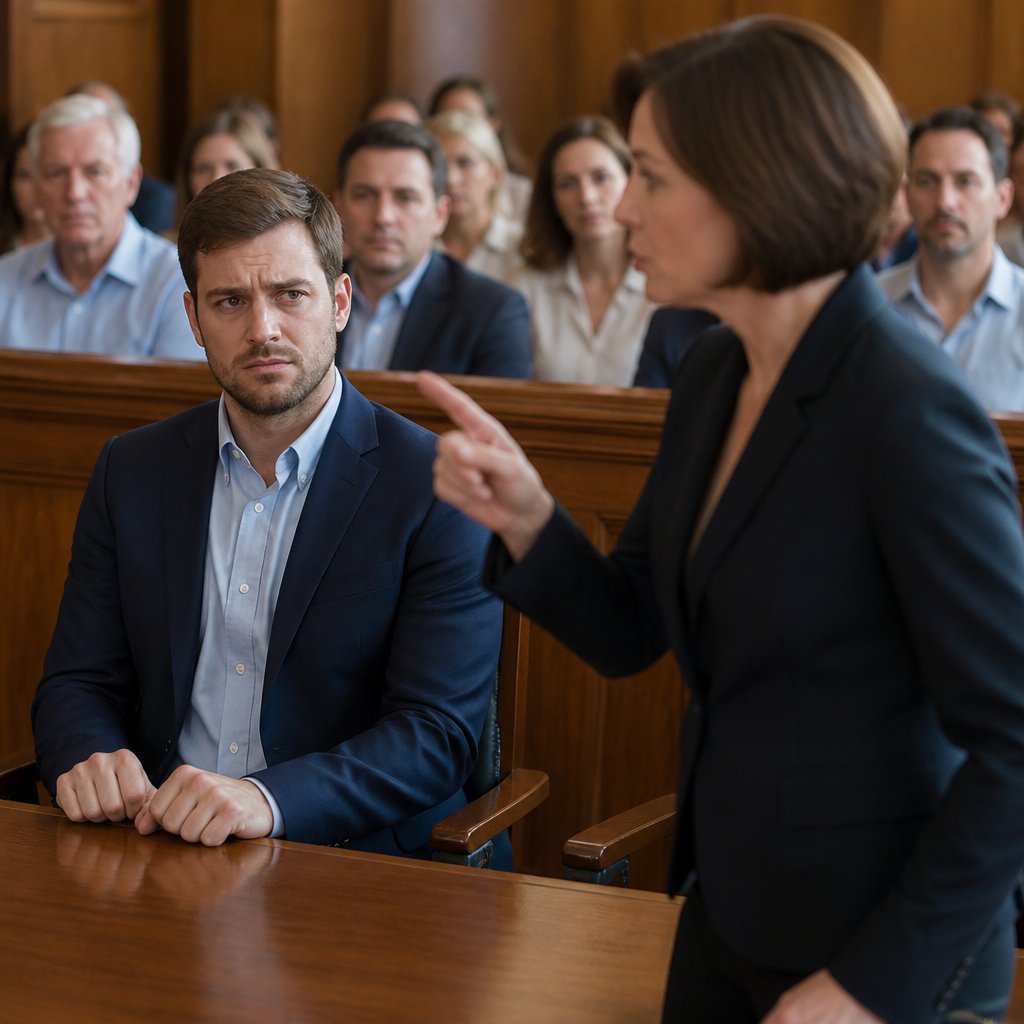
Trial started, and the defense wasted no time. They called me careless and “confused,” twisting my deposition words against me. In the stale air of the courthouse room, I watched them frame me as unreliable. My hands clenched the edge of the witness stand; my heart pounded with each accusation.
Then my lawyer played a pivotal set of invoices from the hotel’s own maintenance team. They showed “detector removal—guest complaints” dated before my poisoning. This directly contradicted the corporate witnesses who claimed no such issues existed. The courtroom smelled faintly of dust and old wood as murmurs rippled through the crowd.
The defense looked stunned, scrambling to adjust their story. I felt a surge of hope but knew the fight wasn’t over. The judge’s gaze was fixed, weighing every word carefully.
Judge Allowed Spoliation Instruction
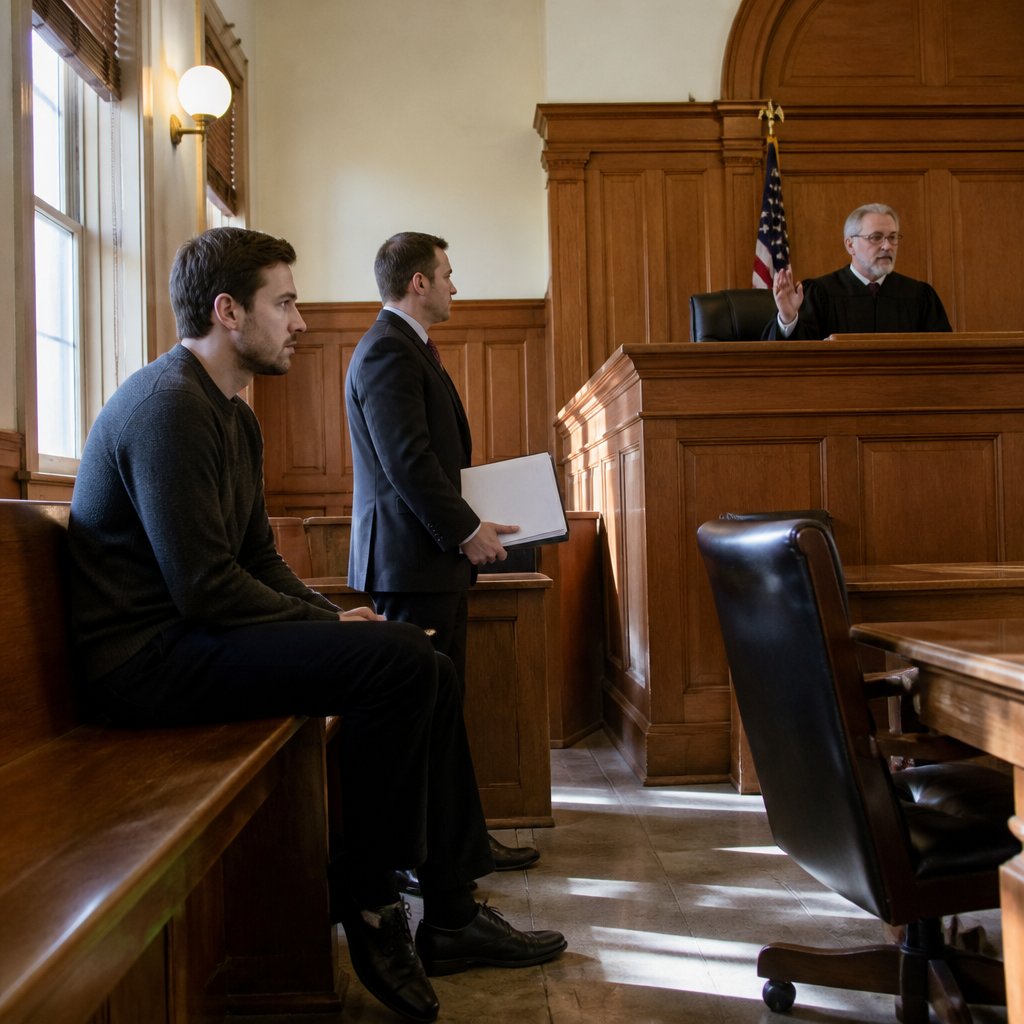
The judge allowed a spoliation instruction after evidence surfaced about post-incident repairs that lacked documentation. Sitting in the courtroom’s back corner, I felt the weight of the moment press down. The air smelled faintly of worn leather from the judge’s bench and old paper from the files strewn on the desks.
When it was my turn, I testified about the claustrophobic chamber where I woke poisoned, the mounting hospital bills, and the cognitive collapse that still haunted me. My voice cracked as I described sleepless nights and blurry days. It was the toughest part, and I felt every eye in the room fixed on me.
Closing arguments were set to begin soon. The verdict felt close—like the next word from the judge could tip everything. Despite the exhaustion, I braced myself for whatever would come.
Was the hotel responsible for the poisoning incident?