


The Mandatory Biometric Rollout

The company announced the rollout of new biometric smart chairs for everyone in our department. Each chair came with sensors tracking our posture during the workday. Weekly "posture compliance" scores would be generated for every employee, and those scores were tied to how much standing we were supposed to do on the job. They said it was to improve health and productivity, but I felt uneasy. The chairs weren't optional, and the idea of being graded on my posture felt invasive. The HR rep showed us a demo in the conference room, and we all sat nervously as the chair quietly adjusted itself beneath us. I noticed how the chair's backrest subtly shifted, responding to each of us differently. My glasses slid down my nose as I leaned forward to type during the demo, and the chair quietly nudged me back upright. It was strange and a little unnerving. I wondered what would happen if I couldn’t keep perfect posture all day long.
The Chair Locks Me Upright

Within days of starting the new chairs, mine began locking me upright whenever I leaned forward to type. It wasn’t just a gentle nudge. The chair’s posture algorithm would suddenly stiffen the backrest and push my torso upright like a mechanical hand grabbing me. It happened unpredictably, sometimes two or three times in a row. I tried to work around it, but the forced corrections made simple tasks exhausting. My fingers hovered over the keyboard, and whenever I leaned in, the chair stiffened as if it was telling me to sit "correctly." The office smelled faintly of coffee and cleaning spray, but all I could focus on was the sudden, jolting pressure on my lower back. I glanced around; no one else’s chair was acting up like this, or maybe they just didn’t complain. The chair’s repeated interruptions broke my flow more than once during a busy day. I started noticing a dull ache in my back by noon, but I blamed it on the new routine and tried to ignore it.
Facilities Say It’s Working Right
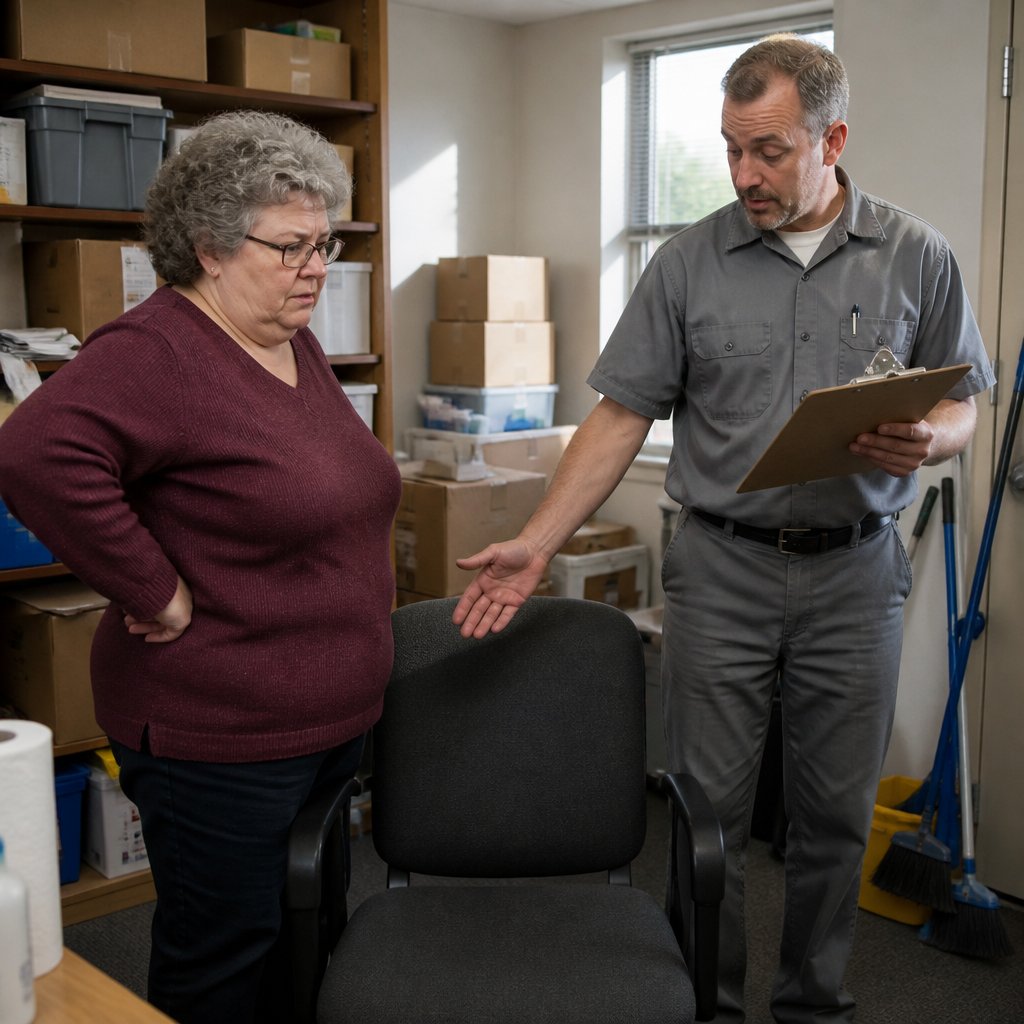
I reported the chair’s behavior to facilities and IT, hoping for help. I described how it locked me upright several times an hour, making my back ache. They came by, fiddled with some controls, and tested the chair for a bit. Then the ticket was closed with a note saying the chair was "working as designed." The message was clear: the problem was me and my posture, not the chair. I felt dismissed. In the break room, under the buzzing fluorescent lights, I rehearsed what to say next, but everything I tried to explain was met with polite resistance. The maintenance guy, a middle-aged man in a faded company polo, shrugged and said they couldn’t change the settings. Meanwhile, the chair kept enforcing posture corrections without fail. I started feeling like I was under surveillance, judged for how I sat. The dull ache in my lower back was now a constant companion. Each day, the chair’s locks seemed more aggressive, but my concerns were met with silence or deflection.
The Third Lock Changed Everything

Working an overtime shift, I was deep into the queue when the chair locked me upright for the third time in an hour. It wasn’t just a nudge anymore. Suddenly, my lower back jolted painfully, a sharp "change" I could feel deep inside. Almost immediately, a searing pain shot down my left leg. The room felt colder, and the usual hum of computers faded into the background as I gritted my teeth. I tried to stand up slowly, but a wave of pain kept me still. The chair remained stubbornly upright, as if mocking me. My hands gripped the desk edges, knuckles white, as I tried to make sense of the sudden injury. The chatter from coworkers around me seemed distant. I wanted to say something, but the words caught in my throat. I knew this wasn’t just soreness anymore. Something was seriously wrong, but the clock kept ticking and the work piled up.
Supervisor Orders Me To Keep Working
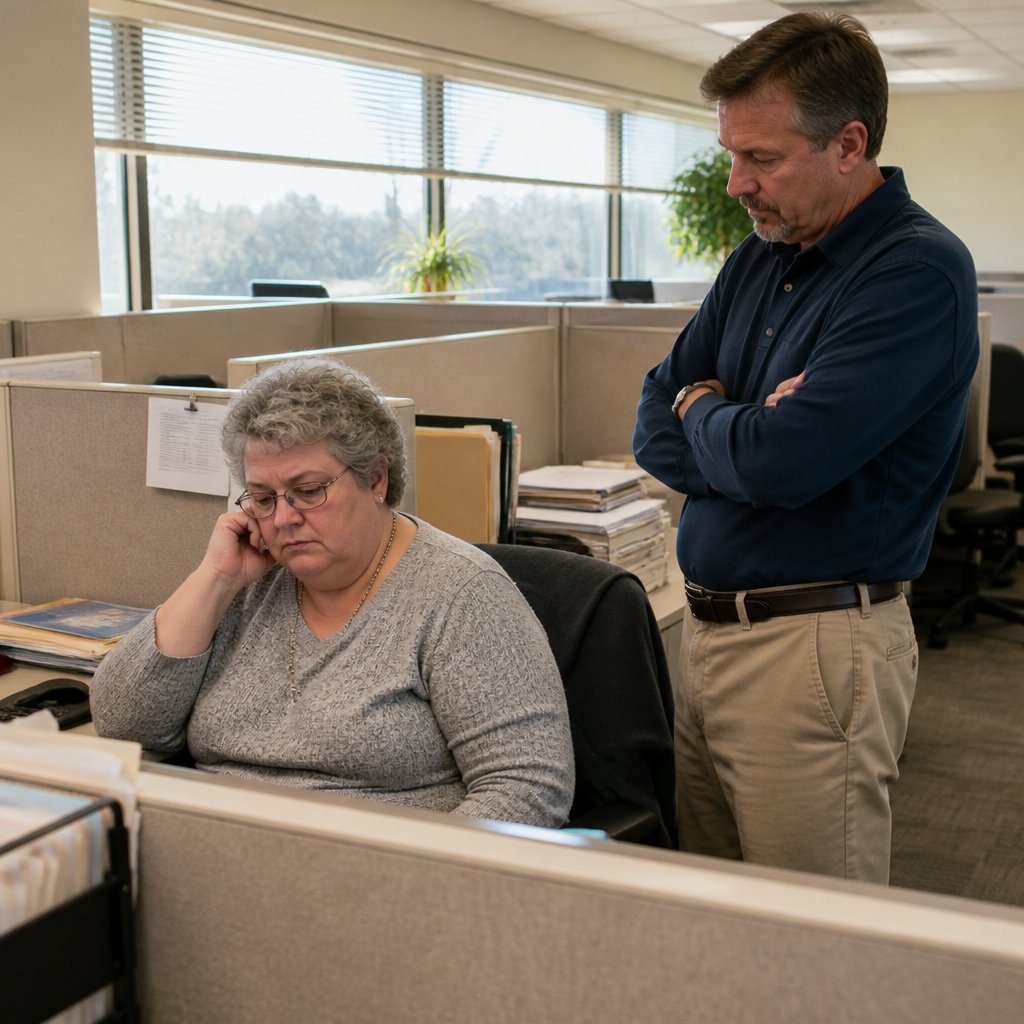
My supervisor appeared at my cubicle a few minutes later, clipboard in hand and a tired look on his face. He told me firmly to finish the queue, to "walk it off," and not to let a little back pain slow me down. I could hear the faint buzz of the fluorescent lights above as he stood there, arms crossed, clearly more concerned about the backlog than my injury. My protest felt weak, but I nodded anyway. He said the company valued productivity and that I needed to model resilience. The pressure was clear: keep going or fall behind. The chairs had made posture mandatory, and now the supervisors pushed us to work through pain. I glanced down at my aching back and the sting running down my leg. The tension in the small cubicle felt heavier than ever. My coworkers avoided eye contact as they passed by, leaving me isolated with my injury and the weight of silent expectations.
Urgent Care Turns Pain To Proof

Later that evening, I went to urgent care. The small exam room smelled faintly of antiseptic and paper gowns. The doctor examined me carefully, noting my symptoms — radiating leg pain, stiffness, and reduced range of motion. After some tests, the doctor issued a work-restriction note, advising limited sitting and no heavy lifting until my back improved. Finally, my pain was validated with medical evidence. The nurse handed me printed papers as I sat on the exam table, my legs dangling awkwardly. The weight of official documentation brought a strange mix of relief and anxiety. Would this note protect me or just complicate things? The fear lingered that the company might not accept it, or worse, blame me for the injury somehow. But for the first time, I had something concrete to show that I wasn’t making this up.
HR Calls It "Ergonomic Coaching"

When I reported the urgent care note to HR, they didn’t call it an injury. Instead, they said it was just "ergonomic coaching" to improve my posture. I sat across the small HR office, the beige walls and plastic plant feeling cold and impersonal. The HR rep, a sharp-looking woman in her forties with dark hair tied back, explained that the company didn’t recognize this as a workplace accident but rather a posture correction issue. The phrase felt like a trap. They pushed me toward workers’ compensation, but with a message that this wasn’t a clear injury case. The files on the desk were neat, and the faint scent of coffee lingered in the air. I tried to explain how the chair’s forced locks caused my pain, but my words felt lost in legalese. The HR rep kept steering the conversation back to policy and coaching. I left with a sense that the company was trying to rewrite the story — one that didn’t blame the chair or them.
Adjuster Probes Pre-Existing Injury

The workers’ compensation adjuster called the next day. His tone was clinical and probing as he asked about old gym injuries and my weight history. It was the first clear attempt to build a defense around a "pre-existing condition." I felt on the defensive, my hands clasped tightly in my lap during the phone call, my glasses slipping down my nose. The small café where I was sitting smelled of fresh bread and coffee, but I barely noticed. The adjuster’s questions dug into personal past health details, suggesting the injury wasn’t new but an old problem flaring up. I tried to explain the sudden pain and the chair’s behavior, but his focus was elsewhere. It occurred to me this was more than just questioning; it was an effort to weaken my claim. The conversation left me unsettled, unsure where this line of questioning would lead and how it would affect my fight for coverage.
Vendor App Blocks My Settings

One morning, I noticed the vendor’s app on my phone locked me out of adjusting my chair’s settings. The message said something about a "noncompliant posture pattern." It was digital blame assigned straight to me. I stared at the phone face-down on the desk, frustration thick in the air around me. At my workstation, I wore a lavender blouse and black slacks. Nearby coworkers chatted quietly, but I felt isolated by the app’s silent judgment. The chair continued its unpredictable locks, but now I had no way to tweak its behavior. It was like the system was punishing me for something I couldn’t control. I wondered if others had been locked out too, or if I was singled out. The weight of digital surveillance mixed with physical pain felt suffocating. My gaze drifted to the window above the cubicles where gray clouds gathered. The sense of being monitored and blamed added another layer of stress I hadn’t expected.
Facilities Refuse Log Access

I formally requested access to the chair’s lock-event logs, hoping to prove the chair’s aggressive corrections caused my injury. Facilities responded coldly, saying the logs were proprietary and unavailable to employees. The small conference room smelled faintly of old coffee and dust. I sat at the table wearing a dark green sweater and glasses, the paper request form crumpled in my hand. The facilities manager, a tall man with graying hair and a plain blue shirt, avoided eye contact as he explained the company’s stance. It felt like data concealment — a deliberate barrier to accountability. Without the logs, I had no way to verify what the chair did or how often. The silence in the room pressed heavily, broken only by the ticking of a wall clock. I wondered what the chair was hiding and who stood to benefit from keeping that information secret.
MRI Confirmed Herniated Disc
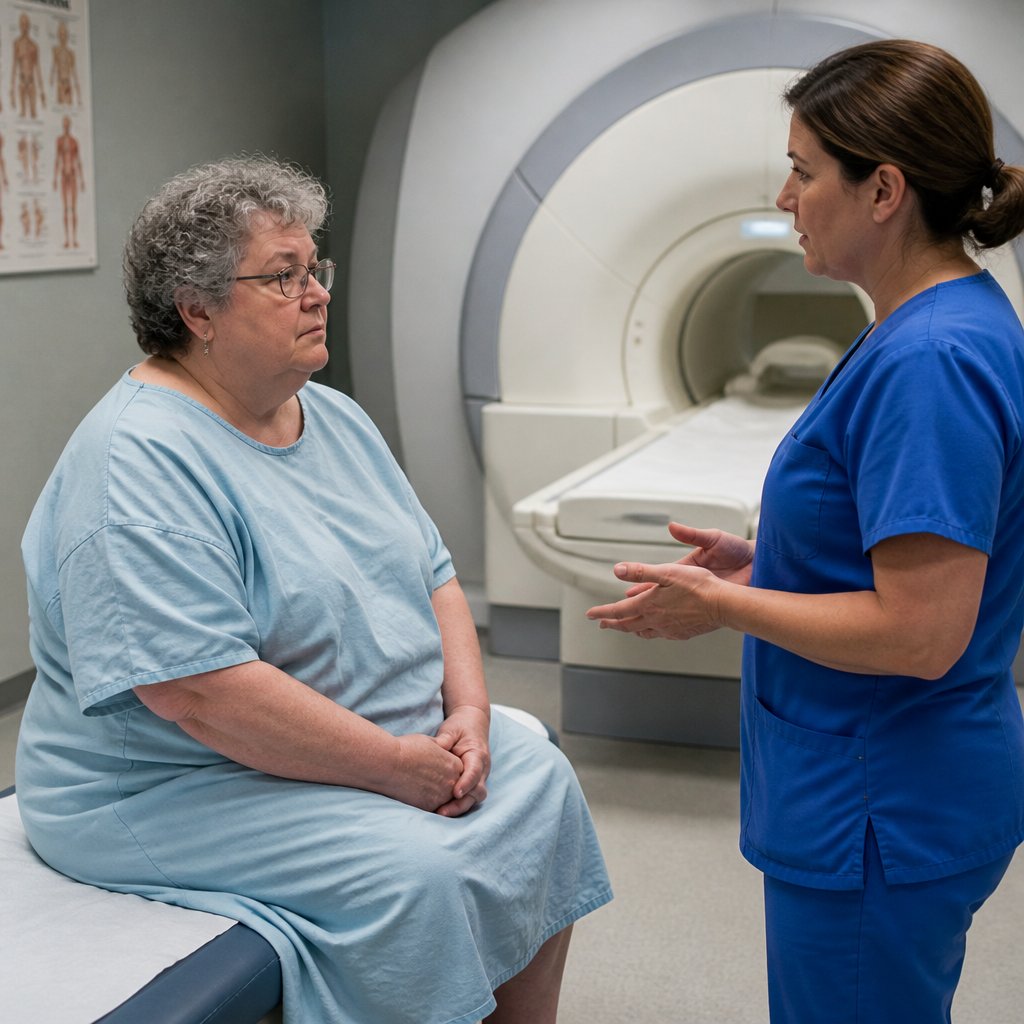
The MRI results were clear: a herniated disc pressing painfully on a nerve. The radiology room smelled like antiseptic and cold metal. I sat stiffly on the exam table, the weight of the diagnosis settling heavy on my shoulders. Yet the insurer’s response was stingy—they approved only two physical therapy visits and flatly denied my request for an epidural injection. My doctor argued that more treatment was necessary, but the insurer held firm. Without the epidural, my pain and mobility would barely improve. The limited authorization felt like a lever holding me captive, squeezing all the while. I was trapped between medical need and bureaucratic refusal, wondering how long I could survive this with my job hanging in the balance.
Claim Letter Casts Doubt

A thick envelope from the insurance company landed on my kitchen table. Their letter was clinical, cold. It claimed my symptoms were “inconsistent with the injury mechanism,” suggesting the pain didn’t line up with the chair’s posture locks. Worse, it announced their own investigation into potential fraud. No proof, just suspicion. Reading it, I felt a knot tightening in my stomach. It was an accusation without evidence, an attempt to shift blame back onto me. The words echoed in the quiet of my living room—a legal threat disguised as concern. I knew this letter would complicate everything, adding a new layer of challenge to a fight I was already losing.
Nurse Pressured Me Daily

My phone rang every morning just as I finished breakfast. The nurse case manager’s voice was calm but firm as she urged me to return to full duty immediately. "You need to get back to work," she said. "Your employer is watching." Each call made my chest tighten. My back flared painfully with every movement, but my hours and pay were rapidly shrinking. The economic pressure was suffocating. The constant push to push through pain felt like a ticking clock counting down my livelihood. I wanted to believe they cared, but the undertone was clear: comply or risk losing everything. My body was breaking, and so was my safety net.
Lawyer Found Missing Data

At our meeting, my lawyer leaned over the cluttered conference table, eyes sharp behind his glasses. "Does the chair actually record every lock event?" he asked. It was the first time I thought about the chair as a data machine, silently logging every posture correction. He suspected some logs were missing or deleted—a hole in their story that could be our advantage. The small office smelled like stale coffee and paper. I nodded slowly, the weight of possibility sinking in. If some critical data was gone, it could expose the company’s cover-up. The case pivoted on that question, but the answer was buried somewhere in a tangle of technical files and denials.
Demand For Data Met Denial

We sent a preservation letter demanding the chair’s data logs, firmware details, and any incident reports related to my injury. The reply came quickly, but not in our favor. Their attorneys denied any wrongdoing and accused me of tampering with the chair’s software. The letter felt like a slap in the face, turning my fight into a battle of accusations. My kitchen table now held stacks of letters, each more hostile than the last. The smell of brewing tea mingled with my growing frustration. I stared at the typed words, wondering how to prove the chair was at fault when they refused to even produce the data. Their denial was a blockade, but my resolve hardened.
Security Meeting Ends Badly
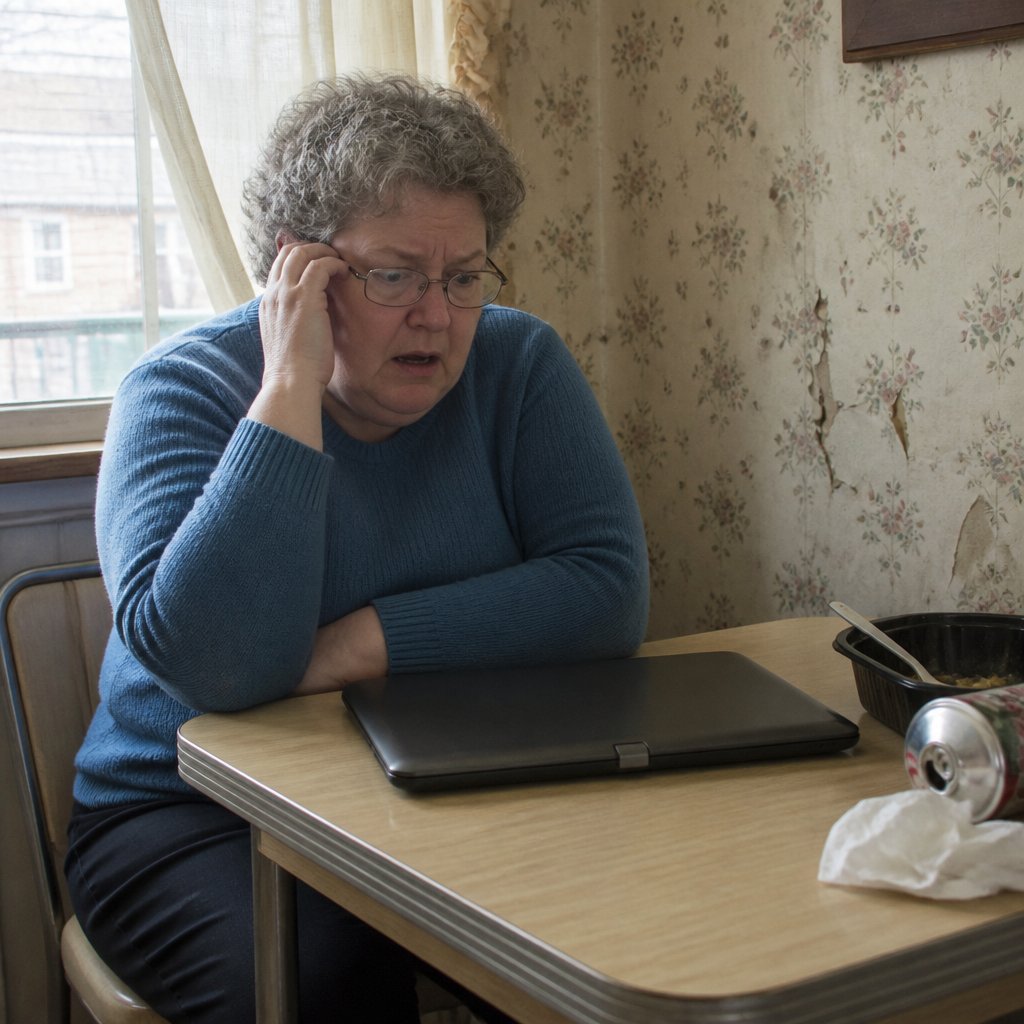
The "interactive process" meeting with security was a quiet conference room with bland beige walls and a flickering fluorescent light overhead. They questioned me about the chair incident, then abruptly shifted tone. Their push wasn’t just about facts—they suggested resignation with a severance package and a nondisclosure agreement. The offer dangled like a noose, promising silence in exchange for a cut of my future. I refused, but the next morning, my company login was blocked. I sat stunned in my small apartment, staring at the locked screen on my work laptop. The smell of stale takeout lingered as panic crept in. They’d cut off my access, trying to push me out quietly.
Suit Filed, Venue Changed

We filed the lawsuit against the company, and almost immediately, they moved the case to a tougher jurisdiction. The legal filing added a new twist: they invoked an arbitration agreement I’d never signed or seen before. Sitting in my lawyer’s cramped office, I felt a chill as he explained the implications. Arbitration meant less transparency and a more hostile environment for me. The walls seemed to close in as the reality sank in. My fight for accountability was about to get a whole lot harder. The crisp paper of the court notice sat on the table between us, mocking my ignorance of the supposed agreement I was bound to. Suddenly, my path forward was uncertain.
Deposition Turns Hostile

The deposition room was cold and sterile, a long table surrounded by hard chairs. Their lawyer leaned forward, voice sharp as he insisted, "You admit you have back problems predating this injury." He waved old medical records in front of me, each one a piece of supposed evidence to poison the causation. I felt exposed and defensive under his gaze. My gray perm felt limp, and my glasses slid down my nose as I struggled to explain. The pressure was overwhelming, and I wondered how much damage these words would do to my claim. The question hung in the air: could this line of attack unravel my entire case?
Vendor Denies Linked Logs

A subpoena forced the vendor to testify, but their story raised new doubts. They claimed their cloud logs weren’t linked to individual chairs, making it impossible to trace my injury to any specific data entry. The sterile conference room smelled of recycled air as the vendor representative shrugged in a crisp polo shirt and khakis. Meanwhile, another employee came forward, sharing a nearly identical injury story. The emergence of this new voice brought fresh hope but also complicated the investigation. Were there patterns the company wanted hidden? I wondered how many others suffered without acknowledgment, and if we could ever break through the fog of denials.
Tech Reveals Disabled Overrides

The former facilities technician sat across from me in a dim break room, his hands wrapped around a lukewarm cup of coffee. He confessed the posture override features were disabled to boost chair performance scores. The evidence was damning, but the judge limited discovery to a few screenshots. When we received them, the timestamps didn’t match my shifts at all. The confusion was maddening. I stared at the mismatched logs on the printouts, the smell of stale coffee thick in the air. Was this a deliberate tactic to muddy the waters? The puzzle pieces weren’t fitting, and the fight to expose the truth was far from over.
Expert Demonstrates Spinal Compression Spike
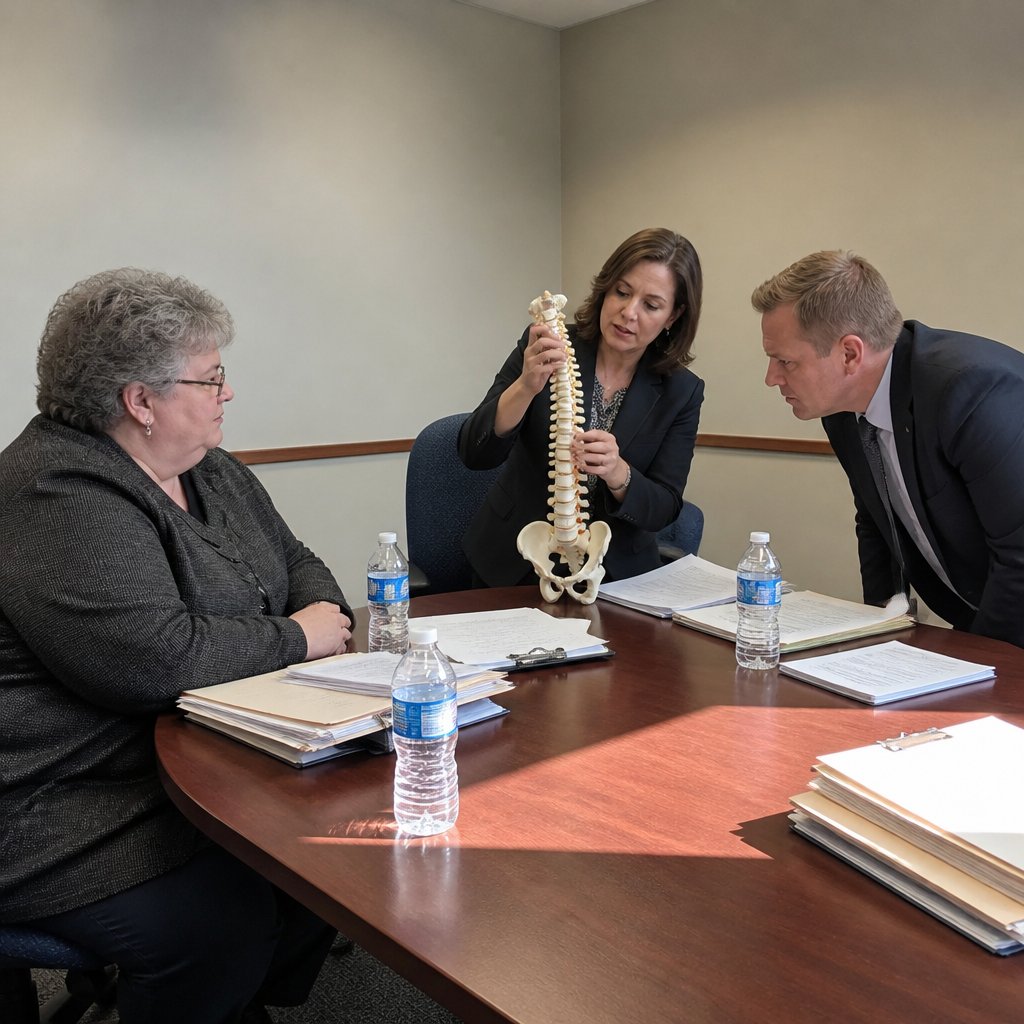
In the dimly lit deposition room, the expert unfolded a large spinal model across the table. She explained how a sudden lock of the chair’s posture mechanism could abruptly increase spinal compression. Using the model, she showed how the vertebrae might be forced into unnatural alignment, amplifying pressure on injured discs. Her voice was steady but urgent as she linked this mechanical failure directly to the moment my back flared up during work.
Across from us, the defense attorney leaned forward, pushing back hard. He called the expert’s testimony “speculative,” arguing it lacked concrete proof connecting the chair’s locking to my injury. His tone was sharp, aiming to discredit her analysis as mere theory. The tension in the room thickened as the judge considered whether to exclude her input altogether.
I sat there, glasses slipping down my nose, heart pounding. Without that testimony, the case’s foundation felt shakier. Could this expert’s voice survive the legal crossfire to tell the story my back couldn’t?
Missing Data Sparks Emergency Motion

Weeks later, after the expert’s testimony, we filed an emergency motion demanding the raw data logs from the chair’s posture system—the exact records of every lock and adjustment. The defense responded coldly: the data no longer existed. They claimed routine maintenance had wiped the files.
Digging deeper during discovery, my lawyer uncovered internal chat messages between the chair’s engineers. One message cautioned, “Don’t call it ‘locking.’” The evasive language hinted at attempts to downplay or hide the chair’s sudden mechanical stops.
Even more troubling, the dataset had a blank stretch—a missing week that included the day of my injury. The gap raised urgent questions about what was erased and why. I stared at the blank pages of the discovery binder, the weight of erased evidence heavy in my chest.
Firmware Update Erased Crucial Logs

In a cramped conference room, the records custodian, a weary man in a polo shirt, admitted under questioning that a recent firmware update wiped the chair’s local logs—unless a specific checkbox was enabled. The catch? The checkbox had never been turned on.
The facilities director, a sharp-eyed woman dressed in a sleeveless blouse, confessed they deliberately left it off. Her reason was simple: saving storage costs. No one anticipated the critical data would vanish just when it mattered most.
This admission crystallized into spoliation—a deliberate or negligent destruction of evidence—just as trial loomed ahead. The reality hit me hard. Vital proof of what the chair did that day might never be recovered. I rubbed my lower back, aching even in the sterile room, wondering if justice was slipping away.
Inspection Reveals Excessive Lock Torque
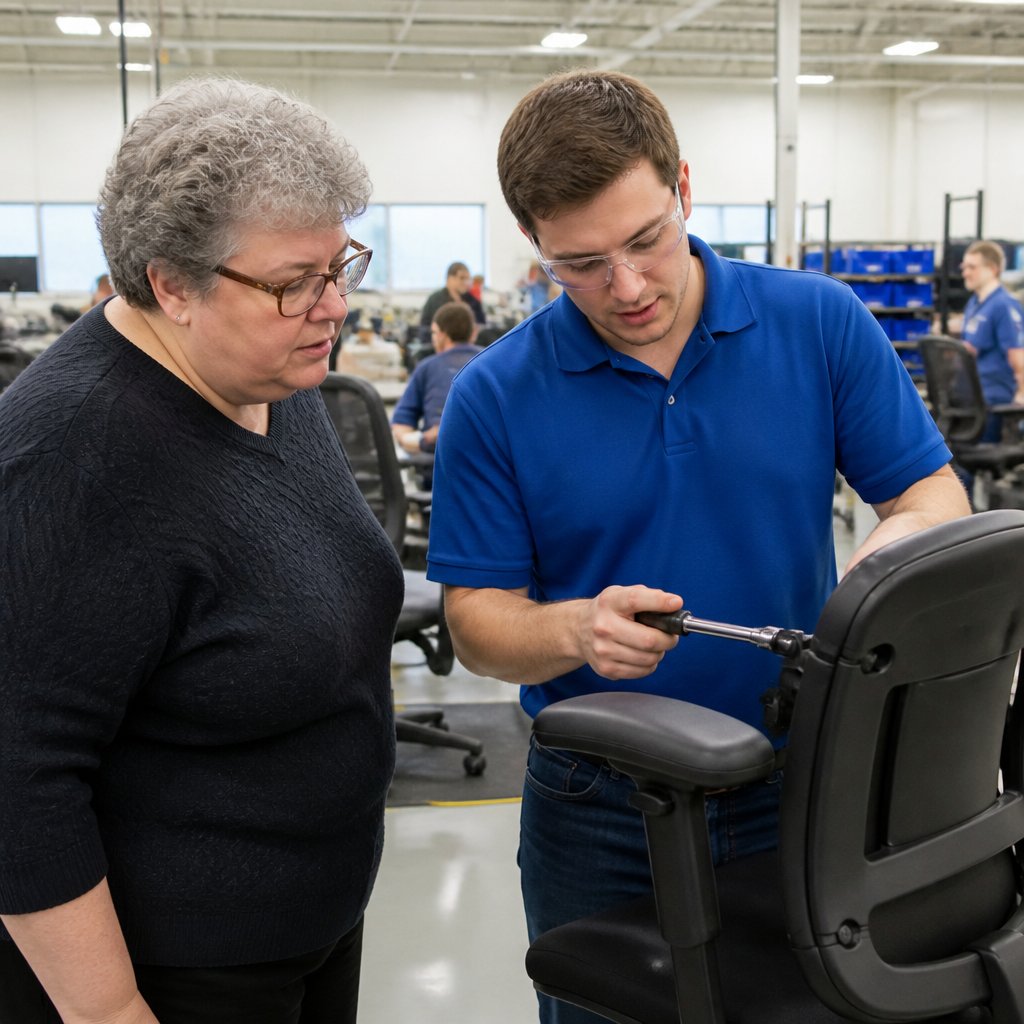
The morning before trial, we conducted a last-minute inspection of the chairs still in use on the floor. The engineer in charge, a young man wearing safety glasses and a company polo, demonstrated the locking mechanism’s torque. It measured far beyond the vendor’s specified limits.
The courtroom later sanctioned the company's late production of this finding, ruling the jury could hear about both the excessive lock force and the missing data logs. This opened the door for the judge to instruct the jury about spoliation—potentially a game-changer in our favor.
Back in my hotel room that night, the tension twisted tight. I held my stiff back, knowing the trial’s fate now hinged on a detail as technical as torque. Could this unexpected discovery finally tip the scales?
Defense Paints Me a Complainer
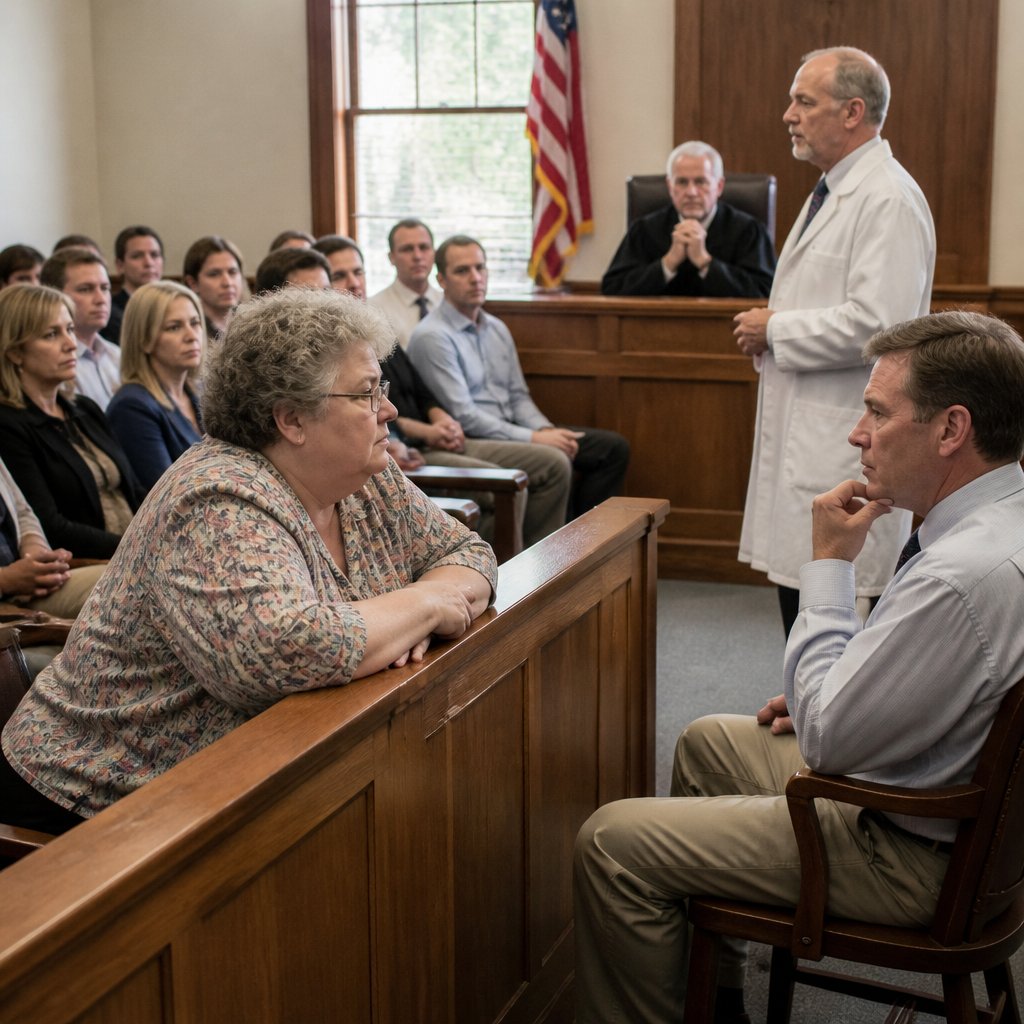
At trial, the defense played surveillance video showing me carrying groceries carefully into my home. They tried to frame me as a complainer exaggerating a minor issue. The image was stark against my testimony of daily pain and struggle.
My doctor, a stern man in a white coat, stood to rebut their narrative. He explained how acute spinal injuries could limit movement without eliminating all activity. Under cross-examination, the lead engineer admitted the chair’s sensors sometimes misread posture, triggering false corrective locks.
The jury watched attentively, caught between competing versions. My glasses sat crooked as I leaned forward, waiting for the next move, knowing the fight for credibility was far from over.
Final Evidence Shakes The Trial
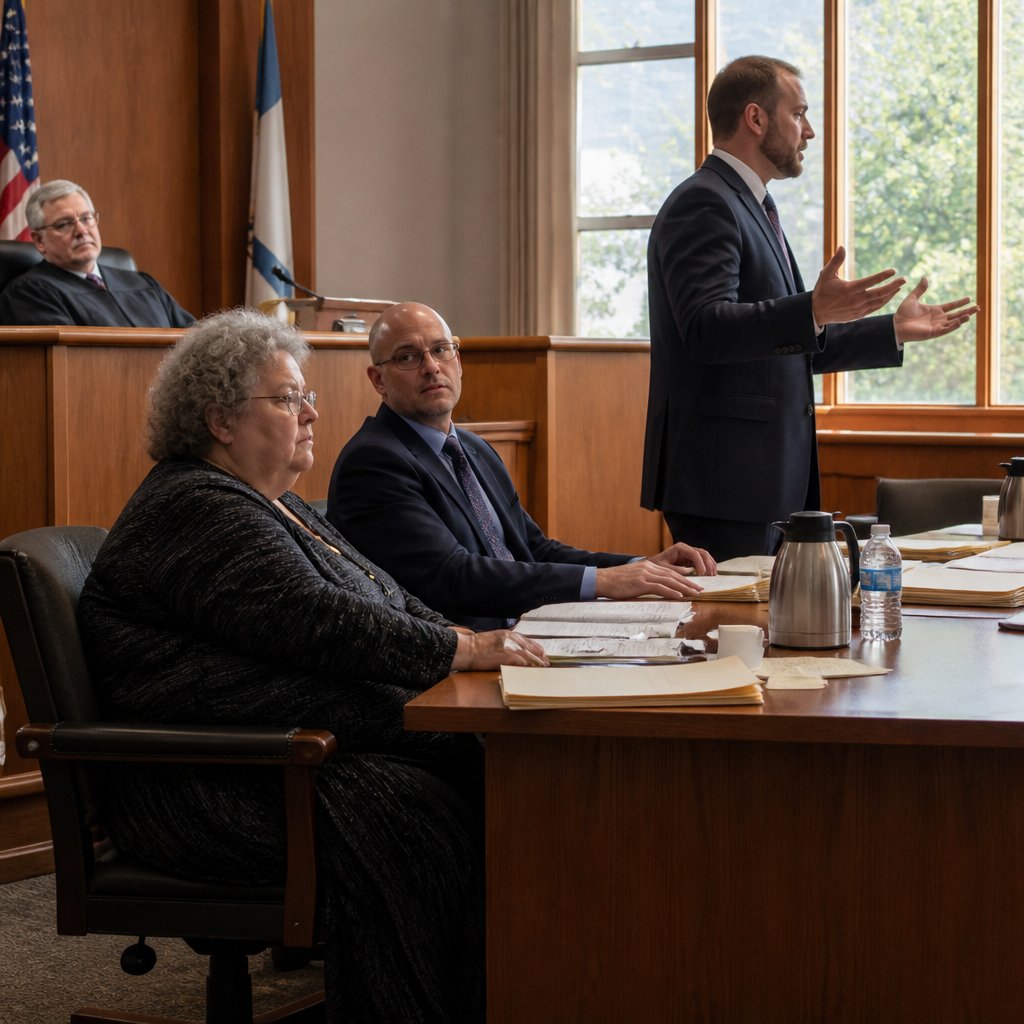
The last day brought crucial new evidence. We introduced a training video warning operators about "unexpected corrective engagement"—the chair’s sudden locking behavior linked to safety issues. A pilot study also surfaced, noting startle and pain events among users exposed to these corrections.
Most telling was the defense medical expert’s reluctant concession: the timing of my injury aligned with an acute event if my body was flexed during a chair lock. This admission undercut their earlier denials and crystallized the core dispute.
Closing arguments lined up on either side, each urging the jury to choose who to believe. I sat still, my back aching and my glasses fogging slightly from the courtroom’s heat, knowing the verdict hung on this sharp edge.
Was the jury's decision reasonable given the evidence presented?