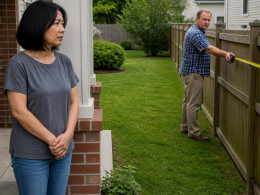




Seep Line Along The Fence
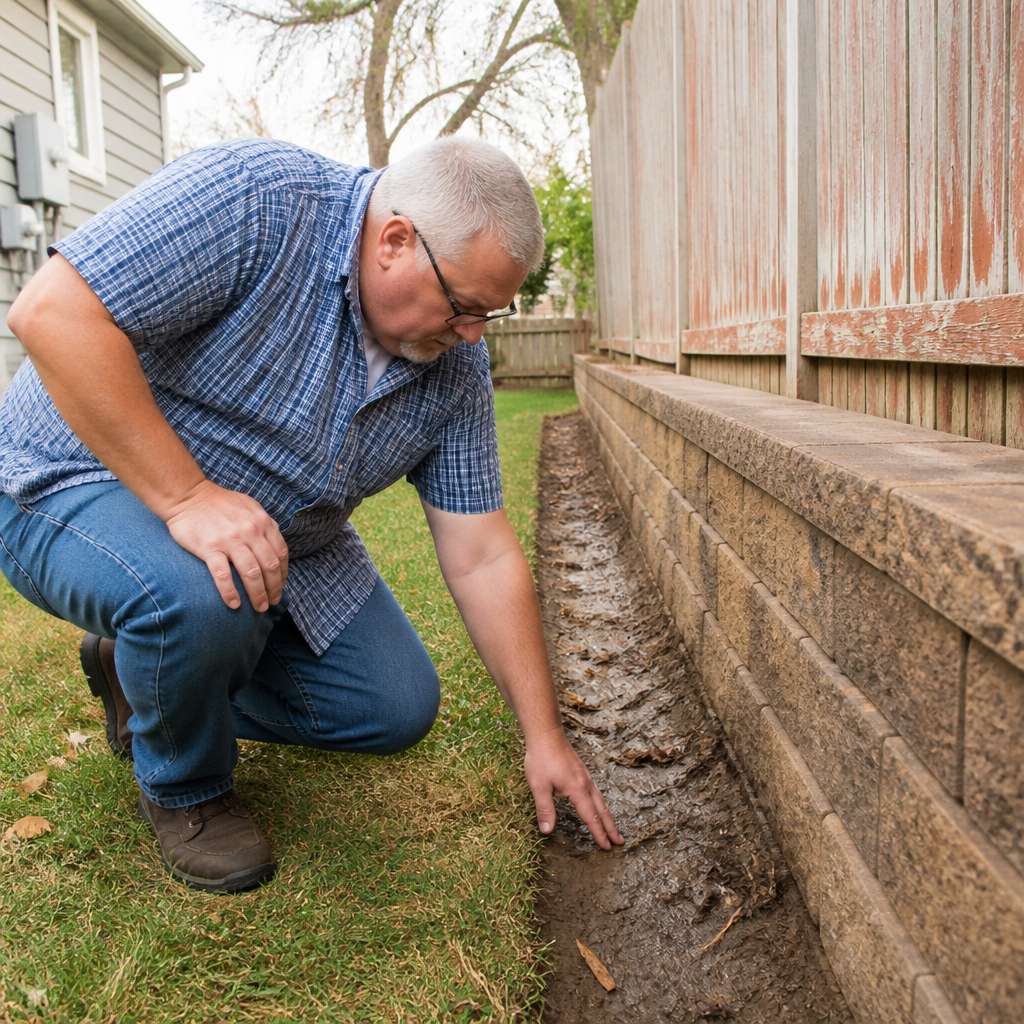
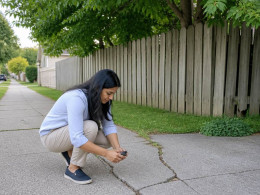
It all began shortly after Dale finished building his retaining wall at the edge of his property. A narrow, damp line appeared along our shared fence, running just where his wall met my lot. The moisture wasn’t intermittent like rain runoff usually is; it was constant, almost like a slow leak. I checked the soil regularly, and it was consistently wet enough to darken the ground and leave a faint muddy trail. The smell was faint but unmistakable—a mix of fresh earth and something a bit stagnant.
I asked Dale about it, but he shrugged it off, saying it was probably just rain pooling. Yet, the days passed without a break and the water kept seeping along that exact strip. Something about it didn’t add up. I knew the property line fairly well, having checked surveys before, but this water seemed to refuse to stay on his side.
The ongoing dampness was becoming a small but steady intrusion into my yard, and I started wondering if this was going to lead to trouble. I hadn’t seen anything like this before, and it felt like the ground itself was shifting on the boundary between us.
Grass Dies Near My Shed
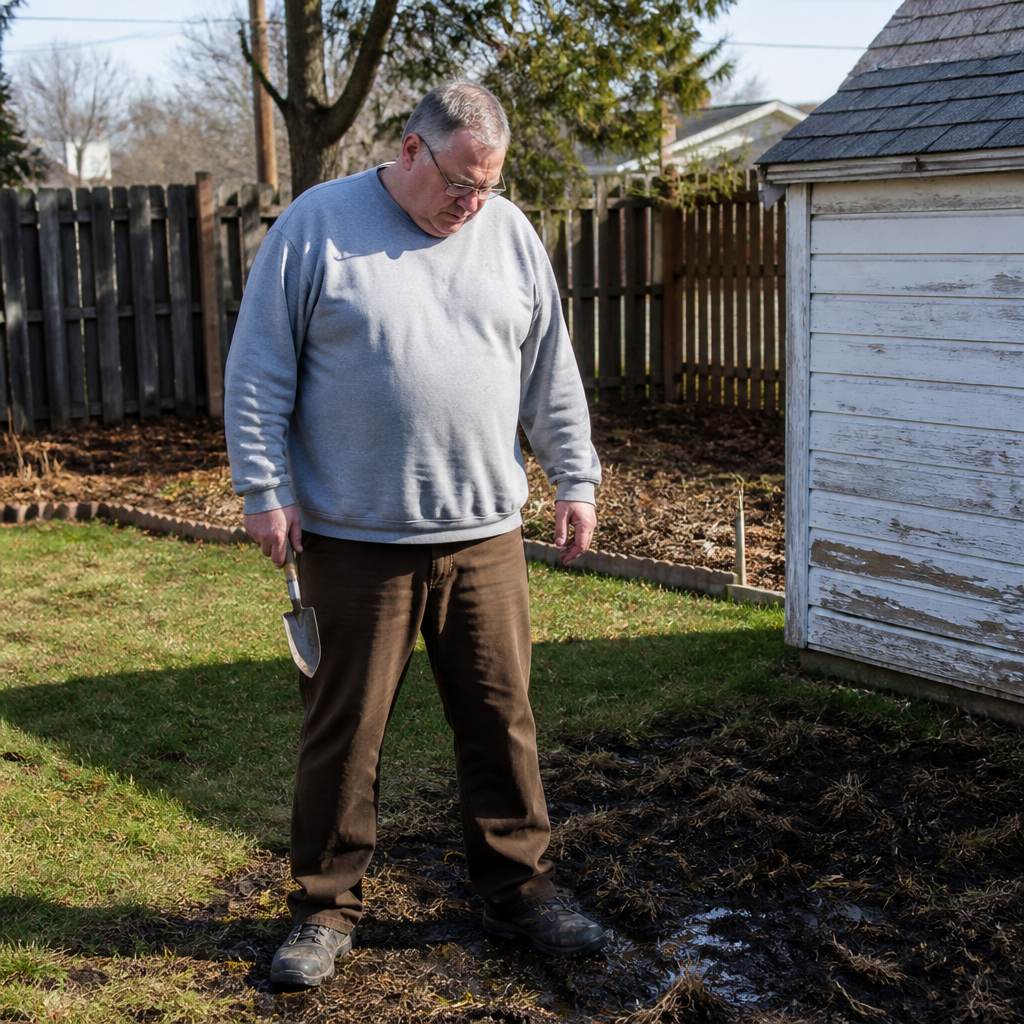
Over the next few weeks, the damp line didn’t just stay put—it expanded. The grass along that strip wilted and died, turning a sickly yellow-brown patch right in the middle of my otherwise green side yard. Worse, the wetness crept closer to my shed, pooling near its base.
When I stepped outside one morning, the ground felt soft underfoot, almost squishy, with the smell of damp earth stronger than before. The dead grass made a sharp contrast against the rest of the lawn. I started worrying this wasn’t just a minor annoyance anymore. The water was damaging my property.
I tried digging a small hole near the soggy patch to see if I could find where the water was coming from, but the soil was too saturated. The wetness definitely wasn’t just seasonal; it was an ongoing problem linked to that retaining wall. I called Dale over to point it out, hoping for a straightforward fix, but he seemed uninterested.
This was turning from an “annoying” drip into a real property issue, and I wasn’t sure where to go from here.
Dale Blames My Yard Setup
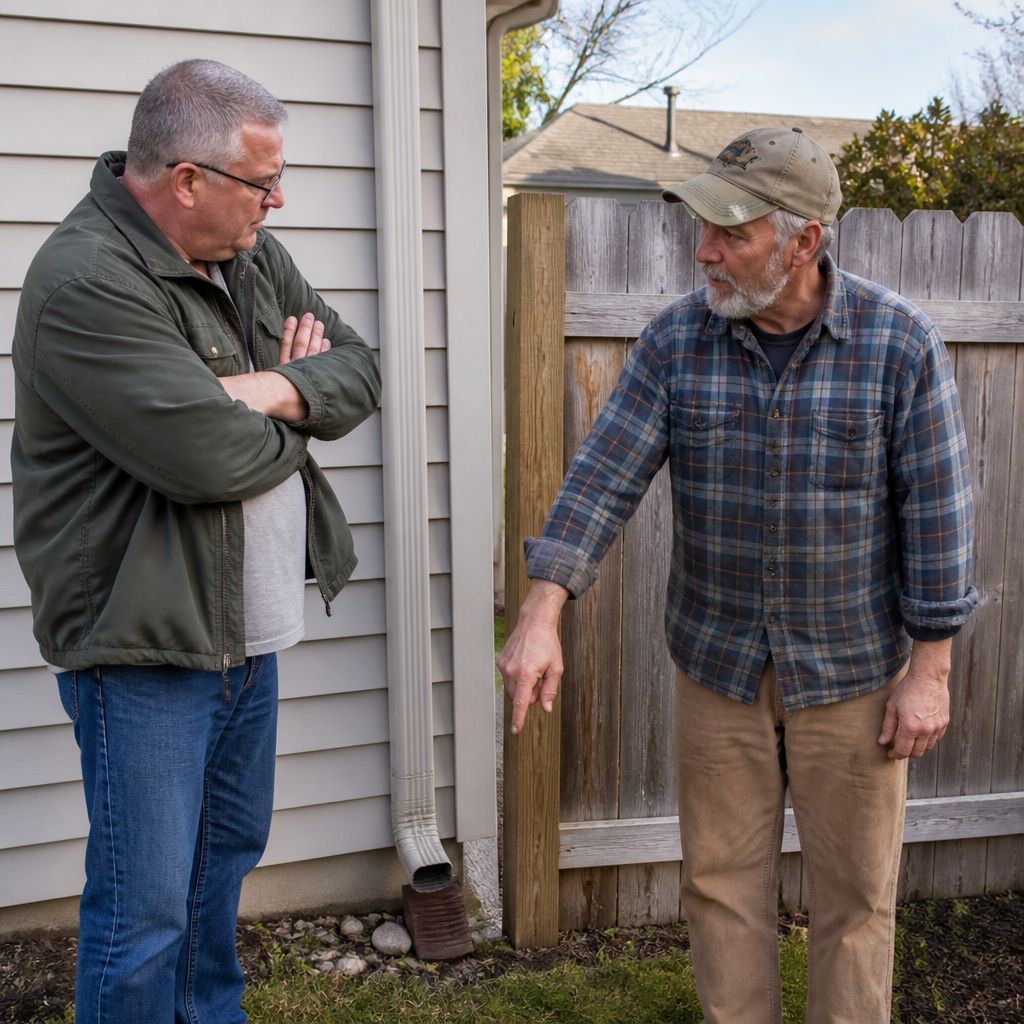
The conversation with Dale took a sharp turn when he claimed the problem was actually on my end. According to him, my downspout and even the plastic garden edging I installed were “damning” water on an old drainage easement he said ran through my lot. I had never heard of any such easement before.
He insisted that my attempts to control water flow were blocking the natural drainage path, causing the moisture to back up against his wall instead of flowing downhill as it should. I was taken aback; I’d always maintained my yard carefully and never knew about any easements that would affect my property rights.
Looking at the side yard, I realized the downspout did channel roof water toward the soggy strip, but I’d never thought it was illegal or problematic. Dale’s tone was firm, almost accusatory, as if I was the one causing all these issues. This claim complicated things because if an easement did exist, it could limit what I was allowed to do on my own property.
I felt cornered by this new information, unsure of how to verify the existence or terms of the easement he referenced.
Survey Brings New Confusion
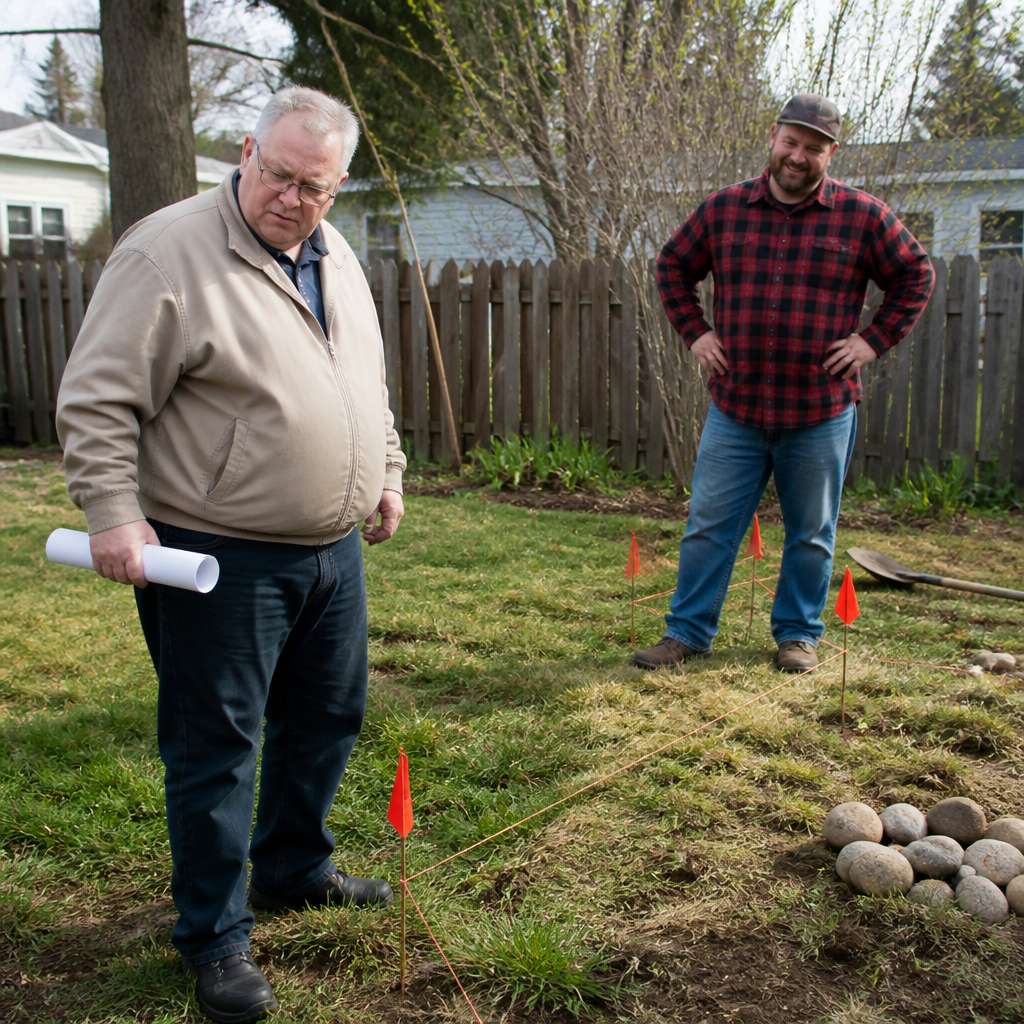
Determined to settle the matter, I hired a licensed surveyor to flag our lot lines clearly. When the surveyor came back with markers showing the boundary, I expected the damp strip to fall on Dale’s side. Instead, Dale laughed off the results, claiming those survey points were wrong.
He insisted the “real line” ran several feet inside my yard and that I was actually encroaching on his property. His tone was mocking, like he knew some secret I didn’t. It was confusing and frustrating because I’d always trusted survey markers and property boundaries from official documents.
The idea that I might be trespassing unknowingly on my own yard was unsettling. If Dale’s claim held any truth, I could be facing legal trouble for work I’d done decades ago. I stared at the new stakes driven into the ground, wondering if boundaries were more flexible than I thought—or if Dale was just trying to intimidate me.
I needed confirmation but felt stuck in a swirl of shifting lines and claims.
City Code Notice Arrives
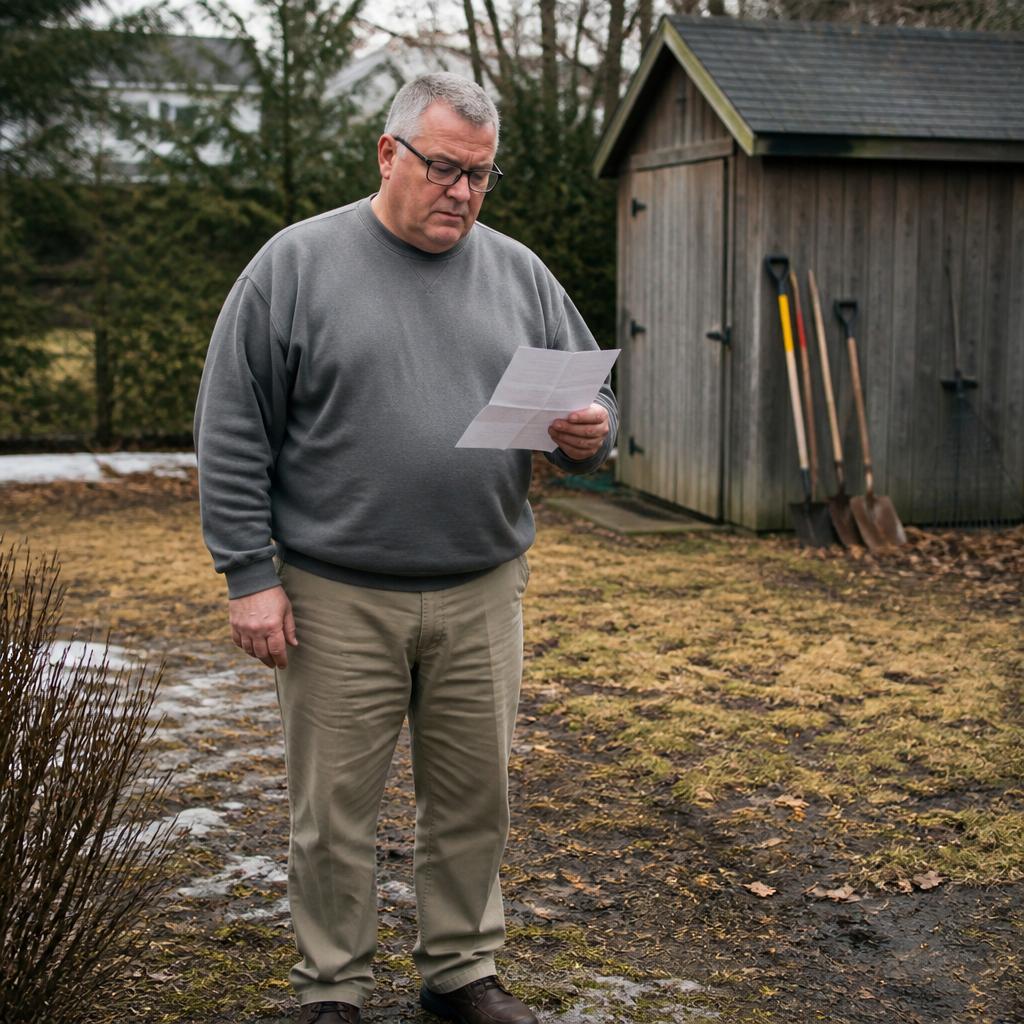
Then the city got involved. I received an official notice citing me for standing water and “altered drainage” on my property. The letter gave a firm deadline to fix the problem or face penalties. Suddenly, this was no longer just a neighbor dispute; it was a formal enforcement action.
The document detailed complaints about water ponding and improper discharge, and it was clear the city had been alerted. I suspected Dale had filed the complaint, but the notice didn’t name anyone else. Holding that envelope, I felt the weight of the situation settle on me.
I paced around the side yard, the smell of damp earth rising stronger than ever, knowing that failure to comply could mean fines or worse. My attempts to solve the issue now had a ticking clock, and the water was still seeping, threatening to worsen the damage to my lawn and shed.
What steps should I take next? The pressure was mounting.
Surveyors Met With Unexpected Hostility
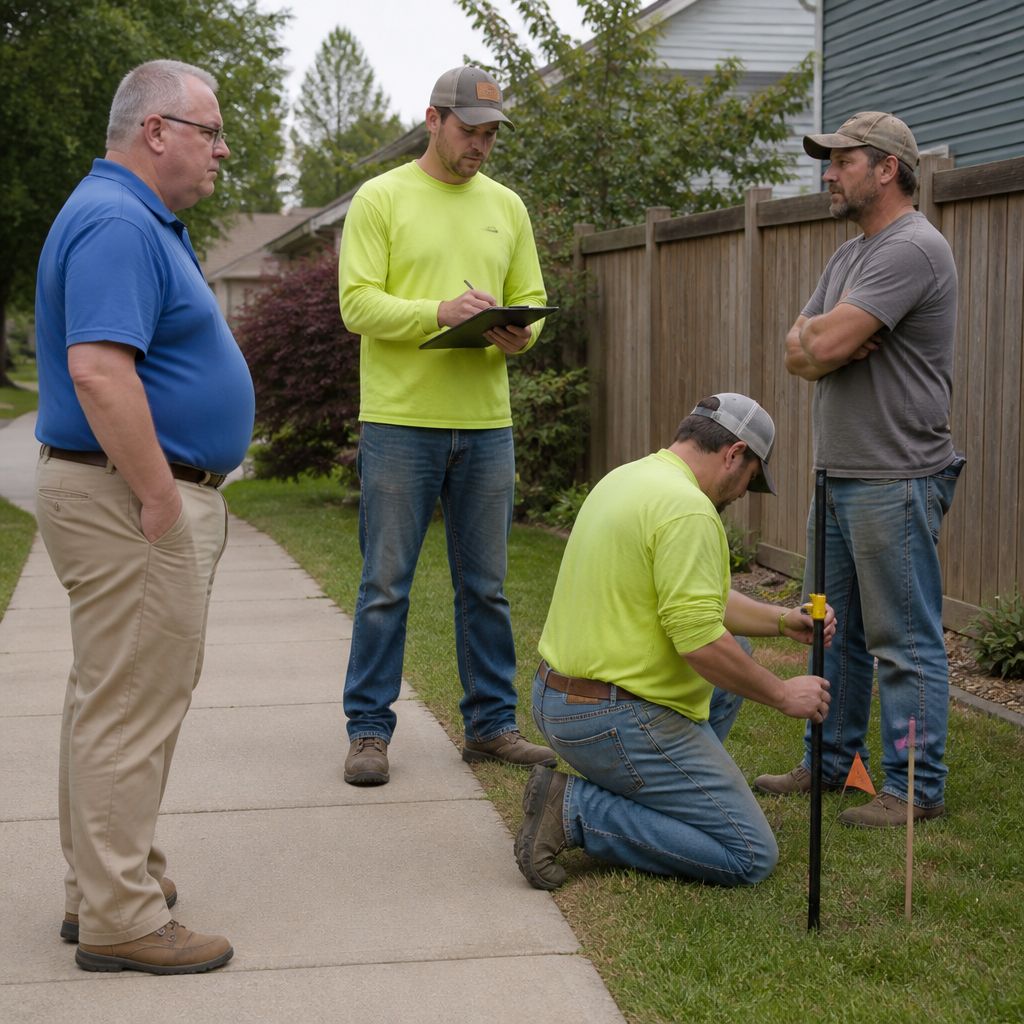
I hired a licensed surveyor to map the exact property lines and locate that retaining wall. The survey crew arrived one morning and started marking stakes along the fence line, measuring distances with their total station. Just as they focused on the wall area, Dale appeared in his backyard. He was wearing a faded baseball cap and work boots, his arms crossed tight. He accused the surveyors of trespassing and demanded they stop immediately. The crew showed him their permits and identification, explaining the survey was routine and within my rights. Dale’s tone didn’t soften. He insisted the old drainage easement gave him privileges that extended onto my land.
Despite the confrontation, the surveyors carefully documented the scene, noting Dale’s presence and statements. The head surveyor took photos of the wall, the stakes, and the heated interaction, as if preparing for a legal dispute. I watched from my porch, feeling a mix of frustration and worry. The air smelled faintly of wet earth and cut grass after a recent rain, but the tension was palpable.
Wall Footing Inches Within Boundary
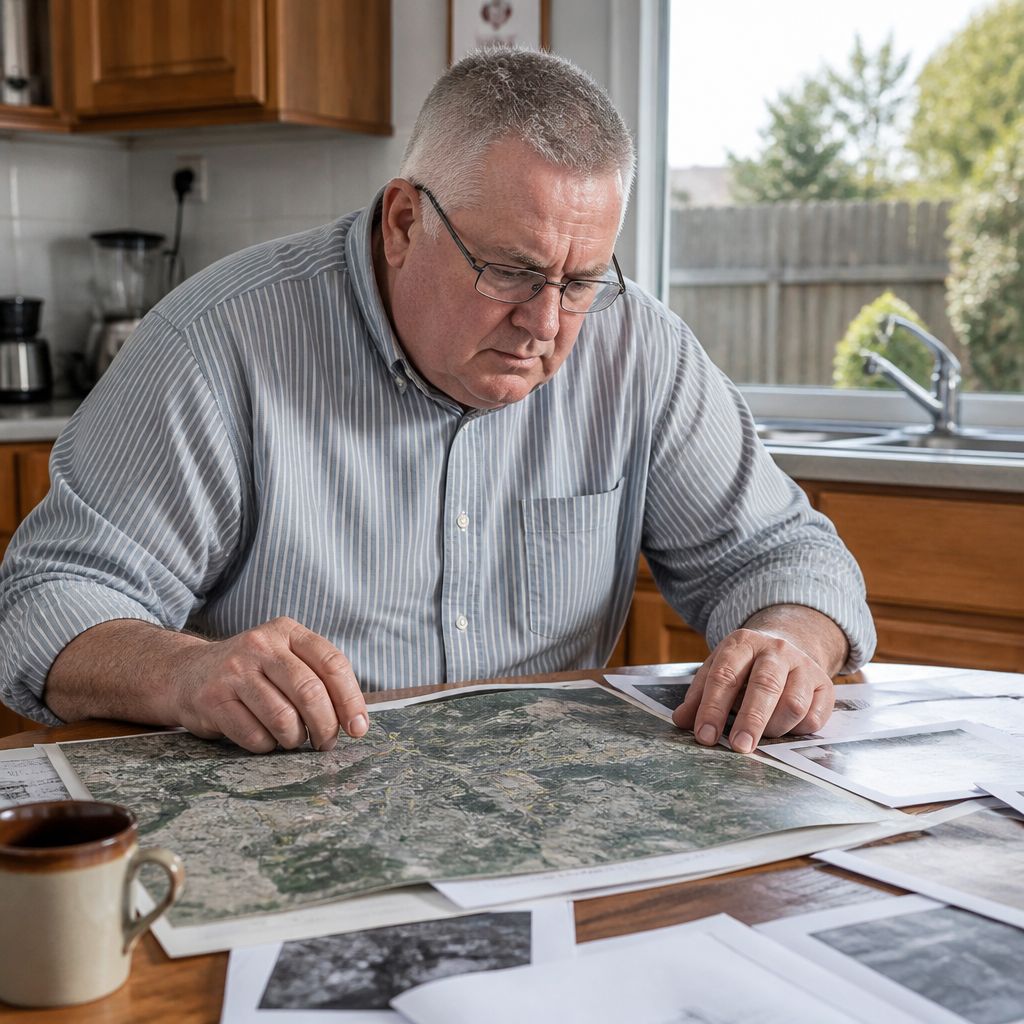
When the survey report arrived, I learned the wall footing was just inches from the property line — possibly crossing it. The surveyors’ precise measurements, annotated on a detailed map, showed the wall foundation extending slightly onto my side of the boundary. That meant this wasn’t only a drainage matter anymore; it might be encroachment.
The smell of fresh-cut cedar from the fence mixed with damp soil drifting in the open window as I read through the dense findings. The thought that Dale’s retaining wall might physically intrude on my property added a new layer of complication. The report included photographs showing the exact points where the footing crossed the line, carefully documented with reference stakes and surveyor flags.
I wondered how Dale would respond if presented with hard evidence. Would this split the dispute between drainage issues and a property boundary problem? The question lingered, unsettling.
Certified Letter Met By Lawyer’s Cease-And-Desist
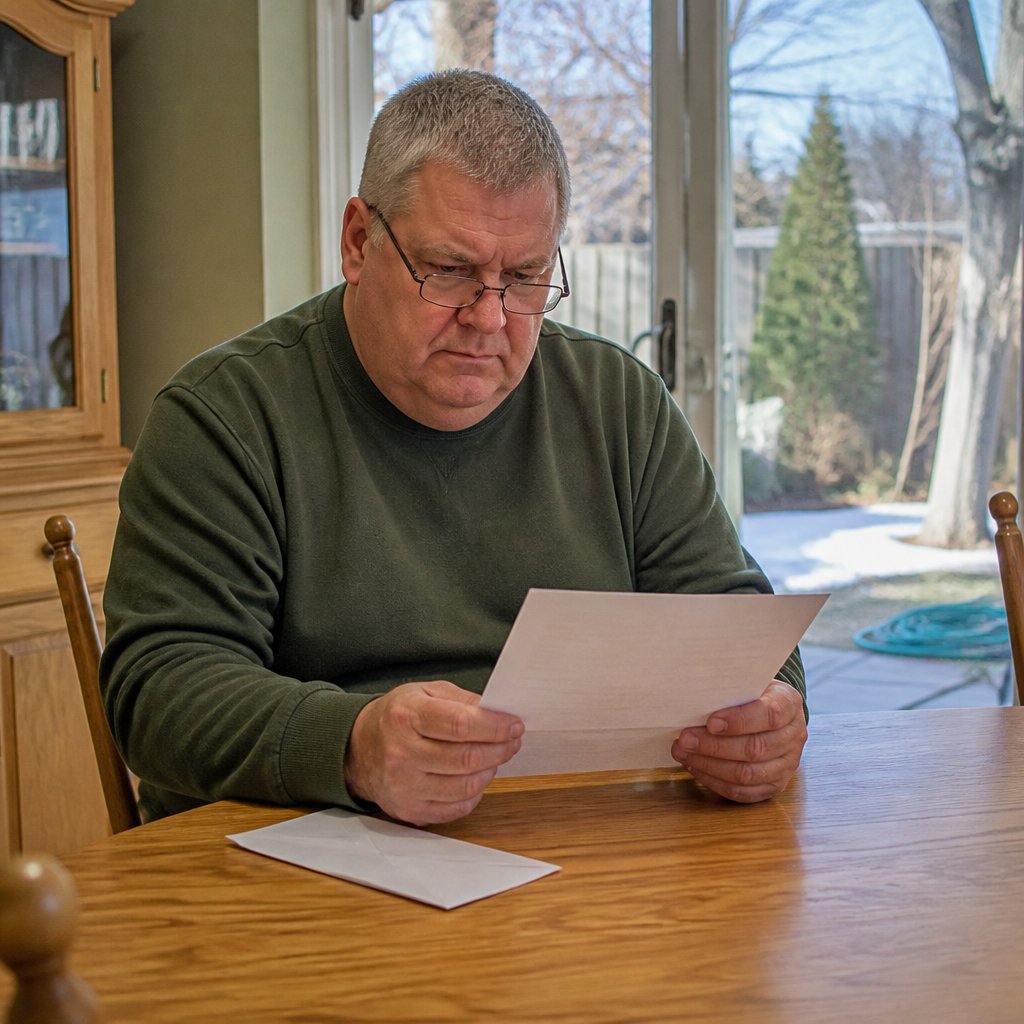
After digesting the survey, I sent Dale a certified letter requesting he provide documentation of any inspection or permits related to his retaining wall and drainage. I spelled out my concerns and asked for clarity. Days later, instead of a reply from Dale, a thick envelope arrived from a law firm. Inside was a cease-and-desist letter claiming I was interfering with an “established drainage easement.”
The legal tone was stiff and formal, warning me to halt any actions that might obstruct water flow as per the easement’s terms. It felt like a wall of words designed to intimidate. I sat at my dining room table, the rough paper crackling faintly as I held the letter. Outside, I heard the distant hum of a lawnmower and birds chirping, normal suburban sounds contrasting the legal fight brewing over water running between yards.
Was the easement real and valid, or just a claim used to push me back? It was impossible to tell from a lawyer’s letter alone.
Second City Citation Raises Stakes
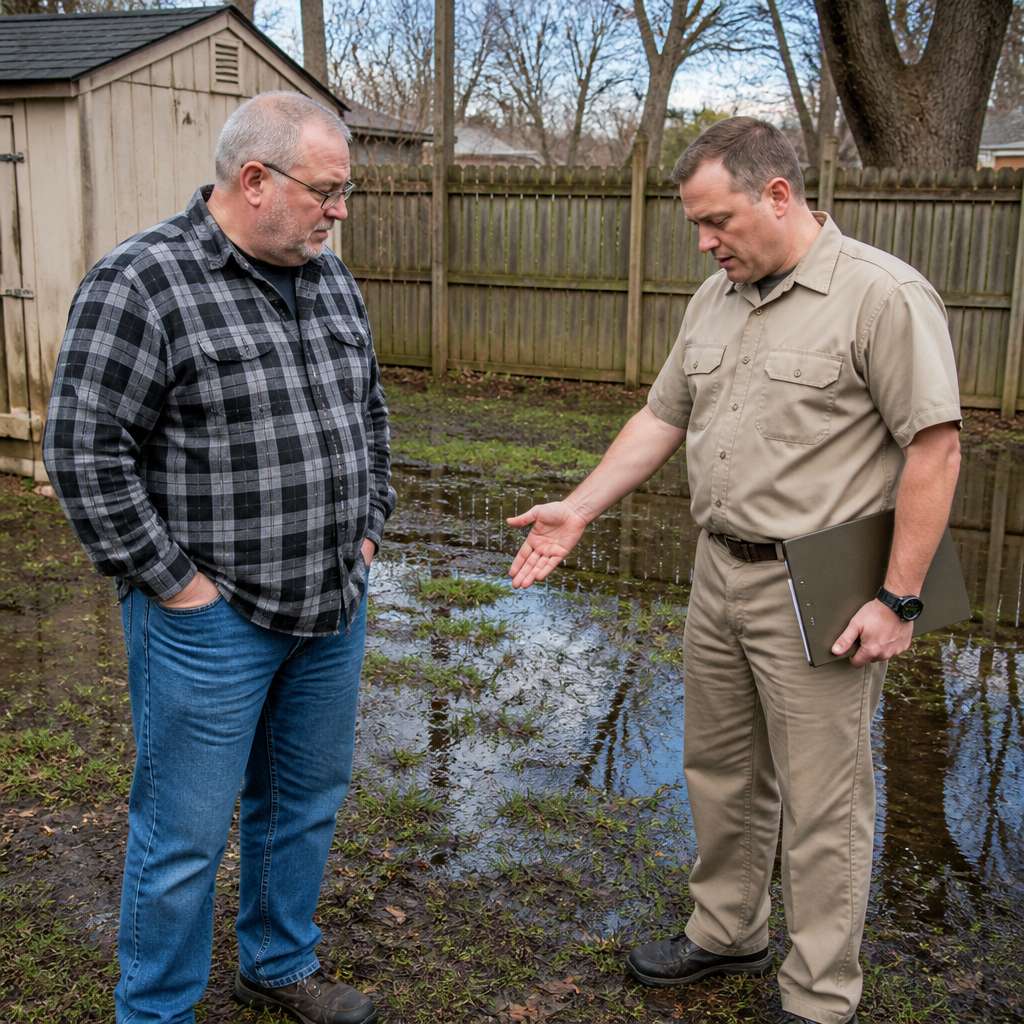
Shortly after Dale’s lawyer letter, a second city inspector appeared at my front door. This time, he issued a formal citation accusing me of nuisance standing water and “altered drainage.” The citation included a deadline to fix the issue or face fines. The inspector was in a beige uniform and carried a clipboard, marking notes while explaining the code violations.
The rain had left puddles pooling near the base of my shed, the ground still wet and slightly muddy underfoot. I knew the water traced back to Dale’s wall, but the city’s notice held me responsible. I felt the weight of unfairness as the inspector stepped carefully around the soggy yard, not questioning Dale or his retaining wall.
The gap between the survey evidence and the city’s actions made me wonder if I had any real recourse. Dale’s side remained untouched by official scrutiny.
Filing Suits Amid Rising Tensions

I finally went ahead and filed a small claims suit for the damages and the expert fees I’d paid to survey and analyze the runoff issue. The paperwork was straightforward but felt heavy in my hands—like admitting the fight was really on. Not long after, Dale countersued. His claim: that I had somehow damaged his retaining wall, and he wanted a legal right, in writing, to come onto my property whenever he chose for what he called “easement maintenance.”
That demand felt invasive. I kept picturing strangers tromping across my yard, poking and prodding like it was their own. The two suits now sat in the court system like landmines waiting to go off. I wasn’t sure how Dale would prove his wall had been harmed, or if that supposed easement even existed in any legal form.
The weight of it all settled in my chest every time I stepped outside and saw the water pooling at the fence line. I could hear the dull drip of water seeping through the soil near the base of the wall, a steady reminder that this dispute was far from resolved.
Discovery Reveals Developer’s Plans
During discovery, my attorney got hold of the original developer's drainage plans. It turned out the plan showed a grassy swale running behind the yards for drainage, not a pipe or outlet built into Dale’s retaining wall that spilled onto my property. That was a surprise—there was no legal easement for water to flow across my yard as Dale claimed.
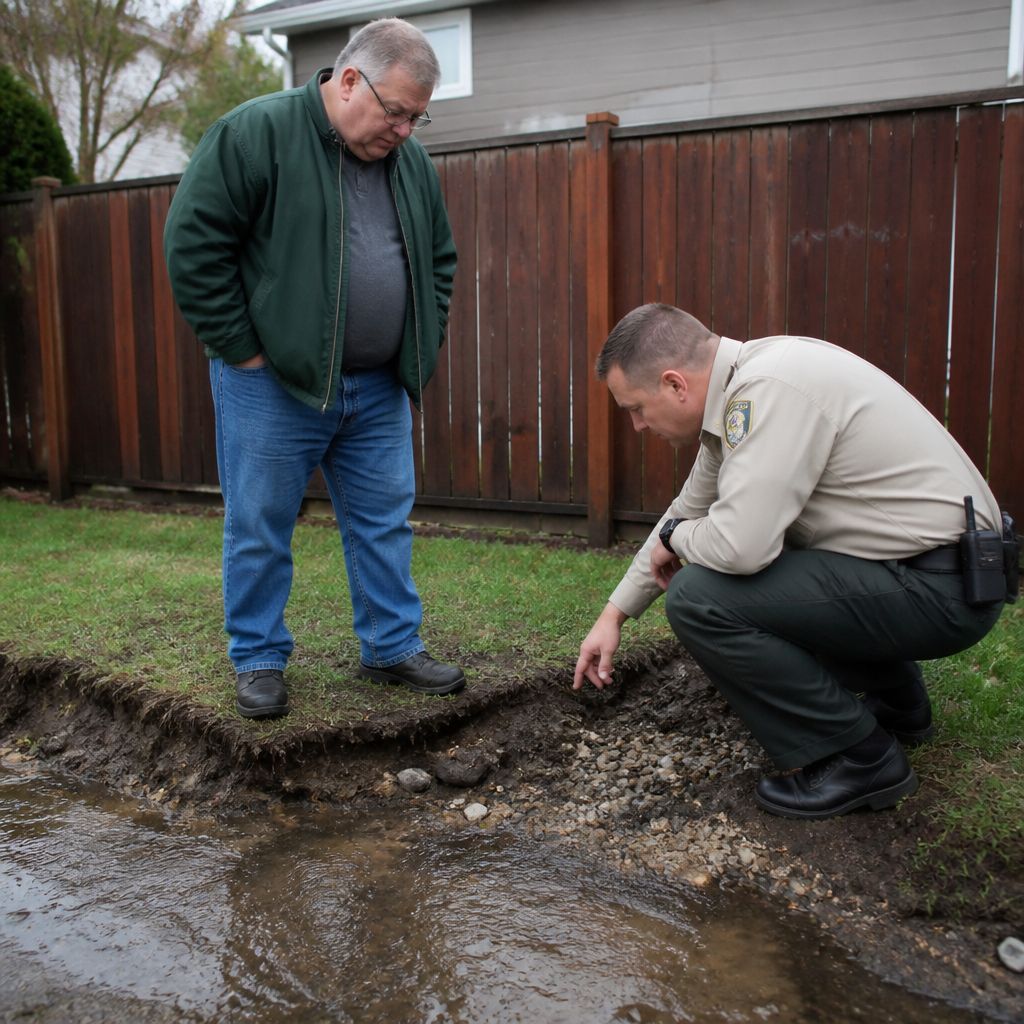
Just as we were digesting this, a strong rainstorm hit. The water cut a noticeable channel under the fence separating our properties, eroding the soil and pooling even deeper in my side yard. I walked along the fence line, feeling the wet earth squish under my boots and hearing the rough trickle of water cutting the channel beneath the wood.
What was even more unexpected was that the city finally showed up. After months of my complaints and Dale’s call-ins, the inspector actually came to Dale’s yard, examining the drainage from the wall. I stood nearby, watching the inspector’s notepad fill with notes, wondering if the city was finally seeing what I had been saying all along.
Dale’s Sudden Offer And Mediation

Dale called me out of the blue, panicked and wanting to talk. He offered a "deal" but only if I signed a new easement giving him formal permission to channel water through my yard. I was suspicious. Why hadn’t he mentioned this before? What was he really after?
At mediation, sitting across from him in a small conference room with my attorney beside me, Dale stuck to his story. He insisted the easement already existed and I’d been blocking it. Meanwhile, my attorney laid out the developer’s drainage plan and prepared to bring in expert testimony from the civil engineer who had surveyed our yards.
The air smelled faintly of coffee and rubber from the conference table. I could hear the low murmur of voices from the next office, but here it was just Dale, his lawyer, my attorney, and me. We all sat stiffly, waiting to see how the talks would unfold.
Wall Excavation Uncovers Pipe Damage
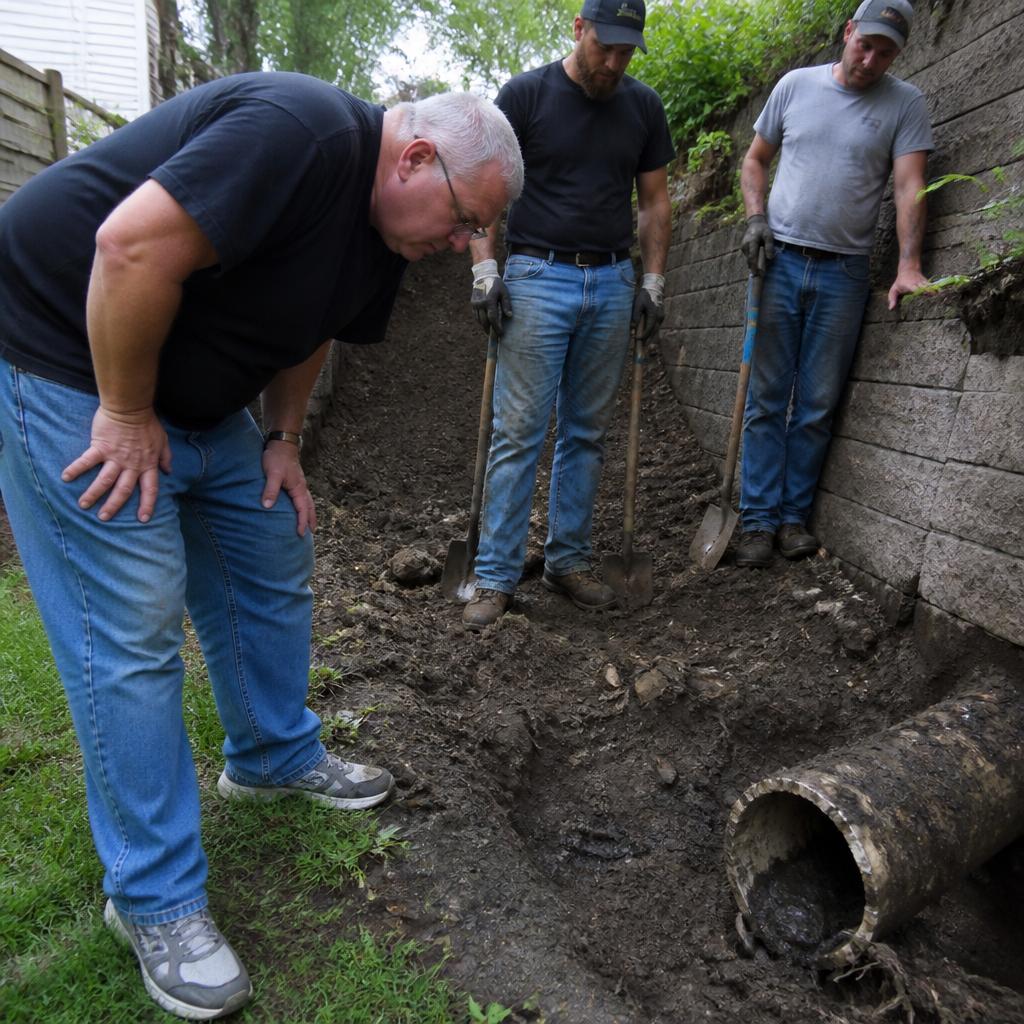
A week before the trial, Dale had a crew open part of his retaining wall. They found the drain pipe inside was crushed and clogged with dirt. That was concrete proof right there, in the soil, that the drainage wasn’t working as it should.
I walked the yard with Dale’s crew, wearing my worn-out brown jacket and work boots, squinting at the broken pipe half-buried in mud. The smell of damp earth filled the air, and I could hear the faint dripping from inside the pipe’s crushed section.
Despite this, Dale’s lawyer made a new offer. They would pay partial costs if I dropped all claims and promised to stop calling the city about the drainage. It felt like a bribe to sweep the problem under the rug, but the invitation dangled there, waiting for my answer.
Trial Day Questions and Evidence

In court, Dale insisted the flooding was just natural runoff and blamed me for changing my yard’s grade, which he said caused the water to collect. But my engineer testified clearly. He showed how the water’s path started right at the base of Dale’s retaining wall, matching the city inspector’s notes taken after the rainstorm.
I sat in the courtroom wearing a gray sweater and khakis, feeling the hard wooden bench beneath me and the quiet murmurs of the room. The judge leaned forward, eyes focused, and started asking pointed questions about the drainage plans and the evidence in front of him. His tone hinted that a decision might be close.
Outside the courtroom window, I could see the branches of a maple tree swaying gently in the breeze, a quiet contrast to the tension inside.
Was the neighbor legally responsible for blocking drainage?