


First Hairline Crack Appears
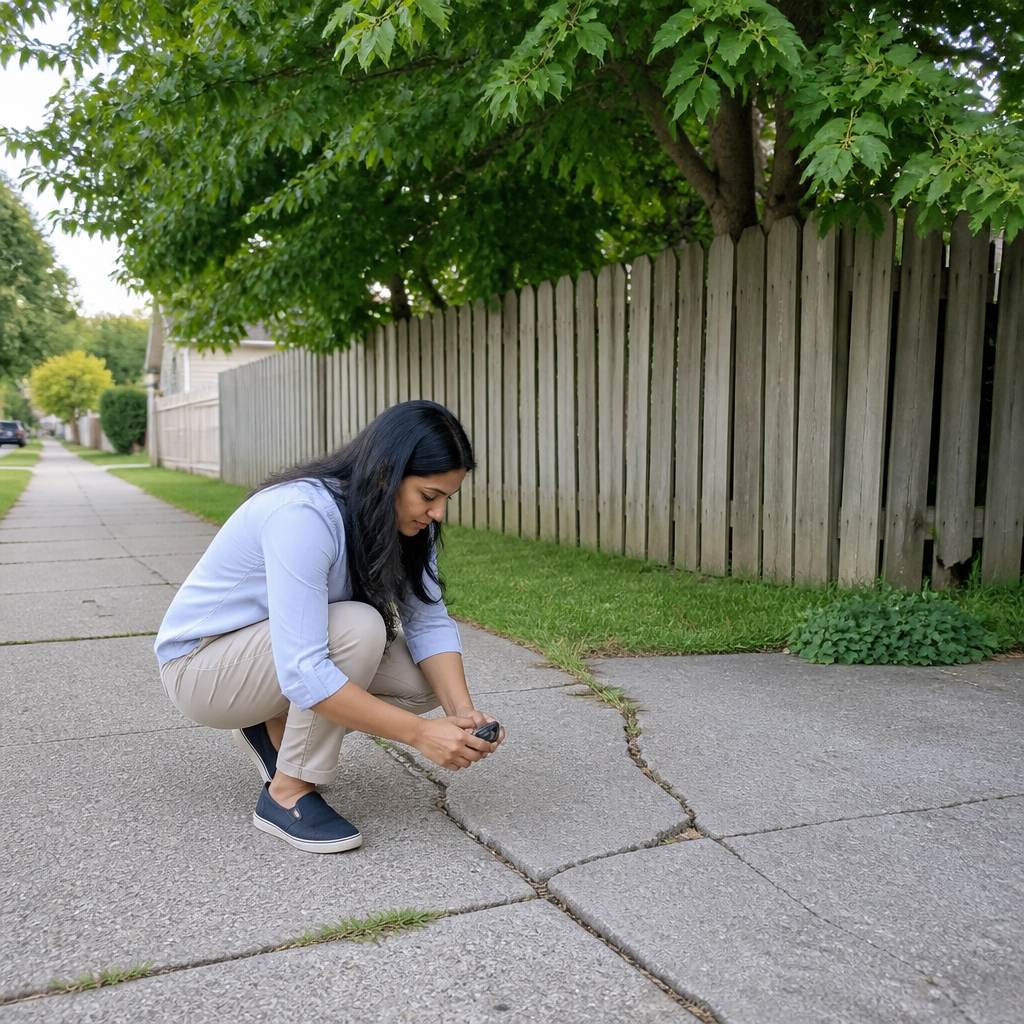
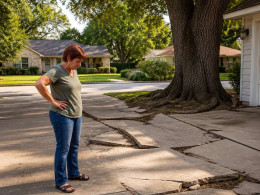
The first sign was a thin hairline crack across the corner of my concrete driveway, right near the property line that Elaine’s towering maple tree loomed over. I didn’t say anything at first, just took a photo with my phone, careful to capture the date and time on the file. I figured it might just be normal settling—driveways crack over time, right? But the crack looked fresh and seemed out of place, dark against the otherwise smooth surface. The cool morning air smelled faintly of damp earth as I crouched down, tracing the jagged line with my finger, wondering if this was something I should worry about. From the porch, I could see Elaine through her kitchen window, just starting her day. I decided to keep an eye on it, snapping more photos every few days to track any change. Something didn’t sit right, but I had no proof yet that the tree was involved or that I had a cause for concern.
Driveway Lifts After Rainfall
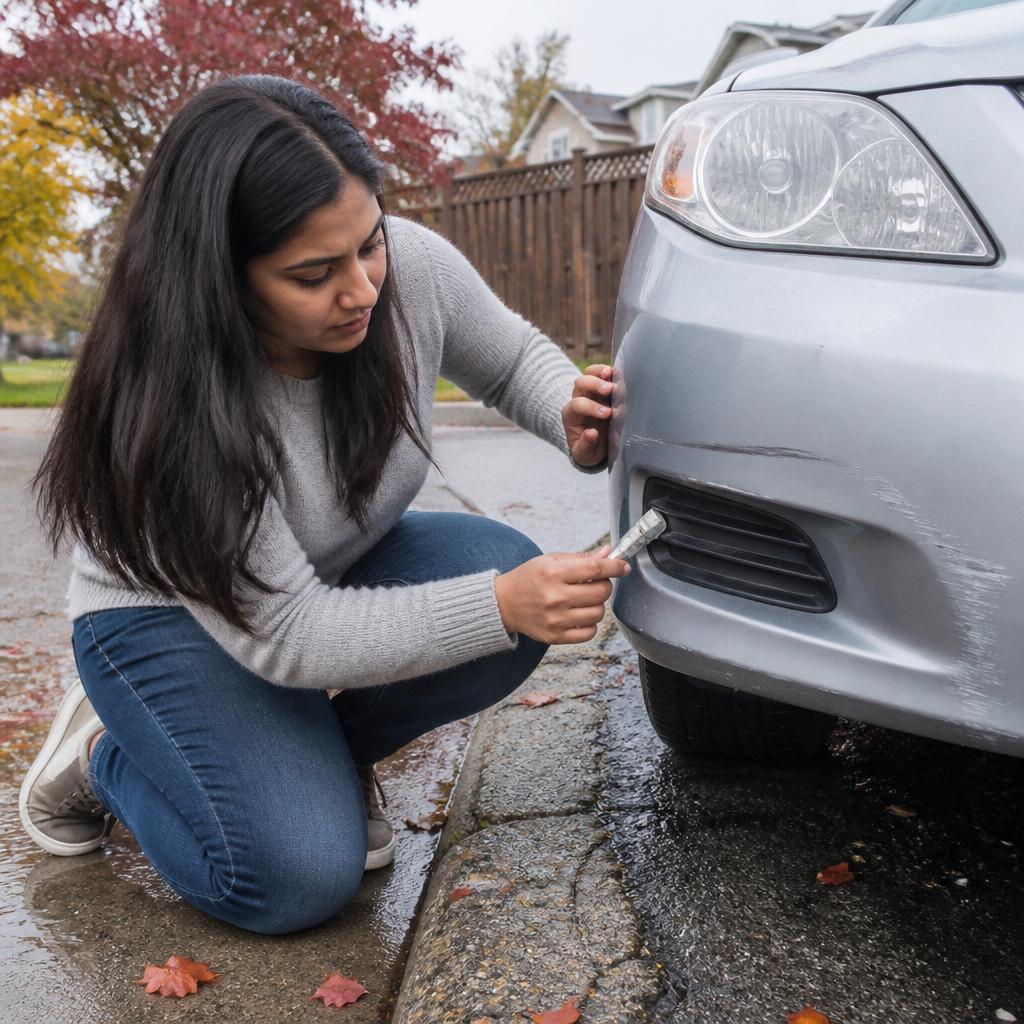
A heavy rainstorm had soaked the neighborhood overnight. When I left for work that morning, I noticed my car scraping against the uneven driveway edge. The slight lift in the concrete slab had turned from a minor crack to a tangible obstacle. I ran my hand over the raised area where the concrete had buckled just enough to catch the bottom of my car’s bumper. This wasn’t just about aesthetics anymore; it was a safety and accessibility issue. The rough texture of the raised concrete pressed into my palm as I examined it. The damage was close to where the maple’s roots ran underground, but I still wasn’t sure if that was the real cause. The neighboring houses were quiet, but I knew this was the point where I couldn’t ignore the problem any longer. I needed a professional opinion before talking to Elaine, but also had to figure out how to keep using the driveway without risking damage to my car or injury to anyone.
Contractor Mentions Root Heave
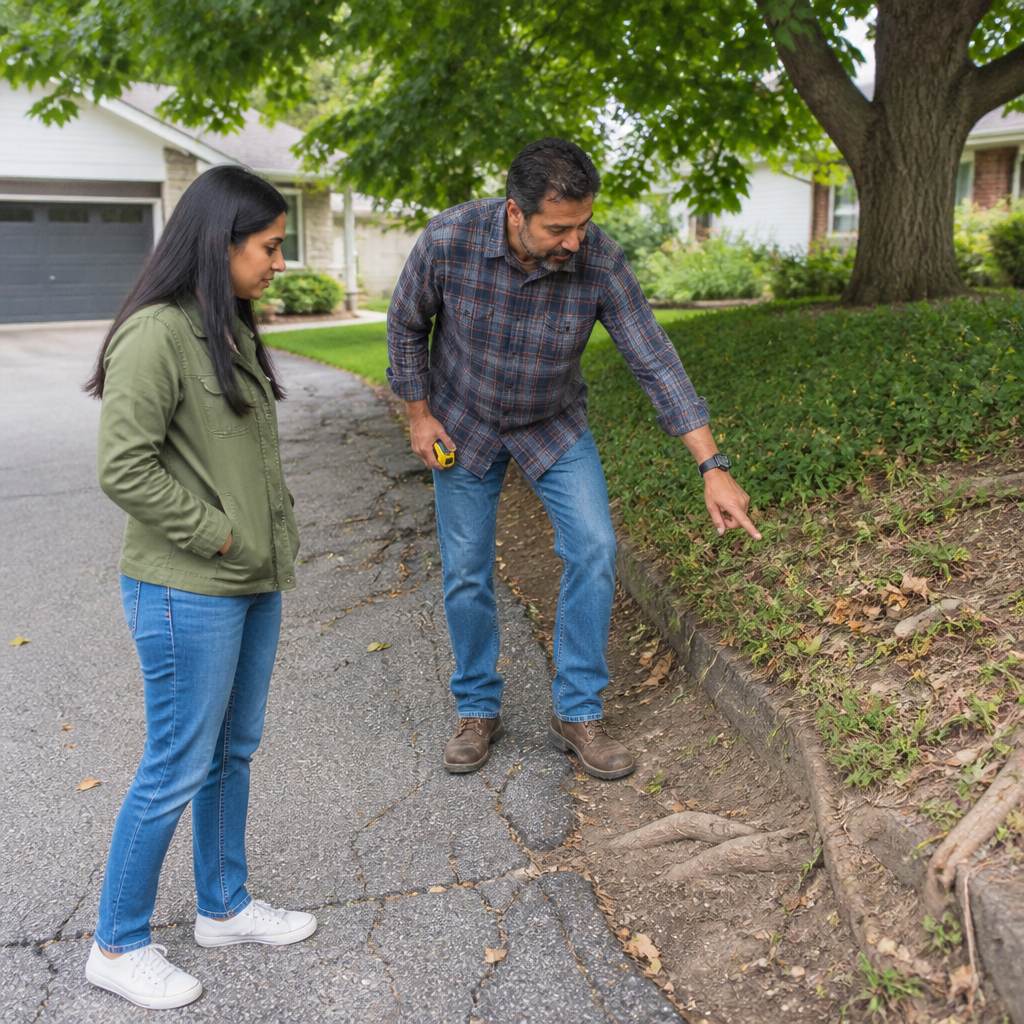
After a weekend, I finally called a local contractor to inspect the driveway. He poked at the edges with his boot, then squatted to look underneath the raised slab. "Looks like root heave," he said, pointing in the direction of Elaine’s maple tree. He didn’t have proof—no photo or report—just his professional guess. Hearing the term 'root heave' made my stomach tighten. The contractor’s words gave me something to hold onto, but also opened the door to a potential conflict. If the tree was causing damage, would Elaine be responsible? I thought about how close the trunk was to the property line and the thick roots that could have easily spread underground. But I knew assumptions weren’t enough. I needed expert verification—something more formal and objective. Still, this was the first time I felt the issue might be more than just wear and tear on the concrete.
Asking Elaine To Share Arborist Cost
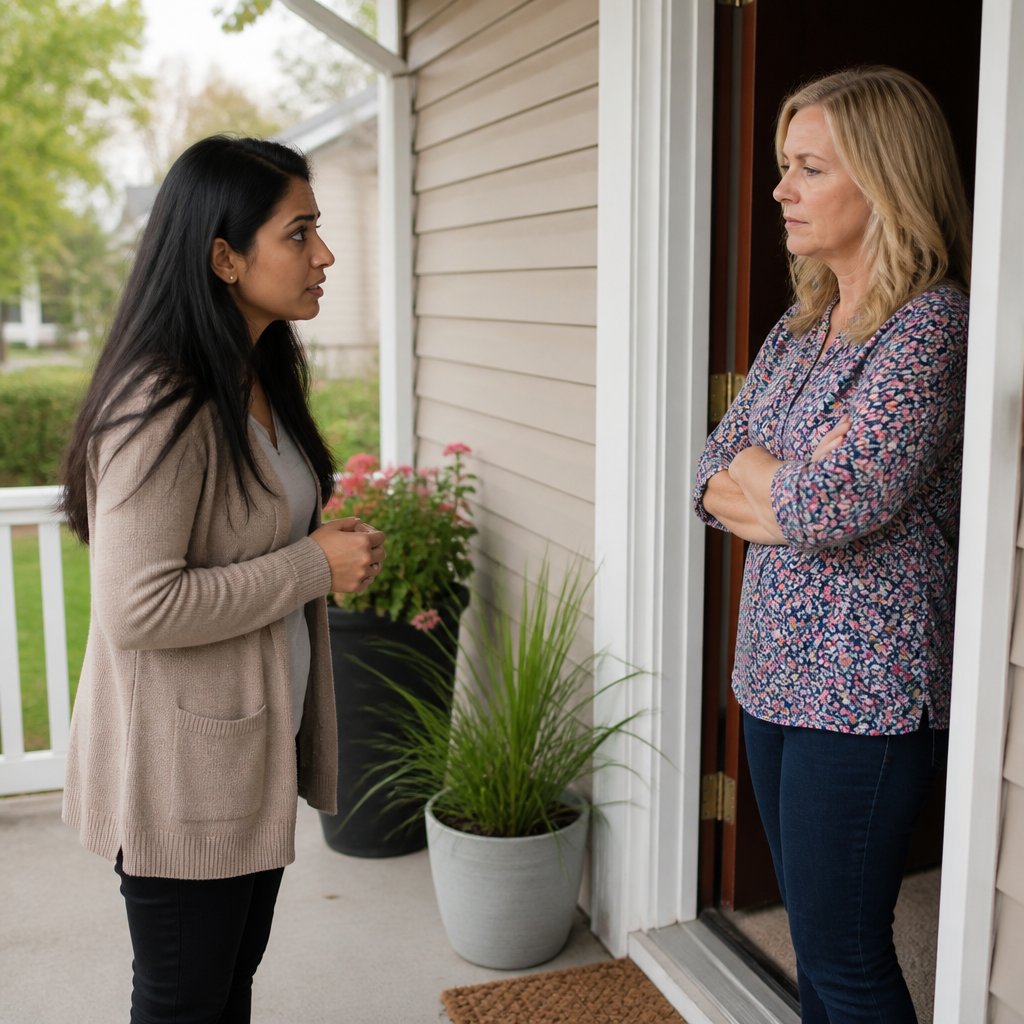
I decided to talk to Elaine directly before anything escalated. I knocked on her door and when she answered, I explained the driveway situation and suggested splitting the cost of getting an arborist to check the roots. I thought it was fair and practical. But she crossed her arms, shook her head, and said, "My tree isn’t your problem." Her tone was sharp, the words closing off any room for compromise. I could see a flicker of frustration in her eyes as she stepped back, signaling she didn’t want to discuss it further. The air between us felt suddenly colder, heavier. I suspected this was going to be more than a simple neighborly fix. Her refusal was a clear sign the situation was turning adversarial. Standing on her porch, I noticed the paint peeling on the doorframe and the faint scent of freshly brewed coffee inside. I realized I’d have to figure out my next steps alone, for now.
Arborist Issues Likely Cause Letter
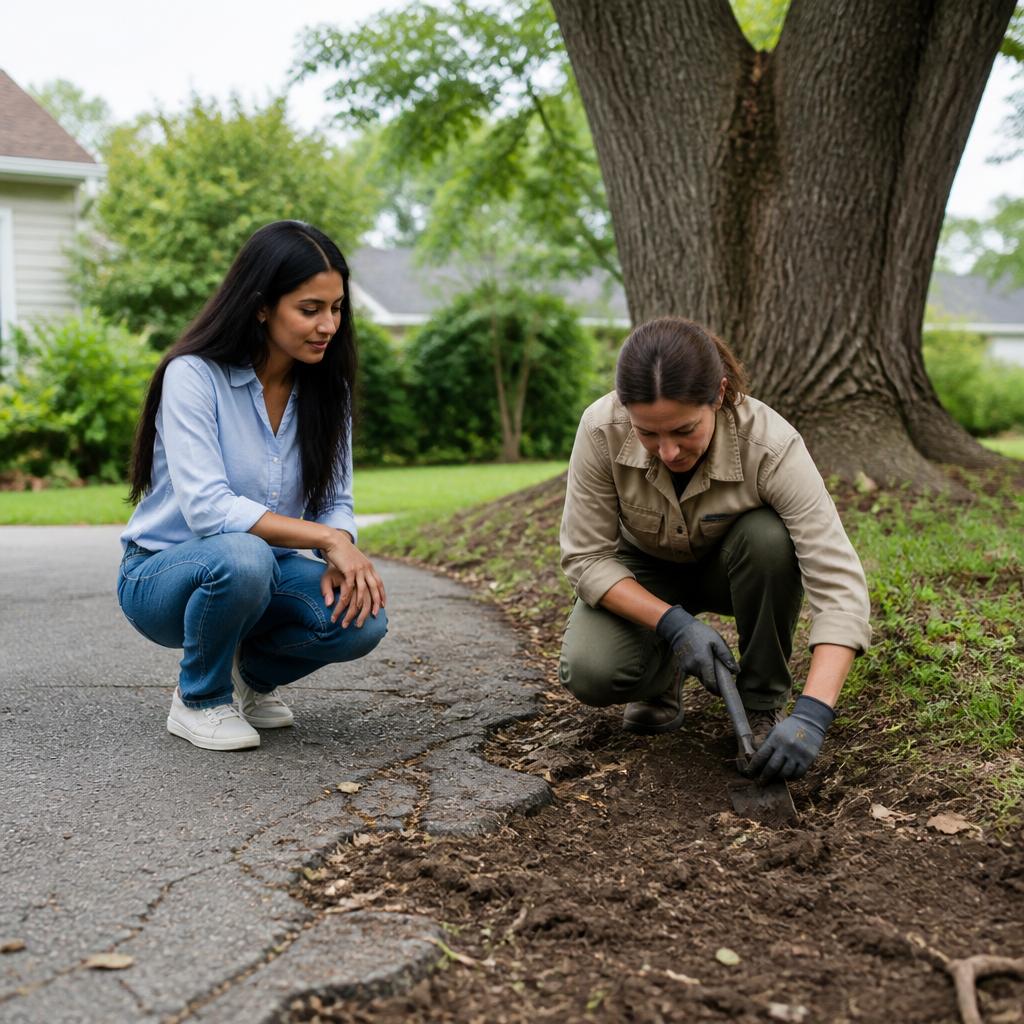
I hired a certified arborist to trace the roots under the driveway. She arrived one afternoon, wearing a khaki field shirt and cargo pants, carrying a small set of digging tools and a clipboard. She carefully dug small test pits along the driveway edge, documenting the thickness and direction of roots. After a couple of hours, she handed me a written report. It said the maple’s roots likely caused the driveway heave but stopped short of absolute certainty. The language was cautious—"likely cause" and "probable impact"—which gave me some leverage but wasn’t a slam dunk in court. Still, having this professional opinion was a key step. The soft dirt smelled fresh as she worked, and I noticed tiny earthworms poking their heads out near the disturbed soil. The arborist also warned about the risks of root cutting without proper mitigation. I folded the report carefully, preparing to use it in discussions with Elaine, though I knew it still might not end the dispute peacefully.
Sending Repair Estimates To Elaine

I put together a polite package for Elaine that included the arborist’s report and two bids from contractors to repair the driveway and install root barriers. I left the envelope at her mailbox and followed up with a note tucked under the flap. A few days later, I received a terse letter back. Elaine denied any responsibility, claimed I was damaging her tree, and warned me against disturbing the roots. Her tone was firm and defensive, leaving no room for negotiation. The tension grew as I held the letter in my hands, feeling the rough paper and the weight of her rejection. I wondered if this was a sign she’d fight me at every turn. The scent of the wax envelope lingered as I considered my options. The friendly neighborhood I once knew was shifting underfoot, much like my cracked driveway.
Ordering A Property Survey
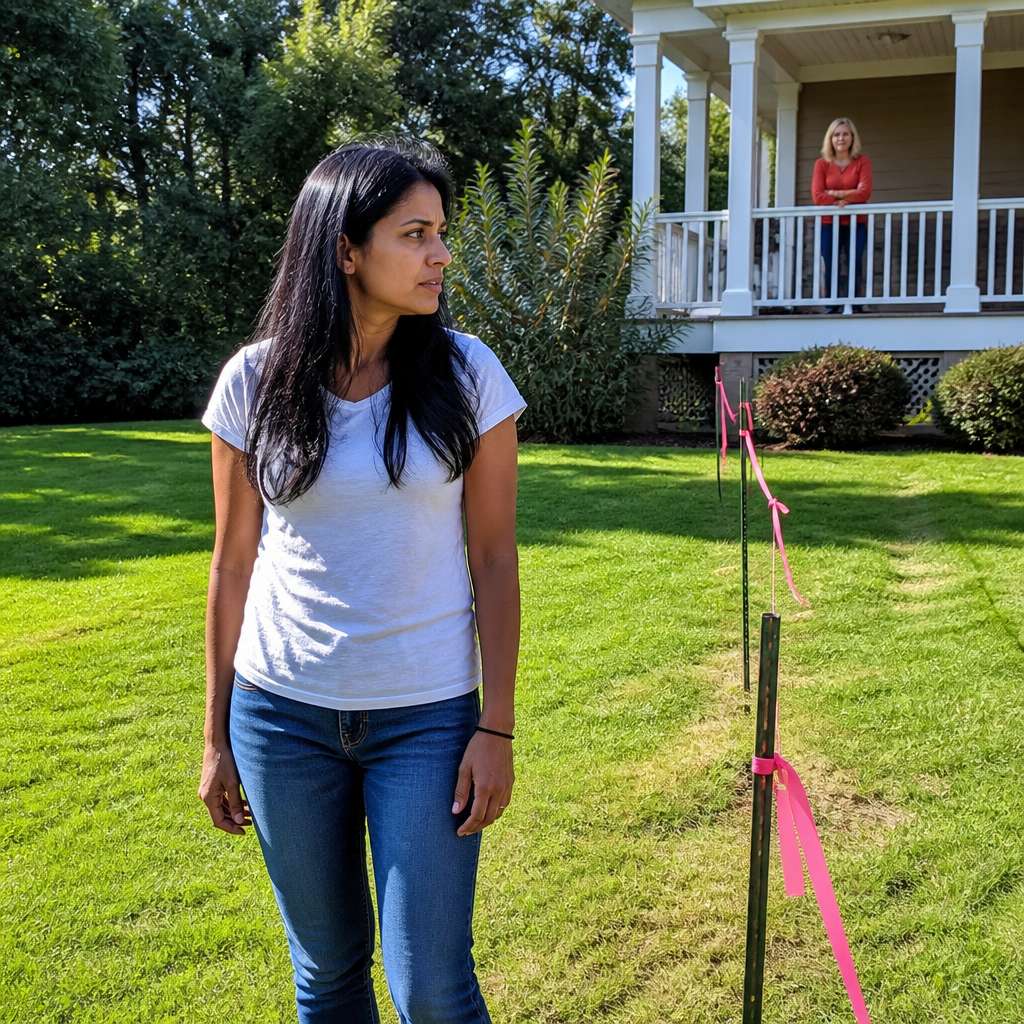
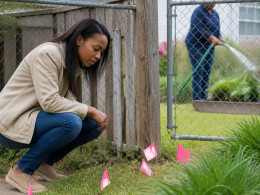
Elaine started questioning the exact property line, turning it into another point of contention. To clear things up—or at least have documented proof—I hired a licensed surveyor. Within a few days, stakes with colored ribbons appeared along the boundary between our properties, marking exact survey points. Standing in my backyard, I saw the thin metal stakes poking through the grass, casting narrow shadows under the afternoon sun. But to Elaine, the stakes seemed like accusations. The quiet suburban street felt more charged, as if the survey markers were silent witnesses to the dispute. I watched Elaine glance at the stakes from her porch, her jaw tight. The survey might clarify ownership, but I knew it was only going to deepen the standoff between us.
Elaine Accuses Me Of Moving Stakes
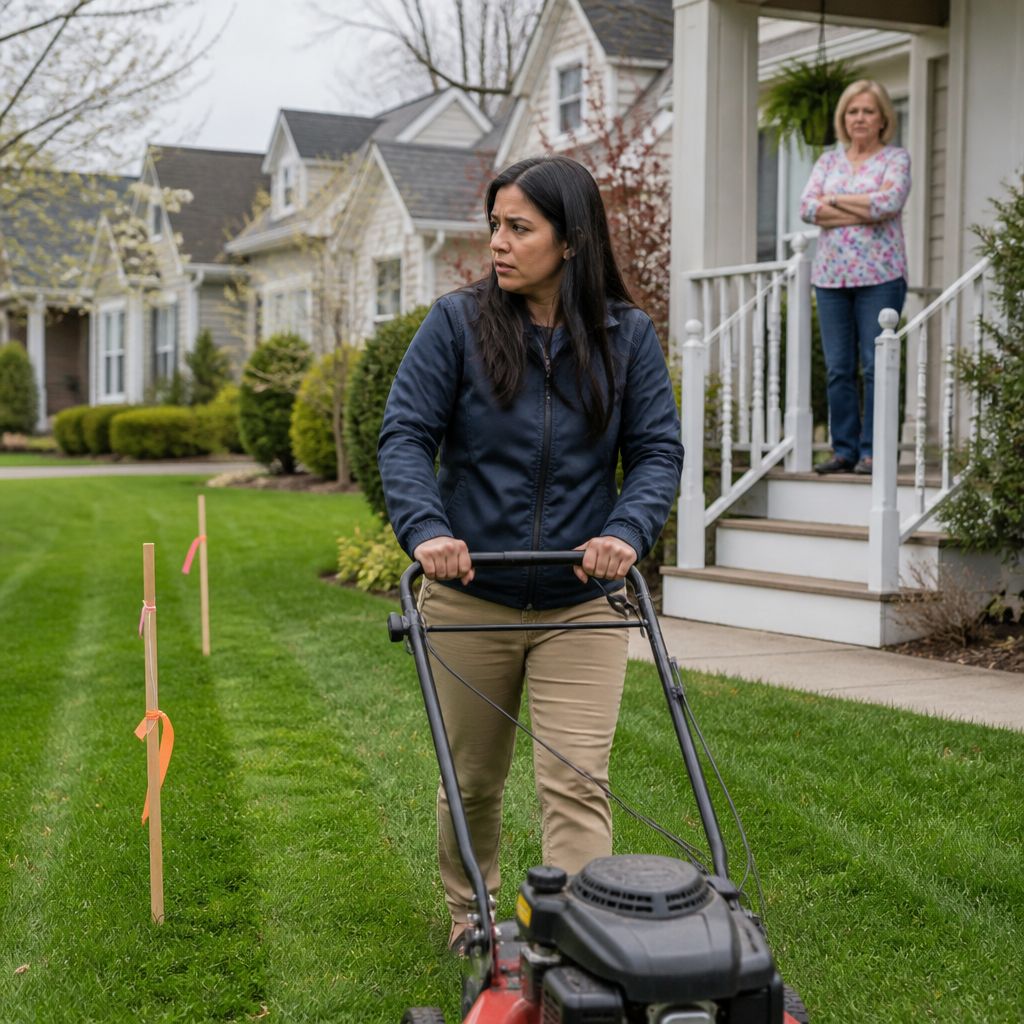
Elaine called the homeowners’ association to complain about me, claiming I’d moved the survey stakes to harass her. I was stunned. I hadn’t touched them; the stakes were still exactly where the surveyor placed them. Nonetheless, the HOA sent a letter acknowledging her complaint. The neighborhood emails buzzed with whispers, and I could feel eyes on me when I took out the trash or watered the garden. The day Elaine’s message reached the HOA, I wore a navy blue jacket and khaki pants, trying to stay calm while mowing the lawn near the flagged stakes. The tension was thick in the air, and I wondered how far this dispute would go—whether the HOA might take her side or just try to mediate. The quiet hum of the lawnmower masked my racing thoughts as I stared at the survey stakes that had become symbols of the conflict.
Survey Confirms Driveway Is Mine

The official survey report arrived and confirmed that my driveway sat completely within my property line. The stakes matched the measurements on paper—no question about that. However, the underground roots naturally didn’t respect these lines. The report noted that roots from Elaine’s maple likely extended beneath the property line and into my driveway area. That meant the real issue wasn’t trespassing roots but liability for damage. I spread the survey documents out on the kitchen table, the crisp paper rustling as I reviewed the technical diagrams and boundary notes. The smell of freshly brewed tea filled the air as I sat with a pen, circling the relevant sections. This was the point where the fight shifted from a simple boundary dispute to a more complicated legal question: who was responsible for damage caused by roots underground? I realized the next steps would require more than neighborly talk—they’d need formal action or agreement.
Demand Letter Escalates Conflict

With the arborist’s report and survey in hand, I drafted a certified demand letter requiring Elaine to pay for repairs or agree to install a joint root barrier. I sent it through the post office and waited anxiously. The letter spelled out the damage, the evidence, and a clear deadline for response. This wasn’t just neighborly talk anymore—it was formal legal action. I pictured the letter sitting on her kitchen counter as Elaine read it, feeling a mix of apprehension and determination myself. The faint scent of printer ink lingered in my study where I prepared the documents. The next move would likely decide whether this dispute stayed a private disagreement or moved into small claims court. I wasn’t sure how Elaine would react to this escalation, or if she’d look for a way to fight back with her own experts or arguments. The tension was at its peak, and I could only wait to see what came next.
Cease-And-Desist From Elaine’s Lawyer

Elaine’s attorney responded fast. His letter was a clear cease-and-desist, accusing me of causing the driveway damage myself by improper excavation near the property line. He included a report from another arborist who said my subgrade soil was unstable, not the tree roots. The tone was firm and dismissive, framing me as the one at fault. I recognized the standard legal tactic — making me look like the wrongdoer and forcing me on the defensive. What caught my attention most was a demand to stop all repair attempts until we resolved the dispute. Repairing the driveway was suddenly off-limits according to them.
The letter arrived pinned to our front door, a crisp white page amid the scattered autumn leaves. Elaine’s tone in this legal response had shifted dramatically, from neighborly denial to an aggressive challenge backed by expert opinion. The roots were no longer the sole culprits; it was my soil or worse, my interference. I reread the letter in the kitchen, the scent of coffee sharp and comforting in the background, but the words left my mind simmering with frustration. If the driveway couldn’t be fixed yet, the damage would only worsen. But ignoring the cease-and-desist risked escalating the fight legally.
Contractor Refuses To Dig Around Dispute
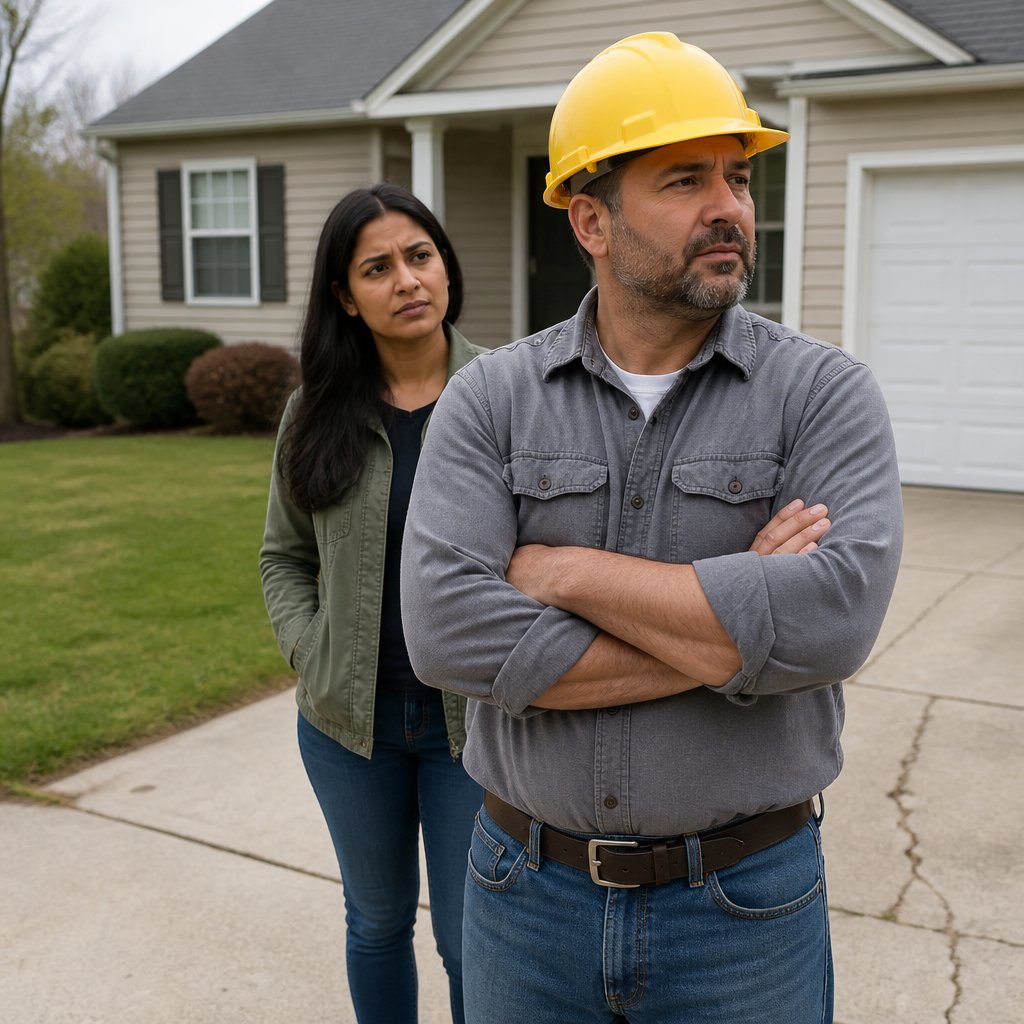
I called my contractor to schedule the trenching needed to access the roots under the driveway. When I explained the cease-and-desist from Elaine’s lawyer and the threat of legal consequences, he immediately declined to proceed. "I can't risk working there until it's clear who owns the responsibility," he said. Without official clarity or permission, digging near the boundary line might open me up to liability if the roots or soil destabilized further.
Days passed with no progress, and the cracks in the concrete only grew larger. The once barely noticeable fissures were now raised ridges, twisting the smooth surface into uneven patches. I checked the driveway surface one afternoon; the rough texture of the lifted concrete caught against my fingers, a dry scrape like sandpaper. Every time I looked, I felt the pressure mounting. The contractor’s caution was understandable, but with repairs stalled, the driveway’s condition was deteriorating fast. I was caught between legal barricades and physical damage spreading underfoot.
Neighbor’s Watering Fuels Driveway Crack
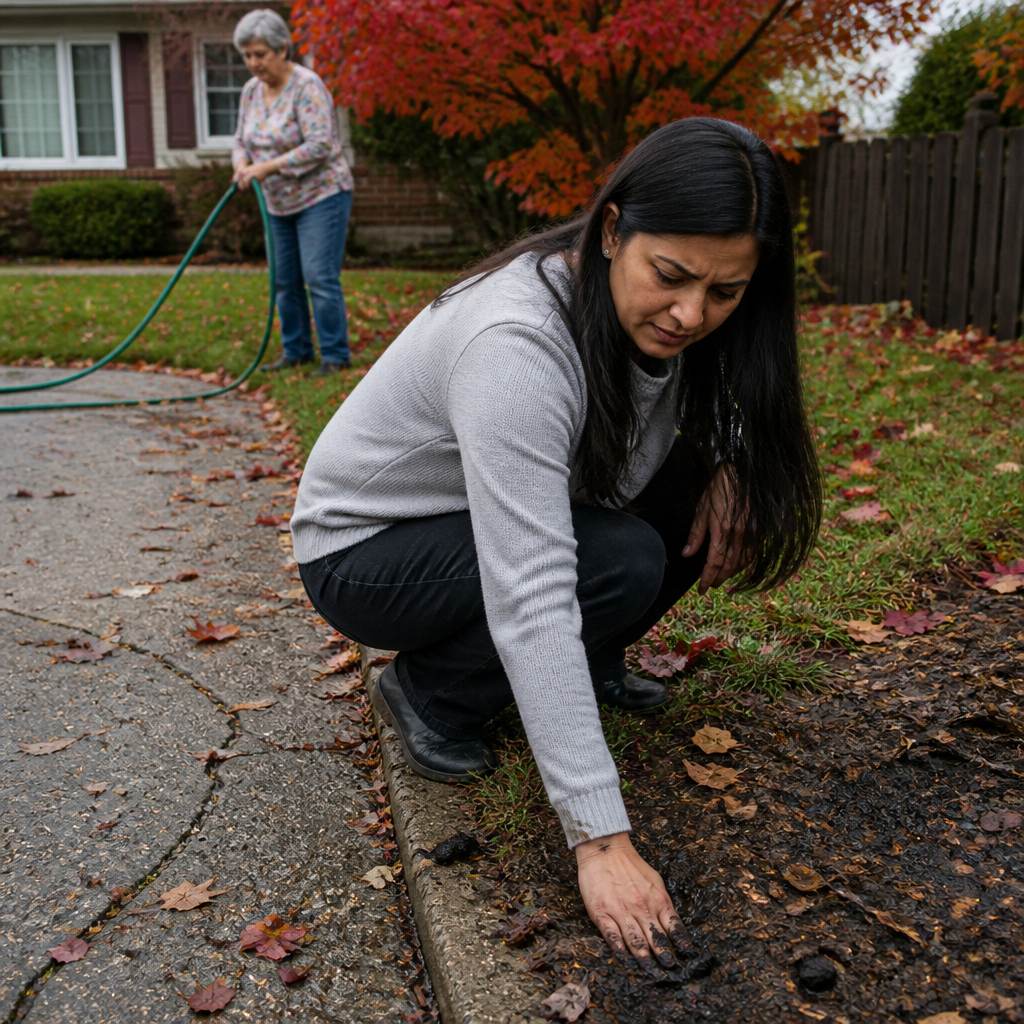
Elaine had installed a new sprinkler system on her side that seemed to saturate the ground near our boundary. I noticed the area around the maple tree stayed damp long after it rained. Then there was an unpleasant odor from soggy soil, especially after watering sessions. Standing near the edge of my driveway one evening, I felt the damp earth and smelled the faint scent of wet mulch mixed with decomposing leaves. This constant moisture could be accelerating the roots' growth and pressure against the concrete.
But proving intent or causation was another matter. Was the irrigation intentionally directed to harm my driveway? Or just careless landscaping? I tried to find evidence, but the watering schedules and drainage patterns were subtle and inconsistent. Elaine denied any wrongdoing when I brought it up. The smell lingering in the crisp evening air reminded me that this was not just a property line dispute but a battle of unseen water and roots creeping beneath the surface.
Code Enforcement Flags Trip Hazard
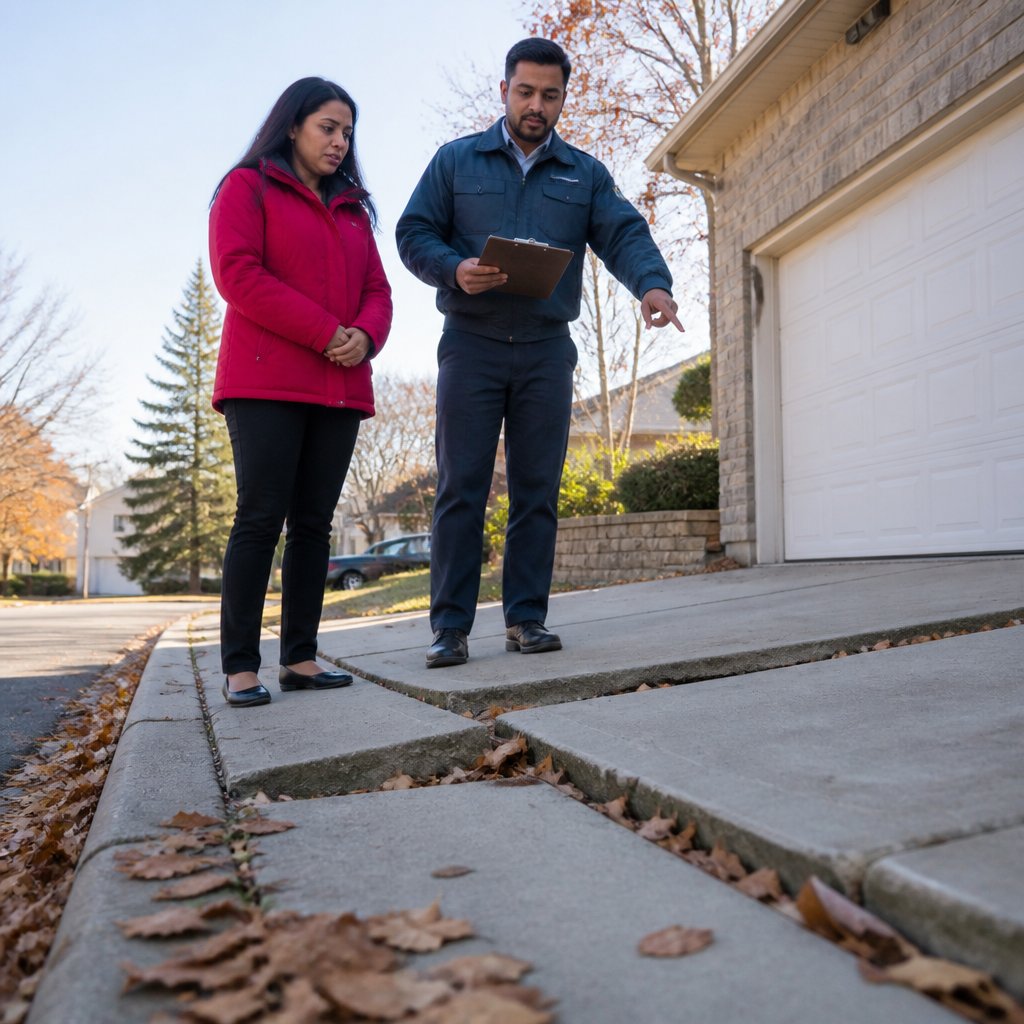
One morning, the mail carrier stopped me on my porch. She pointed out a new crack slab jutting up near the curb, calling it a trip hazard. I hadn’t noticed how bad it looked from the street. Later that day, a code enforcement officer showed up after a complaint. He measured the lifted slab and took notes, then handed me a citation: I had thirty days to fix the driveway or face fines. The citation was stiff and formal, stamped with the city seal and referencing local safety codes.
It was a shock. I was the one being cited despite the roots causing the damage. I could feel the rough edges of the cracked concrete underfoot, the sharp angle catching the light and threatening anyone who walked there. The pressure wasn’t just from Elaine anymore but from the city itself. I was caught in a legal bind: forced to repair a problem caused by my neighbor’s tree, under threat of penalty.
The Court’s Neutral Arborist Report

I sat quietly in the courthouse conference room as the arborist, a middle-aged man with graying hair and sharp glasses, laid out his findings. His report was clear: he’d found evidence of earlier root cuts near the property line, but the majority of the maple’s roots that lifted my driveway belonged to Elaine’s tree. His voice remained steady as he explained how these roots had grown under the concrete, causing the heaving and cracks I’d pointed out. Elaine’s stand softened for a moment; she no longer denied the roots were there but shifted her tone toward insisting that only she had the right to manage them.
The arborist also included a cautionary note: any attempt at "self-help" by cutting the roots without professional oversight risked destabilizing the maple, potentially leading to its decline or fall. Elaine's lawyer immediately nodded in agreement and suggested the judge might consider reasonableness in how I proceed, hinting at limits to unilateral fixes. The smell of old wood and damp leaves seemed to cling to the room despite the sterile air inside. I felt the weight of the coming decision, knowing the judge now held a complex question about property rights and safety in their hands.
Was the judge's decision about property rights reasonable?