



Unexpected Five-Day Return Order
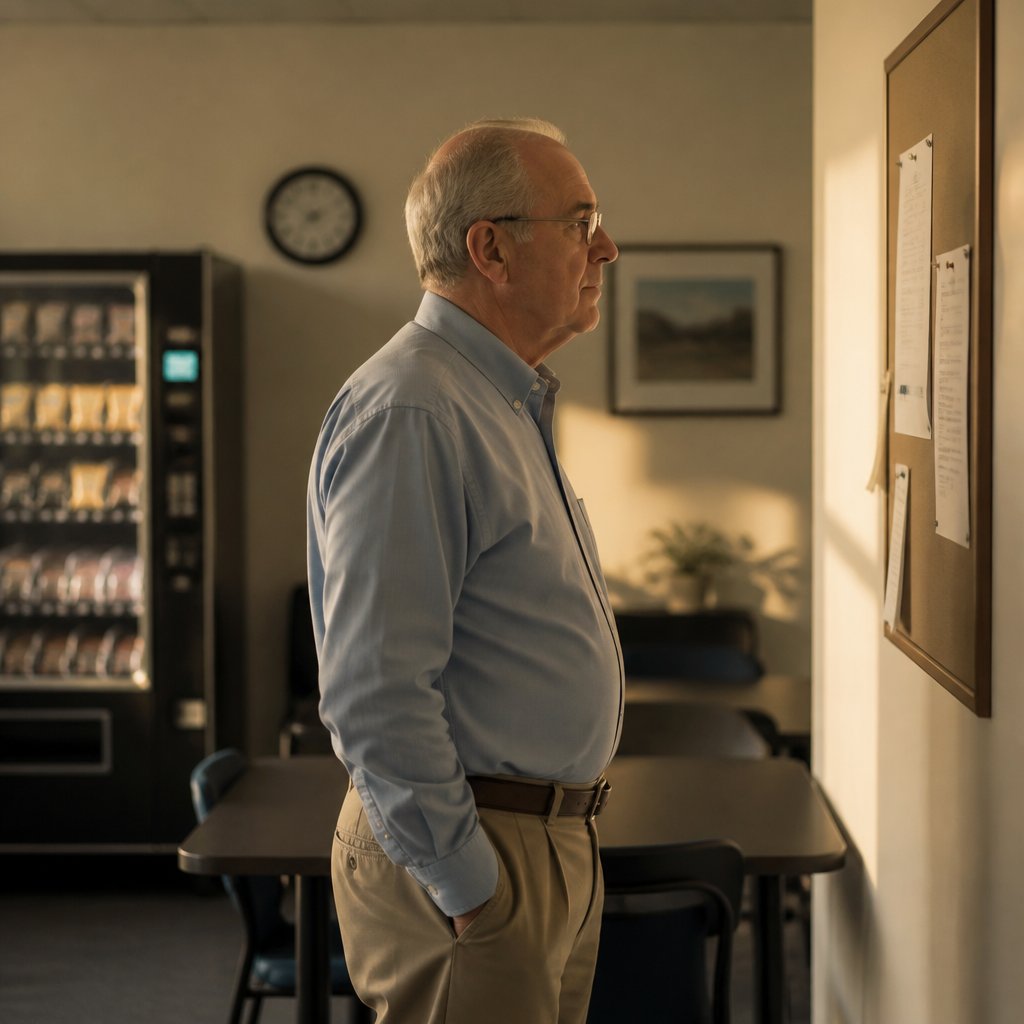
It was a Friday morning when the email landed in my inbox: a five-day mandatory return-to-office (RTO) policy starting in two weeks. The directive came straight from leadership, no exceptions noted. I felt the weight of it immediately—not just personally, but professionally. I was already accommodated to work remotely due to a permanent disability under the ADA. I reached out to my manager to voice my concerns, but he warned me sharply not to put any objections or accommodation requests in writing. That caution felt like a warning in itself.
Our office break room was unusually quiet that day, except for the hum of the vending machine. I stared at the laminated RTO memo posted on the bulletin board, thinking how impossible it would be for me to comply. My head was already spinning with what I'd have to explain or prove if I pushed back. The clock was ticking, and I had no idea where this was going to lead.
Demand To Resubmit Medical Proof

When I cited my permanent ADA-approved remote work accommodation, my manager didn't seem satisfied. Instead, he told me I needed to "re-evaluate" my condition and resubmit current medical documentation, as if the old approval had never existed. It felt like a reset, erasing years of previous agreements and stability.
We met in the glass-walled HR office, where I could see colleagues passing by. I wore my usual gray cardigan and slacks, trying to keep my voice steady. My hands fidgeted with the papers I’d brought, but I knew they wanted fresh proof, a justification I couldn’t simply recall from memory. This demand made me feel like my disability was a moving target subject to the company’s whim.
Despite the room’s corporate sterility, I noticed a faint floral scent from a nearby potpourri dish, an odd contrast to the tense conversation. I left with an unease that this was only the beginning of a long fight.
Forced Into A Glass-Walled Confrontation
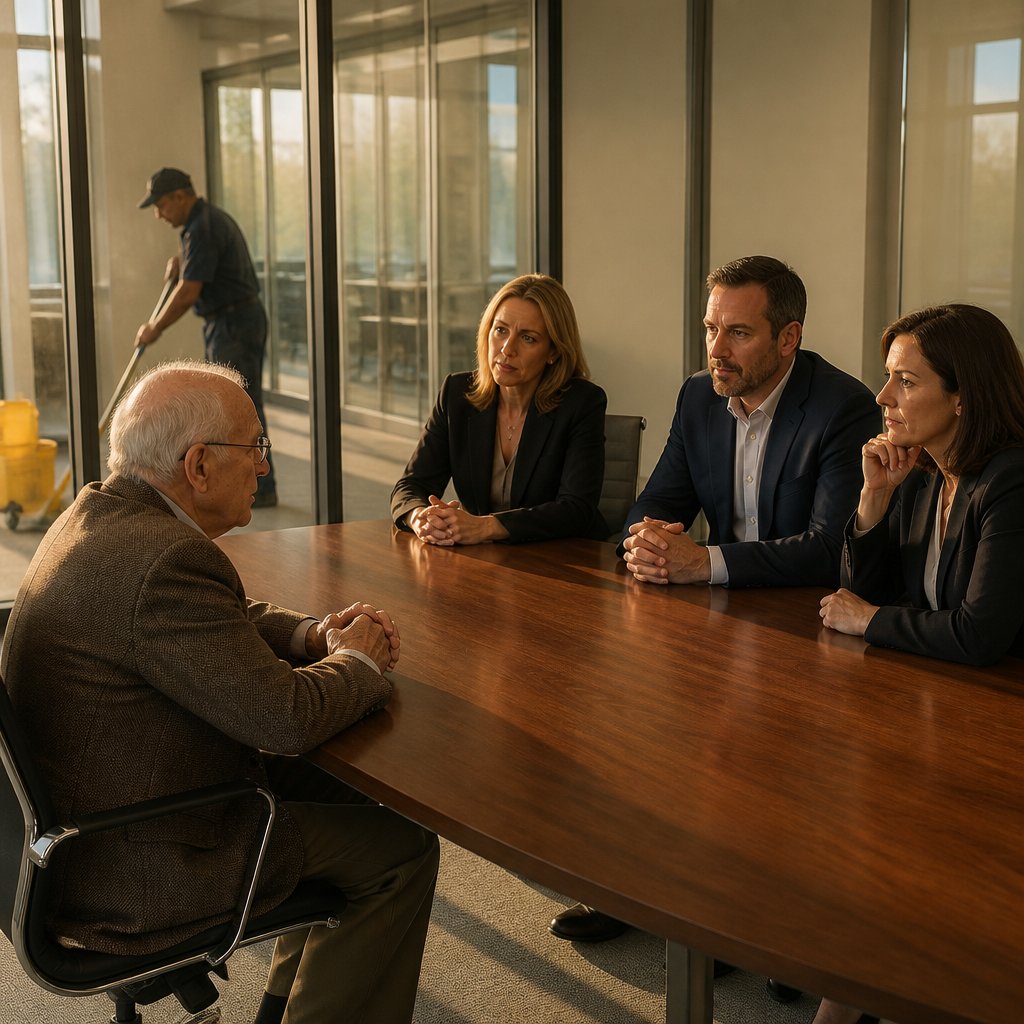
HR scheduled a "policy sync" meeting in a glass-walled conference room. It felt less like a discussion and more like an interrogation, with the transparency of the office space making me feel exposed. I sat at the long table, the surface cold beneath my fingertips. My manager and two HR representatives faced me. I wore my brown tweed blazer and dress pants, hoping to appear calm and collected.
Throughout the hour, I was asked to justify my disability all over again. Their questions circled around the same points, as if they doubted the documentation I’d already provided. Outside the glass, I noticed a janitor pushing a cart down the hall; his steady rhythm contrasted with my growing unease.
The conversation grew more pointed, but I couldn’t tell whether they were fishing for new information or waiting for me to slip. When the meeting ended, they didn’t offer any solutions or next steps. I left with more doubts than answers.
Cornered By HR’s False Choice

HR told me accommodations weren’t indefinite anymore. They handed me a stark choice: come onsite three days a week or take unpaid leave. This was despite my years of successfully working fully remote without issue. I tried to explain, but they were firm.
We met in a cramped HR office, the kind with beige walls and a faint smell of disinfectant. I wore a white shirt and navy sweater to appear professional. My voice was steady, but inside I felt pressured and trapped. The conversation made it clear they weren’t negotiating; they were enforcing a policy that didn’t account for my actual needs.
After the meeting, I noticed my reflection in the frosted glass door. I looked tired and uncertain. How could they justify ignoring the proven effectiveness of my remote work?
All Disabled Workers Hear Same Script

I started hearing from other disabled coworkers, and the stories were chillingly similar. HR was giving everyone the same scripted line: accommodations aren’t indefinite; return to office or face leave. It was like a coordinated playbook rather than individualized review.
We gathered quietly in the break room, a mix of people in casual and business casual clothes, sharing our experiences. I was still in the navy sweater and khakis. The air smelled faintly of coffee. The realization hit me hard—this wasn’t about helping us; it was about pushing us out.
That coordinated approach made me wonder who was behind this and how deep it went. It was more than policy enforcement—it felt like an orchestrated purge.
Email Mistake Reveals Secrets

I accidentally received an email thread that wasn’t meant for me. It was titled “RTO Exceptions—Hard No” and included a list of names alongside notes about disabilities pulled directly from accommodation files. The thread was between members of People Ops and some managers, discussing who should be denied exceptions to the return-to-office mandate. Seeing colleagues’ personal disability details laid out so casually was shocking. It was clear this list was deciding who got to work remotely and who didn’t, with no regard for privacy.
There was talk about how some employees were “inconvenient” or “liability risks,” as if disabilities were problems to be managed rather than legal rights to be respected. I felt cold reading it, but also vindicated in my suspicions that this policy was targeting disabled staff under the guise of a business necessity. The idea that remote work was now a privilege granted selectively, not a legally protected accommodation, felt like a breach of trust and policy.
The next day, I wasn’t sure what HR would say if I confronted them, or whether they would deny the email’s contents. I wondered if anyone else had seen it accidentally, or if I was alone in now holding this explosive evidence. The question of what to do with this information weighed heavily on me.
Scrambling To Preserve Evidence

From the moment I saw the leaked thread, I started preserving everything that might prove what was happening. I took photos of Slack conversations where HR repeated the return-to-office policy changes without any advance notice. I documented multiple versions of the company’s written policies, printed and dated each one. I kept a log of my badge swipes to track my actual office attendance versus what was expected.
The company seemed to change rules weekly, often without telling affected employees. One day the policy said remote work was allowed in limited cases; the next, it was suddenly “non-essential.” I copied screenshots of break room posters that contradicted new memos and kept printed notes from manager meetings where they mentioned consequences for noncompliance.
I felt like I was building a paper trail just to survive, but I couldn’t risk trusting anything would be preserved digitally. I wasn’t sure if this was enough or if I was being paranoid about documenting every detail, but I knew the stakes were too high. My health insurance and livelihood depended on it.
Manager’s Impossible Onsite Project

My manager assigned me a new project he called a “visibility project.” The intent was clear: I had to be physically onsite at a particular desk for specific hours every day. The deadlines for deliverables overlapped with my medical appointments, which I had previously coordinated with HR and my doctor.
The project was impossible for me to complete without missing these appointments. When I asked about accommodations, my manager brushed it off, insisting it was a “critical” priority that required in-person collaboration. It felt like a setup to document failure, not support.
Scheduling the project during times I knew I’d be at the clinic was no accident. I tried explaining the conflict, but the response was vague—“Just make it work.” I started to realize this wasn’t about work; it was about pushing me out under the guise of poor performance. I wasn’t sure what my next move should be.
HR’s Cold Closure Email

I compiled every interaction, date, and email into a detailed timeline and sent it over to HR. I thought laying out the facts plainly would make them reconsider. Instead, the reply was terse: “matter closed.” It felt like a slammed door. The next morning, when I tried to log in, my laptop greeted me with a lock screen. An urgent message from IT said HR had requested an account hold pending an "investigation." The stark change from ignoring my concerns to locking me out was jarring. I sat back in the sparse break room, the hum of the vending machine louder than usual. Was this the beginning of a formal push to oust me? Or just a precaution? My badge still worked, but for how long?
Escorted To HR And Suspended

The next day, two security guards appeared just after lunch. They asked me to follow them to the HR office. The door closed behind us, and I was told I was suspended pending further review. The room smelled faintly of air freshener and paper. There was a crisp printed letter on the desk outlining suspension terms, but no real explanation. Within hours, I started receiving notices from benefits administration warning that my insurance coverage might lapse if I wasn’t reinstated soon. Back at my desk, my Slack status had flipped to “Former Employee.” I tried to call HR for clarity, but my calls went unanswered. My security badge still opened some doors, but the usual access to certain floors was denied. No one would tell me where I stood.
Termination With A Tight Deadline

A few days later, an official termination letter arrived. The reason cited attendance issues and insubordination. The letter offered a five-day window to accept a severance package. The sum was enough to cover basic living expenses for a short time, but accepting it meant giving up my legal rights and the fight. I reread the letter on the worn leather couch in the company lobby, the coarse fabric sticking slightly to my palms. It felt like a cruel ultimatum: survival now or justice later. The tension in my chest tightened as I weighed the options. Could I afford to risk everything by pushing back? Or was this the final cut, and I needed to move on quietly?
Filing The EEOC Charge

I hired a lawyer who promptly filed an EEOC charge and a preservation letter to secure all relevant company records. She told me to expect resistance. Company counsel quickly responded, claiming that the return-to-office policy was neutral and applied to everyone equally. Meanwhile, I gathered declarations from colleagues who had also faced disability-related discrimination masked as attendance or compliance issues. Each story painted the same pattern: a targeted effort disguised as policy enforcement. I spent hours in the cramped conference room, sorting and cataloging statements. The smell of stale coffee lingered in the air. The mounting evidence felt like hope, but I knew the company wouldn’t back down without a fight.
The “RTO Compliance” Sheet Revealed

Discovery was supposed to bring clarity, but HR claimed no such targeting list existed. I didn’t believe it. Then metadata from exported files told a different story. The “RTO Compliance” spreadsheet had been edited weekly and sent directly to the VP of Operations. When we tracked his reply email, it read: “Good. Push harder.” It was a chilling confirmation. I sat in the cluttered legal office, holding printed copies of the metadata report. The faint scribbling of a pencil from another corner mixed with the quiet tapping of keyboards. How many others had been targeted under this directive? The thought weighed heavily as I realized the intent was explicit and coordinated.
Slack Channels Disappear Suddenly

After a judge ordered the preservation of Slack communications, entire channels vanished overnight. I learned from a whistleblower that backups revealed HR joking about deliberately making office access "difficult" for certain employees. The break room felt colder that day, the faint echo of footsteps in the hallway the only sound. This destruction of evidence pushed the company into damage-control settlement talks. Every deleted message was another nail in their coffin, but also a reminder of how aggressively they tried to cover their tracks. I realized that this wasn’t just a battle about policy anymore; it was about exposing a culture of retaliation and concealment. The mediation date was set, but I wasn’t ready to give in yet.
Refusing Mediation Without Admission

Finally, mediation offered a class fund, back pay, benefits reimbursement, and monitored policy changes. The settlement package seemed generous on paper. But I refused to sign until they included a written admission that the previous process violated the ADA. For me, it wasn’t just about money—it was about recognition and accountability. Sitting in the small mediation room, the plastic chairs felt uncomfortable beneath me. The mediator’s polite insistence met my steady refusal. I watched the company representatives exchange uneasy glances. Would they ever concede this point? The tension in the room was palpable, but my resolve held firm. The next step was uncertain, hanging in the balance between justice and compromise.
Was the company's ADA accommodation policy legally appropriate?