


Nathan Briggs Was Everyone's Favorite

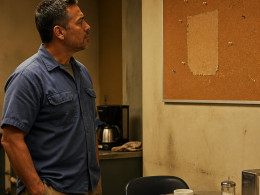
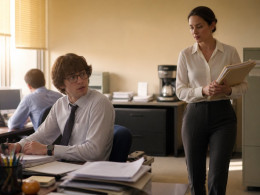
Nathan ran the marketing department at Crane & Associates like a summer camp director. Friday happy hours, team outings, birthday celebrations that went way beyond cake in the break room. He remembered everyone's kids' names. He wrote recommendation letters that got people promoted. If you asked anyone at Crane who the best manager was, nine out of ten would say Nathan Briggs without hesitation.
I thought so too when I started. He was warm, funny, encouraging. He told me I had real talent. He said I reminded him of himself when he was starting out. The compliments felt good. Then they started feeling different. The shift was so gradual I almost didn't notice until I was already in it.
The Comments Started Small

It began with comments about my appearance. "You look great today" became "That dress is doing you a lot of favors." Then it was touches — a hand on my lower back when he passed in the hallway, fingers on my shoulder that lingered three seconds too long when he leaned over my desk to look at my work. Each one was deniable. Each one was just slightly past the line. He was calibrated. That was the word I'd use later with my lawyer — he was calibrated.
I told myself I was overthinking it. He was like that with everyone. It was just his personality. My coworker Megan saw one of the touches — the back one in the hallway — and raised her eyebrows at me after he passed. "That was weird," she mouthed. I nodded. But neither of us said anything. People don't, when it's the boss everyone loves.
The Night at the Conference
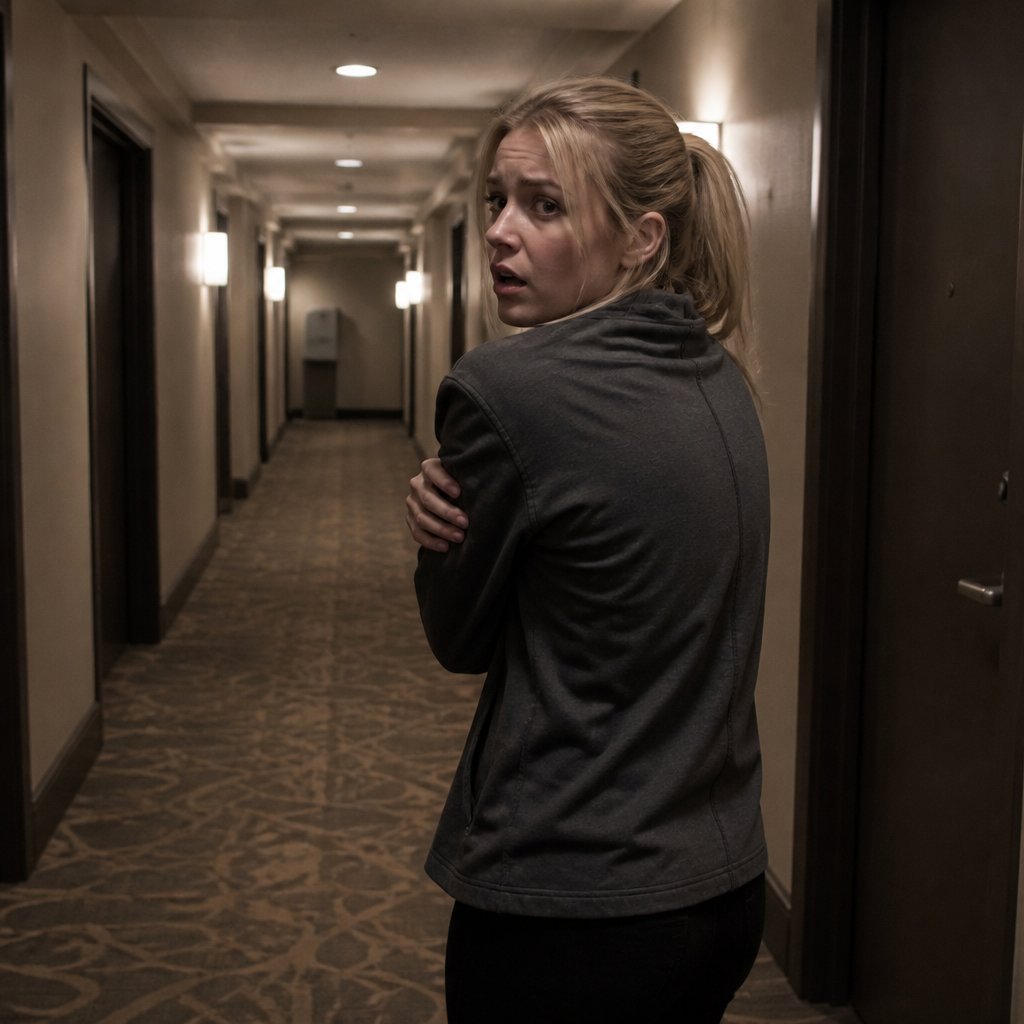
The company conference in Atlanta was where it crossed a line I couldn't explain away. After the team dinner, Nathan caught up to me in the hotel hallway. He'd been drinking — we all had — but he was steady, focused. He told me he'd been thinking about me. He said he knew I'd been thinking about him too. He put his hand on the wall next to my head and leaned in. I turned my face and said I needed to go to my room. He stood there for a moment, then stepped back and said "Your loss" with a smile that wasn't a smile.
Megan was in the room next to mine. I knocked on her door and told her what happened. She said, "I believe you, but you know what happens if you report this." I said I knew. I reported it anyway.
HR Was Sympathetic But Careful
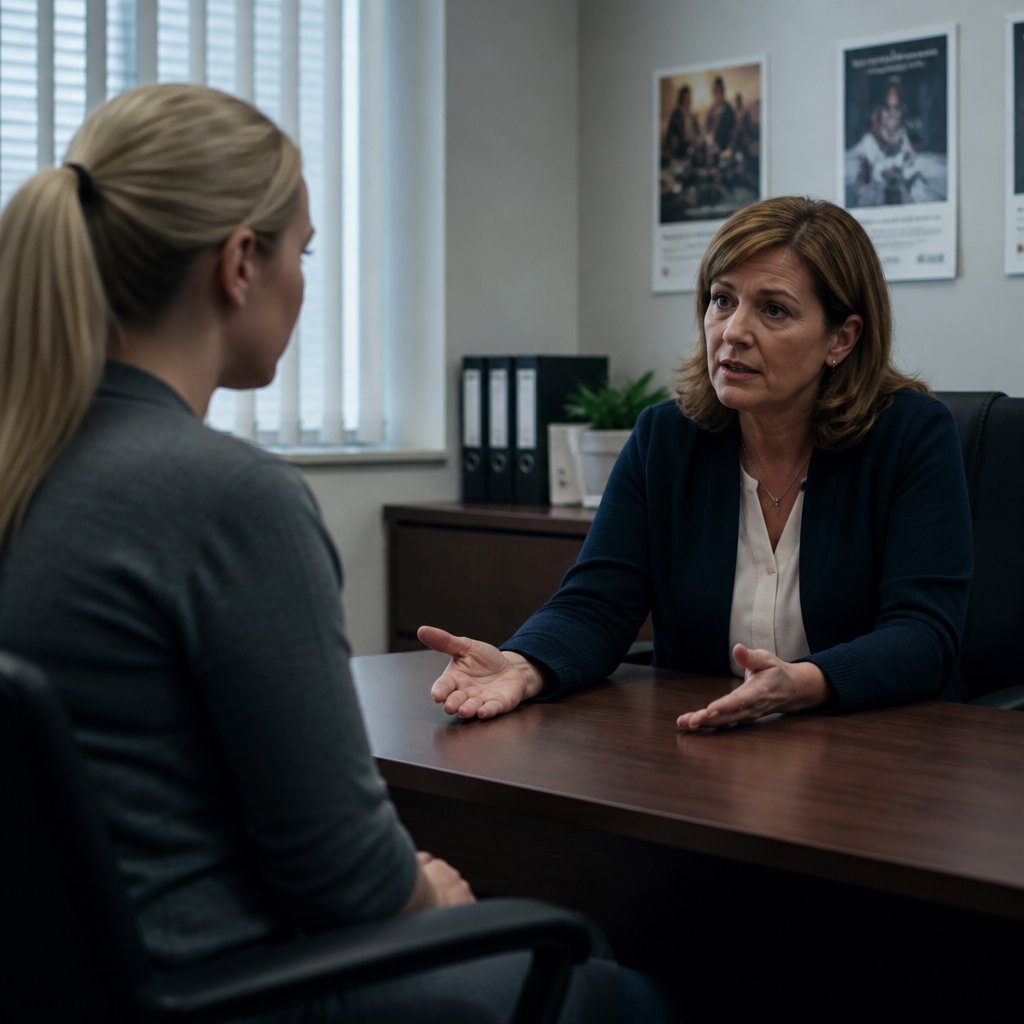
I reported it to HR the Monday after the conference. The HR director, Lisa Womack, listened carefully, took notes, and asked if I had witnesses. I said Megan had seen the pattern of touching and that I'd told her about the hallway incident immediately after. Lisa said she would investigate. She asked me to keep the matter confidential. She said she took it seriously.
Two weeks later, the investigation concluded. Nathan denied everything. He said the conference comment was a joke I'd misunderstood. He said the touching was his "management style" and that he was physical with everyone. Four other employees — all people Nathan had promoted — gave statements saying they'd never witnessed inappropriate behavior. Lisa called me in and said the investigation was inconclusive. Insufficient evidence. Nathan kept his job.
I Filed the Lawsuit

My attorney, Katherine Bell, filed a sexual harassment and hostile work environment claim against Crane & Associates. Not against Nathan personally — against the company for failing to protect me and for conducting an inadequate investigation. Katherine said the company's liability was stronger than an individual claim because they'd been put on notice and done nothing.
I quit Crane the week we filed. I couldn't work there anymore — the looks from Nathan's team, the whispered conversations that stopped when I walked in, the careful distance everyone kept. I'd become the person who reported the popular guy. In some offices, that's worse than being the person who did the harassing.
Megan Was Going to Testify
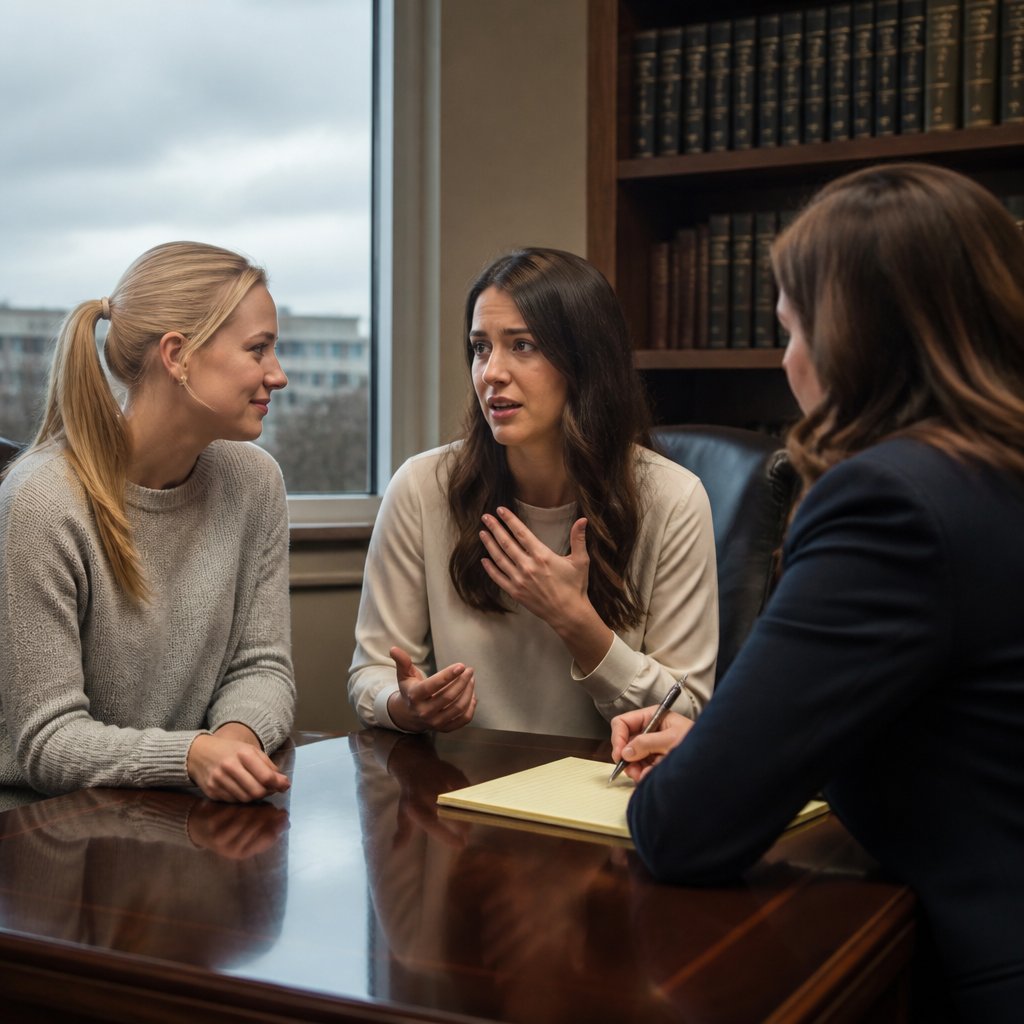
Megan was my key witness. She'd seen the touching. She'd heard my account of the hallway incident within minutes of it happening. She'd told me she believed me. She'd said, unprompted, "If you need me to testify, I will." Katherine deposed her and she was consistent, credible, and compelling. She described what she'd seen and when she'd seen it. She described my demeanor after the conference hallway. She said she had no doubt something inappropriate had happened.
Katherine said Megan's testimony would be the backbone of our case. With her corroboration, a jury would see a pattern — the touching, the escalation, the hallway incident, the inadequate investigation. Without her, it was my word against Nathan's. And Nathan was everyone's favorite.
Megan Called the Night Before Trial

The phone rang at 9:40 p.m. the night before the trial was set to begin. It was Megan. She was crying. She said she couldn't do it. She said Nathan had found out she was testifying and that the atmosphere at work had become unbearable. People weren't talking to her. She'd been passed over for a project she'd been promised. She said she still believed me — she swore she did — but she couldn't get on that stand and destroy her career for something she'd only partially witnessed.
I sat on my kitchen floor and listened to her sob and apologize. I wanted to be angry. Part of me was. But a bigger part of me understood. She had rent. She had bills. She had a career at a company that had chosen Nathan over me, and she was about to be next. I told her I understood. I told her it was okay. Then I hung up and called Katherine.
Katherine Pivoted

Katherine said we had two options: settle or go to trial without Megan and rely on the pattern evidence — the HR complaint, Nathan's denials, the company's inadequate investigation. A settlement would get me something and end it. A trial without my corroborating witness was risky. "The jury needs to see it through someone else's eyes, not just yours," she said. "Without Megan, they only have your testimony against Nathan's charm."
Crane's attorneys sensed the shift. The morning of trial, they offered $40,000 and a mutual non-disclosure agreement. Katherine said it was low but that they knew about Megan. I asked what she thought a jury might give us without the corroboration. She said anywhere from zero to $200,000 — the range was that wide. I had rent to pay and no job. I took the $40,000.
After Fees, After Everything

Katherine's contingency took a third. After that and costs, I got $24,000. For nine months of harassment. For a career derailed. For being the person who told the truth and watched the room choose the other guy. Twenty-four thousand dollars and a non-disclosure agreement that means I can't name the company or the man in any public forum. Ever.
I have a new job now. Different industry, fresh start. My new manager is a woman named Rosa who keeps appropriate distance and gives feedback in writing. It shouldn't feel remarkable but it does. Megan and I don't talk anymore. Not because of anger — because of the NDA, and because some silences are easier than the conversation that would fill them. Nathan Briggs, I've heard, is still at the company. Still throwing the happy hours. Still everyone's favorite. The system didn't fail because nobody saw. It failed because seeing wasn't enough to make anyone act.
Shouldn't the company have taken stronger action against Nathan?