


The Kitchen at Moretti's

I'd been a line cook at Moretti's for three years. It was a mid-range Italian place in a strip mall — red checkered tablecloths, Dean Martin on the speakers, and a kitchen that ran hotter than hell on a Friday night. I was good at my job. I made their carbonara better than the owner's mother did, and he knew it.
The kitchen was tight — six of us working back there during dinner rush, weaving around each other with hot pans and sharp knives. You learned fast or you got burned. I'd never had an accident in three years. I wore my non-slip shoes every single shift, even when my feet screamed for something lighter.
The Grease Trap Hadn't Been Right for Months
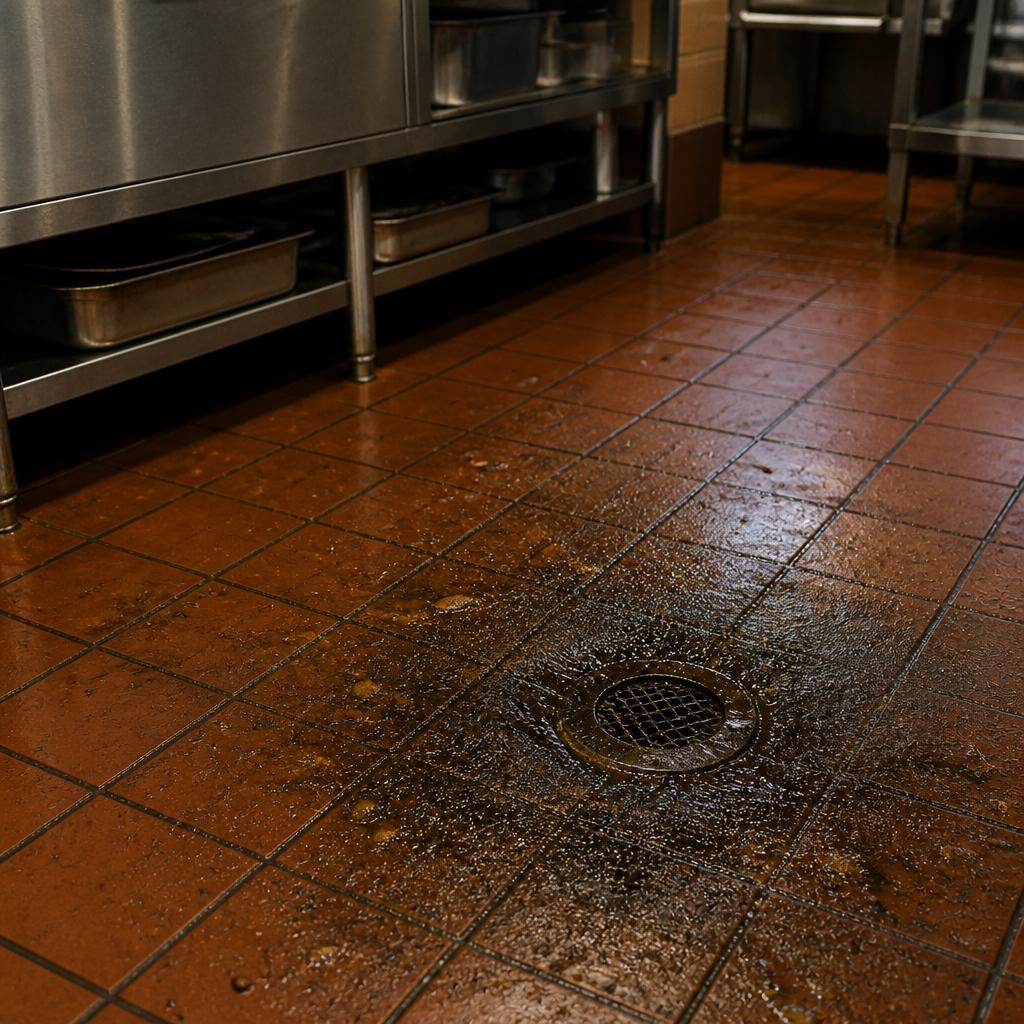
The grease trap was supposed to be cleaned every two weeks. That's what the health code said, that's what the manual said, and that's what Tony — the owner — had promised the health inspector during the last visit. But Tony cut corners the way some people breathe: constantly and without noticing.
By December, the trap was overflowing. You could smell it from the line — a rancid, heavy smell that clung to your clothes. Worse, the overflow meant grease was seeping onto the floor around the drain, creating a slick patch that grew wider every week. We all knew about it. We all stepped around it. We'd been complaining for months.
The Night My Feet Went Out From Under Me

It was a Saturday in January. The kitchen was slammed — every table full, tickets coming in faster than we could clear them. I was carrying a stockpot of hot water to the pasta station. Eight-quart pot, heavy, both hands occupied. My right foot hit the grease patch by the drain and went sideways like I'd stepped on ice.
I went down. The pot went with me. I don't remember the order of what happened next — only that my right wrist hit the tile floor at an angle that wasn't right, and my hip slammed the base of the prep counter, and somewhere in the chaos the hot water splashed across the floor but mercifully missed my body. I lay there with my cheek on the tile and said a word I won't repeat.
Tony's First Words Were Not 'Are You Okay'
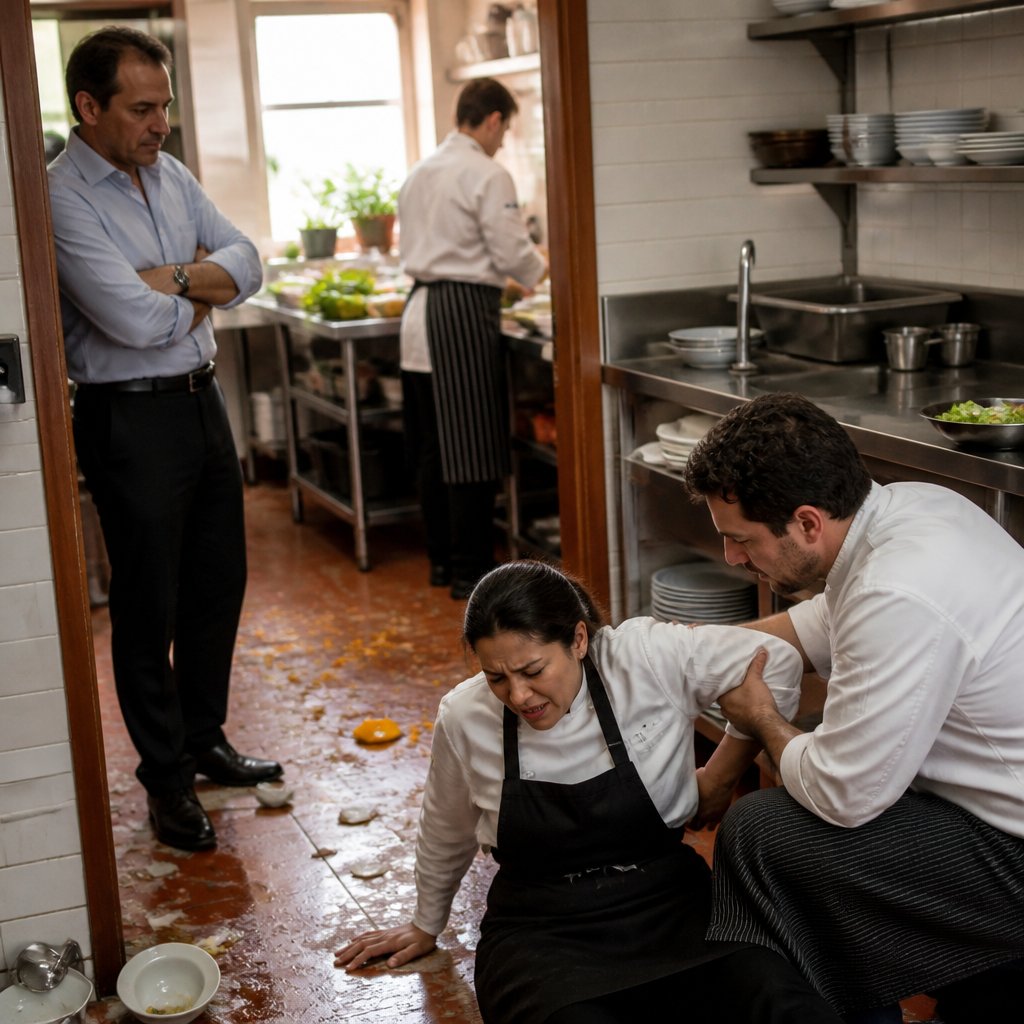
Tony came in from the dining room when he heard the crash. He looked at me on the floor, looked at the spilled water, looked at my shoes — and the first thing out of his mouth was, "What'd you step in?" Not are you okay. Not what happened. What'd you step in. Like it was my fault. Like I'd tracked something onto his kitchen floor.
Marco, one of the other cooks, helped me up. My wrist was already swelling. I couldn't put weight on my right hip without a bolt of pain shooting down my leg. Tony told me to take a break and he'd handle the line. He didn't offer to drive me to the hospital. He didn't file an incident report. He went back to expediting orders.
Broken Wrist, Fractured Hip Socket
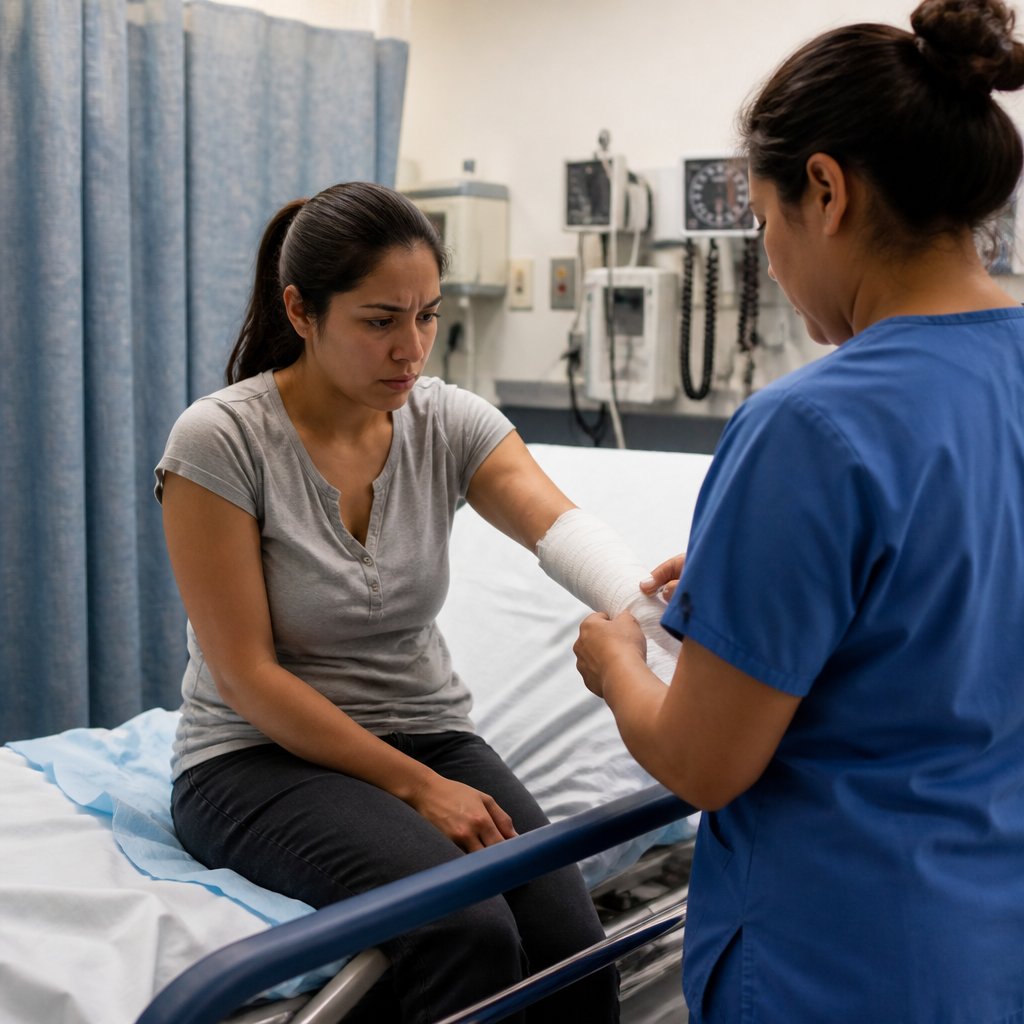
Marco drove me to the ER. The X-rays showed a distal radius fracture in my right wrist — clean break, needed a cast — and a hairline fracture in my right acetabulum. That's the hip socket. The doctor explained that it would heal on its own but that I was looking at six to eight weeks of limited mobility and no work that required standing or lifting.
No standing or lifting. My entire job was standing and lifting. I sat in the ER waiting for my cast and tried to calculate how many weeks of rent I had in savings. The answer was two and a half.
Workers' Comp Was a Fight From Day One
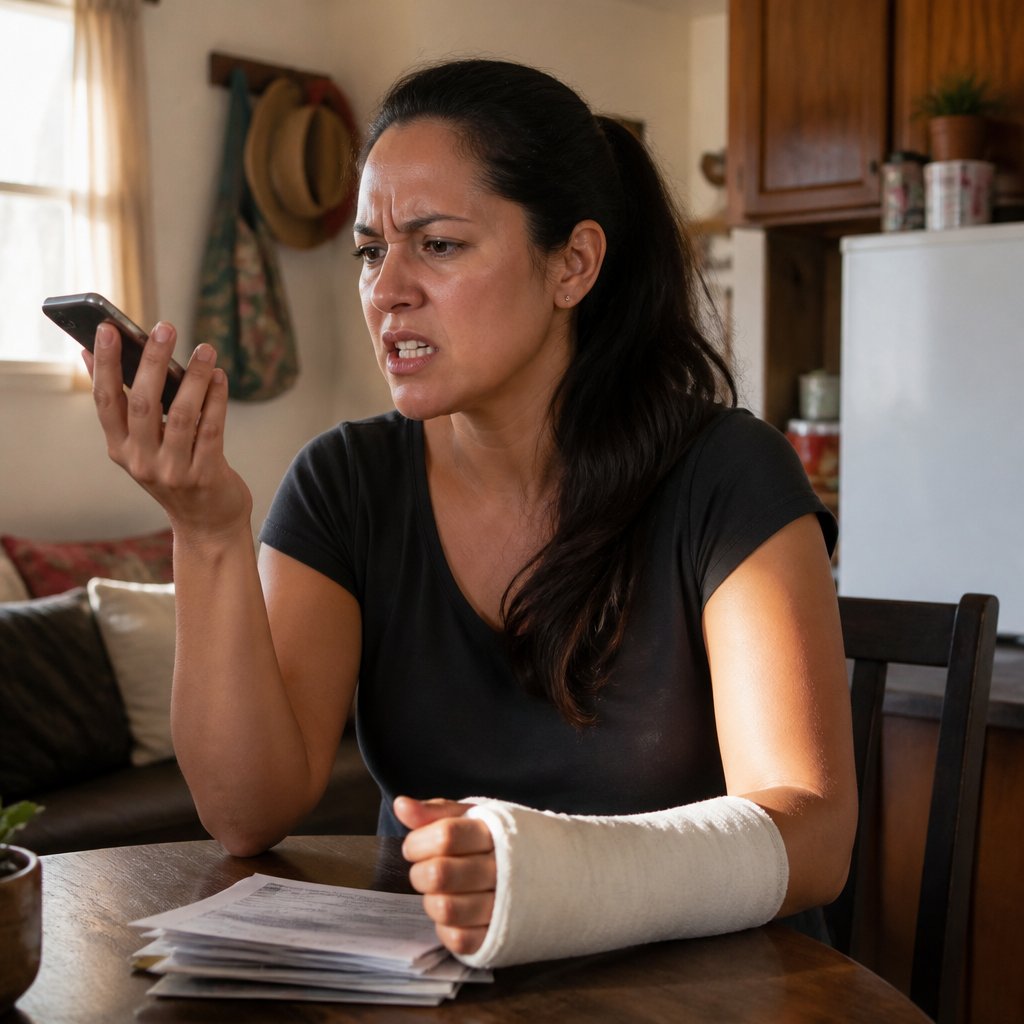
I filed for workers' comp the following Monday. Tony's insurance company responded within the week — with a denial. The reason: "Employee failed to exercise reasonable caution in a known hazardous environment." In other words, I knew the floor was greasy, so it was my fault for walking on it. While working. At the job that required me to be there.
I called Tony. He said the insurance company handled all that and it wasn't his department. I asked him about the grease trap — when it was last cleaned, whether there were records. He said he'd "look into it" and hung up. I never got a callback.
I Found Out I Wasn't the First
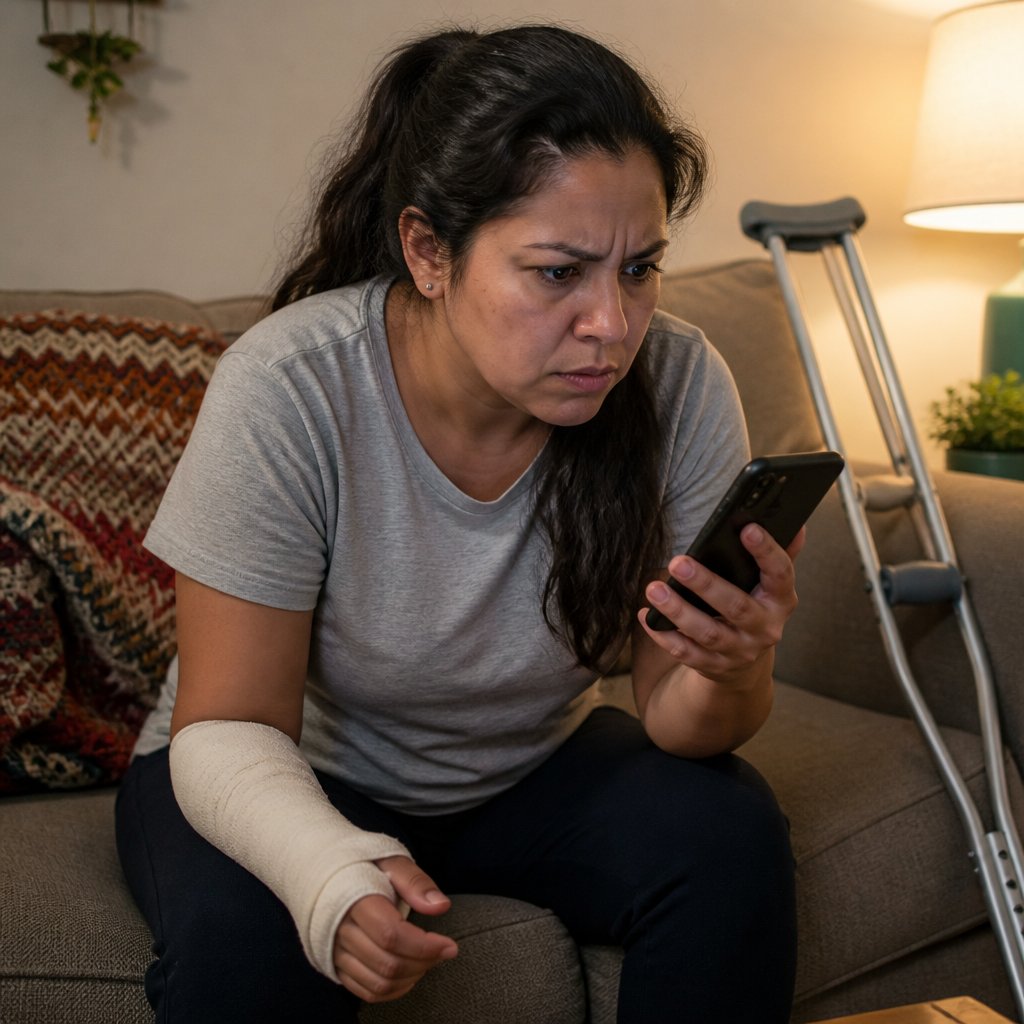
Two weeks into my recovery, I got a text from Marco. He said he'd been talking to Sofia, a server who'd left Moretti's six months earlier. Sofia had slipped on the same spot near the grease trap. Twisted her ankle. Tony had told her the same thing — it was her shoes, her fault, not his problem. She'd never filed a claim.
Then Marco mentioned Diego, a dishwasher who'd slipped there two years before and been quietly paid two weeks' wages in cash to not make a fuss. Three people. Same spot. Same grease trap. Same owner shrugging it off. I started to get angry in a way that felt productive.
The Lawyer Took It on Contingency

Elena Vasquez was a worker's rights attorney with an office above a laundromat. She was small, direct, and had a reputation for taking cases the bigger firms passed on. When I told her about the grease trap, the three slips, and the workers' comp denial, she pulled out a notepad and started writing before I finished my second sentence.
"They denied your comp because you 'knew' it was dangerous?" she said. "That's their defense — that you knew about a hazard your employer was legally required to fix, and you walked through it anyway because you had to do your job?" She shook her head. "I love it when they hand me the case like that."
OSHA Had Been There Before
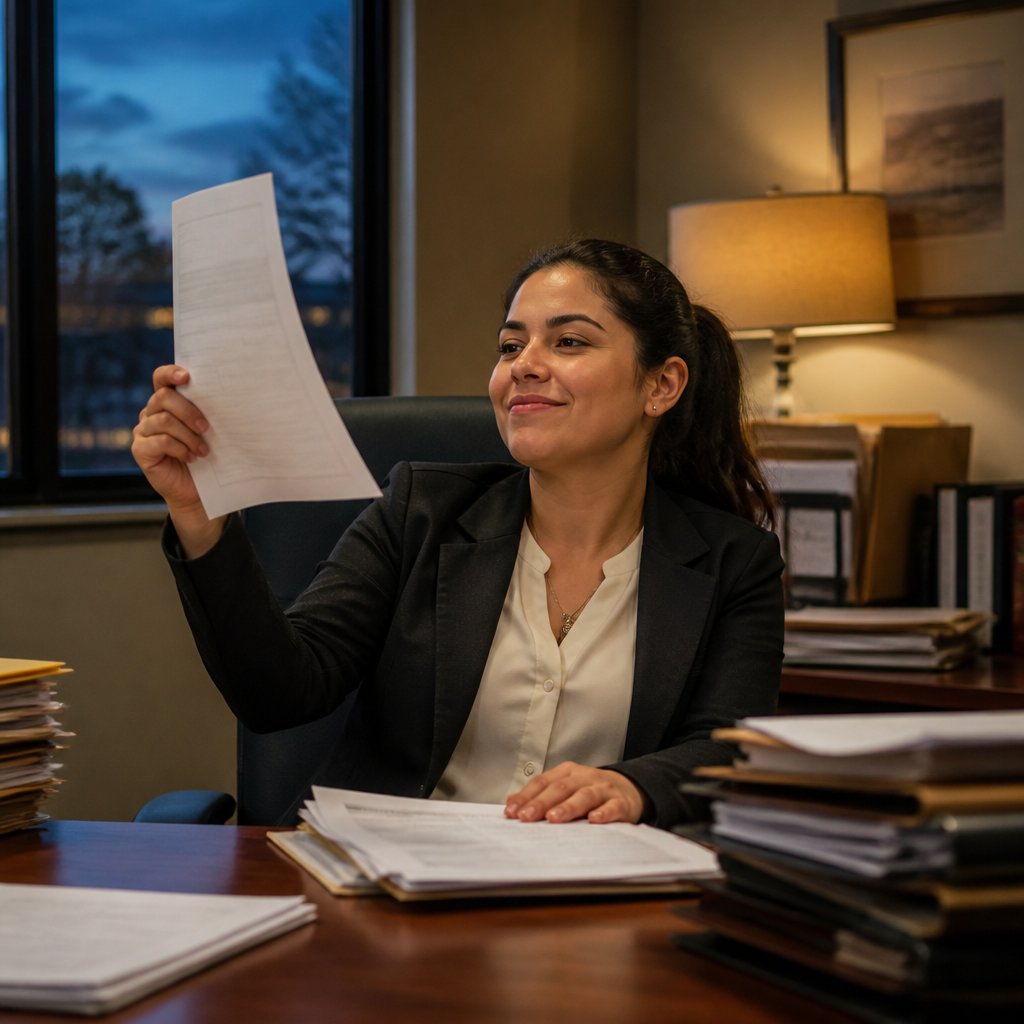
Elena filed a FOIA request with OSHA and what came back was better than we'd hoped. Moretti's had been inspected eighteen months earlier. The inspector had cited the restaurant for — among other things — failure to maintain the grease trap to code and "grease accumulation creating a slip hazard." Tony had been fined $2,200 and given sixty days to comply.
The follow-up inspection never happened. Budget cuts, backlog, short staff — OSHA had too many restaurants and not enough inspectors. Tony never cleaned the trap. Eighteen months later, my wrist and hip paid the price for his $2,200 gamble.
Tony Hired a Guy in a Shiny Suit
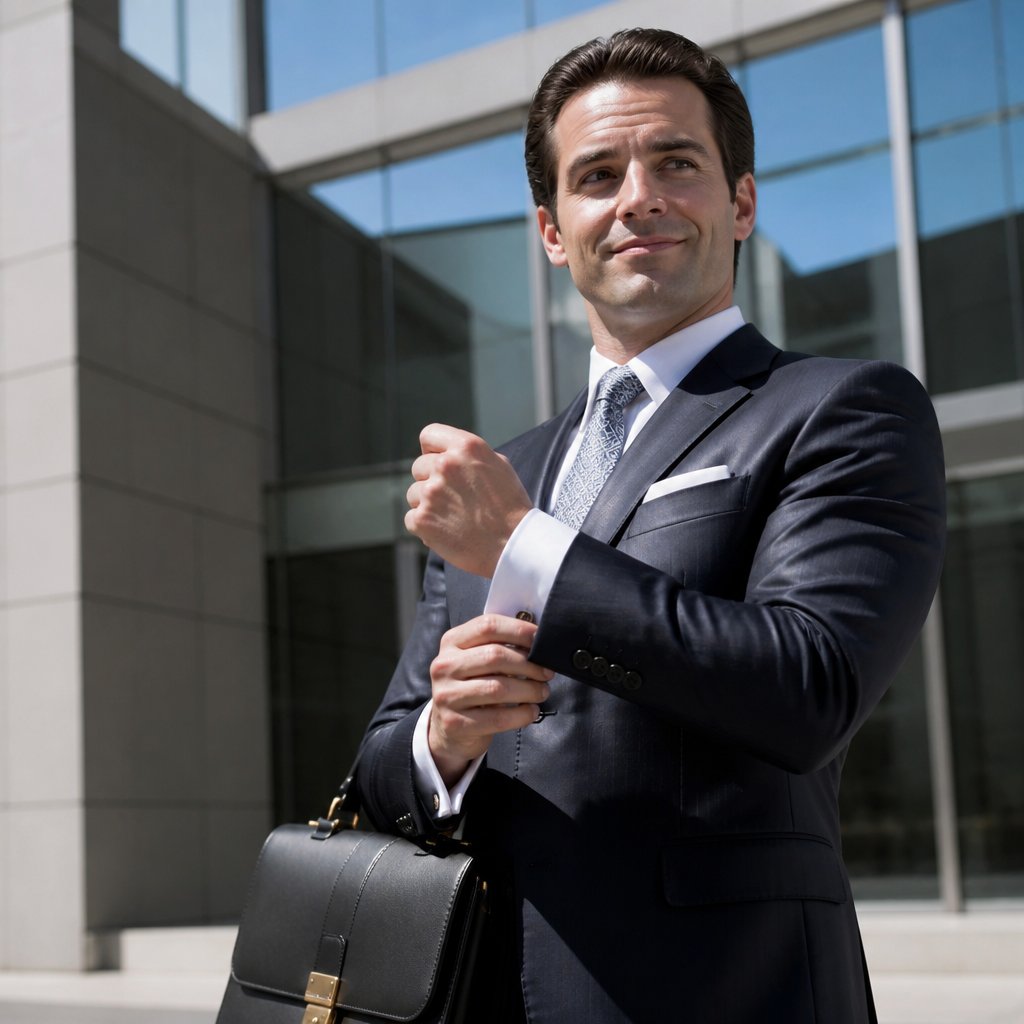
Tony's insurance company assigned a defense attorney named Warren Cross who wore suits that reflected light and smiled like he was selling you a timeshare. He filed a response claiming that I was contributorily negligent because I "chose to traverse an area she knew to be slippery" and that my injuries were "inconsistent with a simple workplace fall."
Elena wasn't impressed. She said Warren Cross was a volume guy — he handled thirty cases at a time and settled most of them cheap. "He doesn't want this to go to trial," she told me. "He wants you to take $20,000 and go away." I told her I wasn't going away.
Marco and Sofia Were Willing to Testify

Elena deposed Marco and Sofia. Both confirmed the grease trap, the slip spot, and Tony's responses. Marco still worked there — he was nervous about retaliation but Elena assured him he was protected under whistleblower statutes. Sofia, who'd moved on to another restaurant, was less nervous and more angry. She said she wished she'd done what I was doing.
Diego, the dishwasher, had moved back to Guatemala. We couldn't find him. But two witnesses plus the OSHA citation was more than enough, Elena said. The pattern was clear. Tony knew. Tony didn't fix it. Someone got hurt. That's negligence.
The Settlement Offer Was Insulting

Six months in, Warren Cross offered $15,000. Elena called me and said the number out loud like it was a joke. Fifteen thousand. My medical bills alone were over $22,000. I'd been out of work for four months. I'd burned through my savings and borrowed money from my sister.
Elena said to reject it without a counter. She said the OSHA citation and the witness depositions made this a trial case, and Warren knew it. "He's testing whether you're desperate enough," she said. "Let him wonder." I rejected it. We set a trial date.
Tony's Deposition Was a Disaster

Tony's deposition was the turning point. Elena asked him when the grease trap was last professionally cleaned. He said he couldn't remember. She asked if he had maintenance records. He said his bookkeeper handled that. She asked him directly: was he aware of the OSHA citation? He said yes. Did he address the grease trap issue after the citation? He said he "believed someone took care of it."
Elena asked who. Tony couldn't name anyone. She asked for the receipt or invoice from the cleaning service. He didn't have one. She asked if the trap had been cleaned at all since the OSHA visit. The silence lasted four seconds. His lawyer jumped in, but it was too late. Everyone in the room heard those four seconds.
Warren Cross Called the Next Day
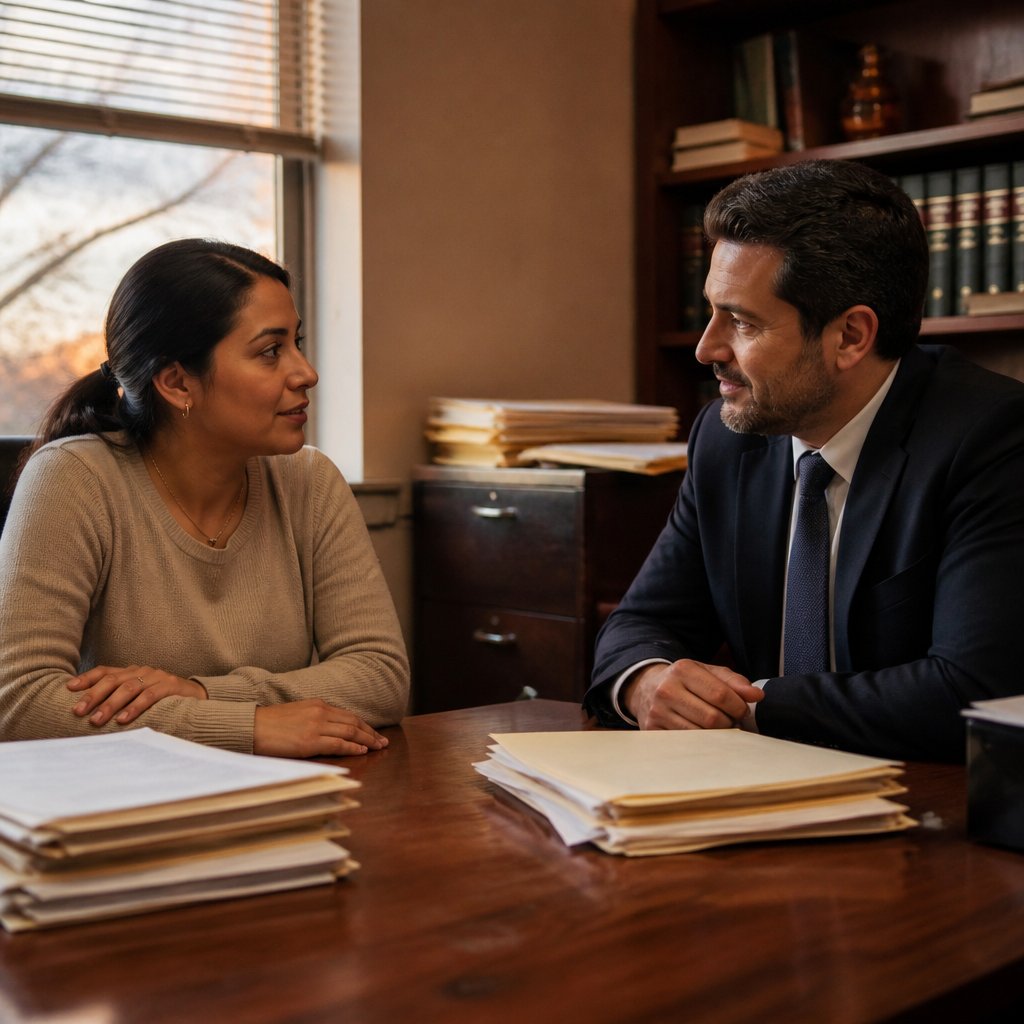
The morning after Tony's deposition, Warren Cross called Elena. Not with another lowball offer — with a real number. $175,000. Elena said no. Warren said $225,000. Elena said we'd see him at trial. Warren paused, then said, "What does your client want?"
Elena told me about the call that evening. She said we were in a strong position but trials were always a gamble. I asked her what she thought we could get from a jury. She said $300,000 to $400,000, depending on the jury and the judge. I said let's go to trial. I wanted Tony to sit in that courtroom and answer for those four seconds of silence in front of people who'd judge him.
Opening Statements
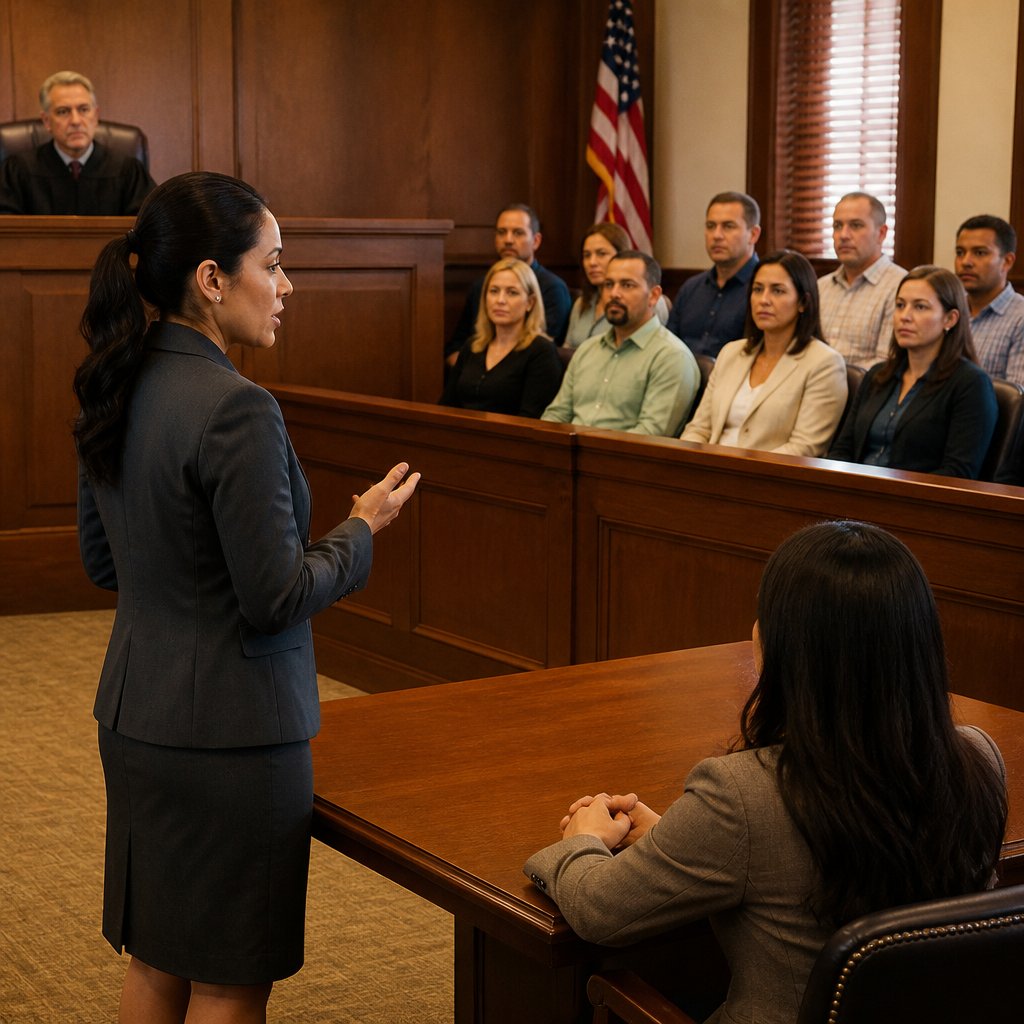
The trial opened on a Thursday in March — fourteen months after my fall. The courtroom was standard-issue: wood paneling, fluorescent lights, American flag behind the judge. Six jurors plus two alternates. Elena stood and told them about a kitchen floor that everyone knew was dangerous, an owner who was cited and did nothing, and a cook who followed every safety rule and still ended up broken on a tile floor because her employer chose money over maintenance.
Warren Cross told them about personal responsibility. About knowing a floor is slippery and choosing to walk on it anyway. About workers who don't speak up. He didn't mention OSHA. Elena noted that in her trial notebook.
The OSHA Inspector Took the Stand
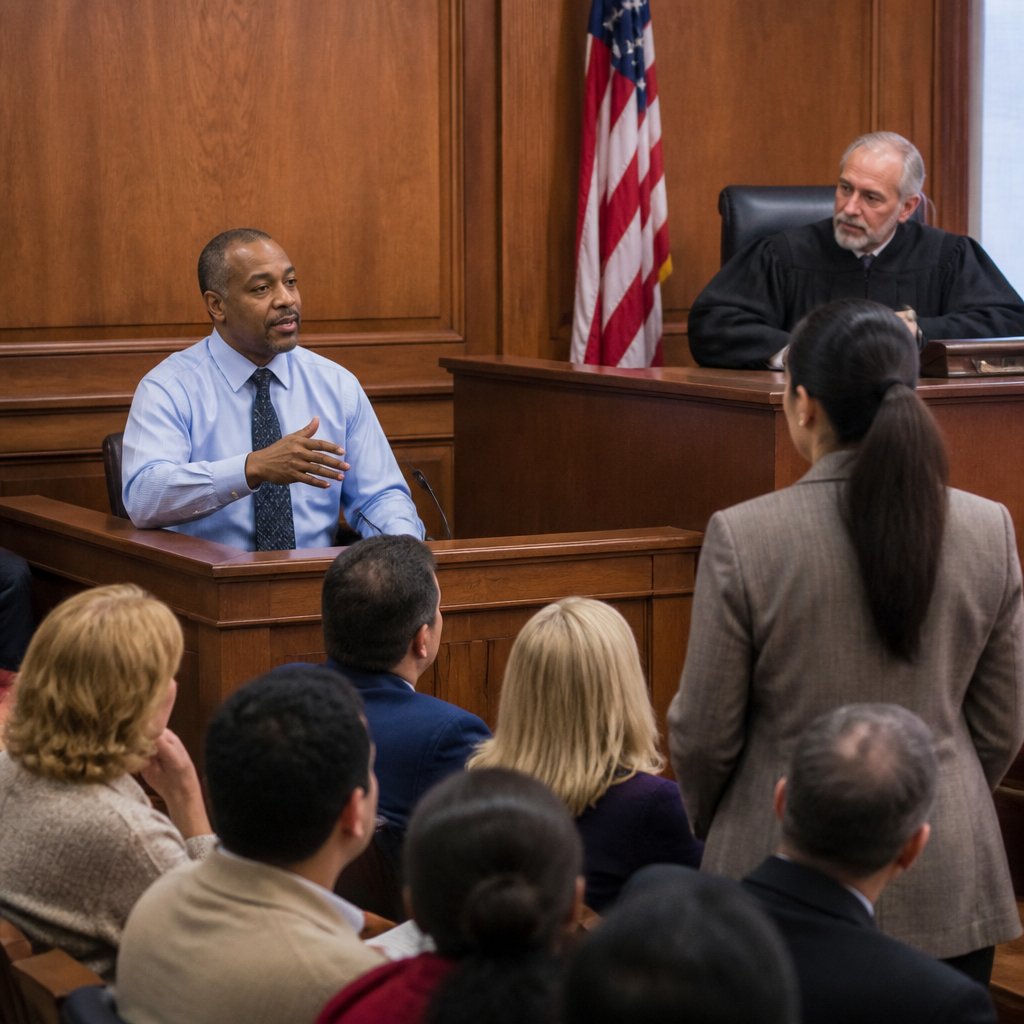
Elena's strongest witness wasn't me or Marco or Sofia. It was the OSHA inspector who'd cited Moretti's eighteen months before my fall. His name was Gerald Washington, and he'd been doing inspections for twenty-two years. He described what he found at Moretti's: a grease trap overflowing, visible grease on the floor surrounding the drain, and no records of professional cleaning.
He testified that he cited the restaurant and gave them sixty days to comply. He testified that a follow-up was scheduled but never conducted due to agency staffing. When Elena asked if the conditions he observed in his inspection were consistent with a slip-and-fall hazard, he said, "Absolutely. It was a matter of when, not if."
Tony Took the Stand and Made It Worse
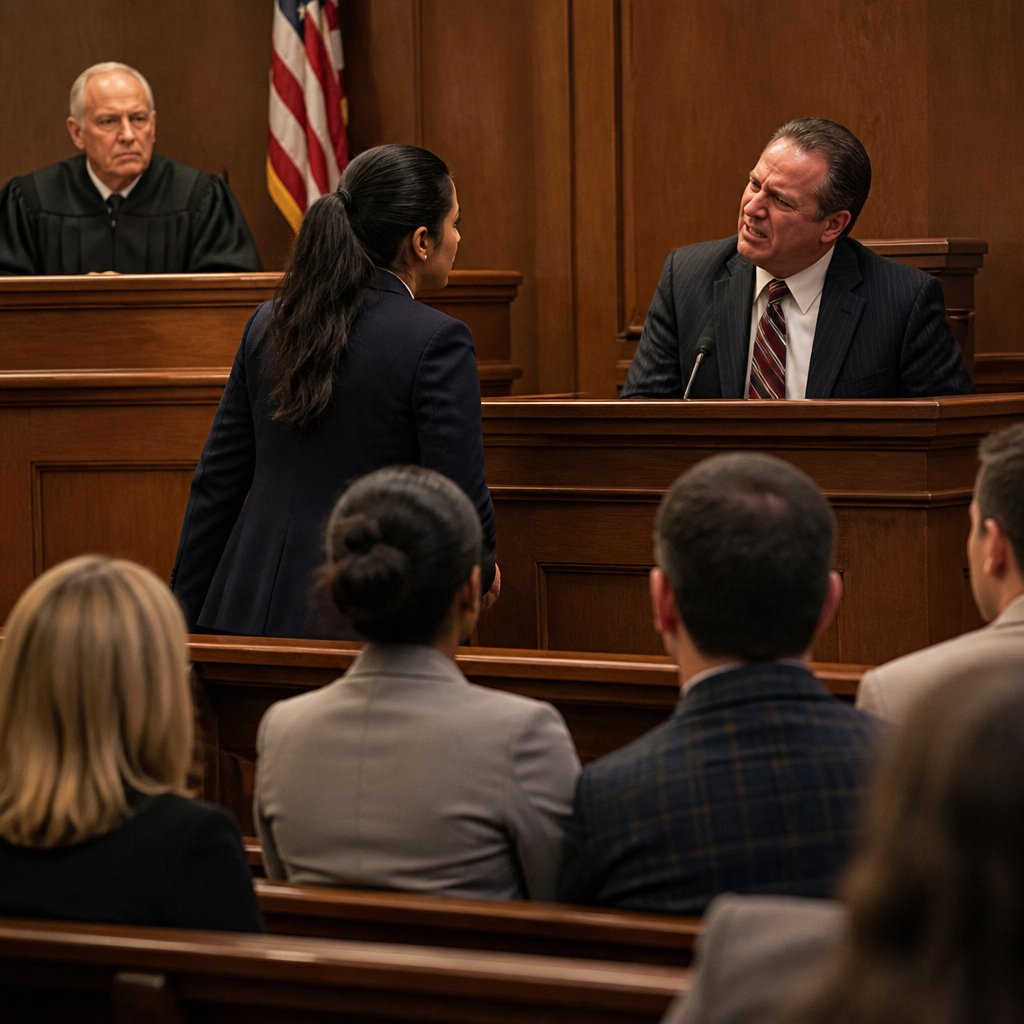
Tony testified in his own defense, against Warren's advice. He was combative from the start. He said running a restaurant was hard, that regulations were suffocating, that his employees should take some responsibility for their own safety. He said I should have walked around the grease spot. He said it wasn't that bad.
Elena asked him one final question: "Mr. Moretti, in the eighteen months between the OSHA citation and Ms. Reyes's fall, how much money did you spend on grease trap maintenance?" Tony said he didn't know the exact amount. Elena said, "Because the amount was zero, correct?" Warren objected, but Tony had already nodded.
The Jury Was Out for Two Hours
Closing arguments were straightforward. Elena showed the timeline: OSHA citation, no action, eighteen months, my fall. Warren argued comparative negligence — I bore some responsibility for walking through a known hazard. The judge instructed the jury on the standard and they filed out at 2:40 p.m.
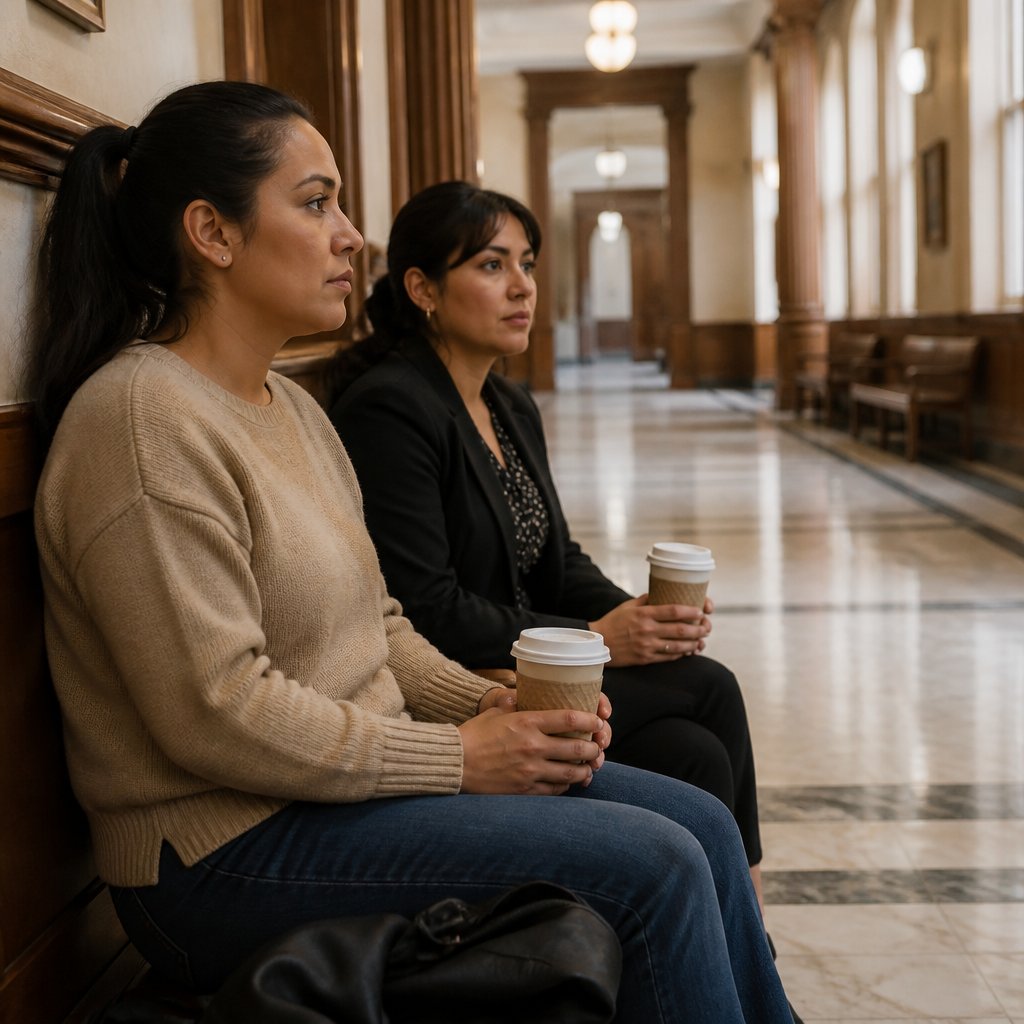
I waited in the hallway with Elena. She bought me a coffee from the vending machine. It was terrible. I drank it anyway. At 4:45, the bailiff came out. Two hours and five minutes. Elena said that was a good sign. Short deliberations in personal injury cases usually favor the plaintiff. "They didn't need convincing," she said. "They just needed to agree on the number."
Three Hundred and Forty Thousand
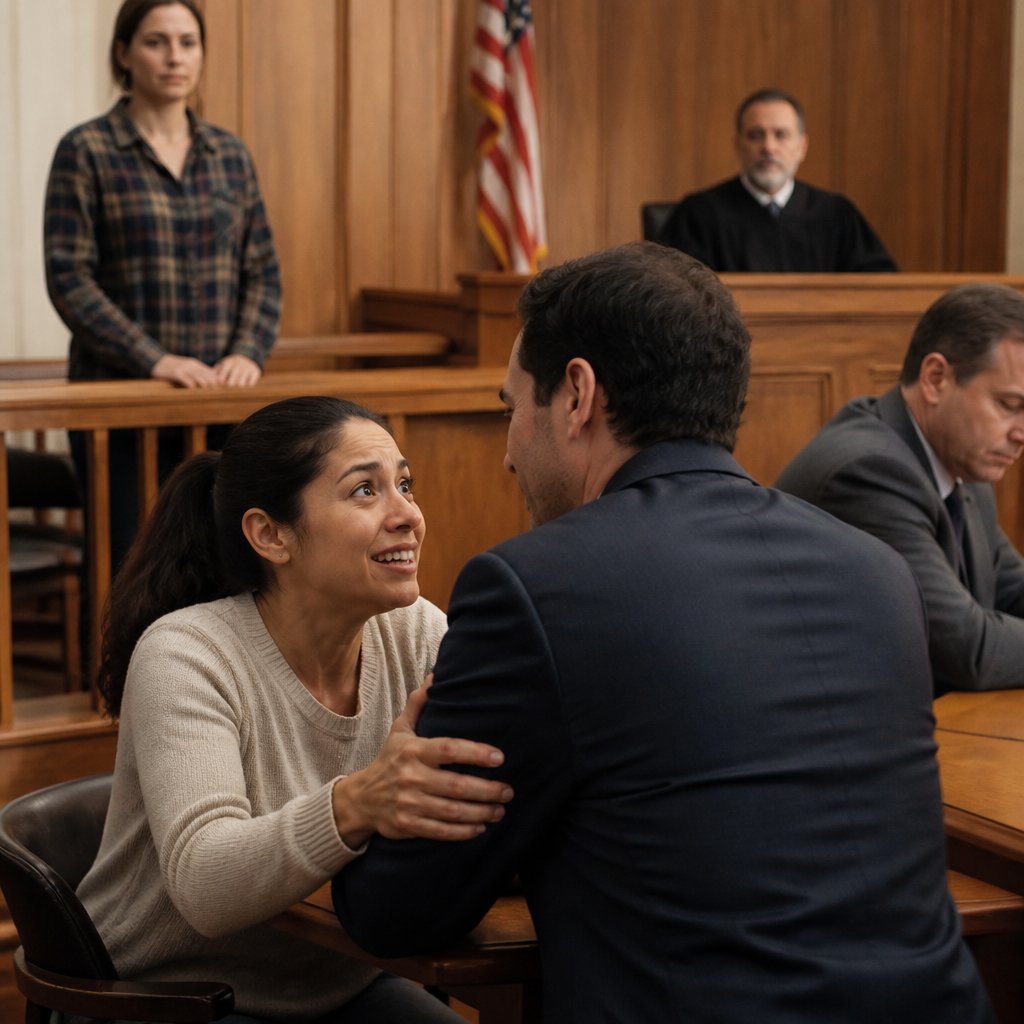
The foreperson — a woman in a flannel shirt who'd taken notes through the entire trial — stood and read the verdict. They found Moretti's ninety percent liable and awarded $340,000 in damages. They assigned me ten percent comparative fault — Elena said that was probably for walking through the known grease spot, but it barely dented the award.
I heard the number and grabbed Elena's arm. She was already doing the math — her contingency was thirty-three percent, medical liens came off the top. But even after all of that, I was looking at more money than I'd made in four years at Moretti's. I looked at Tony across the aisle. He was staring at the table. His shiny lawyer was writing something on a legal pad without looking up.
What I Did With It

After Elena's fees and the medical liens, I walked away with just over $190,000. I paid off my sister. I paid the credit card debt I'd run up during recovery. I put a down payment on a food truck — something I'd been dreaming about since culinary school but never had the capital for.
The food truck opened eight months later. I named it Fuego. The menu is short and good — tacos, elotes, horchata. I'm my own boss now. The floors in my truck are clean. I mop them myself every night, and I never let the grease build up. Tony closed Moretti's six months after the verdict. The new restaurant in that space has a maintenance schedule posted on the kitchen wall. I drove past it once and smiled.
Did your boss really believe you were at fault?