


Temporary Fixes Becoming Permanent
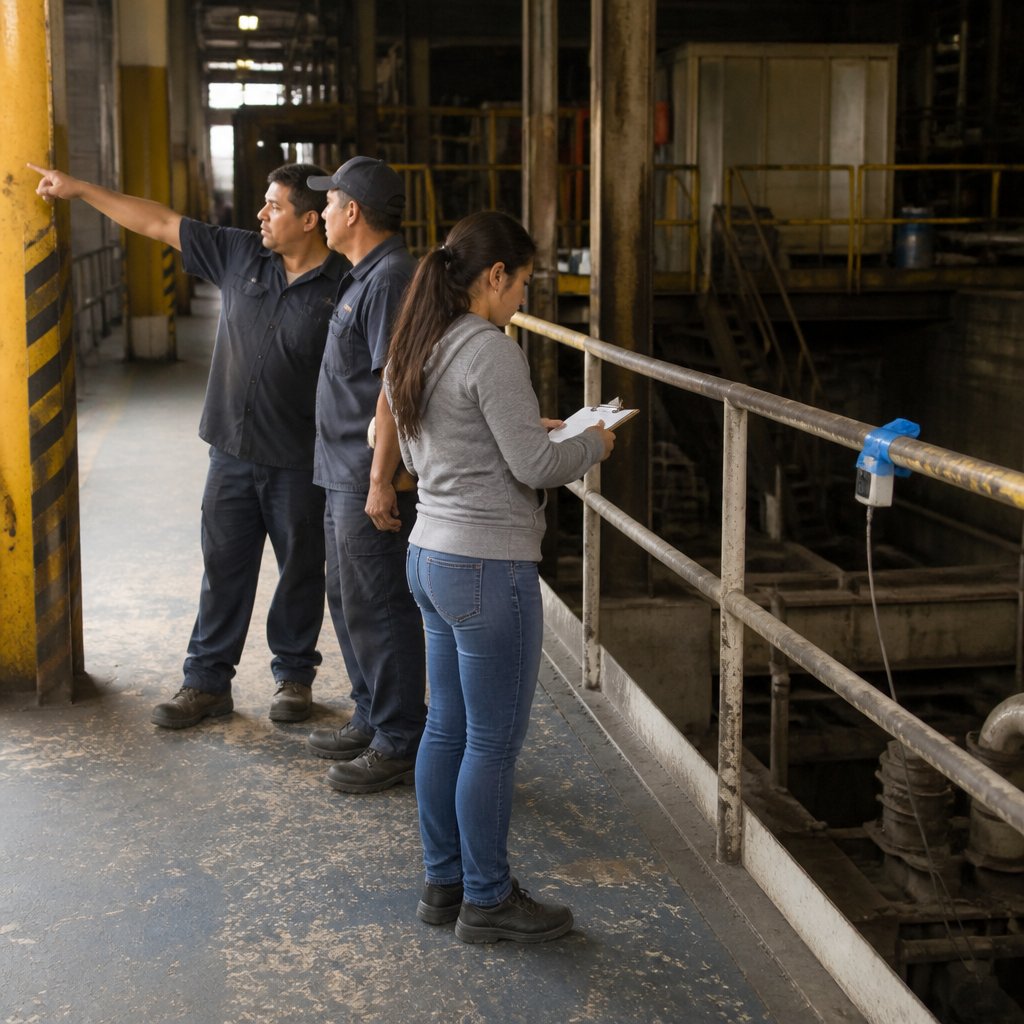
On my first safety walk-through as an alternate, I noticed the hallways were lined with sensors taped on with blue painter’s tape. They were supposed to be temporary, but the tape was peeling and dirty. Nearby, guardrails were missing at key spots, leaving open edges unprotected. I heard a quiet conversation between a supervisor and a trainer in the break room, discussing "adjusting expectations". It seemed like everyone was being told to look away. The fluorescent hum above buzzed as the trainer handed out checklists with sections crossed out or blank. I felt the weight of silence pressing down, like an unspoken agreement was forming that these shortcuts were normal now. I kept scanning the floor, watching for any signs of unease or sabotage, but the workers moved on as if nothing was wrong. The air smelled faintly of machine oil mixed with stale coffee from the break room. I was left wondering who exactly was behind this shift—and if anyone planned to fix it.
The Forklift Route That Didn't Change
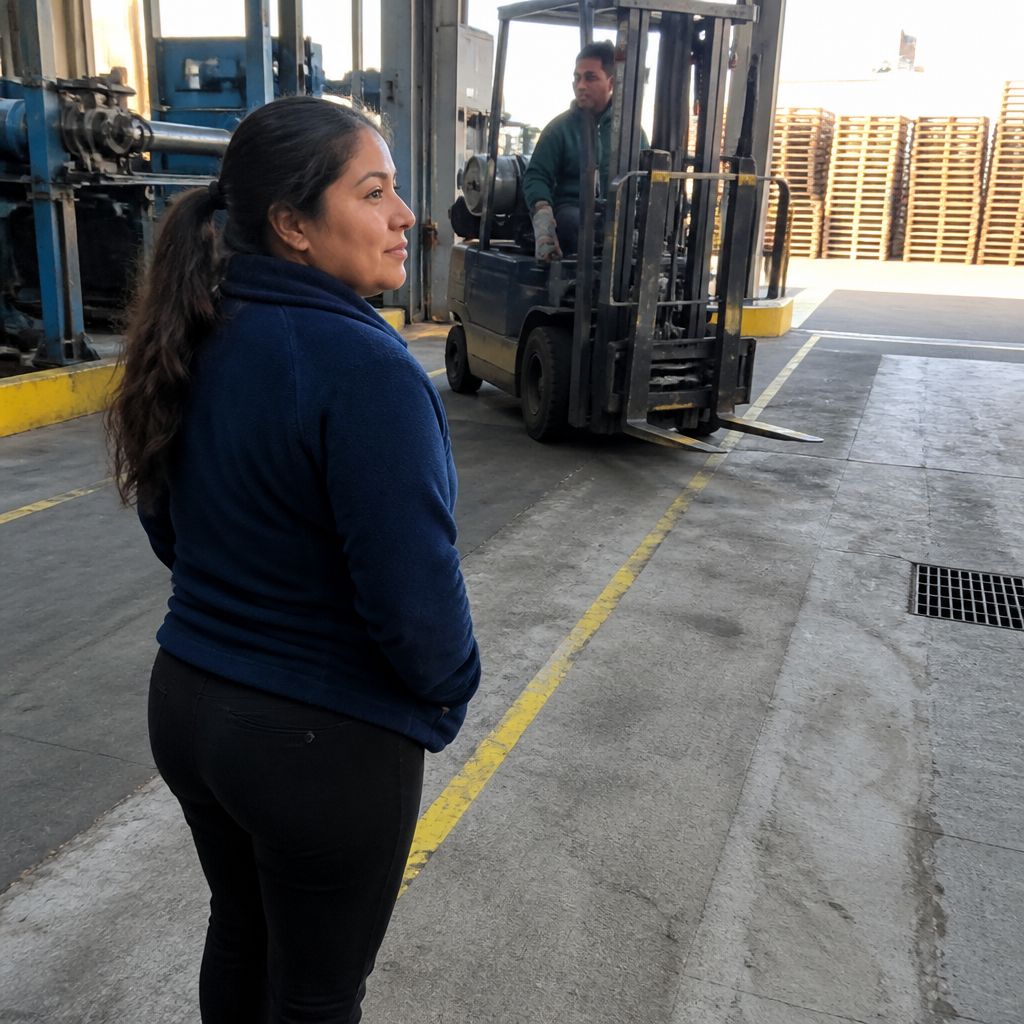
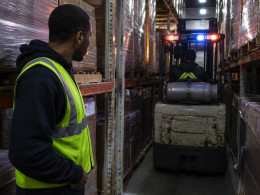
Later that week, I walked the forklift route. The yellow tape on the concrete floor still curved sharply toward an open edge, but the painted line that should have matched had never been repainted. It looked like a trap—like someone was daring an accident to happen. The paint was cracked and faded, but it still led straight to where a guardrail had disappeared weeks ago. The smell of gasoline from forklifts hung heavy in the air mixed with dust. I watched a driver in a dark green jacket maneuver closely along the taped route, his face tense. It felt like the plant was setting us up for failure, but when I mentioned it during a quick floor meeting, the supervisor waved it off. No changes scheduled. I scribbled notes on my clipboard as the hum of machines filled the silence. It was clear the mismatch between paint and tape wasn’t an oversight—it was deliberate. I wondered if an accident had to happen before anyone would act—and if those in charge were prepared for what might come next.
The Crash On Third Shift
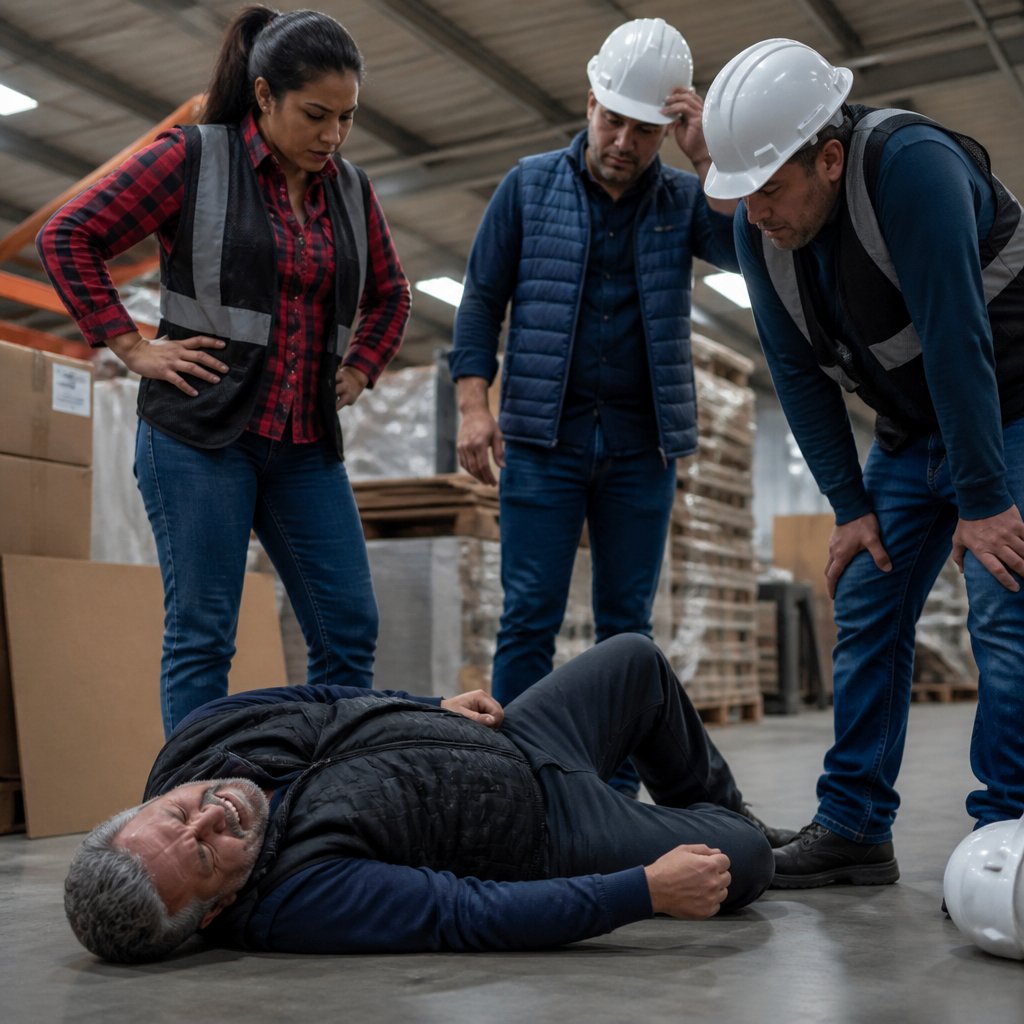
It was third shift when I heard the loud crash and the shrill alarm. I rushed toward the noise and found Raul on the cold concrete floor, his leg bent at an unnatural angle. He was pale and shaking, clutching his thigh. The machines kept running, the fluorescent lights flickered overhead, and the smell of burnt metal filled the air. Instead of calling a halt, a manager barked orders to keep the line moving. They told me to get back to work like witnessing the injury was the real problem. Raul’s groans echoed as a couple of coworkers hovered nearby, faces tight with worry. The tension tightened around me like a noose. I wanted to help, to call EMS, but the pressure to stay silent was immediate and suffocating. I caught the sharp smell of disinfectant as someone rushed past with a first aid kit. The moment felt wrong, like the plant was prioritizing production over people. I stood frozen, wondering how far they’d go to hide what had happened on that floor.
A Guardrail Reappears Quickly
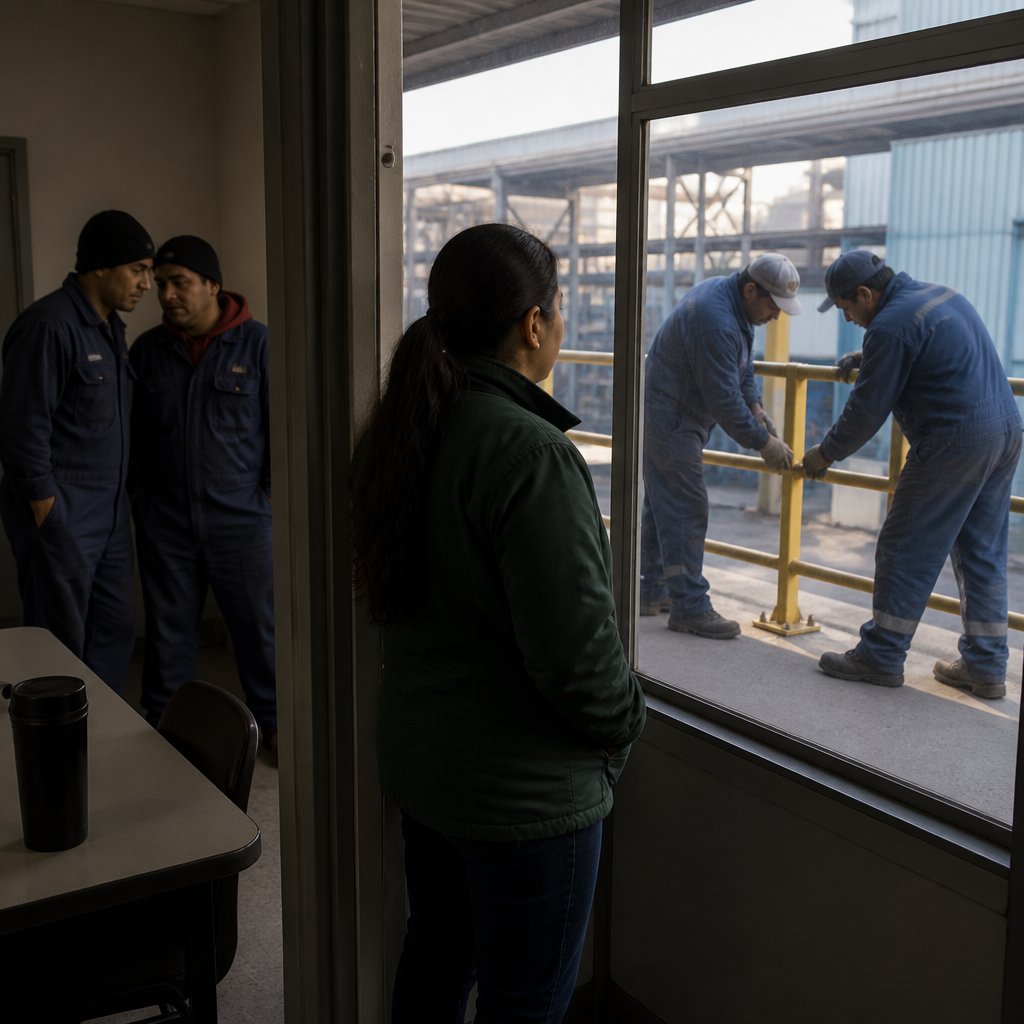
Before EMS arrived, maintenance workers hurried to bolt a spare guardrail back into place where the missing one had been. I stood just outside the break room, watching as they pulled out tools and tightened bolts with practiced speed. When I heard the story shifting to "Raul tripped and fell," my stomach dropped. The break room was filled with low murmurs as people exchanged confused glances. The usual smell of burnt coffee mixed with stale chips hung in the air, but the tension was thicker. It felt coordinated—the story had already morphed before anyone had a chance to tell the truth. I caught someone quickly flipping open a binder, closing it when they saw me looking. My mind raced: how many others were involved in this cover-up? The guardrail's sudden return looked too neat, too deliberate, and I wondered if the truth was already being buried beneath layers of bolts and silence.
Supervisor Warns Against Writing
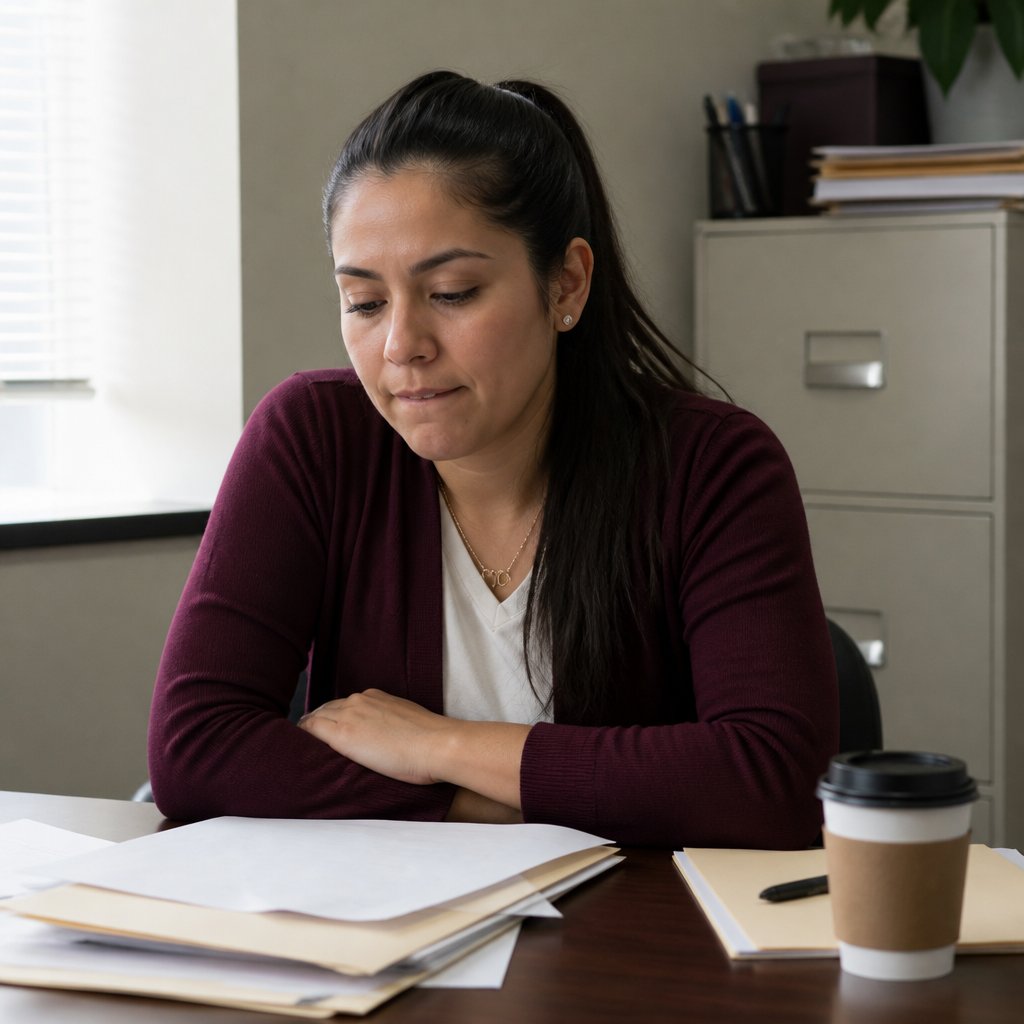
The next day, I sent a plain email summarizing the incident as I saw it—what happened, where, and the missing guardrail. Minutes later, my supervisor replied sharply: “Do not put this in writing.” The words hung in my inbox like a warning shot. It wasn’t panic or confusion; it was clear policy. The sterile office smelled faintly of lemon cleaner and paper. I sat at my small desk in the HR office, the hum of printers and the muffled voices of other employees filtering through the thin walls. The message made me realize this wasn’t just about avoiding blame—they were trying to erase any record of what had happened. My fingers hovered uncertainly over the keyboard as I debated my next move. The office window showed a gray sky, reflecting how clouded everything had become. The silence after that email felt loud, and I knew my words were now a threat I wasn’t ready to face head-on.
HR Slides Pre-Filled Statement
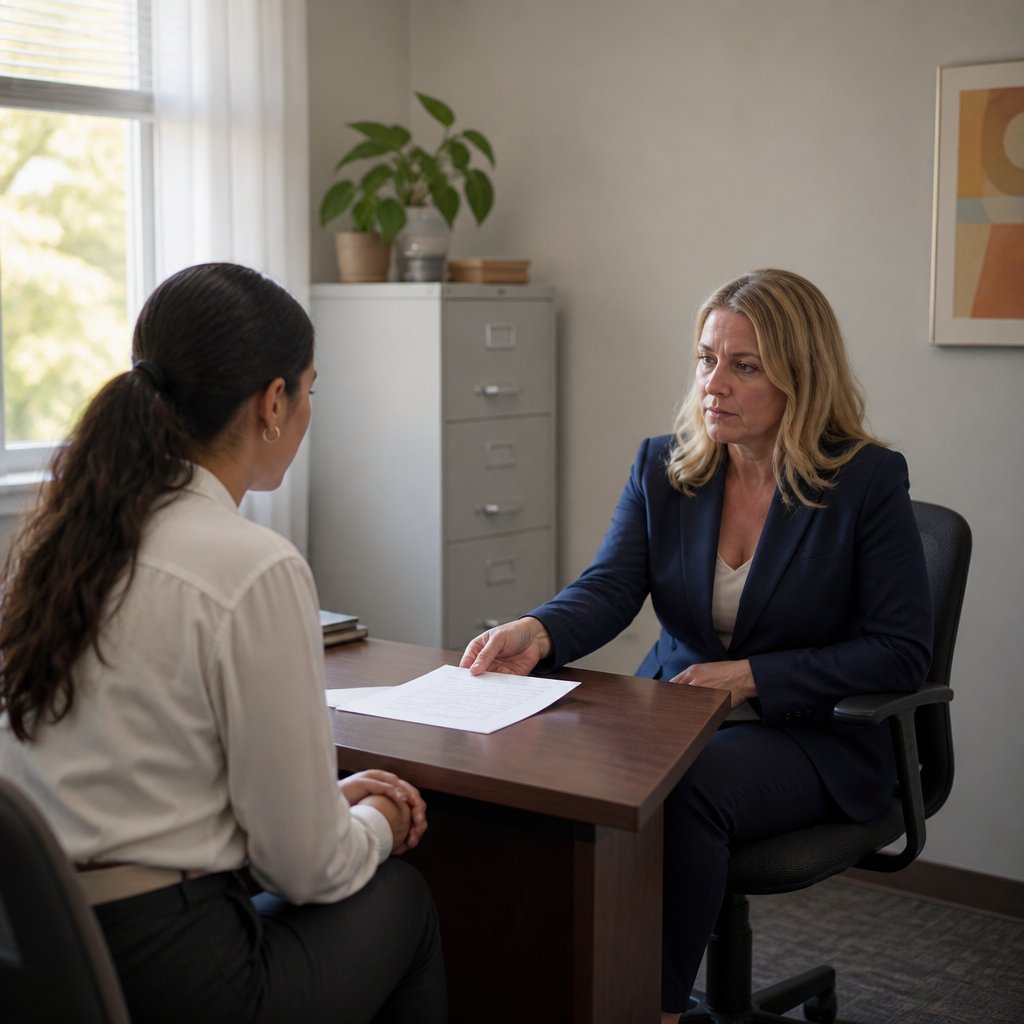
Marcy from HR called me into her small office and slid a pre-filled witness statement across the desk. The form described a slip-and-fall incident nowhere near the edge where Raul was hurt. Her expression was firm, almost rehearsed, as she warned me about “making accusations” when I asked to see camera footage. The faint smell of air freshener mixed with paper filled the cramped room. I noticed her crisp blouse and gold hoop earrings, perfectly ironed but somehow cold. The tension was thick as Marcy reminded me that deviating from their story had consequences. I clenched my fists, trying to stay calm while the quiet hum of the ventilation system filled the silence. The statement felt like a trap, and I wondered how many others had been forced to sign such lies. My heart pounded as I realized the scope of the cover-up was wider than I thought—and that challenging it might come with serious risks.
Locked Out Overnight
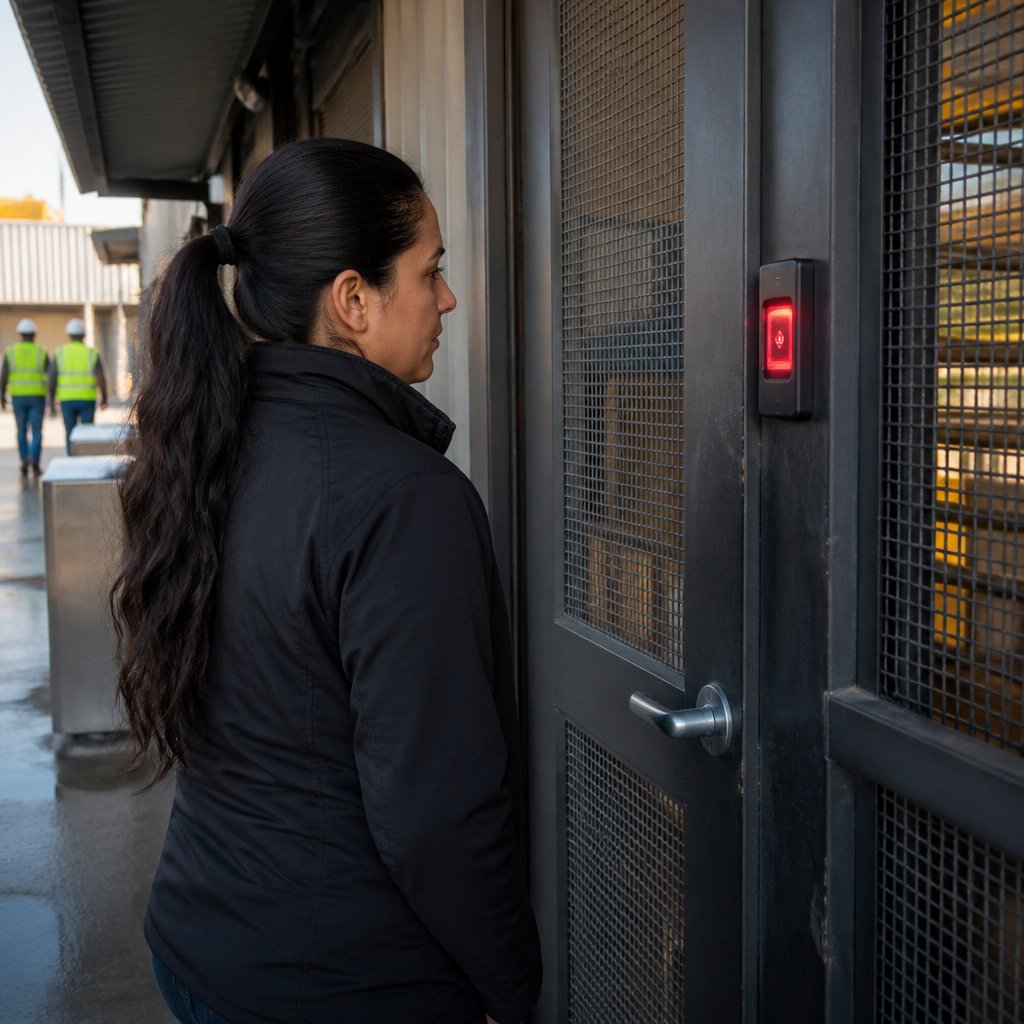
When I swiped my badge the next morning, the reader flashed red and denied me access to safety and maintenance corridors. The cold metal door stood between me and the binders I needed to review. The factory buzzed dimly behind me as workers passed through other entrances. I patted my badge again—the plastic felt heavier somehow, like a symbol of exclusion. The scent of motor oil lingered in the hallway. It hit me: the company was rewriting the record while physically blocking me from the evidence. I stood there, door handle cold under my grip, watching coworkers pass by without a glance. The isolation settled in as I realized they didn’t just want to silence me—they wanted to erase me. I debated whether to push harder or retreat as the hum of machines grew louder behind the locked door.
No Speculation Rule Announced
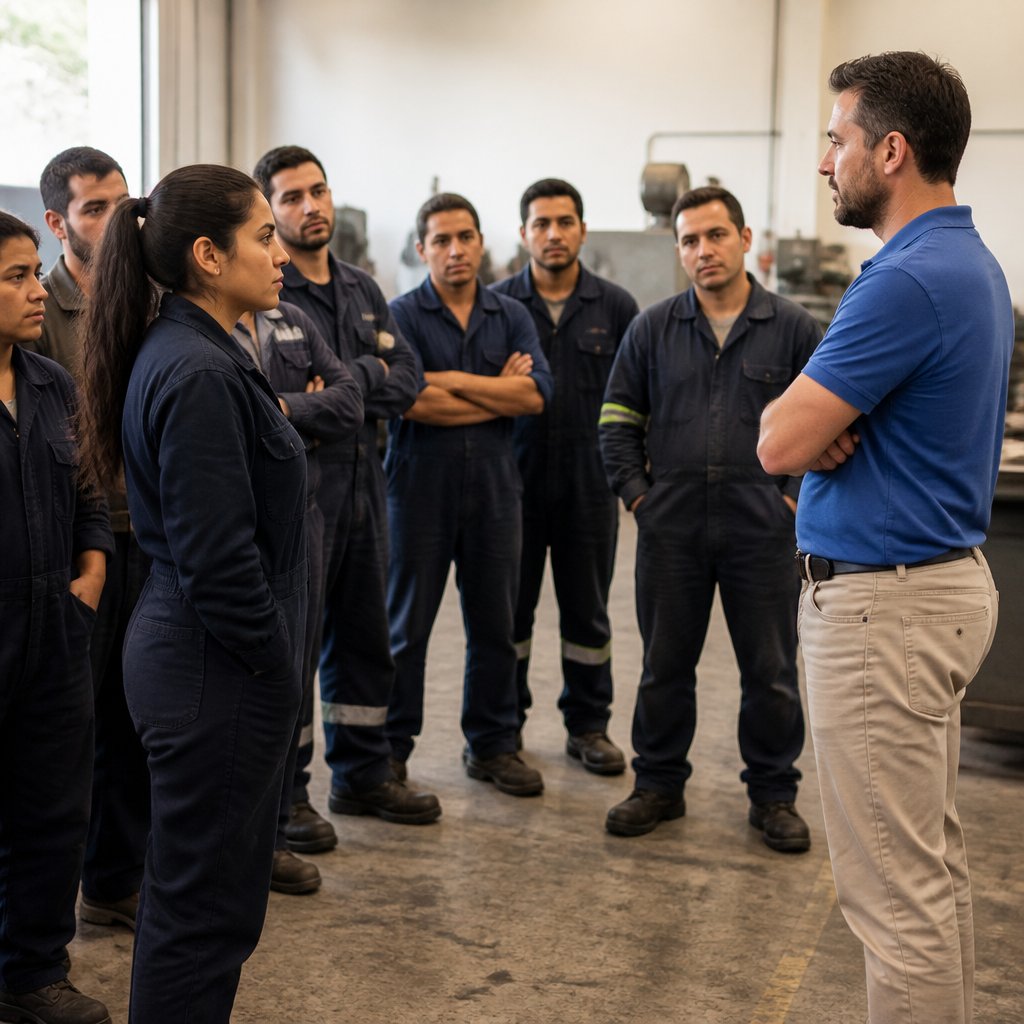
Derek, the plant manager, gathered the floor crew in the main workshop and announced a new “no speculation” policy. All questions had to be routed through HR, and anyone caught discussing incidents unofficially faced discipline. The room smelled of sweat and grease as workers exchanged uneasy glances. Derek stood rigid in a blue polo shirt and khaki pants, voice low but firm. I noticed the tension in his jaw as he scanned the crowd, making it clear that even speech itself was now a punishable safety violation. A few coworkers shifted uncomfortably; whispers died as the announcement sank in. The sense of control tightened around us like a cage. I clenched my fists, feeling the weight of enforced silence settling like dust on every surface. The grinding of machines resumed, but now it carried a new edge—fear that any word could be the next violation.
Raul’s Wife Stopped At Turnstiles
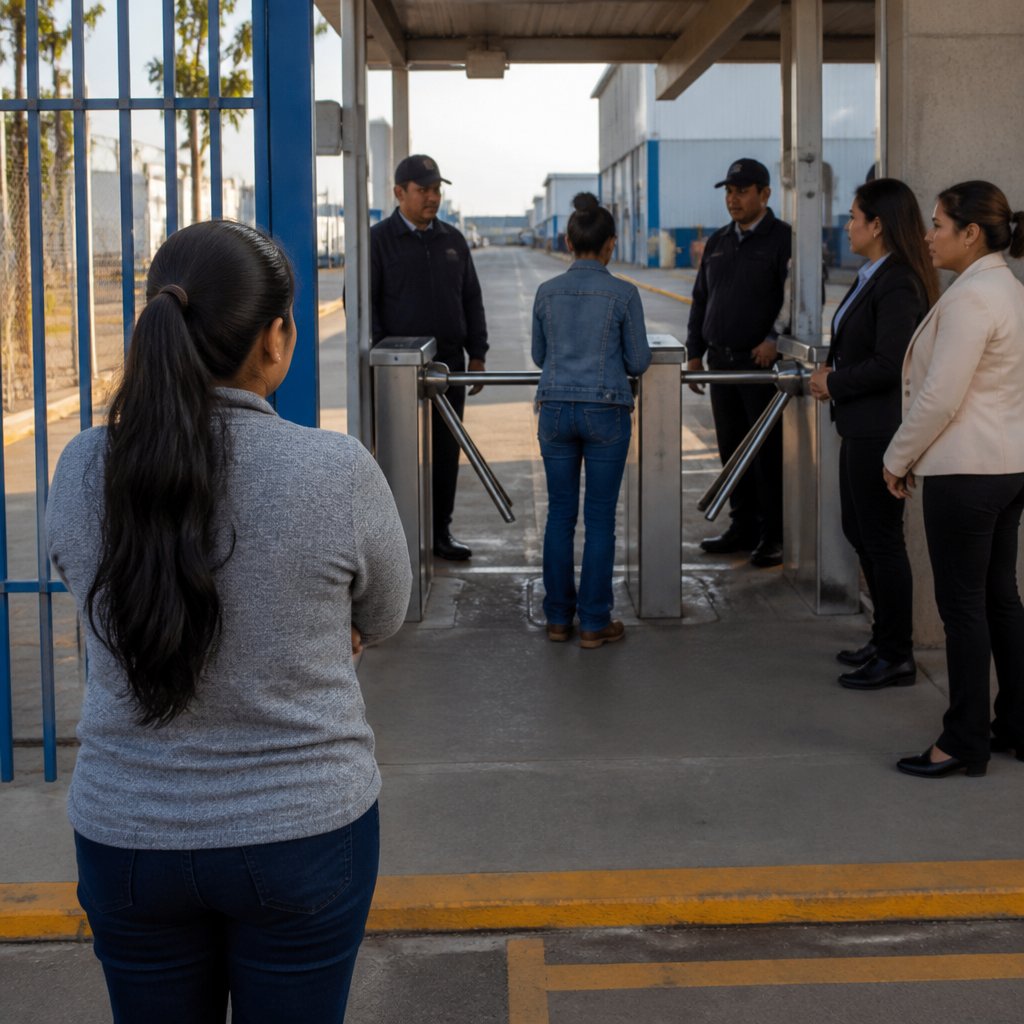
At shift change, I saw Raul’s wife waiting outside the turnstiles. Security guards kept her from entering while HR representatives spoke quietly with her nearby. She wore a faded denim jacket and clutched a small purse tightly, her face pale and strained. The cold metal bars of the turnstiles seemed to mark a boundary—not just physically but emotionally. I caught the scent of rain on pavement as a drizzle started, mixing with the faint industrial smell. Her eyes flicked toward the plant entrance but she said nothing. It was clear the injury wasn’t just being hidden inside—it was being contained, managed like a spill no one wanted to spread. I wondered how far the company would go to keep her out and silent, and what they were telling her. The shift buzzed around us, but the moment felt frozen, isolated from the rest of the plant’s noise and business.
Proof Vanishes From Shared Drive
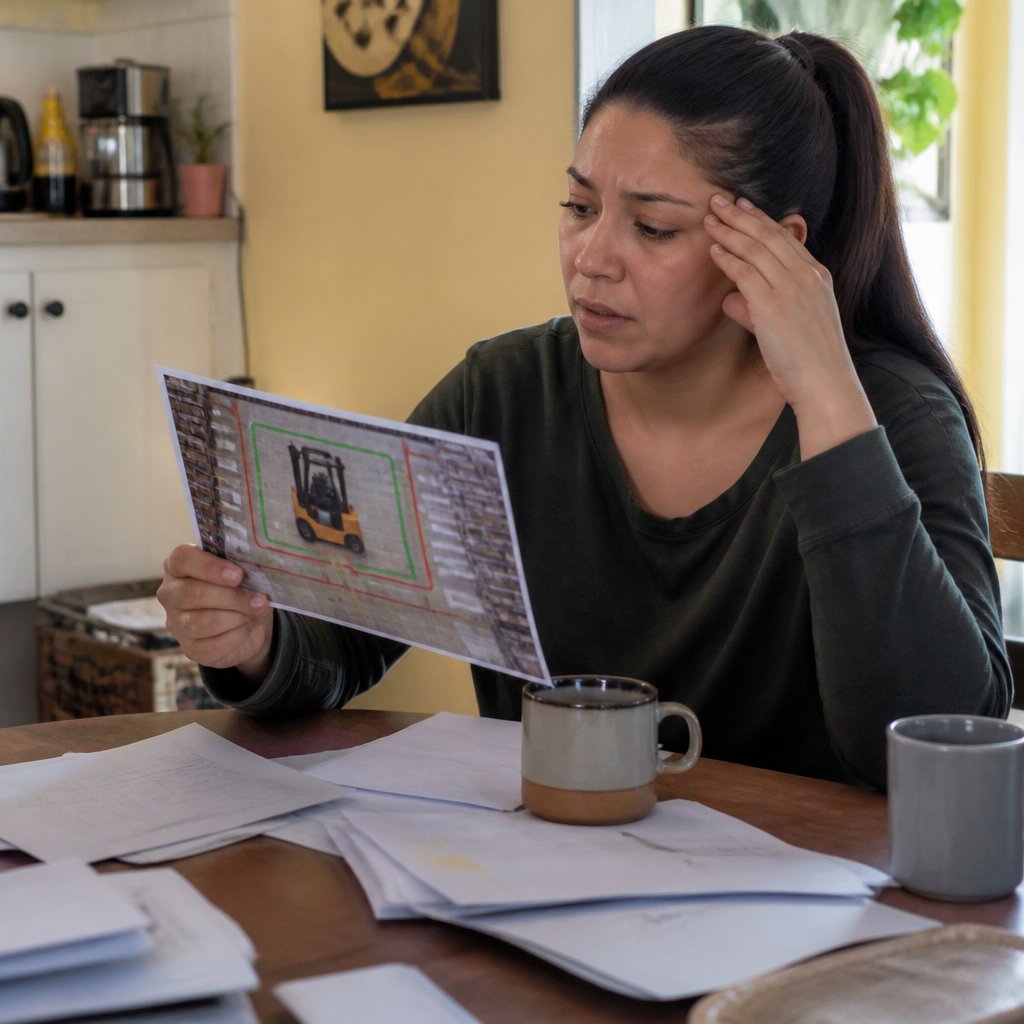
Late that evening, a coworker texted me a photo of the original forklift route map. The image clearly showed the painted line leading to an open edge with no guardrail. I stared at the printout in disbelief—the proof I needed. But when I tried to access the file on the shared drive minutes later, it was gone. The folder was empty, like someone had deleted the evidence in real time. The room smelled faintly of cleaning solvent as I sat at my kitchen table, the dim overhead light casting shadows across my notes. Panic bubbled up, but so did resolve. Someone was actively erasing what we had seen. I wondered how many files had disappeared before and how many would vanish after. The clock ticked loudly in the quiet, and I realized the next steps could mean everything—or nothing at all.
Unexpected Warning Hits Me
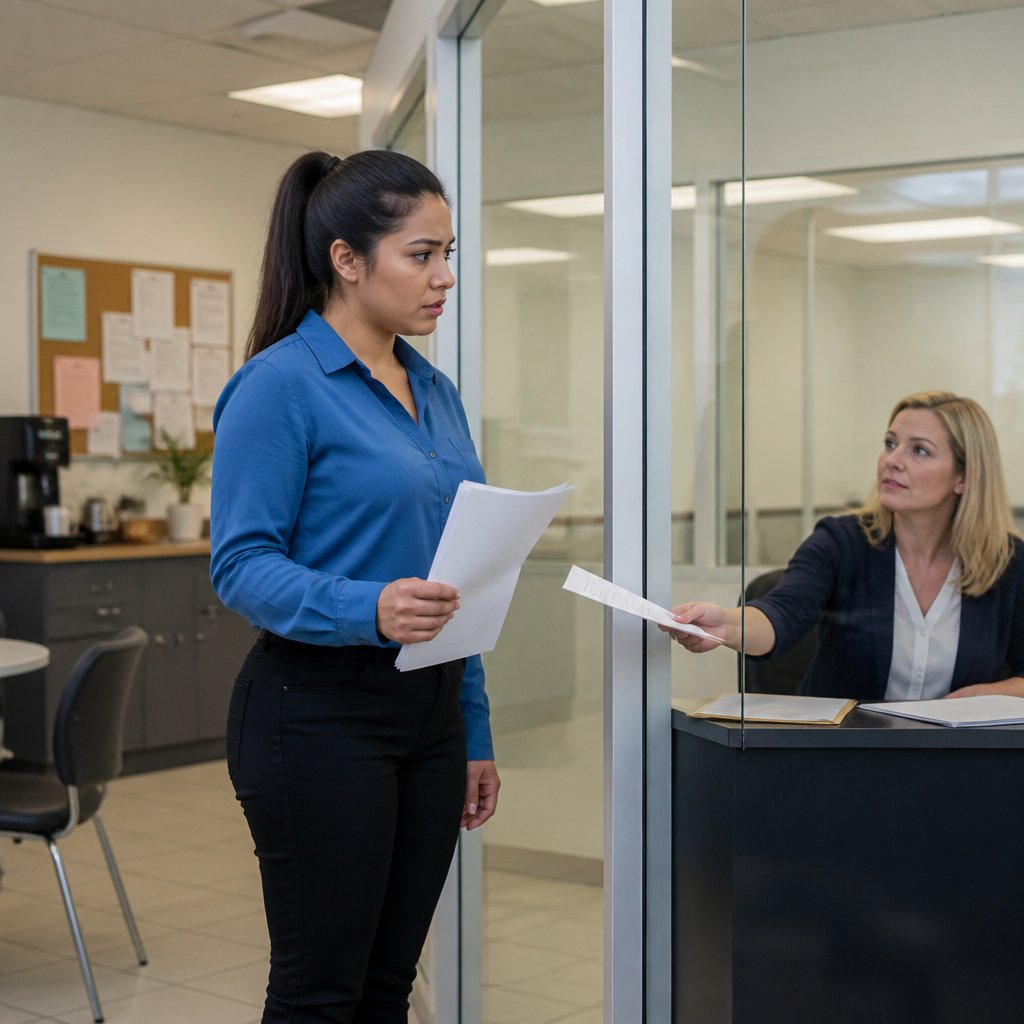
I started printing the emails and production boards from the past months. I needed physical copies—they could disappear from any drive at any minute. The smell of fresh ink filled the small supply room where I collected reams of paper. On my third trip, HR suddenly summoned me to their glass-walled office near the break room. Sonia, the HR manager with tightly tied blonde hair, handed me a printed memo about "documentation errors" on some reports I'd submitted. The errors were trivial—typos, minor formatting issues—things I'd never been coached on before. Then she said I was placed on a Performance Improvement Plan, or PIP, effective immediately.
Her tone was calm but firm. I could feel the tension thick in the cramped HR space. The fluorescent hum overhead matched the coldness of the words. I suspected this wasn’t about paperwork. They were building a case. I glanced down at the stapled memo, the thin paper feeling heavy in my hands. This was the first official step toward termination, but they framed it as help.
Leaving HR, my printed emails and boards felt like fragile evidence, but now I wasn’t just fighting for the truth. I was fighting for my job. The line between whistleblower and employee was disappearing. I didn’t know how far this would go, but the PIP was a clear warning.
Last-Minute Safety Overhaul
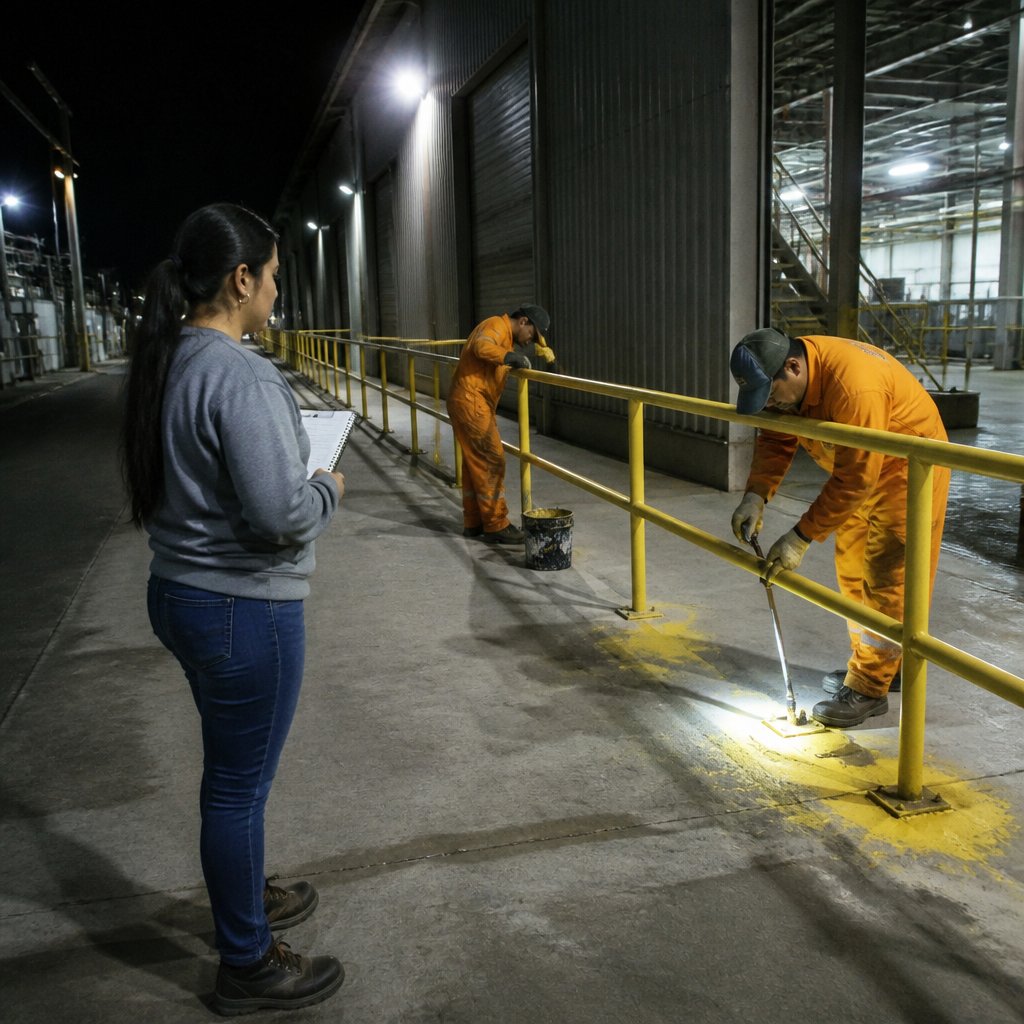
Corporate safety announced an audit scheduled for late next week. The news spread quickly through the plant, stirring uneasy whispers. Two nights before the inspectors arrived, maintenance crews showed up with tools and fresh paint. I stayed late on the production floor and saw them reinstalling guardrails, repainting bright yellow tape over the worn concrete floor. The harsh scent of fresh paint mixed with machine oil filled the air.
They worked quickly, almost furtively, like they were erasing months of neglect overnight. I watched as the guardrails I had protested missing—and that had caused the injury—were nailed back into place. The difference was clear: the plant looked ready to pass inspection, but none of that reflected the reality during my entire shift history. My notebook, now full of detailed notes, was the only record of what had actually happened. Everyone else seemed to accept the sudden fixes as proof things were fine.
The night air outside the plant was cool as I stepped out for a moment, the faint buzz of fluorescent lamps still humming inside. I felt isolated, caught between official appearances and the unsafe conditions I’d documented. The clock was ticking down to audit day, but I wondered if anyone else saw past the fresh paint and fixed rails.
Insubordination Charges Followed
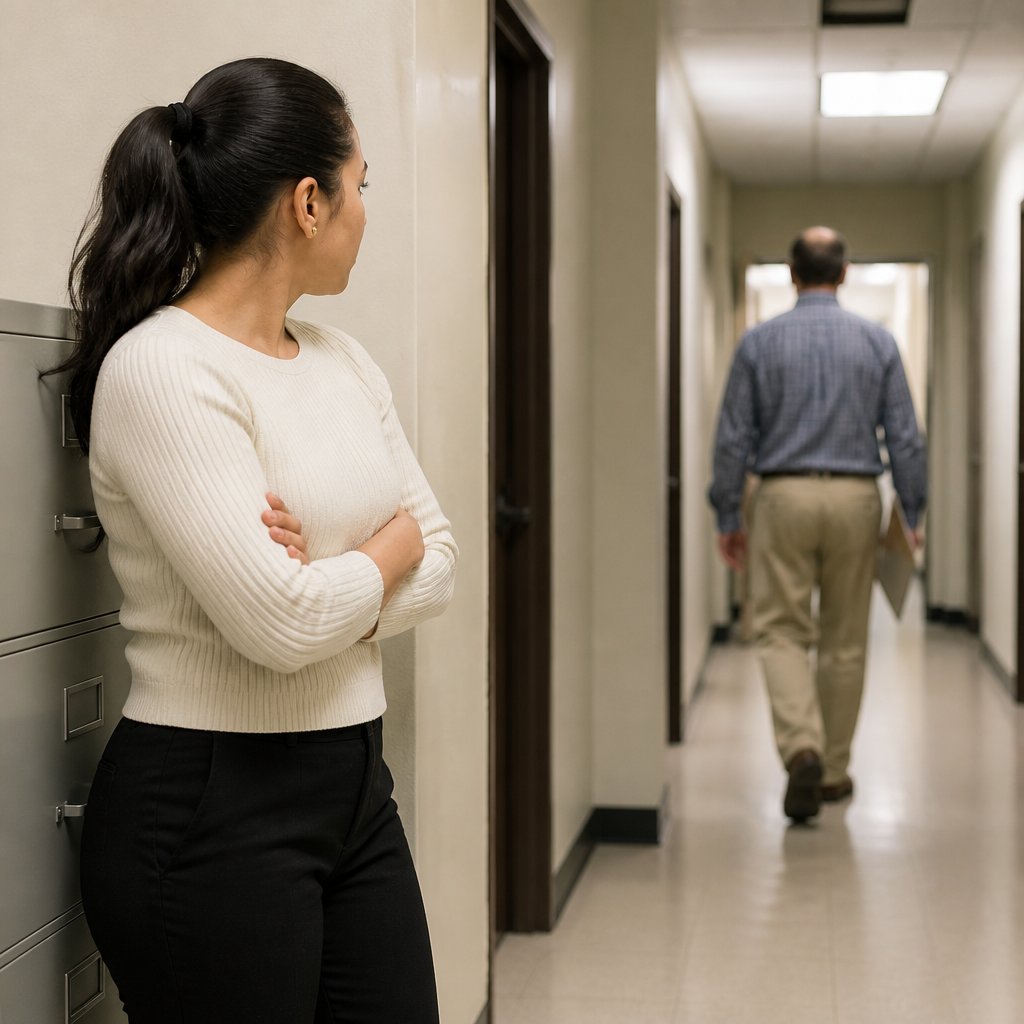
After the first day of the audit, I asked the auditor directly about how long hallway camera footage was retained. We stood in the narrow corridor outside the safety office, my voice calm but firm. The auditor, a middle-aged man with a trimmed beard wearing a plaid shirt and khakis, gave a vague answer before moving on. Later that day, I received an email notice from HR accusing me of "insubordination" for questioning authority during the audit. It felt like a punishment aimed specifically at me.
Meanwhile, IT sent an unusual message: my mailbox was auto-deleting incoming emails. I watched as my inbox shrank without explanation, the silence in my cubicle broken only by the soft tapping of my fingers. The HR department refused to place a legal hold on my account despite my requests. I was losing digital access and, with it, any hope of preserving evidence.
The hum of the air conditioner filled the gap where communication should have been. The tension was palpable as I realized the plant was actively blocking my efforts. I felt increasingly isolated and watched, every move scrutinized. My notebook and memory were the only things left untouched.
Silent Ethics Meeting Scheduled
I filed a report through the company ethics hotline. A few days later, corporate risk called me for a meeting off-site. They insisted no notes be taken, no recordings, and the conversation would be confidential. I sat across from a man in a navy suit and a woman in a gray blouse, their faces unreadable. The sterile conference room smelled faintly of coffee and paper.
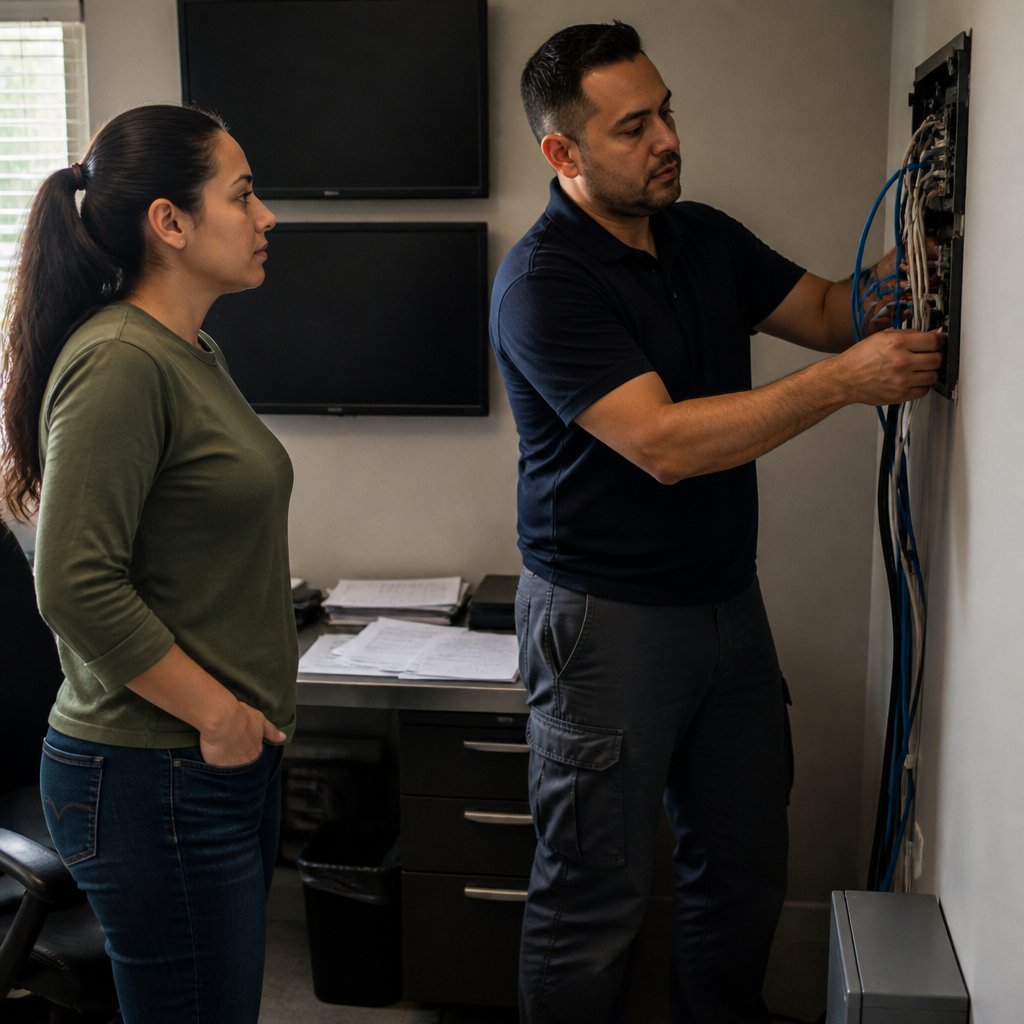
Afterward, a contractor showed up unexpectedly in the plant's small security office. He wore a dark polo and cargo pants, carrying a toolbox. Without explanation, he removed the network switch that connected the security camera closet. When I inquired, the security vendor refused to provide footage, claiming it was "unavailable." The sudden silence around the cameras was chilling.
The hum of the fluorescent bulbs above felt oppressive as the camera feeds went dark. Without that footage, the timeline I’d painstakingly built risked crumbling. I was beginning to understand how deep the cover-up went. My notebook might be the only proof left, but even that felt fragile against the weight of corporate silence.
Judge Demands Full Mailbox Export
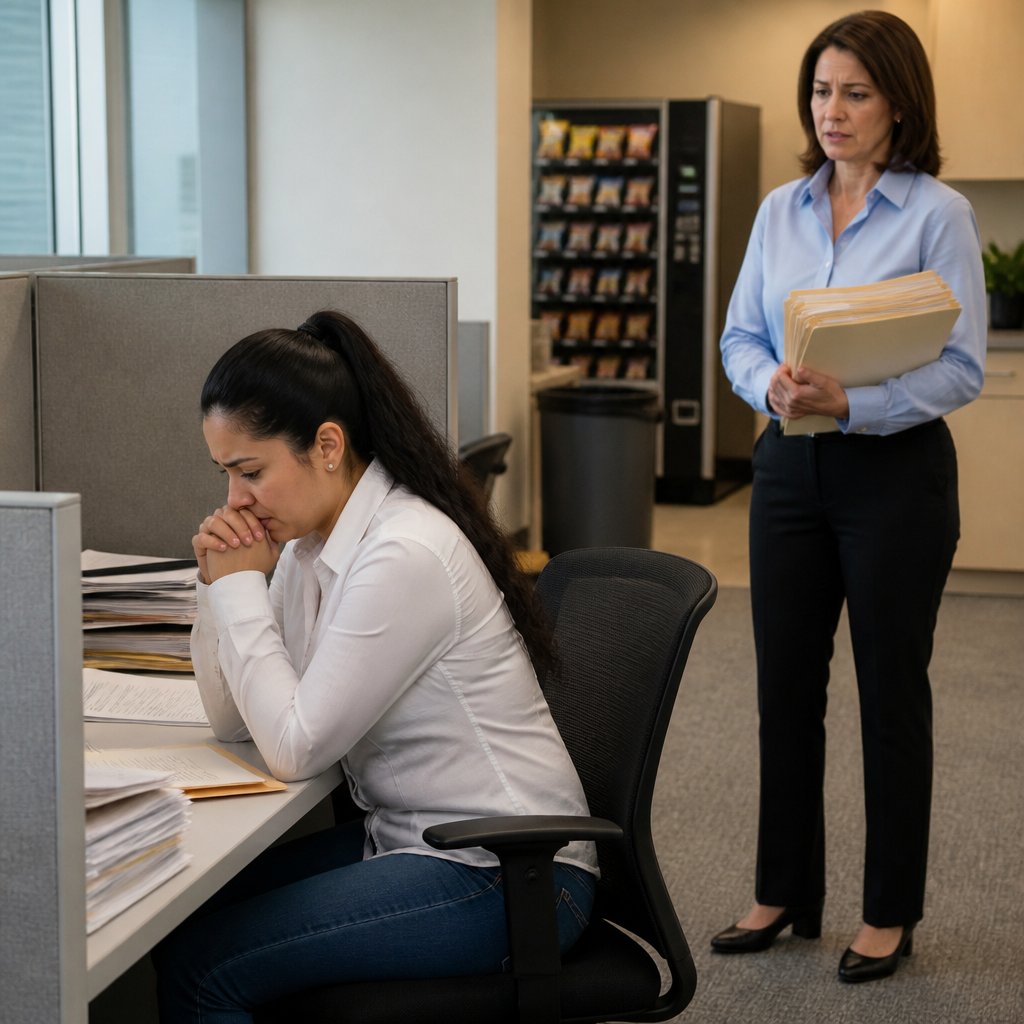
The judge's order came down hard: full mailbox exports and all camera system logs had to be handed over immediately. I was already on edge from the previous disappearances, but this legal demand meant the company had no choice but to comply—at least in theory. That morning, HR hurried into my cubicle area, clutching a thick folder. Maria, the HR lead, wore her usual black slacks and a pale blue blouse, but her expression was tight, almost furtive.
She slid the folder across my desk and whispered, "This is a high-NDA settlement offer. Sign it, and everything ends quietly." I skimmed the papers, eyes catching clauses that would silence me forever. I didn't sign. Instead, I sensed the shift immediately; rumors spread in the break room about my job status. Later that day, I was blindsided by a call from the state unemployment office. They told me I was being marked as fired for misconduct, a claim I hadn't heard directly from my manager or HR.
What stung was the next twist: HR was prepping sworn testimony to back the misconduct claim, weaponizing the legal system against me. My head was spinning as I sat in the cold, sterile HR office after being called in. The hum of the ventilation was the only sound, but it felt like the silence before a storm.
Backup Index Reveals Hidden File
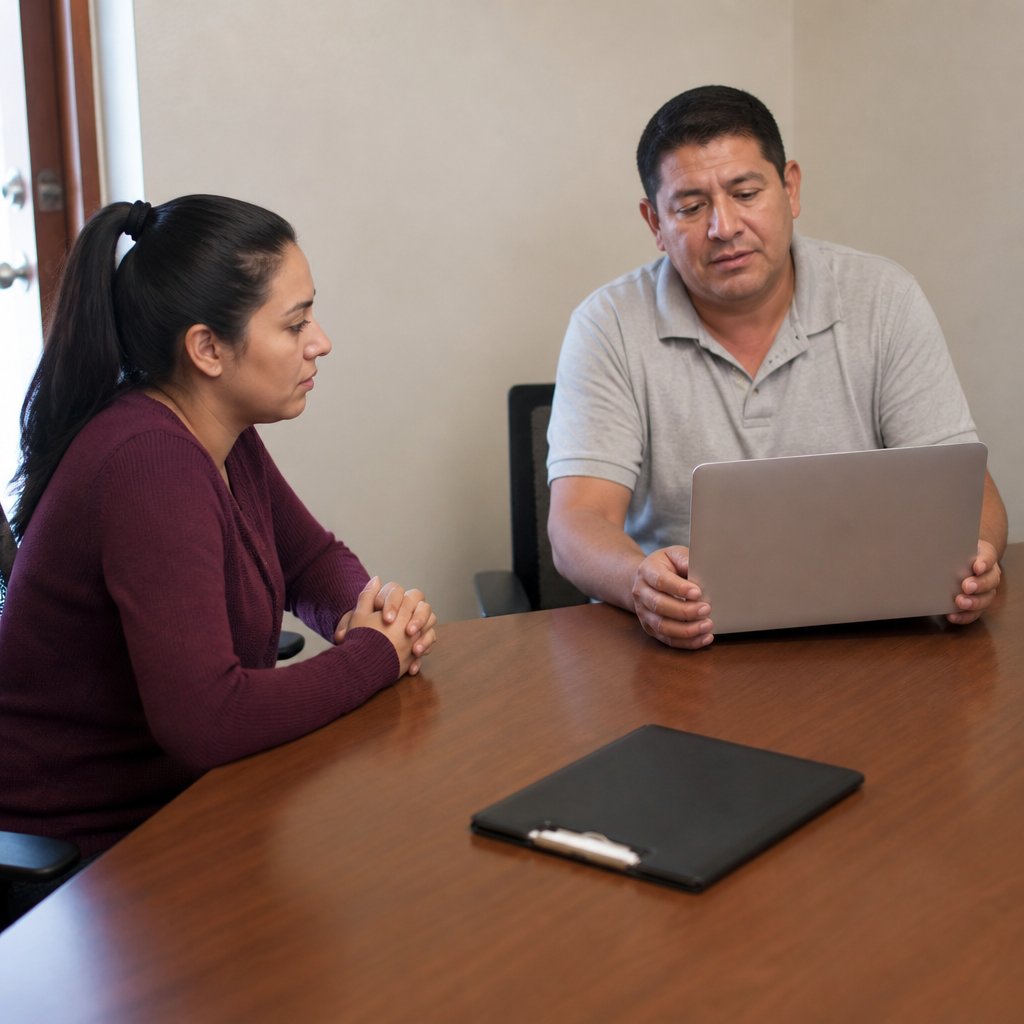
The unemployment hearing dragged on longer than expected. Marcy, the plant manager, sat across from me in the stiff chairs of the hearing room. She was wearing a gray cardigan over a white blouse, her blonde hair pulled back into a loose bun. She insisted firmly, "No guardrail was removed at any time."Her tone was calm but unwavering, erasing any doubt she wanted the official record to hold.
Then, just as the hearing was winding down, the IT administrator, a middle-aged man named Derek in a faded polo shirt and khaki pants, entered the room with a laptop. He looked uneasy as he revealed a new backup index line titled "Edge Route Update - TEMP Remove Rail.pdf" with his own signature plus Derek's approval. I felt my heart beat faster, realizing this was the evidence we needed.
But Derek warned that files like this often vanished fast once they surfaced. I knew I had to get a copy of that file before it disappeared again. The sterile walls of the hearing room felt colder as my mind raced to the next move.
Should the company take responsibility for the injury?