



When Watching Became Timing
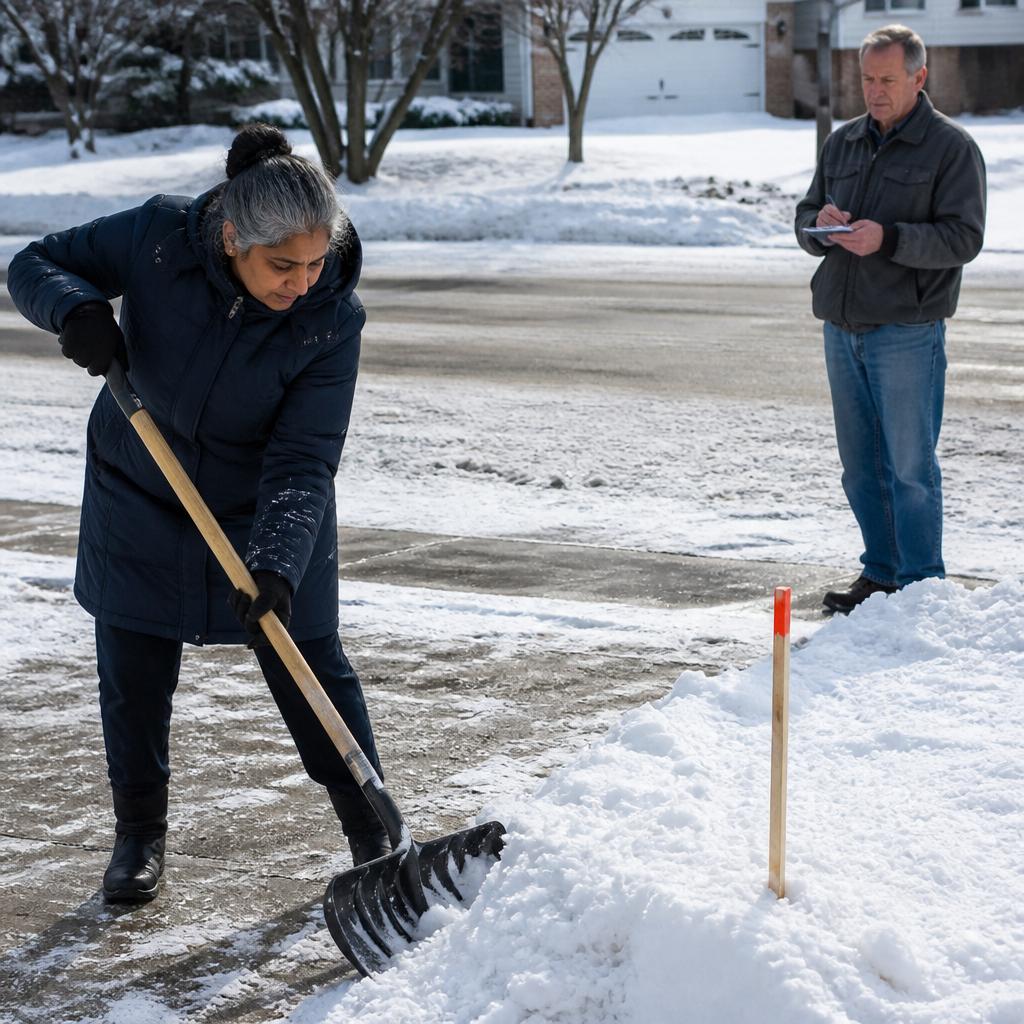
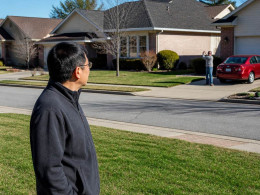
For six winters, Derek and I had an unspoken agreement: we'd share snow removal duties along our adjoining driveway. Nothing formal, just neighborly cooperation. But this season, something shifted. I noticed him standing across the street one afternoon, arms crossed, eyes fixed on me as I shoveled the first heavy snowfall. He wasn’t just watching; he was timing each shoveled foot, taking notes on a folded piece of paper.
The chill in the air wasn’t just from the weather. His gaze felt less like concern and more like calculation. The faded line of the driveway running between our properties—once a symbol of shared effort—was suddenly a boundary in a silent competition.
I looked toward our property line, marked faintly by a rusty surveyor's stake barely visible through the snow. Derek’s slow ticks of his stopwatch echoed the tension between us. The sense of easy neighborliness was cracking, replaced by an unspoken challenge. Was he gathering evidence? And what would he do with it?
The Storm That Broke The Pact
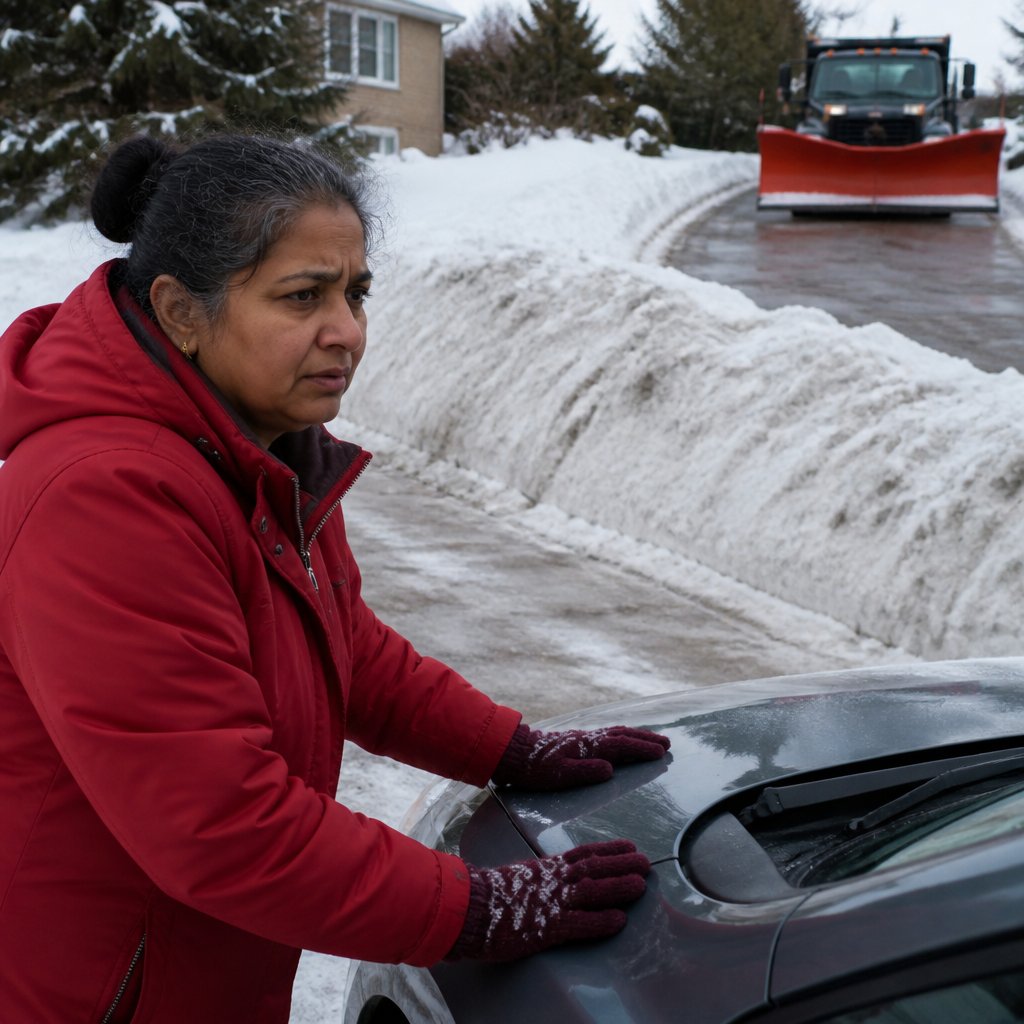
A massive winter storm rolled in overnight, dumping nearly a foot of snow. When dawn broke, Derek was already out with his plow truck, clearing the driveway long before I could dig my car out. But instead of a clear path, I found a deep ridge of snow piled across the first eighteen inches of my approach.
My car was trapped behind what looked like a deliberate wall of snow. The cold air smelled of diesel and wet snow as I tried to push the pile aside with my gloved hands. The ridge was firm, compacted by the plow's metal blade. What used to be helpful turns, it seemed, had become control. Derek’s early plow job effectively blocked the part of the driveway I considered mine.
As I stood there, frozen fingers gripping the hood of my car, I realized the snow partnership was no longer about shared effort. It was about power. What had changed overnight to make "help" feel like a claim? The boundary between our properties had never felt so real—or so divisive.
The Invisible Boundary Declared
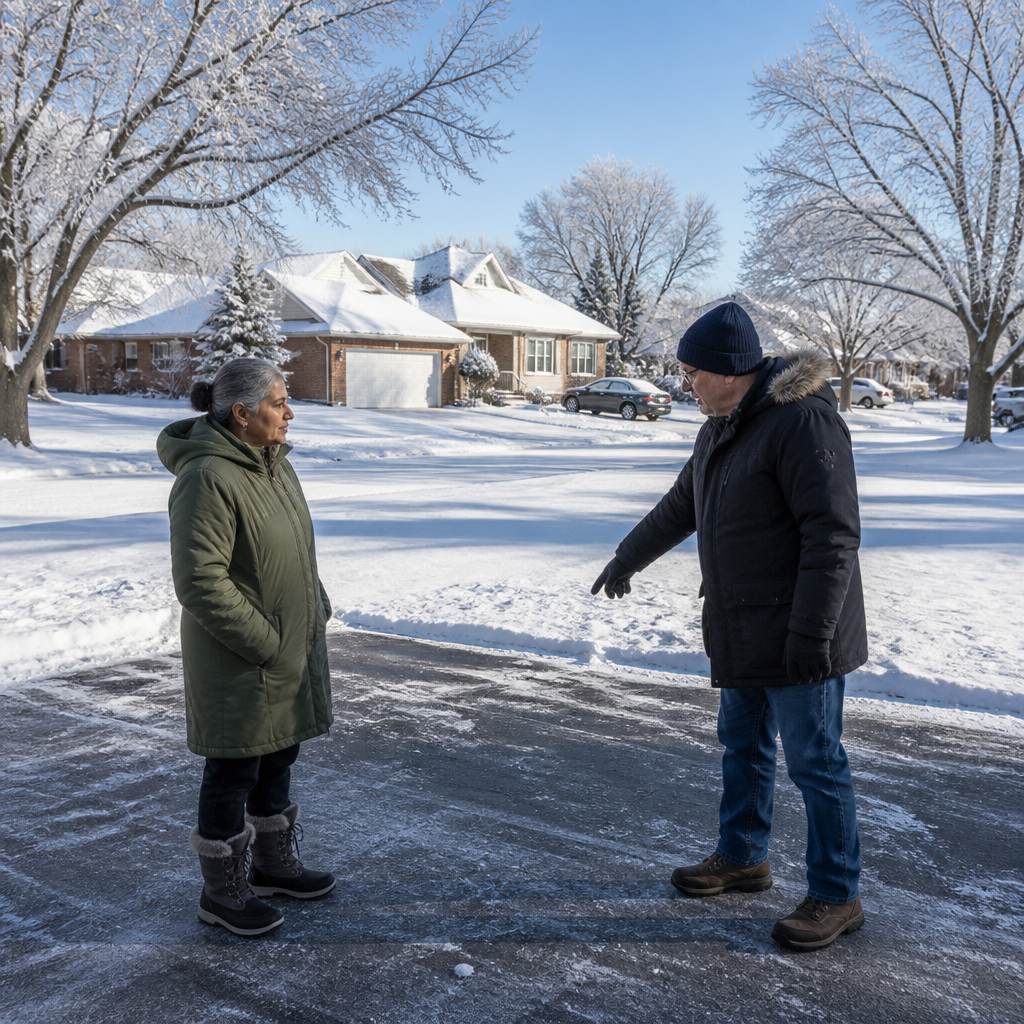
After I shoveled through the snow ridge, clearing a narrow path, Derek appeared at the edge of the driveway. His face was flushed from the cold, wearing a dark parka and a knit hat pulled low. He accused me of "damaging his plow line," pointing at the disturbed snow where I'd made my way through.
He spoke firmly about an invisible boundary, declaring that the first eighteen inches were "his half" of the driveway. It was the first time he’d verbally enforced a division that neither of us had officially recognized before. The words felt like a line in the snow stronger than any physical mark.
Standing on my side, the crisp crunch of snow under my boots, I realized this new claim meant more than just snow removal. Derek was redrawing the map of what was mine and what was his without a survey or agreement, turning the shared driveway into contested space.
The Cameras Appear Outside
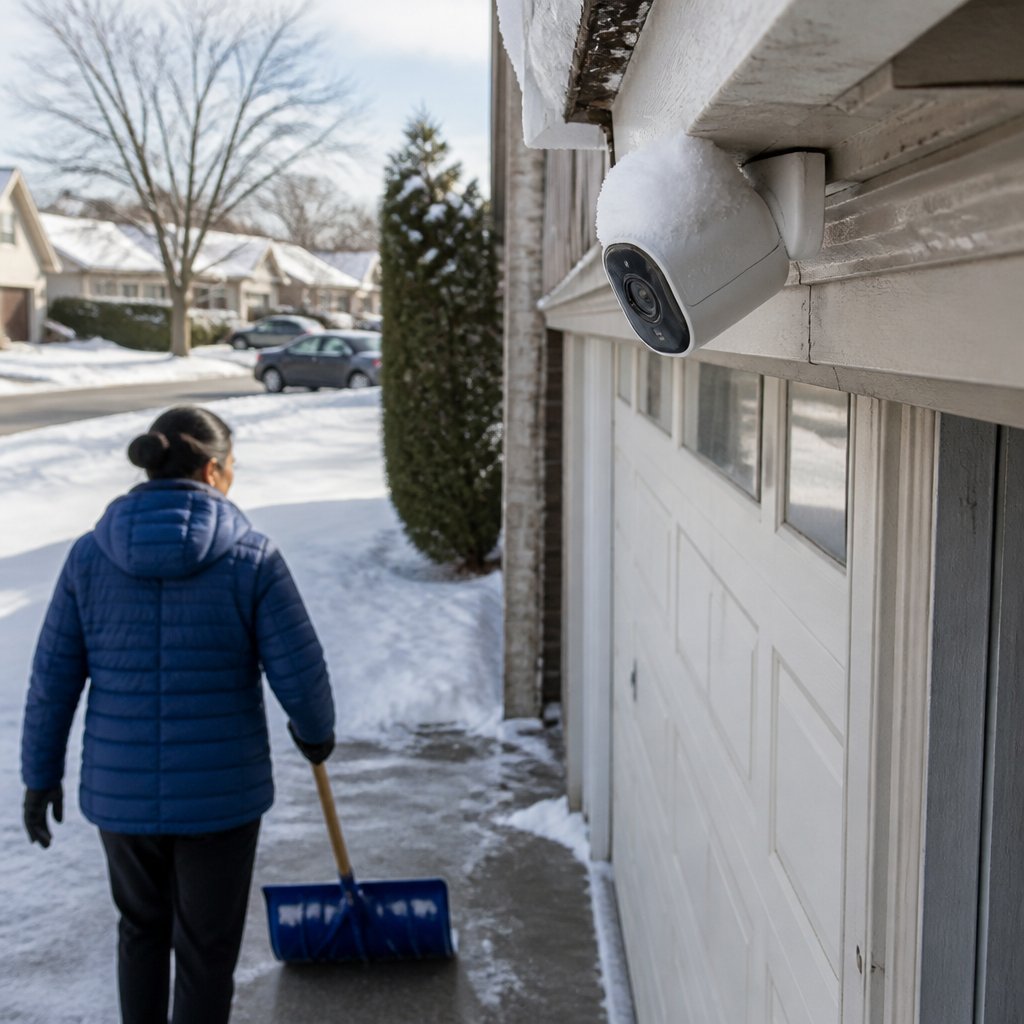
Not long after the boundary dispute, I noticed a new security camera mounted on Derek’s garage eave. It was angled squarely toward my garage door and the entire length of the driveway. The lens followed movements that once went unnoticed—my coming and going, the placement of tools, even the pattern of my snow clearing.
The cold metal of the camera contrasted with the soft white snow around it. It wasn’t just about watching anymore; it was about recording, documenting every action on what he now claimed as shared property. The quiet hum of his garage door opener, the scrape of shovel on concrete, all potentially caught in the unblinking eye of technology.
To me, this change felt like a shift from neighbor to adversary. Routine use had become surveillance, and every move I made was a potential infraction on tape.
The Township’s Notice Arrives
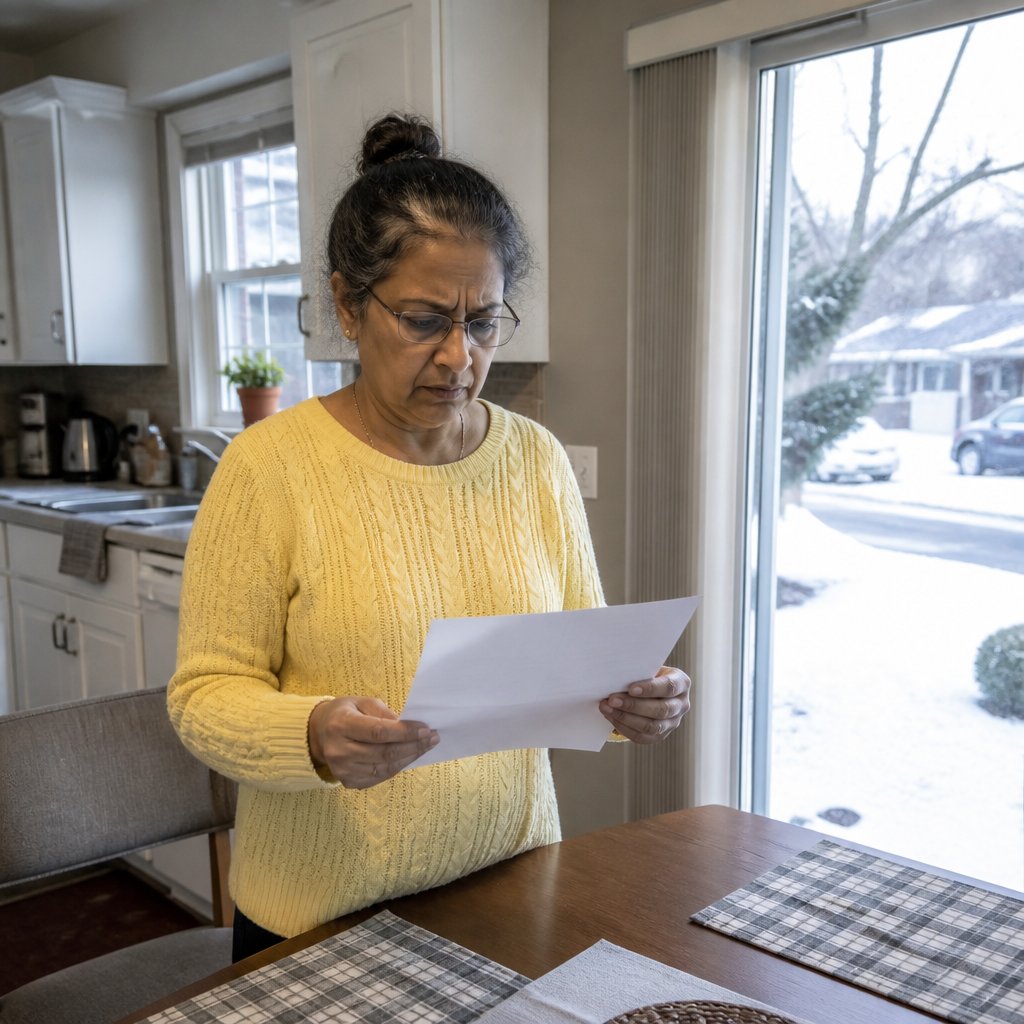
One morning, I found a township ice-accumulation notice slipped under my front door. The paper warned about hazardous ice buildup on private driveways and the liability risks if not addressed promptly. When I asked Derek about it, he admitted he’d called the township in.
He said it was "for liability," to protect both our properties. But it felt more like a weapon than a warning. The crisp paper in my hand became a symbol of enforcement rather than cooperation.
The snow crunching underfoot outside contrasted sharply with the cold firmness of Derek’s stance. He seemed to believe involving the township would give him the upper hand, turning a neighborhood concern into an official matter.
The Safety Rewrite Ultimatum
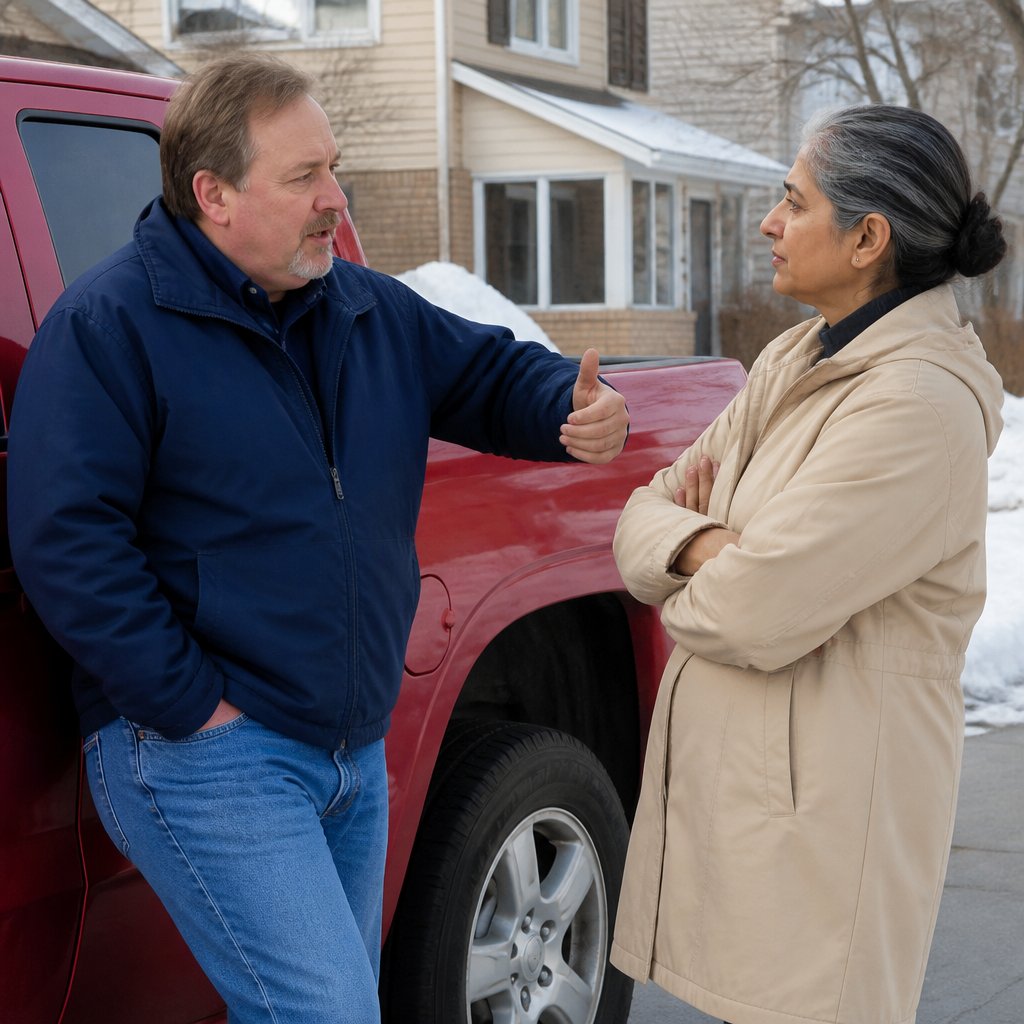
Derek approached me with a new proposal: he would take full control over all plowing duties, and I would pay him a fixed monthly fee to cover the service. It was framed as a "safety" measure, but it felt like an ultimatum disguised as cooperation.
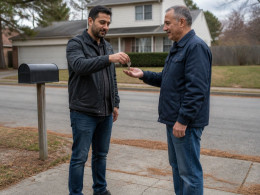
He wore a navy jacket and jeans, leaning against his pickup truck parked in his driveway. His tone was firm but measured. "This way, there’s no confusion," he said. "I handle the plowing, so it’s done safely and consistently."
The winter air smelled of salt and exhaust. His offer implied that I was relinquishing my informal rights, turning what had been a shared effort into a paid service controlled solely by him.
Hiring Help Raises Threats
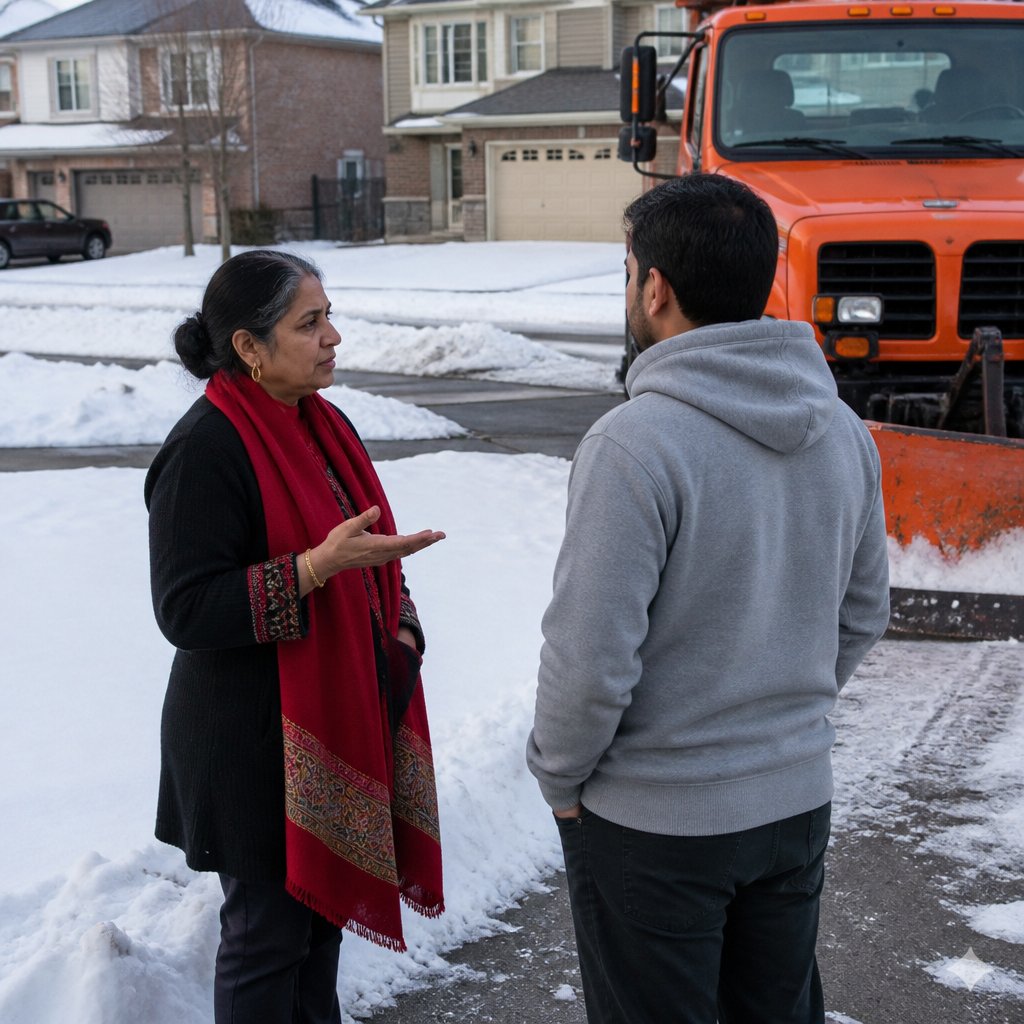
Refusing to accept Derek’s proposal, I hired my own plow service. The driver arrived in a bright orange snowplow truck, clearing my side efficiently. But Derek’s response was swift. He warned me he would report any contractor who crossed "his side" as trespassing.
He stood at the edge of the driveway, arms folded, wearing a gray hoodie and work boots. The crisp scent of diesel mixed with frozen earth as I explained my position. Suddenly, a routine snow clearing had escalated to potential legal risk.
The stakes were rising. It was no longer just snow or property lines; it was now a question of who had the right to use which part of the driveway, and what consequences might follow for crossing invisible boundaries.
Cones, Chains, And Recorded Moves
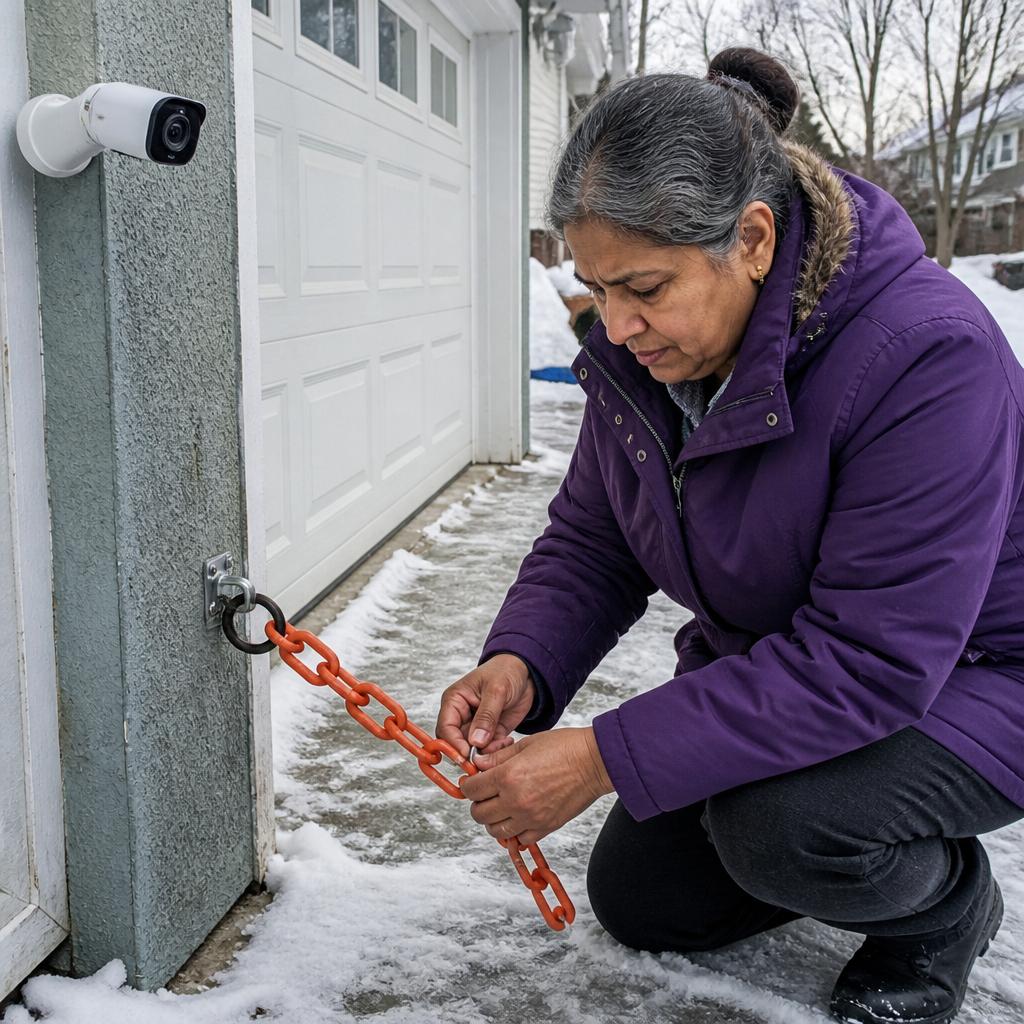
After the next storm, I woke to find orange traffic cones and a plastic chain stretched down the driveway. It was a clear physical barrier Derek had set up. To leave for work, I moved the chain and cones aside, but he filmed the entire action, treating my simple gesture like a violation.
My breath fogged in the cold morning air as I carefully disconnected the plastic chain, the faint crunch of snow beneath my boots the only sound apart from the camera’s quiet motor. The homemade blockade wasn’t just about snow anymore; it was about control and surveillance.
His recorded footage now captured not just my driveway use but my response to his obstructions. The line between neighborly dispute and legal conflict was blurring fast.
The Cease-And-Desist Letter
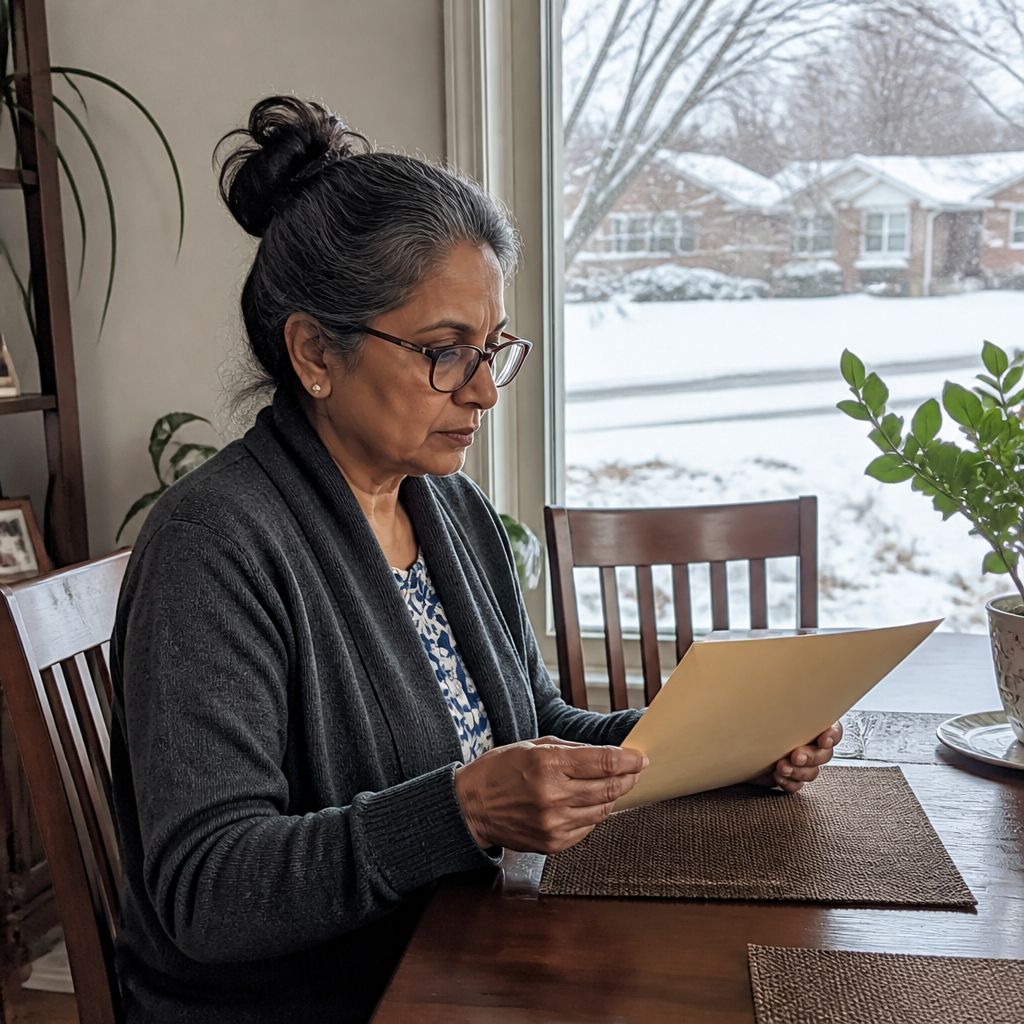
One afternoon, I received a certified cease-and-desist letter. It alleged trespassing, interference with property, and "tampering" with Derek’s snow barriers. The formal tone of the letter made everything official—it wasn’t just a neighborly dispute anymore; it was potentially litigable.
Holding the thick envelope, I felt the weight of the situation settle in. The quiet suburban street outside my window was still and white, but inside, the air was charged with unresolved tension. Derek had escalated the conflict into legal territory.
This letter wasn’t just words on paper—it was a barrier, a challenge, and a demand. How would I respond without losing my rights or peace of mind?
The Survey’s Vague Centerline
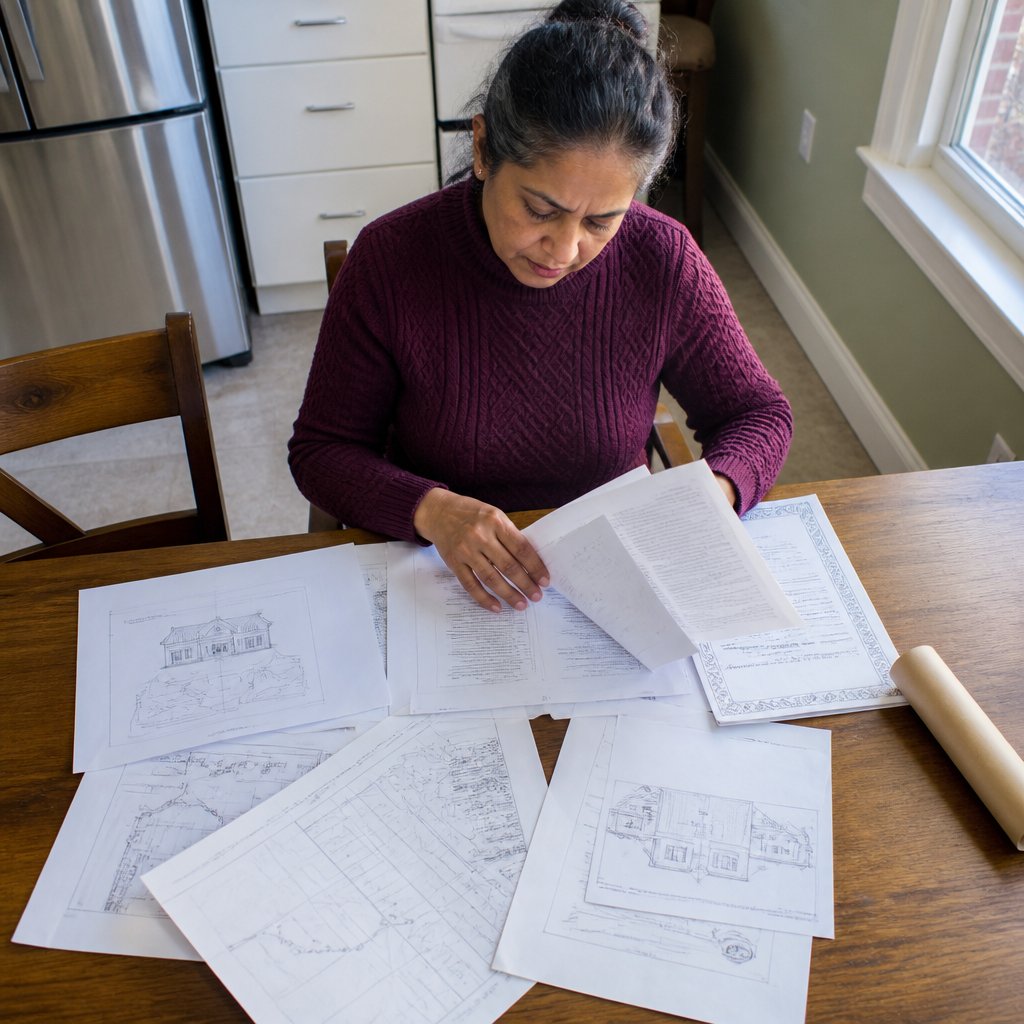
I pulled the deed, easement documents, and a recent plat survey to understand the property lines once and for all. Surprisingly, the centerline language was vague, referencing a missing monument that should have marked the boundary.
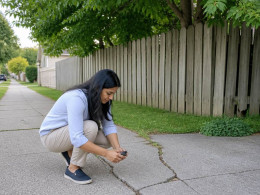
The surveyor’s notes mentioned a "lost reference point," leaving the actual division uncertain. The crisp paper crinkled in my hands as I sat at my kitchen table, the late afternoon sun casting long shadows on the documents.
This meant no one could conclusively prove where the first eighteen inches belonged. The invisible boundary Derek claimed was legally ambiguous, leaving our dispute stuck in a murky legal gray area.
Survey Crew Meets Derek's Challenge
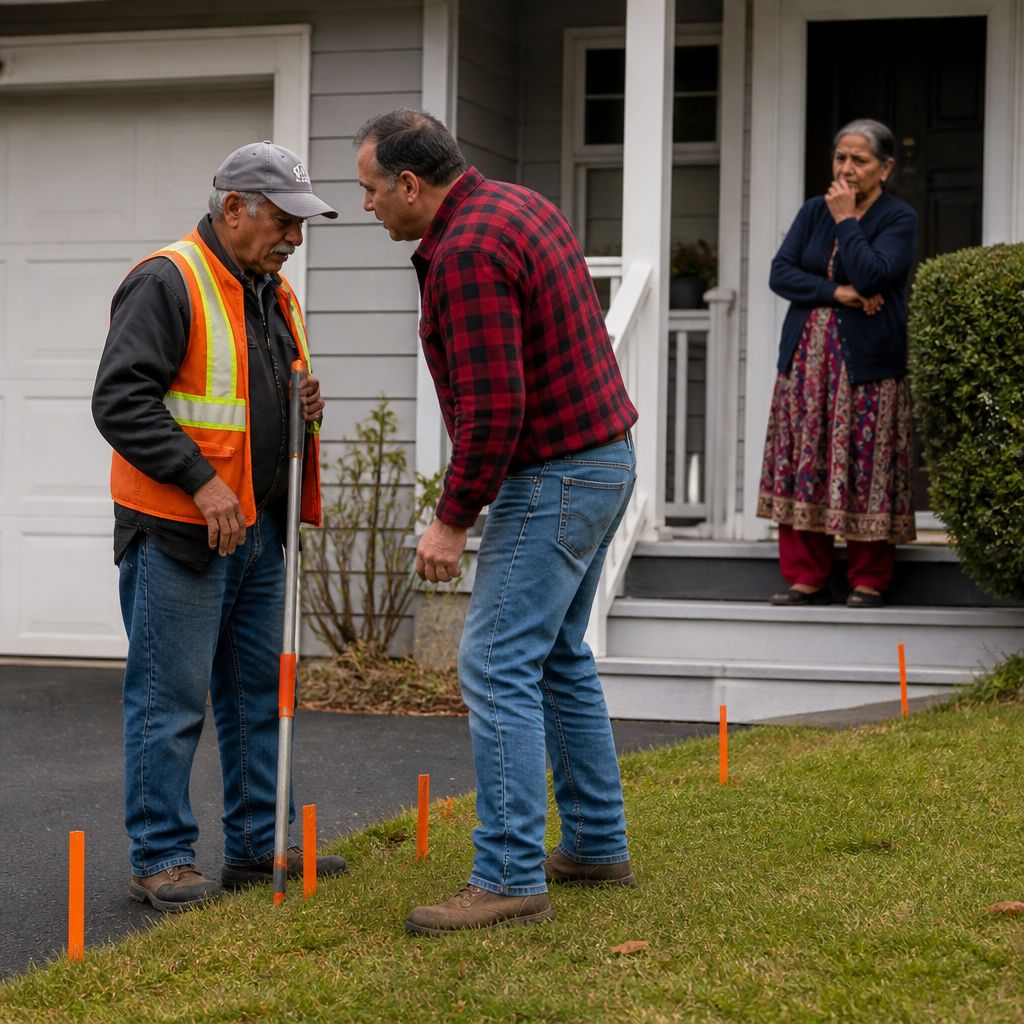
When the surveyor and his crew pulled up in their truck that morning, I felt a flicker of hope. Derek was already waiting outside, pacing on his front lawn in a red flannel shirt and worn jeans, hands on hips. The surveyor, an older man with a thick mustache and a faded company cap, unloaded their stakes and measuring equipment carefully. As the crew started marking points along the edge of what I believed was my property, Derek stormed over, his voice sharp.
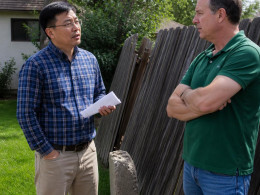
"You have no right to stake my lawn," he said, gesturing broadly toward the grassy strip between our driveways. The surveyor paused, looking Derek in the eye. "Sir, we're working with the property deeds. This is the legal boundary. If you'd like, I can show you the documents." Derek scoffed and waved him off, clearly upset. The tension thickened as Derek stood right where the surveyors intended to place a stake, leaning into their work space. I noticed the smell of fresh-cut grass mixed with the cold metal of the stakes.
Despite the protest, the crew pressed on, but Derek was unrelenting. Watching the standoff, I realized this was no longer just about a line in the ground—it was becoming a full-on boundary war.
Diagonal Line Cuts Across Driveway
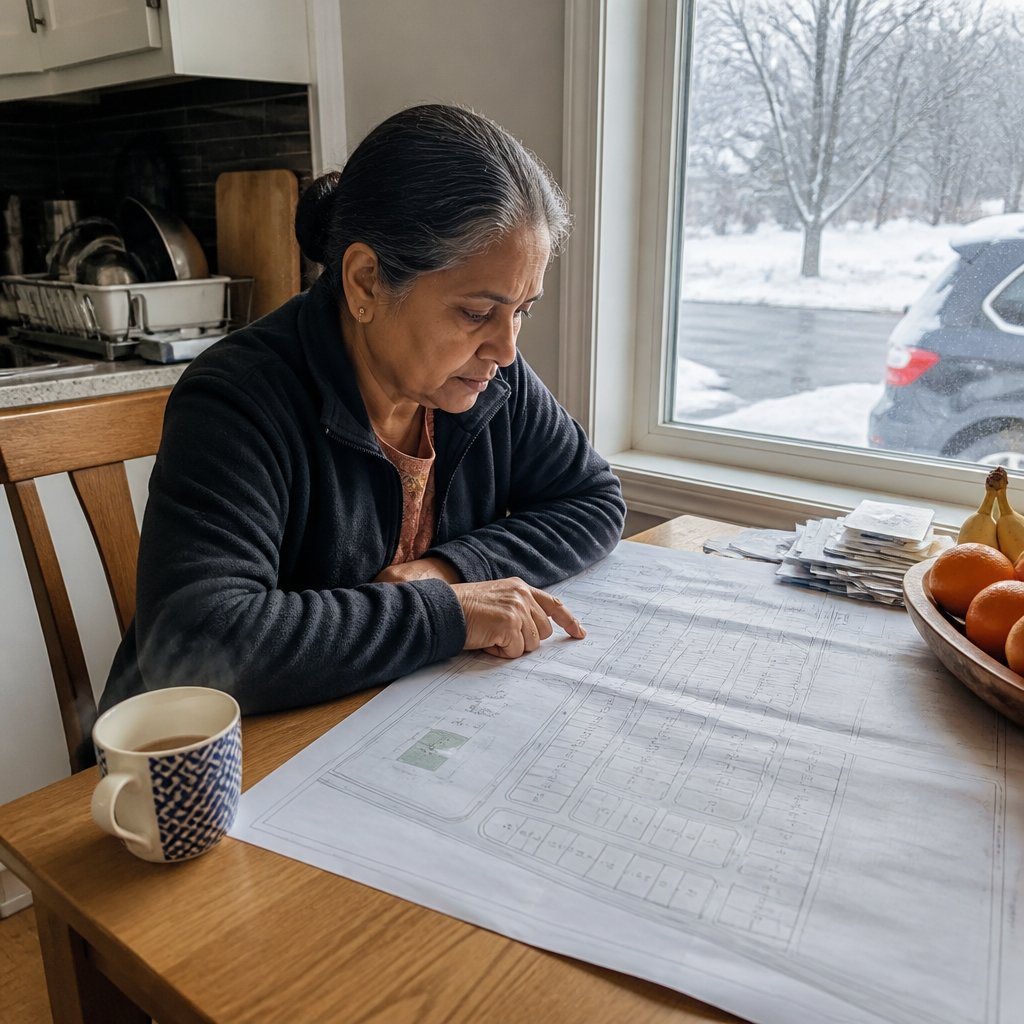
By midday, the surveyor returned with a detailed map, and I sat at the kitchen table with the thick sheet spread before me. The diagonal line cut sharply across the driveway’s width, slicing through the asphalt about eighteen inches from my side. The official property line wasn’t where Derek had claimed—it was skewed, crossing the paved surface itself. The asphalt edge had shifted over the years, worn down and uneven, giving the illusion that the driveway belonged evenly to both of us.
I ran my finger along the line on the paper, tracing the boundary that cut into what I’d always thought was a shared middle ground. The surveyor explained that older deeds used distant monuments that didn’t consider the driveway’s current width or changes. It made me wonder how Derek had been so confident about the ‘middle’ for all these years.
The smell of coffee lingered from my cup as I stared out the window at the disputed strip, now feeling less like a neutral zone and more like contested territory. This new information complicated everything—what if the driveway’s ‘middle’ was never really the boundary at all?
Derek’s Demands Escalate
After receiving the diagonal survey line that challenged Derek's claim, he didn't back down as I hoped. Instead, he escalated matters by refusing any more shared-cost arrangements for snow removal. He demanded exclusive rights to a specific strip of the driveway—claiming it as solely his—and insisted that my contractors be banned from accessing that area. His tone was firm, bordering on hostile, in a letter that was less a negotiation and more a decree.
I consulted my attorney immediately. She recommended filing a formal complaint to clarify the property lines and partition driveway use. This step would transform what had been a neighborly dispute into a real civil case. The idea of taking legal action against someone who'd once been neighborly felt heavy, but it seemed necessary to protect my rights.
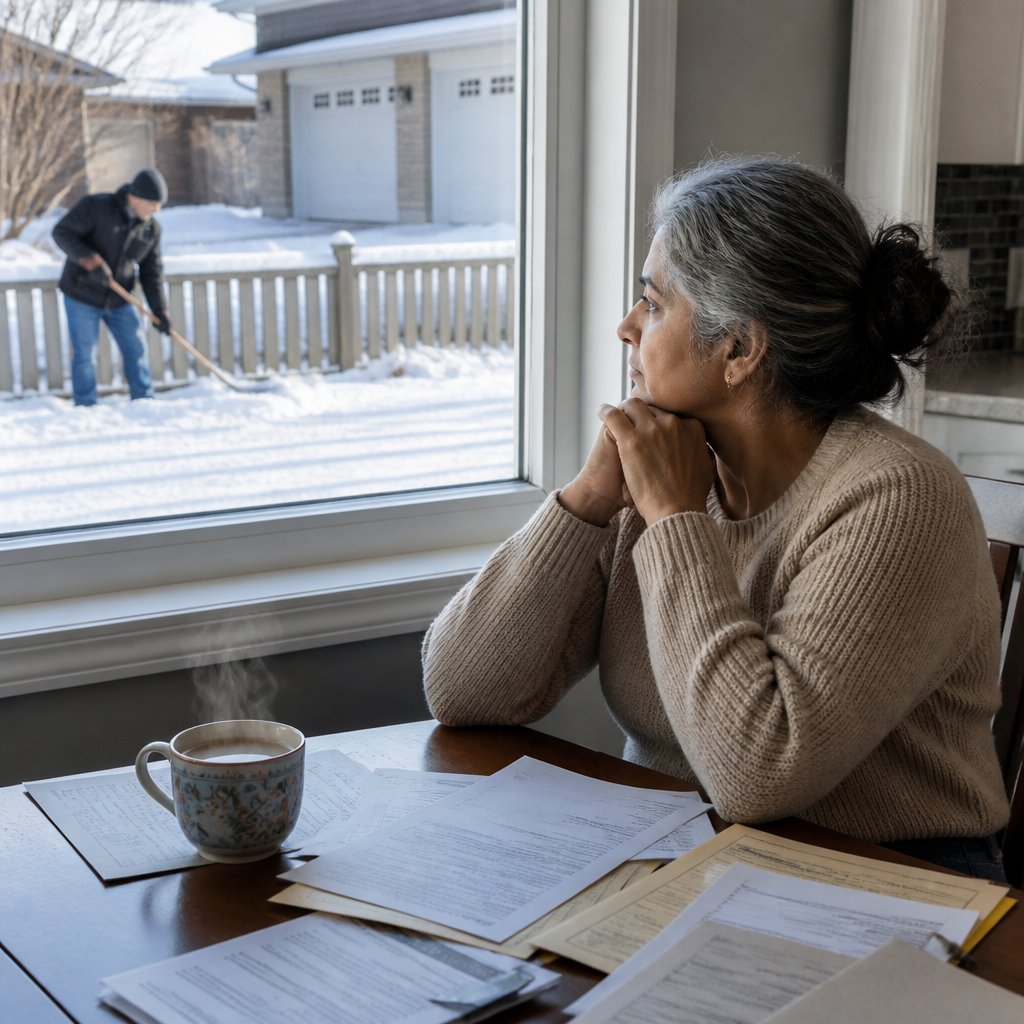
That afternoon, as I looked out from the kitchen window, I noticed Derek standing near the fence line raking snow away from what he claimed was his exclusive strip. His dark jacket and knit cap contrasted with the dull gray sky. The cold air smelled faintly of exhaust and wet pavement.
Court Issues Temporary Order
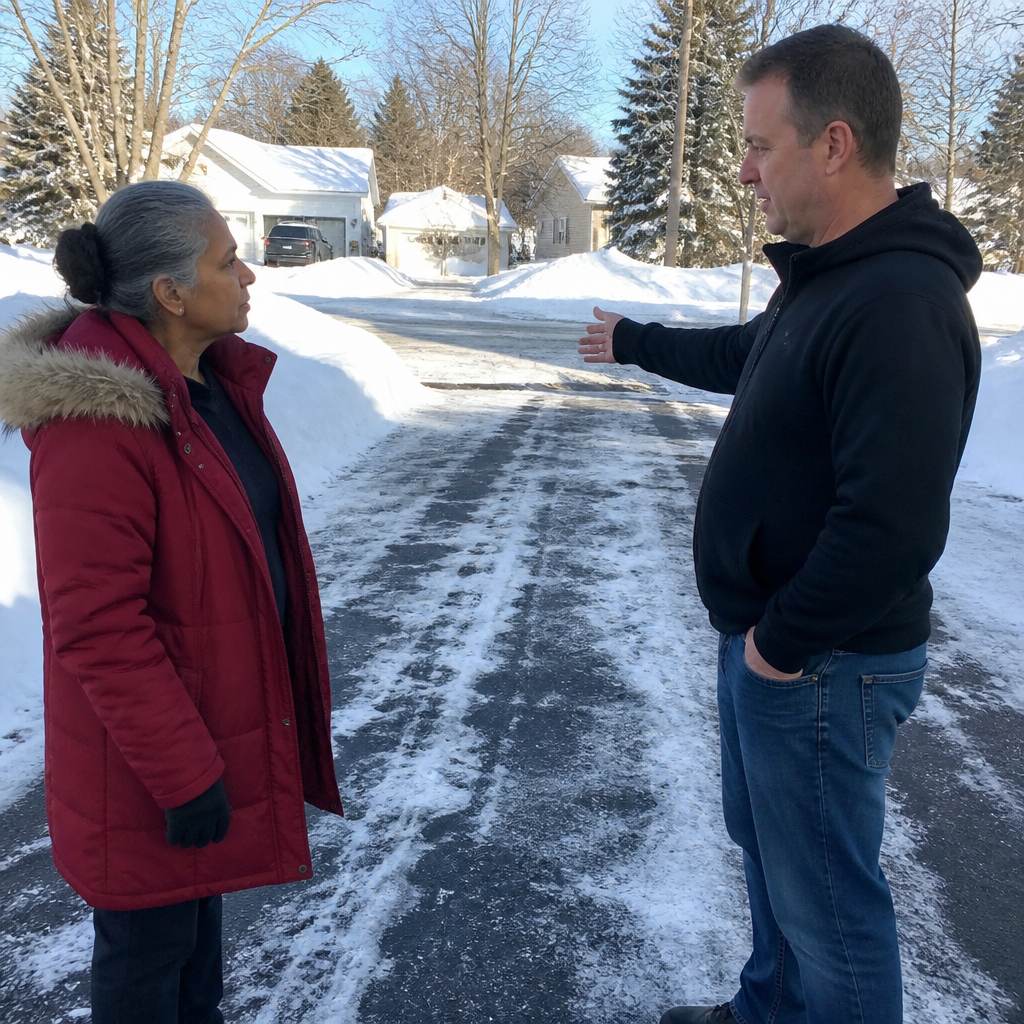
The court quickly issued a temporary order meant to keep the peace. It mandated that neither party could obstruct the driveway, that the path remained passable, and explicitly forbade piling snow near the centerline. The wording was precise, aiming to prevent future conflicts during the upcoming winter storms.
Then came the first real test. A heavy snowstorm swept in overnight, blanketing the neighborhood in white. The next morning, I stepped outside onto the driveway, feeling the crunch of compact snow underfoot. The air was crisp, and the faint scent of salt lingered.
Derek was already outside, pointing at his phone with a smirk. He claimed to have 'proof' that he complied fully with the court order, showing me screenshots of his security footage capturing his plowing and snow piling actions. But the images looked carefully selected, and I sensed there was more going on behind the scenes.
Snow Footage Sparks Metadata Battle

I produced my own security footage that morning, showing the exact angle of Derek’s plow blade and the precise location of piled snow. From my perspective, he was clearly pushing snow onto my designated area, violating the court’s order. The cold air smelled faintly of wet asphalt where snow had melted.
Derek fired back by producing a clip that, he claimed, showed me moving traffic cones to block his contractors. That shifted the argument from snow piles to the authenticity of the videos. We debated the metadata — timestamps, file integrity, and the gaps in full-length timelines.
The tension grew as neither side trusted the other’s evidence. Our attorneys argued over the technical details and whether these clips represented the full story or selective edits. It felt like the dispute was widening beyond the driveway to questions of honesty and motive.
Surveyor Appointment Turns Contentious
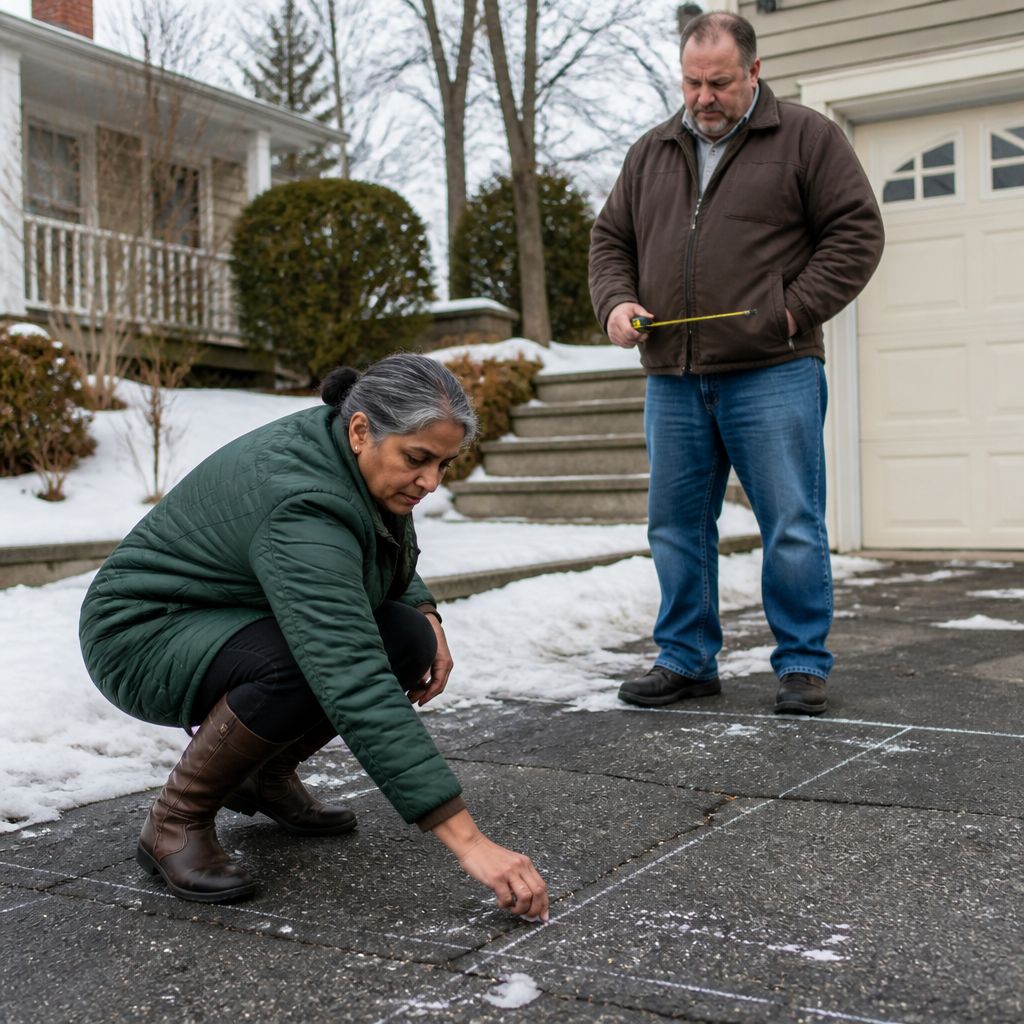
The court ordered a neutral third-party surveyor to reconcile the property lines once and for all. The surveyor marked tentative chalk lines on the pavement of the driveway, attempting to provide a clear visual boundary. The smell of fresh asphalt mingled with the cold outdoor air.
But Derek delayed cooperation, disputing the cost split for the survey and accusing me of trying to avoid payment. To complicate matters, he chalk-marked additional lines on the pavement. When the surveyor’s original chalk lines mysteriously vanished overnight, Derek accused me of ‘defacing’ them—turning an already tense situation into accusations of sabotage.
I was left staring at the driveway, now crisscrossed with conflicting chalk lines that muddied the issue rather than clarified it. Each faded mark whispered of the growing mistrust between us.
Evidentiary Hearing Approaches
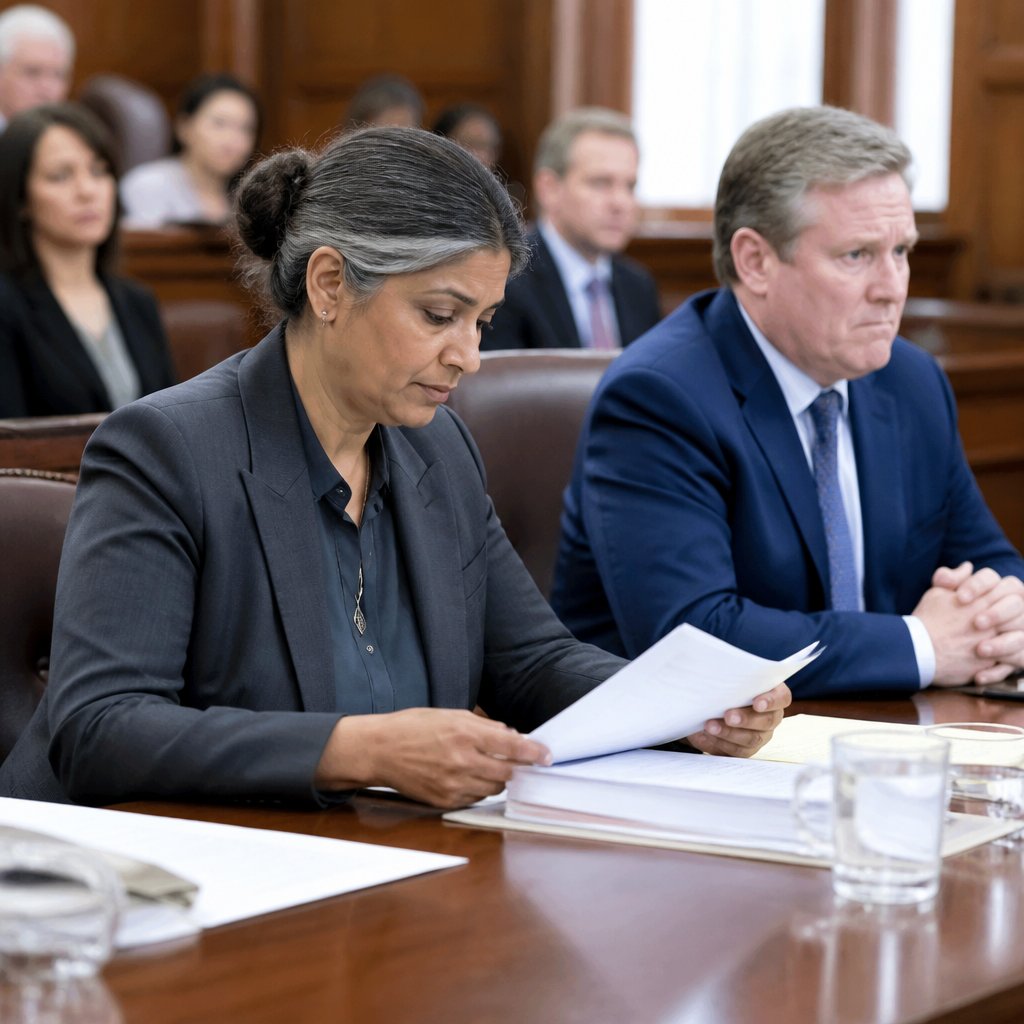
An evidentiary hearing was scheduled to settle the deeper questions: easement language, historical driveway use, snow removal practices, and the authenticity of security footage. We gathered piles of documents and footage, trying to prepare.
Derek’s video exports were incomplete, with crucial portions clipped and missing metadata. In contrast, my files had detailed logs and timestamps. During the hearing, a subpoena compelled Derek’s vendor to produce recording logs, revealing suspicious gaps the vendor blamed on recent "updates" to the system.
The courtroom smelled faintly of polished wood and paper as our attorneys debated the credibility of evidence. Derek maintained his innocence, but the inconsistencies raised more questions than answers.
Surveyor’s Plan and Final Hearing Tension

The neutral surveyor confirmed the easement corridor and proposed a practical partition plan: a painted line on the driveway, designated snow zones, and a rotation schedule for plowing. The idea was to create a fair, enforceable system that respected both parties’ rights.
At the final hearing, Derek tried a last-minute ‘gotcha’ by presenting a clip he claimed supported his position. But vendor records and stake photos showed the video actually came from a different date, undermining his credibility. The judge hinted that sanctions might be considered as the ruling loomed.
The air in the courtroom was heavy. I felt the rough edges of tension pressing in, knowing this was the moment when the long fight might finally reach a conclusion.
Was the neighbor justified in sending the cease-and-desist?