



Inspector’s Surprise Failure
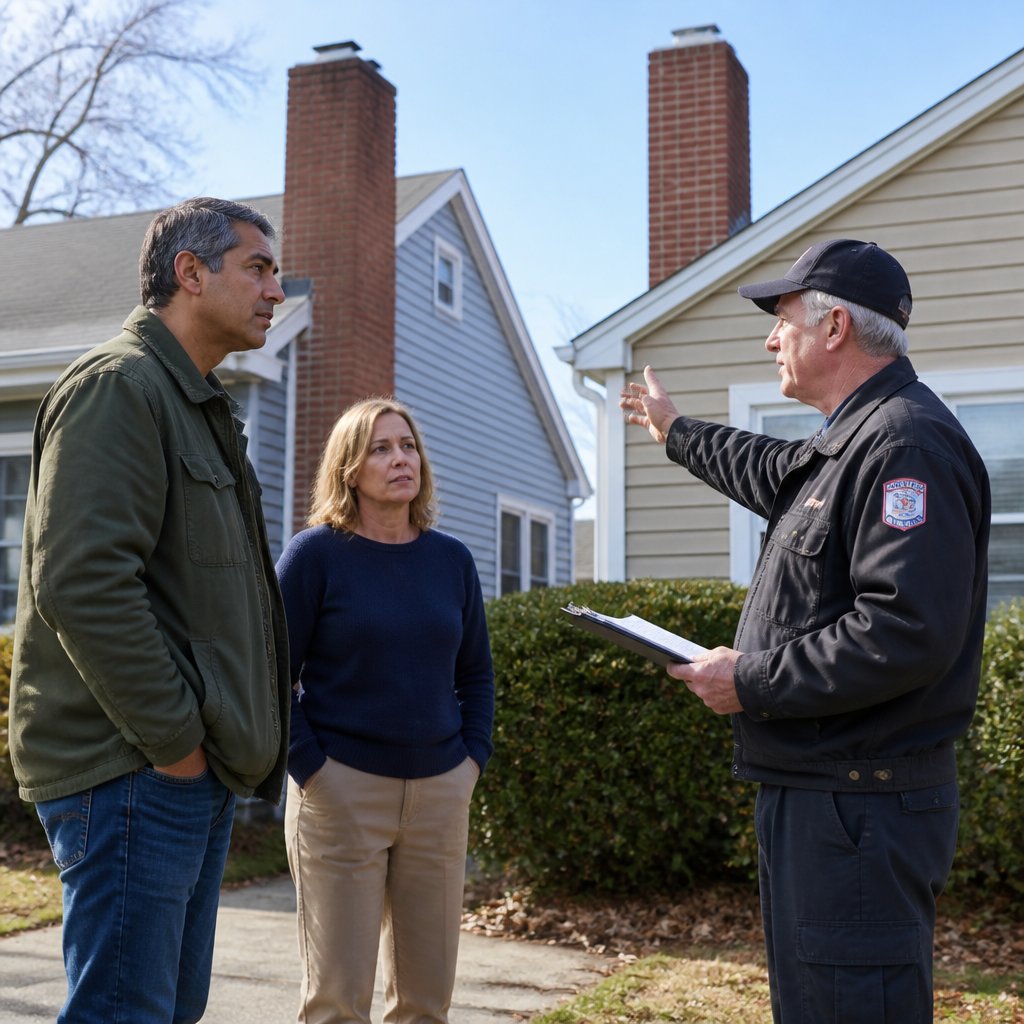
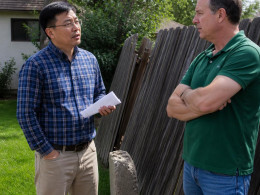
The township inspector showed up on a chilly Thursday morning. I met him outside by the driveway while Tricia watched from her porch across the street. We both had our chimneys checked back to back. The inspector didn’t waste time. He told us both flues failed the inspection—no passing marks. Then he slapped on a 30-day correction deadline before leaving us standing there like it was suddenly a legal problem. At first, the chimney stack seemed like a shared house maintenance matter. Now it felt like the start of a legal fight.
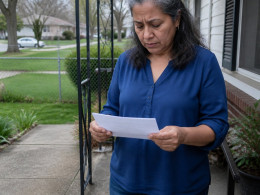
He pointed toward the brick stack that sat roughly on the property line, noting it was a "common masonry structure". The cold air bit at my face as the inspector handed me the report and warned about fines if we didn’t fix it in time. I glanced at Tricia; her eyes were narrowing. The "shared stack" suddenly didn’t look so simple anymore.
Tricia’s Sudden Ultimatum

Before I could even process the inspector's report, my phone buzzed with a text from Tricia. She’d already framed the chimney fix as a 50/50 split and sent me a contractor’s estimate: $6,800. The note came with a Friday deadline for my payment. I hadn’t even had a chance to ask what parts of the chimney were actually shared, much less get a second opinion.
I sat at my kitchen table staring at the number. The smell of freshly brewed coffee filled the room, but my mind was racing. How did she decide on this split so fast? There’d been no discussion, no walkthrough, just an instant financial demand. The clock was ticking, and suddenly this felt less like neighborly cooperation and more like a pressure tactic.
Survey’s Ambiguous Boundary Lines
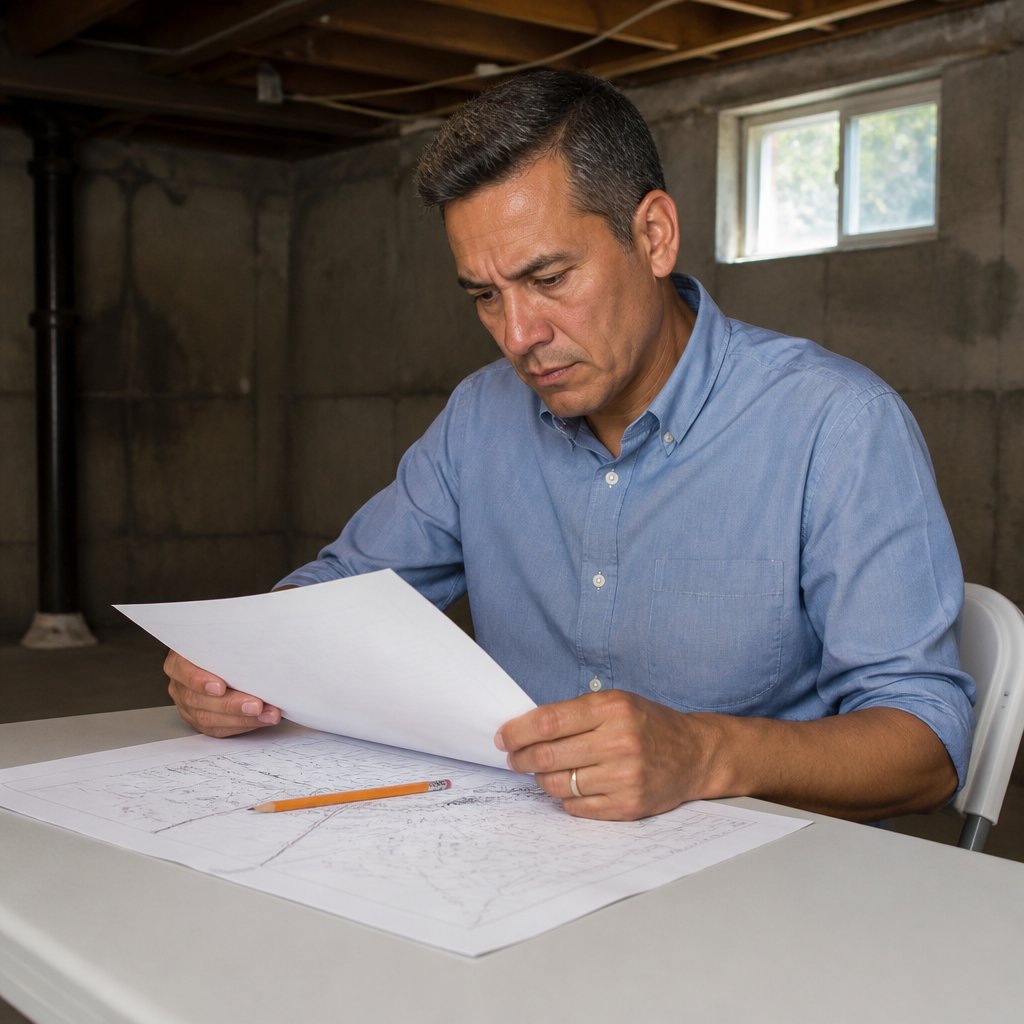
I pulled out my closing documents and found the property survey, hoping for clarity. The chimney was drawn right on the lot line, marked with a vague note: "common masonry structure." But there was no maintenance agreement or easement recorded anywhere. The surveyor’s signature was neat, but what it actually said was unclear.
Standing in my dim basement, I spread the papers on a folding table. The musty smell of old paper mixed with faint hints of damp concrete. The documents proved one thing: nobody had formally agreed on who owned or maintained the chimney. The line between our properties was blurry, not legally clear. This ambiguity was now the problem no one wanted to solve.
Unilateral Contractor Scheduling
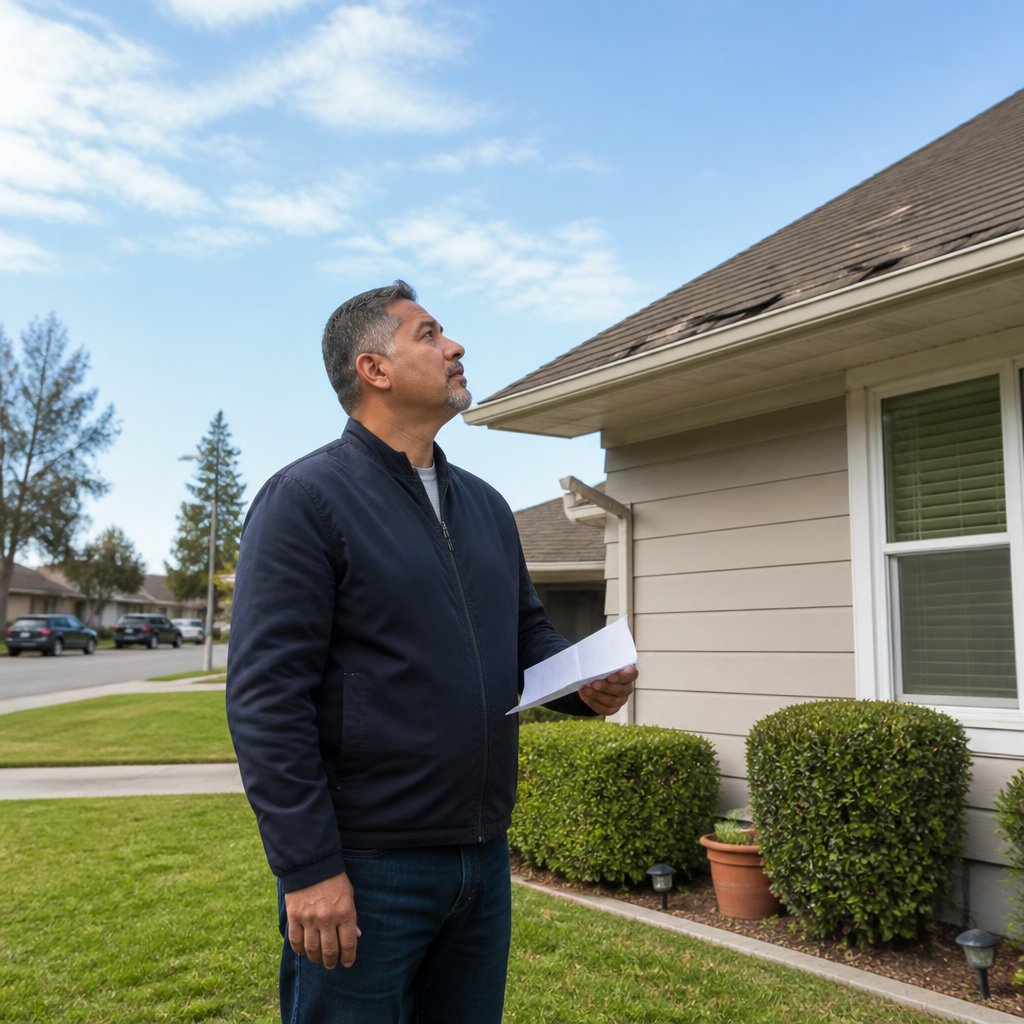
Without consulting me, Tricia booked her contractor and announced they’d use my roof if necessary. I got the news during a quick call. That instantly turned the cost dispute into a fight over property access. I knew she had no right to just step onto my roof without my permission.
Later, standing outside my front door, I looked up at the shingles, noting the loose granules scattered like fallen leaves. The thought of someone walking across that surface without my say-so felt invasive. I wasn’t prepared to let this escalate, but her stance was firm. There was no room for compromise so far.
Contractor Claims Signed Authorization
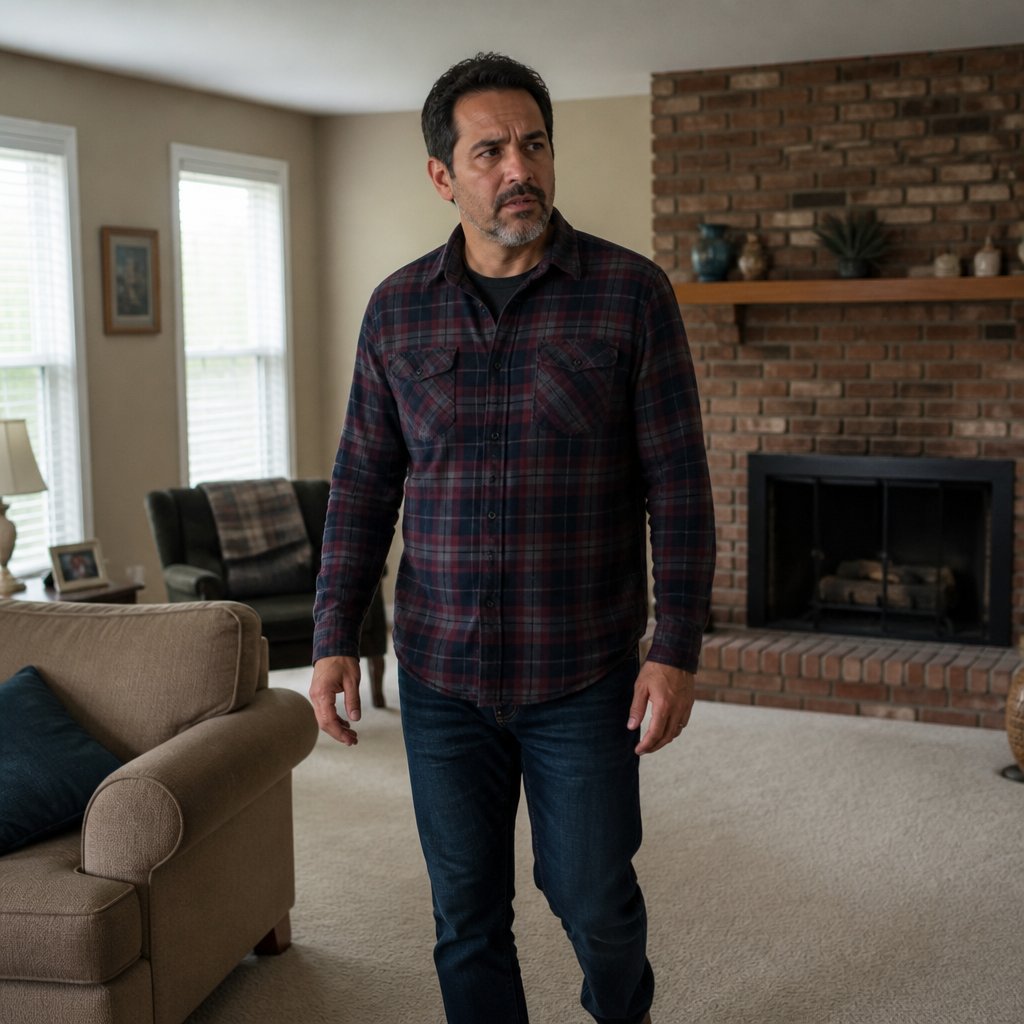
I called Tricia’s contractor to ask why they’d scheduled work on my roof. The guy on the other end said Tricia told them I’d already agreed and that they had my signed authorization. But I never signed anything. Now I was fighting a paper trail that didn’t exist.
In my living room, I paced back and forth, the worn carpet muffling my steps. The air smelled faintly of old wood from the fireplace I rarely used. The contractor’s words felt like a trap. I needed to figure out how Tricia had gotten—or claimed to have—my signature and what that meant for my control over my own property.
New Stakes Shift The Boundary
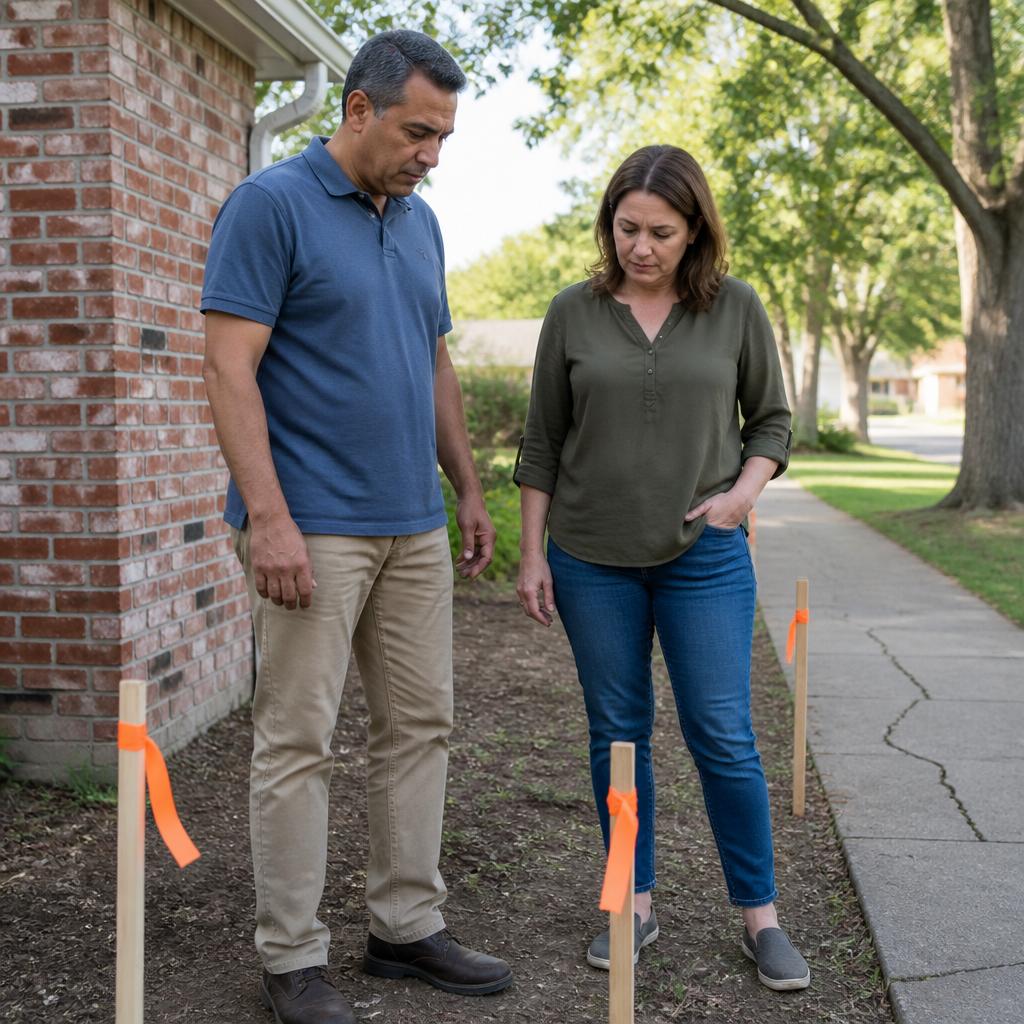
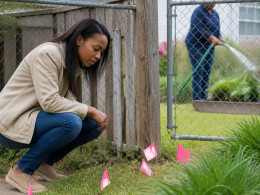
Tricia hired a surveyor to revisit the property lines. The surveyor came with new stakes in hand, planting them firmly around the chimney's base. She claimed these stakes proved that the chimney sat fully on her parcel, which, if true, meant she controlled the structure entirely. During a brief conversation in her front yard, she insisted that gave her the right to act without consulting me. I could see how serious she was. The stakes were small wooden posts with bright orange tape tied on top, standing out starkly against the dull grass. It was the first time the boundary felt so clearly marked — but also more threatening.
Standing beside her on the cracked concrete walkway, I could smell the faint scent of fresh-cut grass from her neighbor’s lawn. The stakes created a new line between us, one no longer blurred by old fencing or vague memory. But the question was, who had the legal right to place those stakes, and what would this shift mean for the chimney dispute moving forward?
Surveyors Debate Pins And Monuments
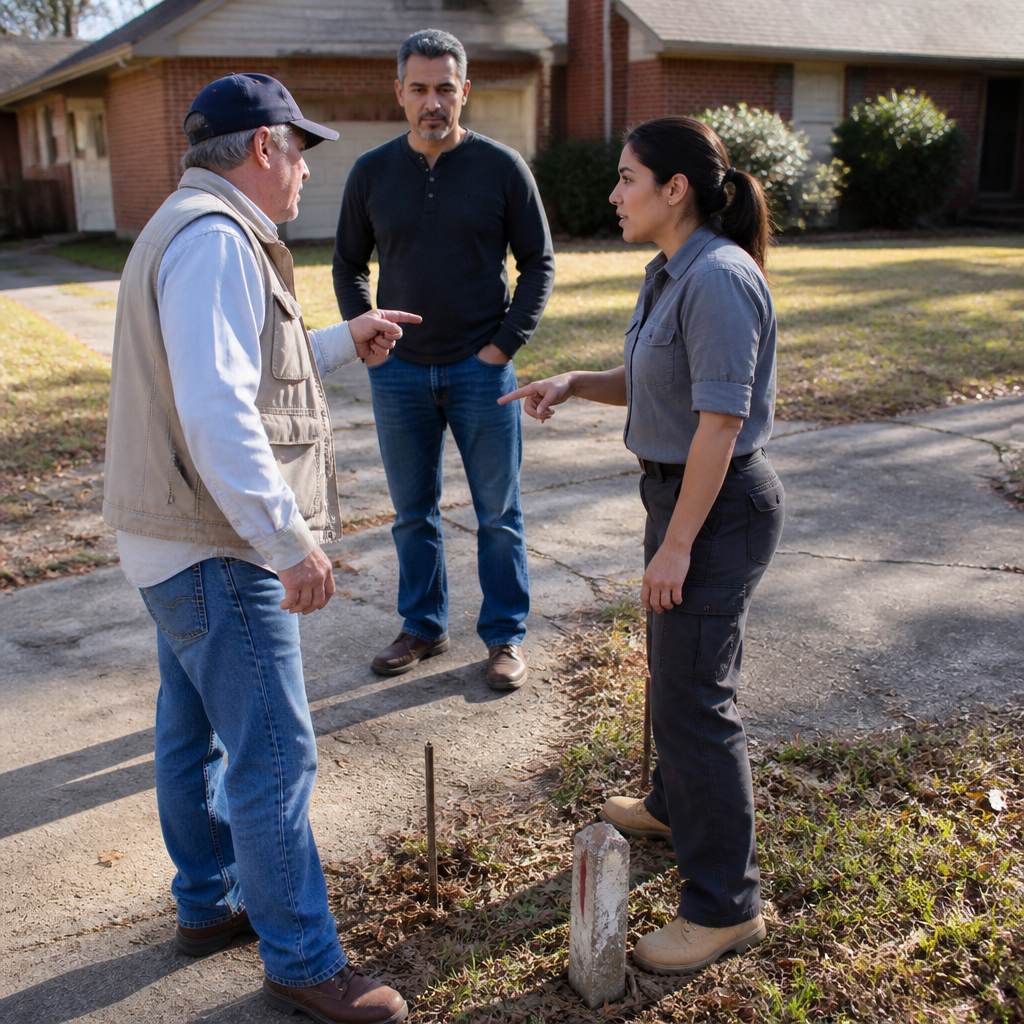
I hired my own surveyor to challenge Tricia’s claim. One afternoon, both professionals showed up at my driveway. They stood close together, maps and measuring tools in hand, pointing and debating over iron pins driven into the ground and faded iron monuments barely visible under moss. The driveway’s cracked asphalt under their feet was the stage for a complicated argument about boundary lines that suddenly felt like a drawn-out chess match.
The surveyors argued over which pins were original markers and which were misplaced or corroded. They traced imaginary lines with their fingers, squinting toward the old oak tree near the property corner. The smell of gasoline from the nearby lawn mower filled the air, mixing oddly with their heated back-and-forth.
Watching from the porch, I felt overwhelmed. This legal wrangling was turning into an expensive guessing game. Yet the boundary question felt farther from resolution than ever.
Temporary Metal Vent Goes Up
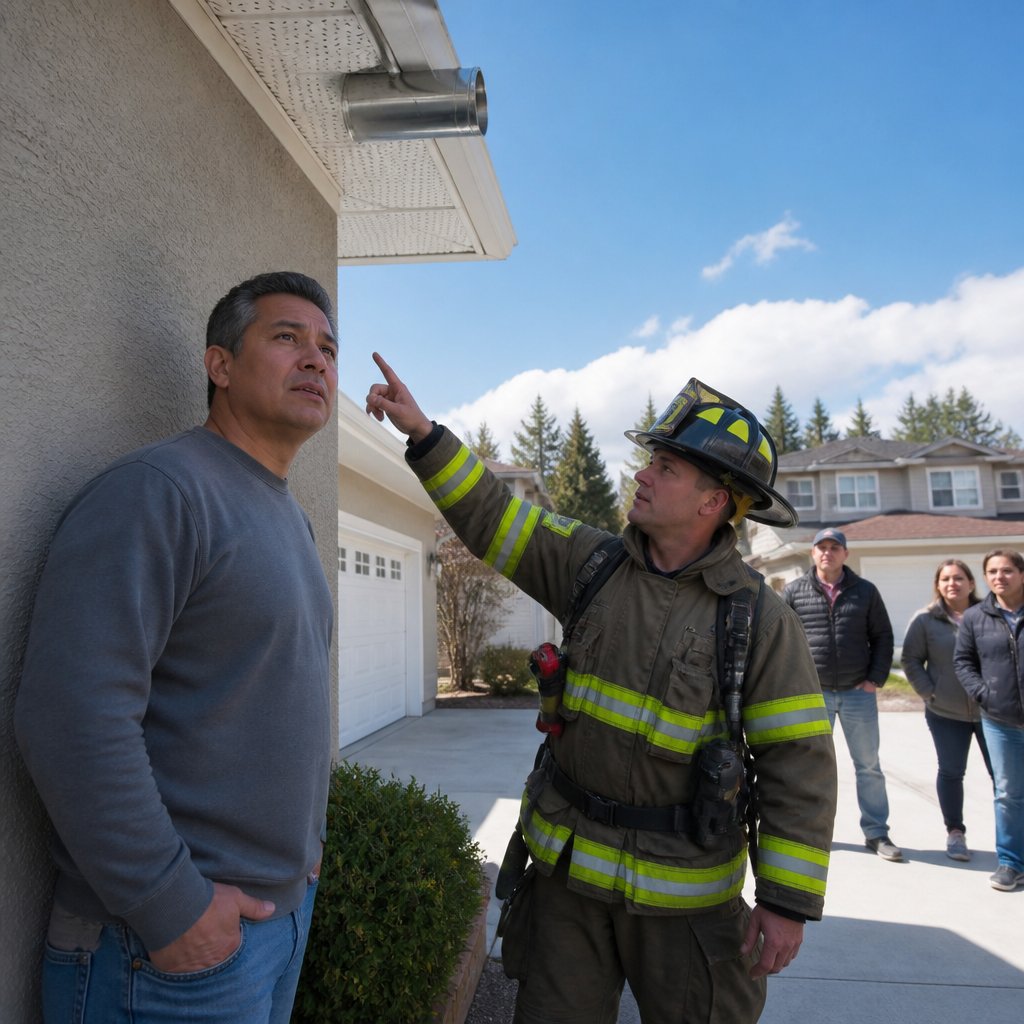
Without consulting me, Tricia’s contractor installed a temporary metal vent near my soffit on the side of the house. It was a crude piece of ductwork, shiny and cold to the touch, just inches from the eaves. I first noticed it when the smoke alarm inside my kitchen began to blare suddenly, a piercing shriek that rattled the quiet late afternoon.
I opened the kitchen window and smelled the sharp tang of burning wood mixed with something metallic. Moments later, the fire department arrived. Neighbors gathered outside, their faces filled with concern under light jackets against the cool breeze. The firefighters inspected the vent, the soffit, and my fireplace while I tried to explain what had happened.
The chaos created an official incident record. I wondered what the official report would say and how this would affect the brewing dispute.
Fire Captain Orders Vent Removed
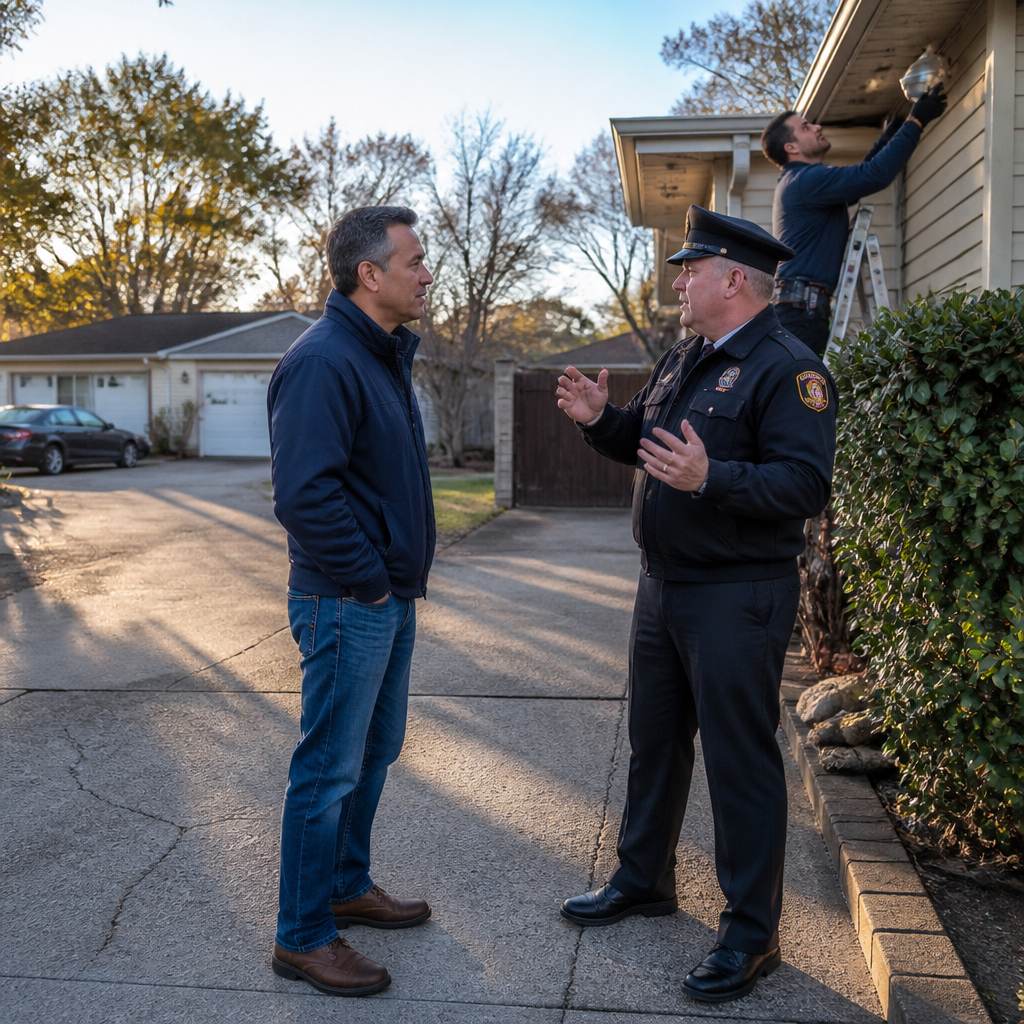
The fire captain was clear and firm. He ordered that the metal vent be removed immediately. His clipboard held a fresh report, which he explained was now part of an official record. Standing at the end of my driveway, he spoke in measured tones about safety codes and liability concerns.
I watched the metal vent gleam under the afternoon sun as a hired worker disconnected it from the soffit. The air smelled faintly of burnt wood and lingering smoke. The captain’s report was a double-edged sword. It offered evidence of wrongdoing but could just as easily be twisted against me or Tricia, depending on how lawyers framed it later.
I felt the weight of this new document settling over the dispute, yet its final impact remained uncertain.
Was the inspector truly liable for the chimney issues?