


Who Stayed At Our Doorstep?
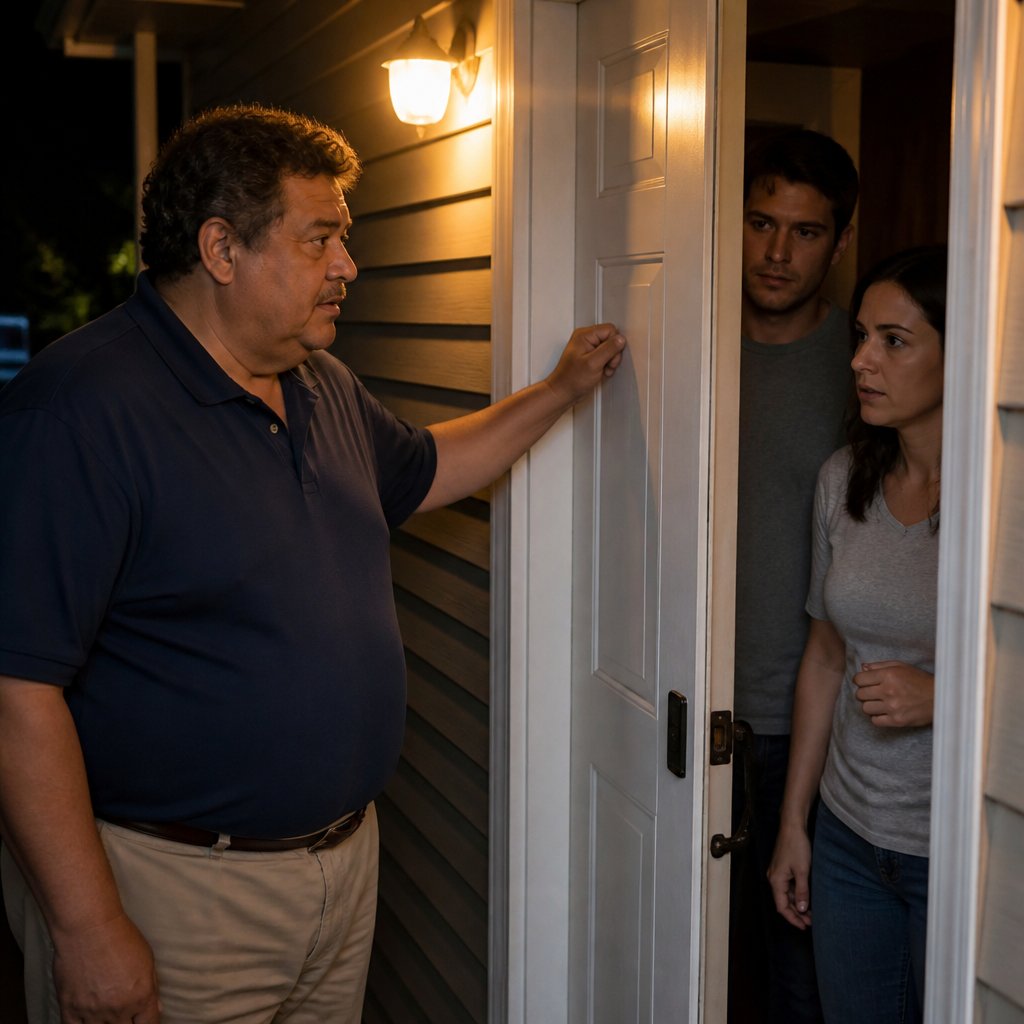
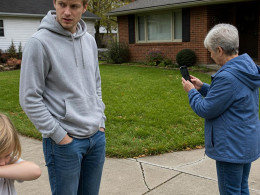
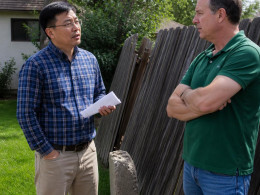
One night, around 2 a.m., I heard loud voices next door. I figured I’d try to talk to whoever it was, so I stepped outside and knocked on Glen’s front door. When he opened it, there were two people I’d never seen before standing behind him. They said they were "visitors" and promised they’d be gone by tomorrow. I asked why nobody I recognized was there, but they just shrugged like it was nothing unusual. I wasn’t convinced. I could hear more voices and music from the backyard, but the people at the door swore this was the last night. I wondered: if these strangers were leaving tomorrow, then who was actually living there? The uncertainty hung thick in the air, and I wasn’t sure whom to trust or what I was even dealing with next door.
Police Intervention After Midnight
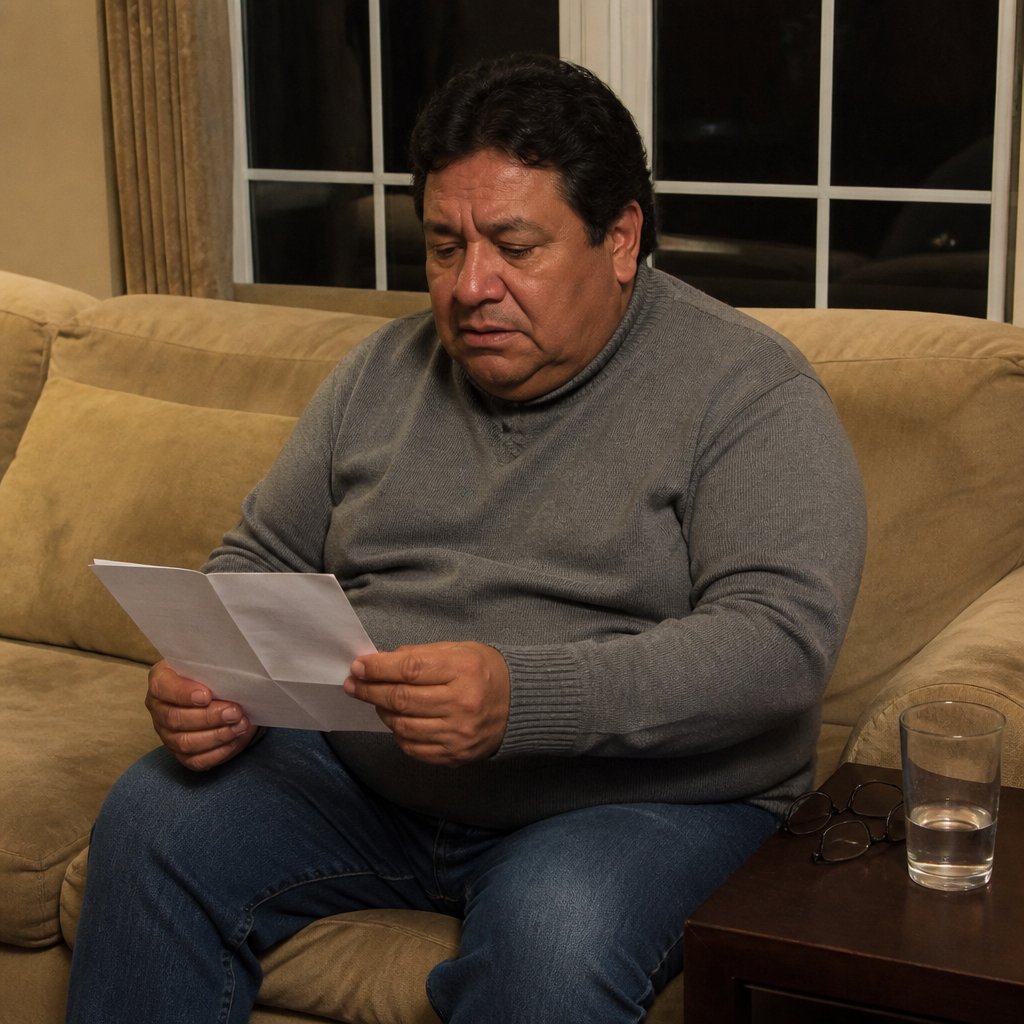
After that night, the noise kept up until well past midnight. I finally called the non-emergency police line around 1 a.m. The officers showed up and spoke briefly with Glen and a group of people in the backyard. The noise quieted down after the police left, but only temporarily. I later picked up the police report, which confirmed they responded at 1:15 a.m., and the noise was an issue then. But the report made it clear this wasn't a one-time event; the officers noted it was likely to happen again. It was frustrating to think that enforcement only worked when the cops were physically there, but otherwise, the disturbances would continue. It felt like an endless cycle, waiting for late nights to pass and police to come again.
Building An Evidence Record

I decided I needed to be more organized if I wanted to stop this. I started a log, noting every noisy night: exact times when the loud music started and stopped, case numbers from police visits, even decibel readings using an app on my phone, though I kept the phone face down. I also recorded short videos of the backyard gatherings without showing faces, just the noise and the time. Still, all of this felt like it was just "my word" against theirs. I had the records, but they weren't official proof. Every time I talked to Glen or the HOA, it felt like I was the one digging in my heels with nothing concrete to present. The paper trail was growing, but the real question was whether it would matter or just get dismissed.
Strange Cars And Leftover Trash
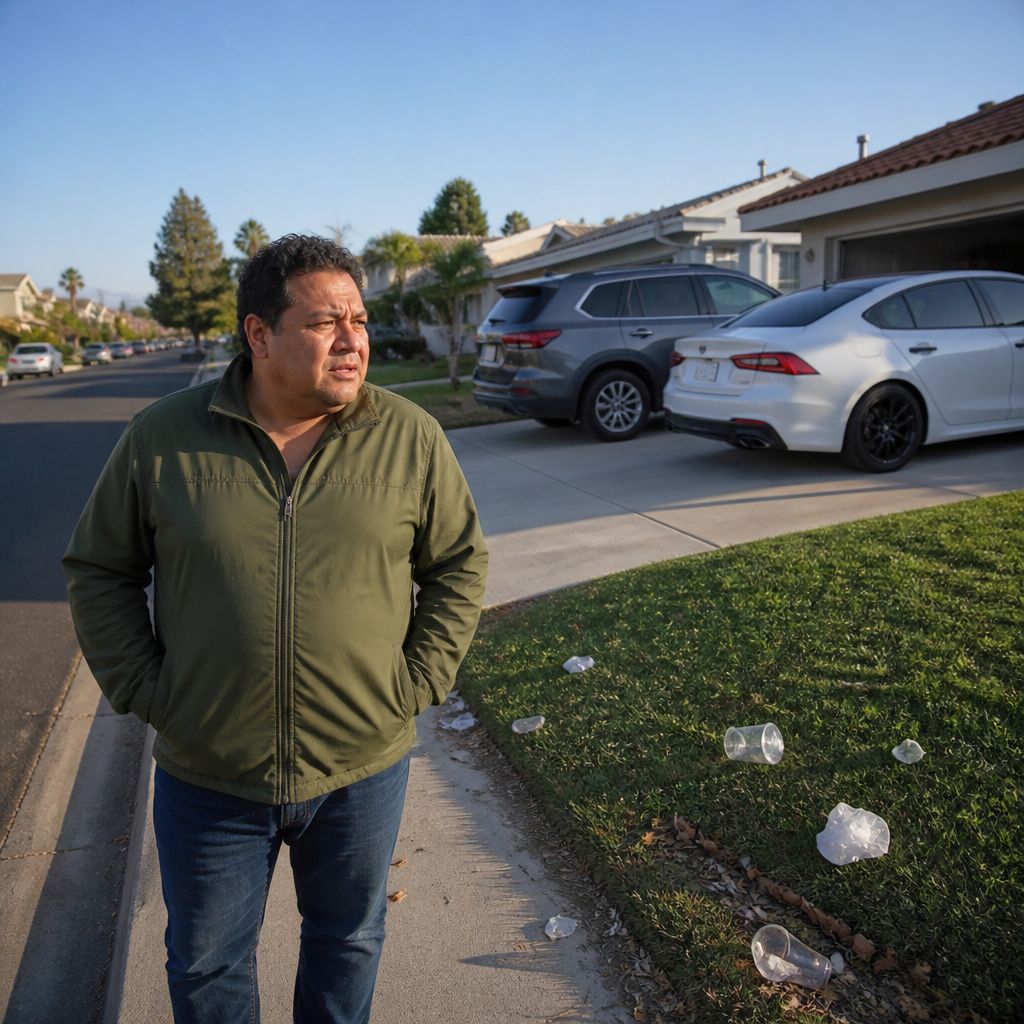
The next weekend, things escalated in a different way. On Saturday morning, I noticed brand-new cars parked in Glen’s driveway and along the street. By afternoon, there was party trash—plastic cups, napkins, and empty bottles—scattered near the side entrance. Still, I hadn’t seen Glen anywhere. It didn’t look like a family visit anymore. Instead, it seemed like something was constantly changing hands. Different cars, different faces—almost like a rotating occupancy. It made me wonder if this was some kind of short-term rental operation. But I had no proof yet, just suspicions growing louder with the trash blowing across the property line. I kept watching, but it felt like I was only scratching the surface of what was really going on next door.
Hostile Text After Friendly Letter

I wrote a polite letter to Glen explaining the noise issues and asking if we could find a way to keep things quieter at night. It was friendly, no accusations—just a neighbor trying to talk. But his response came as a hostile text message. Glen accused me of being the aggressor and claimed he had every right to have "unlimited guests." The tone was defensive, almost threatening. It was clear he wasn’t interested in compromise. I felt blindsided. Here I was, trying to be reasonable, and he was framing me as the problem. The situation was heating up, and there was no sign Glen was willing to back down or address what was really going on.
A Guest Blocks My Driveway
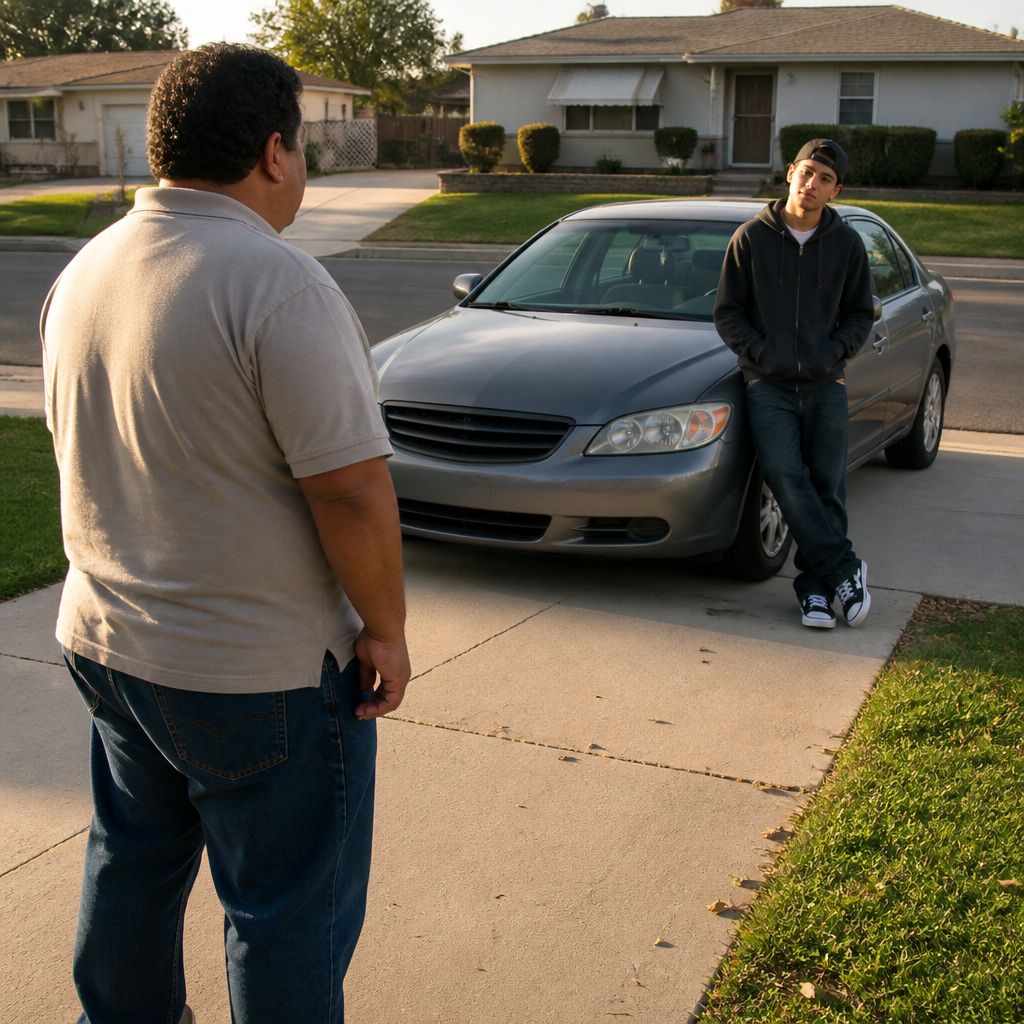
One evening, just after dinner, a car rolled into my driveway. It wasn’t Glen, and it wasn’t someone I recognized from the neighborhood. The driver stepped out, a younger man in a baseball cap, clearly casual but with an edge of defiance. He looked me in the eye and said, “We paid to park here.”
His words hit me like a punch. This wasn’t just a neighborly gathering anymore. This was commerce—complete with customers and transactions happening right next door. I asked him who exactly had paid. He shrugged and said, “The people staying at the house.”
He didn’t look apologetic or worried, just confident, like he was daring me to challenge him. When I moved toward the car to ask him to move, he didn’t budge. My fingers itched to call the police, but I held back, realizing things had shifted beyond just noise complaints.
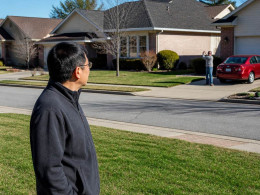
The evening air was thick with the smell of freshly cut grass from my neighbor’s lawn. I stood by the edge of my property, watching the car block my driveway and wondering how far Glen would push this commercial operation. Was this the line I wasn’t supposed to cross?
Adding Cameras Sparks HOA Complaint
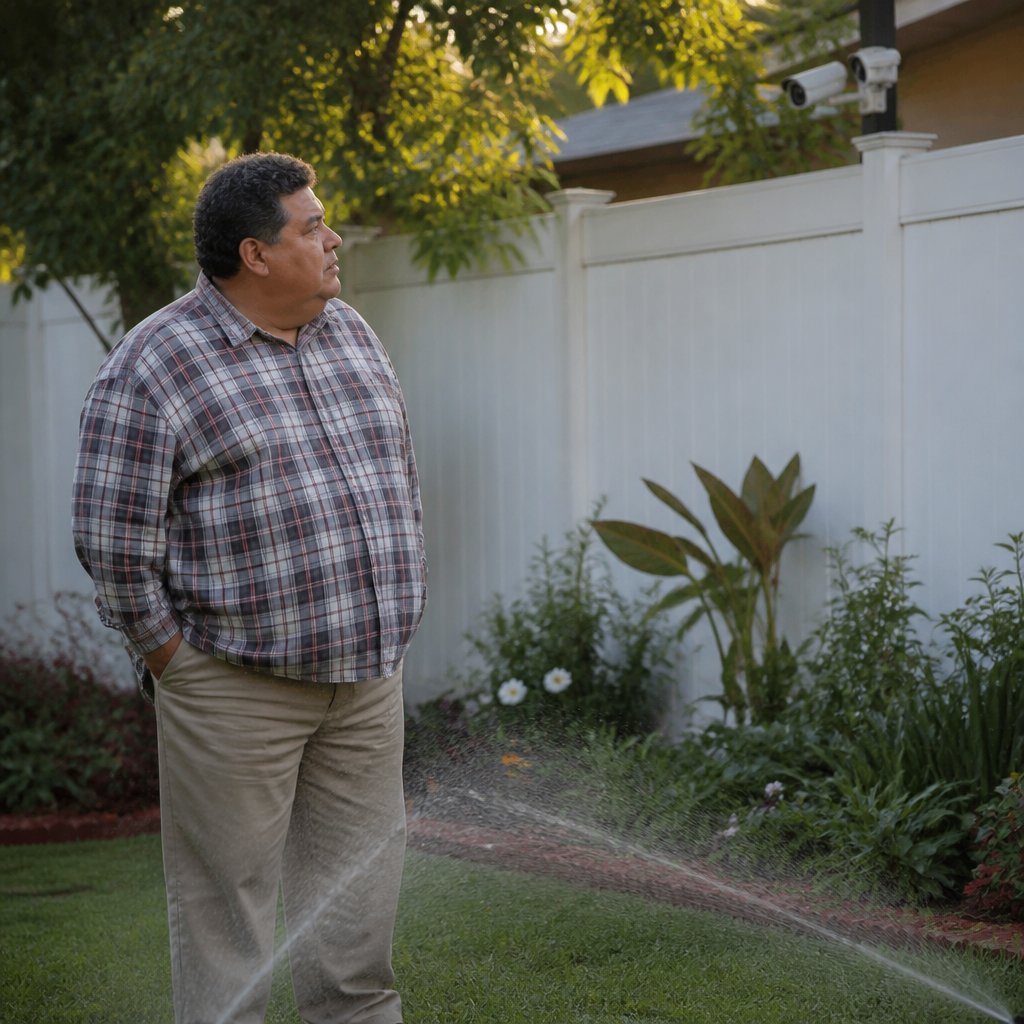
After the driveway incident, I decided to take extra precautions. I installed a few security cameras and motion-activated lights on my property, focusing on the shared fence line and driveway. The cameras weren’t hidden, just standard models mounted where I could see them — no invasion of privacy, just protection for my property.
But it didn’t take long for Glen to respond. A few days later, I found a letter from the HOA. The complaint accused me of "surveillance" that was "unreasonable" and infringed on my neighbor’s rights. It was like a mirror image of my own complaints—only now I was on the defensive.
I walked around the yard, noting the slight hum of the sprinkler system and the way the lights flicked on when a breeze rustled through the leaves. The message was clear: Glen was trying to flip the script, to make me the problem. I wondered if any of this was going to slow him down, or if the HOA was about to become an unexpected battlefield.
Management Company Offers $100 Gift Card

One morning, I checked my mailbox and found an envelope from an unknown management company. Inside was an offer—a $100 gift card if I agreed to stop calling the police about the noise and disturbances next door. It felt like both an admission and a warning.
Why else would they try to buy my silence? The letter made no explicit threats, but the tone was clear: drop it, or face consequences.
That afternoon, I paced my living room, the smell of fresh coffee lingering in the air. I thought about all the times I’d called the police, the wasted responses, and the frustration of no quiet nights. Was this gift card a bribe or a strategic move? And how much further would they go to protect their short-term rental operation?
Fence Panel Inches Over Line
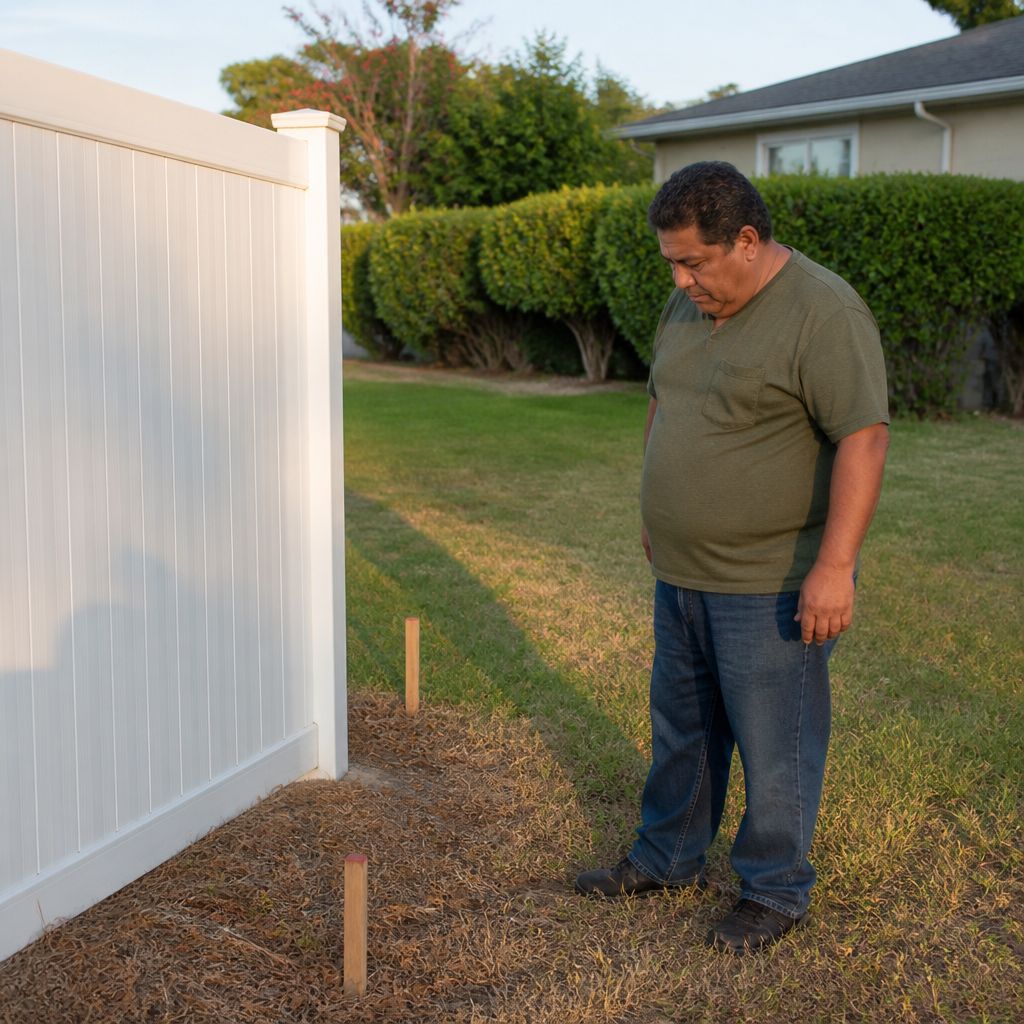
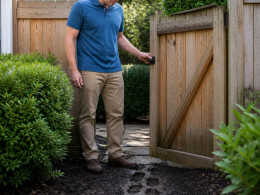
One morning, I stepped outside and noticed something immediately wrong. A fence panel along the property line had been replaced overnight—except it wasn’t just a replacement. It jutted about a few inches into my yard, maybe a foot or more along the length.
My property line was marked by small surveyor stakes I’d placed last summer, and this new fence panel clearly crossed them. I traced my fingers along the edge of the crisp, freshly painted wood, feeling the rough texture and the faint scent of cedar.
It was a clear escalation. Whatever started as noise complaints was now a full-on property-rights retaliation. I tried calling Glen, but he didn’t answer. The quiet neighborhood street was eerily still, except for a distant lawnmower.
Survey Reveals Forty Feet Of Encroachment
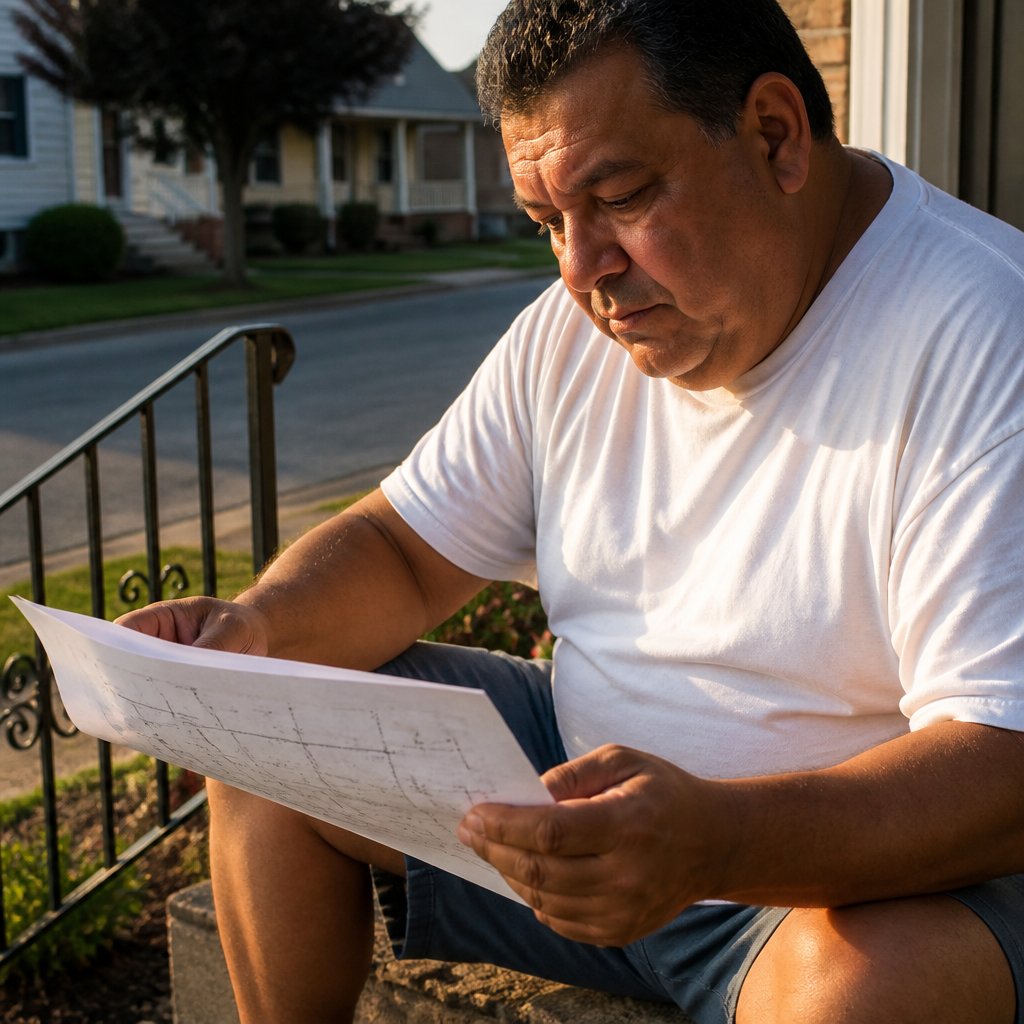
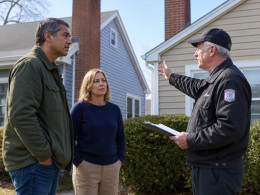
I hired a licensed surveyor to come back and measure the disputed fence line. The results were clear: the fence encroached approximately forty feet onto my property by several inches. The survey report was precise, showing the exact measurements and boundary lines.
I brought the report to the HOA and city code enforcement, hoping for support. Instead, Glen countered with fresh HOA complaints accusing me of harassment and outright denied running any rental activity at the hearing. The whole thing was turning into a messy proof battle.
That afternoon, I sat on my front porch, holding the crisp survey paper with the edges slightly curled. The scent of cut grass and distant car engines filled the air. The weight of the evidence felt heavy, but so did the pushback. Glen’s refusal to admit anything raised the stakes considerably.
Was the harassment claim justified in this case?