



The Spigot Suddenly Ran Dry
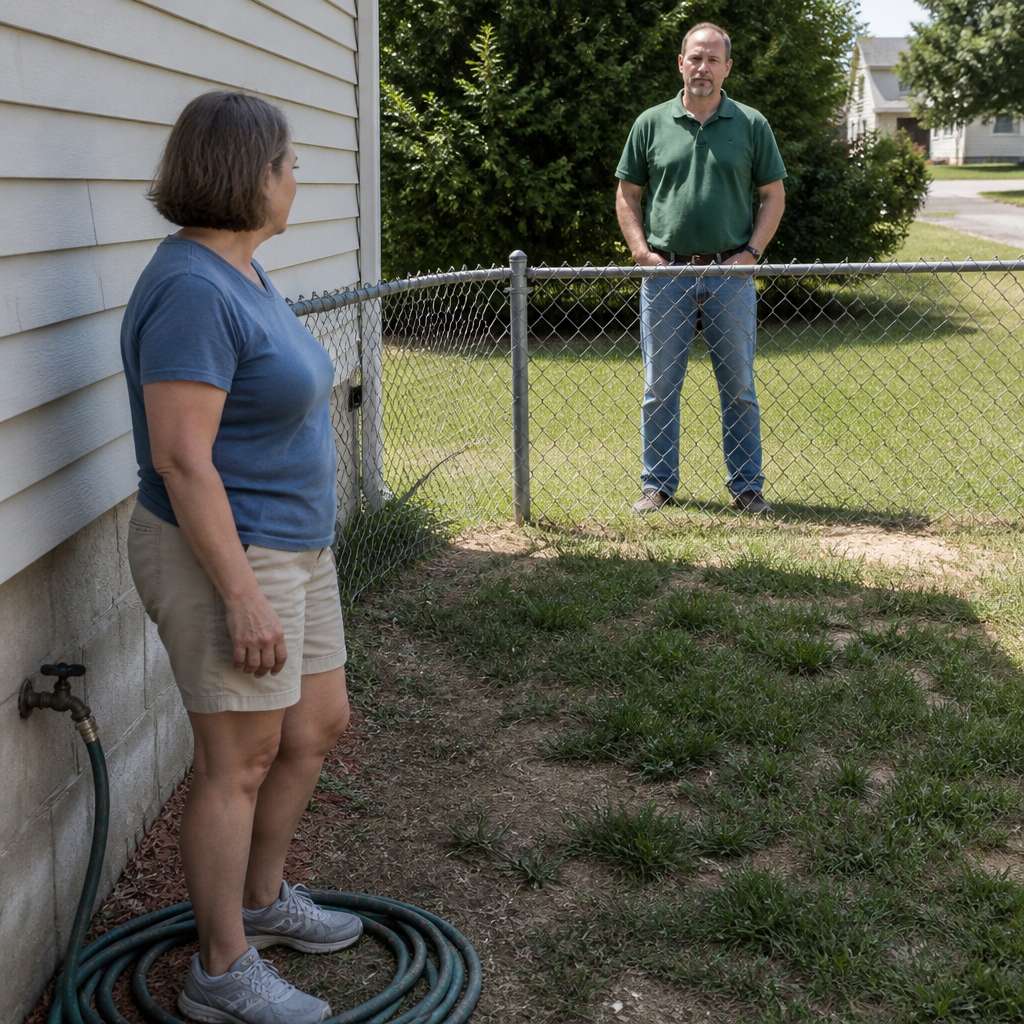
It was a dry Saturday morning when I noticed the outdoor spigots sputtered and then went completely dry. I watched as water trickled weakly from the hose bib on my side of the fence, then nothing. I stepped out back, feeling the heat of the sun on my arms, and saw Dale standing near his property line, his expression unreadable but faintly amused. He acted surprised, like this was news to him, as if he’d just discovered the problem himself. It felt like he was waiting for this moment, holding back some long-planned move.
I called out, asking if he knew what was going on. He shrugged and said he hadn’t changed anything, but I could see his eyes flicker toward the fence where the well access was. That’s when a cold knot formed in my stomach, knowing something was about to change—without any word between us.
Locked Pump House And Meter
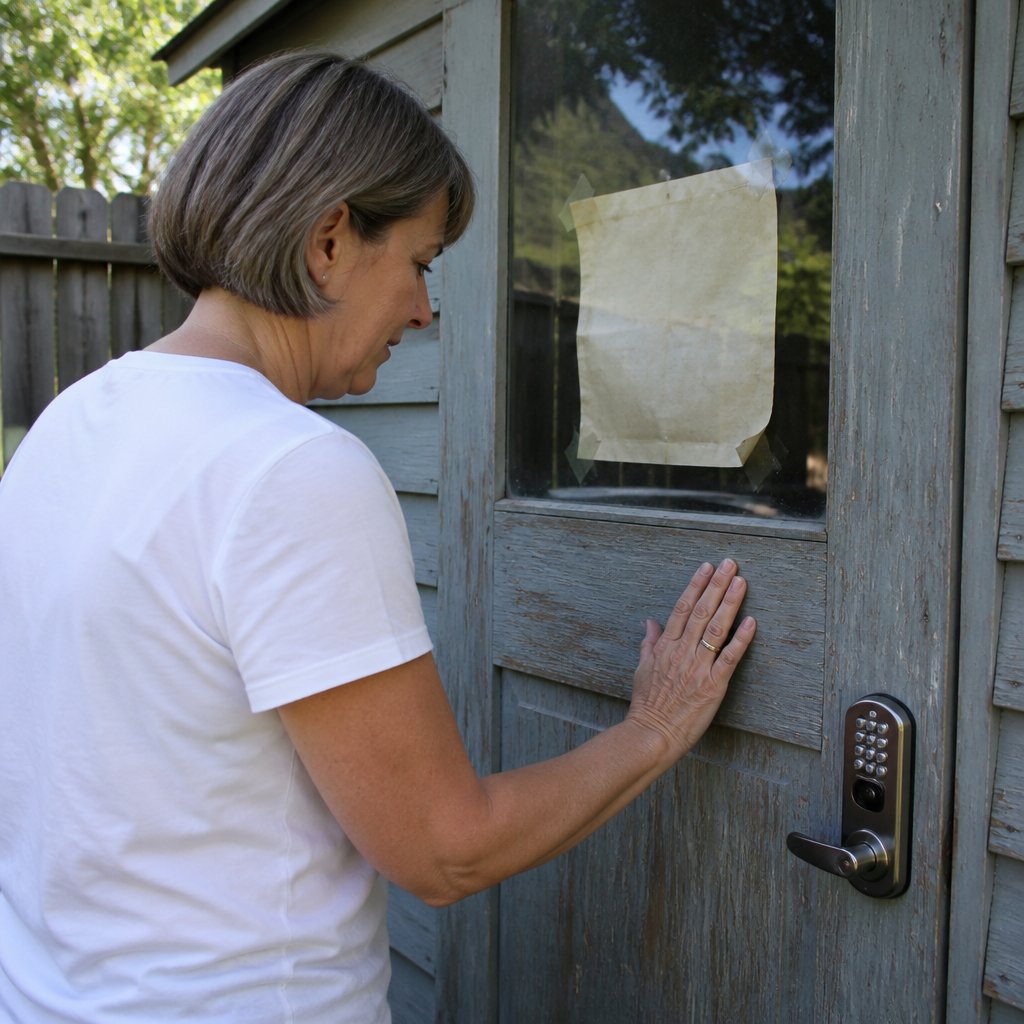
The next day, I walked over to the fence line and saw the pump house—a small, gray wooden shed—now secured with a heavy digital padlock. The lock’s keypad glinted in the morning light, and a freshly printed sheet of paper was taped inside the glass of the door. It listed set hours when water could be drawn and a per-gallon rate for usage. The paper was handwritten in black marker, slightly crooked but clear.
It felt like a slap in the face, this sudden formalization of something that had just been a friendly understanding. I pressed my hand on the cool wood of the pump house door, feeling the rough paint chips beneath my fingers, then stepped back. The silence around the well was thicker, like the lock had sealed off more than just water—it was the end of trust.
Dale’s Text About Insurance

That afternoon, Dale broke the silence with a text. He said his insurance company insisted on having control over the water source. More pointedly, he claimed the handshake agreement died with the prior owners of his property. To him, the shared well was no longer a right but a revocable favor.
I read his message again, the words feeling cold and transactional. The screen was face-down on my kitchen table, but I could feel the tension still hanging in the air. I stared out the window at the fence where the pump house sat locked and silent. It was a shift I hadn’t anticipated—a sudden rewriting of decades of informal cooperation.
Old Photos And Closing Papers

I dug through file boxes in the study, pulling out old closing papers and some emails from the previous owners. There was also a faded photograph from a summer party years ago, showing the pump house door open, hosepipes hanging loose, and neighbors gathered nearby. Everyone looked relaxed, sharing the water openly.
The documents weren’t perfect proof—nothing was ever put in writing about the shared well—but the photos and papers painted a picture of long-standing shared use. I spread the papers on the desk, the slight musty smell of old paper filling the room. It was a start, but I knew it might not be enough in court.
The Key Comes With Strings
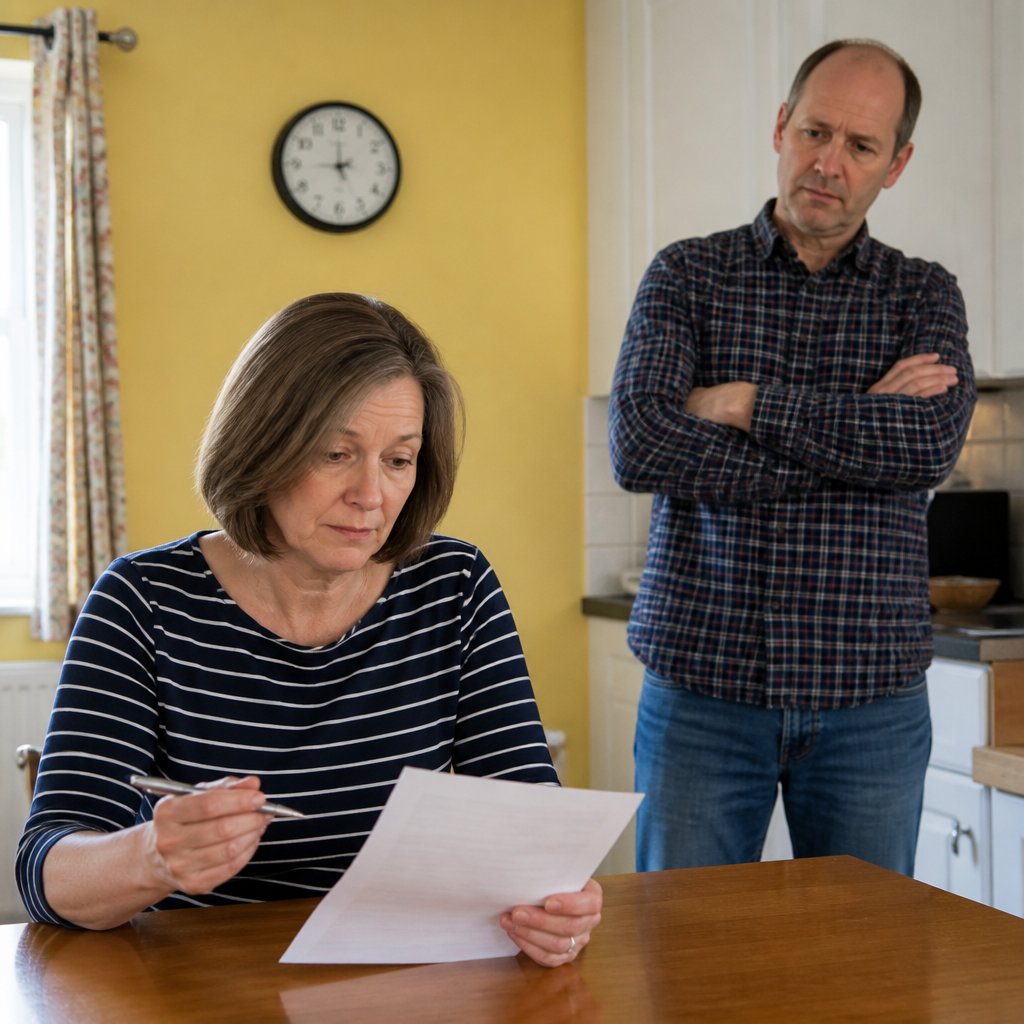
I called Dale and asked for a key to the pump house. He agreed—but only if I signed a contract first. The contract included a fee schedule for water use, a liability waiver absolving him of responsibility, and a clause allowing him to shut off water for "noncompliance."
Holding the draft in my hands, the paper smooth but ominous, I felt my chest tighten. It was a far cry from the handshake decades ago. Dale insisted it was standard for insurance reasons, but it felt like a trap. I pressed my knuckles against the edge of the table, thinking over the terms and the price he'd set.
Attorney Demands Immediate Access
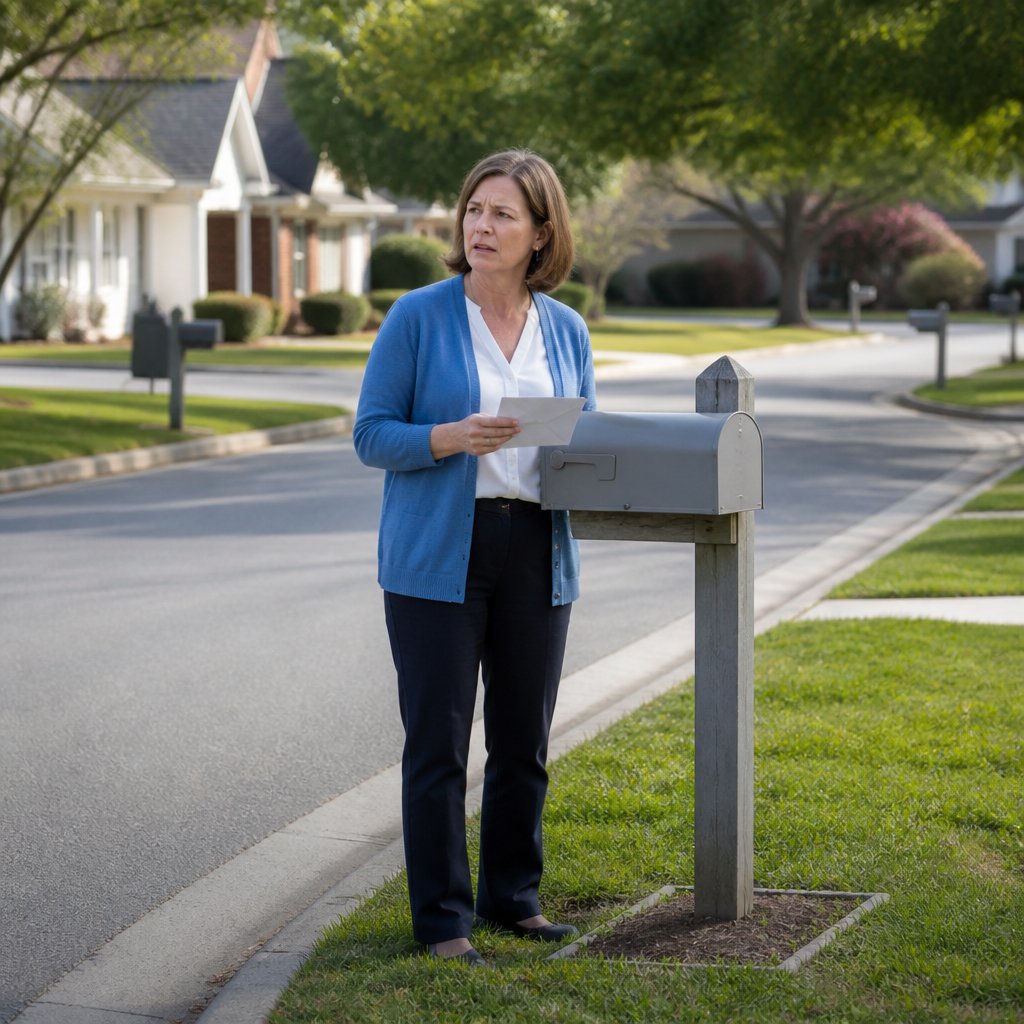
After Dale’s key offer came with all those fees and waivers, my attorney fired back quickly. She spelled out the legal concept of an implied easement by prescription, explaining how decades of shared use created a right, not a favor. Her letter demanded that Dale restore my access to the well pump immediately, without conditions or payments, or face formal legal action. This wasn’t just about good neighborliness anymore; it was a clear assertion of property rights under the law.
The letter was typed on official letterhead and emphasized the seriousness of the claim. It pointed to the steady, uninterrupted use of the well over the last twenty years, relying on the history rather than any written contract. She also noted that Dale’s locking of the pump house and installation of the meter violated long-established use patterns, which courts generally protect.
I remembered the weight of the paper in my hands and the sharp click of the mailbox as I dropped it in, hoping Dale would respond thoughtfully. But this forced him into legal terms, and I couldn’t shake the feeling that this might only escalate the conflict.
Dale’s Invoice Demands Back Payment
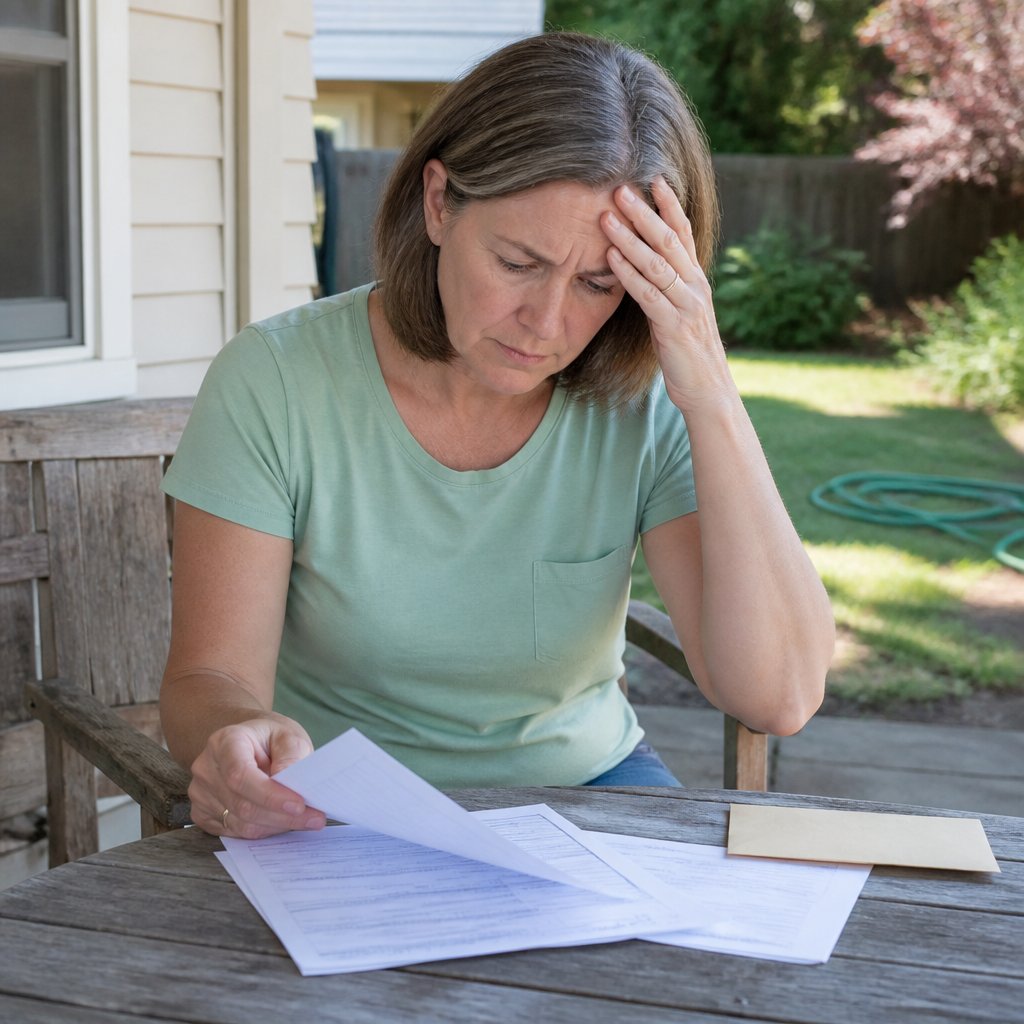
A few days after my attorney’s letter, Dale sent a thick envelope with what looked like a contract and a detailed invoice. Inside was a contract that tied access to the well pump house strictly to payment, with fees based on the new meter readings. But that wasn’t the worst part: he was charging me for water usage going back six months, claiming I owed thousands. The letter warned that if I didn’t pay within thirty days, he would file a lien against my property.
Reading the contract, the liability waivers were stricter than before, and the fees for late payment seemed punitive. Dale’s tone seemed to have shifted in his letters, as if he viewed the water now as a commodity rather than shared resource. The whole thing felt like a trap.
That afternoon, I sat on my back porch, the bill spread out on the table. The smell of freshly cut grass wafted through the air, but I couldn’t focus on anything but the numbers. How was I supposed to pay this and keep my lawn alive?
Lawn Dying Despite Emergency Watering
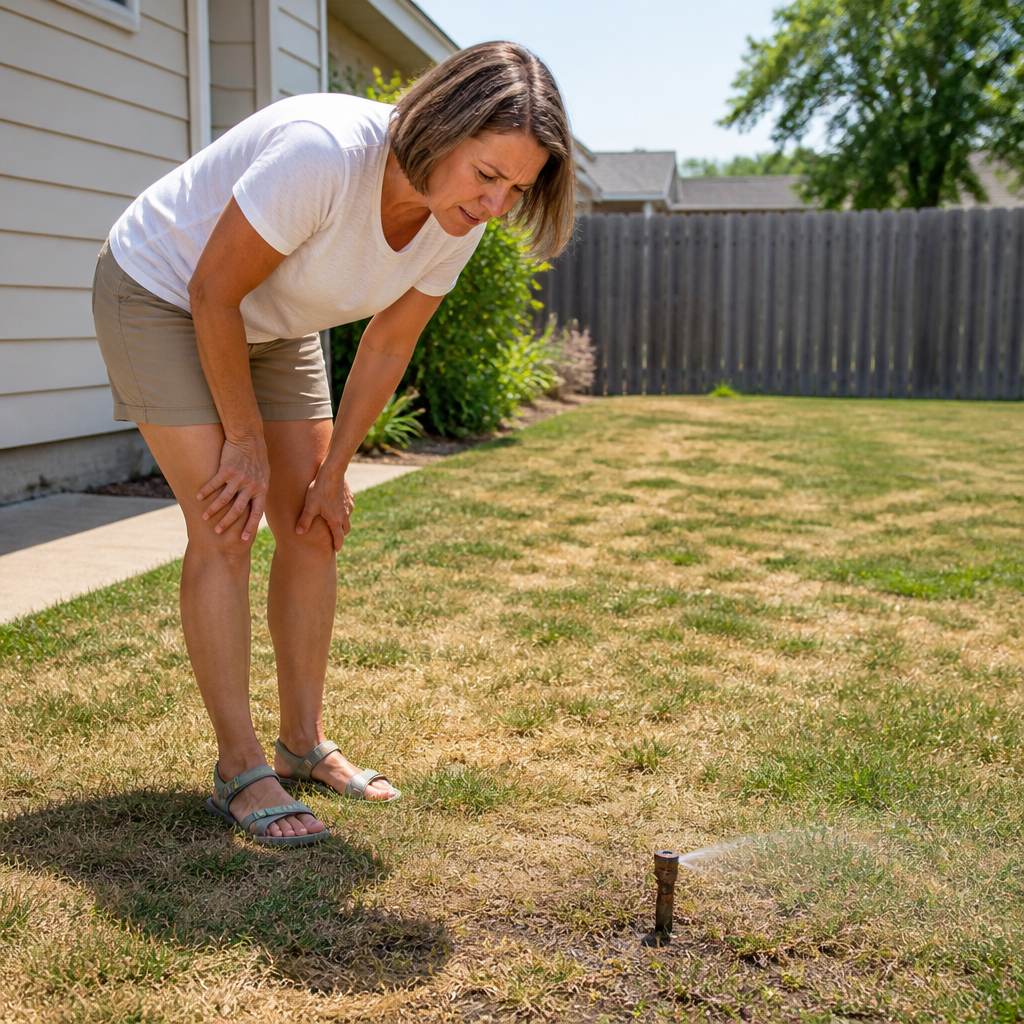
The next few weeks were a nightmare for my yard. Without reliable well water, the sprinkler system faltered. Pressure swings caused the valves to break one after another. I had to call in emergency water deliveries — large tanks dumped into barrels I set up — just to keep some green patches alive. The bills started to pile up fast, and I was constantly chasing repairs.
One morning, I stood by the side of the house, watching yellowed grass crunch underfoot, the scent of dry dirt thick in the air. The sprinkler head nearest the fence leaked a stubborn drip, but it wouldn’t spray the way it was supposed to. It felt like I was fighting a losing battle against time and money, all while Dale’s meter tracked each drop from his locked pump house.
Neighbors began noticing the browning lawn, asking if I’d had trouble with the water. I hated feeling like I was losing the home I’d cared for so long, all because of this dispute. But the question lingering in my mind was what Dale planned to do next.
Judge Saw The Worn Path
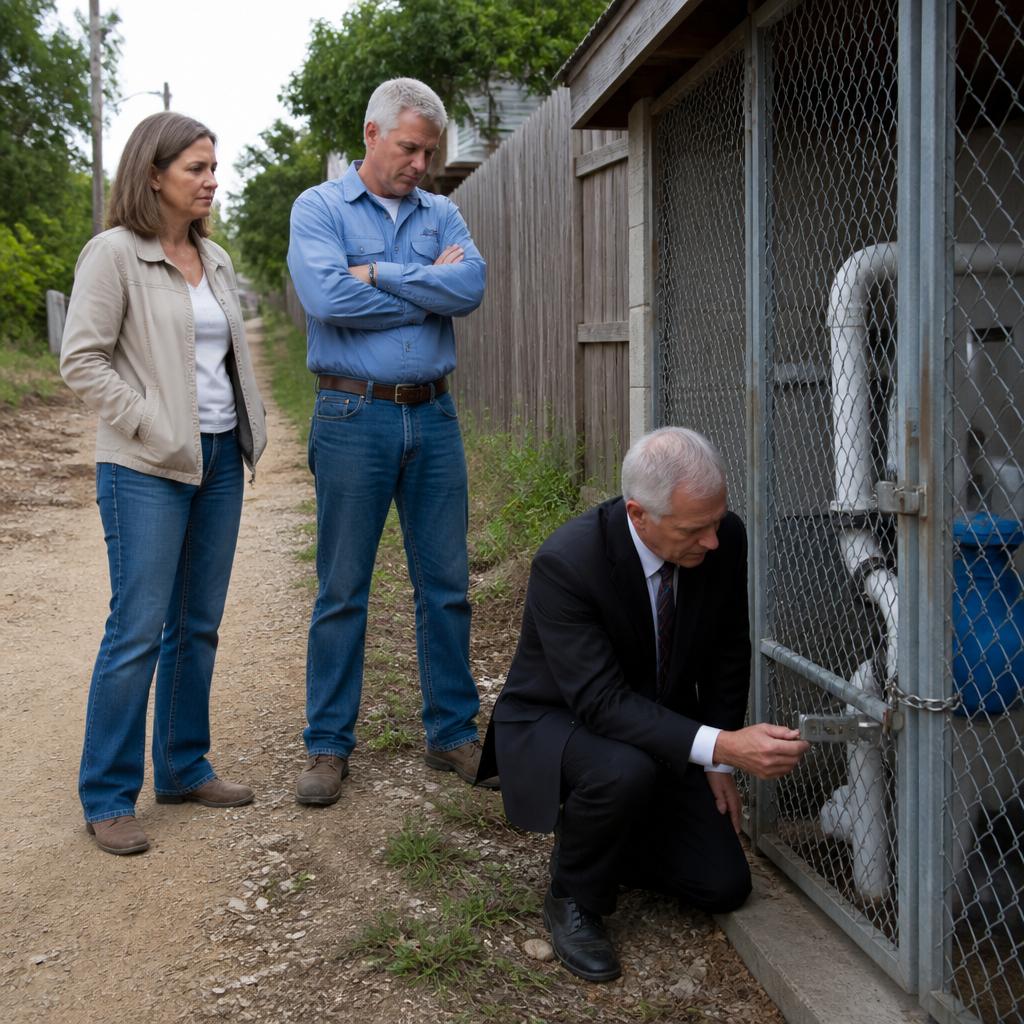
That morning, we met the court-appointed officer outside the pump house next to the shared property line. Dale was already there, wearing a blue work shirt and jeans, arms crossed, staring down anyone who approached. He stepped forward when the judge arrived, trying to block our way. I stayed calm but noticed the judge's eyes catch the worn dirt path leading from my yard to the pump house. It was clear heavy foot traffic had passed through the same narrow strip for years.
When we reached the pump house door, the new lock hardware gleamed—a fresh, steel padlock replacing the old latch. The judge bent down and pointed to the split electrical conduit running right at the property line, where wires from both sides converged. I could smell the faint metallic tang of the metal under the sun. Dale tried to explain his meter readings, but numbers didn’t add up with his back-billing amounts.
The judge took notes and looked between us, clearly puzzled. I felt a quiet hope but also knew Dale wasn’t going to give an inch. The tension was thick when the judge announced we would reconvene soon for arguments. We left, knowing the real battle was still ahead.
Courtroom Stakes Rose Quickly

Inside the courtroom, I sat near my attorney, the room thick with anticipation. Dale looked calm but determined, wearing a navy sweater over a collared shirt. The judge, a middle-aged woman with sharp eyes, called the session to order. We were there for a preliminary injunction hearing — I needed immediate shared access to the well, and if possible, some consequences for Dale’s lock and back charges.
Dale’s lawyer argued that the lock was necessary for safety and that any past access was a revocable favor, not a legal right. I felt the courtroom air tighten with every word. The judge leaned forward, fingers steepled, signaling this was a critical, close call. I noticed the faint smell of old paper and pine from the courtroom’s worn wooden benches.
The judge asked pointed questions about water usage, property lines, and the handshake decades ago. The room felt just one breath away from a ruling. I clenched my hands, hoping justice would side with the long-standing reality, not the new locked gate. But Dale’s story wasn’t fading, and the tension remained unresolved as the session ended.
Was locking the shared well legally justified?