



The Fence Plan Felt Normal
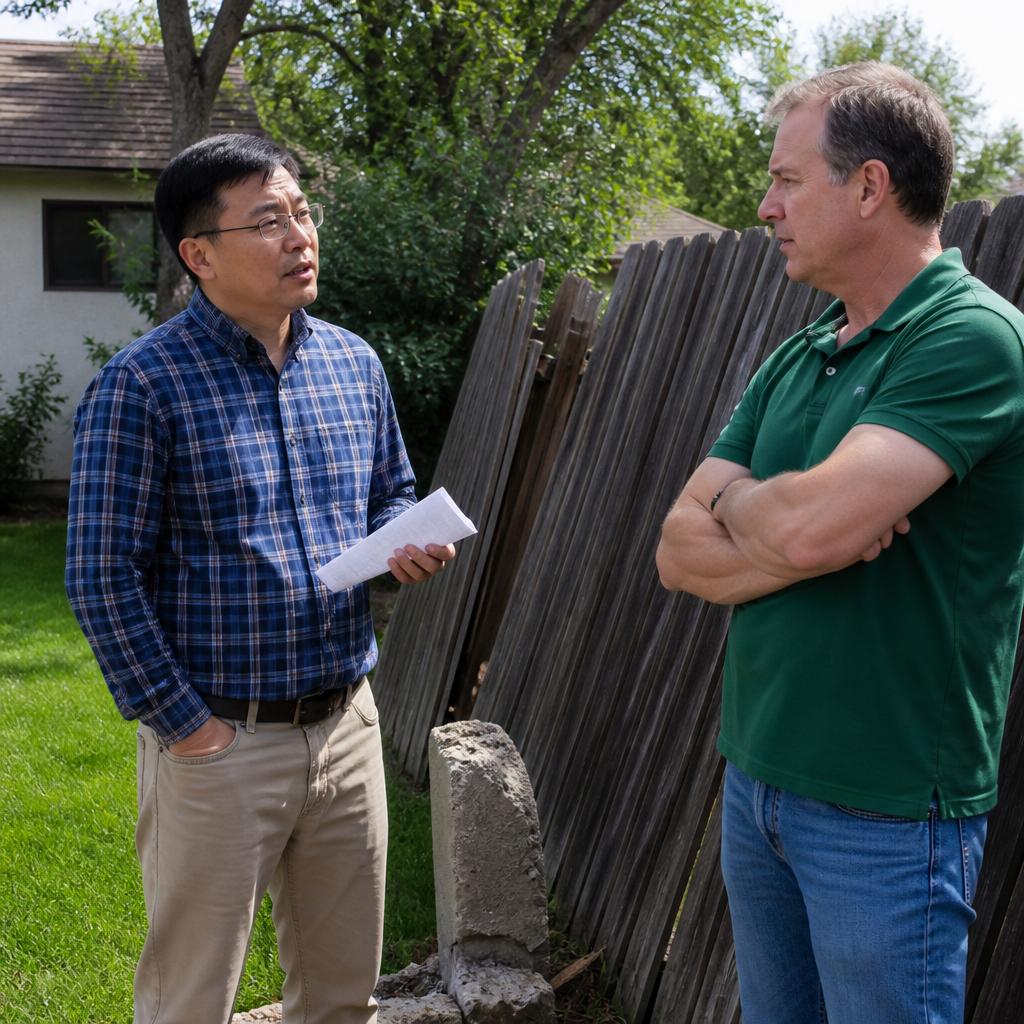
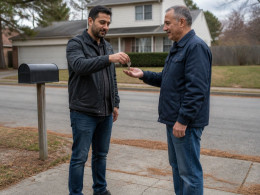
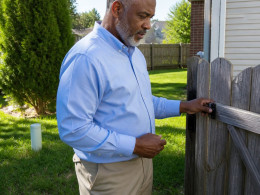
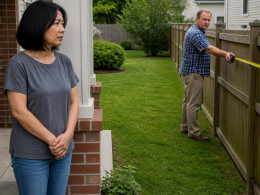
Dale dropped by one weekend afternoon, holding out a folded drawing of our shared fence line. He said, "How about we split the cost 50/50 and replace the old fence?" At first, it seemed reasonable. We both wanted something sturdier, the backyard fence was leaning and peeling. But then Dale mentioned he had a contractor lined up who didn’t require permits. That raised a red flag for me. We both knew that fence projects usually needed a permit from the township — especially for replacements that might impact property lines or easements. Dale shrugged off my concern, saying, "This guy knows what he's doing, and it won’t cost extra in red tape." But that felt like he wanted the new fence placed exactly where he wanted, possibly ignoring any official rules. We stood near the crumbling wood fence; the sun warmed the cracked concrete at the foot of the posts. The smell of fresh-cut grass lingered, but something about Dale’s casual tone made me uneasy. Was he trying to push through a fence line that favored his lot? I didn’t know yet, but I sensed this project might not stay so simple.
Plat Map Didn’t Match Fence
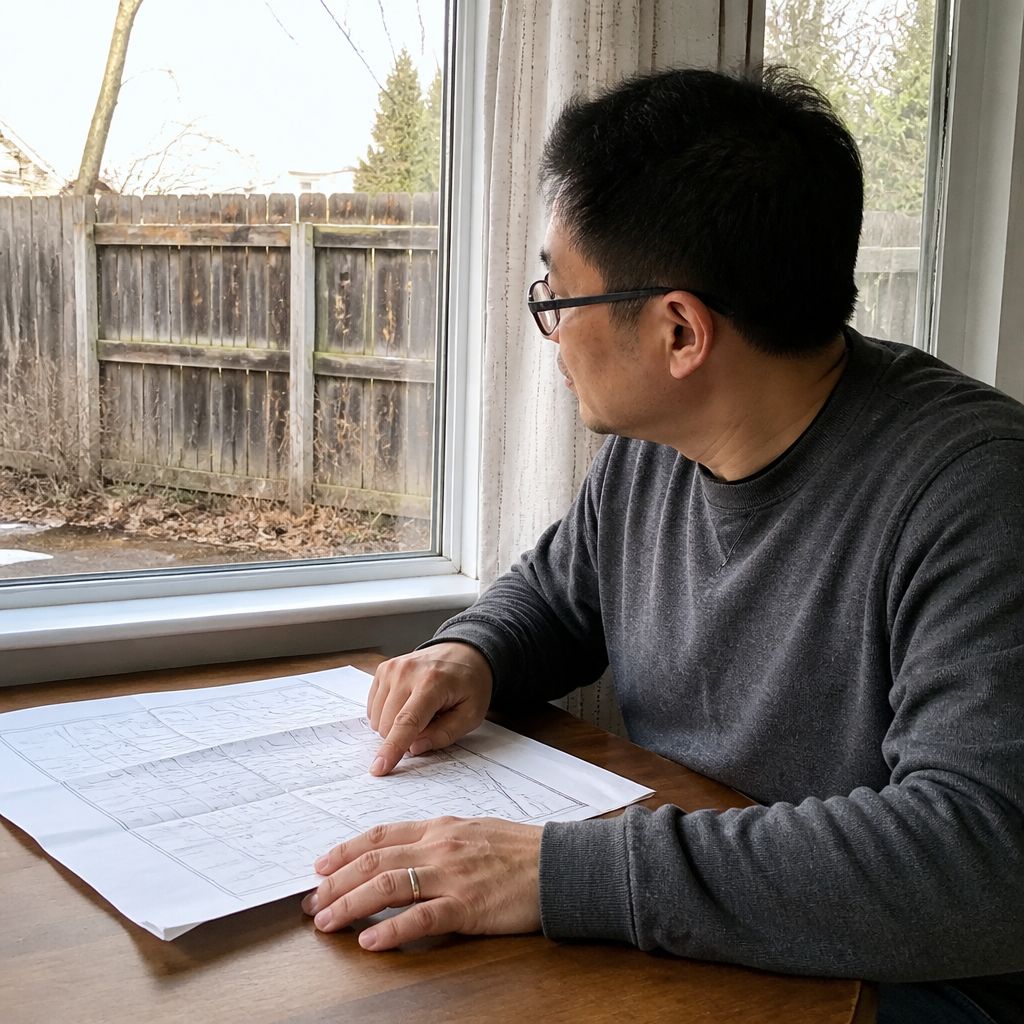
I went home and pulled up the county’s online plat map to check our property lines. The old fence leaned oddly toward my yard, but the plat showed the boundary several feet away from where the fence stood. That was the first real clue that what we all assumed about the property line might be off. The discrepancy made me stare at the worn fence posts anchored in dry soil, the chipped paint catching the afternoon light. The map’s thin lines and parcel numbers didn’t match the physical markers on my property. Had the fence been creeping onto my land for years? I felt a mix of doubt and curiosity. I double-checked the map against my deed and the county records I’d saved. Still, the fence position and the official lines didn’t add up. This wasn’t just a maintenance project anymore — it was a question of who actually owned the strip behind the fence.
Ordering The Official Survey
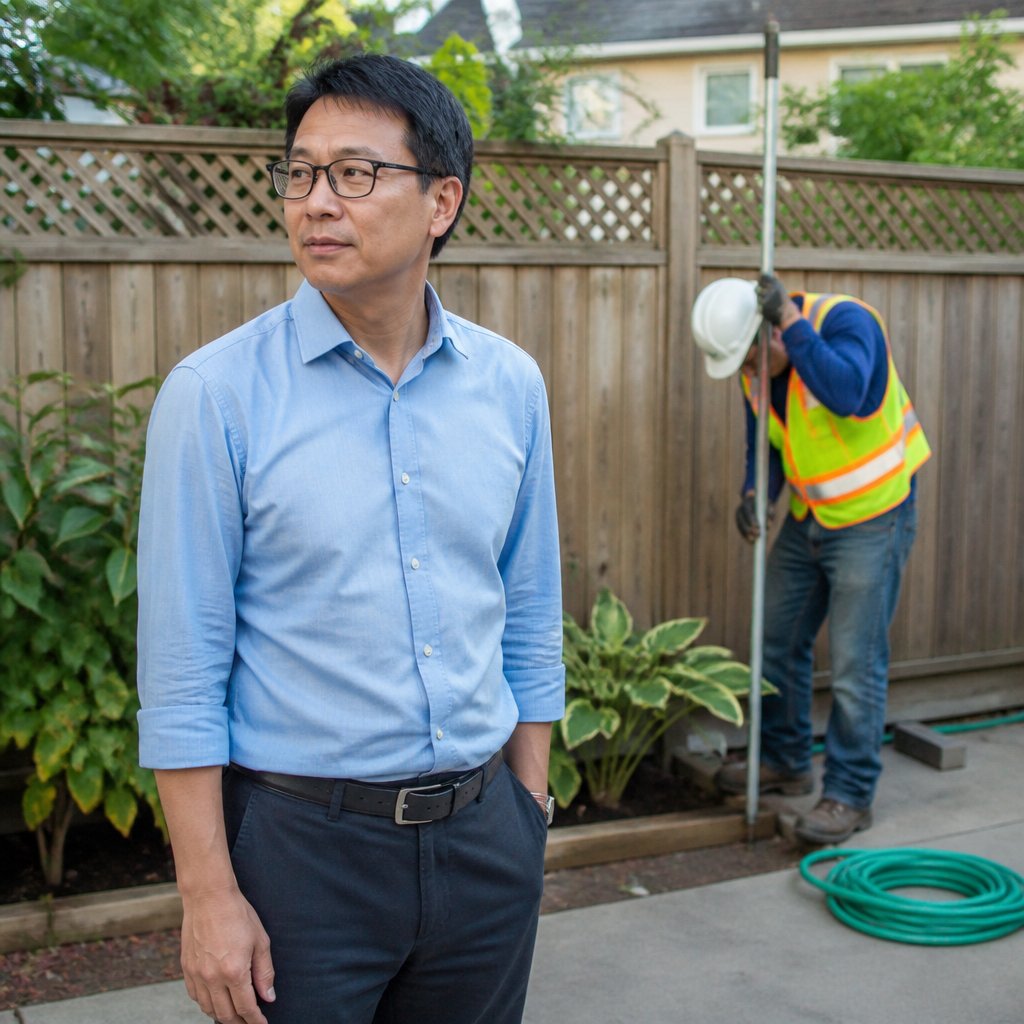
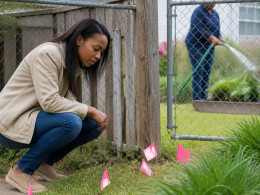
I decided to hire a licensed surveyor to settle the question once and for all. When I told Dale about ordering the survey, he immediately acted defensive. He said, "That’s just unnecessary delay. We don’t need to drag this out." His tone suggested he saw the survey as a roadblock to his plans. I told him, "It’s important we have an official measurement so there’s no confusion." But I could tell he didn’t want to hear that. He implied he might challenge the survey results or refuse to cooperate. The surveyor came a few days later with measuring equipment, walking the boundary lines marked by old stakes and flags in the dry dirt. I watched as they tapped a metal rod into the earth near the fence line; the sound echoed softly in the quiet backyard. This project had shifted from simple fence replacement to a possible property dispute, but I wasn’t ready to back down.
Survey Flags Boundary Issue
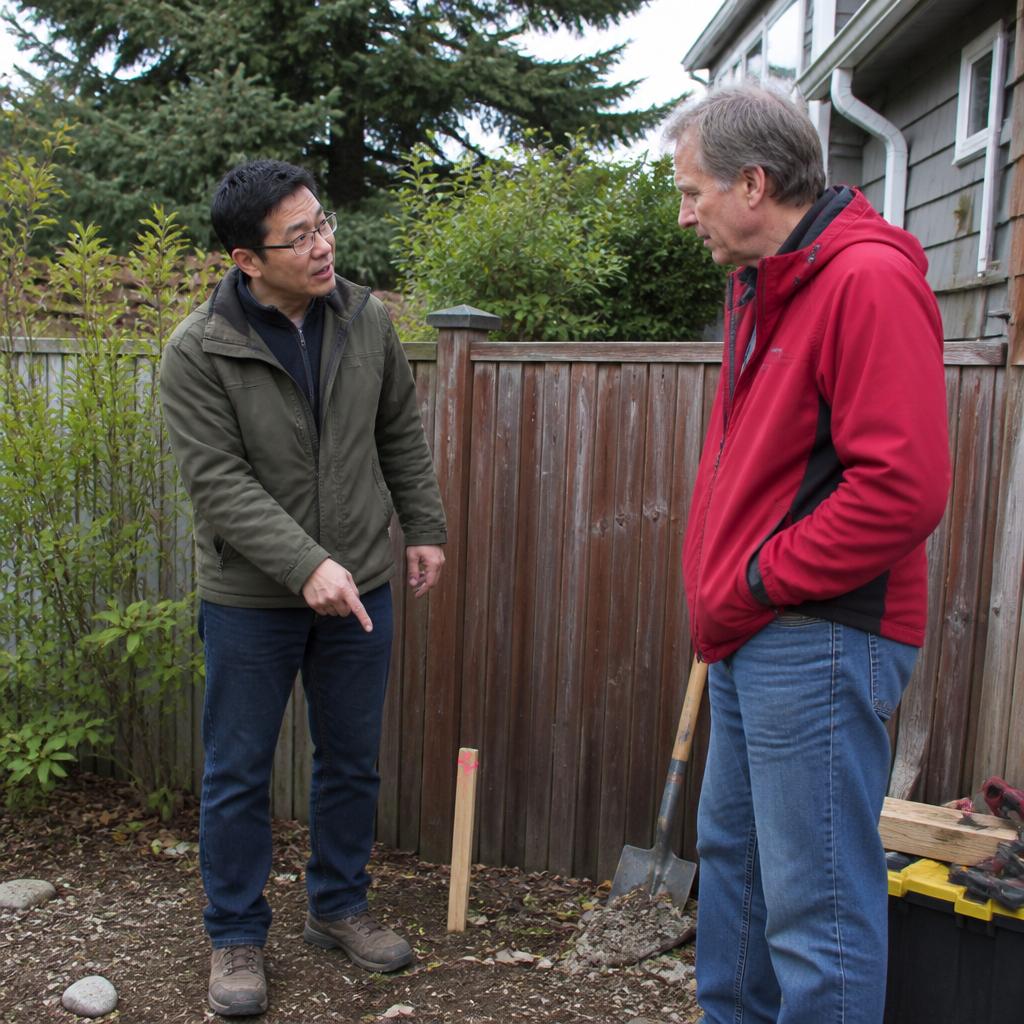
The survey report came back and confirmed my suspicion: the property line was several feet away from the existing fence. The map showed a narrow strip of land that was technically mine, but the fence had creeped beyond the true boundary for decades. When I shared the results, Dale immediately rejected them. He said the survey was "wrong" and accused me of trying to stall progress. From casual neighbors discussing fences, we suddenly found ourselves in a full-blown boundary dispute. I stood near the fence post where a small pile of dirt marked the surveyor’s stake, the smell of fresh earth mixing with the faint scent of pine from nearby trees. The old wooden fence shadowed the spot. Dale’s firm tone made it clear he wasn’t going to accept the official measurements quietly. What had started as a routine replacement had become a fight over who owned that strip of land and who had the right to put the fence where.
Contractor Unearths Concrete Marker
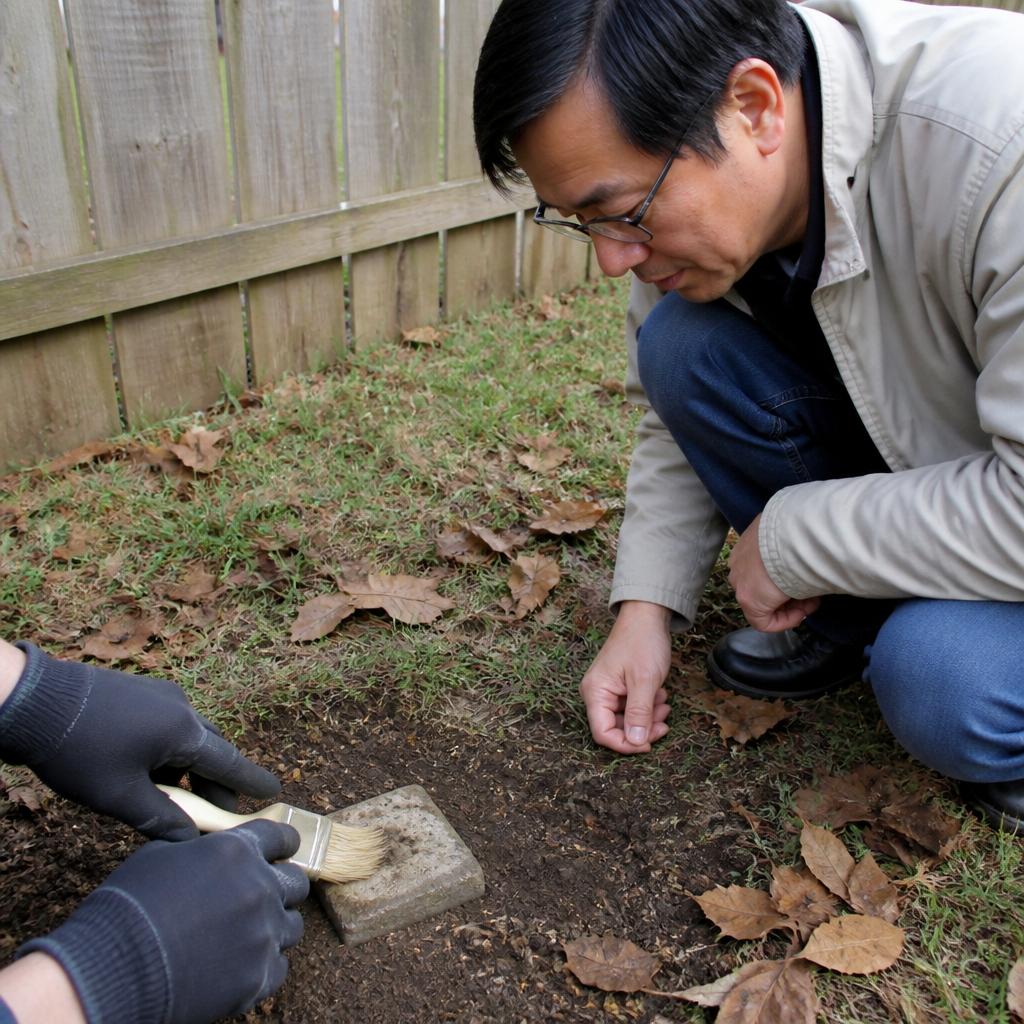
During the fence installation, the contractor suddenly stopped mid-dig. He’d hit something hard beneath the soil — an old concrete marker. The discovery was unexpected and immediately raised questions about property lines. I walked over to see the marker, a weathered rectangular block partially buried and covered with moss. It had faded numbers stamped on the surface, but they were illegible. The contractor wiped dirt off the top, then stepped back. The smell of damp earth and disturbed soil filled the air as the workers gathered around. This marker could prove the true boundary, or complicate things further. I looked at Dale, whose expression was unreadable. This hidden evidence might finally clarify who owned the strip behind the fence — or spark a deeper dispute.
Payment Talks Turn Sour

Tensions rose when Dale accused me of dragging my feet to avoid paying for the fence. He said outright, "You’re stalling because you don’t want to pay your share." I tried to de-escalate by offering to put my portion in escrow with our HOA, assuring him the money was set aside and ready once we agreed on the fence line. But Dale interpreted that as a sign I was acting in bad faith — suspicious and untrusting. We stood in the driveway, the scent of gasoline from Dale’s lawn mower in the background. Our voices grew louder, neighbors glanced from their windows. This wasn’t just about money anymore; it was about trust and control over the disputed strip. How we’d resolve this was still unclear.
Survey Reveals 1970s Easement
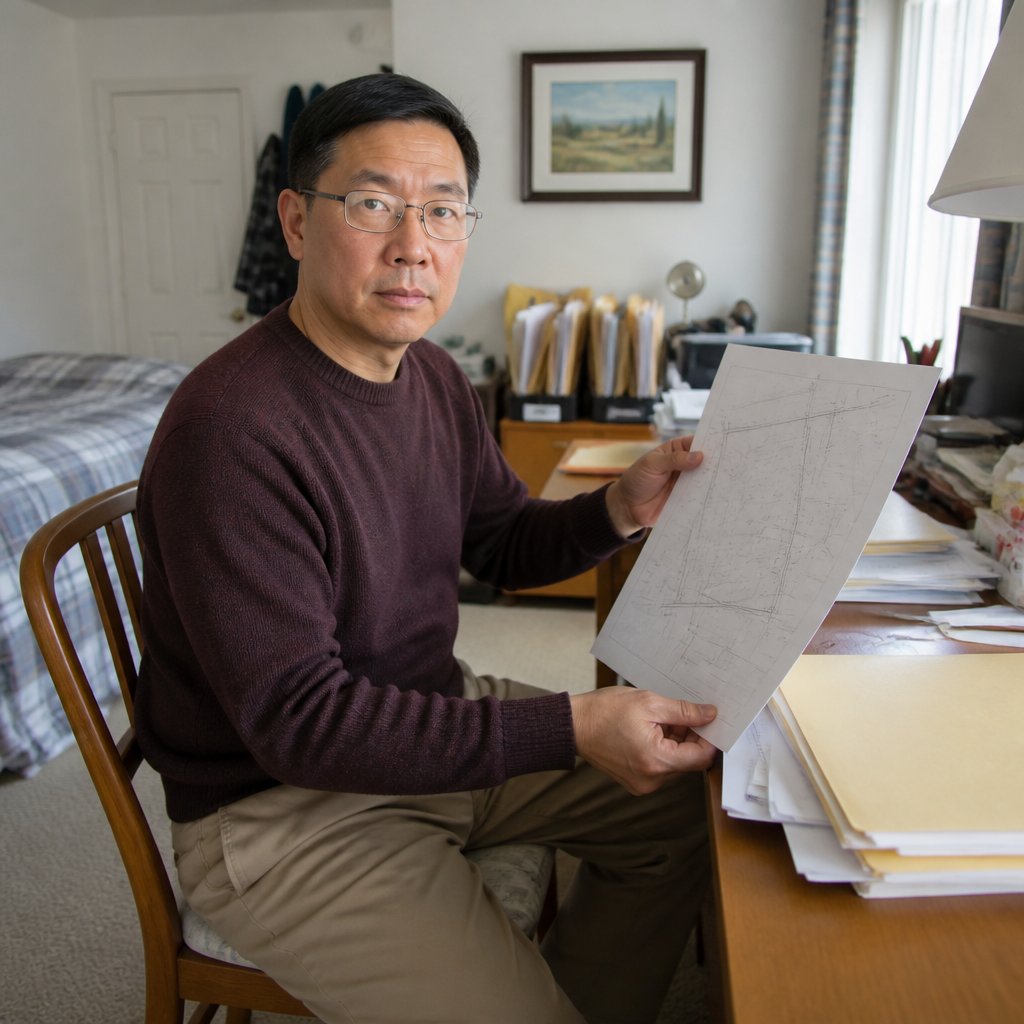
The surveyor’s formal sketch included a narrow strip of land along the rear property line, marked with a note about an easement dating from the 1970s. Dale claimed this easement gave him control over the strip and the right to place the fence where he wanted. I examined the sketch, the precise lines inked on white paper, the typeface stamp clearly visible but the details still confusing. The easement was labeled, but the language wasn’t familiar to me. Dale’s confident assertions made it seem like the easement was his trump card. I held the survey sketch on my desk in the spare room, the rough carpet fibers soft underfoot. This development changed everything — but I didn’t yet understand all the legal implications of the easement note or how it affected our dispute.
Dale Claims Shared Path

Over the next few days, Dale started casually walking back and forth along the narrow strip behind our fences, acting like it was a shared path. He said this “normal use” supported his claim to the land. I watched from my kitchen window as he paced the strip wearing a blue jacket and jeans, sometimes stopping to inspect the soil near the fence posts. The smell of rain lingered in the air after a recent drizzle. Meanwhile, I was still trying to read and understand the exact language of the easement. It seemed to reference access for utilities and drainage, not a neighbor’s private use. Dale’s behavior, though, was trying to create a fait accompli — making the strip feel like his domain. I wondered how I should respond to this quiet assertion of control while still figuring out the legal facts.
County Recorder Shows True Easement

I went to the county recorder’s office to pull the official recorded easement document. The language was clear: it granted utility and drainage access, not general neighbor passage or fencing rights. Holding the document in the public reading room, I noticed the slightly musty scent of old paper mixed with the faint aroma of coffee from the nearby vending machine. I read that the easement was for utility companies to maintain pipes and cables, with no mention of property control or private fence placement. This meant Dale’s theory about the easement giving him right to the strip might be legally backward. Yet the question remained how this would affect our ongoing fence dispute. I folded the document carefully and looked out the window at the quiet suburban street, thinking about the next steps in this complicated conflict.
Dale Stakes Fence Line Anyway
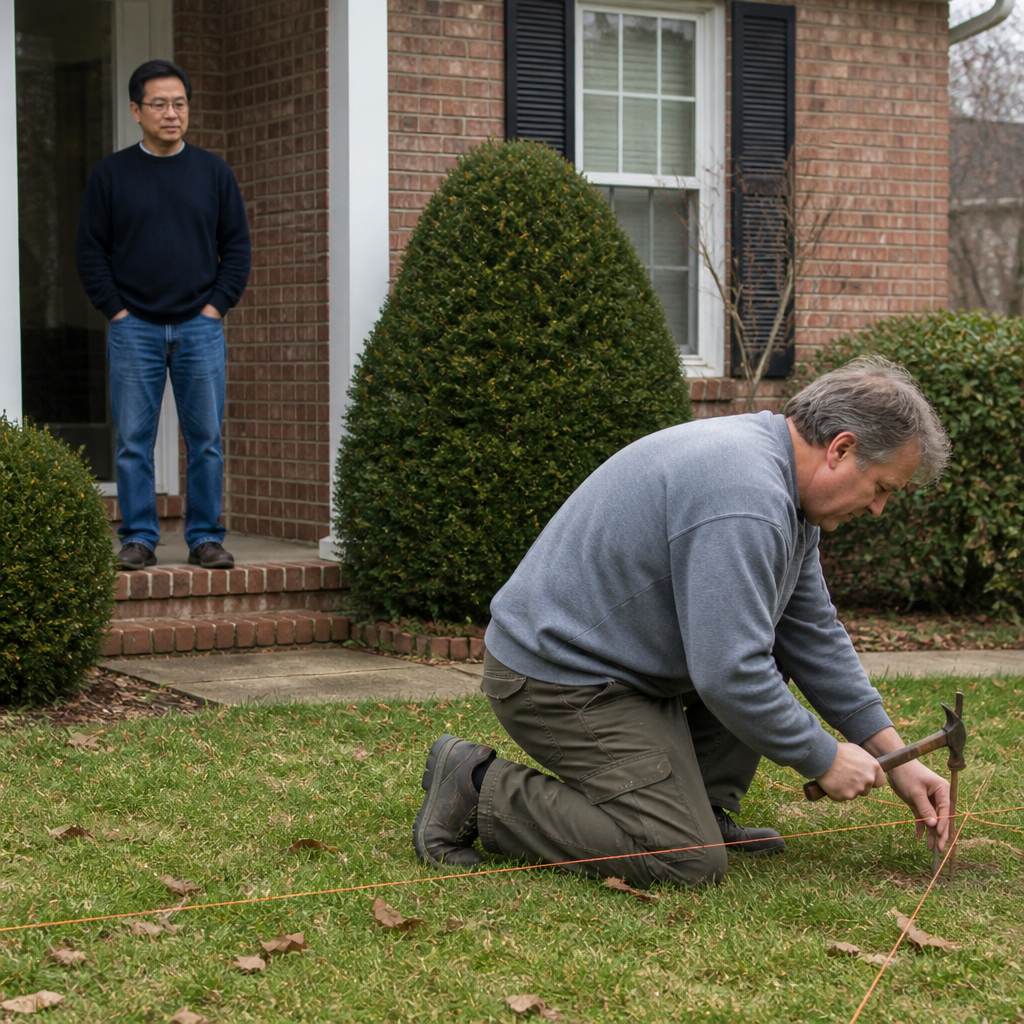
One morning, I stepped outside to find Dale staking and stringing a new fence line several feet onto my side of the property. He wore a faded gray sweatshirt and cargo pants, moving deliberately as he hammered stakes into the ground and tied bright orange string between them. The stale scent of concrete dust hung in the air from nearby construction. I felt a knot of frustration tighten in my chest — he was forcing the issue physically now, trying to box me into accepting his preferred boundary. I stood on my porch, watching the string lines cut across the grass, dividing the land in a way I hadn’t agreed to. The choice was stark: confront him now and risk a serious fight, or let it slide and potentially lose part of my property. The boundary dispute had escalated beyond words into a standoff marked by stakes and string.
The Family Attorney Friend Claim

When I tried to explain my understanding of the easement to Dale, he shut me down abruptly. “My family attorney friend says you’re wrong about all this,” he said, his voice low but sharp. But when I asked to see any document or letter, he just shrugged and said it was a verbal opinion — something passed down through his family. There was no paper, no official lawyer’s letterhead, nothing to back up his assertion. Still, the way he said it made it feel like a real threat — as if this friend had power to invalidate any argument I made.
I sat back onto the porch bench, the rough wood splintering under my fingers. The summer breeze rustled through the leaves down the block, but inside, the tension thickened. Without any proof, Dale was escalating from polite disagreement to implied legal muscle. I wasn’t sure what to make of it, but I knew I had to tread carefully.
Would I push harder for proof, or let this claim hang in the air like a cloud ready to burst?
Utility Locator Confirms Drainage Line
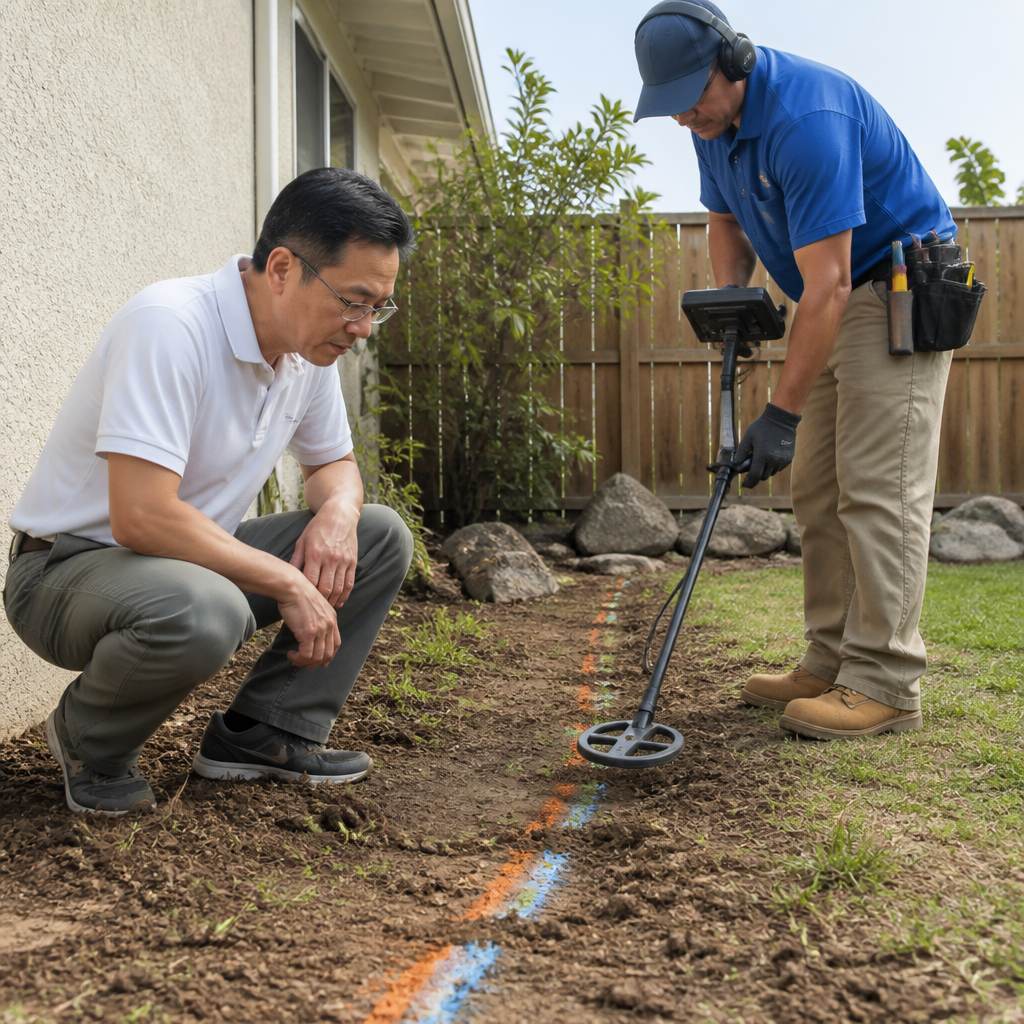
I hired a utility locator to clear up the confusion about the easement. The technician arrived in a faded blue shirt and khaki pants, carrying a handheld metal detector. He swept the device slowly along the strip behind the fence. A steady beep grew louder as he moved closer to a shallow trench.
“There’s definitely a drainage line here,” he said, pointing at the marked spray paint on the ground. “This easement’s for utility access, so any fence has to allow for gates or removable sections.”
Hearing this made the situation sharper. Dale’s plan to put the fence right across that strip meant blocking the drainage access entirely, which could lead to code violations or worse. It suddenly felt less like a boundary dispute and more like a compliance problem.
I stared at the bare earth, the faint smell of damp soil rising. This wasn’t just about property lines anymore — it was about the legal right of way for important infrastructure. How would Dale respond to this new evidence?
Contractor Seeks My Signature

One afternoon, as I mowed the front lawn in a gray T-shirt and worn jeans, the fence contractor pulled up in his truck, a clipboard in hand. His assistant followed, carrying a stack of papers. They approached me with cautious smiles.
“Dale told us you approved the new fence line,” the contractor said, holding out a form. “We need your signature to keep moving forward.”
I shook my head firmly. “I never agreed to this. If anything, I want the fence line where it was before.”
They exchanged quick glances. “Then we’ll need something formal — an official refusal— or we could get stuck with liability later on. It’s to protect you.”
The summer heat made sweat bead at my temples as I considered their words. This refusal wasn’t just about saying no anymore; it was a legal step that might shape the whole dispute’s course. Signing or not signing would lock me in one way or another.
What would happen if I left this unsigned?
Facebook Accusations Go Public

Scrolling through my phone one evening, I saw a post on the neighborhood Facebook group. Dale had gone public, accusing me of "stealing land" and questioning my integrity. His words were sharp, blaming me for trying to disrupt the “family tradition” and ignoring recorded documents. Comments piled up quickly, some supporting him, others confused or neutral.
At the same time, the Homeowners Association sent out a vague warning about “conduct unbecoming” during disputes, but carefully avoided mentioning any property lines or the fence conflict. It felt like they were trying to stay neutral, but the message stung like a sideways slap.
I sat in my kitchen, wearing a blue button-down shirt and looking out the window at the quiet street. The hum of a lawn mower drifted past, but inside, the atmosphere was tense and unsettled. Suddenly, what was once a private disagreement was dragging the whole neighborhood in.
Would this public pressure push Dale to back down or make him dig in deeper?
Landscaping Boulders Block Access
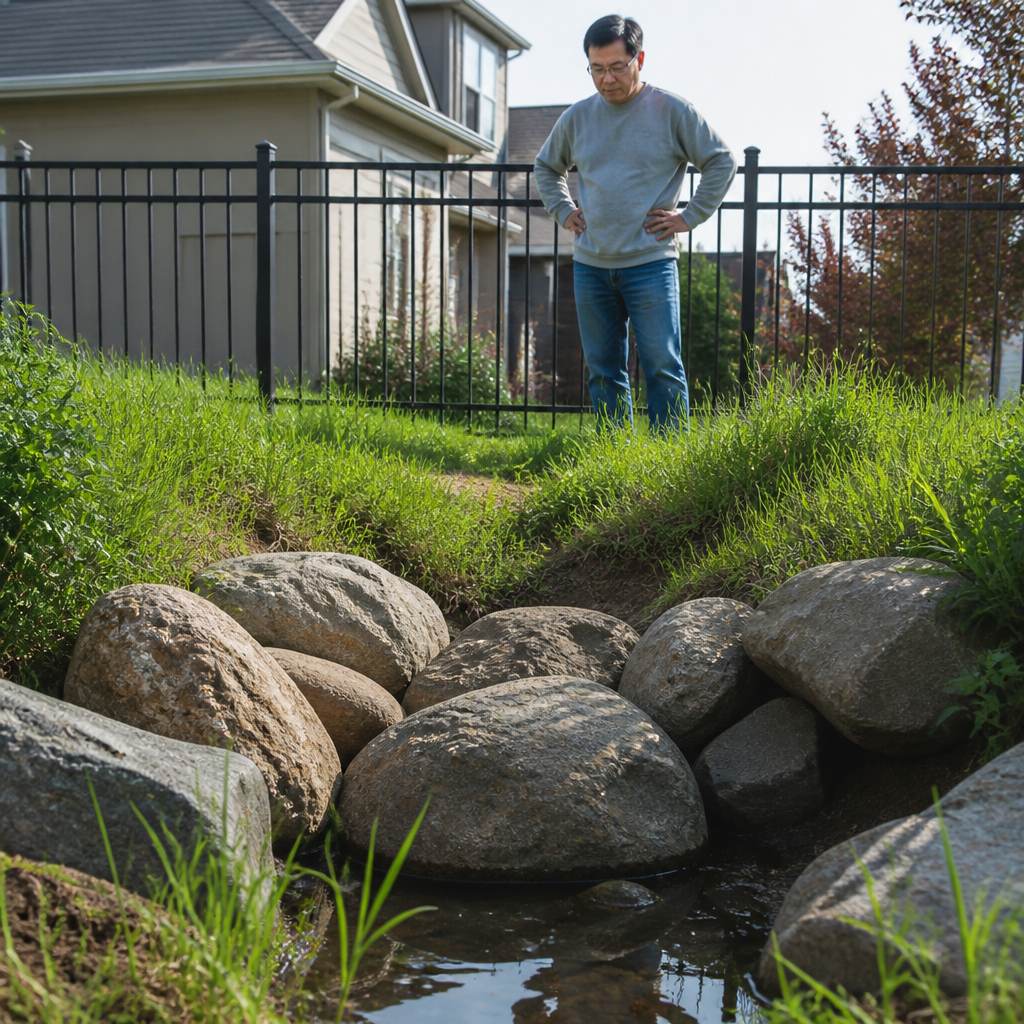
One Saturday morning, I walked behind the fence in a light gray sweatshirt and jeans and stopped short. Heavy landscaping boulders lined the disputed strip — large, rough rocks that hadn’t been there before. They blocked the narrow drainage swale, making it impossible to mow or maintain the strip properly.
The rough surface of the rocks scratched my gloves as I reached down, feeling the dirt packed around them. The boulders weren’t just decoration — they were a clear physical blockade. This move changed everything from a paperwork fight into a real interference with land use.
I knew these boulders could cause drainage backups or damage during heavy rains. Standing there, I felt the weight of the situation settling more heavily — this was no longer just about a fence line, but potential harm to both our properties.
Would Dale remove them if I asked, or was this his way of forcing the issue?
The Suit Papers Arrive
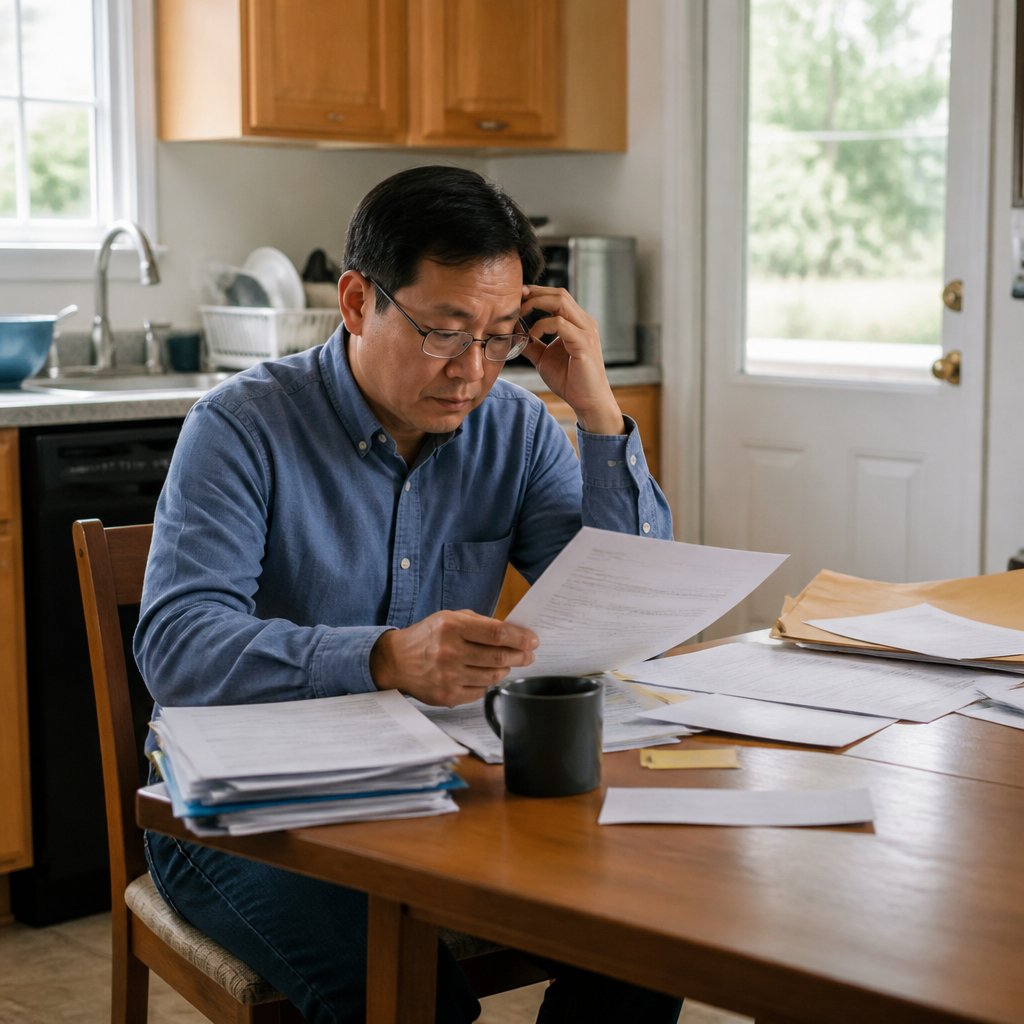
The letter arrived first—formal and stiff—informing me that I’d filed suit demanding Dale remove the boulders, confirm the boundary, and cover the survey costs. I was relieved to have started the legal process but knew this was just the beginning. Within days, a thick envelope showed up at my door. Dale had countersued, claiming adverse possession over the disputed strip due to decades of fence placement, and demanded compensation for fence materials he bought and installed. It was clear he was gearing up for a credibility battle in small claims court.
I sat at the kitchen table, the papers spread out before me. The scent of brewed coffee filled the room, mingling with the faint smell of old wood from the adjacent bookshelf. I reread his claims, trying to wrap my head around his argument that the easement gave him rights beyond what I understood. Our old survey documents and the new one I ordered were still pinned to the fridge, a constant reminder of the gray area between us.
My lawyer advised me to keep every piece of correspondence and to consider hiring a surveyor with experience in easements. The question that lingered: would the judge buy Dale’s story about adverse possession? And how would we prove who truly owned that narrow strip behind our fences?
Fence Posts Rise Overnight
Mediation was scheduled in a bland conference room with neutral beige walls and a half-circle table. Dale showed up wearing a dark green windbreaker and a baseball cap pulled low over his face. I wore a gray sweater and khakis, clutching my notes. The mediator’s efforts to find common ground quickly broke down as Dale insisted on his rights to the disputed strip. His tone was firm, and his gaze didn’t waver.
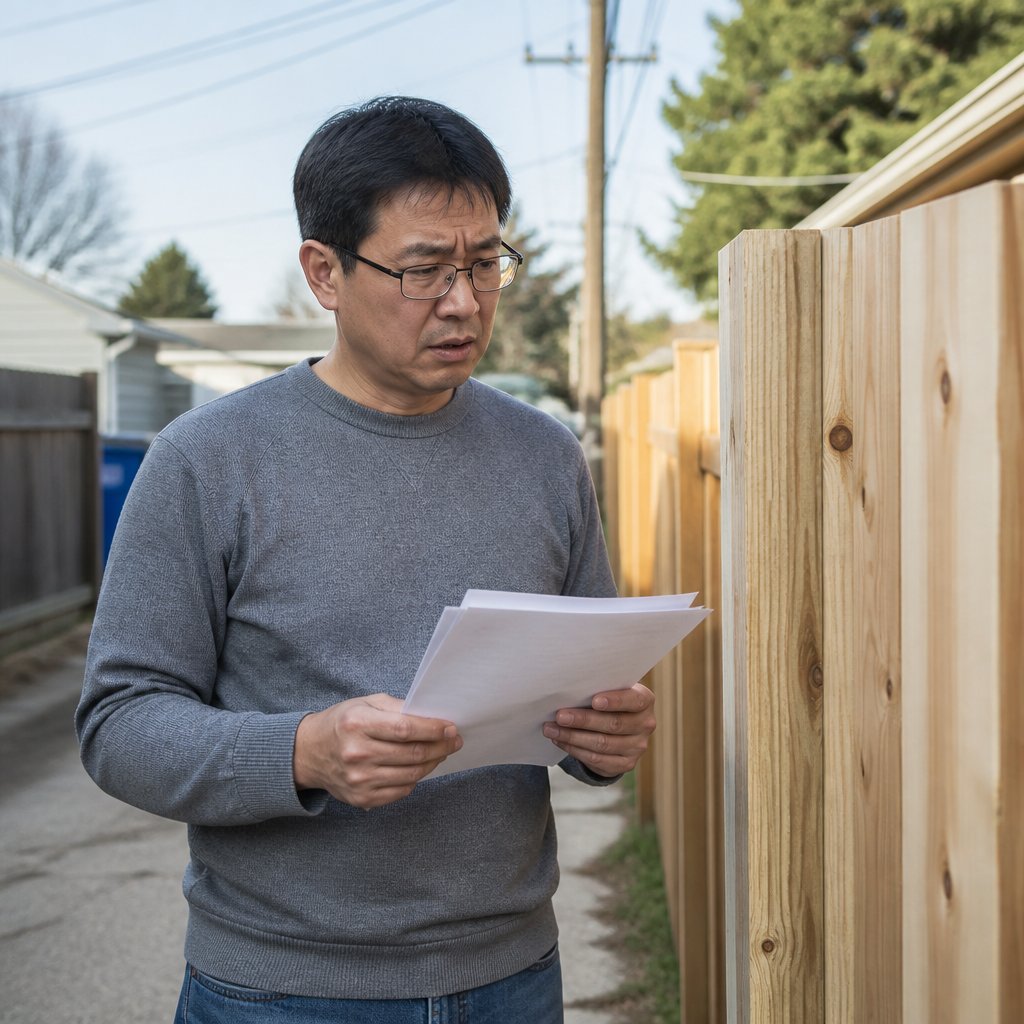
That night, I drove by our back alley just before dusk and saw new wooden fence posts set firmly in the ground, right where the old fence had never stood. The posts divided the strip, cutting off the utility access path entirely. The rough scent of fresh-cut wood hung in the air. Utility workers came the next day, found the path blocked, and left official notices taped to nearby poles, marking the access denied.
I stared at the notices, knowing I had to act fast. With the judge’s hearing days away, I prepared an injunction request to stop Dale’s fence from obstructing the utility’s right of way. The tension was rising, and the question now was whether the court would intervene before the access was permanently cut off.
Should the court have intervened sooner?