


Why Is Darren Filming My Roof
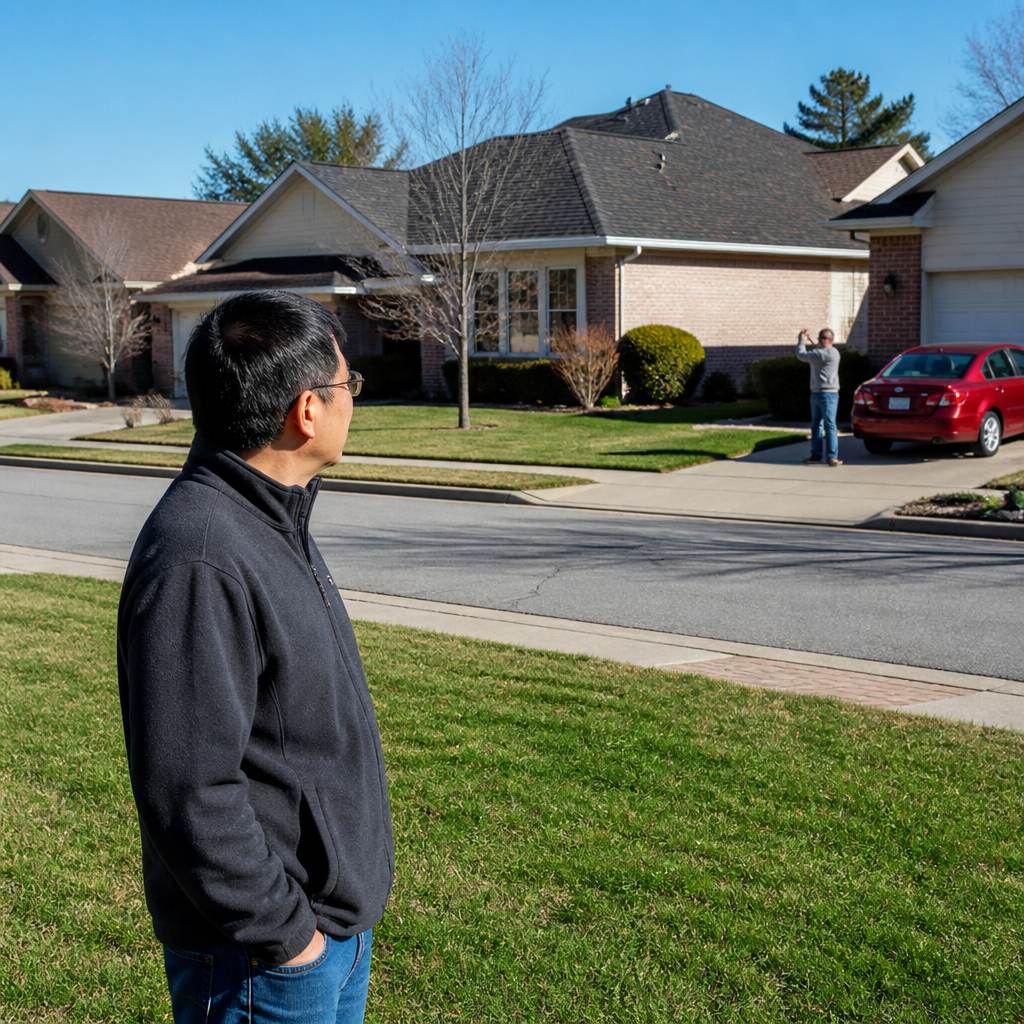
I thought installing solar panels was straightforward, especially since state law said HOAs couldn’t stop me. But one afternoon I noticed Darren, my next-door neighbor, standing in his driveway, phone in hand, filming my roof from just outside the property line. He wore a gray sweatshirt and jeans, casual but focused. The camera angle was low, pointed up at the panels, like he was documenting something specific.
It was odd. I’d never seen him take photos of anything else before. The street was quiet except for the distant hum of passing cars. The sunlight hit the panels perfectly, making them glint sharply against the blue sky. I wondered if he was collecting evidence to complain or worse. It caught me off guard—what was his issue? I didn’t know then that this was just the start of a long dispute.
The Mirror Blast Confrontation
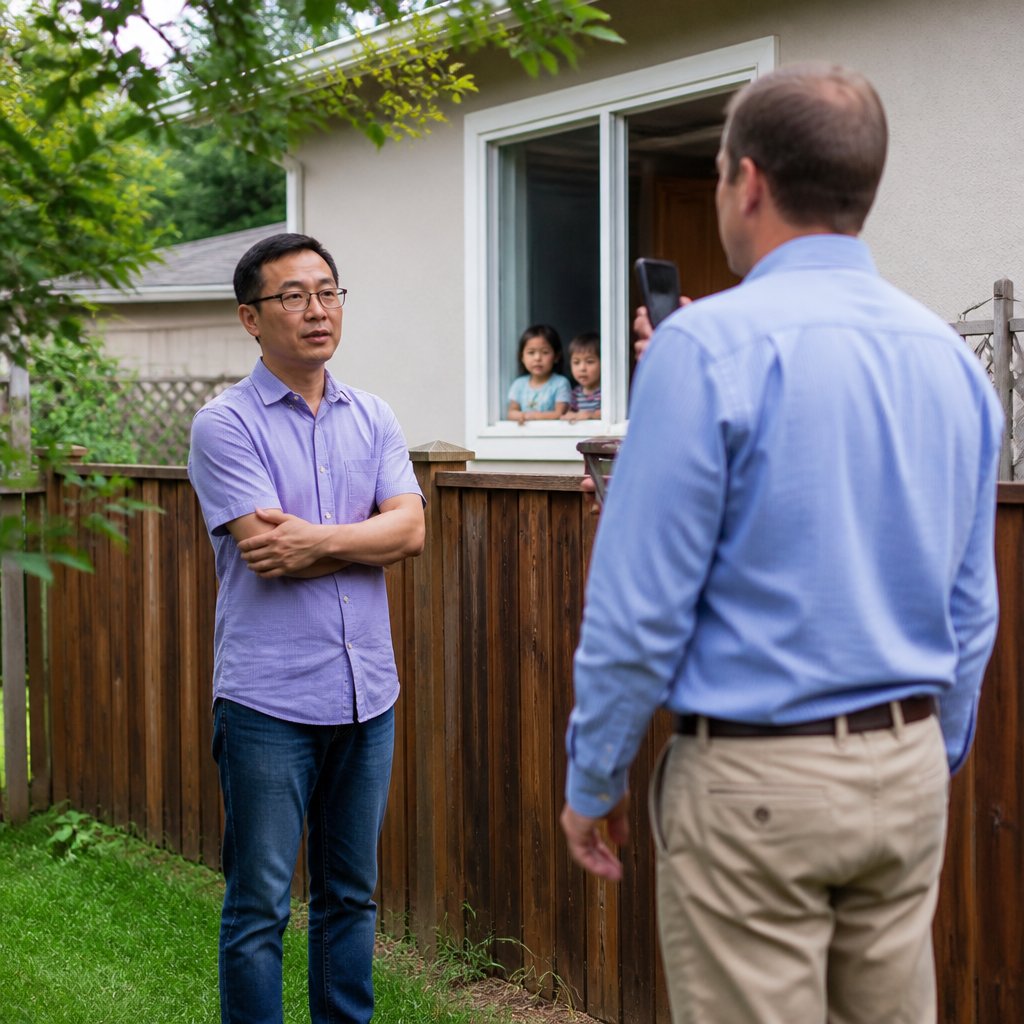
Darren came over the next day, holding his phone out like he was recording me. He said, "Your solar panels are a 4:30 p.m. mirror blast straight into my kitchen. My kids can’t eat dinner without squinting. This is an illegal glare machine." Dressed in a blue button-down shirt and khakis, he sounded serious but not angry.
We stood near the property line, the smell of freshly cut grass in the air. I tried to explain the panels were designed to minimize reflection. He waved me off, saying he’d already talked to others and was documenting everything. I noticed his two kids inside, peering through the window, shading their eyes. His claim felt exaggerated, but I realized this was more than a casual complaint.
Turning Private Into Public
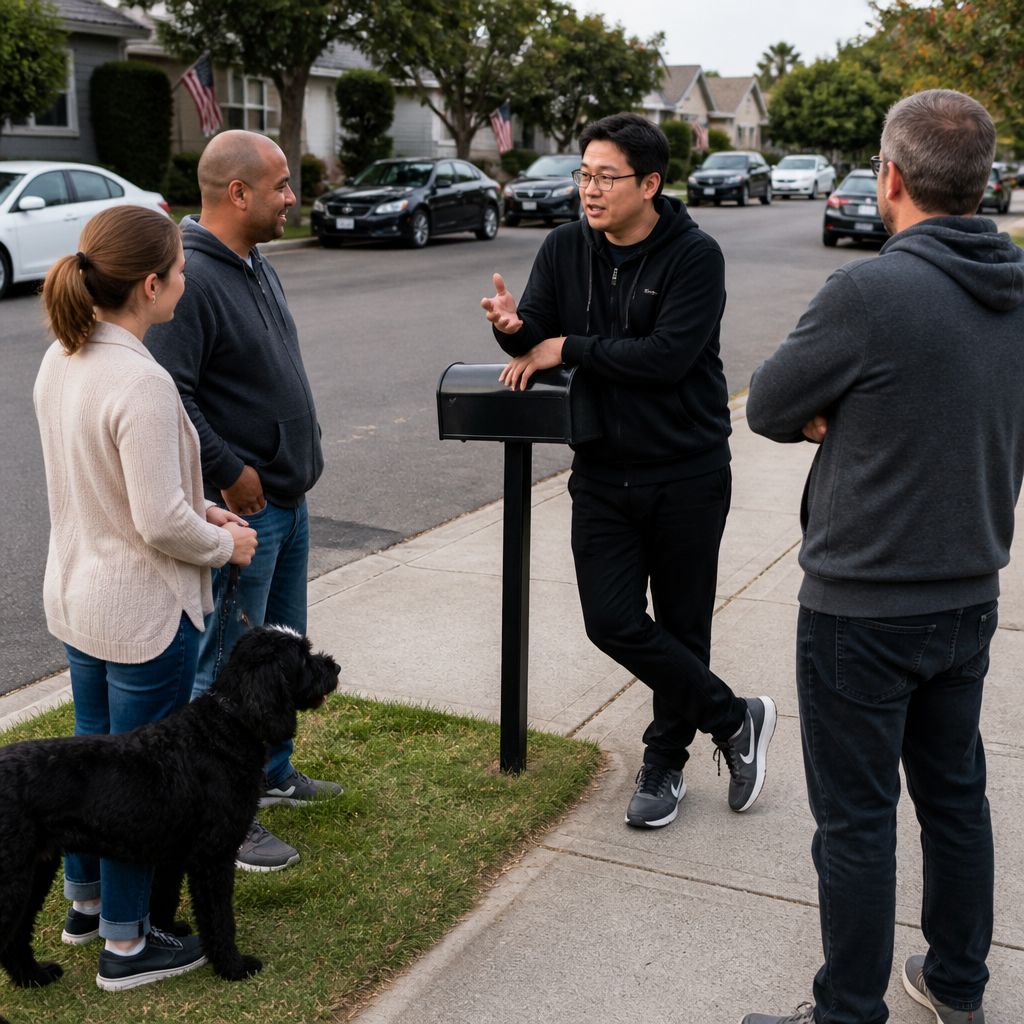
Over the next week, I noticed Darren spending more time outside his house, often near the curb watching the sun’s angle. He wore a black hoodie and sneakers, leaning casually on the mailbox. On a few afternoons, I saw him talking to neighbors walking their dogs.
I later found posts in the neighborhood Facebook group where Darren described my panels as a "blinding glare hazard." He encouraged others to share their experiences. Suddenly, what was once a private complaint was now a public controversy. Some neighbors chimed in with vague concerns about property values and kids playing outside, even if they hadn’t seen the glare themselves.
It felt like a campaign—not just a neighborly gripe. I hadn’t replied yet, trying to keep cool. The quiet cul-de-sac was now buzzing with whispers, and I wasn’t sure how far this would go.
A Glare Check, Conditioned On Paper

I suggested we meet at the property line to check the glare in person. I wanted to solve this quietly. Darren showed up in a red flannel shirt and jeans, but he refused to step outside unless I signed a written promise to remove the panels immediately if the glare was "confirmed."
He slid a piece of paper across the fence, demanding my signature. I was stunned. This wasn’t a simple neighborly resolution—it felt like extortion. I explained I couldn’t sign away control over my property based on vague conditions.
The air smelled faintly of barbecue from a nearby house. Darren’s expression was firm but calm, like he thought this was standard procedure. I left the fence line that day with more questions than answers, wondering how far he was willing to push this.
Cease-And-Desist Letter Arrives

A week later, I received a certified letter from Darren’s lawyer. It alleged that my solar panels were causing "medical eye strain" and constituted a private nuisance. The letter demanded I cease all use of the panels and threatened small claims court for damages citing "loss of use of backyard."
At my kitchen table, I unfolded the crisp letter, the weight of it suddenly heavy. The harsh chemical smell of printed ink filled the air. I reread the claims, trying to stay calm. It felt like the dispute escalated overnight from a neighbor complaint to a legal battle.
I wasn’t sure what evidence Darren had or if his claims held water, but the tone made it clear this wasn’t just talk any longer. The letter ended with a deadline for compliance that was unreasonably soon.
The Evidence Packet Arrives

I received a thick envelope from the HOA that Darren had submitted. Inside were printed photos showing glaring reflections bouncing off my solar panels, taken from his second-floor window and the sidewalk below. Each photo was carefully time-stamped, capturing bright, concentrated patches of sunlight aimed right at his kitchen window and backyard. Darren’s note claimed this wasn’t just a personal grievance anymore — it was a safety hazard for the whole neighborhood.
The packet framed the glare as a community-wide issue, not just a dispute between neighbors. He argued that the reflection could distract drivers or harm children playing outside. The HOA had always been strict about maintaining the neighborhood’s appearance and safety standards, and now the tone was shifting from a simple complaint to a serious enforcement matter.
I felt uneasy as I leafed through the glossy photos. The sunlight on the pavement outside Darren’s house was particularly striking in one picture, almost like a glowing spotlight. But I still wasn’t convinced the glare was dangerous or that removing the panels was justified. I wondered how the HOA would respond to this new framing of the problem.
HOA Hearing Brings New Demand

At the HOA board hearing, I sat across from the president, a middle-aged woman with sharp features who spoke clearly and firmly. She framed Darren’s complaint as a "community safety" issue, emphasizing the need for quick resolution. She asked directly if I would remove the solar panels temporarily until the matter was fully investigated.
Her words carried an implicit threat. The idea of removing the panels, even just for a short period, felt like conceding to the complaint. I looked around the boardroom, the plain beige walls and a long conference table feeling sterile and uninviting. The president’s gaze was steady, waiting for my answer. I hesitated, weighing the impact on my energy savings and the principle of the matter.
Outside the window, the branches of a maple tree rustled faintly in the breeze. It was a typical suburban afternoon, but the pressure in the room made everything feel heavy. I realized the temporary removal was becoming a new focal point of enforcement pressure — not just about the panels’ glare but about control and compliance.
Surveyor Called To Weigh In
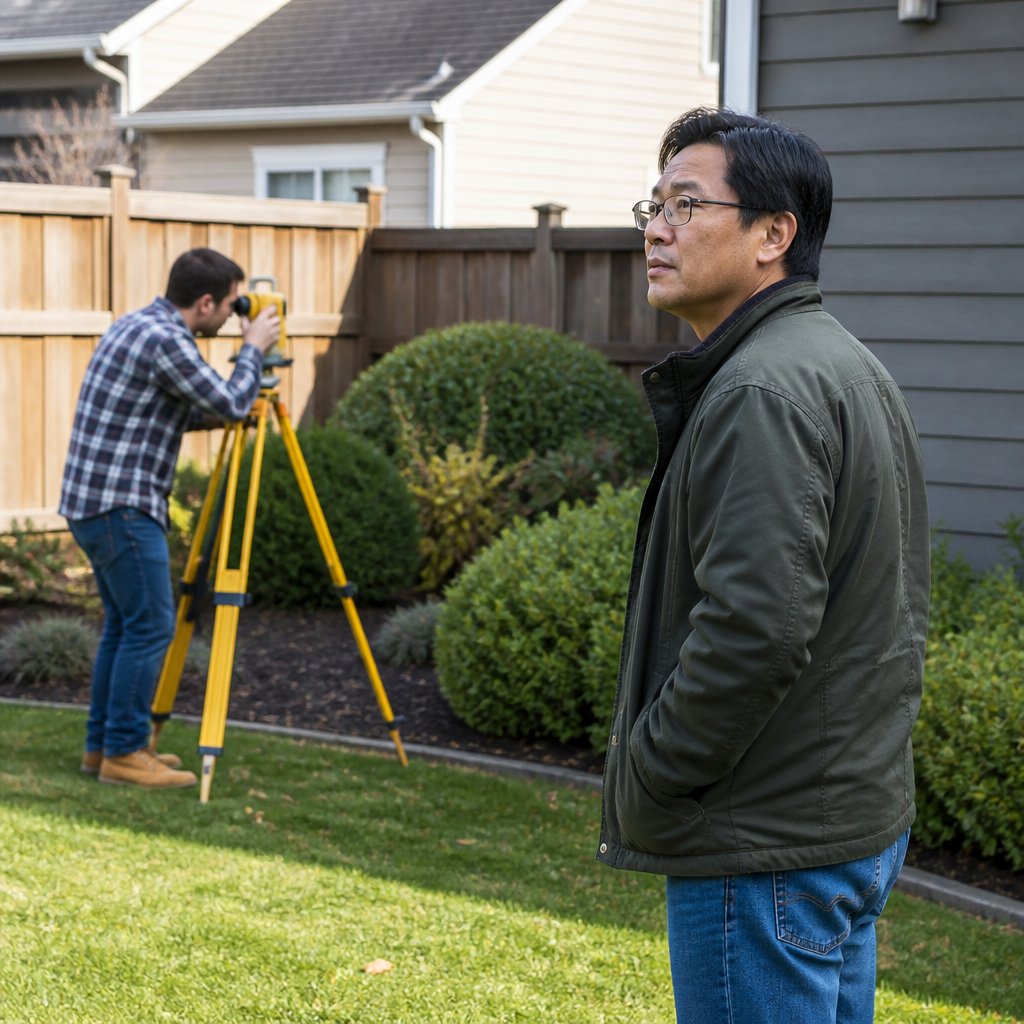
I requested a continuance from the HOA to buy time and avoid immediate penalties. Meanwhile, I hired a licensed surveyor to measure property lines and collect hard data about where the glare might actually be coming from. I hoped solid facts would anchor the dispute in reality rather than emotions.
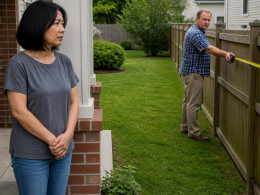
The surveyor, a wiry man in a plaid shirt and work boots, came by the next day with his equipment. He took precise measurements along the side yard and roofline, marking boundaries and easements. I watched as he carefully placed reflective markers near the fence and panels, his clipboard filled with notes.
The backyard smelled faintly of freshly cut grass, and the surveyor’s voice was calm but professional as he explained the process. Despite this, I knew the continuance was just buying time. The HOA’s enforcement threats loomed large, and delaying the decision didn’t guarantee relief or a fair hearing.
Fence Encroachment Changes Stakes
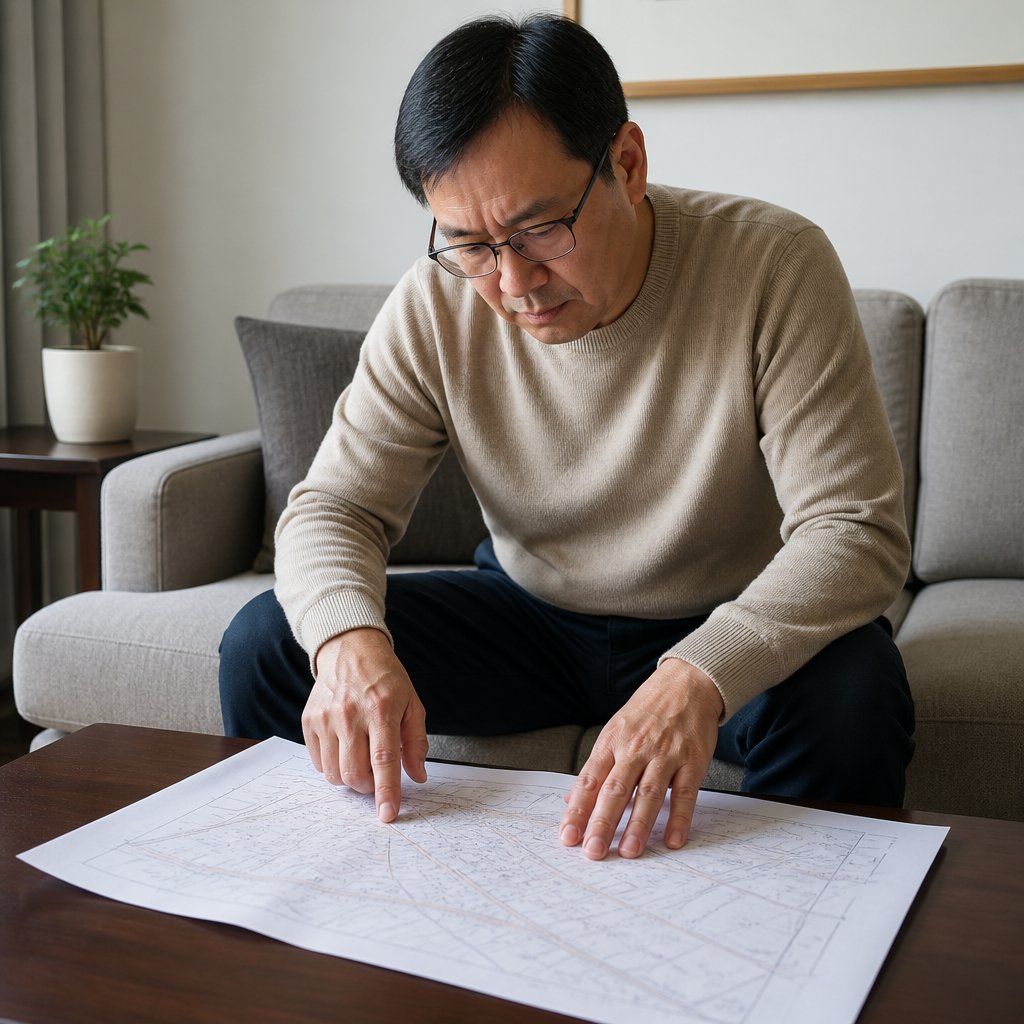
The survey report arrived with a surprise. Darren’s fence extended several inches over the side-yard easement line — just enough to encroach on the space next to my house. This discovery reframed the glare complaint into a boundary dispute and potential encroachment issue.
I studied the surveyor’s maps and notes in my living room. The exact measurements were detailed and precise, showing the fence line crossing into what should be a shared easement. It was a small but legally significant overstep. I thought about how this might affect the HOA’s enforcement and Darren’s complaint.
Outside, the soft rustle of wind stirred dried leaves along the window sill. I realized this was no longer only about solar reflection but about property rights and possibly trespassing. This revelation could turn the fight into a complicated legal landmine, involving local ordinances and property law.
Fence Talk Turns To Threats
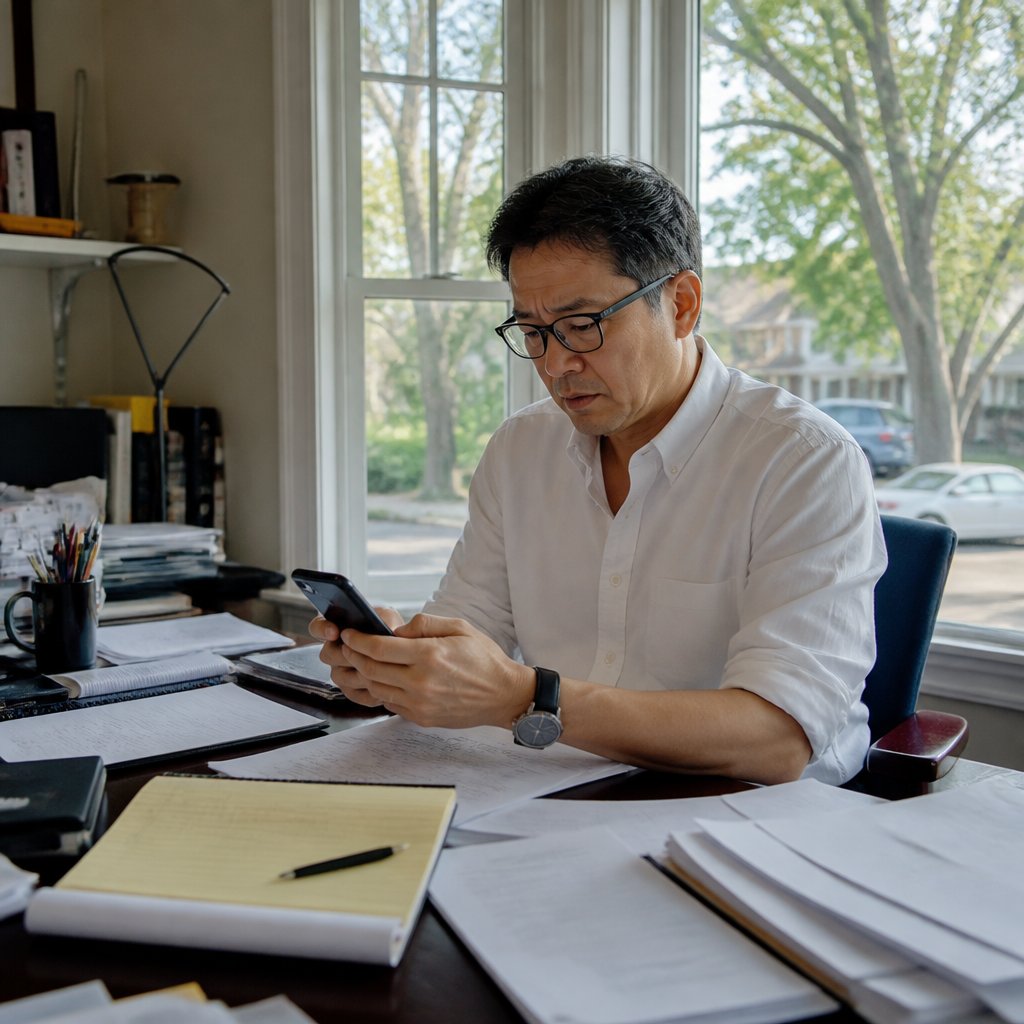
I sent an email to Darren mentioning the fence encroachment, hoping to open dialogue about resolving the issue. Instead, his reply was aggressive. He threatened to call the police and seek a restraining order if I came near or "touched" his fence. The tone was unmistakably hostile, shifting the dispute from civil disagreement to intimidation.
I read his email in my home office, sitting at a cluttered desk with papers scattered around. The soft hum of the air conditioner was the only sound. His words felt like a slap — suddenly, the conflict was no longer just about property or glare, but possibly criminal allegations and legal harassment.
I leaned back, rubbing my forehead. The quiet suburban street outside seemed at odds with the escalating tension inside my own home. I realized this wasn’t going to be a simple neighborly resolution but a hard-fought battle with emotional and legal minefields.
Glare Study From A Stranger
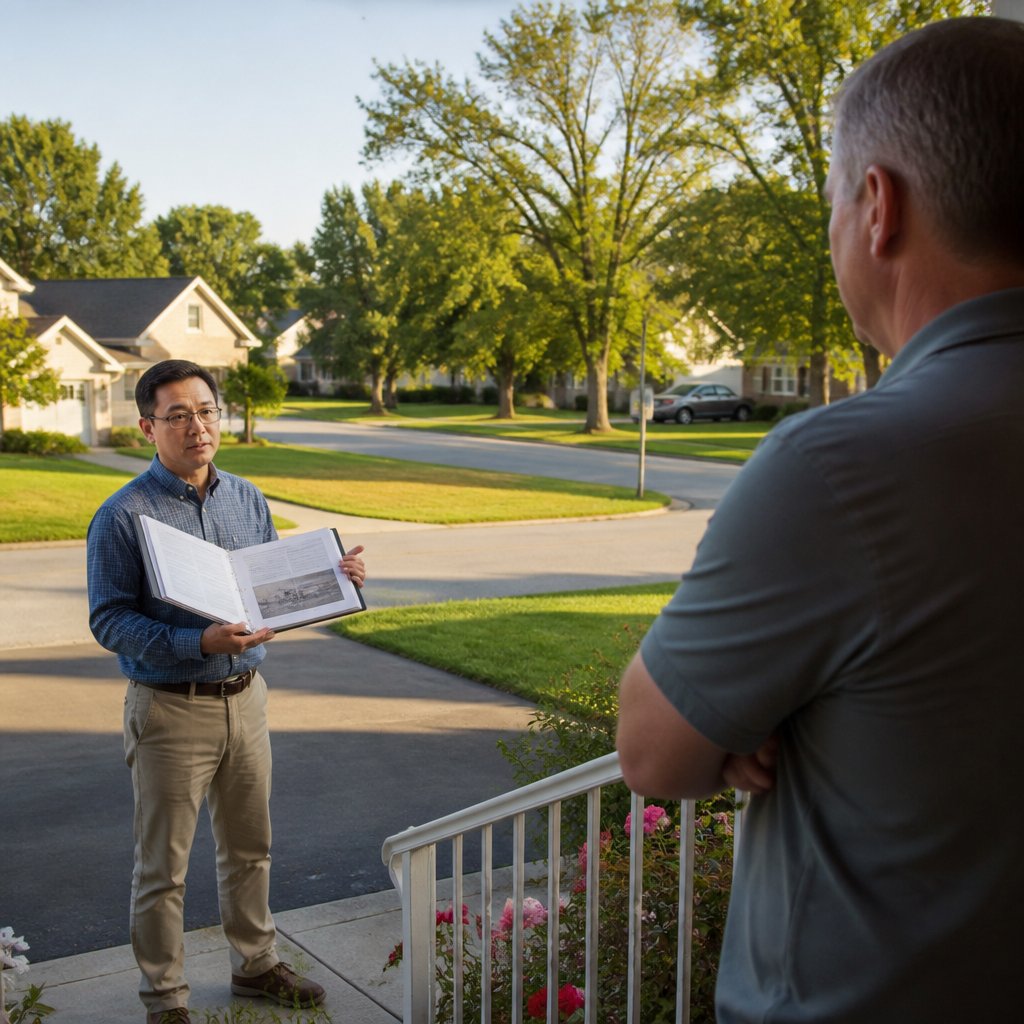
Darren came over one afternoon holding a thick envelope. Inside was a letter from an engineer, claiming to have assessed the glare from my solar panels. The odd thing was, the engineer never visited my property. His evaluation was based solely on satellite images and generic sun angle calculations. I felt this was not enough to settle the dispute, so I hired an independent expert to do a thorough on-site glare study. He arrived early one morning, measuring reflections from all angles around my rooftop panels.
When the report came back, it showed something I hadn’t expected: the primary source of intense glare wasn’t my panels, but the glass of Darren’s own second-story window. The angle of the sun reflected straight from his window into his backyard, especially in the late afternoon. I shared this with Darren, hoping it would calm things down, but he seemed unconvinced. He kept repeating his original claim about the panels, not addressing the report’s findings.
The tension was clear when I looked at the thin stickiness of glare bouncing off his window in the late afternoon light, stark and bright but entirely on his side of the property line. I wondered if this new evidence would end the dispute or only make Darren dig in further.
Mediation And Mysterious Emails

The HOA stepped in and ordered mediation to resolve the dispute. Darren showed up with a list of demands: attorney fees, compensation for “lost enjoyment” of his property, and new blinds to block the glare he claimed was coming from my solar panels. I was ready to negotiate, thinking this should be a simple resolution.
Meanwhile, an official letter from the HOA landed in my mailbox. It was their final demand for me to remove the panels or face escalating fines. As I read the letter carefully, I noticed an attachment: an internal HOA email accidentally included. In it, someone noted that Darren was a top donor for recent HOA events, which seemed to explain why the case had escalated so aggressively.
The email raised my suspicion about the HOA’s impartiality. It was one thing to enforce rules, but another to appear to side with a donor at the expense of a homeowner’s legal rights. That afternoon, I stared at the stack of paperwork on my kitchen table while the cicadas buzzed outside, wondering how this would affect mediation and my standing with the HOA.
City Inspector Shifts Scrutiny
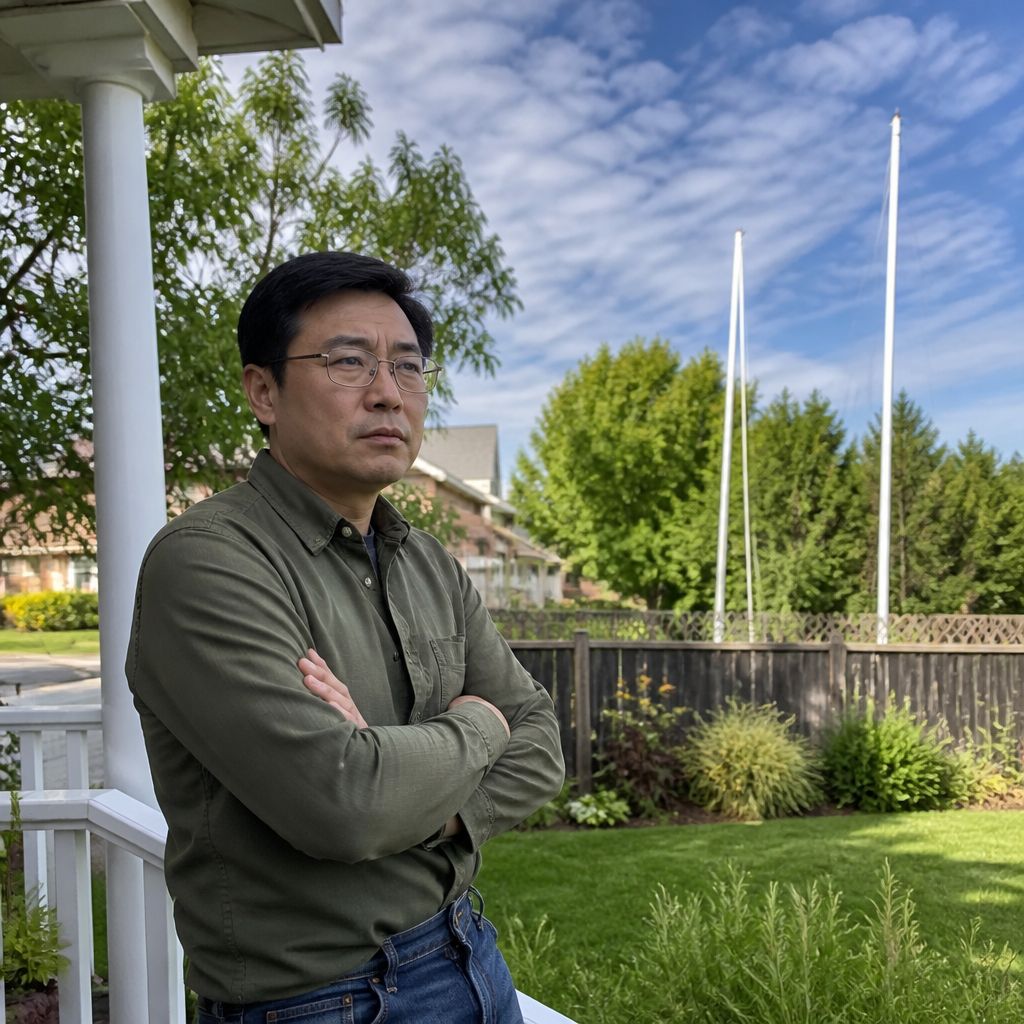
Just days before the HOA’s deadline to remove my solar panels, the city unexpectedly reopened my permit file for a reinspection. The inspector arrived one morning, clipboard in hand, and did a thorough walk around the property. While he found no issue with my solar installation, his attention shifted immediately when he spotted Darren’s sail poles in the backyard.
The inspector flagged those poles as unpermitted structures, which surprised me. I’d never thought about the poles legally, but they were clearly visible from the street and overlapped the property line. The inspector told me this could delay any enforcement against me and might even shift the HOA’s focus. I saw Darren watching from his window, looking uneasy.
The HOA suddenly approached me with an offer: they would grant retroactive approval for my solar panels—but only if I signed a confidentiality agreement and waived all claims against them. The backyard wind rustled leaves softly as I stood on my porch, pondering their proposal. Would accepting this mean giving up my rights and facing a quiet end to the dispute?
Trial With Tense Expectations
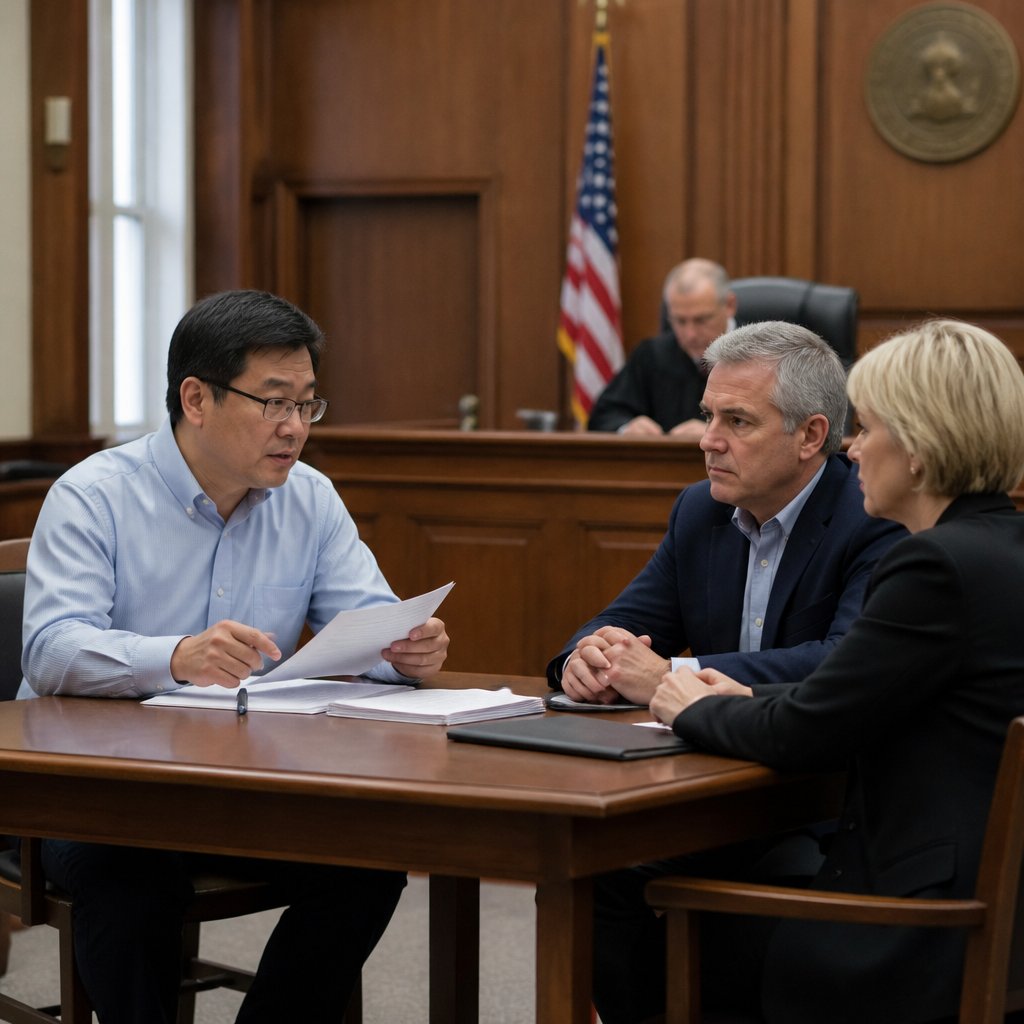
The courtroom was modest, a single judge presiding over the case. Darren arrived dressed in a navy blazer and slacks, looking confident but glancing frequently at an HOA representative seated beside him. The HOA rep, a woman in her mid-50s with short blonde hair and a black suit, appeared reserved, as if hoping someone else would take the lead.
I wore my best button-down shirt and pants, feeling the weight of every paper in my folder. When my turn came, I laid out the independent glare study, my permits, the HOA donor email, and photos I'd taken of Darren filming from inside my easement. I watched Darren’s face tighten as I presented evidence that undermined his claims. His engineer’s letter collapsed under the judge’s basic questions about methodology and site visits.
As the judge leaned forward, fingers steepled, I sensed the ruling could go either way but felt a faint hope of a compliance plan emerging. The hushed sound of papers shuffling filled the courtroom, and I waited for the next move from Darren, who seemed unsettled yet unwilling to back down.
Was the judge's ruling justified based on the evidence?