



Unexpected Notice At My Door
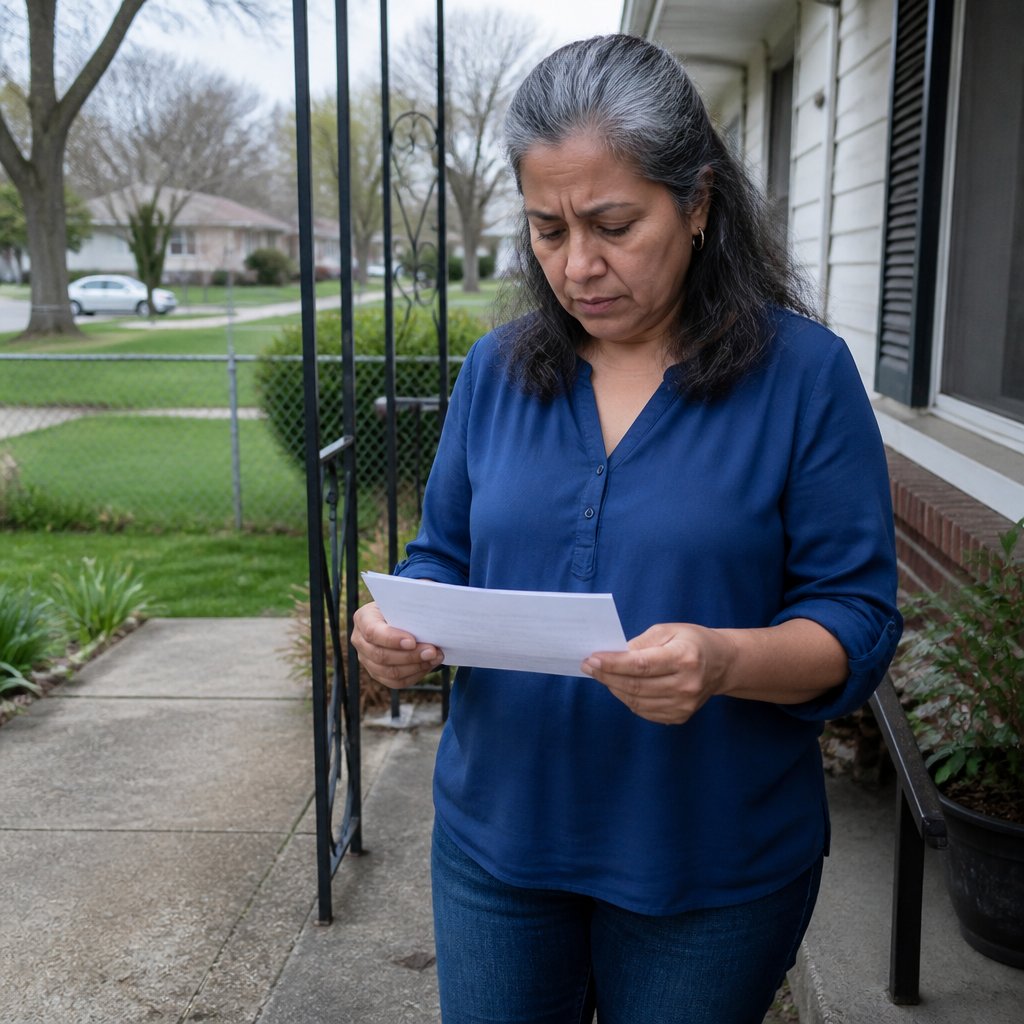
One morning, an official-looking envelope was slipped under my front door. It was a pest abatement notice from the city, complete with a photo of a compost pile I never built. The notice made it clear that the pile was drawing pests, and worst of all, the city map showed the mess crossing the property line—three feet onto my side of the fence.
The air outside was thick and heavy with the lingering smell of rotting food. I stared at the photo, which showed scattered banana peels and coffee grounds piled up near my sprinkler box. I knew I hadn’t put it there, but there it was, right on my property according to the survey.
I felt my stomach tighten. If I ignored this, I could face fines. But I wasn’t the one who had started the compost operation. What could I do now? The notice demanded action but gave me no answers.
Smell And Flies By The Fence
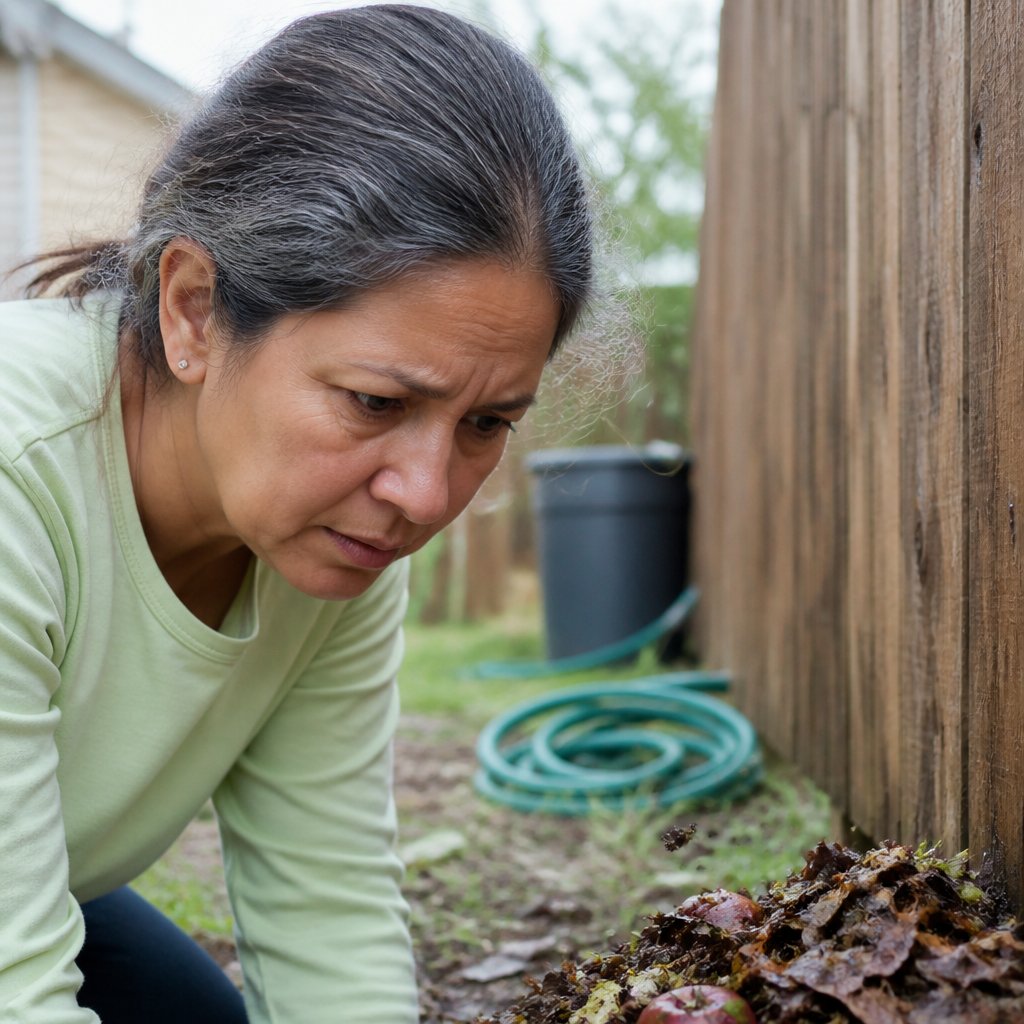
Rewinding to the previous week, I remember first noticing a sour smell wafting along the side fence that separates my yard from Derek’s. The scent was sharp and unpleasant, like something rotten. What caught my attention more were the tiny black flies buzzing relentlessly near the wooden fence panels.
I’d never seen flies like that around before. Looking closer, I spotted some damp soil piled suspiciously along the fence, mixed with bits of leaves and scraps. It was obvious someone was adding organic waste there, but the pile appeared to be creeping closer to my side.
The smell was stale and sour; it lingered even when I tried to air out the back porch. Something wasn’t right, but I wasn’t sure if I should say anything yet. Maybe it was just some harmless garden debris. Still, the flies didn’t feel normal.
Banana Peels Spilled Under Fence
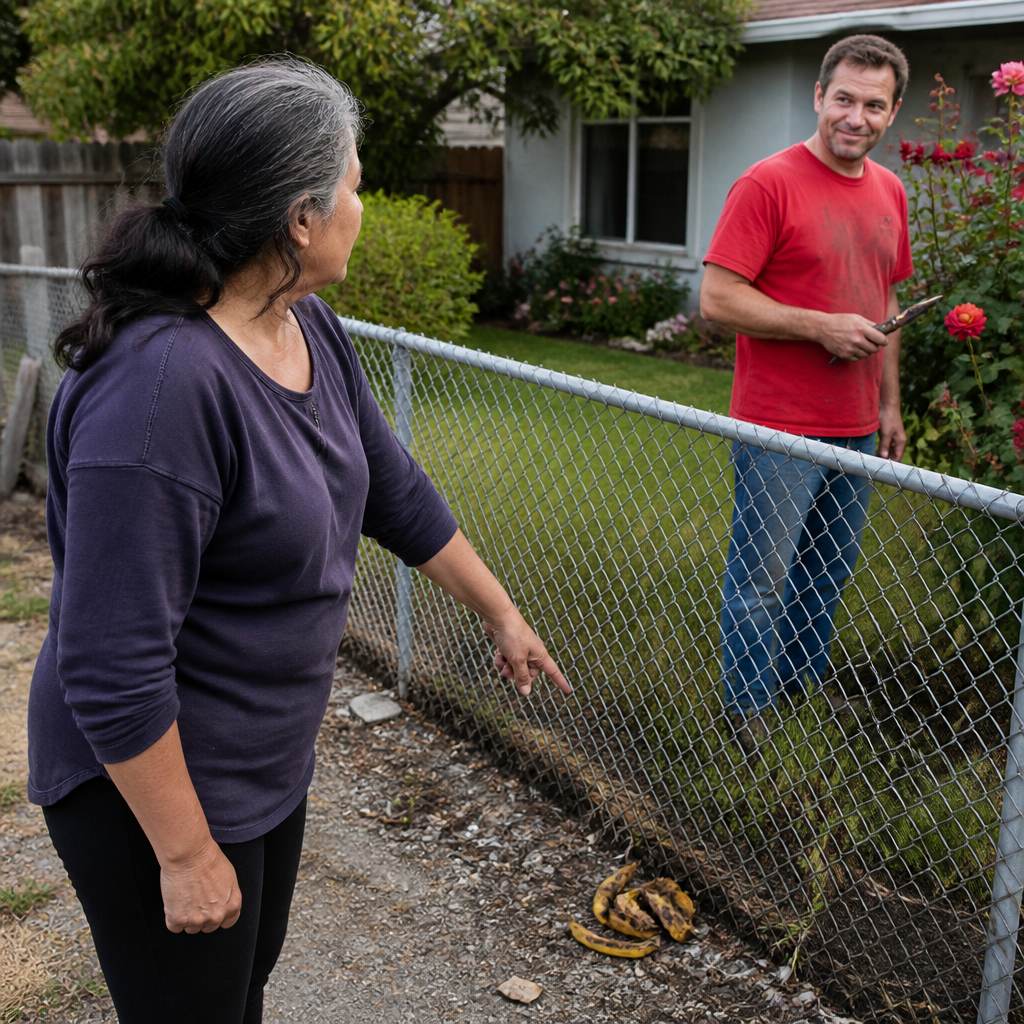
One afternoon, while checking the fence line, I spotted banana peels and wet coffee grounds spilled right under the fence on my side. The scraps were damp and decomposing, a magnet for pests. I decided to talk to Derek about it.
I found him wearing a faded red t-shirt and work jeans, trimming his rose bushes on his side of the yard. I pointed to the mess and asked him about it. He shrugged, wiped his hands on his jeans, and said it was "just mulch," not a big deal.
He looked at me with a smirk, like I should be grateful. Apparently, he thought he was doing me a favor by adding nutrient-rich material near the fence. His tone implied I was the problem for complaining.
I felt a knot tighten in my chest. This wasn’t just mulch; it was trash creeping onto my land. But Derek seemed unwilling to see it that way.
Rats Near Sprinkler Valve Box
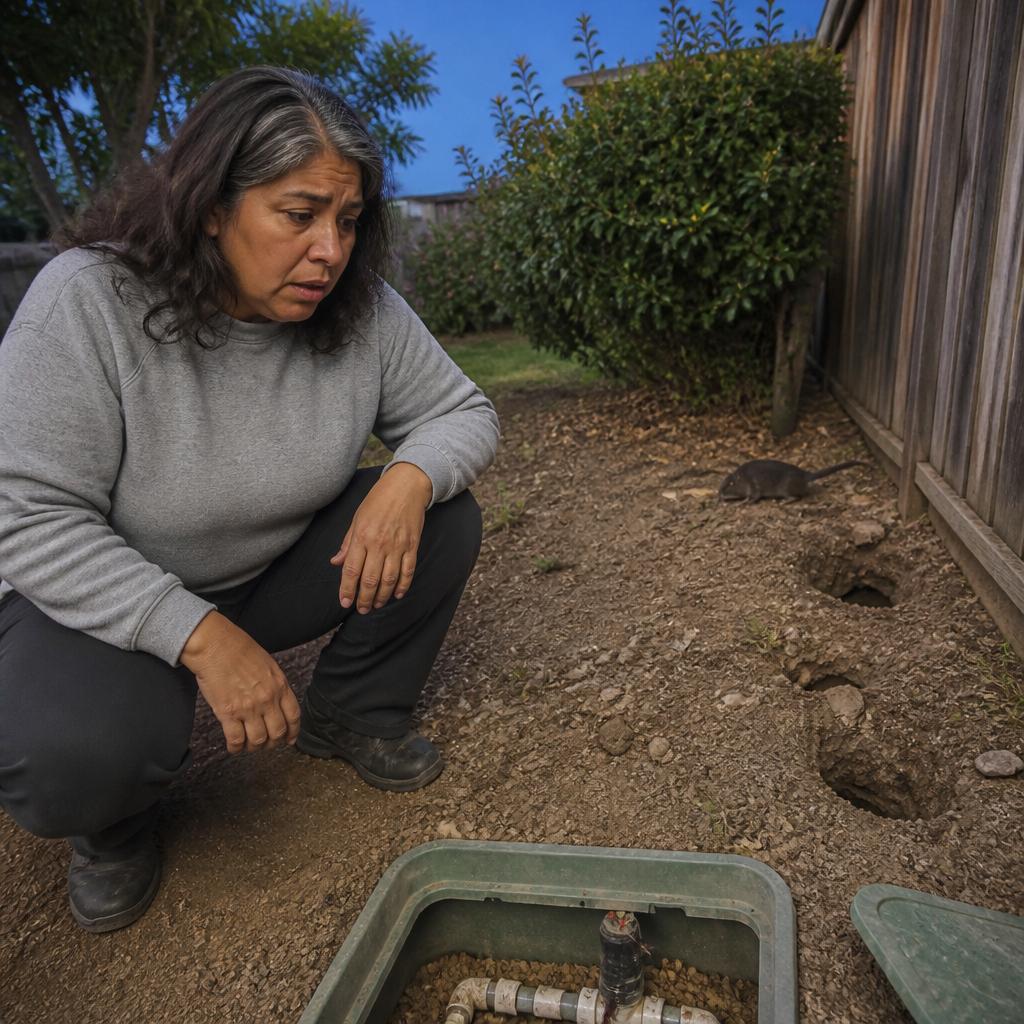
Later that week, as dusk settled, I noticed fresh burrows near the sprinkler valve box in my yard close to the fence. The holes were shallow but numerous, loose dirt scattered around them.
Just as I was about to walk away, a rat darted out from one of the holes and disappeared under the shrubs. The sight made my skin crawl, but I hesitated to confront Derek again. I hate conflict, and I wasn’t sure if accusing him would make things worse.
I stood there for a moment, the cool evening air smelling faintly of cut grass. The rat had vanished, but its presence was unmistakable. It was clear the compost pile was attracting pests, and now they were burrowing on my property.
Still, I wondered if I should say anything or just try to manage the problem quietly on my own.
HOA Complaint Hits My Door

A few days later, I received a letter from our Homeowners Association. It warned me about "improper yard waste storage" and said there had been a complaint filed against me. The HOA letter didn’t specify who made the complaint, but I had a sinking feeling it was about the compost mess near the fence.
The letter said the issue needed addressing promptly or I could face fines or restrictions. Suddenly, it wasn’t just the city pest notice I had to worry about—my neighbors were watching, and someone had already cast blame on me.
The smell of freshly cut grass hung in the air as I sat at my kitchen table reading the letter. I felt a mix of frustration and helplessness. I hadn't created the pile, but here I was, being held responsible.
Who had turned this into my problem? And what would come next?
Surveyor Pins Mark The Spot
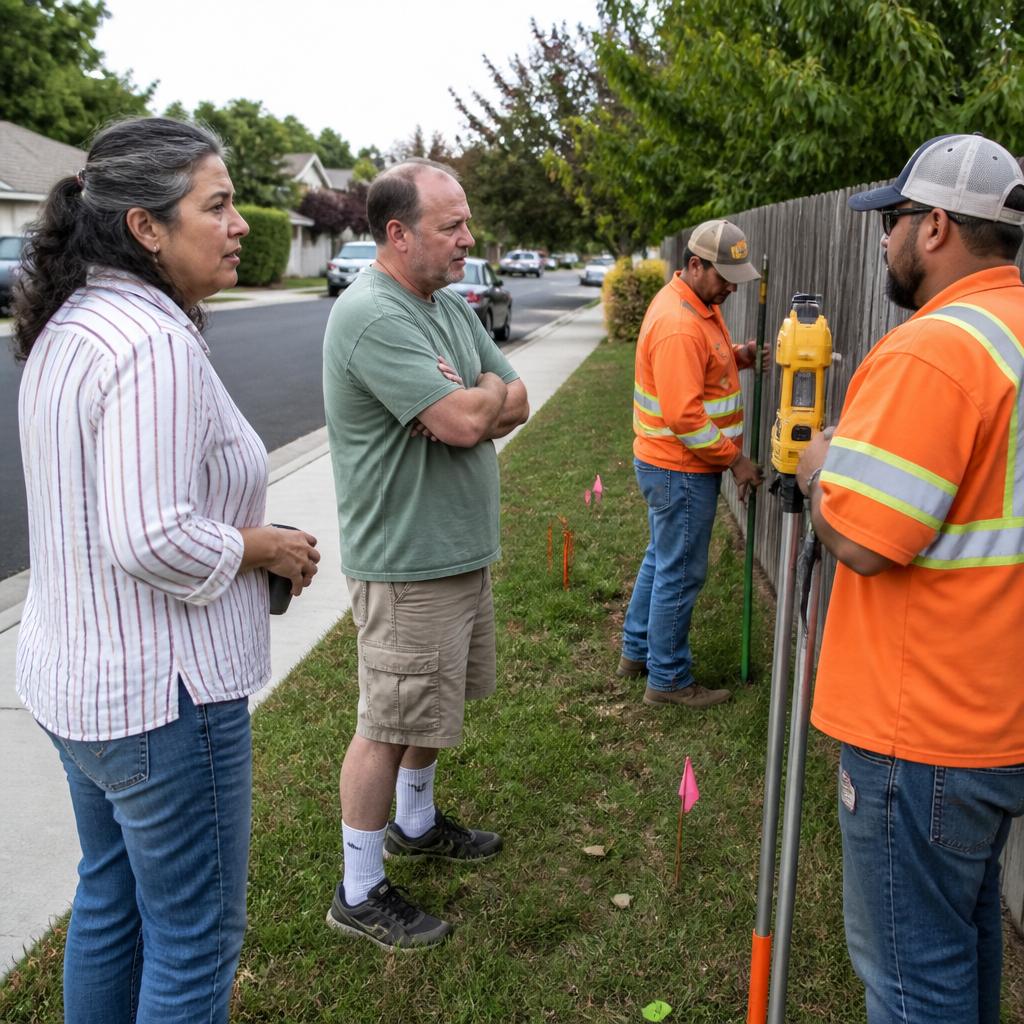
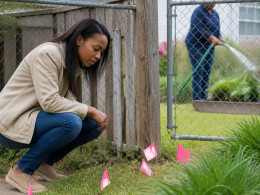
After the HOA notice, I decided to get a professional survey to settle the boundary dispute once and for all. I hired a local surveyor with a solid reputation for accuracy in suburban plots like ours. They arrived midday, clipboard and stakes in hand, and began measuring along the fence line. It was quiet except for the beep of their electronic distance meter and the faint hum of lawnmowers nearby. Derek noticed the crew and came over, arms crossed, wearing a faded green T-shirt and khaki shorts, his summer hat pushed back.
He stood close as they marked pins in the ground, insisting loudly that the surveyors were wrong and their measurements didn’t match the original property lines. “You trust markers in the dirt over deeds and plans?” he challenged me. “Show me something in writing that says that’s the line.” His tone was sharp, daring. The surveyors stayed neutral, explaining their process, but Derek’s skepticism was clear. I felt the tension ripple through the block as neighbors peeked from windows.
Despite Derek’s protests, the pins were set. But he wasn’t backing down. His words echoed: “Prove it.” I had no choice but to wait for the survey report, hoping it would finally clarify who owned the strip by the fence.
Survey Reveals Fence Encroachment
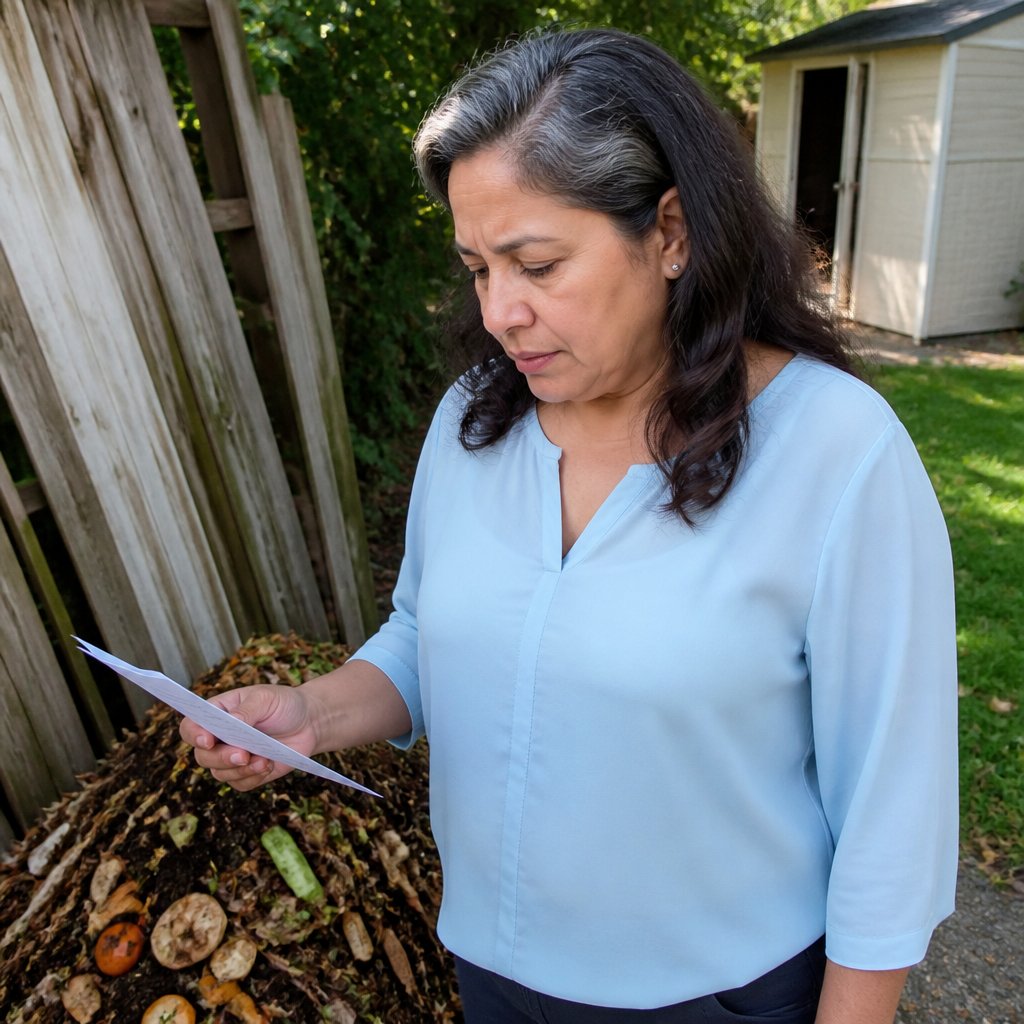
A few days later, I received the official survey report. The document was technical, showing property lines and measurements with precise coordinates. It confirmed what I suspected: the fence had shifted, and Derek’s compost pile was partially on my property. A fence panel had even moved slightly beyond the boundary.
I wrote a polite letter to Derek, referencing the survey results and kindly requesting he move the compost and repair the fence panel by the end of the month. I mailed it certified so I’d have proof he got the notice. The yard smelled faintly of damp earth and mulch as I stood near the fence when I dropped the letter in the mailbox.
Within an hour, my phone buzzed with a terse text from Derek. It read, “Not moving anything. That’s my strip.” His words felt like a challenge rather than a response. The smell of the compost pile mixed with the tension as I realized this was going to drag on longer than I hoped.
Emergency Cleanup Costs Mount

With the city pest abatement notice looming and the compost pile attracting flies and rodents, I had no choice but to act. I hired an emergency cleanup crew to remove the contaminated compost from my side of the fence. The workers wore work boots, heavy gloves, and dust masks, shoveling the piles into large bins. The sharp smell of deodorizer sprayed over the area lingered in the air as they finished.
When the invoice arrived, it was itemized: disposal fees, deodorizer application, and rodent exclusion measures all added up into a hefty bill. This was money I shouldn’t be paying, but I couldn’t risk city fines or health hazards. Each line on the bill reminded me that Derek’s encroachment was costing me real cash.
I sank into my living room couch, the stale smell from the open window mixing with my frustration. The question hung heavy: would Derek reimburse me, or was this expense mine alone?
Compost Pile Grows Again
The following weekend, I stepped outside to find the compost pile even bigger. Derek had piled fresh food scraps higher and pressed it closer to my property line. The smell was sharper now, mixing with the warm summer air. It felt like a provocation.
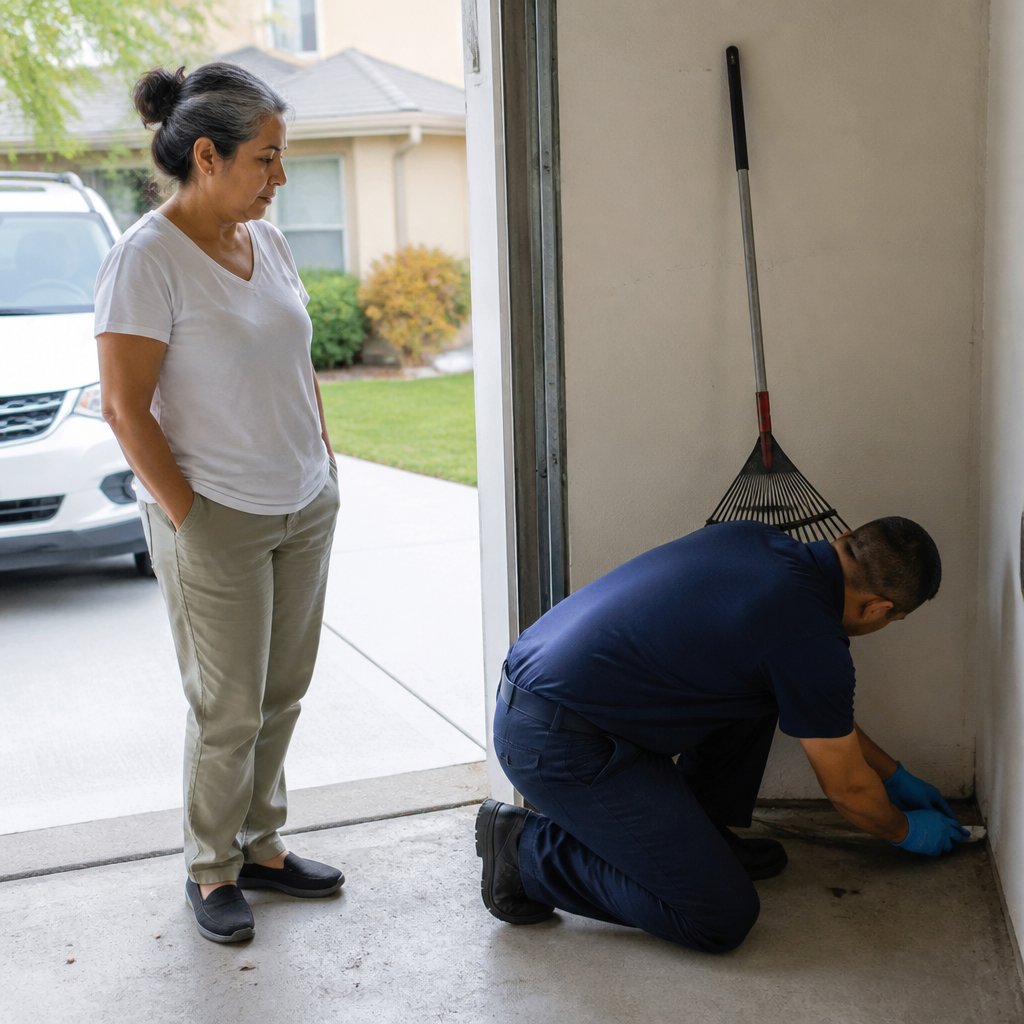
The next day, pest control arrived after I'd called about new rat droppings found inside my garage. The technician wore a navy blue uniform and gloves, inspecting the corners while I followed, trying to keep calm. The tension in my chest grew as the technician pointed to the small rodent holes near my garage door. This wasn’t just a neighborly dispute anymore; it was an escalating health risk.
Outside, the compost seemed to mock me, its pungent odor drifting over the fence. I wondered how long this would continue before something worse happened.
Certified Demand Letter Rejected
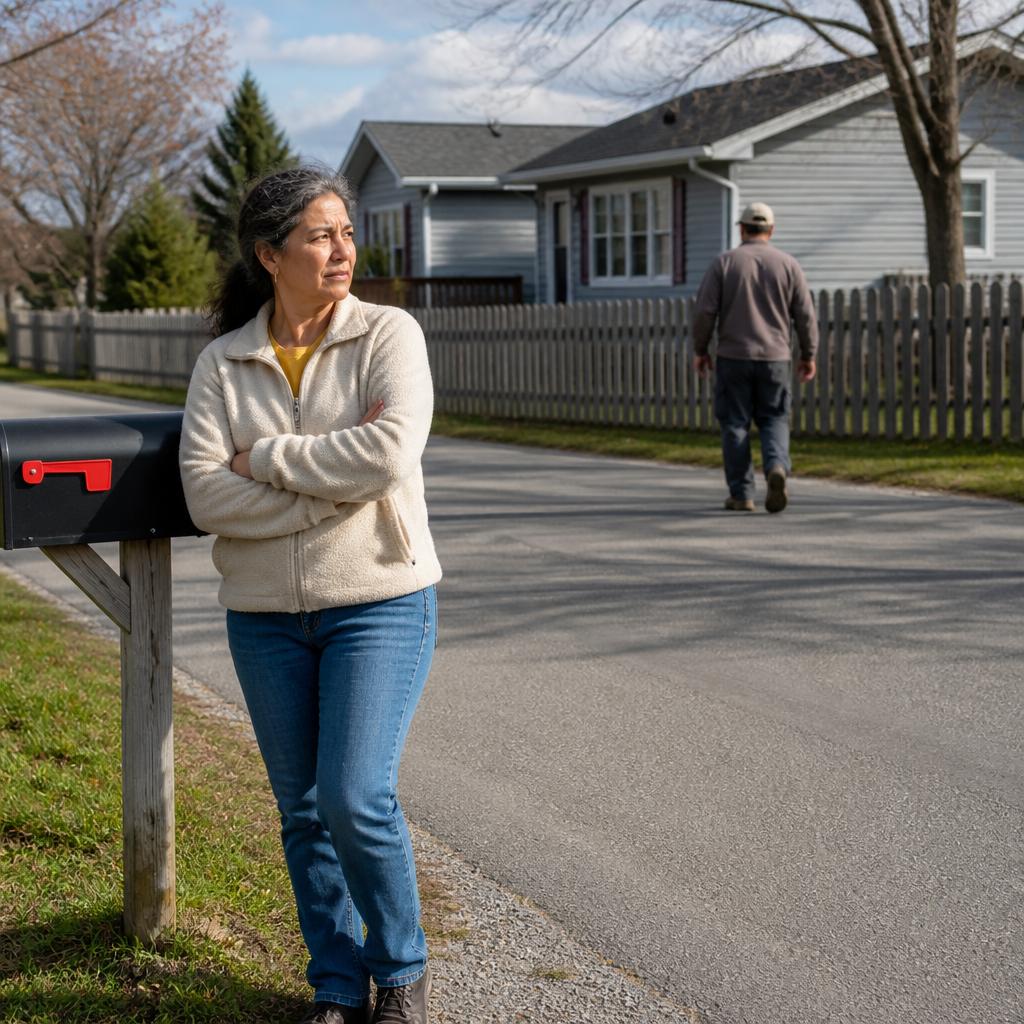
I mailed a certified demand letter to Derek, requesting reimbursement for cleanup costs and insisting he stop composting on my property. The letter outlined the survey results, pest risks, and the city’s notices. I waited for delivery confirmation, but Derek refused to accept the certified mailing at his front porch.
Days passed with no sign of the letter in his hands. Then, he claimed he "never got it". This felt like a deliberate dodge, a stall to avoid responsibility. I stood by my mailbox and stared at the empty street, the late afternoon sun casting long shadows over the tidy lawns. I knew I’d have to escalate the matter to formal legal service to ensure Derek couldn’t keep ignoring me.
The Compost Disappeared Overnight
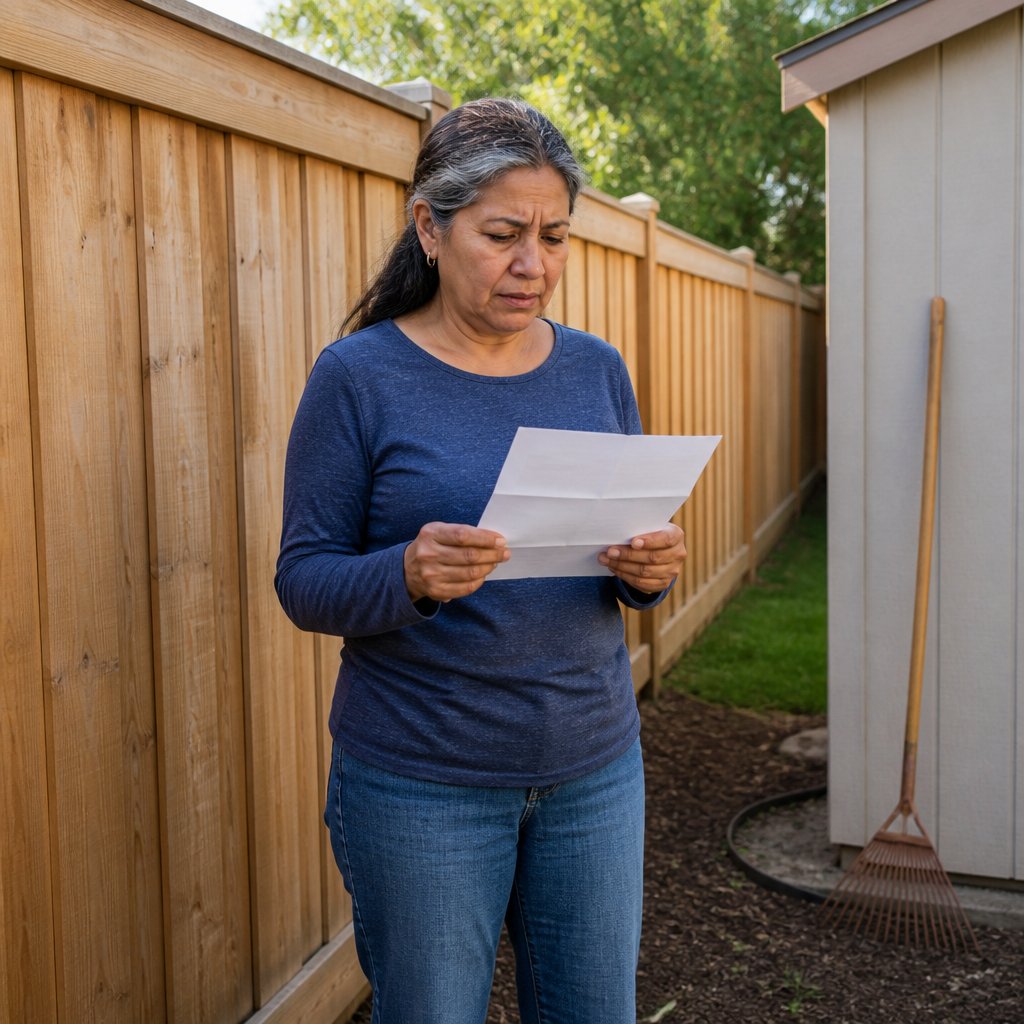
Just a few days before the court date, I woke up and noticed the compost pile had vanished. Derek claimed he’d moved it all the night before. He said it was "resolved" now and that I shouldn’t worry anymore. But when I opened my mailbox later that afternoon, there it was—a final inspection bill from the city. It showed the pest abatement case was still officially tied to my property. The letter included fees for their reinspection, which I had to pay, even though the compost was gone. I felt like Derek’s sudden cleanup was only an attempt to dodge responsibility, not an end to the problem.
The heavy scent of damp earth and decaying vegetables had been replaced by the sharp sting of city notices. I kept thinking about the rusted garden rake leaning against the shed and how Derek’s compost bins had quietly overstepped our property line. I didn’t know how to prove the boundary now that the physical evidence was gone. The rats and flies had come and gone, but the paperwork was piling up, and I was stuck paying the bills. It felt like I was the only one taking this seriously.
There was no way Derek was going to admit fault, especially now that he had apparently cleaned up. But the city bill told a different story, one I needed to bring to court.
Judge Challenges Derek’s Boundary Claim

At court, Derek stood confidently near the judge’s bench. He wore a plain gray polo shirt and khaki pants, hands folded in front of him. His claim was simple: the fence was the property line, and the rats weren’t just from the compost—they were "from everywhere." But I had my evidence laid out carefully on the table. There was the city’s abatement notice, the cleanup invoice showing what I paid, the pest control report, and the official plat map with a recent survey stapled right on top.
I explained patiently how the surveyor had marked the true boundary inside the fence line, putting the compost squarely on my parcel. The judge leaned forward, eyes fixed on Derek as he produced the photos timestamped weeks earlier—clear shots of the compost bins and corral overlapping onto my property. Then the judge asked Derek about the certified demand letter I had sent, which Derek claimed he never received. The courtroom grew still, everyone waiting for Derek’s answer.
The dusty smell of paper and the faint tapping of a pen broke the silence. It felt like the judge’s questions were making Derek uneasy. I could see it in the way his jaw tightened, but he said nothing for a long moment. The matter still hung in the balance.
Was the city justified in fining without accurate property maps?