



Breakfast Seemed Just Fine

Mom sat at the kitchen table with her usual careful grip on the mug. The sun spilled weak light across the linoleum floor. She said she felt dizzy after eating her eggs. Then she mentioned dark stools, but the nurse brushing by told her it was normal for her medication. I watched her face shrink with worry, but the staff seemed to write it off quickly. The room smelled faintly of coffee and antiseptic, a strange mix that accompanied every morning visit. My suspicion grew. Was this the start of something worse? Or just overreaction? No one asked me to stay or check on her closely that day. I left the room feeling unsettled, the smell of old milk from the fridge lingering in my nose, but the staff insisted everything was fine.
The Cart Display Said All Clear
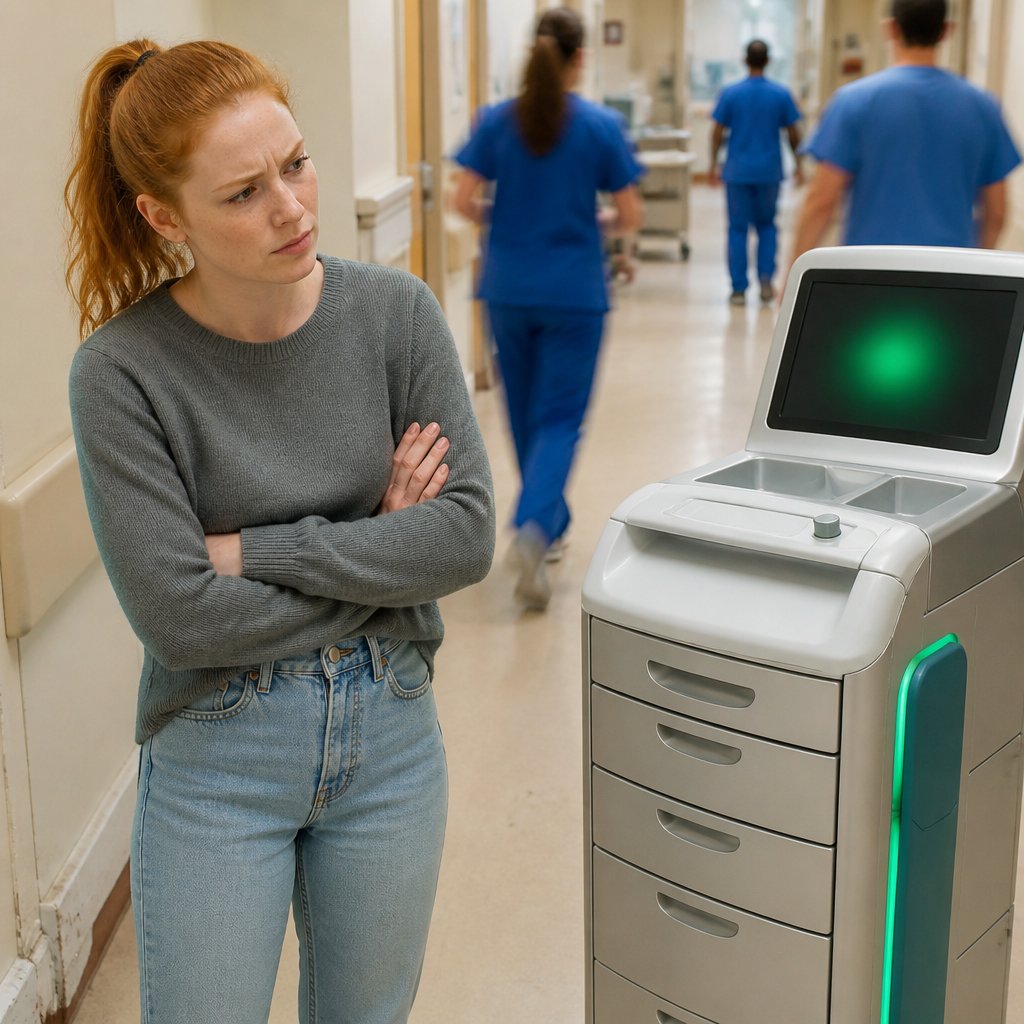
I found myself near the medication cart again that afternoon. The MedLogix machine sat in the hallway outside Mom’s room. Its screen flashed a bright green message: “All Clear.” It was too clean, too perfect. Like it was ready to be shown off, not questioned. Nurses walked past it without a second glance, their scrubs moving through the cramped corridor. The cart wheeled silently except for the quiet hum of the dispenser. I stood close, noticing the faint scratch on the corner of the screen, the kind that looked like someone tried to hide something. It made me realize this display might be more about cover than clarity.
Mom Whispered About Sudden Pain
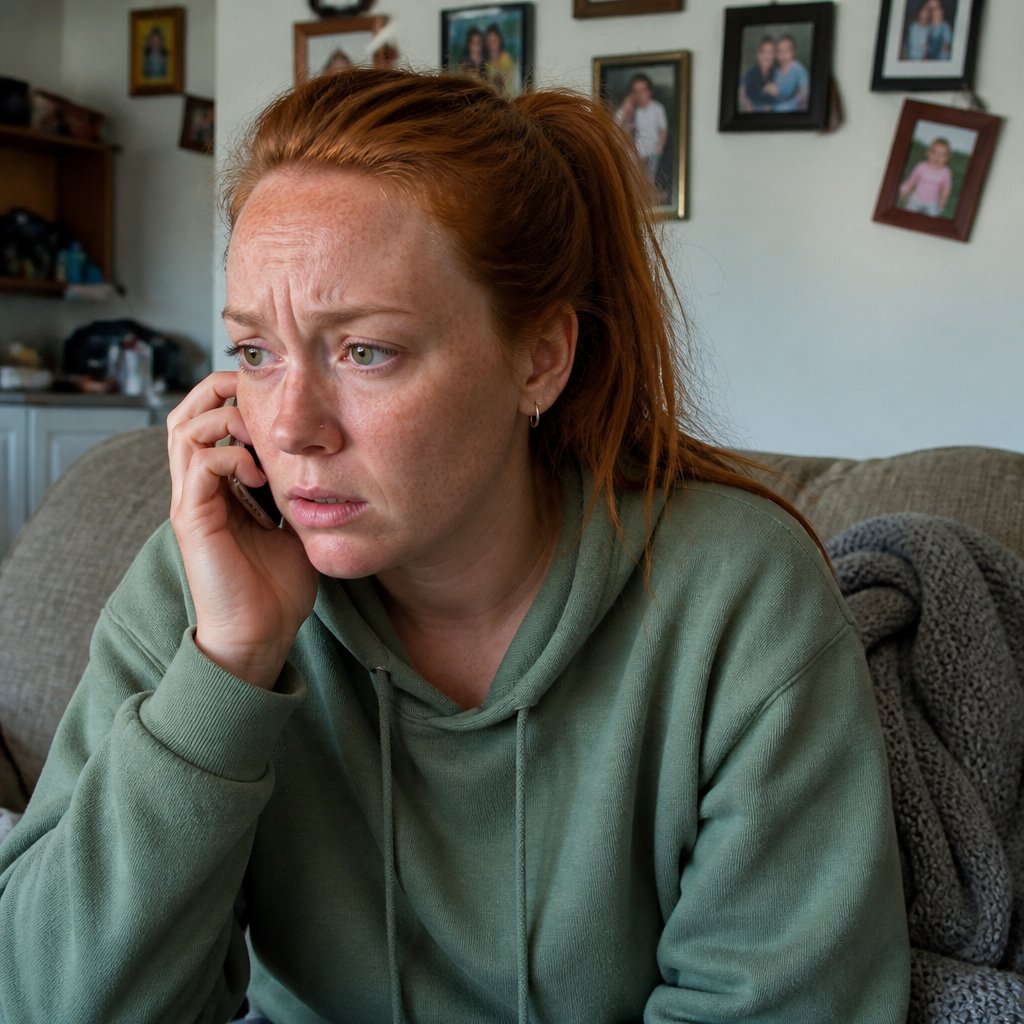
It was late afternoon when Mom’s voice came through the phone—soft, trembling. She whispered that she was cold and her belly hurt badly. The kind of pain that made her hold the receiver close but barely speak. Her words were clipped, fearful. I pictured her lying in bed, clutching her abdomen, the weight of fear pressing down. The air around her must have been still and heavy. I felt a chill myself just hearing it. This was no routine complaint. Something inside was going wrong. I reminded myself to keep calm, but my hands shook. The line went quiet except for the faint sound of her shallow breathing. My mind raced ahead, but I needed to be present for the next call.
911 Was Called Much Too Late

When I arrived at SilverPines, I learned 911 hadn’t been called immediately. Staff told me they’d documented that family had been notified first. But I knew I was just hearing their version. The chart, they said, showed the timing clearly. The waiting room smelled like old carpet and hand sanitizer. Nurses spoke in hushed tones. The delay felt deliberate, like the story was being shaped before it left the building. I asked if they’d called an ambulance as soon as Mom’s pain worsened. They hesitated, then said the paperwork was standard procedure. I watched the clock tick, wondering what else was missing behind those neat notations.
ER Doctor Asked Who Changed Warfarin
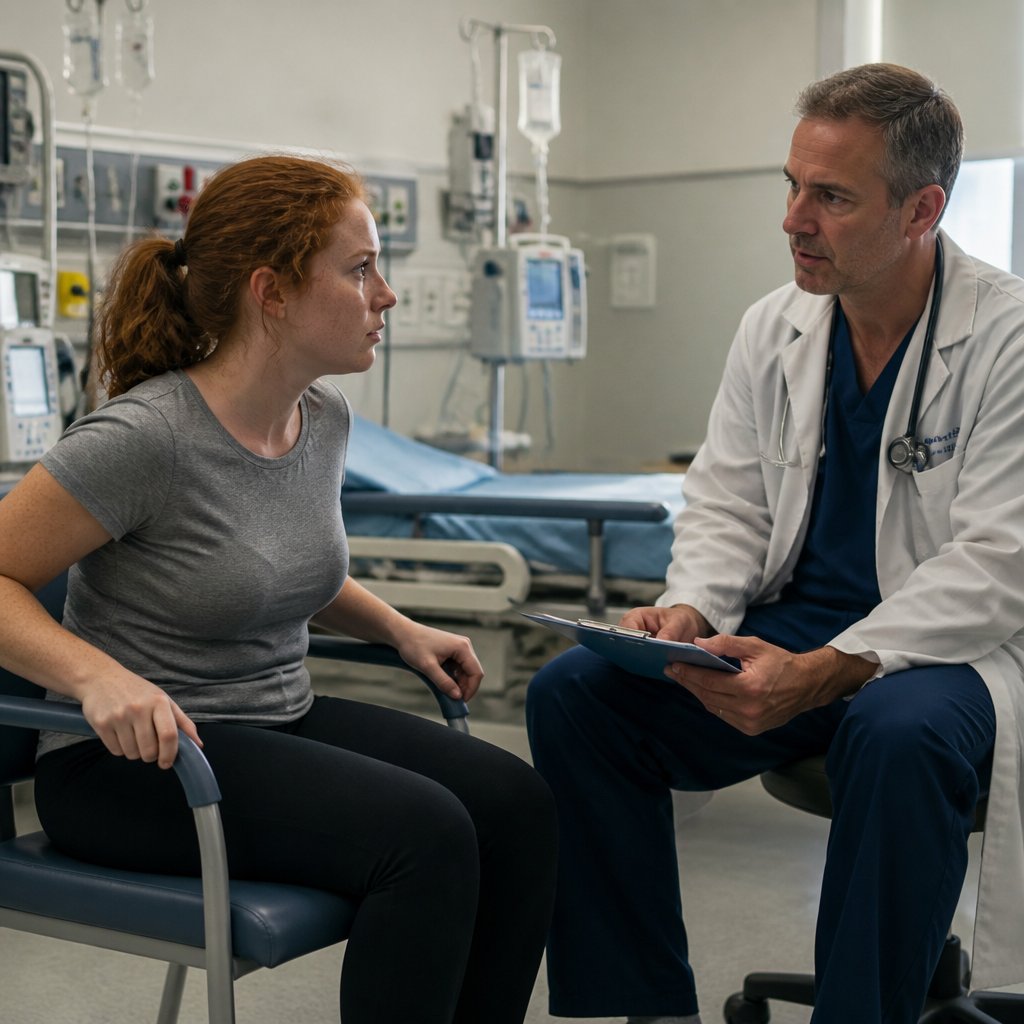
At the emergency room, the doctor showed me the lab results: Mom’s INR was dangerously high. He asked, "Who changed her warfarin dose?" It felt like a pointed question, assigning blame even before answers came. The sterile ER smelled like rubbing alcohol and paper gowns. Nurses moved efficiently, while I tried to follow the medical jargon. The doctor’s sharp gaze never left mine. It was clear they suspected a dosing error. I wanted to tell them the machine was involved, but the words felt heavy and unbelievable. The doctor left to confer with the team, leaving me clutching the plastic armrest of the hospital chair, heart pounding in the antiseptic air.
Emails Claim Double-Dosing Is Impossible

I dug through the MedLogix emails I’d managed to get my hands on. One message stood out: the company insisted that double-dosing could never happen unless a staff member explicitly overrode all safety safeguards. Their tone was matter-of-fact—almost smug—about how the machine was foolproof unless humans deliberately bypassed it.
The implication was clear: if my mother’s blood thinner dose doubled, it had to be "user error." They were setting a trap with this narrative, preemptively blaming the staff so the fault wouldn’t fall on the dispenser. But I didn’t believe it. There had to be more to the story than a single button pushed wrong.
Still, the emails made it harder to argue. If the safeguards were designed to prevent double doses, how had it happened? Was the system flawed or the staff careless? I needed to find out what those safeguards really were, and whether someone had actually overridden them. The question hung in the air like the sterile scent of the clinic conference room where I reviewed the messages.
A Nurse Confesses Off-Record

During a visit to the care facility, a nurse pulled me aside quietly. She was in scrubs, the green fabric faded from constant washing, her ID badge clipped crookedly to her pocket. She admitted that the machine had been "acting weird" for weeks before my mother’s overdose.
Alarms were going off, but the staff dismissed them as glitches. No one wanted to slow down the rounds or call tech support every hour. The nurse’s voice lowered as she said, "We just stopped trusting the alarms." It was a systemic problem no one documented, no paper trail to prove it.
The sterile hospital corridor smelled faintly of disinfectant, but in that moment, the air felt heavy with unspoken truths. The nurse wouldn't go on record, but her quiet confession was a crack in the defenses others built around the dispenser’s reputation.
Bruises And Missed Lab Orders
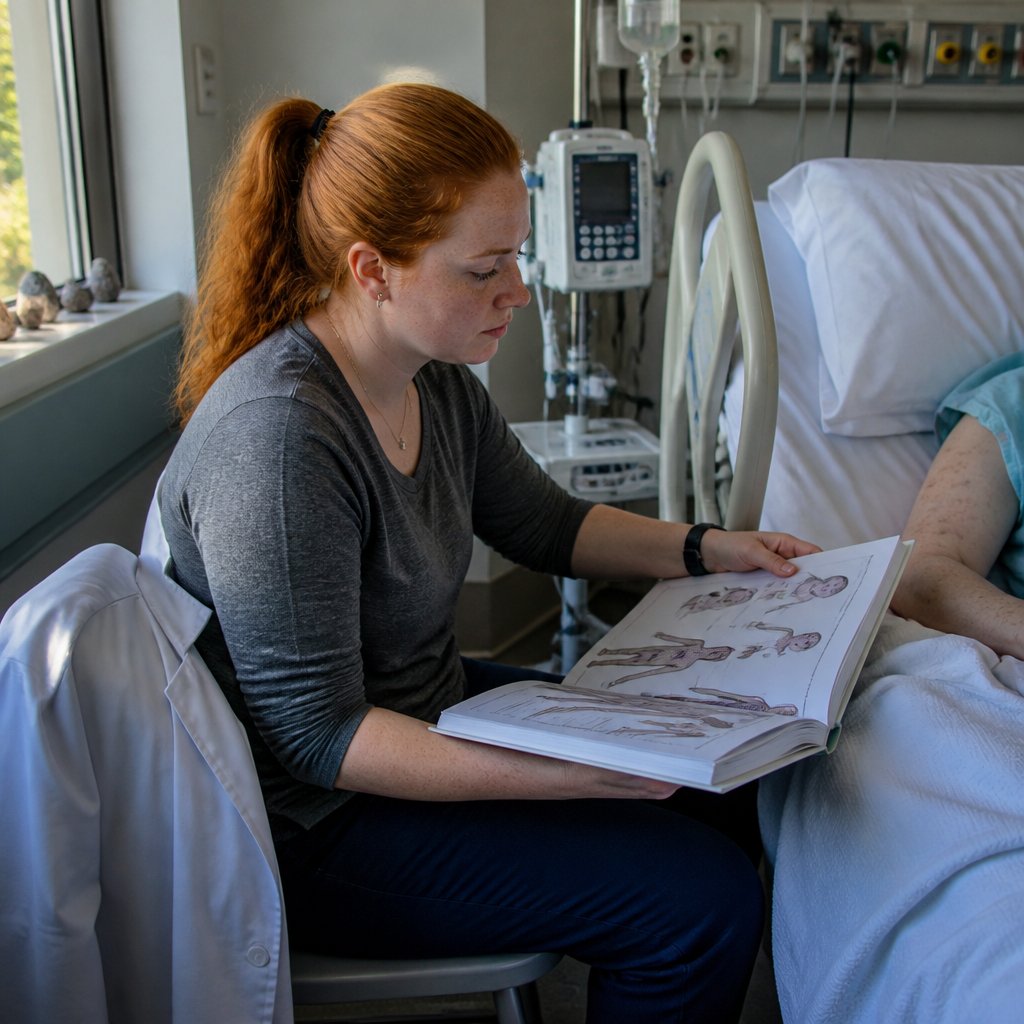
I poured over my mother’s medical notes in her sterile hospital room, the smell of antiseptic filling the air. What caught my eye were detailed bruise maps on her arms and torso—some old, some fresh. The nurses’ notes didn’t explain them fully. My heart sank as I realized no one had investigated these marks seriously.
Even worse, a lab order that would have checked her blood thinner levels was missing from the timeline. If it had been done, it might have caught the overdose before the bleeding got worse. The chart showed a startling gap—someone had either forgotten or ignored the test.
It wasn’t just the dispenser’s fault anymore. The bruises and missed labs suggested a compounded negligence, with several layers of care falling apart under paperwork and protocol. The hospital room’s humming machines suddenly felt like witnesses to failures no one wanted to own.
Insurer Denies Coverage Abruptly
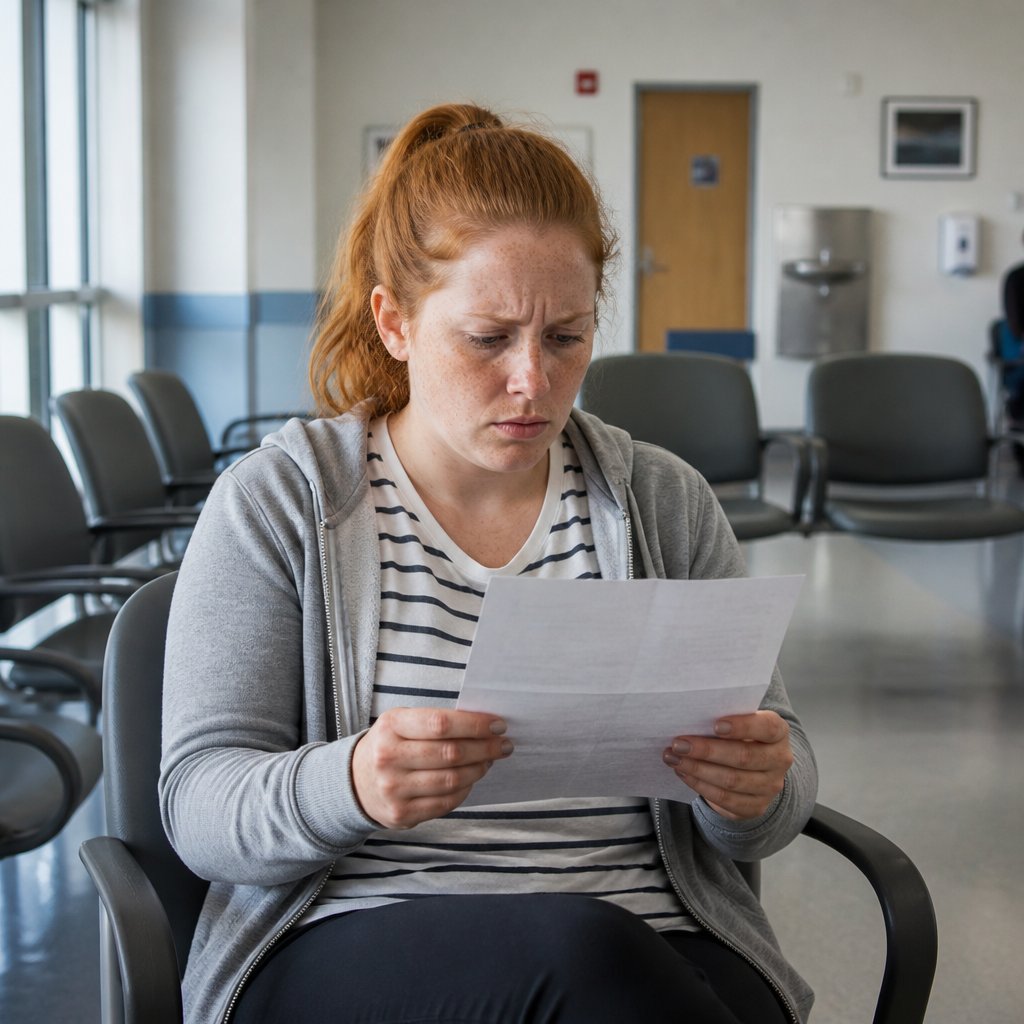
The insurance letter arrived on a dull Thursday afternoon, folded and official-looking. They denied coverage for my mother’s treatment, citing a mandatory arbitration clause in a contract she supposedly signed. But I hadn’t seen that page, and Mom never mentioned agreeing to arbitration.
The letter felt like a procedural ambush—a trap buried in fine print that could bury the whole case before it even began. I reread the letter in the empty hospital waiting room, the scent of stale coffee from the vending machine lingering nearby.
The denial didn’t just threaten financial ruin; it was a wall going up between me and the truth. Could I even get to court if the insurer enforced arbitration? The fight suddenly seemed much harder, the rules stacked against us.
Evidence Countdown Begins With Notices

My attorney sent out spoliation and preservation notices to the care facility and SilverPines, the dispenser’s manufacturer. The clock was ticking. I learned that the dispenser’s detailed logs overwrite themselves every 30 days. The evidence could disappear any day now.
In my lawyer’s cramped office, the faint smell of old leather and paper mixed with the quiet clicking of a clock. The realization that critical data was vanishing fast made every moment urgent. If we didn’t act quickly, the history of what happened to my mother might be lost forever.
It wasn’t just a case anymore; it was a race against time. Each day that passed risked erasing the truth from the machine’s memory.
Internal Emails Reveal Alarm Fatigue

The internal emails came in thick and fast once discovery opened the door. I remember sitting in a cramped conference room, the stale smell of coffee lingering in the air as I sifted through printouts. There it was, buried in a thread between MedLogix engineers and hospital IT staff — talk about “alarm fatigue.” One MedLogix representative suggested lowering the alert sensitivity to reduce false positives. The phrase “tradeoffs in safety” was used, though they couched it carefully to keep intent deniable. It meant alarms that should have warned nurses were being muted or ignored.
My mother’s nurse station looked sterile in my memory, a wall-mounted dispenser blinking quietly amidst the hum of monitors. The red-haired nurse on duty seemed distracted, possibly overwhelmed as alerts buzzed in the background. Was this chatter about alarm fatigue the real reason the machine double-dosed my mother? The emails painted a picture of a system pushed beyond safe limits, yet no one said it outright. Everyone still blaming user error or isolated mishaps.
Judge Orders Forensic Download

At the hearing, the judge didn’t hesitate. She ordered a forensic download of the medication dispenser’s firmware and audit logs. It was the breakthrough I’d been waiting for—hard data straight from the machine’s memory. But MedLogix pushed back hard. Their spokeswoman said the device had been updated months ago, and the old firmware was unavailable. "Standard maintenance," they claimed, but the timing felt like too much of a coincidence.
I visited the hospital’s supply closet where the dispenser was kept before being sent back for servicing. The room smelled faintly of disinfectant and cardboard boxes piled high. I could almost feel the cold metal of the unit in my hands, wondering if critical evidence had been wiped clean. If they destroyed that data, was it accidental or deliberate? The possibility of spoliation was terrifying—an attempt to hide the truth behind a routine update.
Firmware Bug Tied To Network Dropouts

Our expert witness dug into the firmware thoroughly. She found a bug that caused the dispenser to re-queue doses if the network connection dropped during administration. Cross-referencing that with router logs from the hospital showed multiple outages coinciding exactly with my mother’s medication rounds. The pieces started fitting together—double dosing wasn’t just a random fault; it was a known glitch triggered by the hospital’s unreliable network.
The network equipment room was cramped and warm, cables snaking everywhere with blinking indicator lights. A technician in a green polo adjusted a router frantically as if trying to keep the system alive. Meanwhile, defense lawyers tried to pin the blame on the hospital’s network maintenance, arguing the vendor couldn’t control external networks. I realized how tangled the story had become—hardware, software, human errors, all intertwined.
A Nurse’s Photo Changes Everything
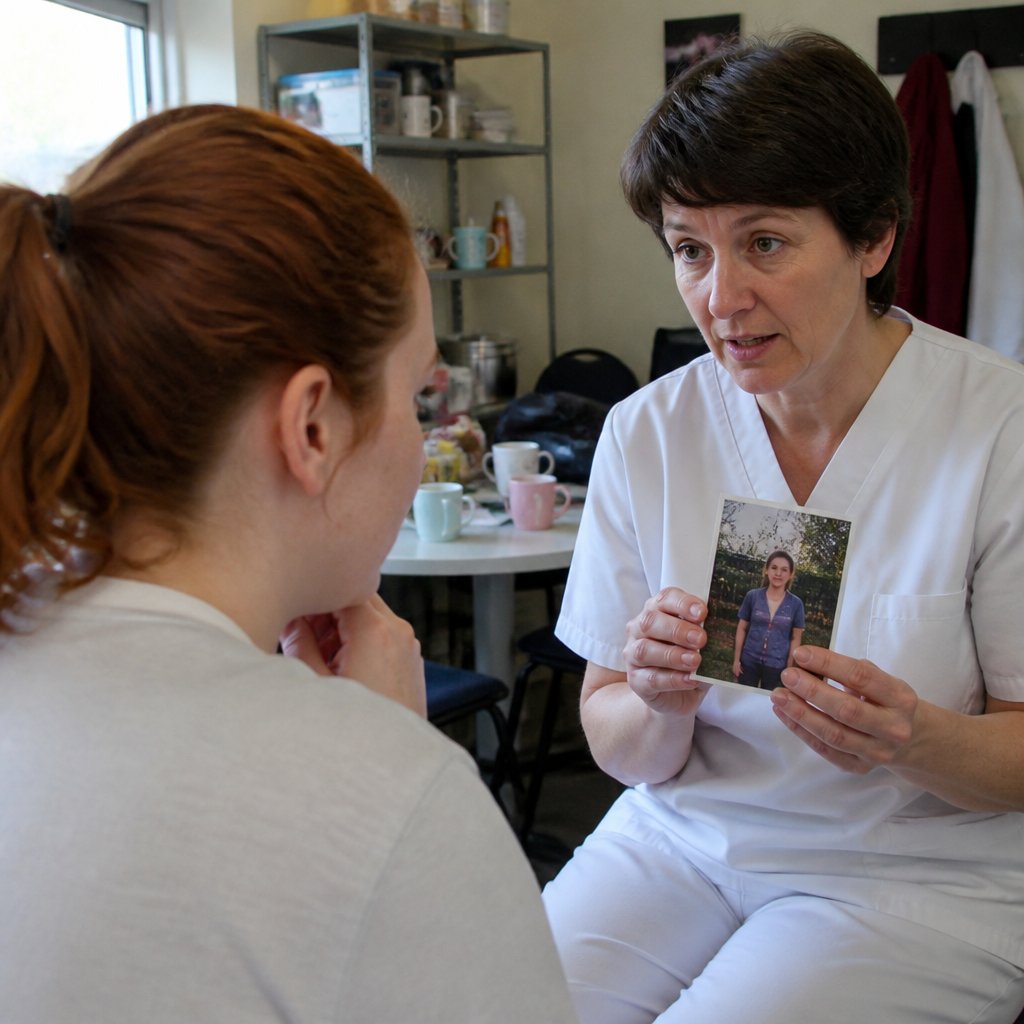
On the eve of trial, just as hope was thinning, a nurse came forward with a photo. It showed two screen captures from the dispenser: one labeled “Dose Already Dispensed” followed moments later by a second “Dispense Completed.” The timestamps were close enough to prove that the system sent a double dose. Holding the printed photo in my hands, I felt a surge of vindication and dread.
The nurse’s break room was modest, with peeling beige paint and a bulletin board cluttered with shift schedules. The nurse, a middle-aged woman with short dark hair wearing a plain white scrub top, looked nervous but resolute. She explained how she snapped the picture during a late-night shift, quietly documenting what the machine showed. This was the smoking gun, but the jury hadn’t seen it yet. How would the defense respond?
Risk Manager Admits Overlooked Reports

In court, I watched as the hospital’s risk manager struggled under cross-examination. She was a woman in her early 40s with straight black hair tied back, wearing a navy blazer and white blouse. They forced her to admit the hospital prioritized workflow efficiency over safety by routinely dismissing alerts that slowed nurses down. Her confession that such incidents weren’t treated as reportable events hit hard.
The courtroom bench was cold and imposing, with polished wood and green leather chairs. I sat close to my lawyer, feeling the weight of her admissions. This wasn’t just a failure of one nurse or one machine—it was a systemic issue. The policies themselves had allowed risks to accumulate unaddressed. Still, the defense spun their story tightly, refusing to accept full responsibility.
Juror Questions Families’ Awareness

During a recess, a juror asked a question that hung heavy in the air: why weren't families told about these near-miss events before? The defense tried to deflect blame onto one nurse’s mistakes, but Lena's legal team argued broader issues — system design flaws, insufficient training, and cost-cutting measures all contributed.
The jury room was plain, beige walls and a round table with scattered water bottles. I noticed the jurors' uncertain faces, some nodding, others frowning. The question raised something bigger: was the hospital hiding problems to protect its reputation? With the verdict days away, the tension was palpable. The story wasn’t just about my mother anymore — it was about every patient in the system.
Closing Arguments Focus On Responsibility

The closing arguments hit the courtroom hard. Lena’s team laid out the case plainly: if nobody was held responsible, this kind of overdose would happen again. They painted a picture of cost-cutting and ignored warnings cascading into tragedy. The defense countered fiercely, emphasizing individual errors and denying systemic failure.
I sat in the packed courtroom, the wooden benches scratched from years of use, feeling every word. The judge called the jury to deliberate. They filed out silently, and the room felt empty. The number we all waited for—the verdict—hung in the air, just out of reach.
Was the hospital or individual liable for the overdose?