

Why Did The Gate Click On Its Own
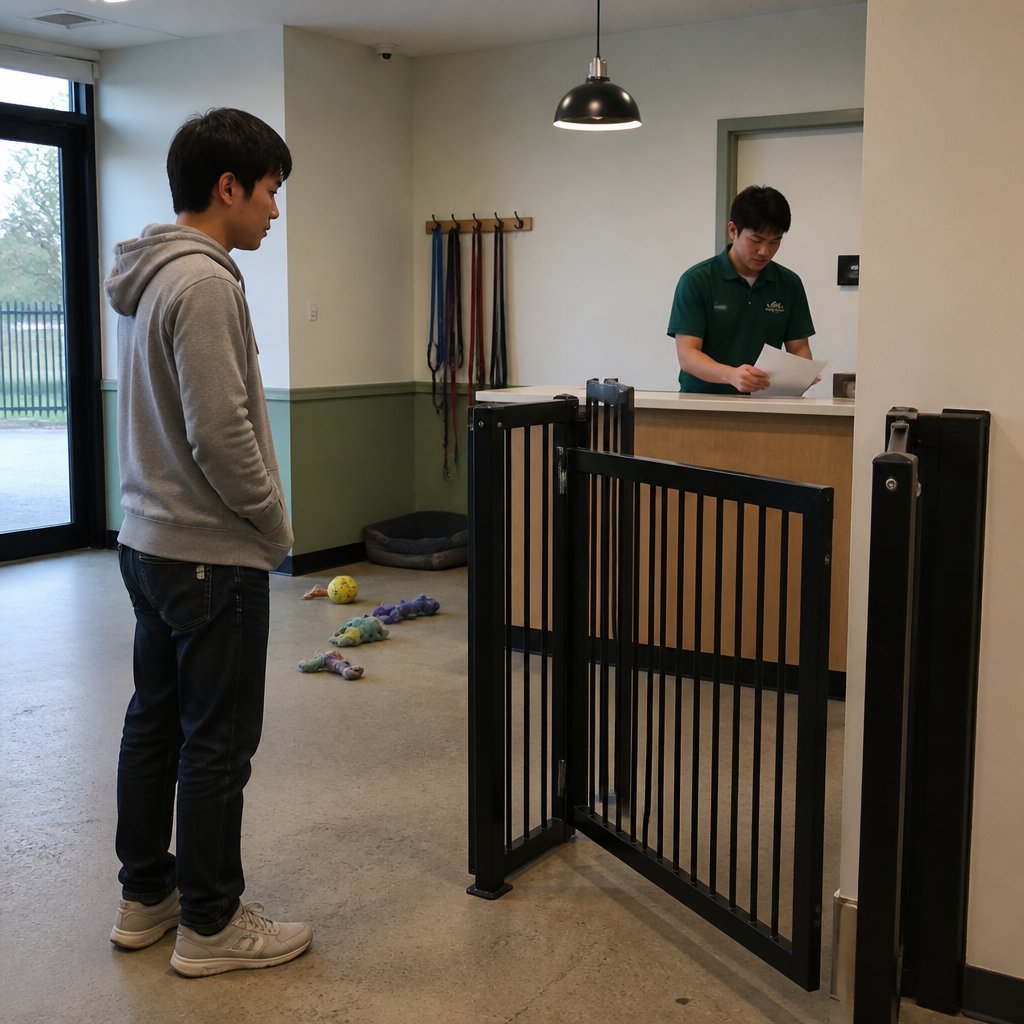
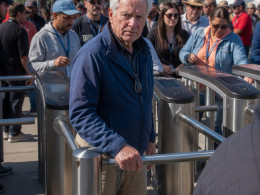
I was in the BarkBarn lobby when I noticed the gate clicking open and shut by itself. The sound was sharp, mechanical—like a door that couldn’t decide whether to stay closed. A handler nearby muttered something about "resetting the sensor," barely glancing at the gate as he shuffled papers behind the reception desk. It felt off, like the gate was alive and unpredictable. I watched it for a moment, fingers tightening around my tote bag strap, wondering if anyone else was as concerned as I was. The scent of wet dog and disinfectant hung in the air. But no one else seemed to notice the gate’s odd behavior, or at least they didn’t say anything out loud. The handler’s casual tone didn’t reassure me; if the sensor was glitching, why hadn’t they fixed it? I made a mental note to be careful around that area, but then the gate clicked again and swung open a fraction before snapping shut. Something about it felt wrong—like it was inviting trouble.
The Door Buzzed But Staff Ignored It
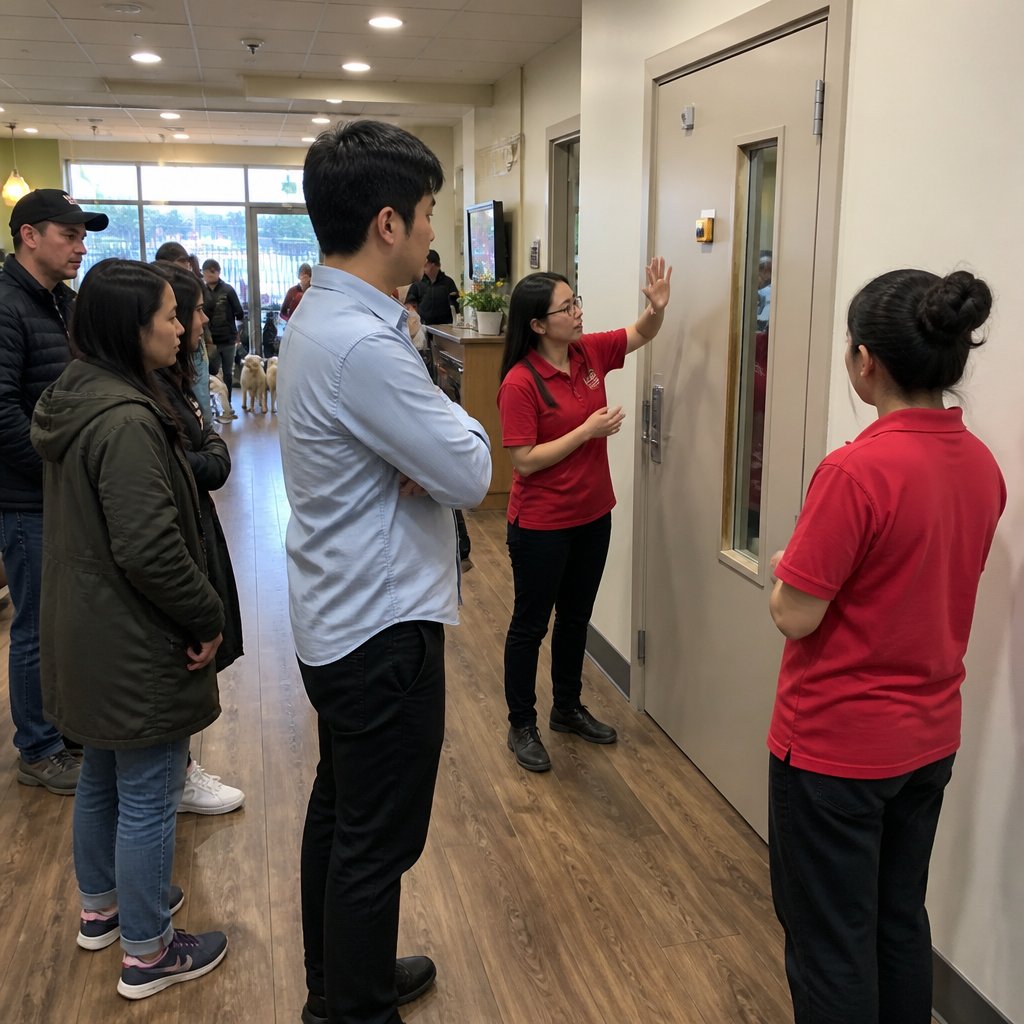
The inner door buzzed like it was stuck. It made this sharp, repetitive sound—almost like an electric hum mixed with a faint clicking. People waiting near the gate glanced at it, then shrugged it off. Staff members waved their hands and said, "Oh, just a glitch," like it was no big deal. I noticed customers standing way too close to the gate, some chatting as if nothing was wrong. I edged back, uneasy. The door’s buzzing filled the room, but the BarkBarn employees didn’t seem concerned. I could smell the faint musk of wet dogs mixing with cleaning products. I asked a woman in a navy jacket if she thought the gate was safe, but she just shook her head and smiled nervously. The buzzing went on, persistent and steady. My stomach tightened. Something about the way the staff brushed it off didn’t sit right with me, but no one else seemed to want to talk about it. The gate was a few feet from where people were standing, waiting to enter the dog play area. I felt exposed, like I was in the wrong place at the wrong time.
Six Dogs Burst Through The Gate
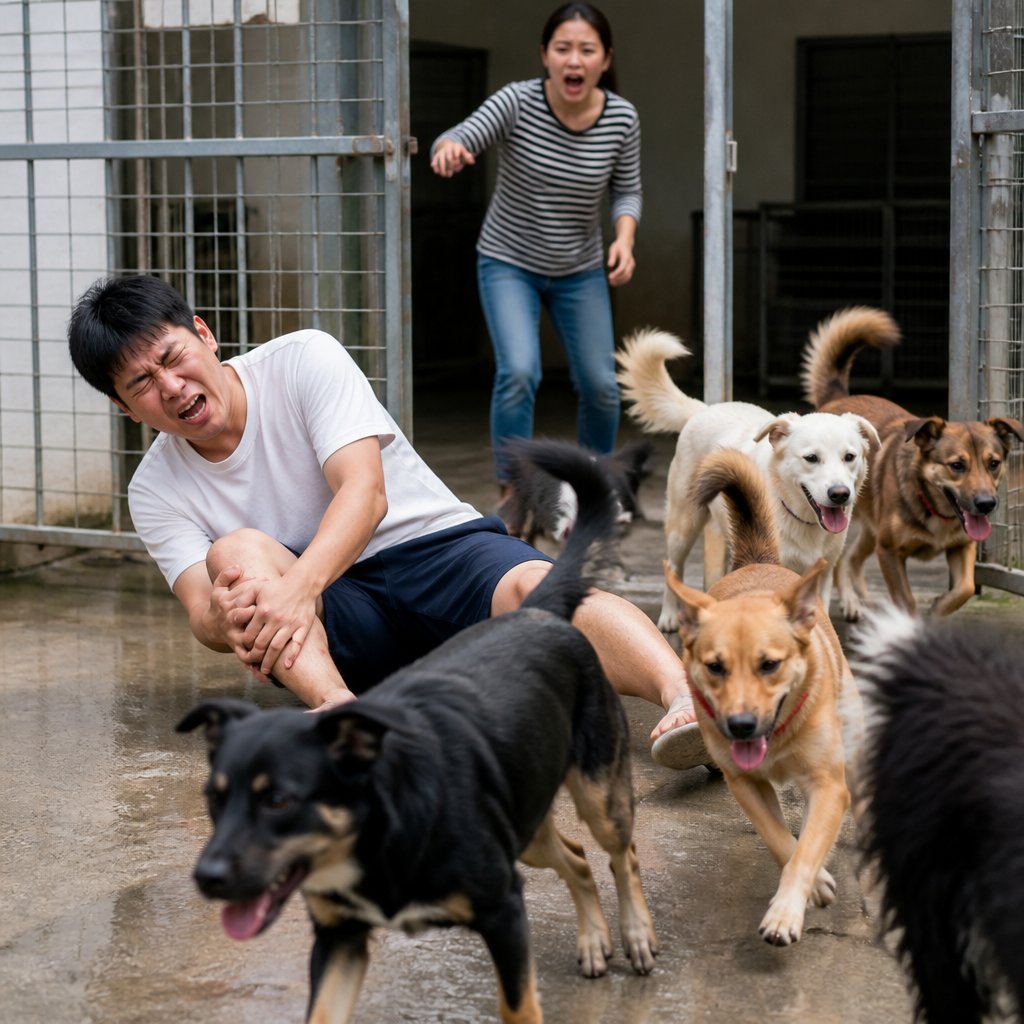
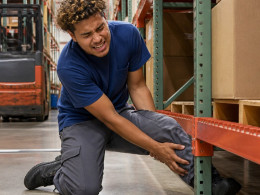
Suddenly, the gate popped open with a sharp clang. Six dogs surged out all at once, barking and scrambling forward. I felt the impact before I understood it—the dogs hit me hard. My right knee twisted under my weight, a hot jolt shooting through my leg, and then my head bounced against the metal frame of the gate. Someone shouted, "Close the gate!" but the noise was swallowed by the chaos. I stumbled back, trying to steady myself as the dogs scattered. The sharp smell of wet fur and dog breath filled my nostrils. I could hear a woman’s voice panicked nearby, but everything felt muffled. My hands were trembling as I gripped the gate’s edge to keep from falling completely. My knee throbbed in a way I hadn’t felt before—deep, aching, like something inside had snapped. The dogs were still excited, yipping and running in circles, oblivious to what they’d just done. I tried to focus, to figure out what happened, but the pain was pulling me under.
ER Doctor Flags Surgery-Level Injuries

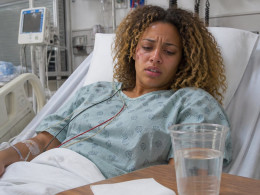
In the emergency room, the doctor didn’t waste time. His face was serious as he explained the MRI showed a torn ACL and a possible concussion. I stared at the sterile white walls and the dull smell of antiseptic. This wasn’t just a sprain or bruise—it was serious. The nurse handed me a cold paper cup of water, but I barely touched it. The doctor’s voice echoed in my head: "Surgery is likely necessary." The thought hit me hard. I thought back to the moment at BarkBarn, the sharp pain in my knee, the way my head had throbbed afterward. I felt numb, overwhelmed. The room was quiet except for the distant beeping of machines and the shuffling footsteps of hospital staff. They wheeled in another patient, but my mind was stuck on the looming surgery, the recovery time, the missed work ahead. How would I manage all this? I looked down at my hospital bracelet and tried to stay calm, but inside, I was already worrying about what came next.
Manager Apologizes But Shifts Focus

The BarkBarn manager came to see me the next day. He was a tall man with graying hair and a pressed white shirt, his expression tight. He apologized quickly, saying he was sorry the accident happened. But then he asked me not to "make a big deal" because they had a grand opening event coming up. It felt like he was more worried about appearances than my injury. The room where we met was a small office with beige walls and a desk cluttered with files. I smelled fresh coffee and faint cologne. His eyes flicked away when I mentioned the gate’s malfunction. Instead, he kept repeating that they were taking steps to fix things quietly and that they hoped I understood. It made me uneasy. Was this about safety, or just managing optics? I left with more questions than answers. The injury was real, but the response felt rehearsed, like they wanted to move on quickly. I wondered what they weren’t telling me about the gate or the dogs.
Bills Arrive Before MRI Appointment
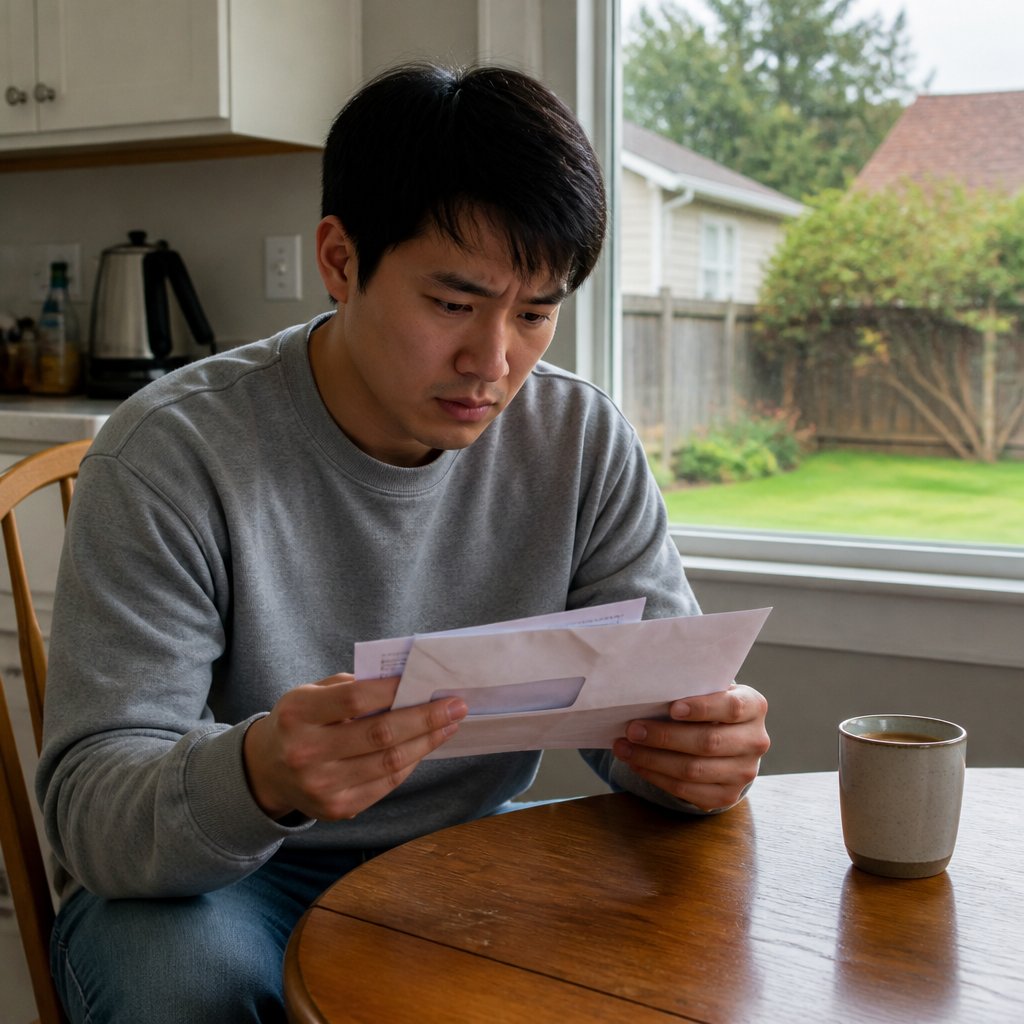
Before my MRI appointment, the first medical bill arrived. It was a folded envelope with no warmth, just cold black text on white paper inside. I held it in my hands, feeling the weight of the financial reality settling in. Soon after, my health insurer called. Their voice was formal, warning that coverage might be denied as "third-party liability" unless I supplied detailed information about the incident. They wanted exact dates, descriptions, and proof. It made me feel exposed and pressured. Every unanswered question about the gate and the dogs seemed suddenly urgent. I sat at my kitchen table, the hard wooden surface cool beneath my elbows. Outside, a neighbor’s lawn mower droned steadily, but I was focused on the letter and the looming MRI. The thought that my insurance might not cover surgery if they blamed someone else made the situation even more complicated. I wasn’t sure what details they wanted or how much I should share. The weight of money and paperwork pressed down like a physical force.
Insurance Shifts Blame Language
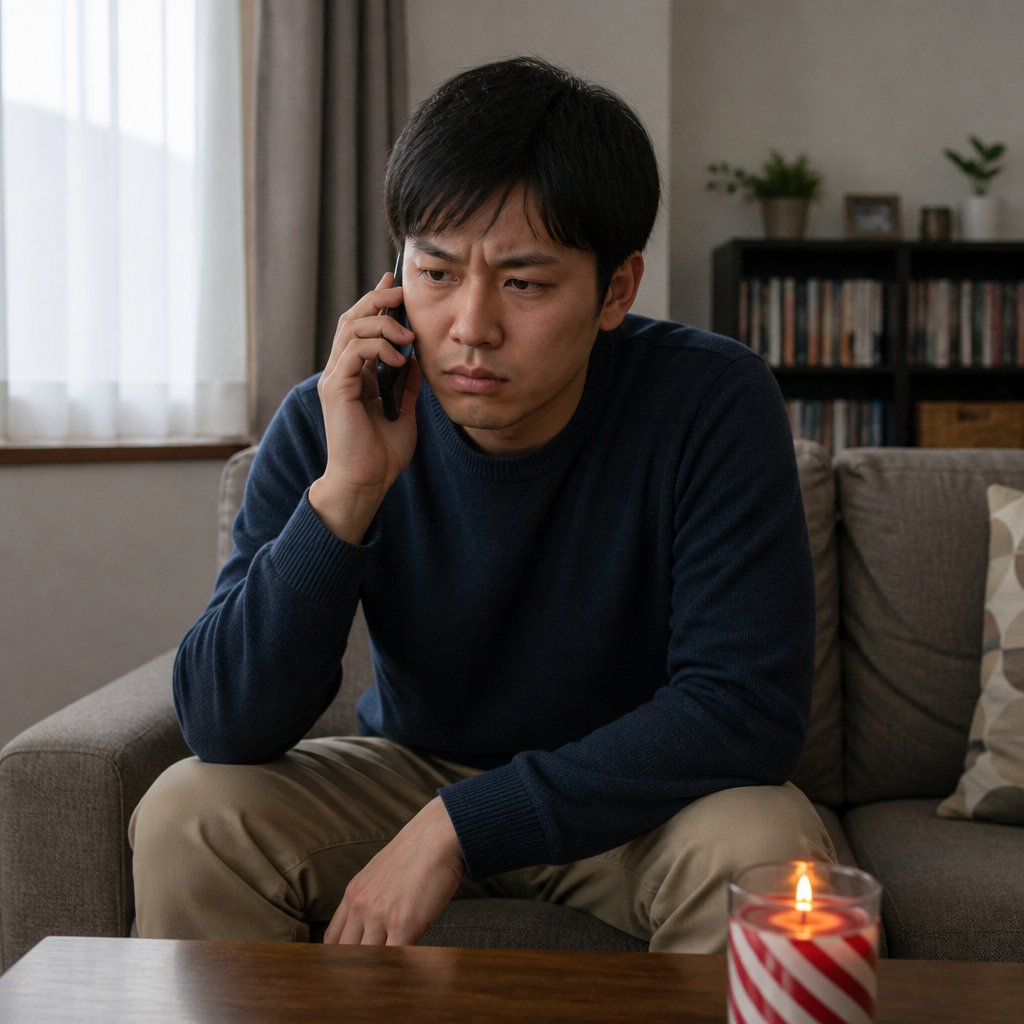
The insurance adjuster called me, his voice friendly at first. He asked how I was feeling and listened patiently. Then, the tone changed subtly. He pressed me to say I had "stepped into the dog area," planting language that implied fault on my part. I caught the shift and hesitated. The room I was in smelled faintly of peppermint from a nearby candle. My hands gripped the phone tighter, and my heart started to race. He kept framing questions to make it sound like I was responsible, or at least partly. I was frustrated but careful with my words. The adjuster said they wanted to resolve things quickly, but it felt like a trap. I thought about what I actually remembered—the gate opening suddenly, the dogs rushing out. But he wanted me to say I had assumed the risk. I didn’t want to sound like I was admitting fault when the gate had failed. The call ended with a vague promise to review the case, but I wasn’t sure where this was going.
A Lowball Offer With A Waiver
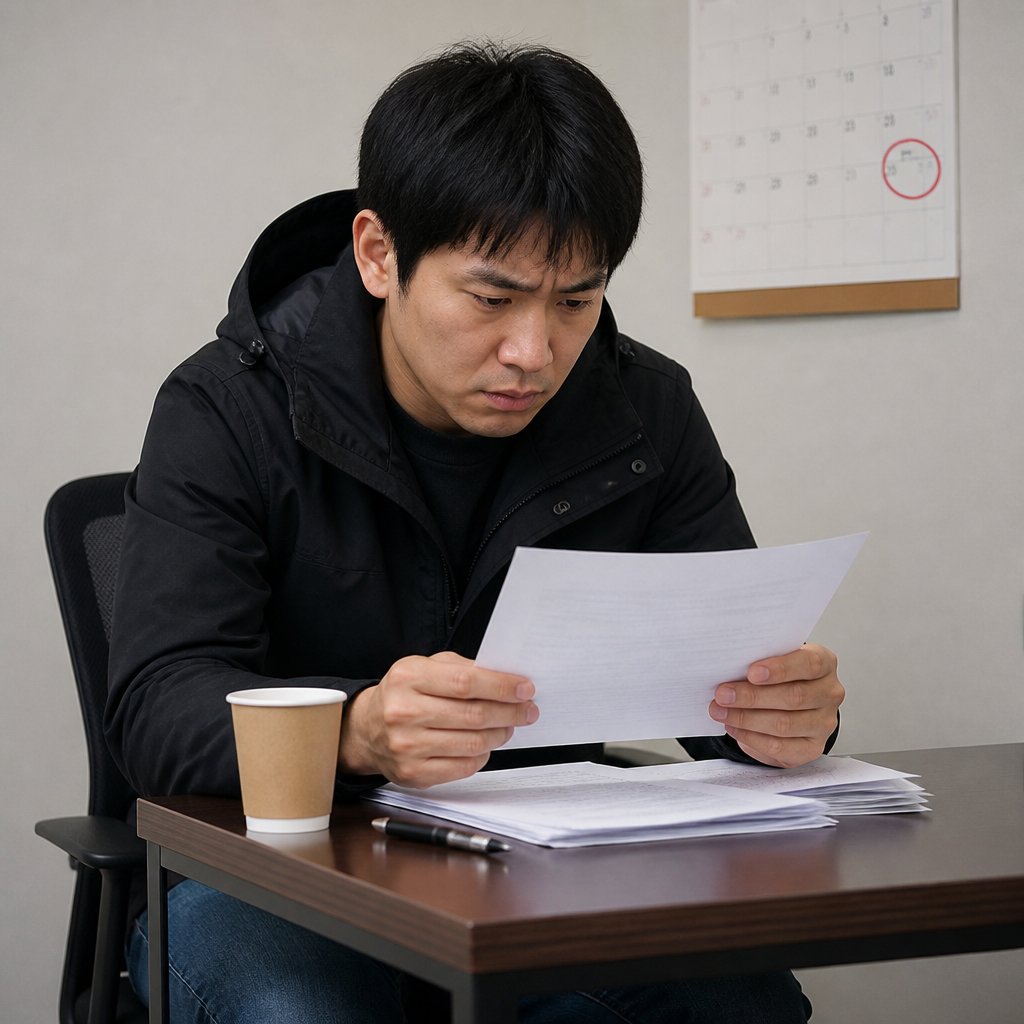
The insurance company sent an offer: $1,200 in exchange for a signed waiver that would release everyone involved, including the equipment vendors. They demanded I sign by Friday—an urgent deadline designed to pressure me. I held the letter in my hands, the paper crisp and cold. The office where I sat smelled of fresh printer ink and faint coffee. I read the fine print, feeling trapped. The amount barely covered the emergency room bill, let alone the surgery or missed work. Signing meant giving up any future claims, and the deadline made it feel like I had no choice. I thought about the dogs, the faulty gate, and the manager’s request to keep quiet. Was this their way of shutting me down? I stared at the calendar on the wall, the Friday deadline looming. I wasn’t ready to decide, but time was slipping away fast.
Knee Locks And Medical Leave Begins
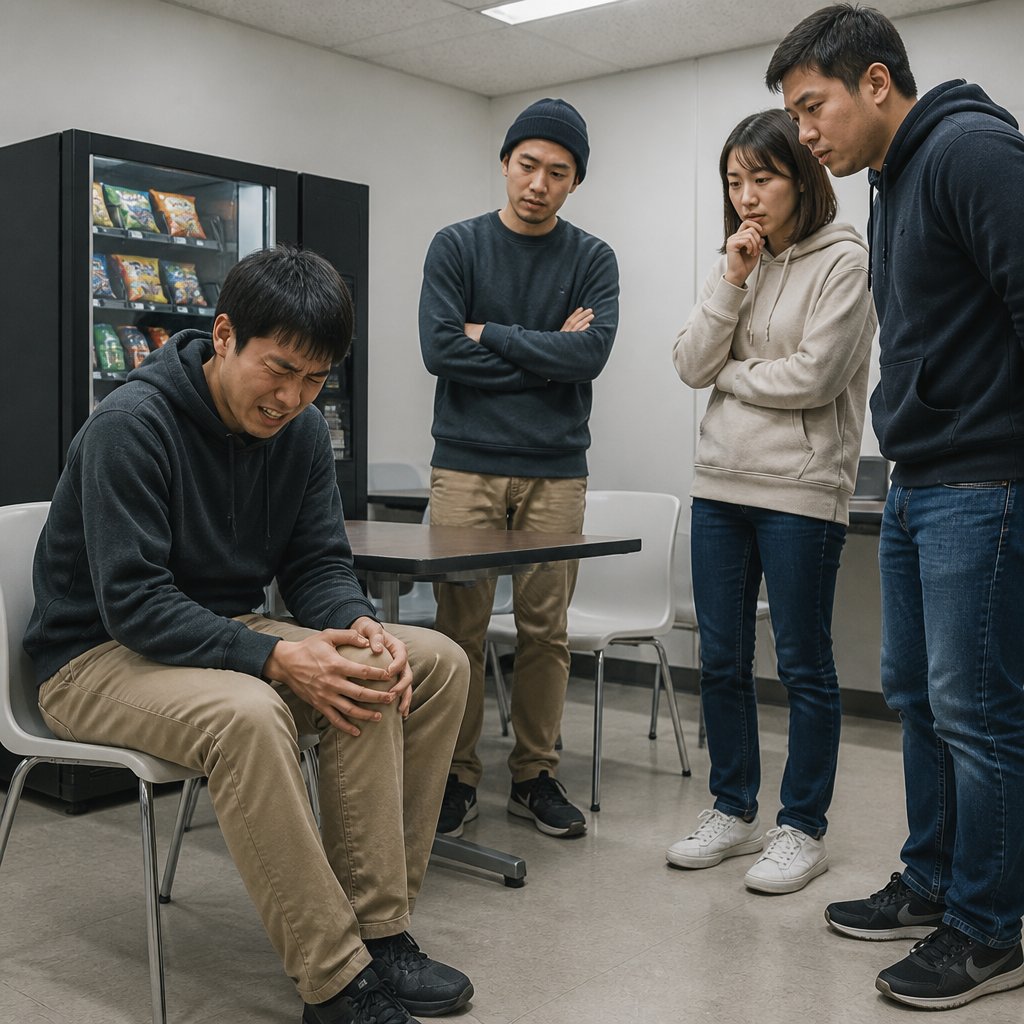
At work, my knee suddenly locked again. I was walking down a hallway when it gave out beneath me, and I fell hard against the cold tile floor. Pain shot through my leg, sharper than before. My coworkers rushed over, helping me up with worried faces. I knew then I couldn’t keep going like this. The next day, my employer pushed me onto medical leave. The orthopedic office called too, asking for a deposit before they’d schedule the reconstruction surgery. I felt a heavy knot in my chest. The fluorescent lights in the break room buzzed incessantly as I sat staring at the phone. The financial pressure was mounting, and the physical pain was constant. I didn’t know how I’d manage the time off or the medical bills piling up. My thoughts raced, but the doctor’s request for a deposit hung over me like a dark cloud. I was stuck between the injury and the bills, and nowhere to turn.
Gate Video "Corrupted," Staff Reveal Failures
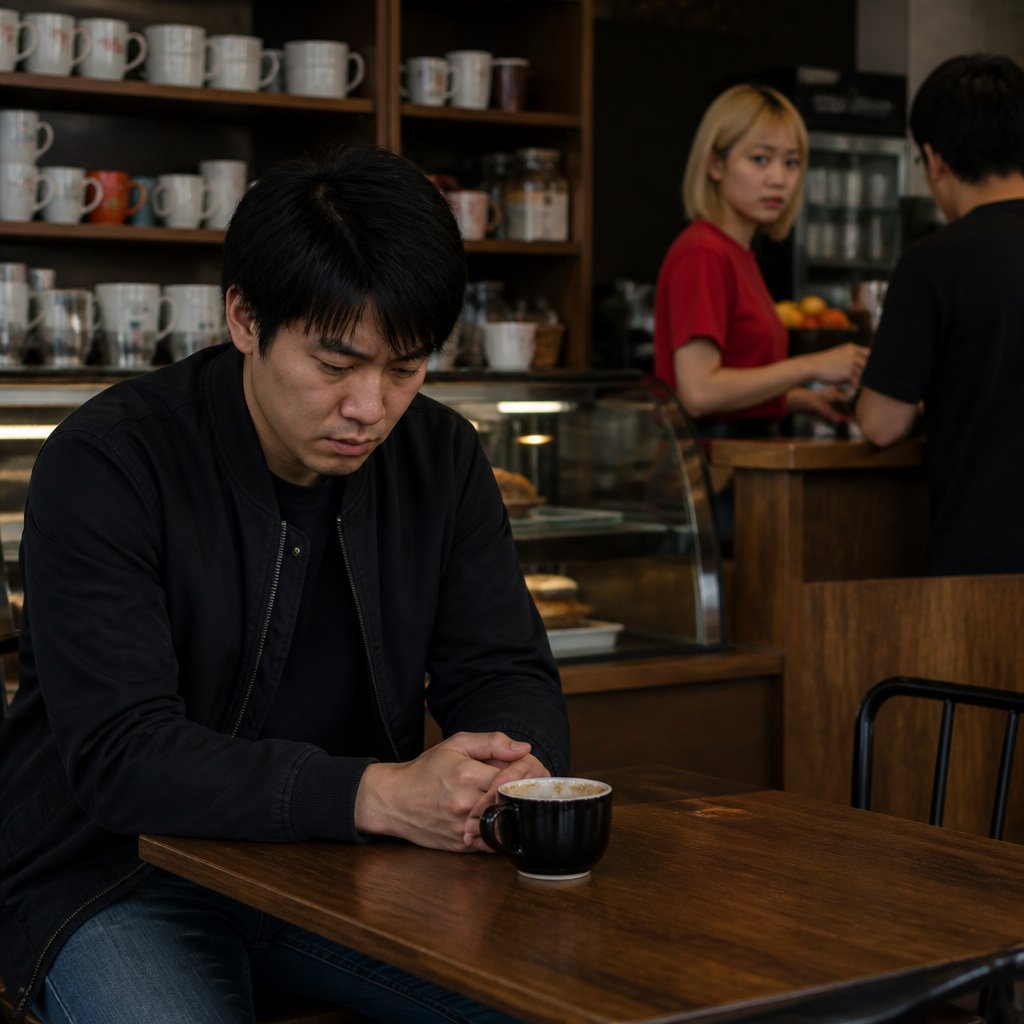
BarkBarn claimed the security video of the accident was "corrupted." I asked for a copy, but they said it wasn’t recoverable. Then, a teenage employee messaged me privately. She had short blond hair and wore a red staff T-shirt. She said the gate had been acting up for weeks, sometimes stuck open or closing late, but management never fixed it. She sounded nervous, like she didn’t want to get caught. The message window on my phone was open, but I set the device face down on the table. I stared at the coffee shop table’s rough wood grain, trying to process it all. The gate sensor failure wasn’t just a one-time glitch—it was a known problem. That meant my injury wasn’t an accident waiting to happen; it was something they ignored. But without the video, I had no hard proof. The staff’s silence and the missing recordings felt like a wall I couldn’t break through. I took a deep breath, aware the fight was just beginning.
A Cold Reply From BarkBarn
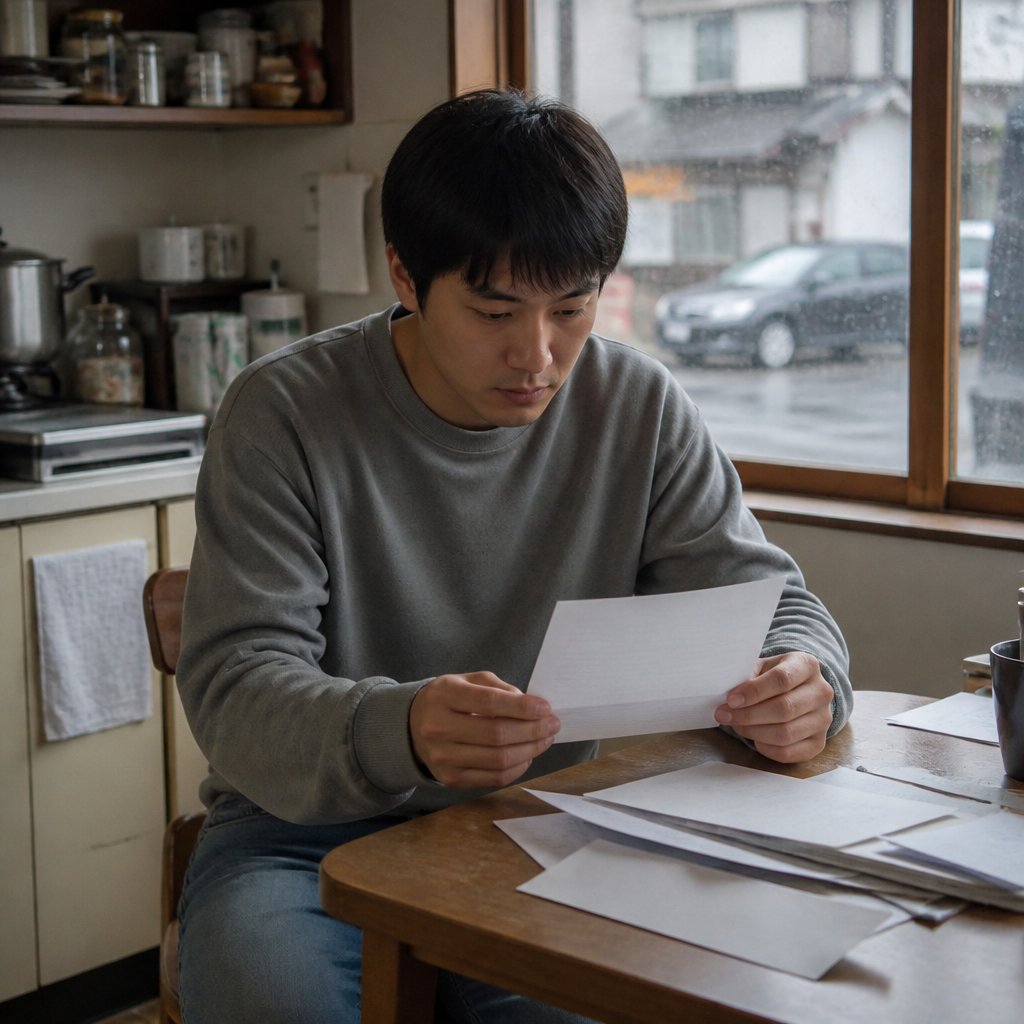
I hired a small plaintiff’s attorney to handle the case. They sent BarkBarn a preservation letter, demanding they keep all evidence related to the accident. A few days later, the reply came back cold and dismissive. BarkBarn claimed they were “not responsible for animal behavior” and refused to acknowledge any fault in the gate failure or the dogs getting out. The letter was formal but vague, denying liability outright and emphasizing the risks that come with animals. It seemed like a tactic to delay and intimidate rather than to cooperate.
I sat at my kitchen table staring at the letter. The smell of cold coffee lingered in the mug next to me, untouched since the morning. It felt like a wall had gone up between me and any hope of a quick resolution. My lawyer said this was just the beginning of the fight.
Learning About Comparative Negligence

My lawyer began preparing me for the deposition. That’s where they question you under oath before trial. She explained something new to me: "comparative negligence." Basically, they could argue I was partly at fault for what happened. The defense was already signaling their plan—they’d say my choice of footwear and exactly where I stood near the gate made me responsible for the fall. Suddenly, the caution I thought I was showing might be twisted against me.
We went over the questions several times in a small, cramped conference room with an off-white table and peeling paint on the walls. I practiced answering calmly, but my stomach was tight every time. It felt unfair. Why should wearing trainers and standing in the lobby make me liable when the gate didn’t work?
No Maintenance Logs Found

BarkBarn finally handed over some documents after weeks of delay. They produced stacks of training manuals for the staff, thick binders about dog handling and safety procedures. But there was a glaring absence: no maintenance logs for the sensor gate. The part that failed had no records showing inspections, repairs, or even routine checks.
That gap felt suspicious. If the gate sensor had been properly maintained, someone should have documented it. Instead, it looked like BarkBarn was avoiding providing proof where fault would be most clear. I flipped through the manuals, the crisp paper edges faintly smelling of printer ink and dust. The manuals said a lot about training, but nothing about the broken gate that started all this.
Subpoena Reveals Repair Tickets
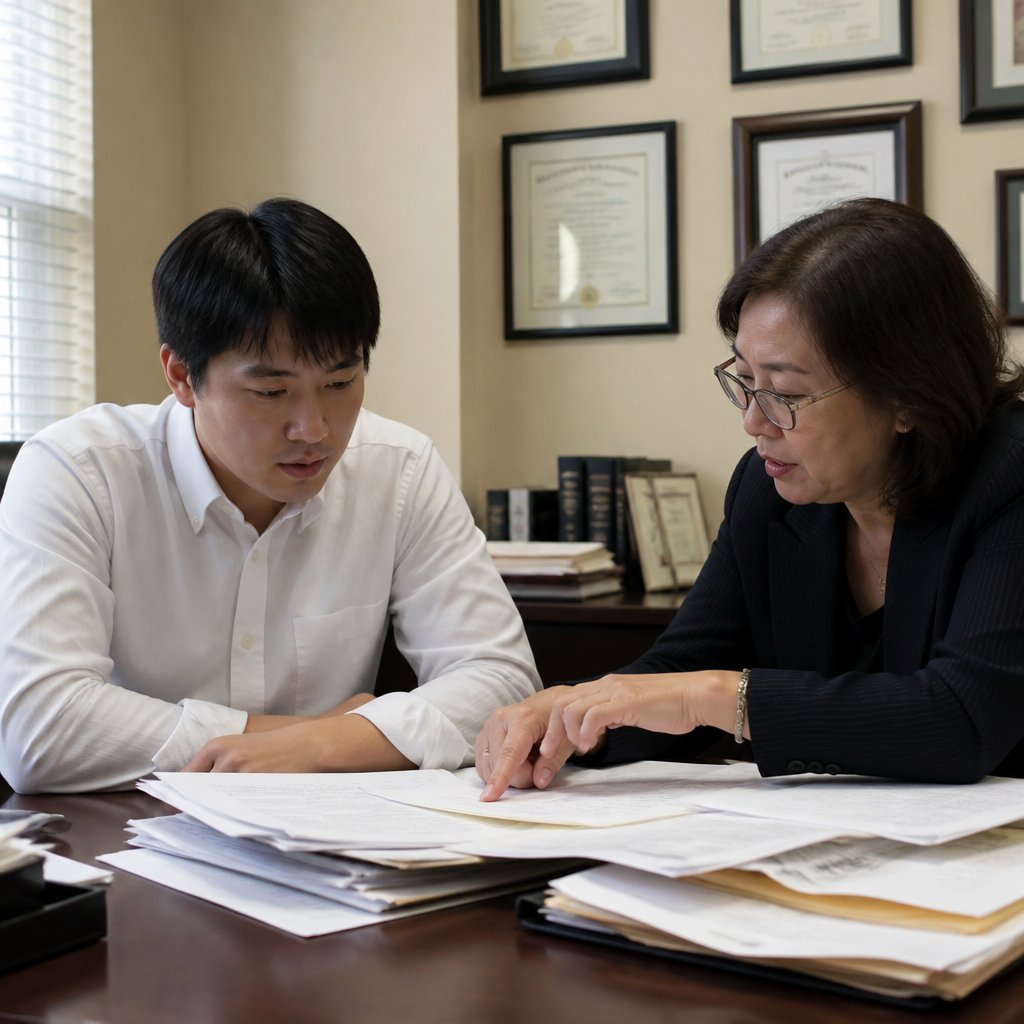
Our subpoena finally forced BarkBarn's repair vendor to hand over service records. The gate was serviced twice in the month before the accident. But both tickets had a strange note: “customer declined full repair.”
That phrase stuck in my mind. It meant BarkBarn knew the gate wasn't fixed properly, yet chose not to go through with repairs. I sat in the lawyer’s small office, the musty smell of old paper filling the air as we read the tickets again and again. The repair dates were close together, showing clear warning signs. I couldn’t understand why they’d risk safety just to keep the gate broken.
Vendor Blames BarkBarn’s Profit Concerns
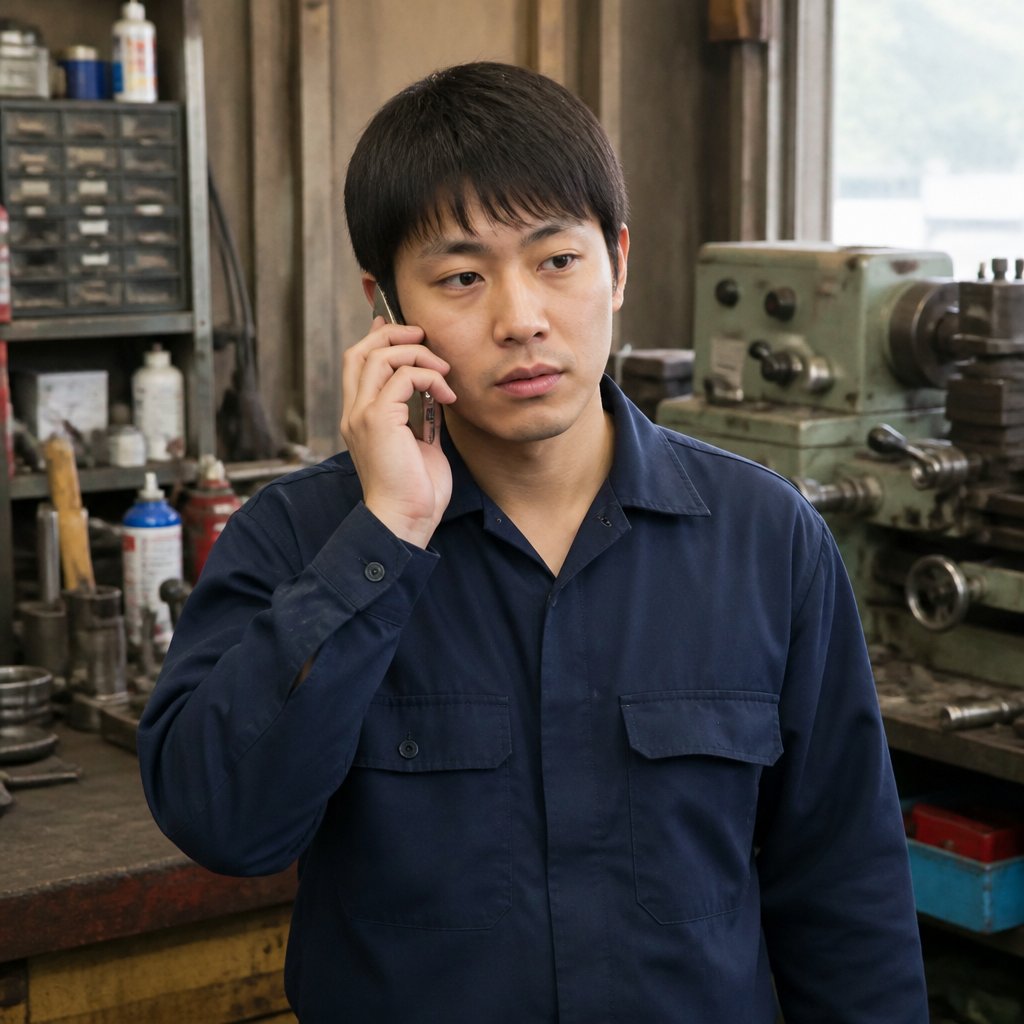
We finally got the repair vendor on the phone. The technician explained BarkBarn refused to replace a critical part because it would shut down intake for two days. They prioritized profit over safety. The vendor’s voice was tired, a mix of frustration and resignation. I could hear the hum of a busy workshop in the background as he talked about how the faulty gate sensor stayed broken despite warnings.
The conversation weighed heavily on me. Hearing someone confirm that BarkBarn chose money over safety made the whole case feel more real—and more infuriating. But it also gave us evidence that might turn the tide in court.
Email Revealed A Risky Workaround
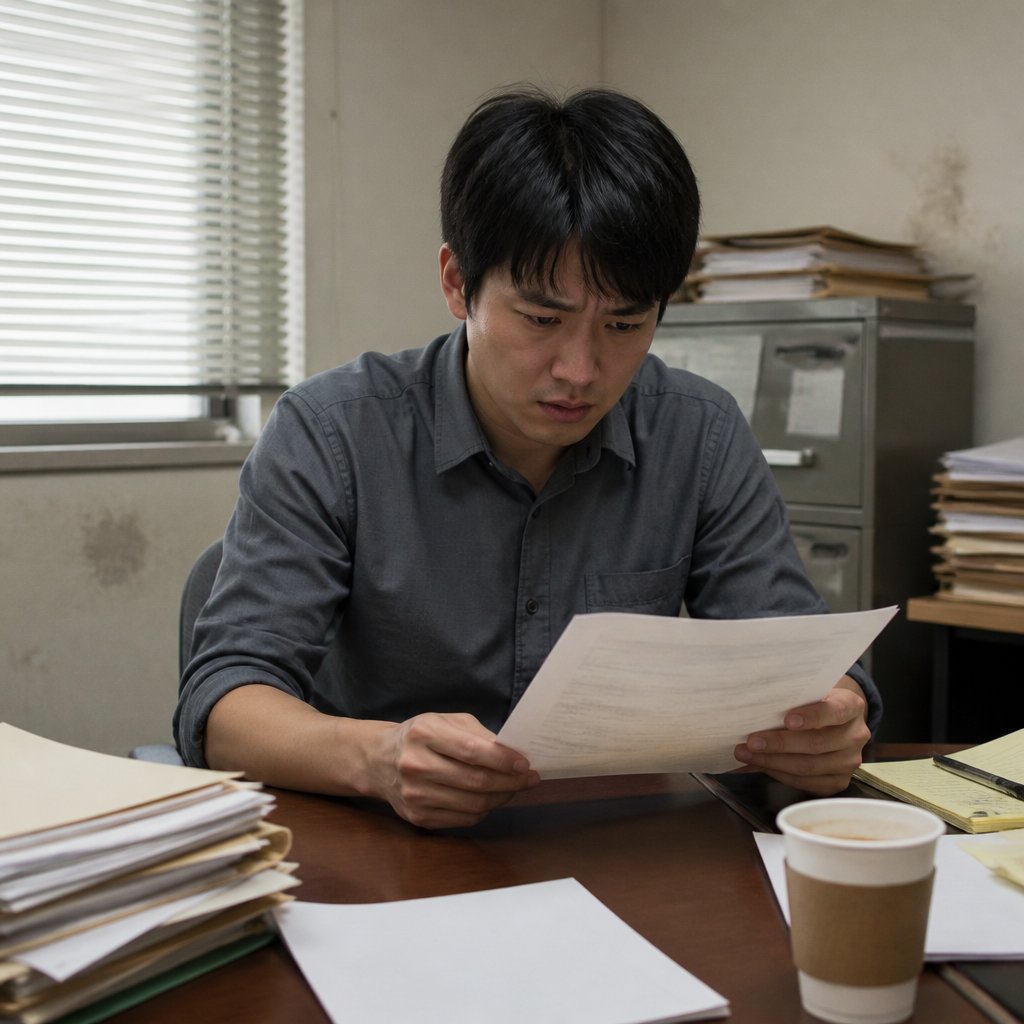
During the discovery phase, I stumbled across an internal BarkBarn email thread from a few weeks before the accident. The message was blunt: the gate’s sensor was malfunctioning when sunlight hit it. Instead of fixing the problem, they told staff to prop the gate open during bright hours and watch out for dogs trying to run out.
Reading that, I pictured the gate ajar, an employee stationed nearby, eyes darting nervously as dogs moved too close. The email had a casual tone, as if this stopgap was standard procedure. No mention of alerting customers or updating safety protocols. Just a quiet admission that the sensor was unreliable and a patch meant to keep the gate moving.
That email meant the company knew the sensor was a problem and chose to ignore repairs. This wasn’t an accident waiting to happen — it was a problem tolerated and concealed. How far up the chain did this knowledge go, and who in the company approved that risky workaround?
Safety Coordinator’s Audit Sparks Shock
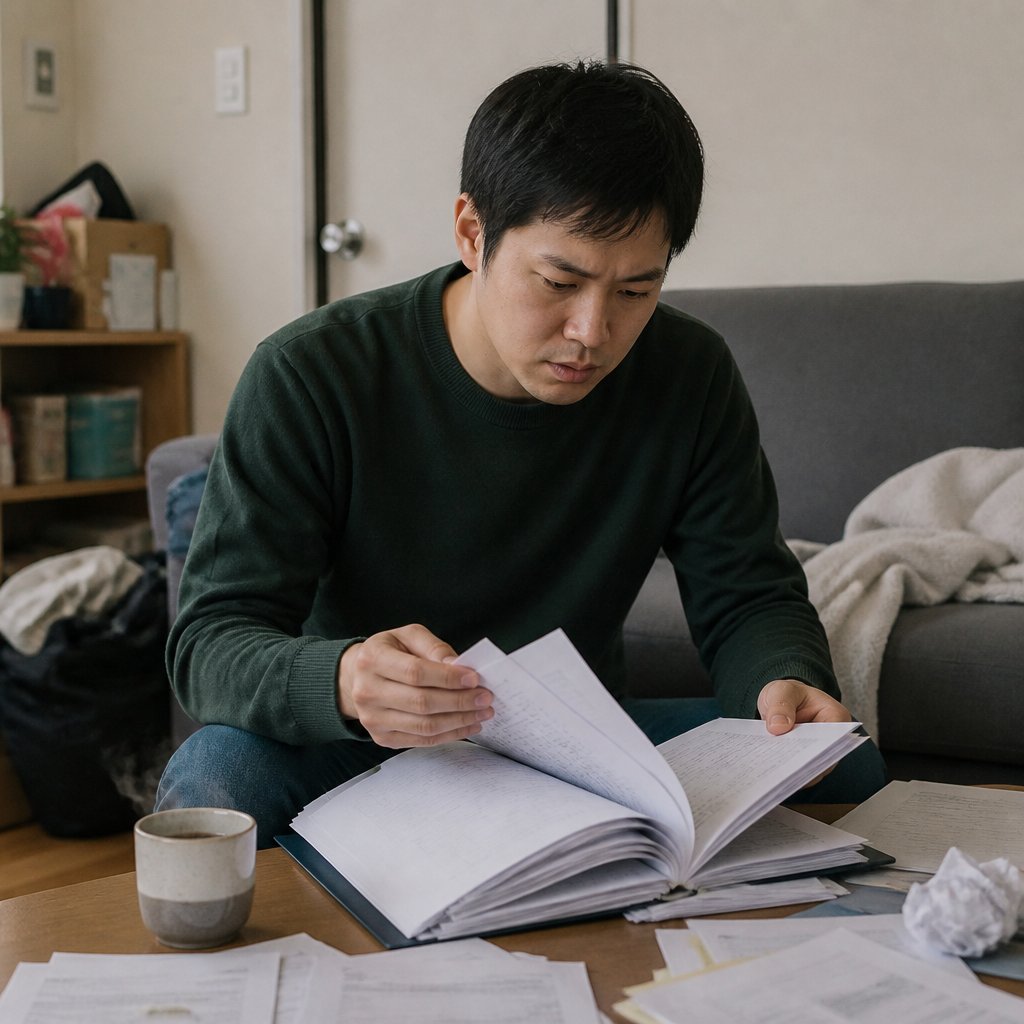
Just as the trial was entering its final phase, my lawyer handed me a thick file from an unexpected source: a former BarkBarn corporate safety coordinator. She’d unearthed audit reports from within the company, detailing a history of gate sensor failures labeled as “critical risk.” One report even chronicled a prior incident where the gate knocked down a child, months before my accident.
Her testimony was set to shake the courtroom. These documents proved that BarkBarn’s leadership had long been warned about the sensor’s dangers. Rather than acting, they concealed the truth and continued business as usual.
That night, I sat in my small apartment, the weight of the reports heavy in my hands. The harsh scratch of the report’s stapled edges echoed my growing anxiety. This wasn’t just a fight for compensation anymore—it was about exposing a corporate pattern of recklessness that could cost people their safety.
The next steps in the lawsuit suddenly felt far more complicated. How would BarkBarn respond now? Would the court finally hold them accountable, or would the company find new ways to evade responsibility?
Should BarkBarn be held accountable for the incident?