


I Noticed Something Off
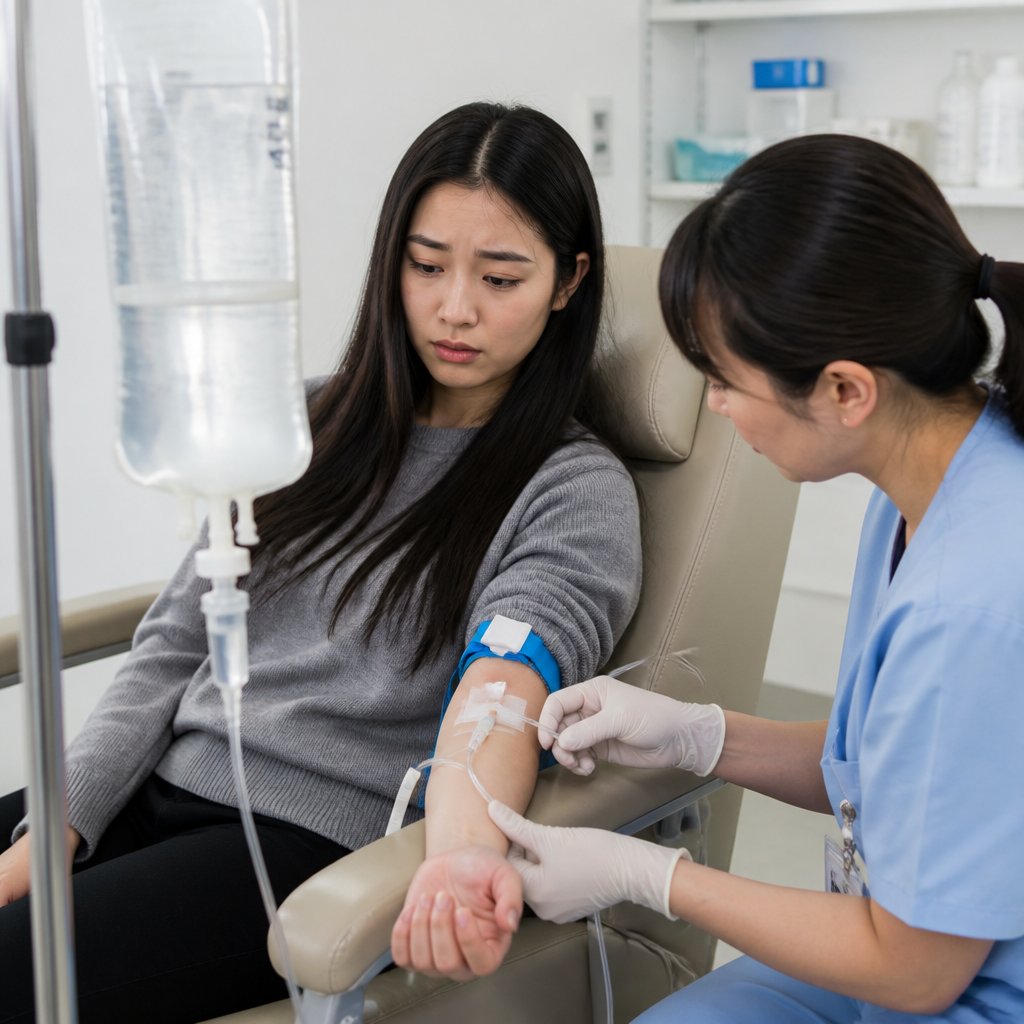
That afternoon at the IV lounge, the nurse had trouble finding my vein. I flinched as she adjusted the needle, and then I saw it—a faint cloudiness inside the saline bag hanging beside me. It was subtle, just a dull haze in the clear fluid. I hesitated, telling myself it was probably nothing, maybe just a trick of the light or my nerves. I didn’t want to make a fuss. The room smelled sterile, but the quiet hum of the drip machine felt louder than usual. I watched the saline drip steadily, but the cloudy tint nagged at me. Still, I let it slide, thinking I was just being paranoid. Maybe the nurse had a good reason for it. Maybe I was overthinking everything after the vein got blown. I told myself to relax and focus on breathing easy. But a small voice inside me wondered if I was missing something important.
Morning Brings A Bitter Question

That night, I woke shivering, the blanket tangled around my legs despite the heat. My forehead felt hot, and the room spun slightly. I tried to ignore it, but by morning, confusion set in. My thoughts were scattered, and I struggled to find the words to explain how awful I felt. At the emergency room, the bright fluorescent lights were harsh against my tired eyes. A doctor asked one question that hit like a brick: "Any IVs recently?" My heart sank. When I told them about the lounge visit, everything seemed to click into place around me, like a timeline locking down. The nurse who took my vitals kept looking back at the computer screen, and the ER smelled faintly of antiseptic and sweat. My body ached, and every beep of the monitors made me more aware of how wrong things were. They moved fast, but I could tell this question was more than routine—it was the thread that could unravel everything that happened before.
Waking To Alarms And Warnings

I woke to beeping alarms and the steady whoosh of machines. My body felt heavy, almost numb. A nurse was at my bedside, her face calm but serious. She told me my blood cultures were positive—that word "septic" hung in the air like a shadow. Nobody could say where the infection came from, just that it was spreading. I felt a sharp taste in my mouth, like metal or bitterness, and the hospital room smelled of disinfectant and something sterile but harsh. The sharp smell made my throat dry. The nurse’s eyes flicked to the monitors, then back to me, but she didn’t offer any real answers. My head throbbed as my mind spun, trying to catch up. The IV lines and central line in my chest felt foreign and uncomfortable, and my skin prickled under the hospital gown. The doctors talked quietly outside the door, but I couldn’t hear what they said. I wanted to ask questions but the words stuck in my throat. The unknown source of the sepsis felt like a wall I couldn’t get past.
Work Demands A Return Date

Back home, the messages from HR started arriving like clockwork. They wanted to know when I could return to work. I stared at my phone, unable to give a date. My body still felt fragile, tired before the day even began. The living room where I sat, with its beige walls and a worn couch, felt smaller somehow. Each unanswered email weighed on me. My job felt more like a countdown timer than a place where I once found purpose. Insurance forms piled up on the coffee table, some with red marks and confusing jargon. The smell of old paper mixed with the faint scent of my herbal tea. My manager called once, voice clipped and impatient. I wanted to tell them I was fighting just to heal, but every conversation slipped toward deadlines and how long I could stay away. The pressure mounted, making recovery less about rest and more about meeting expectations. I put the phone down with a heavy sigh, wondering if my job would still be there when I was ready. The calendar on the wall mocked me in silent days.
Denying And Digging For Records
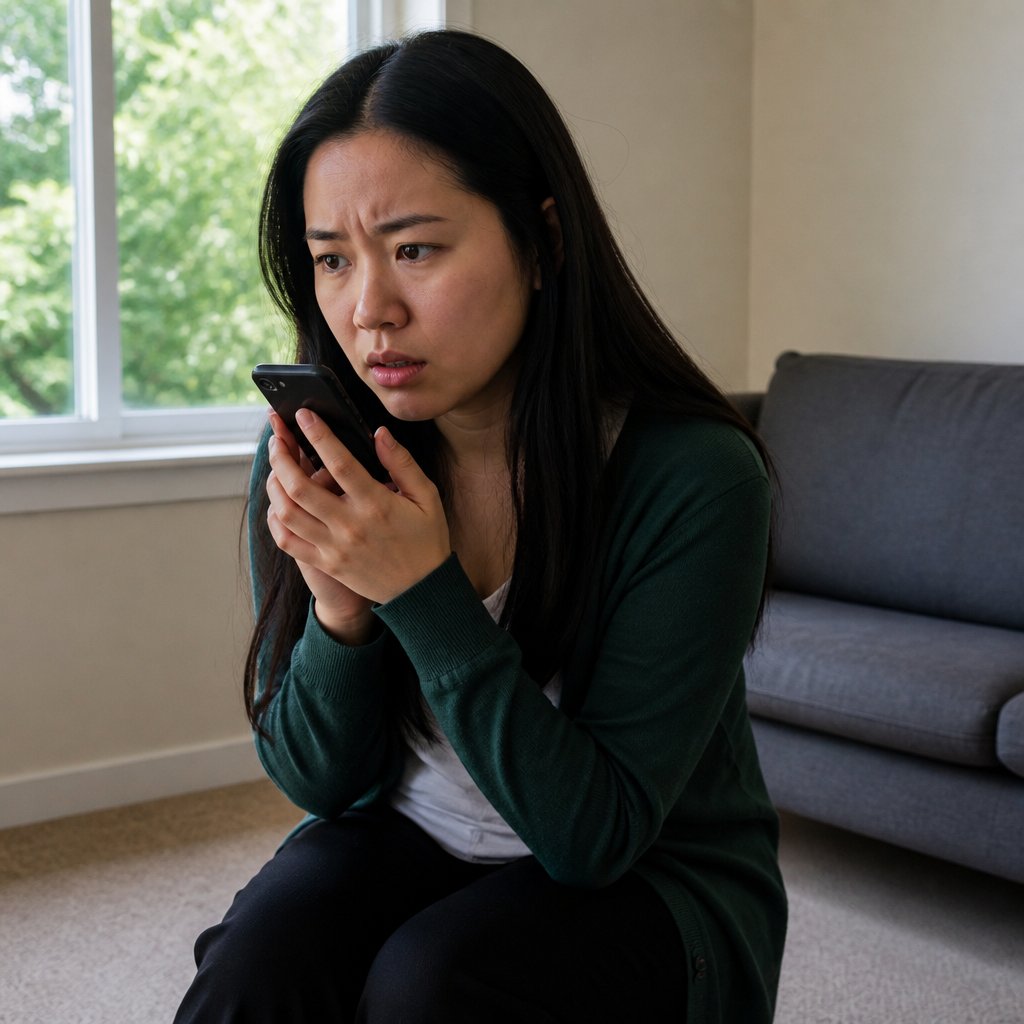
One afternoon, my phone buzzed with a voicemail from the lounge. Their tone was cold and detached, denying any responsibility for what happened. They pushed me to sign a medical-records release, as if building their defense before I even walked through the door. I felt the walls close in. The sterile room where I listened was quiet except for the distant hum of traffic outside. The voice on the message spoke carefully, as if reading from a script, avoiding admitting fault. I stared at the phone, my fingers tightening around it. The weight of their denial pressed down on me, a reminder that this fight was already turning uphill. The air smelled faintly of soap and something sharp, like cleaning chemicals. I wanted to argue, to demand answers, but their words left me with silence. It felt like they were already preparing for a battle I hadn’t agreed to yet, and I wasn’t sure how to respond.
Insurance Denies Critical Coverage
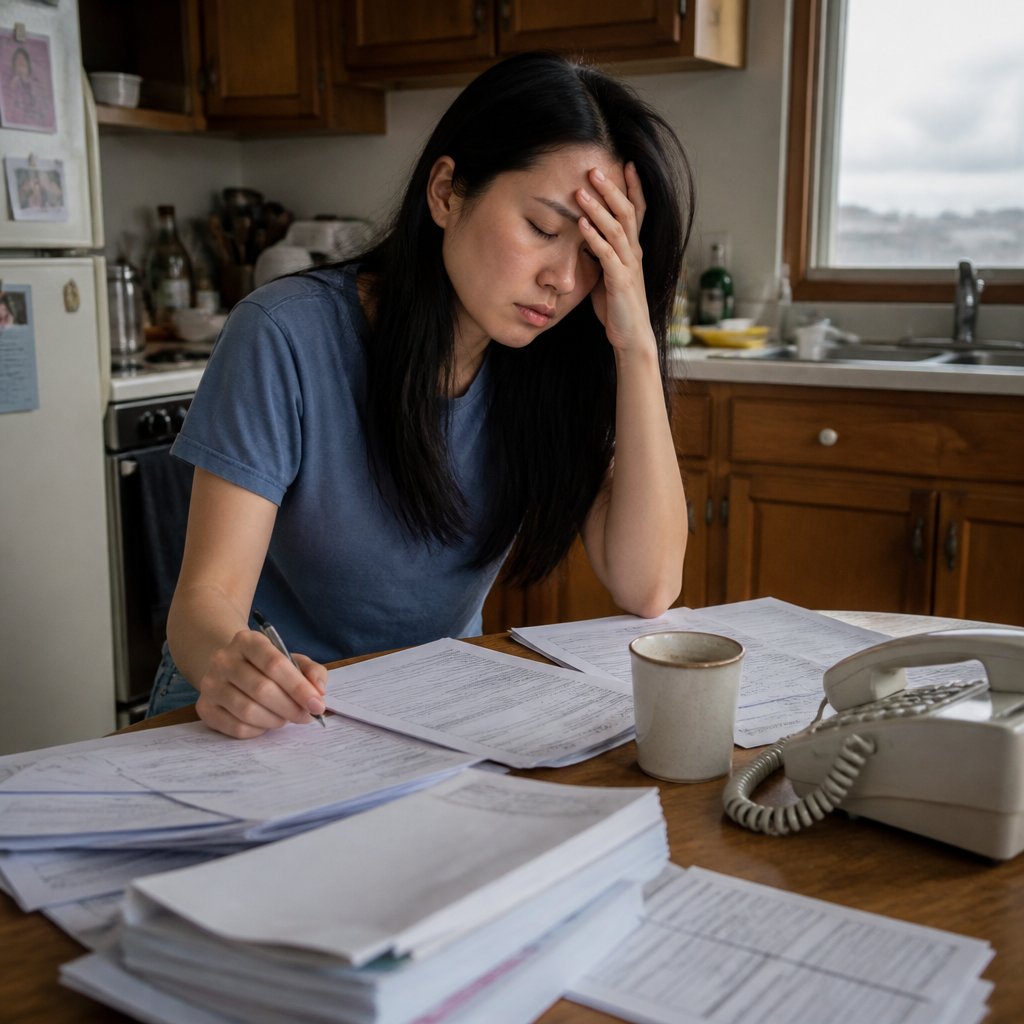
The insurance company sent letters denying big chunks of my hospital bills. They labeled parts of my stay "non-covered elective wellness," as if what happened was my choice. The stack of rejection notices grew heavier on my kitchen counter. I looked at the fine print, but it was a blur of words that didn’t add up. Calls from billing agents started coming, polite but persistent, pushing for payment. The smell of cold coffee filled the cramped kitchen where I sat, papers scattered everywhere. My chest tightened every time the phone rang. It felt like the noose around me was getting tighter, a financial squeeze designed to wear me down. Friends offered sympathy, but couldn’t understand the mounting pressure. I wondered if I could keep fighting or if I’d have to give in and settle. The bills felt like a storm closing in, and I had no umbrella.
No Incident Report To Find
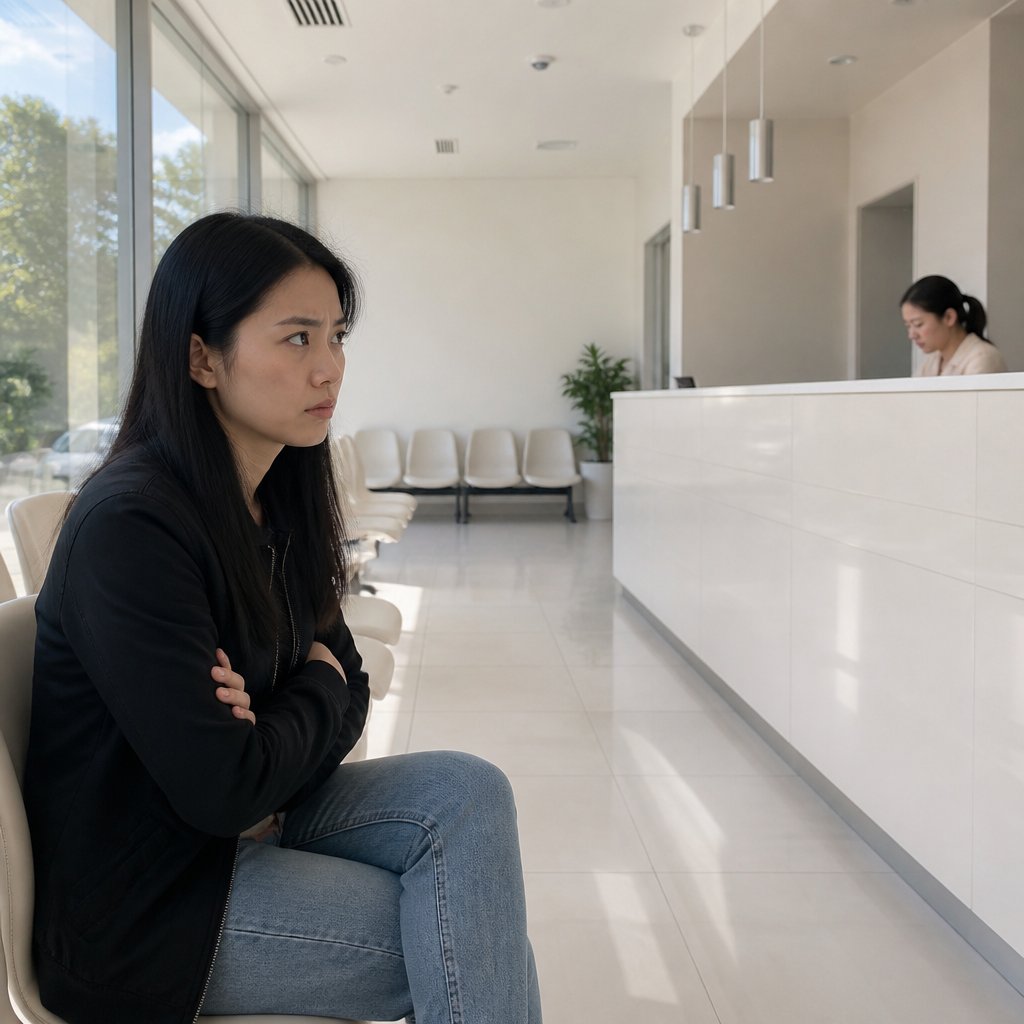
I asked the lounge for their incident report. They told me none existed. Instead, they offered me a free drip, like a cheap apology or a joke I didn’t get. That offer stung more than it helped. It was clear there was no paper trail, no official record of what happened that day. The lounge’s plush vinyl chairs and white walls felt less inviting now, more like a place to hide mistakes. I sat in the cramped waiting area, wearing a black jacket and jeans, feeling smaller than before. The receptionist’s polite smile didn’t reach her eyes. The air smelled faintly of sanitizer and plastic. I wanted to believe they cared, but the silence about an incident report said otherwise. The absence of that report left me grasping at fragments, wondering if they were erasing everything behind the scenes.
A Post Appears, Then Vanishes
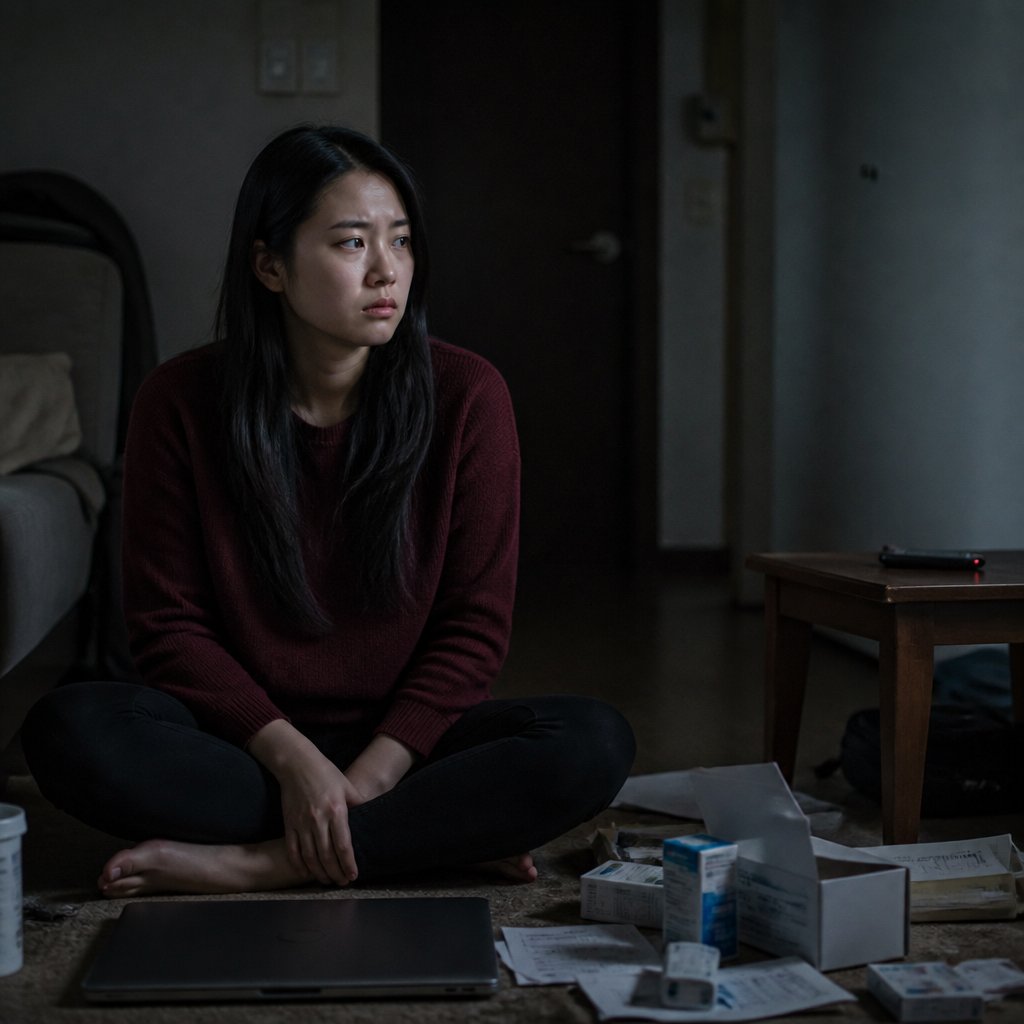
Scrolling through social media one night, I saw a post from another patient’s family. They mentioned a similar infection starting at the same lounge that weekend. The post was detailed and raw—a mirror to my own experience. But the next morning, the post was gone. Like it had never existed. It left a strange unease. I couldn’t shake the feeling someone was watching, trying to erase the story before it could spread. The dim glow of my laptop screen lit the room where I sat, a small one-bedroom apartment cluttered with papers and medical supplies. I refreshed the page over and over, but the post never returned. The silence felt loud. My heart pounded as I wondered who wanted to keep this quiet. The phone beside me vibrated, but I hesitated to answer. The screen stayed dark while the unanswered call sat there like a warning.
Doctor Hints At Contaminated Product

My infectious disease doctor spoke carefully, avoiding legal words but not the meaning. The organism causing the infection was uncommon, she said, and contamination of the product was possible. She didn’t say it outright, but her tone said enough. The cramped exam room had pale yellow walls and a narrow window showing a gray sky outside. I wore a blue button-up shirt, seated on the examination table, hands folded tightly in my lap. She showed me lab results and explained the risks, balancing medical facts with caution. The faint smell of hand sanitizer lingered. I wanted to ask more, but the silence between her words was heavy. It felt like we were both aware of what she couldn’t say. The weight of that unspoken possibility pressed on me—there might be proof, but no one wanted to say it aloud yet.
Bills Arrive As Oxygen Fades
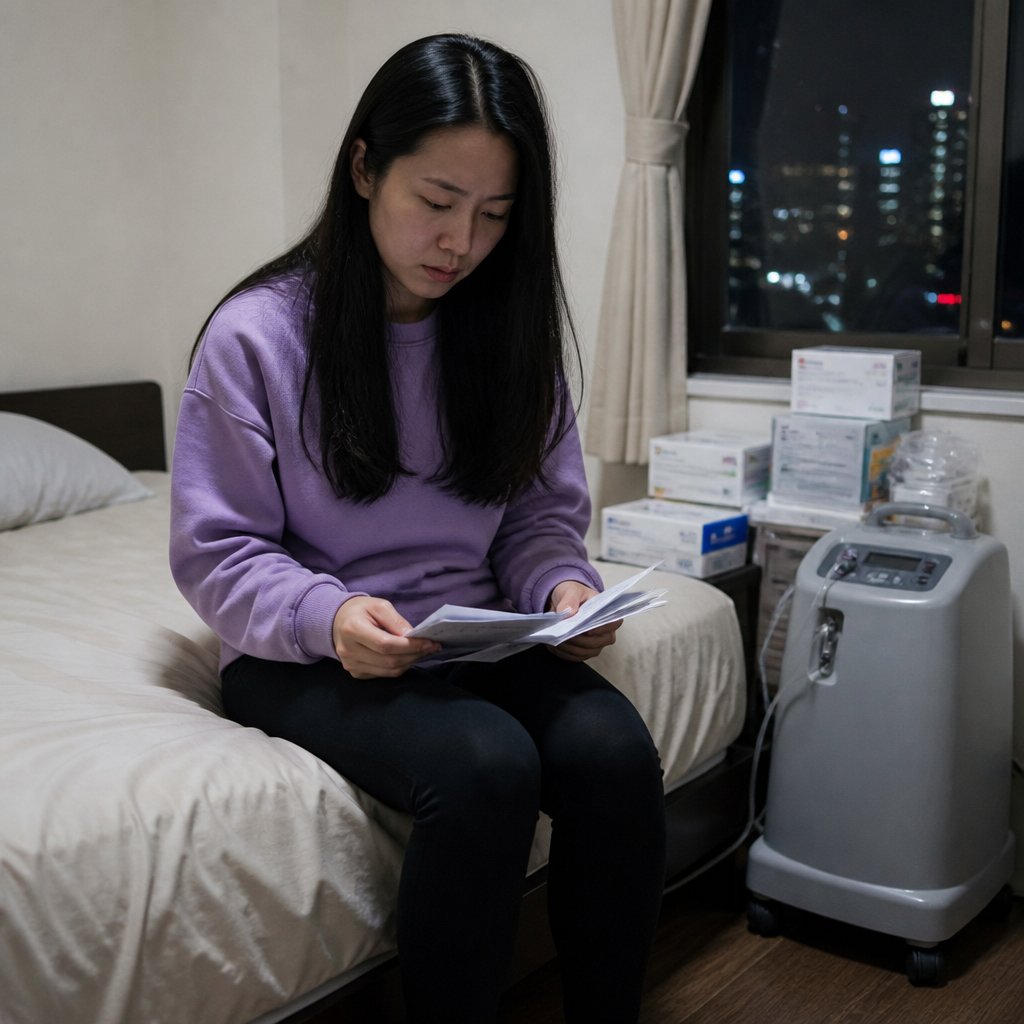
When I was finally discharged, they installed a PICC line for ongoing treatment. At home, the oxygen machine hummed softly by my side, but it wasn’t the only threat. Bills from supplies and out-of-network charges arrived nonstop. Each envelope carried more pressure than the last. I wore a soft lavender sweatshirt and black leggings as I sat in my bedroom surrounded by piles of medical supplies. The sterile smell of plastic tubing mixed with the faint scent of lavender from a candle on my dresser. Phone calls came in, asking for payment. The sound of the oxygen machine was a constant reminder that my fight wasn’t just for health anymore—it was for financial survival. My breath felt shallow, not just from sickness but from anxiety. The numbers on the bills blurred together, but the threat was clear. This was a new kind of struggle, one I hadn’t prepared for. I stared out the window at the city lights, wondering how much longer I could hold on.
Proof Down To The Hour

My lawyer, a patient man with a no-nonsense attitude, agreed to listen. But his first demand cut right through the fog: he needed proof down to the hour—photos, receipts, a clear timeline. I stared at him, unsure if I could pull all that together.
The lounge had no surveillance cameras in the waiting area, and the paperwork I’d been given was a tangle of illegible scrawls and conflicting times. My phone had no photos from the day; I hadn’t thought to record anything unusual.
He asked me to start reconstructing everything, from the moment I arrived to when the saline was connected. I nodded, trying to remember the nurse’s face, the scent of antiseptic in the room, the dull hum of the fluorescent lights. But the hours blurred into each other.
The lawyer scribbled notes, then looked up. "If we don’t have this timeline, it’s going to be a steep climb. But I’m willing to try." His voice was steady, but the weight of his words hit me. Could I recreate this day perfectly enough to prove their lounge was responsible?
Lounge Lawyer Snaps Back

We sent a preservation letter demanding lot numbers and video footage of the day my infusion went wrong. The lounge’s attorney answered fast and sharp. He snapped that I’d already agreed to arbitration on an iPad during check-in, and that without a subpoena, they wouldn’t share a thing.
The letter landed like a door slamming in my face. Arbitration? I barely remembered that screen, the rushed signature while the IV was going in. The lawyer on the other end didn’t care about my confusion. His tone was clipped, dismissive, and final.
I felt myself shrink in the sterile conference room where my lawyer read the response aloud. The buzz of the air conditioner was the only sound besides the crisp rustle of paper. Could arbitration clauses really shut down everything before we even had a chance?
My lawyer rubbed his chin. "We’ll have to fight this clause’s validity. But it’s not a sure thing." The threat of lost discovery hung heavy, and the clock was ticking fast.
Filing Suit Risks Everything

Despite the arbitration threat, my lawyer filed suit. He said he was betting the clause was defective because they had me sign it while the IV was running. If he was wrong, the entire case would die quietly.
I sat in the folding chair of the courthouse hallway, the scratchy vinyl against my jeans, the scent of old carpeting filling my nostrils. The noise of muffled voices and footsteps echoed down the corridor. My hands trembled slightly as I clutched the thick envelope with my complaint.
The lawyer explained that if the arbitration agreement wasn’t enforceable, we’d gain access to discovery and the chance to prove the lounge’s negligence. But if the court upheld the clause, all this would vanish.
I swallowed hard, realizing this might be the moment everything ended or truly began. The clerk called out my name, pulling me toward an unknown future.
Discovery Reveals A Cheap Supplier

Discovery started peeling back layers I didn’t expect. My lawyer found that the lounge had bought saline from a discount distributor instead of their usual medical supplier. The invoices showed a sudden switch just weeks before my infusion.
We sat in his cramped office, surrounded by stacks of binders and boxes. I looked at the yellowed invoices and supplier contracts spread across the desk. The sterile scent of the room mixed with the faint aroma of stale coffee. It was clear they’d cut corners, but why?
My lawyer frowned. "This changes things. If they used cheaper, possibly unreliable saline, we can argue they breached their duty to provide safe care." I nodded, but a sick feeling settled in my stomach. If they’d skimped on supplies, how many others were at risk?
The next step was to trace the saline lot numbers and batch testing—assuming the lounge still had records to produce.
Deposition Turns Hostile
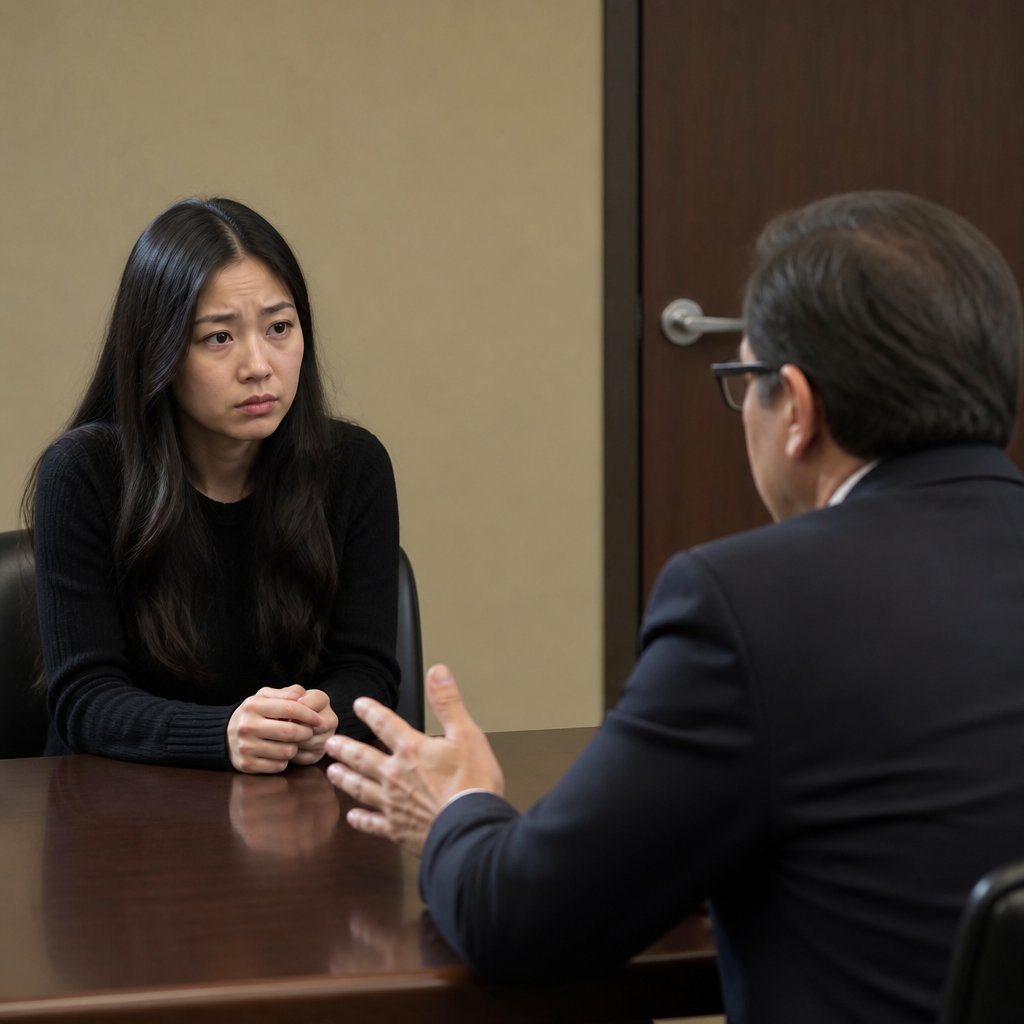
The deposition room was cramped and cold, with a long table flanked by leather chairs. Their lawyer sat across from me, his gaze sharp. He circled my past medical history like a hawk, bringing up an old prescription and hinting I might be a drug user.
I was exhausted. The sterile smell of the office mixed with the faint hum of the air vent. I wore a plain black sweater and dark jeans, trying to stay steady as he probed, trying to poison the jury pool before they even met me.
His words twisted facts, dragging in my history to cast doubt on my character. I bit my lip, refusing to lose control. This was more than a deposition—it was an attack.
My lawyer shot me a brief glance but made no move to object. The questions kept coming, insidious and slow. I felt the weight of the room pressing down, waiting for the next blow.
Judge Sanctions Barely Scratch Surface
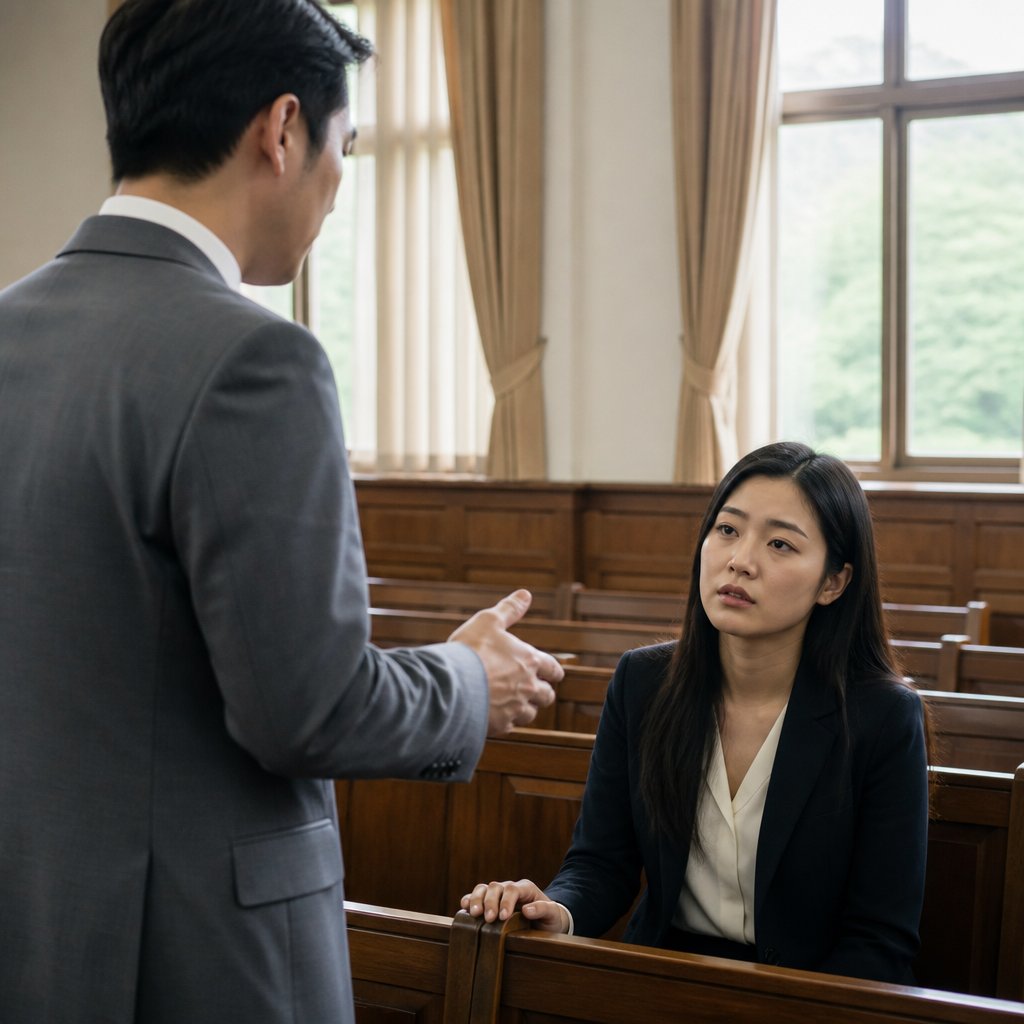
The judge finally handed down sanctions, but they were light—more like a slap on the wrist than a real penalty. The defense seized on that right away, spinning the sanctions as proof the whole mess boiled down to a tech mistake. If a judge gave just a small penalty, they argued, then maybe none of the other misconduct really mattered.
I sat in the courtroom, the faint scratch of paper filling the room as lawyers shuffled their files. The dry rustle seemed to underline how little weight was given to what I was going through. The judge’s words echoed in my ears, but all I could really focus on was the bland gray carpet and the way my hands clenched the armrests of the wooden bench.
The defense’s smooth talk left me wondering if their strategy to minimize everything would work. Could they really erase months of dirty laundry by calling it a "tech error"? The question lingered: how would I handle the insinuations against my character while the worst-looking misconduct was being dismissed?
Contract Medical Director’s Cold Admission

We deposed Dr. Marcus Hale, the contract medical director. He was a middle-aged man with thinning brown hair and glasses, dressed in a rumpled blue shirt that hung loosely over his slacks. The sterile conference room smelled faintly of coffee and stale air. He admitted he never set foot in the lounge where I was treated. He rubber-stamped patient charts “as needed” from a distant office, never overseeing day-to-day care in person.
His calm, detached tone made it clear this was routine for him—not negligence, just business. But it undercut the defense’s narrative of careful oversight. Still, just as we thought this admission would shift momentum, the defense attorney slid a motion across the table: a demand to force arbitration. I looked at the folded papers and felt the weight of another obstacle landing squarely in front of me.
The motion threatened to undo progress. If arbitration took over, all of this deposition—and the trial—might get derailed. I swallowed hard, my hands cold and clammy as I realized the fight wasn’t just for truth anymore. It was also about navigating legal traps.
Inspection Report Reveals Troubling Details

A public-records health inspection report arrived, citing violations that made my stomach churn. It detailed improper storage temperatures for supplies and expired materials still in use. The lounge where I was treated hadn’t been following basic safety protocols.
The inspector, a woman named Carla with short curly hair and a sharp gaze, agreed to testify for us. But every time a court date was set, it was rescheduled. Meanwhile, I was terminated from my job for attendance issues—a direct fallout from my ongoing medical and legal battles.
Sitting in my small, cluttered apartment, the cool plastic of the inspection report felt cold in my hands. The stress of losing my job mixed with the delays in testimony made it clear the path ahead would be even harder. More than just fighting the lounge, I was fighting time and circumstance.
Whistleblower Sends Last-Minute Evidence
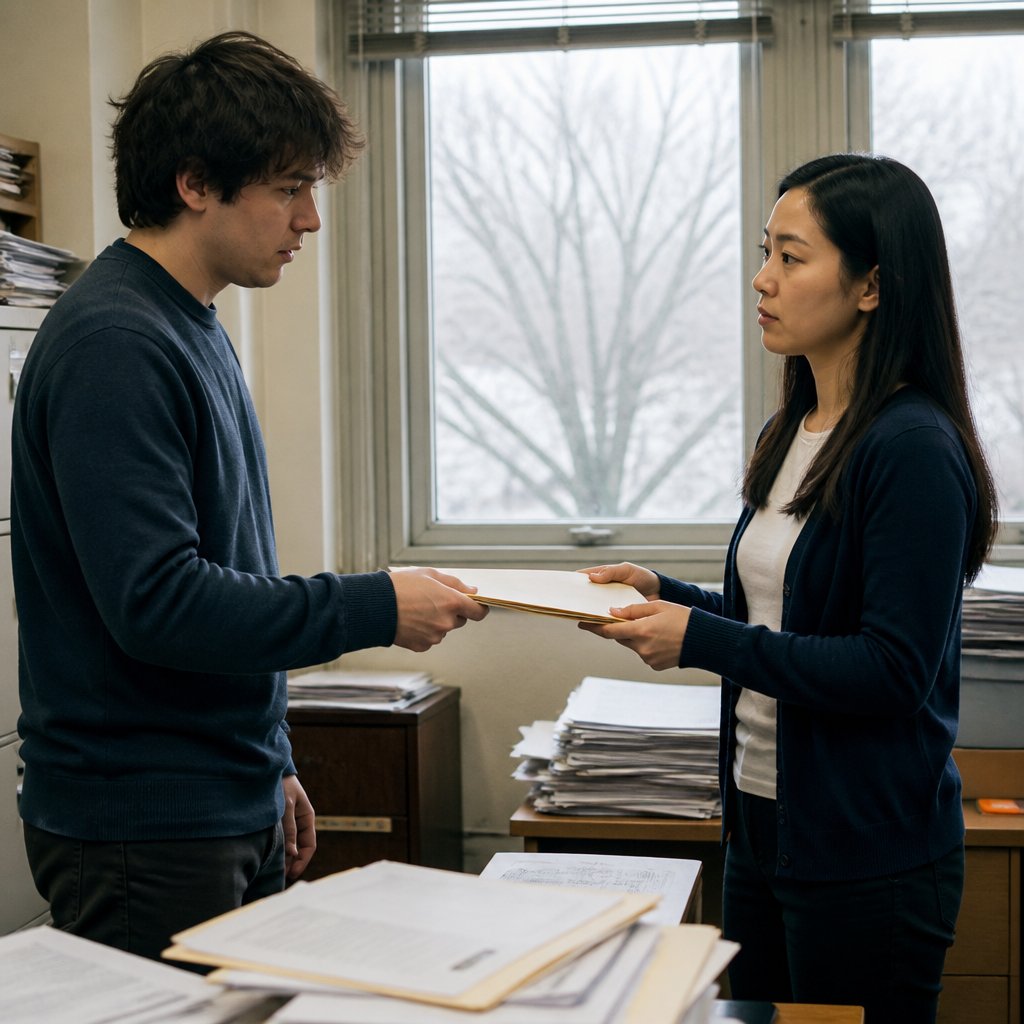
Days before trial, a call came from a distributor whistleblower. A young man with messy dark hair and a nervous smile handed over internal messages. The emails revealed a contaminated batch of saline and clear pressure from company higher-ups to “move it fast,” despite risks.
Holding the printed messages, I felt a flicker of hope. This was the evidence we needed to show deliberate negligence, not just accidents. But the defense moved quickly, filing emergency motions to exclude the messages as hearsay. Their argument threatened to bury the documents entirely.
The tension in the lawyer’s office was thick. I looked out the window at the leafless trees swaying in a winter breeze, wondering if this new evidence would ever see the light of day in court.
Judge Rules Against Arbitration Pressure
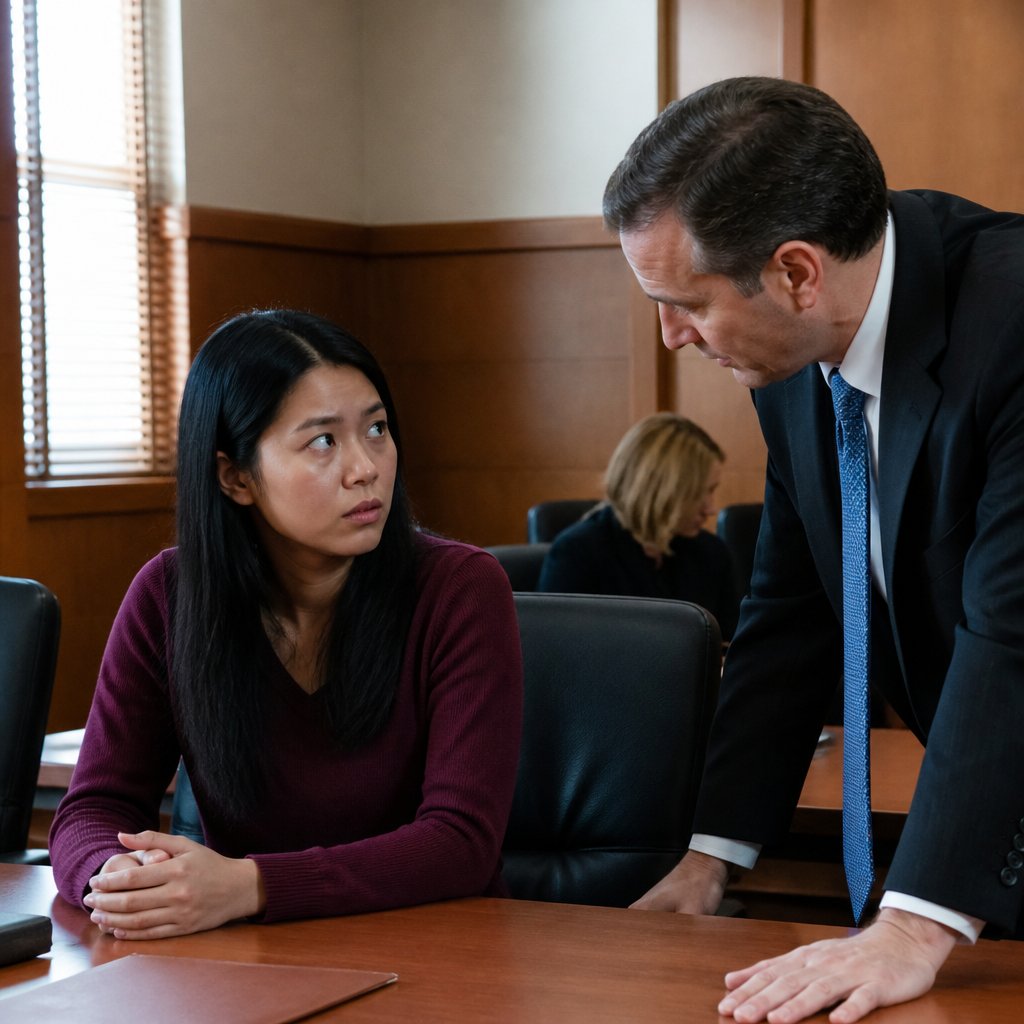
On the eve of jury selection, the judge stunned everyone by ruling that arbitration was unenforceable in this case. Suddenly, the key documents—including the whistleblower emails—were back on the table. I felt a surge of relief, but it was short-lived.
The defense attorney approached quietly during a break. He spoke in measured tones, reminding me the company still wanted to settle. Take money now or testify and risk everything. The weight of that offer hung heavily in the conference room, where the dull buzz of the air conditioner filled the silence.
My mind raced. Could I walk away with a settlement and avoid the trial’s uncertainty? Or was testifying the only way to expose the truth, no matter the cost?
Trial Reveals Gaps and Shifts Faces
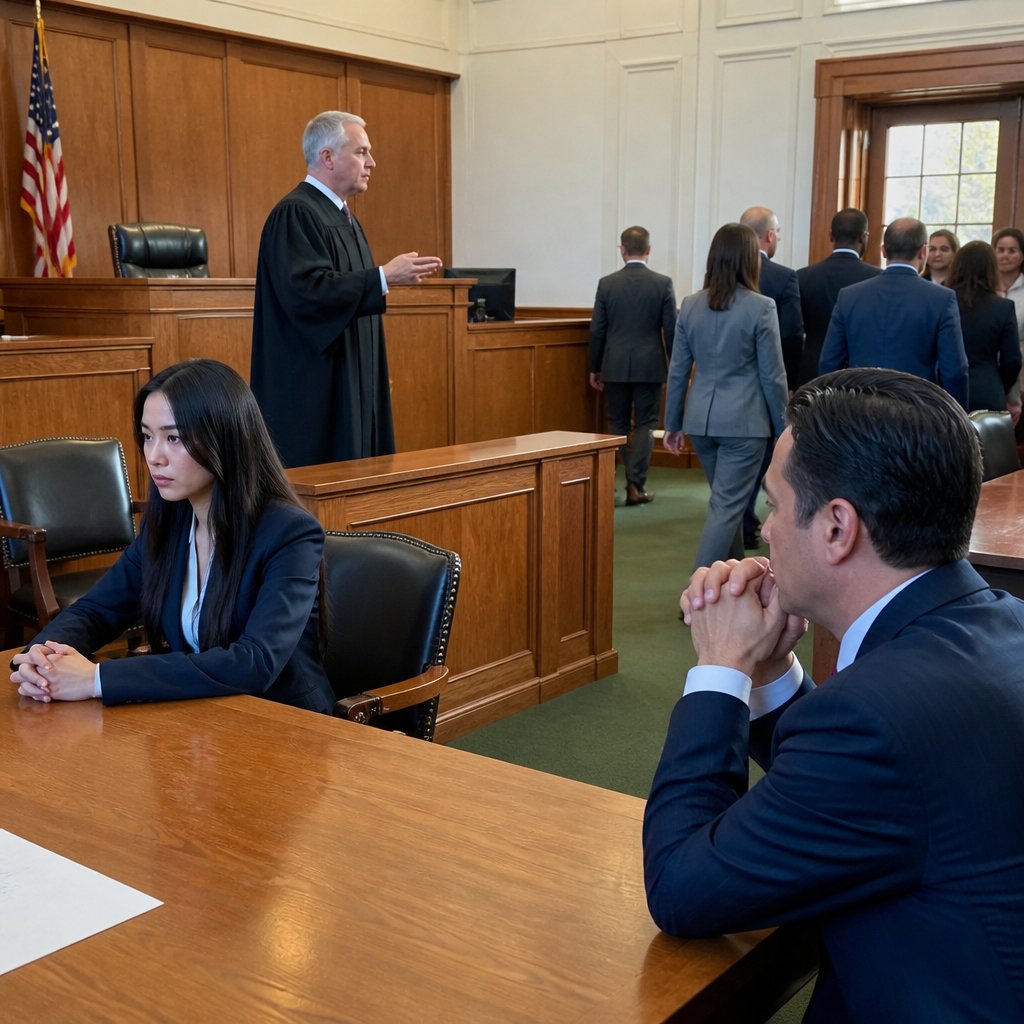
During the trial, their nurse witness stumbled. She couldn’t explain why the lot-number logs were missing, her hands shaking slightly as she answered questions. Then the whistleblower’s emails appeared on the courtroom projector. The corporate owner, a heavyset man with salt-and-pepper hair and a tailored suit, sat forward, his face tightening as dates and quantities of contaminated batches were read aloud.
The courtroom buzz shifted palpably. The judge called a recess, sending the jury out to deliberate while everyone absorbed what had just unfolded. I sat back, my heart pounding, eyes fixed on the dark green courtroom carpet as realization dawned: this battle was far from over.
Was the company's insurance response adequate after the incident?