


The Rack Chirped Then Locked

The smart rack made a sharp chirp just as I was stacking the last box. Suddenly, it auto-locked mid-load, and my lower leg got caught between the metal bars. The emergency stop button was right there, but when I slammed my palm down on it, nothing happened. The pain was immediate and deep, the weight of the rack crushing into my shin. I heard a faint grinding noise, metal scraping against bone or flesh. My heart pounded against my ribs, and I could taste the bitterness of fear mixed with shock. Around me, the warehouse buzzed with the usual background noise of forklifts and chatter, but none of it mattered. I was trapped under the machine, unable to move, the pain growing with every second.
Supervisor’s Hidden Override Key
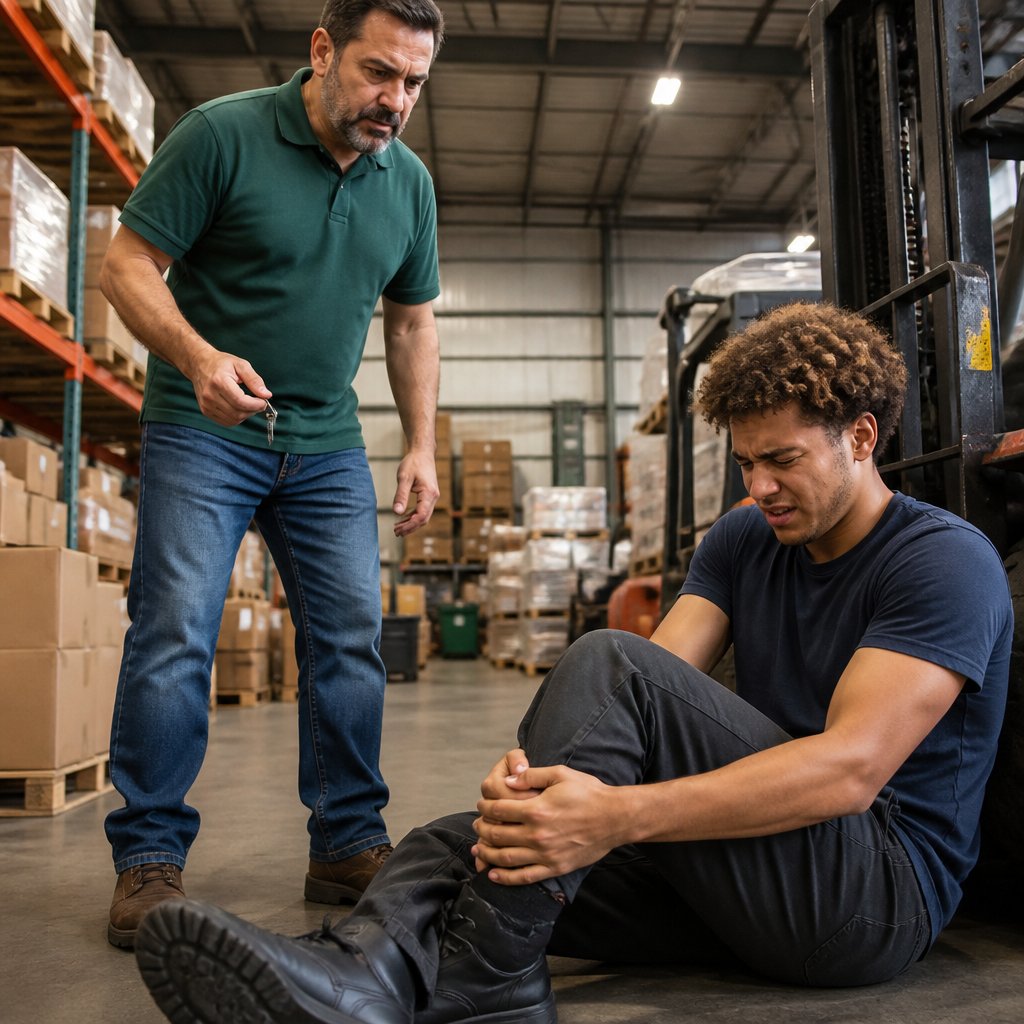
After what felt like minutes but could’ve been hours, a supervisor appeared with a small metal key hidden in his pocket. He slid it into a barely noticeable lock on the side of the rack and turned it quickly. The metal bars shifted slightly, releasing some pressure off my leg. He didn’t hesitate, pulling my leg free, but as soon as I was out, his tone shifted. He started saying something about me “stepping into it,” like I was the one at fault for the whole thing. His face was tight, eyes cold as he stood over me, arms crossed. The pain in my leg was raw and throbbing, but his words cut sharply, framing the accident as my mistake. Around us, other workers glanced over, some avoiding eye contact altogether. The warehouse felt colder despite the stifling heat, the noise dimming to a dull murmur while the supervisor’s accusations hung in the air.
HR Pushes Workers’ Comp Packet

Not long after, an HR representative appeared, slipping a thick packet of paperwork into my hands with a brusque motion. She wore a plain white blouse and black slacks, her face unreadable. Without much explanation, she told me to take the packet and go straight to the company clinic for treatment. Her voice was firm, leaving no room for questions. I felt the weight of those papers like an anchor in my hands, the company's way of steering me toward their controlled version of the story. The clinic was just down the hall, its sterile fluorescent lights buzzing and the faint smell of antiseptics filling the air. I barely glanced at the packet before being ushered inside, the sense that my injury was no longer just a medical issue but a fight to keep control of the narrative.
Company Doctor Downplays Injury

At the company clinic, the doctor barely examined my leg before jotting down "contusion/minor" on the chart. He was a middle-aged man in a plain white coat, his hands quick and practiced as he tapped the form. His voice was flat when he told me I could return to light duty immediately. The swelling hadn’t even peaked yet. I caught a glimpse of the swollen, purple-blue bruise starting to spread across my shin, the tight skin shiny from the early stages of inflammation. The clinic room smelled faintly of rubbing alcohol and paper. I left feeling uneasy, knowing this note would follow me everywhere, setting a paper trail that made the injury look less severe than it was. The waiting room’s beige walls and ticking clock felt like a silent witness to the setup unfolding around me.
Leg Ballooned Overnight
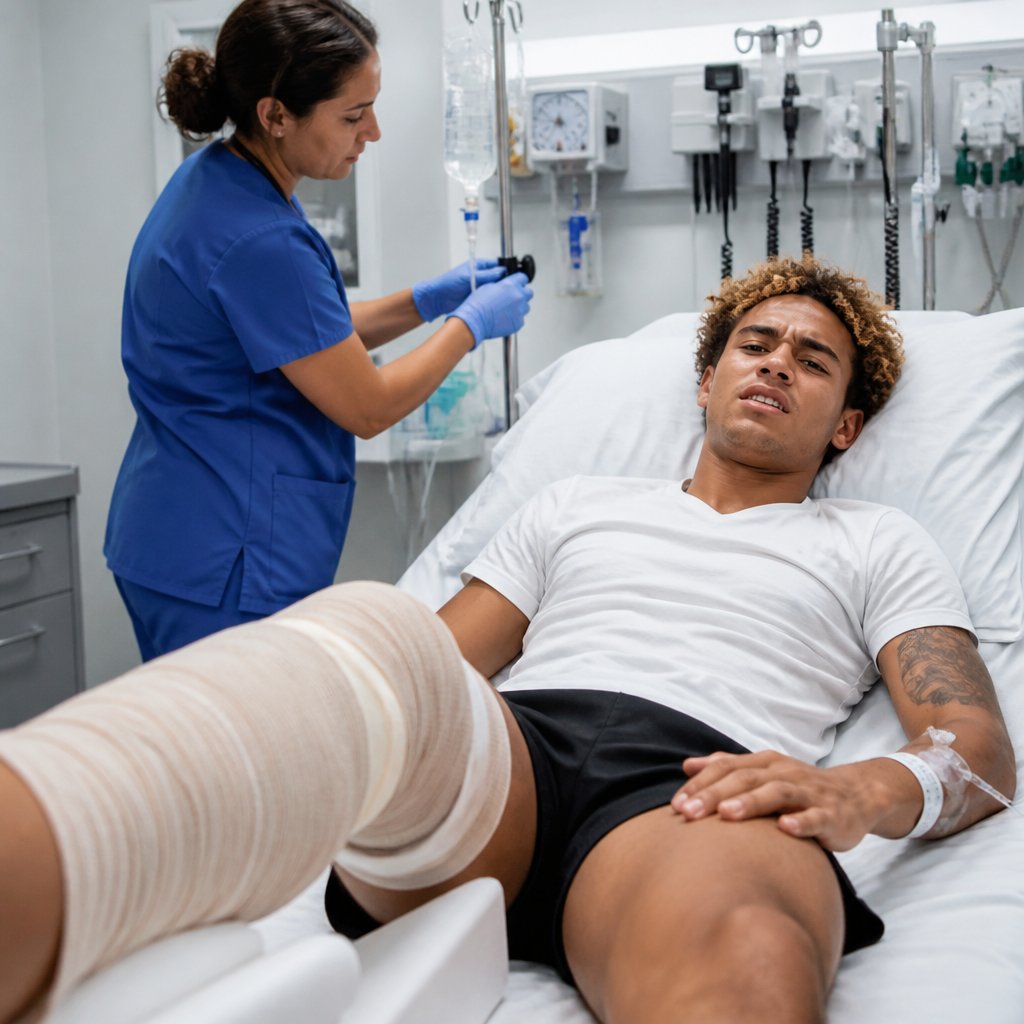
I woke up the next morning to a leg that felt like it had doubled in size overnight. The skin was tight and glossy, stretched thin over swelling that pulsed painfully with every heartbeat. The color had darkened to a deep purple, and my foot felt numb and cold to the touch. I could barely put weight on it. At the ER, the doctor spoke quickly about compartment syndrome and the risk of permanent damage if the pressure wasn’t relieved. The sterile scent of disinfectant and the sharp beep of monitors filled the room. But when I tried to file the visit with the insurance, they immediately denied coverage, calling it "unauthorized care." The denial letter arrived with cold, official language that ignored the urgency I’d felt just hours before. The swelling tightened like a noose around my leg, and the insurance company's refusal left me trapped between pain and paperwork.
The Nurse Took Over My Care
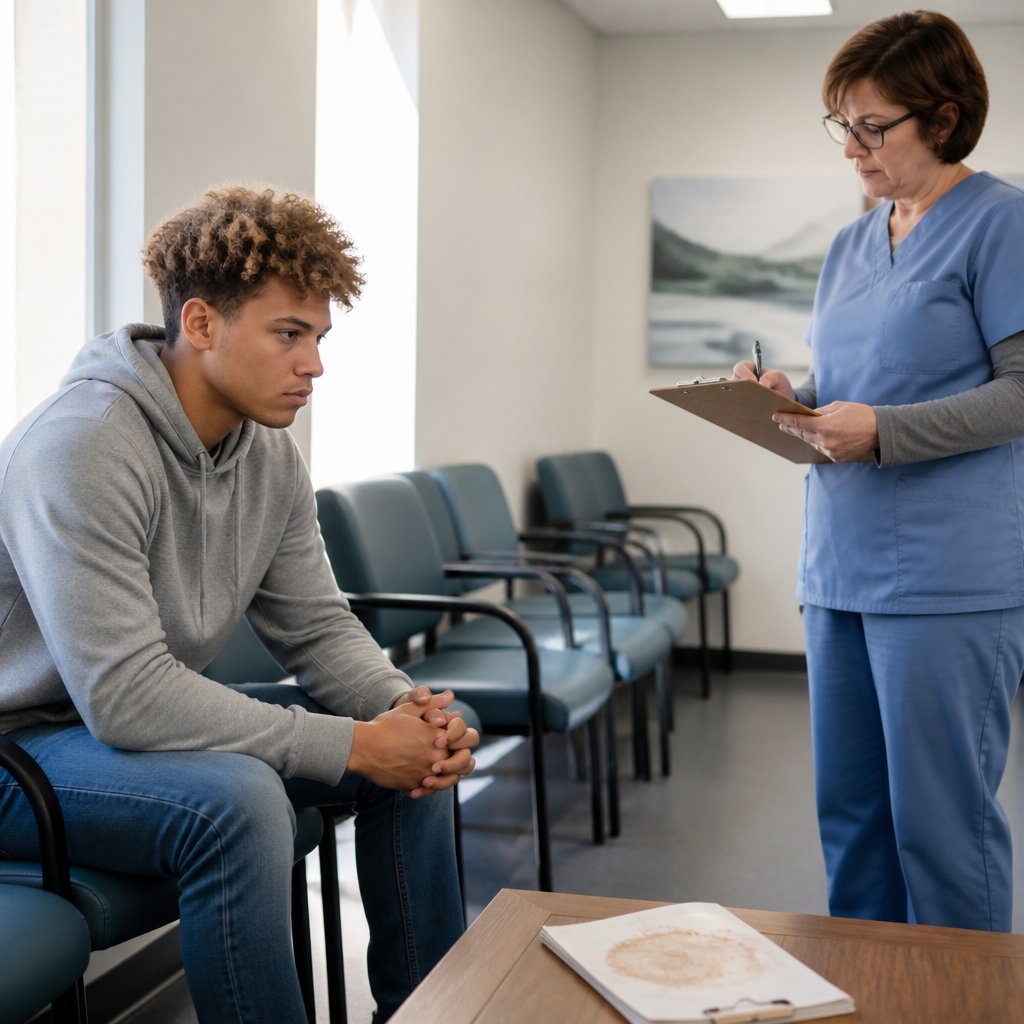
After the insurer denied my ER visit, things shifted. A nurse case manager started showing up at my appointments. She didn’t ask much, just took control. At the orthopedic clinic, she spoke over me when I tried to explain how the injury happened. Her tone was firm, like she was the one making decisions now. I felt sidelined in the place where I was supposed to be heard.
Then, without warning, my benefits stopped. I got no calls or letters about it. Later, I found out they scheduled an Independent Medical Examination—an IME—I was never told about. That meant they sent me to a doctor chosen by the insurer to assess my injury without my knowledge. It was a routine part of their process, but I wasn’t prepared for it. My benefits freezing felt like a punishment, and I had no idea when or if they’d resume.
The waiting room smelled like old coffee and detergent. The white walls made the space feel colder than it was. I sat there, confused and frustrated, as the nurse case manager took notes on her clipboard, ignoring the tight ache in my arm that never quite went away.
Same Bay, Same Twitching Rack

When I returned to light duty, they put me right back near the same rack that nearly crushed me. It was a cramped corner of the warehouse, and the smell of oil and metal was constant. I watched that auto-lock closely. Every now and then, it would twitch—just a little twitch—like it was "hunting" for something. It wasn’t just mechanical noise; it looked like it was struggling to lock properly.
My heart would jump every time it moved unexpectedly. The other workers seemed oblivious or uninterested, but I couldn’t forget. That twitching was the same kind of malfunction that caused my injury. I felt stuck, surrounded by the same flawed system I was fighting against. The supervisors never mentioned it. No warnings, no fix.
I wore a faded blue button-up shirt and worn work pants. The concrete floor was cold under my boots. Despite the noise and commotion, the twitching rack was the loudest thing in my mind.
Silence Ordered, I Hired Help
One afternoon, a coworker slid me a handwritten note. It said supervisors had told everyone not to talk to me—"lawyers are involved," was the reason given. It felt like a warning, a threat thinly veiled as policy. The silence around the accident was strangling. No one would answer my questions, and whispers stopped when I entered the room.
At home, my utilities shut off without a word. Bills piled up with no payments from the suspended benefits. I couldn’t even afford a phone or internet properly to keep track of anything. The pressure was crushing.
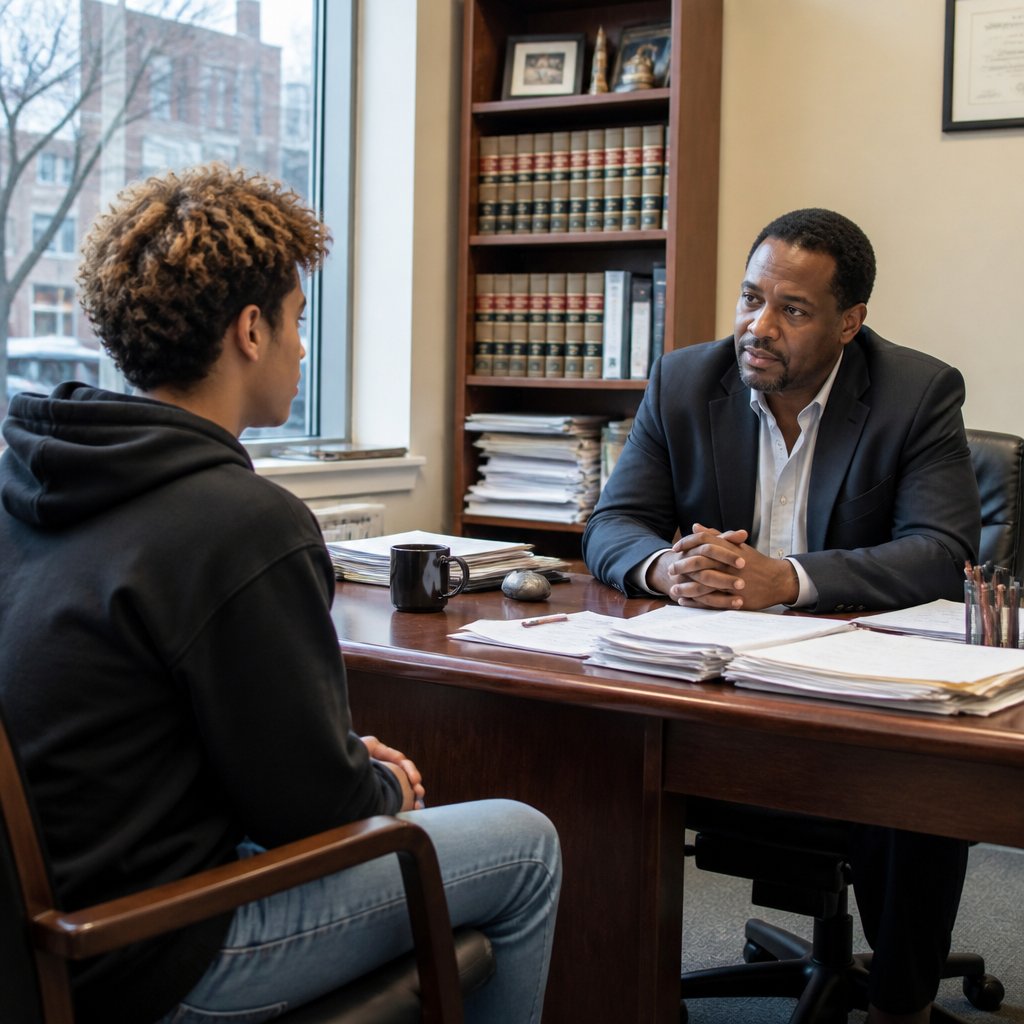
I decided to hire a workers’ comp attorney. He was a middle-aged Black man with a calm demeanor, wearing a dark suit and white shirt with the top button undone. His office smelled faintly of old books and coffee. We sat across from each other at a small wooden desk cluttered with files and papers. I explained everything while he listened carefully, nodding. It was the first time I felt like someone was on my side.
But even with legal help, the silence at work and the mounting bills felt like a trap tightening around me.
A Hidden Test Mode Discovered
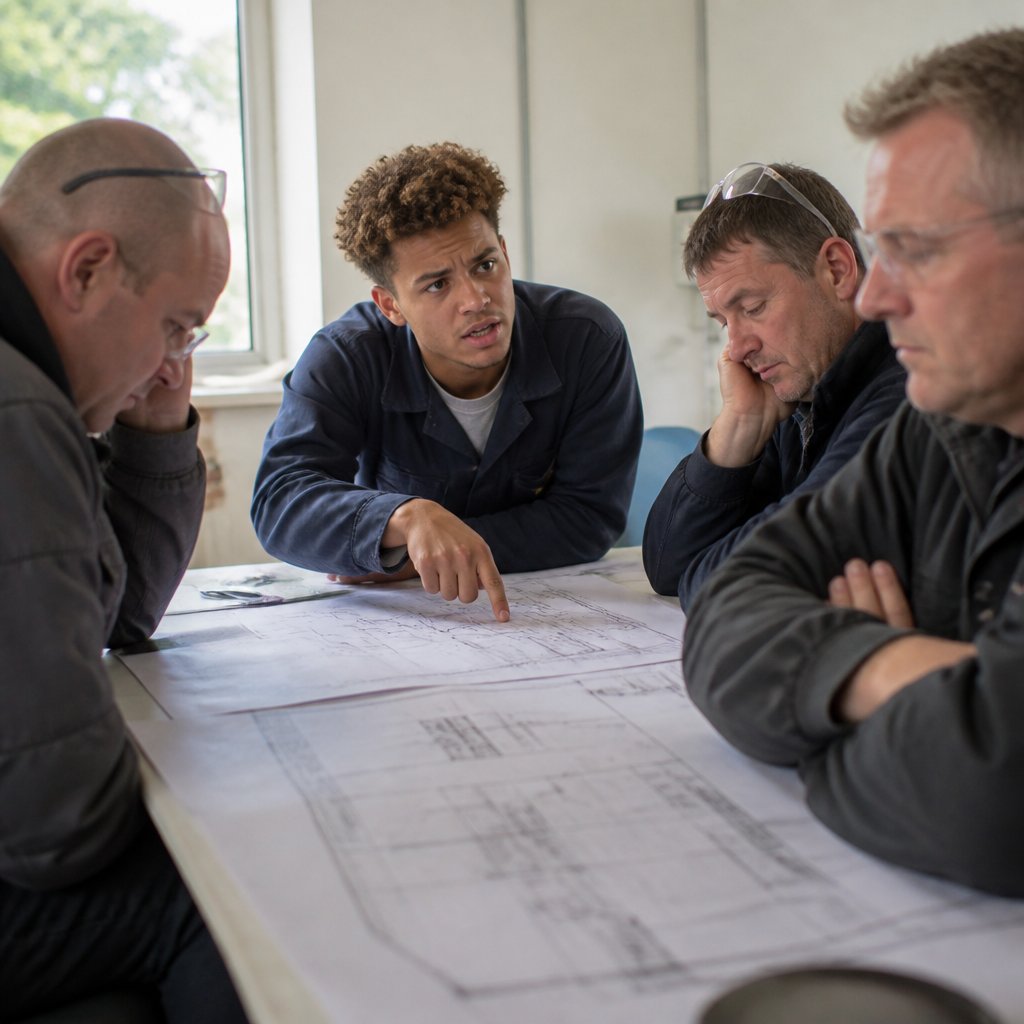
Digging through the technical manuals and internal emails, my lawyer and I uncovered a setting called "test mode." It disables the auto-lock delay designed to prevent the rack from crushing anything while moving. Shockingly, my work bay had this mode enabled on the day of my injury. When confronted, the maintenance team, supervisors, and manufacturer all pointed fingers at each other, refusing to take responsibility.
The tech leads argued they never authorized activating test mode. The supervisors claimed it was a maintenance oversight. The manufacturer insisted their equipment was bulletproof. No one would admit that the unsafe setting might have caused my injury. The air in the conference room felt thick, like when a heavy storm presses on windows. But beyond the tension, no one presented a clear answer on who put the rack into test mode or why.
We needed more proof, and fast. My injury was treated like a closed case by everyone but me. Yet, the lingering question hung in the room: why was this dangerous setting ever switched on in the first place?
Whistleblower Warns Before Injury

One of the maintenance techs, a thin man with graying hair and a nervous twitch, approached me quietly after a meeting. He said there had been reports of "phantom engages," where the rack's auto-lock would activate unexpectedly during that week. He confessed he’d been pressured to close those reports quickly to avoid drawing attention.
His voice was low, eyes darting nervously around the factory floor. "They don’t want this getting out," he whispered, "but I’m scared to talk officially. Too much at stake for me." His hands trembled as he adjusted his worn-out coveralls. I could smell the faint scent of engine oil and sweat around us.
Though his information was crucial, he refused to testify. Without his direct account, we were left with hearsay and suspicion. Every time I thought we were getting closer, it felt like someone pulled the rug out from under us.
Judge Orders Forensic Evidence Search
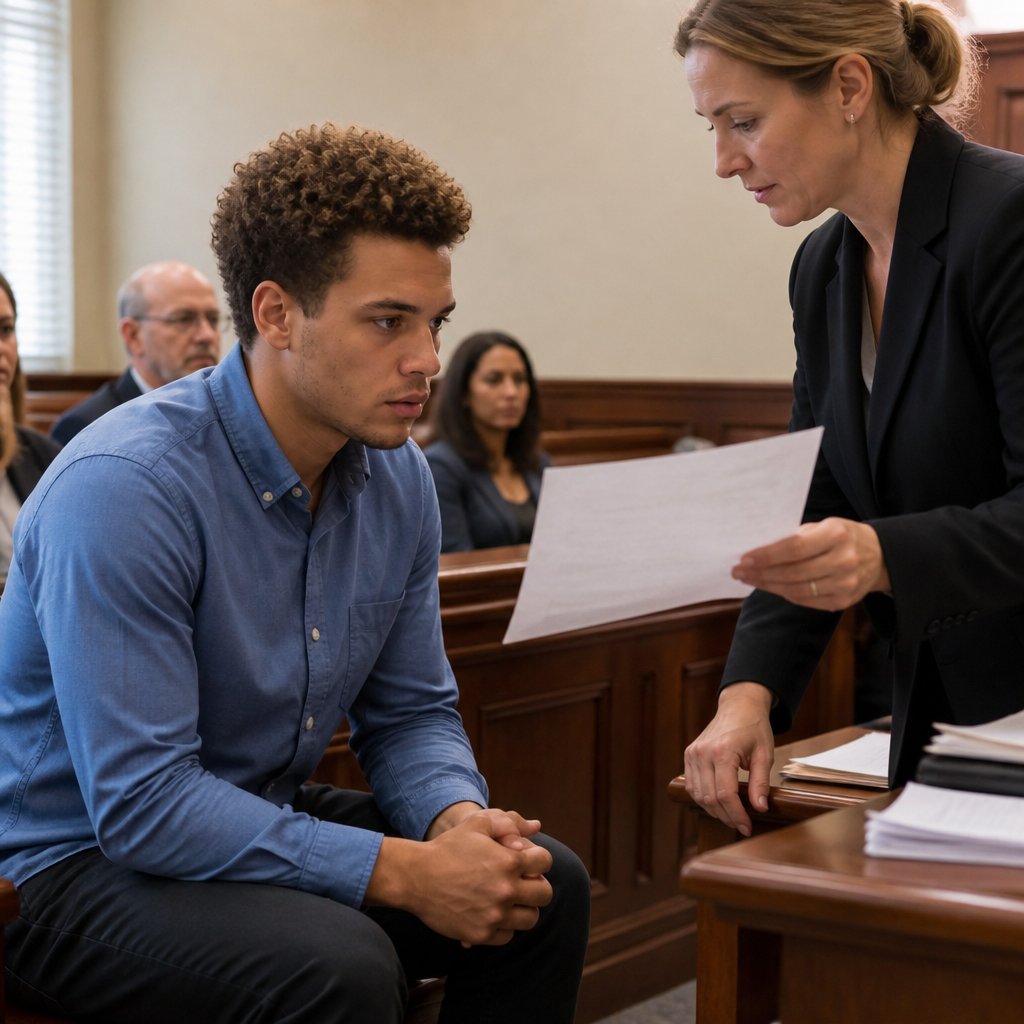
After weeks of back and forth, the judge finally ordered a forensic investigation of the rack’s control systems. The tech experts discovered a backup controller file labeled "post-incident stability patch." Alongside it, an internal email surfaced expressing concern about a "PR issue" if OSHA ever demanded records.
I sat in a cold, windowless hearing room, my fingers tapping against the wooden bench as the prosecutor read the findings aloud. The email writer worried that the patch might raise questions about the rack's safety and the company’s responsibility. The phrase "cover-up" echoed in my mind while the judge leaned forward, eyes fixed on the evidence.
This was the first time the company’s internal fears had become public. The question remained: why was this patch installed after my injury, and what exactly did it change?
Executive’s Denial Crumbles In Court
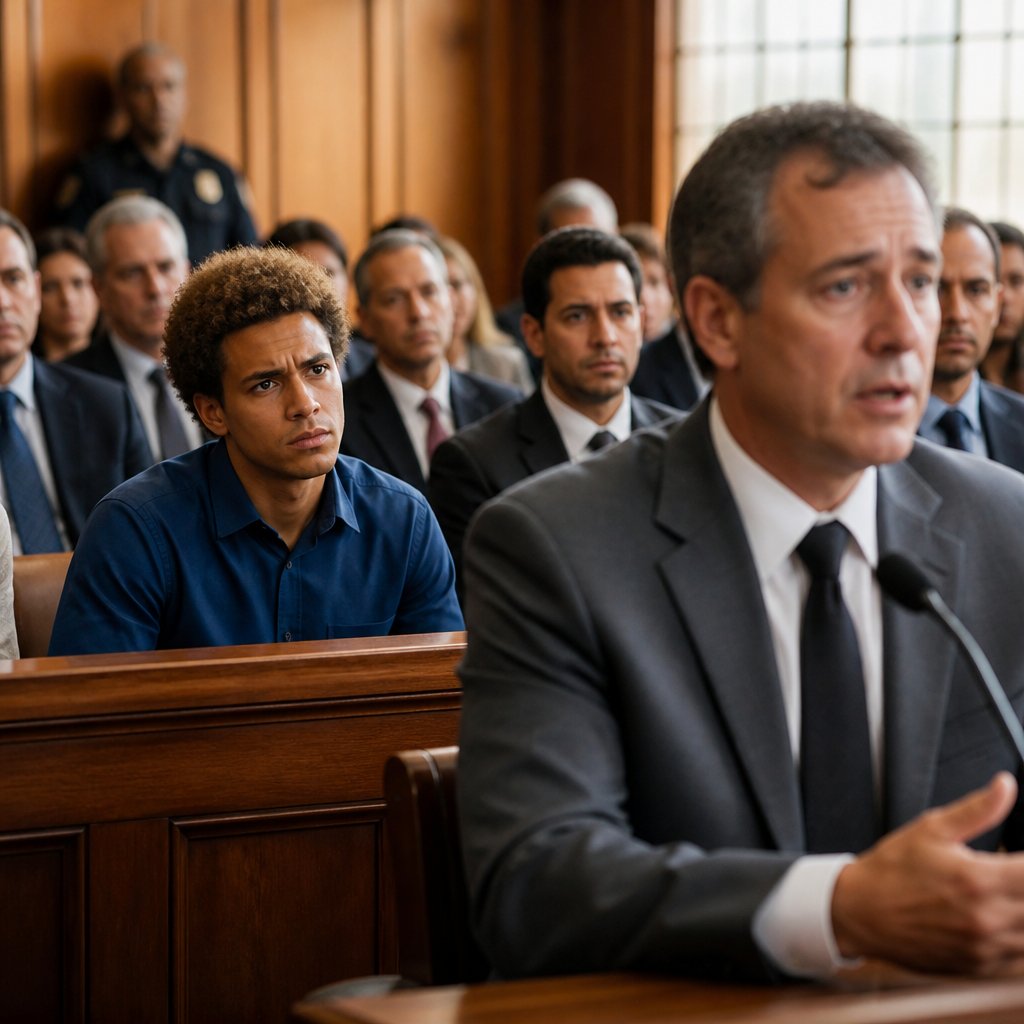
The trial began, and the company’s top executive took the stand. He swore under oath that no settings on the rack had been changed after my injury. His gray suit was sharp, but his confident expression faltered as my lawyer pulled out the forensic timestamp showing the patch and test-mode toggle had been applied days later.
The courtroom buzzed with murmurs. The executive’s eyes flicked to the screen, then away, swallowing hard. His voice cracked when pressed, and he could no longer deny the alteration. The tension was palpable, like the tight silence before a storm breaks.
This revelation shifted the narrative in our favor, but the fight was far from over. The company’s denials had begun to unravel, but what else were they hiding?
Jury Demands More Evidence Reviewed
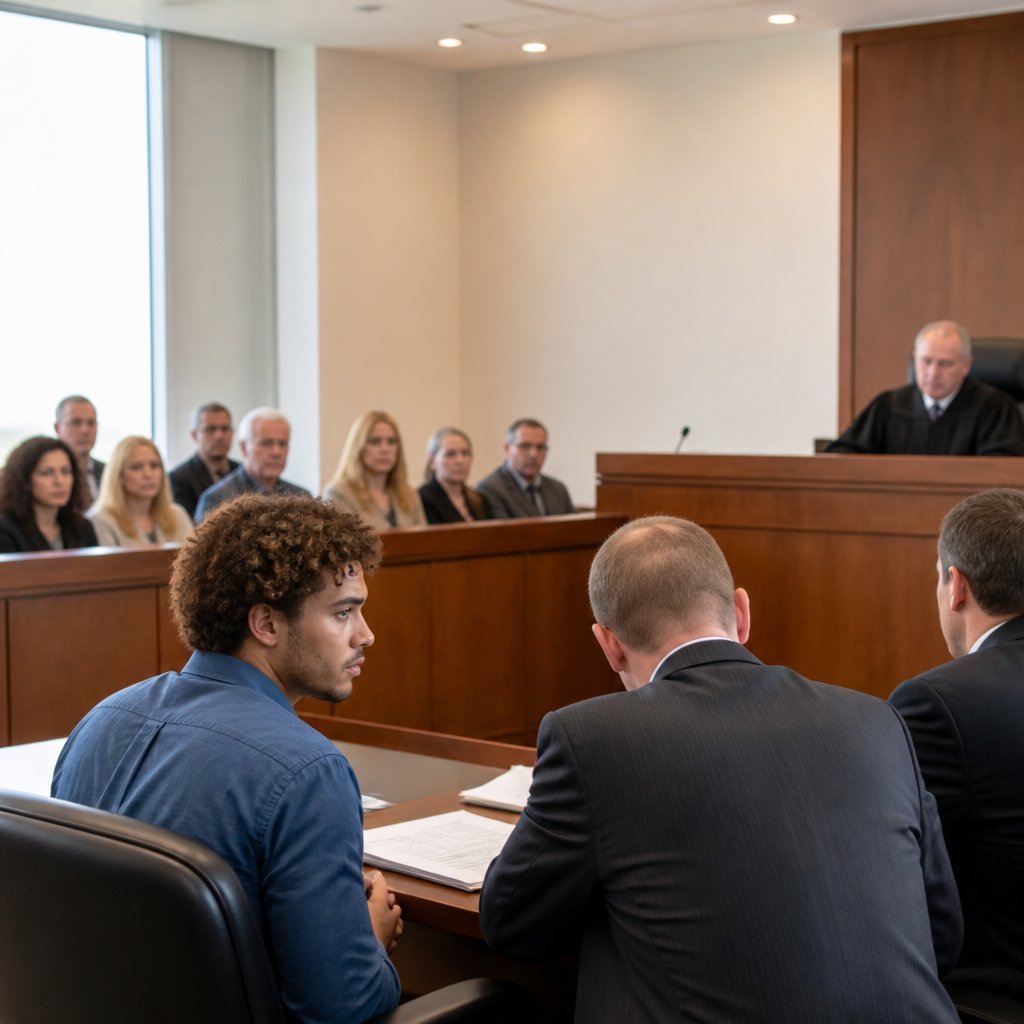
With the whistleblower finally agreeing to testify, we learned that the missing three seconds of rack delay in the system was actually a trimmed setting, not a malfunction. This explained the sudden auto-lock behavior that caused my injury.
During deliberations, the jury requested to see the PR email and the stability patch files again. The judge called us back into the courtroom to review the evidence once more. I sat at the edge of my seat, heart pounding, knowing this could be the turning point in the case.
But even as we prepared to present, a wave of uncertainty washed over me. What would the jury make of the company’s internal concerns? And would this finally prove the rack failed—not me?
Was the jury's decision influenced by the internal concerns?