


Tea-Colored Blood Appeared Suddenly

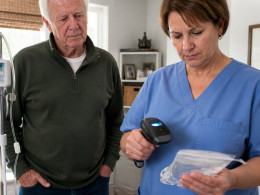
During a routine dialysis session, I noticed the venous blood line turning an alarming tea color. The patient grimaced, clutching his back and flank as he complained of sudden pain. I quickly scanned the dialysis machine's panel; all alarms were silent, and readouts showed stable pressures and flow rates. The electronic monitoring system reported no abnormalities. Despite the machine's apparent normal function, the visual evidence of hemolysis was unmistakable. I documented the event immediately, noting the discoloration and the patient's symptoms, and prepared to intervene with a saline bolus. The technician nearby checked the tubing connections but found nothing out of place. The contrast between the patient's symptoms and the machine's silent status left me uneasy, wondering if we were missing a deeper issue within the system.
Lab Results Confirm Hemolysis

The hospital laboratory results came back confirming hemolysis: lactate dehydrogenase (LDH) was elevated, haptoglobin was undetectable, and the patient's hemoglobin had dropped significantly. These findings aligned perfectly with my observations during dialysis. However, when the unit's clinical review committee convened, the case was re-labeled as dehydration-related anemia. I was surprised when they froze further investigation and suggested increasing fluid intake rather than exploring potential device or water quality issues. The laboratory data were clear, but the internal review dismissed the hemolysis diagnosis. I requested access to the patient’s full medical chart and the dialysis treatment logs, hoping to uncover discrepancies. The air in the meeting room felt tense as I sensed resistance to acknowledging a problem that might implicate the dialysis process itself.
Second Patient Shows Same Signs

Another patient on a different shift developed the same pattern: tea-colored blood in the venous line, back pain, and a sudden hemoglobin drop. The dialysis chart explicitly noted "machine no alarms" alongside the timing of the saline bolus and early rinseback procedure. The repetition of symptoms, combined with the machine's silent status, strongly suggested a hidden common cause. I compared the two patients' treatments, noting overlapping times and machine settings. These coincidences were too significant to ignore. I reported the findings to the shift supervisor and pushed for an immediate review of the water treatment and machine calibration logs. The supervisor listened but seemed wary of escalating concerns, emphasizing protocol adherence. The feeling of an unspoken barrier grew heavier as I wondered how many more cases might be slipping under the radar.
Biomed Declares Machines Fine
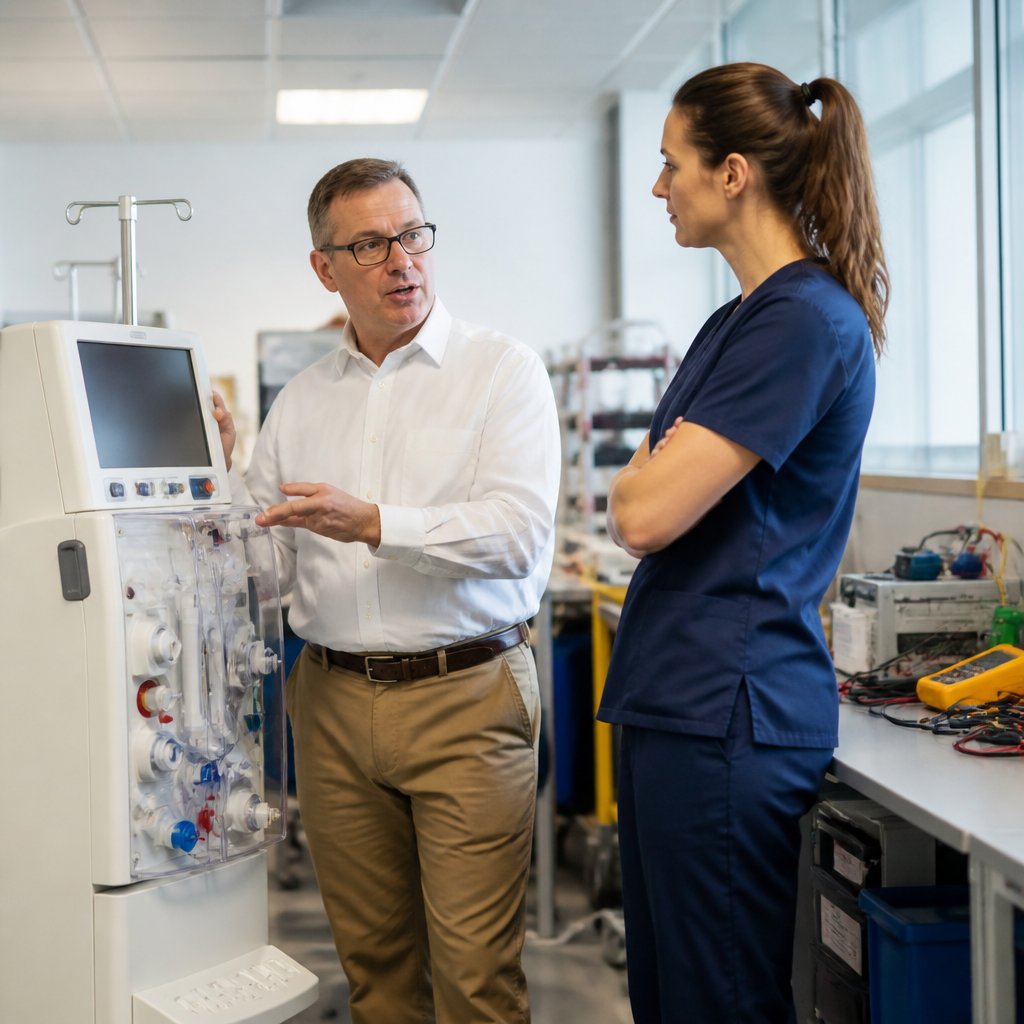
The biomedical engineering team performed the standard machine checks and declared all equipment fully operational. They reported no alarms, no pressure abnormalities, and proper flow rates. Yet, when I raised concerns about the recurring hemolysis episodes, their response shifted to patient factors: noncompliance with dietary restrictions or possible infections were floated as explanations. This deflection diverted attention from the machines and water supply, effectively halting any deeper technical investigation. I requested detailed reports of the machine diagnostics and calibration records, but responses were vague and delayed. The biomedical engineer I spoke with wore a crisp white shirt and khakis, his tone polite but dismissive. The official paperwork stated machines were within manufacturer specifications, but I couldn't shake the feeling that critical details were being overlooked or hidden.
Urgent Water Testing Denied

Marisol, our lead technician, urgently requested comprehensive water testing for contaminants that could cause hemolysis. Corporate policy, however, limited us to routine monthly sampling, citing consistently green electronic water quality logs. Despite the suspicion that the water system might be intermittently compromised, the administration denied the request for immediate, detailed analysis. Marisol, wearing a gray polo and jeans, held the printed water quality reports tightly, frustration evident on her face. The water treatment room, with its complex piping and control panels, sat nearby but off-limits for extended testing. I wondered how an intermittent calibration drift could pass unnoticed by automated systems. The tension between frontline staff and corporate directives was palpable as we faced potential patient harm without the means to investigate thoroughly.
Medical Director Locks Diagnosis

A new severe case was recorded in the chart as a “dialyzer reaction,” a label that shifted focus away from hemolysis due to water quality. The medical director, a tall man with salt-and-pepper hair wearing a white coat and tie, added an addendum endorsing this diagnosis. This official statement reinforced a convenient narrative that minimized the need for further investigation into the dialysis process or water treatment. I reviewed the patient’s chart, noting that laboratory findings consistent with hemolysis were present but overshadowed by the director’s conclusion. This formal diagnosis effectively closed the case in the eyes of hospital administration, frustrating my efforts to secure a thorough review. The sterile office smelled faintly of disinfectant as I sat across from the medical director, who maintained a calm, authoritative demeanor.
Marisol Begins Shadow Surveillance

Marisol started her own shadow surveillance, meticulously tracking dialysis chairs, treatment lots, concentrate batches, and nursing shifts. She wore a blue button-up shirt and black pants as she compiled data in a small conference room filled with whiteboards and patient flow charts. Her analysis suggested a cluster pattern among hemolysis cases that the official electronic system failed to capture. Meeting with me, she outlined correlations between specific water treatment shifts and patient reactions. The sterile whiteboard markers squeaked as she wrote, emphasizing points with deliberate strokes. This unofficial monitoring was our best chance at detecting a hidden cause, but it lacked institutional support. I knew our findings could challenge corporate policies and provoke resistance. The question remained: would this grassroots effort be enough to break through the official narrative?
Traveling Nurse Hints at Software Patch

A traveling nurse, wearing scrubs patterned with small flowers and carrying a badge clipped to her shirt, mentioned she’d seen hemolysis clusters following a software patch to water controllers at another facility. She spoke quietly in the staff break room, glancing around nervously. However, she refused to put her observations in writing, citing fear of professional repercussions. Her hesitation underscored the challenge of documenting issues that might implicate corporate technology updates. Listening carefully, I jotted mental notes, aware this could be a vital lead. Yet without formal acknowledgment, our investigation remained vulnerable to dismissal. The faint scent of coffee and the hum of a vending machine filled the background as we parted ways, leaving me wondering how many other sites might be facing the same hidden problem.
Sanitized Water Audit Trail Printed

When I requested the water-room audit trail, administration printed a sanitized summary. The report showed stable conductivity and temperature readings with “no excursions” over the relevant period. The tall nurse in navy scrubs flipped through the thick stack of printed pages, her brow furrowed in frustration. The water treatment control room, with its maze of pipes and gauges visible through a window, remained silent and unchanging. The official document lacked raw data that might reveal intermittent spikes or calibration drift. Suspecting the report was deliberately filtered, I pressed for access to the full electronic logs, but the request was stalled. The sterile smell of the office mixed with a faint trace of machine oil from the adjacent control room as I pondered the gap between what was recorded and what might have actually occurred.
Risk Management Scripts Staff

Risk management called a staff meeting and distributed a scripted message warning everyone about “discoverable documents” related to the hemolysis incidents. The tall nurse in navy scrubs listened as a middle-aged woman in a beige blazer read the prepared statement. The tone was firm, cautioning staff against sharing internal communications or records outside official channels. This came just as a patient’s family filed demands for answers, creating an atmosphere of containment and control. Staff exchanged uncertain glances, the tension palpable. Papers rustled as the nurse folded her arms, considering how this directive might limit transparency and obstruct investigation. Outside the meeting room window, the hospital corridor buzzed with routine activity, contrasting sharply with the growing internal crisis and unspoken fear of liability.
Monday’s Third Episode Sparks Clash

Monday was already packed when the third patient developed acute hemolysis mid-dialysis. Marisol, our lead dialysis nurse—a tall white woman in her early 30s with her brown hair tied in a high ponytail—did the only responsible thing: she halted the patient’s dialysis pod immediately. The patient’s blood tubing showed hemoglobinuria, a dark reddish-brown tint signaling red blood cell destruction. The clinical records confirmed rapid hemoglobin drop, blood pressure dips, and rising lactate dehydrogenase.
But shortly after, the unit manager confronted Marisol in the nurses’ station. He pointed to daily revenue reports and missed treatment quotas. “Every minute your pod is down costs us thousands. Patients can’t just skip sessions,” he said, frowning. Safety became a financial threat in his eyes. Marisol argued that continuing treatment risked more harm, but the tension in the room was thick.
The smell of disinfectant lingered in the air as the confrontation escalated. The manager’s insistence to resume despite clear hemolysis risk clashed with patient safety protocols. Marisol’s decision to halt the dialysis was not just medical judgment, it was a challenge to business priorities.
Medical Director Orders Dialyzer Switch

The next day, the medical director gathered our team in the conference room, a plain space lined with whiteboards and scattered papers. He announced a unit-wide switch to a different dialyzer brand and mandated premedication protocols for all patients before dialysis to counter presumed ‘hypersensitivity reactions.’
His directive came without suspending the water treatment system, which I suspected was the real culprit. The water room's reverse osmosis (RO) and deionization (DI) filters were still operating under new calibration parameters after the software update, but no one was addressing those risks.
He emphasized symptom management instead of investigating the root cause. I reviewed the patient charts on the table; hemolysis episodes persisted despite premedication. The faint hum of the HVAC system filled the quiet room as I considered how this approach treated effects but ignored the source.
HR Warns After State Complaint Call

Frustrated and worried, I called the state health complaint line to report the ongoing hemolysis cluster linked to our dialysis water. The phone line crackled as I described the incidents, the clinical lab data, and the temporal association with our water treatment update.
Within hours, human resources summoned me to a private office. The room smelled faintly of coffee and paper. HR warned me about chain-of-command protocols and cautioned against “spreading panic” among staff and patients. Their tone was firm but veiled with concern.
I felt the weight of the conflict—speaking up about patient harm meant risking my job and professional relationships. My brown ponytail swung slightly as I sat rigid in the plastic chair, knowing this was just the beginning.
Smear Reveals Hemolysis Clues

The hospital laboratory report arrived: blood smears from affected patients showed schistocytes—fragmented red blood cells—consistent with mechanical or chemical hemolysis. The pathologist’s notes highlighted this pattern, a classic sign of red cell destruction by external forces.
This finding pointed squarely to the dialysis environment as the source. Our water treatment setup—specifically, chloramine levels and filter calibration—became the central unanswered question.
I reviewed the smear slides under the fluorescent lab lights, noting the jagged cell fragments. The sterile, clinical scent of the lab was thick in the air as I realized that the problem wasn’t just unusual— it was dangerous and ongoing.
Vendor’s Calibration Declared Valid

The dialysis water equipment vendor dispatched a representative to run the controller’s self-check. The vendor, a middle-aged man in a polo shirt and khaki pants, confidently declared the sensor calibration “validated” after a quick diagnostic.
But as I scrutinized the displayed data against the printed logs, I noticed a mismatch. The controller’s digital display showed chloramine readings scaled differently than the printed logs assumed. The display reflected new unit conversions from the updated sensor, whereas the logs used old calibration factors.
The mismatch meant the logs potentially understated contamination spikes. The smell of clean water and faint electrical hum filled the water treatment room where we stood, the nuance of units overshadowed by corporate assurances.
Patient Arrests Post-Dialysis

One afternoon, a patient collapsed shortly after completing dialysis. The code team rushed in, initiating resuscitation. We had never seen such a severe reaction tied so directly to the treatment. Meanwhile, I had noticed chlorine test strips reading unusually high before the session began, but the digital monitors and printed logs reported levels well within safe limits. I refused to run treatments under those conditions and documented my concerns. Hours later, my supervisor suspended me for insubordination. The official reason was that the water logs were “normal,” so my refusal was unjustified. Meanwhile, hospital administration withheld the patient’s medical records, citing ongoing investigations. The tension was thick, and I was left isolated, questioning how this contradiction between manual testing and electronic data could have led to the patient’s collapse.
Whistleblower Files From Home

From my small apartment living room, I drafted a whistleblower complaint and retained legal counsel. The documents detailed my observations about the water treatment anomalies and the unit conversion inconsistencies. Counsel helped me send preservation letters demanding all data related to the water controller, calibration logs, and treatment records. Corporate responded with a vague promise to retain "relevant" information only, hinting they wouldn’t preserve comprehensive records. That response set off alarms about potential spoliation. The atmosphere was charged. I had no access to the center and limited communication. I could feel the pressure mounting as the company set their terms. Meanwhile, outside my window, city traffic hummed — a stark contrast to the growing chaos behind the scenes.
Discovery Reveals Remote Update Risks

During discovery, internal emails surfaced showing the water treatment controller update had been remotely pushed without any on-site validation or recalibration. A vendor email referenced a known issue with sensor scaling post-update that had been kept internal, never disclosed to the center's staff. The email detailed how the controller defaulted to a scaling setting intended for a different sensor model. This mismatch could cause recorded chlorine levels to appear normal even if contamination was present. The revelation was staggering. The update process bypassed standard safeguards, leaving calibration drift unchecked. I reviewed the technical specs, noting the exact sensor models and calibration parameters. This information filled in critical gaps but raised new questions about who authorized this rollout without on-site checks.
Experts Find Data Gaps And Clock Drift

The corporate-produced monthly water quality logs appeared spotless at first glance, showing no abnormalities. But expert reviewers uncovered gaps and overwrites in the raw sensor data file archives. More troubling, they identified subtle clock drift in the controller’s internal timestamping following the update. This meant that data entries were misaligned with real treatment times. The integrity of the “normal” records was compromised structurally. I examined expert reports describing how these inconsistencies could mask intermittent contamination events. The defense team insisted the logs were reliable, but the forensic analysis contradicted that. I stared at the printed graphs showing irregular spikes and missing entries, feeling a mix of vindication and dread as the scope of the cover-up became clearer.
Depositions Crack The Medical Director

During depositions, the medical director claimed ignorance of the water quality issues until confronted with emails I had sent months earlier documenting irregular chlorine readings and calibration concerns. His responses became evasive as I presented the timeline of my warnings. A former biomedical technician testified that he’d been instructed to keep the dialysis center operational unless alarms forced a shutdown, even if occasional water quality anomalies were suspected. This testimony shed light on systemic pressure to avoid treatment interruptions. The conflicting narratives exposed fractures in internal communication and accountability. The courtroom felt tense as the medical director’s denials began to falter. Yet, the full extent of leadership knowledge remained murky, and I prepared for the next round of questioning.
Court Orders Release Notes Disclosed

A court order compelled the company to produce software release notes and detailed calibration logic. Expert witnesses demonstrated that after the update, the controller defaulted to sensor scaling intended for a different model, rendering water contamination invisible in records. This technical failure explained why levels appeared normal despite unsafe water reaching patients. Despite these findings, the defense continued pushing patient-cause theories, suggesting that hemolysis resulted from individual factors rather than equipment failure. I reviewed expert testimony transcripts highlighting the calibration mismatch. The legal battle intensified as clear evidence clashed with persistent denial. The courtroom's quiet hum was underscored by the weight of the documentation now public, yet uncertainty lingered about how the narrative would shift next.
Independent Water Testing Confirms Model

After a surprise dialysis center shutdown, independent water testing was authorized. Samples were collected and analyzed off-site, revealing intermittent chloramine breakthrough and abnormal conductivity in the water loop exactly as the flawed sensor model predicted. These objective tests matched the theoretical model of contamination previously dismissed by corporate defenders. The results undermined alternative explanations for hemolysis, collapsing patient-cause theories. I examined the laboratory reports, noting precise measurements and timestamps. The water’s chemical profile painted a clear picture of intermittent exposure to harmful levels. The contrast between independent test results and official records was stark. The silence in the lab as technicians discussed their findings was a sharp counterpoint to the ongoing dispute about responsibility.
Cross-Claims Expose Coordinated Messaging

On the eve of trial, cross-claims between corporate entities revealed coordinated messaging to insist the water logs "look normal" despite evidence to the contrary. Internal emails admitted awareness of the sensor-scaling issues but downplayed their significance. Judge ruled key emails admissible, opening the door to full disclosure. Facing mounting legal pressure, the company agreed to a public settlement including corrective action plans and third-party water quality validation requirements. The settlement was announced just before system-wide updates could be fully implemented. I sat in the conference room, papers in hand, knowing this was a milestone but sensing unresolved challenges ahead. The room smelled faintly of coffee and paper dust as I considered the next steps.
Was the company's settlement a sufficient response?