



Instrument Tip Trembled Slightly
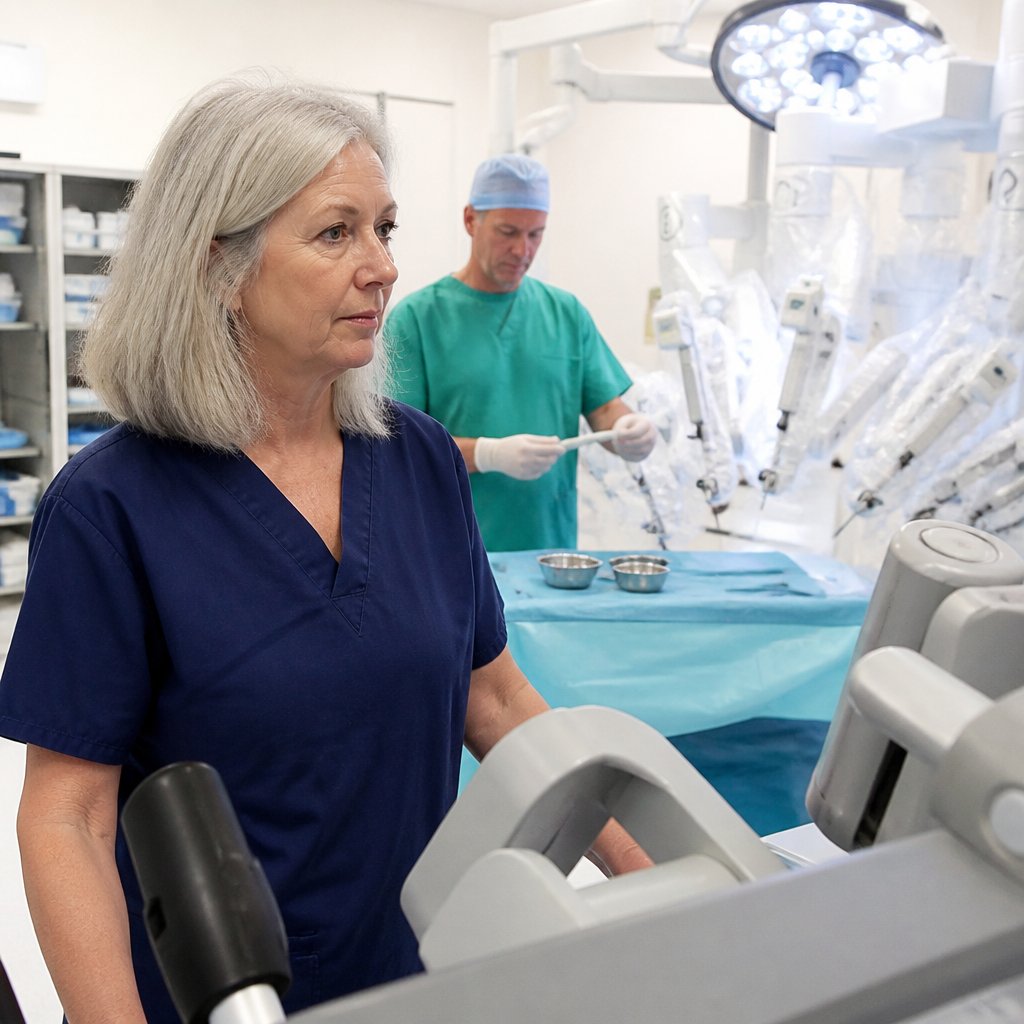
It was the first robotic case of the day. The surgical team prepared the robot as usual, and I observed the instrument tip during the procedure. It trembled about a millimeter repeatedly. The lead surgeon commented that the hand controls felt "lighter," less resistant than normal. Despite these concerns, the electronic medical record still noted "no complications" in the operative report. No mention of the tremor or altered control feedback was documented.
I reviewed the intraoperative console logs after the case, but there were no alerts or error codes. The tactile feedback calibration settings seemed unchanged in the system interface. Yet, the subtle hand control changes were palpable enough to affect the surgeon's technique. I made a mental note to monitor this closely in upcoming cases.
The characteristic metallic scent of the OR mixed with the faint hum of the robotic arm motors filled the room, underscoring the tension between what was felt by the surgeon and what was officially recorded.
Patient Returns With Unexpected Injury

Two days later, a patient who had undergone a hysterectomy returned to the hospital with abdominal pain. The ultrasound revealed free fluid in the pelvis. Surgical consultation noted a small-bowel serosal tear during exploration that hadn’t been documented in the original operative report. This suggested an internal injury potentially caused during the robotic procedure.
The absence of any intraoperative note about bowel injury raised serious concerns. Such injuries usually cause immediate recognition and documentation. This repeatable injury pattern hinted at a mechanical issue rather than human error alone.
As I reviewed the patient’s chart in the brightly lit surgical ward, the sterile scent gave way to antiseptic and the low murmur of nurses’ work. A nurse handed me the chart folder with the patient’s vital signs and imaging reports highlighted.
Prostatectomy Note Contradicted Injury

A few days later, I reviewed a prostatectomy performed by a different surgical team. The patient developed delayed hematuria and a ureter injury discovered during follow-up imaging. According to the operative note, the dissection was "atraumatic," yet the clinical course implied otherwise.
This discrepancy suggested the issue was not isolated to one surgeon or specialty. The possibility that the robotic system was contributing mechanical forces unnoticed by surgeons became more plausible.
In the small conference room adjacent to the surgical suites, I sat at a rectangular table strewn with printed operative reports and imaging films. The sterile smell of paper mixed with faint coffee aromas from a forgotten travel mug.
Started Private Logbook Of Incidents

Concerned by the emerging pattern, I began maintaining a private notebook. I logged case numbers, robot serial numbers, instrument lot numbers, console messages, and wall-clock timestamps from each procedure. This record was separate from official documentation and meant to track possible device-related issues.
I knew this unofficial log might be challenged as "unauthorized," but it was critical to establish the facts independently. The formal incident reports and chain-of-command communications were inconsistent or suppressed.
Sitting alone in the dimly lit break room, the hum of the vending machine punctuated my note-taking. The smooth feel of the pen pressed against the lined paper kept my focus as I recorded every detail meticulously.
Vendor Tech Behind Surgical Drapes
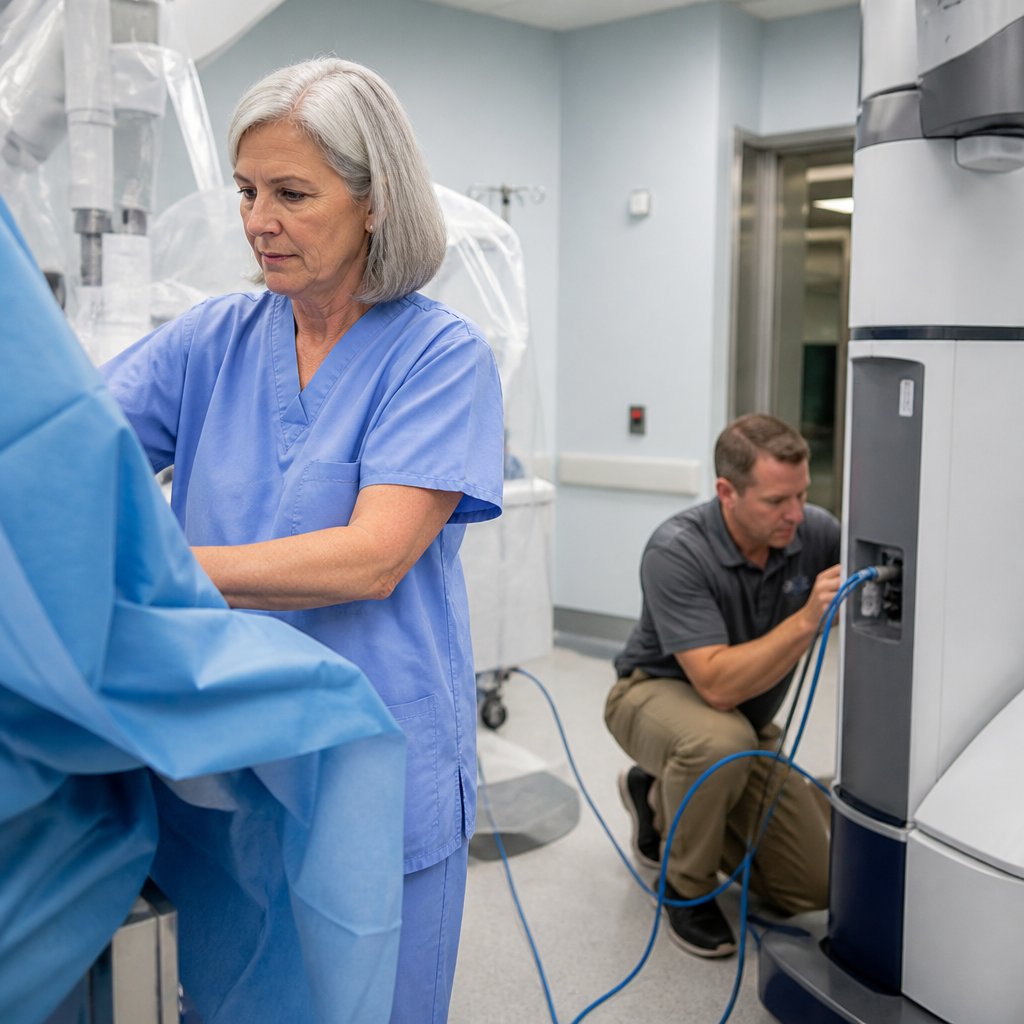
During a case turnover, I noticed a vendor technician working behind the surgical drapes with a laptop connected to the robot tower. The tech called it "routine maintenance," but there was no corresponding work order, maintenance sticker, or biomedical engineering entry in the service logs.
This unlogged access raised concerns about unauthorized adjustments to the robot’s calibration settings. Such changes could explain the altered haptic feedback and recurrent injuries.
The sterile plastic drapes fluttered slightly as the technician typed. The faint click-clack of keys contrasted with the quiet murmur of the OR staff preparing for the next procedure.
Scrub Tech Saw Sensor Replacement

I found a scrub technician who was in the room during one of the vendor’s unlogged service visits. She told me she saw the vendor replace a force-sensor module on the robot’s arm. She recalled the vendor jokingly saying, “this one’s been acting weird,” as he swapped the part. Her tone was uneasy, hesitant to admit details. When I asked if she could document this formally, she refused. She feared repercussions if she submitted anything that could get the vendor or hospital in trouble. Her eyes darted around the break room where we spoke. The faint aroma of disinfectant lingered in the air, mixing with the hum of distant equipment.
Surgeon Complains Of Robot Resistance

During a morning briefing, a lead surgeon complained that the robot “fought him” during suturing in a recent procedure. He described a subtle resistance and unexpected tremors that interfered with his precision. His hands clenched tightly around the console controls as he spoke, frustration evident in his voice. The hospital administration chimed in, offering the theory that it might be due to the surgeon’s caffeine intake or an essential tremor—a neurological condition. This shifted the blame away from the device itself and onto the clinician’s physiology. The sterile smell of the conference room mixed with the faint metallic click of pens tapping on papers as tension grew.
Anesthesia Notes Edited Timing Details

During a night case, anesthesia recorded sudden tachycardia and blood pressure drops late in the dissection phase—signs consistent with occult bleeding. The initial anesthesia chart showed precise timing for these events, which correlated with surgeon comments on difficulty controlling the robot. Later, when I reviewed the electronic anesthesia notes, the timing details had been edited out, replaced with generic phrases like "hemodynamics unstable" without timestamps. The sterile scent of the OR drifted faintly as I flipped through the digital records, a cold clinical atmosphere contrasting with the missing specifics. The inconsistency raised alarms about possible data tampering.
Vendor, IT Pass Access Responsibility

I tried to obtain internal event logs from the robot’s system to verify what changes had been made during maintenance. The hospital’s IT department told me I needed vendor credentials to access the logs. When I asked the vendor, they said hospital approval was mandatory before granting access. I was caught in a bureaucratic loop designed to prevent evidence gathering. The sterile hum of the IT department filled the room as I sat across from a technician, the blue glow of network equipment reflecting in his glasses. Each side deflected responsibility, and I realized that getting to the truth would require breaking through layers of institutional gatekeeping.
Patient’s Family Demands Answers

A patient’s family member confronted me in the hospital corridor, visibly anxious. They asked if the robot used in surgery was safe after hearing rumors of malfunctions. I had no clear answers. Their eyes searched mine for reassurance as the sterile hospital corridor echoed with footsteps and distant voices. I felt the weight of moral responsibility increase, knowing surgeries continued unchanged despite the risks. The family’s hope contrasted sharply with my uncertainty, pressing me to respond even though I lacked concrete information.
Robotic Room Shifts Quietly Reduced

Without explanation, my shifts in the robotic surgery suite were quietly reduced. The official reason cited “staffing needs,” but the timing felt like retaliation for raising concerns. The reduction limited my access to cases where I could observe the robot’s behavior. In the breakroom, the faint scent of coffee mixed with the hum of the ventilation system as I noticed the schedule change. The subtle sidelining conveyed a clear message: keep quiet or lose your role in the OR, even as the underlying problem remained unaddressed.
Discarded Service Checklist Found

While replacing trash bins near the robot storage area, I found a shredded service checklist partially discarded. Among the fragments was a sheet with handwritten serial numbers and the note “haptic recalibration,” dated the exact day noted in my notebook. This physical proof shouldn’t have existed, given the hospital’s official denials. The faint smell of paper and toner was strong as I held the fragment, the rough texture of the paper crisp between my fingers. This discovery could expose a hidden layer of unauthorized maintenance, but how had it been discarded so carelessly?
OR Director Demands Checklist Disposal

The OR director summoned me privately and ordered me to dispose of the service checklist, calling it “not an official document.” Shortly afterward, the hospital announced a vague “voluntary pause” on robot surgeries for “software updates.” Despite this, surgeries on that unit continued under the same conditions. The sterile smell of the OR hallway lingered as I hesitated, clutching the checklist in my hand. The director’s stern expression and curt instructions left no room for discussion. The hospital’s maneuvers suggested attempts to deflect attention without addressing the real issues.
Surgeon Confesses Drift In Controls

In a private conversation, a surgeon admitted he had been gripping the robot controls harder lately because they felt like they had “drifted” from their normal response. His voice dropped when he asked me to keep this off the record. He feared professional consequences if the problem became public. The faint metallic scent of the OR lingered nearby as he leaned in, worry creasing his brow. This confirmation matched other indirect evidence yet lacked any formal documentation to hold weight in official channels.
Legal Pressure And Badge Restriction
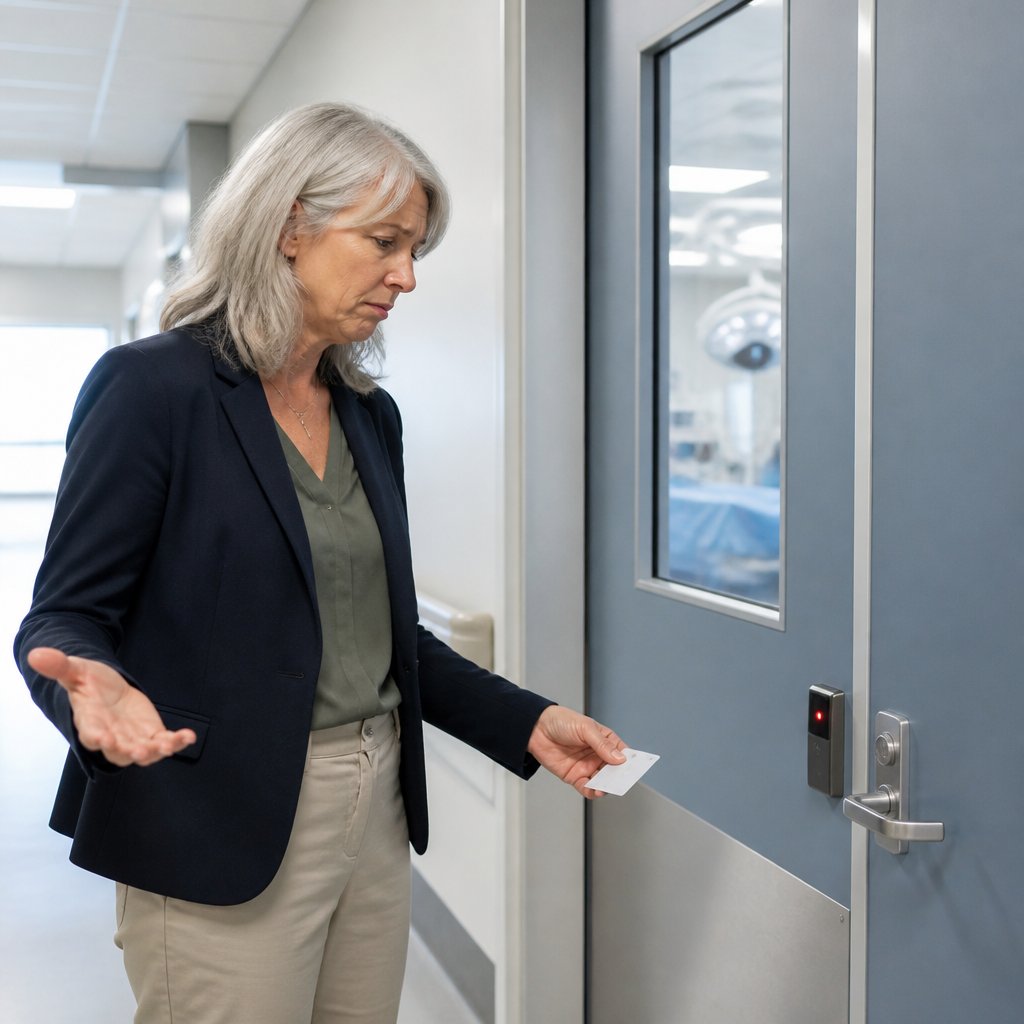
After a legal subpoena arrived, staff were instructed to route all communications through the hospital’s legal department. I was pressured to sign a statement claiming “no knowledge of device malfunction.” When I refused, my badge stopped opening OR doors, effectively restricting my role. Standing outside the locked OR, the beeping of the badge reader echoed sharply in the sterile hallway. The hospital’s tactics became overt, signaling a clear effort to silence dissent and control the narrative as the investigation intensified.
Unlogged Entries Suddenly Appear

I filed formal reports with the state health department and the FDA MedWatch program, hoping outside scrutiny would force transparency. Days later, surveyors arrived unannounced to audit our records. That’s when I noticed the maintenance log had been altered. New entries appeared, dated weeks before but written in unfamiliar handwriting. They claimed routine recalibrations had been performed, but none of it matched the shifts I’d worked or my notebooks.
The handwriting was neat, too precise, as if someone had backdated these entries deliberately. It was an obvious attempt to cover the lack of documentation from the time when the robot’s haptic feedback had gone off-kilter. The sterile, white break room where the meeting took place smelled faintly of coffee and disinfectant, contrasting with the growing unease I felt.
Surveyors asked questions about the robot’s maintenance schedule and noted the discrepancies. Meanwhile, leadership avoided eye contact and gave vague answers. This felt like a cover-up, forming right under the fluorescent lights of the hospital corridors. But what could I do when the evidence itself was being rewritten?
A Photo Unveils Silent Calibration

A few days later, a traveling surgical tech I’d never met contacted me. She had a photo from a recent case: a crisp, timestamped image of the robot’s control panel displaying a calibration warning message. The warning matched exactly what I’d written down in my notebook during the period of malfunctions. The tech wore a scrubs top and jeans, standing in a cluttered staff lounge filled with equipment carts.
At the same time, court-ordered emails from the robot’s vendor surfaced. They referenced a “quiet recalibration” performed to avoid expensive downtime, a decision made without informing the surgical team or hospital leadership. The emails were clinical but chilling: they confirmed the firmware had been patched, and the robot’s force sensors might be off, but the vendor argued it was an acceptable risk.
The sterile yet cluttered lounge smelled faintly of antiseptic wipes and old coffee as she showed me the photo on her phone, her expression grave but determined. I realized the problem wasn’t just local negligence; it was a systemic decision to hide critical information. But how would the hospital respond now that external evidence existed?
Independent Biomed Engineer’s Findings

During the depositions, an independent biomedical engineer reviewed the robot’s firmware and maintenance records. His report was precise: after the vendor’s firmware patch, the force sensors had begun drifting incrementally. Worse, the recalibration process was never fully completed or logged according to protocol. This drift could cause subtle but repetitive traction forces during surgery that might explain the internal injuries.
The engineer was a middle-aged man with glasses, wearing a casual shirt and slacks, sitting in a sterile conference room lined with bookshelves. He showed detailed graphs of sensor data and calibration curves, pointing to discrepancies that hospital leadership had dismissed as “known complications.”
Despite the clear technical evidence, the defense team insisted these were routine risks inherent to robotic surgery. The trial was turning into a battle of expert opinions. The sterile, clinical smell of the conference room contrasted with the tension thickening between the experts. How the jury would interpret this technical disagreement was still uncertain.
Trial Reveals Backdated Logs

At trial, the bench test demonstrated how a slight drift in haptic feedback scaling could cause repetitive micro-tears in tissue despite smooth video feed—exactly the pattern of injuries seen. The courtroom was tense as the video played silently, the smooth robotic movements belying the internal damage.
Under cross-examination, hospital leadership struggled to explain why maintenance logs were backdated and why vendor technicians had logged into the system remotely during active cases without notifying surgical staff. Their faces flushed, and their answers were halting. I sat quietly in the gallery, my grey sweater slightly wrinkled, heart pounding as the trial unspooled.
Settlement talks began again, but no final accountability terms were on record. The legal battle was far from over. The sterile courtroom air was heavy with uncertainty, and I wondered what the next move would be.
Was the surgical robot's malfunction adequately addressed?