


The Fridge Alarm Showed No Breach

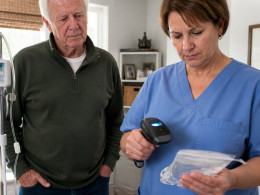
When the Monday morning shift started, I headed straight to the vaccine refrigerator to check the data logger. The office had been closed from Friday evening through the holiday weekend until Tuesday. The logger's alarm history showed no temperature excursions during that entire period. That was impossible. The fridge was on a backup generator but was moved for cleaning the week before, and the power had flickered several times over the break. A clean, uninterrupted data log spanning three days didn't add up, especially given what I knew about the building’s electrical service.
The sterile fridge door was closed tight, the cold air humming quietly inside. The temperature gauge was stable at 5°C. Something was off. I pulled the paper log out from the clipboard taped beside the fridge to cross-reference. That’s when the unease hit me.
The Paper Log Filled In Perfectly

The paper temperature log hung beside the fridge looked pristine. Every line from Friday evening to Tuesday morning was filled in without gaps or smudges, all in the same neat handwriting. No initials, no time stamps beside entries—just uniform numbers recording temperatures between 2 and 8 degrees Celsius, exactly the range required to keep vaccines viable.
The ink was still fresh. I flicked the page back to Thursday night’s entries; the handwriting was different—more hurried and blotchy. I asked around quietly but no one recognized the neat script. It wasn’t mine or my manager’s. Whoever had filled it in had created a flawless record covering the entire holiday closure.
In the break room, the faint scent of brewing coffee mingled with the antiseptic smell of hand sanitizer as I held the paper log, doubt creeping in. Why was the paper record so perfect when the digital logger showed an impossible clean gap?
Data Logger Revealed Temperature Spikes

I removed the data logger from the refrigerator for a direct download of its full data set. Upon analysis, I saw the temperature readings weren’t stable as the paper log claimed. Instead, there were sustained excursions outside the 2°C to 8°C range for nearly the entire holiday weekend. Temperatures spiked as high as 15°C and dropped as low as 1°C. The min and max values were completely inconsistent with the hand-written entries.
These excursions meant the vaccines had been exposed to unsafe temperatures, risking their efficacy. The fridge had clearly lost power or been unplugged, yet no alarms were recorded in the device’s history. The cold air smelled faintly of plastic from the vaccine packaging as I held a vial, the sharp chill contrasting with the data’s dire implications.
My mind raced. If these vaccines were compromised, why had no one alerted the staff or patients? The discrepancy between the logger data and the paper log was no accident.
Manager Demands ‘Resolved’ Documentation

I presented the data logger readings and my concerns to my manager during the Tuesday afternoon meeting. Instead of investigating, she told me to "document it as resolved." She insisted the vaccines looked fine and that the fridge had been opened too much, causing spikes in temperature but nothing harmful.
“The vials don’t show any discoloration or damage. We can’t afford to cause panic,” she said firmly. I could see the strain on her face, the tightness in her jaw as she dismissed my findings. The smell of disinfectant lingered in the sterile conference room as I looked down at the printed graphs I had brought.
She emphasized to close the issue quickly; any further questioning would be seen as unprofessional. I felt trapped between my duty and the pressure from leadership to sweep this under the rug.
Holiday Doses Logged As Administered

A few days later, a parent came in to request her child’s school immunization record. When I pulled up the electronic medical record, I noticed something odd. The system showed that several vaccine doses had been administered during the clinic’s closed holiday weekend — dates when no patients were seen or documented.
The records listed vaccines given on Saturday and Sunday, times that didn’t correspond with any staffing or appointments. The clinic was locked, with no nurses or doctors there. Yet the EMR showed children as fully immunized during that impossible time frame.
I flipped through the printed immunization charts, the sterile paper crisp between my fingers. The fluorescent lights above buzzed faintly as I tried to understand who had entered these questionable doses.
Scheduling Access Suddenly Blocks Me
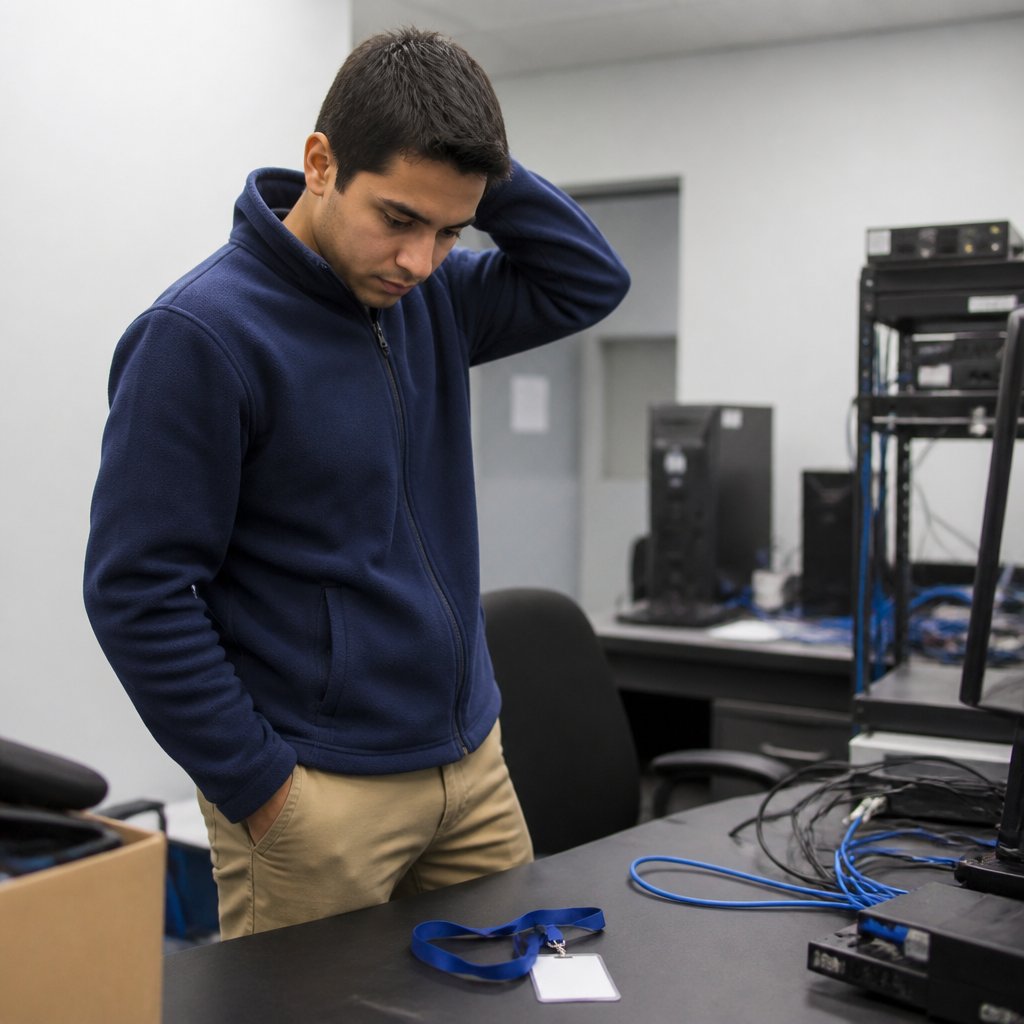
To verify the suspicious vaccine entries, I attempted to cross-check the clinic’s scheduling and staffing records. When I tried to log into the scheduling system, my access was suddenly denied due to a ‘system error.’ I asked the front desk and IT, but no one could explain the outage. Staff brushed off my concerns, suggesting I was overreacting or misunderstanding the data.
I sat alone in the dull gray IT office, the humming of servers surrounding me. My badge lay on the desk, unused. The room felt cold, not just physically but in the way colleagues avoided eye contact when I brought up the holiday discrepancies.
The more I pushed, the more resistance I faced. The wall of silence began to close in, and I wondered how deep this cover-up went.
Inventory Reveals Missing Vaccine Doses

I conducted a full inventory reconciliation of the vaccine stock. Counting boxes and vials, the numbers didn’t add up. Hundreds of doses were missing from the stockroom — more than what could have been administered to patients in actual clinic visits.
None of the documented administrations corresponded to real patient encounters. It was clear that vaccine doses had been recorded as used on paper, but had never been given. The cold plastic of empty vaccine trays and the sterile scent of the storage room underscored the absence.
I realized this was no clerical error. Someone had deliberately falsified records to show immunizations that never happened.
Doctor Orders Backdated Vaccine Entries

Dr. Reade, the clinic’s lead physician, called a staff meeting to announce a “catch-up clinic” to vaccinate children who might have missed doses. Privately, she instructed nurses and medical assistants to back-enter vaccine administrations in the electronic records for previous dates, ensuring the state registry would reflect up-to-date immunizations before anyone noticed discrepancies.
The staff gathered in the cramped break room, some nodding silently, others looking uneasy. Dr. Reade spoke quietly but firmly, her tailored suit impeccable. The faint aroma of brewed tea filled the air as the meeting ended, leaving a heavy sense of complicity.
I heard whispers of pressure to falsify records, but I couldn’t tell who was already involved and who was resisting.
Removed As Coordinator For Refusing

I refused to co-sign the backdated vaccine administration entries. The next day, I was removed as the vaccine coordinator. My access to the temperature monitoring portal was quietly revoked without explanation. The email notification sat unopened in my inbox.
In the sterile admin office, I stared at the blank login screen now denying me. The faint smell of printer toner mixed with the cold air. Staff avoided my gaze in the hallway, and whispers stopped when I entered.
The message was clear: questioning the official story was no longer tolerated. But I still had questions — and no clear avenue to answer them.
Hospitalized Toddler’s Chart Raised Doubts

A toddler I recognized from the neighborhood was admitted to the hospital with severe pertussis. I reviewed the clinic’s chart and saw it stated the child was up to date on DTaP vaccines. The stark contrast between the medical record and the child’s critical condition made me question how many charts were fabricated.
The hospital room smelled faintly of antiseptic and humidifier vapor. I held the printed clinic immunization record, the typed notes clear but misleading. How many children like this toddler were at risk because of false documentation?
The implications were terrifying. Was this outbreak just the beginning of a much larger, hidden problem?
Hospital Team Relies On Clinic Record

At the hospital, when the child was admitted with a fever and rash, the admitting team questioned the immunization status. They asked for titers to verify immunity but quickly settled on the clinic’s record, which listed all the vaccines as given on schedule. No blood tests were ordered to confirm this. The chart was marked as complete and closed without any further immunologic verification.
Despite the clinical suspicion, the team deferred to the records without seeking fresh lab confirmation. I saw the notes and felt uneasy. The chart showed no indication that anyone doubted the child’s immunity or made plans to verify it. The child was treated for symptoms but without consideration of the possibility that vaccines may not have been administered properly.
The smell of antiseptic lingered in the hospital room as I reread the chart notes. How many more kids might have been given the benefit of doubt based purely on potentially falsified records? The question hung in the air but no one seemed prepared to act on it.
Internal Safety Report Meets Resistance

I filed an internal safety report detailing the concerns over the vaccine storage failure and the questionable immunization records. The report described the risk that children might not be truly protected and outlined the need for urgent review and notification.
The compliance department responded quickly but dismissively. They labeled the issue a "documentation problem" and warned me about making "unprofessional accusations." The tone of their email made it clear they wanted me to drop the matter. The door to further investigation was firmly shut.
I sat in the sparse compliance office, the faint buzz of the air conditioner filling the silence as I read their response. Their language suggested protecting the institution's reputation over patient safety. I knew risks were still present, but the official channels closed ranks instead of opening them.
Leadership’s Staged Vaccine Inspection

A state vaccine-program auditor announced a routine visit. Management quickly transformed the vaccine storage room. They installed a new temperature logger, replacing the old one. The binder logs were scrubbed clean, all pages freshly printed and perfectly organized. It looked like a set designed specifically to fool inspectors.
The freezer and refrigerator doors gleamed. The shelves were neatly stacked with vaccine boxes arranged by lot number and expiration date. The air smelled faintly of cold plastic and disinfectant. The room was quiet except for the hum of refrigeration units.
Despite the spotless appearance, I knew the underlying data told a different story—one that the staged setup aimed to hide. I watched the auditor tour the room, unaware of what had happened over the holiday weekend when the storage temperature actually failed.
Exported Data Becomes Evidence And Allegation
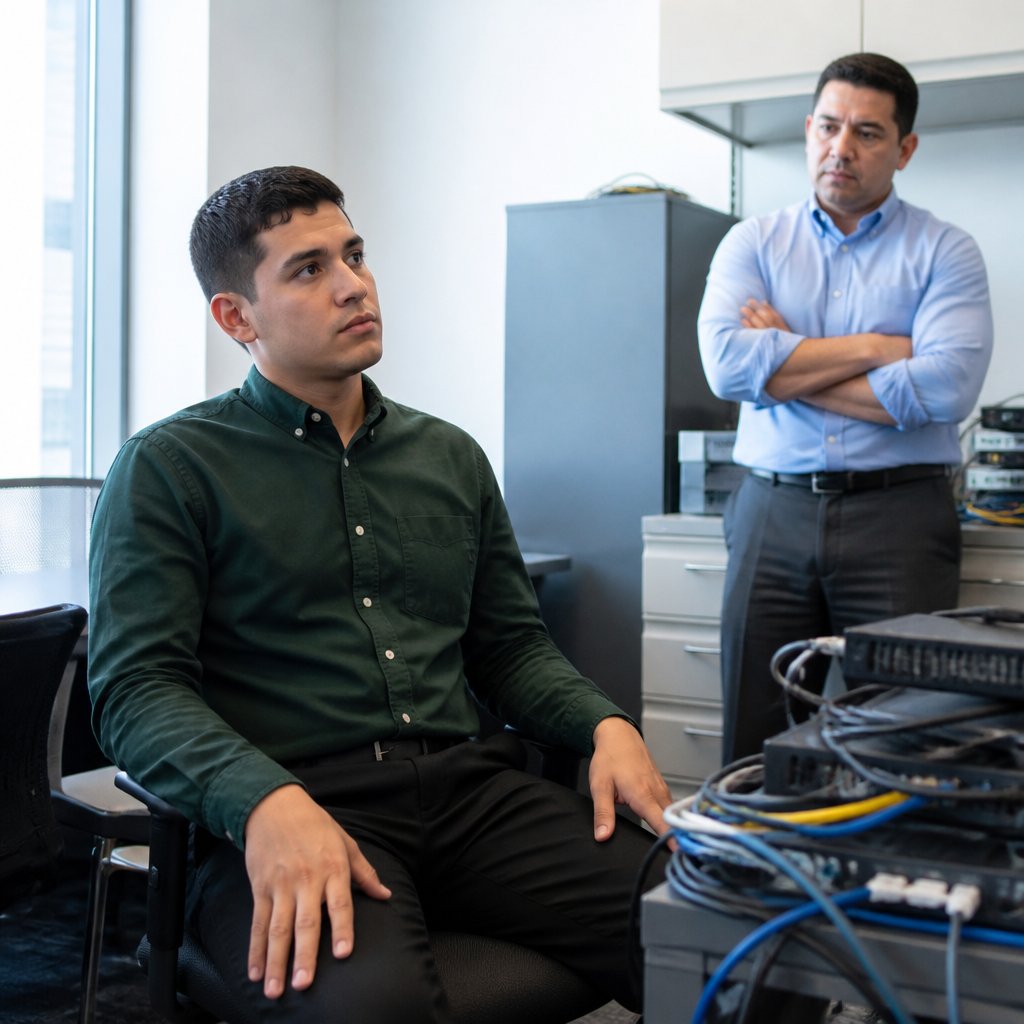
I found an old export file from the vaccine temperature monitoring system. It contained the true records of the temperature excursion over the holiday weekend. I emailed the file to my personal account to preserve the evidence.
Shortly after, IT flagged my account for "data exfiltration." What I had done to protect public safety suddenly became framed as alleged misconduct. The hospital’s security team questioned me sternly but stopped short of formal charges.
The tension in the sterile IT department office was palpable. The cold hum of computer servers filled the background as I tried to explain my actions. The file I had saved was potentially the smoking gun, but now it was turned against me as a breach.
Risk Management Offers Severance Deal

Risk management called me into their office. The offer was clear: take a severance package in exchange for signing a non-disparagement agreement. Essentially, they wanted me to disappear quietly without telling any families about the compromised vaccines.
The room smelled faintly of coffee and stale carpet. The risk manager, a woman in her 40s with sharp features, sat across the desk wearing a charcoal suit and projecting calm professionalism. She laid out the terms calmly but firmly, emphasizing that this was the best option for everyone involved.
I listened but felt trapped. The offer was money to keep silent, bypassing any transparency or accountability. I left the office knowing the real harm to the children was still unaddressed and families remained uninformed.
Raw Logs Claimed To Be Lost

After the meeting where they wanted me to leave quietly, I pushed harder for the raw temperature logs from the vaccine refrigerator. Leadership insisted the data was lost due to a hardware failure. They said the device had malfunctioned, that the recovery system wiped the files. But I still had the export I’d pulled before the weekend. The serial numbers matched the fridge unit exactly, and my handwritten notes documented the chain of custody from download to my secure storage.
I knew this evidence was critical. If I lost control of it, the whole case would collapse. The export showed the fridge’s temperature spiked for hours, well beyond safe limits. Yet the official records, the reconciled charts, showed no interruptions. I felt like I was holding the only truth in a room full of lies.
The air smelled faintly of antiseptic from the hospital hallway outside my office window. My hands trembled slightly as I rechecked the data files, knowing that leadership’s claim implied a cover-up. But if they truly lost the hardware, how had they manipulated the electronic medical records so precisely? There was no answer, only the growing weight of evidence against them.
Subpoenas Demand Temperature Logs

Days later, subpoenas arrived for the temperature monitoring records and the electronic medical record audit logs. I sat through the deposition, watching Dr. Reade, the hospital’s chief medical officer, testify that the vaccine fridge never went out of its safe temperature range. His voice was steady, confident. It was the official story.
But then my attorney produced the export file I’d saved. She pointed out the missing alarm interval in the official logs—the time when the temperature spike should have triggered an alert. Dr. Reade faltered. The gap forced him to admit the fridge had indeed gone out of range, contradicting his earlier statements.
In the austere conference room, the smell of stale coffee mixed with the faint hum of the overhead projector. I watched as the cover-up started to unravel in the record, knowing this testimony could change everything. But the damage—children already exposed to compromised vaccines—was already done, and the full scope remained uncertain.
Was covering up the fridge temperature breach justified?