



Clinic Staff Hide Test Strips

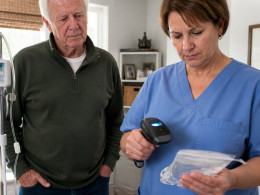
I sat quietly while the medical assistant dipped the multi-panel urine cup into my sample. Without showing me the strips inside, she read the results and jotted them down in the file. There was no opportunity for me to verify what the test indicated; it was as if the clinic treated that cup like a final verdict, not shared data subject to conversation or confirmation. The strips themselves were hidden behind the opaque plastic, the colors shifting subtly but unseen by me.
The MA wore a plain teal scrub top, sleeves rolled up, her brow furrowed as she moved quickly. The room smelled faintly of antiseptic and coffee. I realized this was the first hint that the clinic’s process was flawed — clinical decisions seemed to rely entirely on the immunoassay results, not on further confirmatory testing that might catch errors. This lack of transparency made me uneasy.
Portal Note Confirms Screen Result

Later that day, I read the clinic notes. The portal updated with a new entry: “Fentanyl positive, oxycodone negative.” No follow-up tests like GC/MS or LC-MS/MS were ordered for confirmation. The clinic was treating the presumptive immunoassay screen as a definitive diagnosis. There was no mention of the need for further laboratory analysis, no sign of patient discussion or context.
The clinical note was typed crisply, the font stark against the clinical white background of the printout I had requested. My heart sank. The word “positive” and “negative” stood out sharply—the seemingly simple dichotomy that decided my treatment fate. They had effectively sentenced me to opioid discontinuation based on this one line.
The room smelled faintly of antiseptic wipes as I sat in my kitchen studying the printout, a slow dread settling in. How could this one screen dictate such an irreversible move? The clinic’s approach made no clinical sense to me, but the chart said otherwise.
Termination Letter Commands Immediate Stop

A few days later, I received a termination letter from the clinic. It instructed me to stop opioid use immediately and included referrals for detox programs. The letter was clinical and devoid of empathy, a stark medical document that felt more like a legal order than a medical plan.
There was no mention of a tapering or bridging protocol despite my long history of prescribed opioids. The abrupt discontinuation posed serious medical risks. The paper was smooth and plain, folded neatly in an envelope with the clinic’s header. I traced the typed words with my finger, feeling the cold ink where the paper was untouched by handwriting or notes.
The message was clear: the clinic was washing its hands of me, expecting me to manage withdrawal without support. This new medical fact—no taper or bridge plan—was shocking and terrifying. I wondered how many others were left similarly abandoned.
Withdrawal Sends Me To ER

The withdrawal symptoms hit hard and fast. I ended up in the emergency room, shaking and sweating. The chart at the hospital labeled me “opioid dependence/abuse.” The stigma was official now, documented in the system. The ER smelled sharply of antiseptic and fresh linen. Machines beeped softly around me.
Doctors asked rapid-fire questions, eyes darting to the chart on their tablets, their tone brisk. The label clung to me like a shadow, changing how they spoke and what treatments they offered. I was no longer a patient with a complex history; I was defined by that diagnosis.
The system’s harm extended beyond the clinic walls, following me into emergency care. I felt isolated and vulnerable. My trust in medical professionals shattered as I realized this label might affect my care indefinitely.
Independent Lab Test Contradicts Clinic

I paid out of pocket for an independent LC-MS/MS test. The detailed report showed oxycodone and its metabolites present, but no fentanyl detected. This hard contradiction implied the clinic’s initial immunoassay cup had been either incorrect or misread.
The lab report was dense with numbers and chemical names, a stark contrast to the one-line note from the clinic. The crisp printed paper felt weighty in my hands, the official stamps and signatures at the bottom adding credibility. The smell of fresh ink on the report was oddly reassuring.
This evidence challenged the clinic’s version of events and suggested a systemic issue. I wondered how many others had been misdiagnosed based on faulty screens, and what the consequences might be.
Nurse Manager Blocks Evidence Upload

I handed the nurse manager my LC-MS/MS report, hoping they would update my electronic health record. Instead, she refused to scan it into the EHR, dismissing the cup results as "legally defensible." Her tone was firm and unyielding, shutting down any opportunity to correct the record.
The nurse manager wore a navy-blue blouse and had her hair pulled back tightly. She sat behind a cluttered desk in her office, arms crossed, eyes cold. The room smelled faintly of cleaning products and paper. I felt a rising frustration as she closed the door to dismiss me.
This was my first clear sign of cover-up behavior. Blocking exculpatory documentation threatened not just my care but the entire quest for accountability. I left the office feeling powerless but determined.
Waiting Room Conversations Reveal Pattern

In the clinic waiting room, I struck up conversations with two other patients. Both had received the same pattern on their urine drug screens: fentanyl positive, prescribed opioid negative. They were discharged abruptly in the same month, each describing a similar experience of being cut off without confirmatory testing.
The room was filled with softly chattering voices and the rustling of magazines. Both patients wore casual clothes: one in a gray hoodie, the other in a black jacket. Their faces showed a mix of confusion and frustration as they recounted their stories.
This suggested the error wasn’t an isolated incident but a repeatable pattern. I realized this might be a systemic failure within the clinic’s processes. However, there was no immediate solution or official response to this troubling discovery.
Discharge Letter Matches Mine Exactly

One of the patients texted me a photo of his discharge letter. The wording matched mine line-for-line. It read like a template, a mass-produced document tied directly to urine drug screen results rather than individualized medical assessment.
The letter was printed on plain white paper, its type consistent and impersonal. Seeing identical phrasing confirmed my suspicion that the clinic used a standardized script for discharges, removing nuance and clinical judgment.
This was a new clue pointing toward systemic issues. It raised questions about how many patients were being grouped together under a one-size-fits-all policy, and the potential harm this caused. But the clinic remained silent.
Patient Death Linked To Counterfeit Pills

News arrived that the patient who shared his discharge letter with me was found dead. The death certificate cited fentanyl toxicity as the cause. The man had apparently turned to counterfeit pills after abruptly losing access to prescribed opioids.
I held the death certificate in my hands, the paper cold and official, the typed cause of death stark and unambiguous. The reality was grim: the clinic’s abrupt cutoff funneled vulnerable patients to a lethal street supply.
This was the ultimate medical consequence. The pattern of false positives and sudden discontinuations was no longer theoretical—it had contributed to a preventable death. Yet the clinic made no public acknowledgment or change.
Medical Records Incomplete and Missing

I submitted a HIPAA request for my complete medical records related to the urine drug screen. When the PDF arrived, pages were missing, including the critical photo or printout of the urine cup showing the test strips. This absence was a major legal problem; there was no objective record of the alleged results.
The partial record smelled faintly of ink and paper. The missing documentation raised serious questions about data integrity and whether records were being intentionally incomplete to hide errors.
I was left with a frustrating gap. Without the objective test evidence, challenging the clinic’s decisions would be even harder. The path to accountability was becoming more obstructed.
A Fired MA Reveals Training Secrets

One day, I received a message from a former medical assistant who had been fired from the clinic. She told me the staff were trained to interpret the urine toxicology immunoassay results differently than the manufacturers intended. Specifically, any faint line on certain panels, including oxycodone and fentanyl, was considered a “positive” result. This was a new operational fact that flipped the official instructions on their head.
Her message detailed how staff were coached during orientation sessions to read faint or partial lines as positivity, despite the manufacturer’s guidance indicating that any visible line, regardless of intensity, signified a negative outcome. She described the confusion and pressure among staff to follow this unofficial protocol, fearing consequences if they reported results according to the official instructions. This policy directly affected patient care decisions, leading to abrupt opioid discontinuations.
The clinic’s internal training material was never shared publicly, so this was the first firsthand account of how systematically the misinterpretation was embedded in daily workflow. The former MA’s candid disclosure raised questions about who authorized this guidance and how widespread this inverted reading practice was.
I kept her message open on my tablet, the screen’s glow reflecting in my tired eyes, knowing this revelation was a crucial piece but just the start of uncovering the full extent of the clinic’s flawed protocols.
Manufacturer Instructions Say Otherwise

To verify the former MA’s claim, I purchased the same brand of urine test cups used at the clinic. The package contained the manufacturer’s instructions for use (IFU), a small fold-out leaflet with technical details and interpretation guides. According to the IFU, the presence of any visible line—including faint or partial lines—at the test site indicated a negative result. Only the complete absence of a line signified a positive screening.
I compared the wording carefully against the training notes I’d gathered. The discrepancy was stark: the clinic’s internal policy directly contradicted the official technical instructions. This was documentary proof that the clinic had implemented a reversed interpretation of the test results, a fundamental procedural error. It was baffling that such a policy could exist in a medical setting without verification or oversight.
I held the folded leaflet in my hand, cold and thin, the printed text stark black on white, a tactile reminder of how simple instructions were misapplied to devastating effect. I knew that confirming this inconsistency was essential to building my case, but it was only the first solid piece of evidence in the deeper investigation ahead.
As I lined up several used test cups on my desk, the clinical scent of patient samples faintly lingering, I realized that the conflict between official protocols and clinic practice could explain many abrupt medication changes I had experienced.
Corporate Threatens To Silence Me

After submitting formal complaints to the medical board and health department outlining the clinic’s misinterpretation of urine tox screens, I received an aggressive response from corporate legal counsel. In a terse letter, they accused me of harassment and warned that any further contact with clinic staff would lead to police involvement. The tone was clearly meant to intimidate and discourage me from pursuing the matter.
This new tactic of corporate retaliation was chilling. Instead of addressing the substance of my complaints, the company’s lawyers were weaponizing the legal system to silence a whistleblower. The letter made vague references to policies about workplace conduct and unauthorized communication, but never disputed the core allegations about test misreading or patient harm.
I held the letter in my hand, the paper rough and heavy with official letterhead, the words printed in bold threatening type. The cold weight of the page contrasted sharply with the warmth of the mug beside me, untouched as I absorbed the implications. This was more than a legal challenge; it was an attempt to stifle accountability by turning the tables against me.
The question was whether I could withstand this pressure without losing momentum or risking further isolation from staff who might still want to help.
ER Finds False Opioid Abuse Diagnosis

During an emergency room visit, I requested copies of my medical records to understand how my discharge from the clinic was documented. To my alarm, the ER physician informed me that the clinic had entered a diagnosis code indicating "opioid abuse" in my electronic health record. This was based solely on the disputed urine tox screen results from the clinic, without confirmatory testing or clinical evaluation.
This new medical-legal harm had serious consequences: hospitals and other providers use these diagnosis codes to guide treatment decisions and insurance approvals. A false label of opioid abuse risked denial of necessary pain management or access to medications. It also meant my entire medical history was tainted by flawed records beyond the clinic’s walls.
I sat on a vinyl ER chair, the antiseptic smell sharp in my nostrils, the fluorescent ceiling lights buzzing overhead. The nurse handed me a paper copy of the discharge summary, the print faint but clear enough to reveal the contested diagnosis. This was a concrete example of downstream harm caused by the clinic’s procedural failures.
I realized the problem was no longer contained; it had begun to ripple through the healthcare system, affecting my care and potentially the care of others wrongly labeled.
Lawyer Asks About Overdose Pattern

I consulted a medical negligence attorney who had experience with healthcare malpractice involving laboratory testing. During our meeting in his downtown office, the lawyer asked a pivotal question: "How many overdoses occurred after your discharge from the clinic?"
He explained that proving negligence in a medical-legal case often requires demonstrating a pattern of harm, not just isolated incidents. Linking multiple overdoses and patient deaths to abrupt opioid discontinuations following misread urine tox screens could establish causation and systemic fault.
In his office, the faint scent of coffee and paper filled the air. He sat behind a large mahogany desk, flipping through a thick medical malpractice casebook while I described the unfolding events. His brow furrowed as he noted the timeline and patient stories.
The lawyer’s question shifted my focus from individual injury to the broader implications of the clinic’s workflow. It suggested my efforts needed to expand beyond my chart to include epidemiologic data and other patient outcomes. This reframing was both daunting and necessary.
Corporate Emails Reveal New Motive

While digging through internal emails, I found a trove that explained a lot. The higher-ups at the clinic's parent corporation were pushing a hard line: reduce opioid prescribing rates at all costs. They demanded more patient discharges labeled as "inconsistent UDS"—their term for unexpected urine drug screens. Providers were tracked on a compliance dashboard, ranking them by how strictly they followed these reduction goals. The clinic leadership kept emphasizing "zero tolerance" for positive oxycodone or fentanyl results that didn’t fit their narrative. An email from the medical director urged staff to "be vigilant and document thoroughly to protect the company from liability." It was clear that the flawed testing wasn’t accidental; it reflected institutional policy driven by corporate pressure.
That pressure seemed to come down directly to providers, limiting clinical discretion. The emails also revealed bonuses tied to hitting discharge targets and penalties for providers who resisted abrupt opioid tapers. This created a system where the staff was incentivized to read ambiguous tests as positive, justify abrupt opioid stoppages, and push patients out the door. I realized the stakes had escalated beyond simple error or negligence. The clinic’s flawed testing was part of a corporate strategy designed to reduce opioid use and patient load rapidly, regardless of patient safety.
A buzzing pager interrupted my thoughts. A junior nurse wanted to talk about an upcoming discharge flagged for "noncompliance." I headed to the ward but wondered what that nurse knew that I didn’t yet.
Training Memo Contradicts Testing Protocols

A whistleblower from inside the clinic slipped me a confidential training memo. It was titled "Urine Drug Screen Interpretation Guidelines" but didn’t match the official instructions for use (IFU) from the test kit manufacturers. According to the memo, any faint line on the immunoassay panel should be considered positive. The kicker was the phrase, "When in doubt, mark positive." This directly contradicted the IFU, which specified that faint lines should be read as negative to avoid false positives. This memo explained why so many tests had been flagged positive without confirmatory GC/MS or LC-MS/MS confirmation.
The memo also instructed staff to apply strict timing when reading test results. Yet, in practice, testing cups sat on counters for extended periods. The language was blunt: "Always prioritize conservative interpretation to avoid risk of opioid diversion or abuse allegations." This policy effectively overruled clinical judgment and standard testing protocols. But despite this smoking-gun memo, no one accepted full responsibility. Administrators claimed it was only a recommendation, not formal policy. Providers argued they followed orders under duress. The scope of the impact remained unclear—was it just a small group or the entire clinic?
Later that day, I met with the clinic's lead toxicologist to review the memo face to face. He looked uneasy as he reached for his medical chart, but before he could answer, the phone rang urgently. The conversation on the other end hinted at new developments I hadn’t expected.
Lot Change Linked To Overdose Spike

New evidence surfaced connecting a specific lot number of the immunoassay test kits to a spike in overdoses at the clinic. A vendor document revealed that lot had poor sensitivity for oxycodone and an unstable fentanyl dye. The document also stressed strict timing for reading results because the test reaction could degrade after 10 minutes. Staff interviews admitted they often read cups 20 to 30 minutes late, sometimes even longer due to workflow demands.
This explained the sudden increase in false positives for fentanyl and the under-detection of oxycodone. Patients who actually still had oxycodone were reported as negative, while innocent faint lines from dye degradation were read as positive fentanyl. This created a mechanism for abrupt opioid discontinuations, triggering withdrawal and pushing patients toward street drugs. It was a technical failure amplified by poor clinic practices. I requested the lot numbers from all testing months and cross-checked them against patient records and overdose reports. The correlation was striking.
As I printed out the batch data, a sharp chemical odor filled the small clinic office from cleaning solvents left nearby. I realized there was one more unanswered question: why hadn’t the clinic tested the cups within the recommended time frame if it was so critical?
Disposal Logs Show Missing Evidence

The judge ordered the clinic to produce all remaining urine test cups and photos from the disputed month, but the clinic claimed all materials had been destroyed as biohazard waste following protocol. That sounded plausible until I obtained the clinic’s biohazard disposal logs. They showed irregularities—missing pickups and inconsistent entries during the exact month when the overdose spike occurred.
The logs indicated no waste pickup on several expected days, yet the clinic insisted destruction was complete. Some entries had signatures that didn’t match authorized personnel. This raised serious suspicion of spoliation. If samples had been secretly withheld or destroyed selectively, it could eliminate physical evidence critical to proving the false positive pattern and its link to patient harm.
I confronted the clinic’s compliance officer during a deposition. She appeared nervous, fiddling with her ID badge chain as she admitted some records were "misplaced" but denied intent to obstruct. Still, the gaps in the disposal records suggested more than mere negligence. I had to push further, but my call was interrupted by a sudden power outage in the building, leaving us in darkness.
State Findings Escalate The Case

On the eve of trial, preliminary findings from the state health department arrived. They documented repeated failures to confirm positive immunoassay results with gold-standard GC/MS or LC-MS/MS testing. The report criticized the clinic for improper interpretation of urine drug screens, unsafe opioid discontinuations, and lack of patient follow-up. These unsafe practices were linked directly to several overdoses and at least one documented death.
The corporation’s response was swift; they attempted to shut down the clinic location and transfer all medical records to another facility. They claimed this was routine, but it looked like an effort to erase the clinic’s problematic history before it could be exposed in court. I and my legal team rushed to file motions to preserve the records and prevent destruction.
As I reviewed the state report, the acrid smell of printer toner filled the cramped legal office, blending with the faint noise of sirens outside. The trial was days away, and the stakes were higher than ever. The insurance company’s lead counsel called to discuss settlement, but I paused, knowing this case was far from over.
Settlement Offer Forces Hard Choice

The global settlement offer landed with detailed terms: a public statement acknowledging the failures, an external audit of all urine toxicology practices, mandatory confirmatory LC-MS/MS testing moving forward, a mandatory opioid taper and bridge policy for at-risk patients, removal of false abuse codes from medical records, and a patient compensation fund. The offer aimed to resolve the litigation without trial.
Accepting would mean guaranteed compensation for affected patients and assurances that testing practices would improve. However, it also meant the corporation would avoid a trial verdict exposing the full scope of systemic misconduct. Rejecting the offer risked prolonged litigation, uncertain outcomes, and more patient harm if the clinic’s flawed systems persisted in the meantime.
As I sat alone in my apartment, the muted hum of the city outside barely registering, I weighed the risks. The truth about how many false positives had contributed to deaths was still partly buried. One crucial piece of evidence remained just out of reach, one tap away from changing everything.
Was the clinic responsible for the false fentanyl positive test?