


Admission Notes Seemed To Minimize
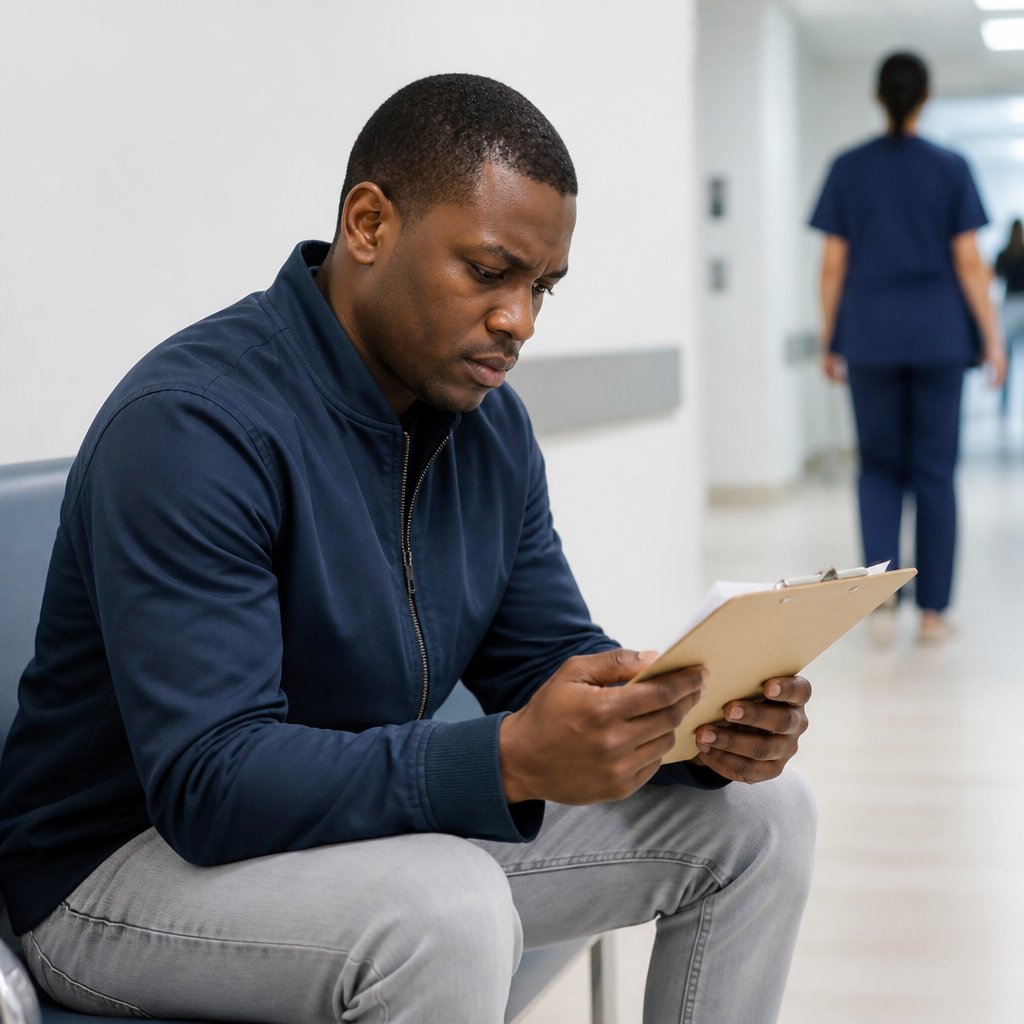
The emergency room CT scan was clear: Jenna had acute cholecystitis. The radiologist’s report described gallbladder wall thickening and pericholecystic fluid, classic signs of a serious infection. But when I read the admission order later, it labeled the case as a “routine laparoscopic cholecystectomy in the morning.” That phrase suggested something scheduled and straightforward, not an urgent, inflamed gallbladder. The mismatch between the imaging and the paperwork felt off. Why was the severity downplayed? I remembered the dull ache Jenna complained of, her fever, the way her skin felt warm to my touch in that sterile ER room.
I asked the attending nurse about it. She shrugged and said they often had to prioritize OR scheduling to manage the caseload, sometimes pushing urgent cases into routine slots. But that didn’t explain the language used to describe Jenna’s condition in the chart. The phrase "routine lap chole in the morning" repeated across several notes, almost like a mantra. That documentation would matter later if something went wrong, but for now, it obscured the seriousness of her condition.
Consent Taken Under Heavy Sedation
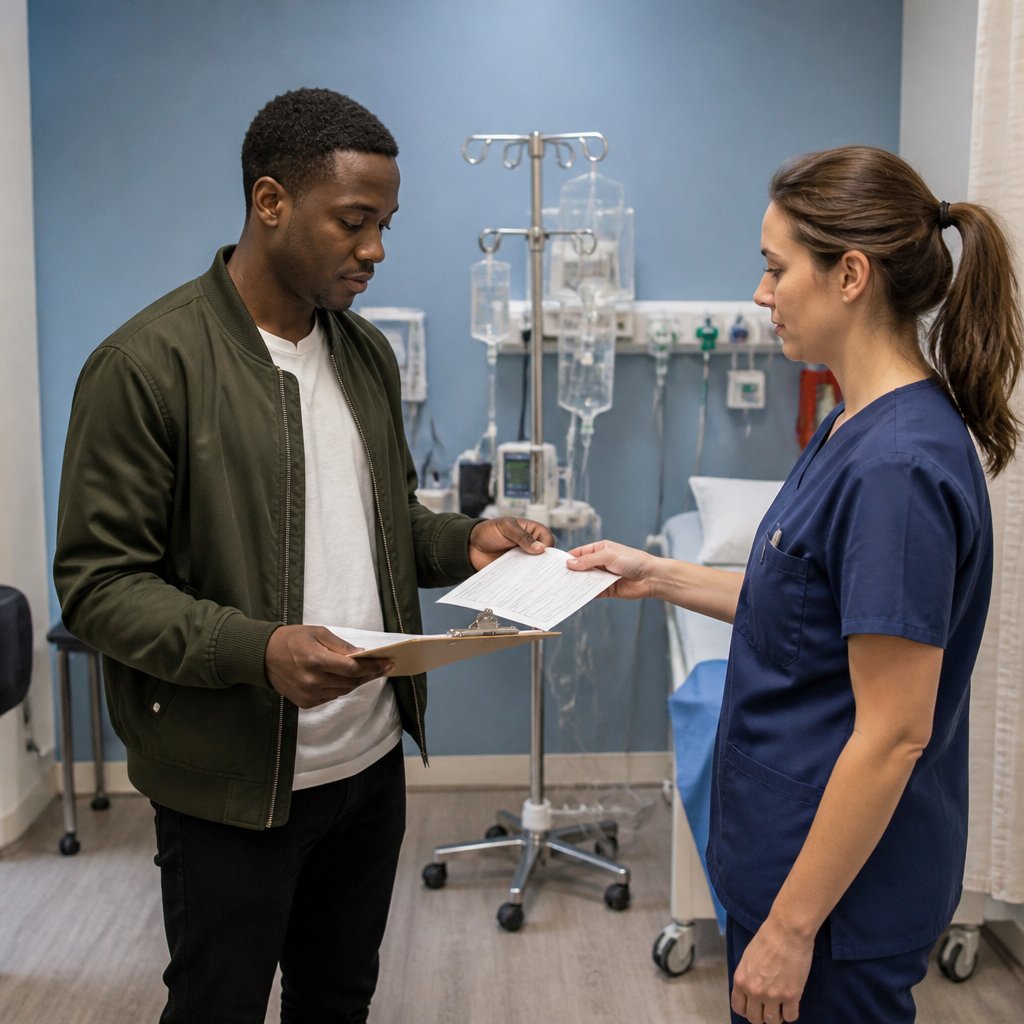
Jenna was on IV narcotics when Dr. Kessler’s assistant handed her the livestream consent form. The document, labeled an "influencer release," blended in with the stack of standard pre-op paperwork. I was there, watching as Jenna’s eyes fluttered and her speech slowed from pain meds. She barely registered the significance of what she was signing. The nurse didn’t explain the livestream in detail, just said it was routine for Dr. Kessler’s cases and helped with transparency and education.
When I questioned the timing, the nurse said they often got consent during pre-op sedation to save time. But it felt wrong to me. Signing away rights to a live surgical feed while under narcotics seemed coercive or at least negligent. The release allowed the hospital to archive and edit the footage. I wondered how much Jenna understood about that. The paper was unsigned by a witness other than the circulating nurse, and the atmosphere was rushed and clinical, not consultative. I tried to get a clear answer from the staff but met vague reassurances.
Stream Setup Overwhelmed The OR
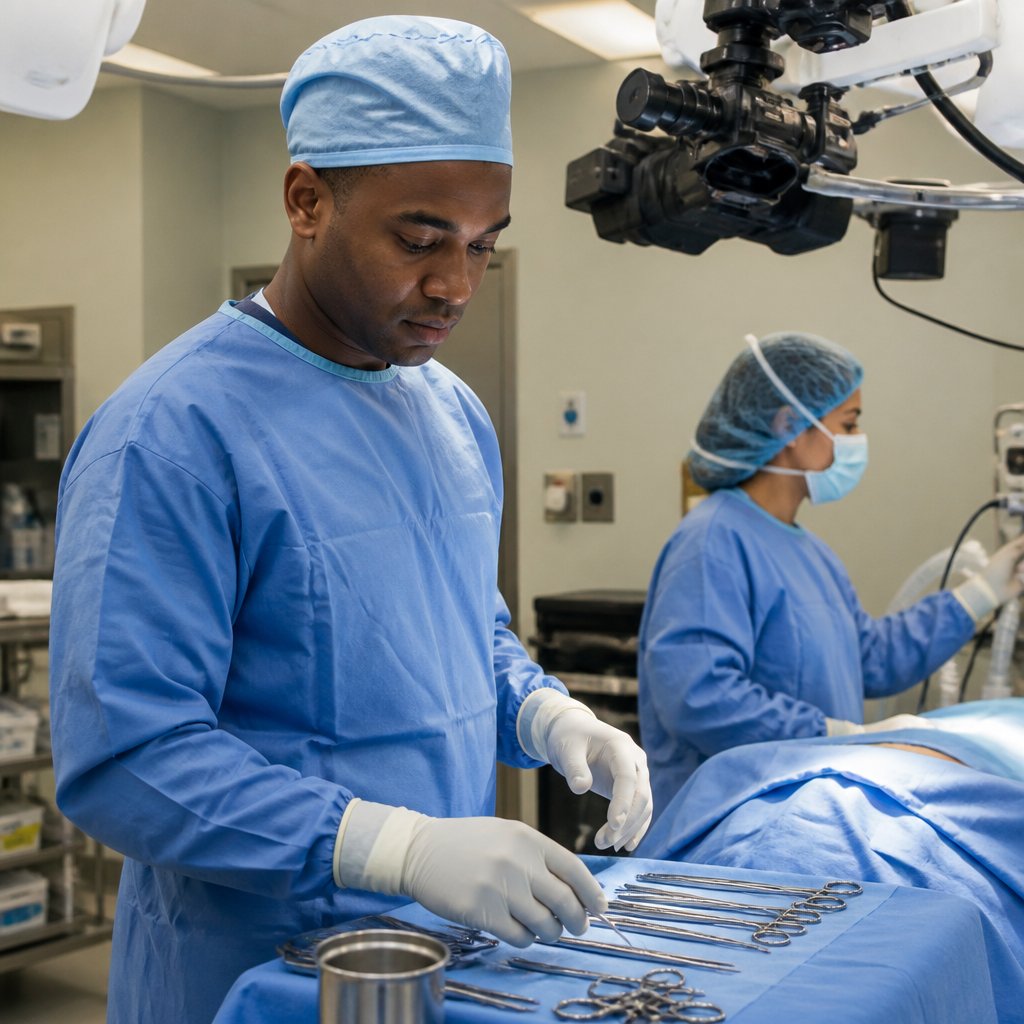
I watched the livestream from home before Jenna’s surgery. The camera rig was set up prominently in the OR—an adjustable arm holding a small HD camera angled over the sterile field. A second wide-angle camera captured the whole room. Dr. Kessler wore a crisp blue surgical gown and cap, his face focused but calm as he described the steps. The circulating nurse monitored a laptop and responded to a muted chat feed. The audio quality was unnervingly clear, and Kessler’s voice sounded rehearsed, almost like a webinar presenter.
The pre-op checklist ran smoothly, but the presence of the chat and camera felt like a distraction. It wasn’t just surgery; it was a broadcast. The OR team wore standard scrubs, but the equipment clashed with the usual sterile simplicity. The room had the faint antiseptic smell mixed with the plastic and metal of camera gear. This was supposed to be medical care, but it felt like a show. That blurred line left me uneasy.
Sudden Cut Mid-Procedure Raised Alarms

The livestream was smooth up to a point. Then, without warning, the video suddenly jumped. I had watched the screen as Dr. Kessler’s voice tightened—an unusual sharpness in tone as suctioning noises rushed in. The camera angle shifted erratically, and then the image cut out for a few seconds. When the stream resumed, the footage was unnaturally smooth, as if someone had edited out the previous moments.
The audio had captured a quick exchange: a subtle alarm in the suction device, a clipped command from Kessler, then silence. The jump cut erased any visible evidence of what happened during those seconds. I replayed the segment multiple times, analyzing the noise level and Kessler’s sudden change in voice. The sterile smell of the OR came through in my mind, and the anxious grip I had on the armrest as the video skipped. Something was missing—critical minutes that no one would explain. The livestream archive was altered.
Post-Op Chart Downplayed Severe Signs

Jenna’s chart after surgery recorded “expected post-op pain” and mild tachycardia as normal. But I remembered the livestream where she grimaced, clutching her abdomen intensely. The nurse’s notes described her complaints as standard discomfort, but her vitals told a different story. Her pulse was persistently above 110, and she was visibly sweating. The room smelled faintly of antiseptic and her linen sheets were damp with perspiration.
The minimizing language in the medical record felt intentional—like someone was building a narrative of normal recovery to avoid scrutiny. I compared the chart entries with my memory of the video and Jenna’s pale face. There was a gap between what was documented and what actually happened. I asked the attending residents, but their explanations were vague, citing routine pain management protocols. That discrepancy was my first real indication that something was very wrong.
Lab Trends Suggested Worsening Condition
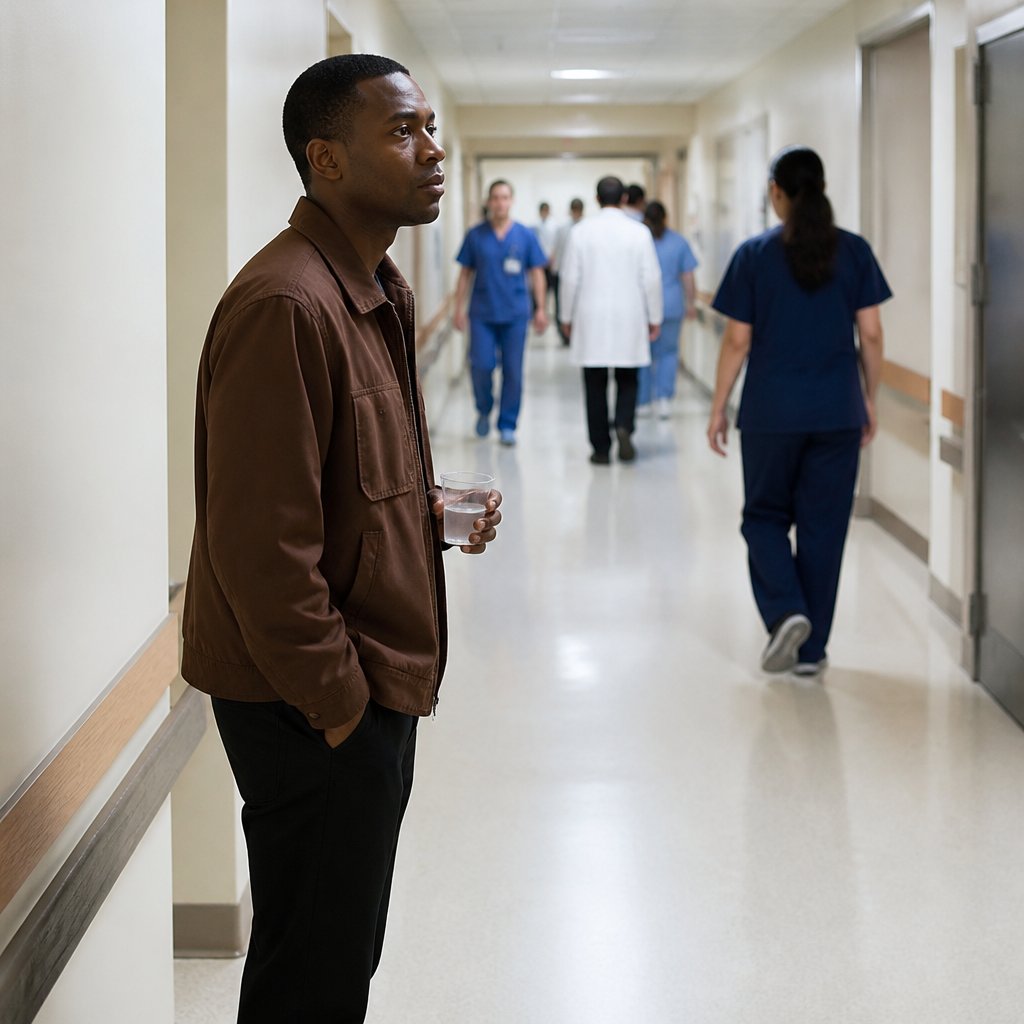
Over the next hours, Jenna’s lab results trended in troubling directions. Her bilirubin climbed steadily, indicating bile duct disruption. Lactate levels rose, a marker of tissue hypoxia and shock. Meanwhile, her hemoglobin began to fall gradually, signaling possible internal bleeding. Despite these trends, Dr. Kessler was reportedly “in clinic,” leaving the inpatient team to manage without surgical oversight.
The delay felt bureaucratic rather than clinical. Lab values came in late, requests for urgent imaging stalled. I watched the clock in the bland hospital corridor, the faint hum of distant monitors filling the space. The administrative handling created a dangerous time lag during which Jenna’s condition worsened. Calls to escalate care were deferred, and no one offered a clear explanation for the surgeon’s absence at a critical moment.
Operative Report Claimed No Complications

The hospital finally released the operative report. It was a templated document, filled with standard phrases like "procedure completed without complications" and "no intraoperative issues noted." But I had witnessed the livestream’s abrupt cut during a suspicious event. The report made no mention of any suctioning problems or bleeding. It contradicted everything I had seen.
The surgeon’s signature was at the bottom, dated the day of the procedure. I compared the report’s language with standard cholecystectomy templates and noted the lack of any personalized details or notes about difficulty. The sterile medical smell in the office where I read the report contrasted with the emotional weight in my mind. Was this a cover-up? The report’s denial of issues raised more questions than answers.
Delayed Imaging After Hypotension Alarm
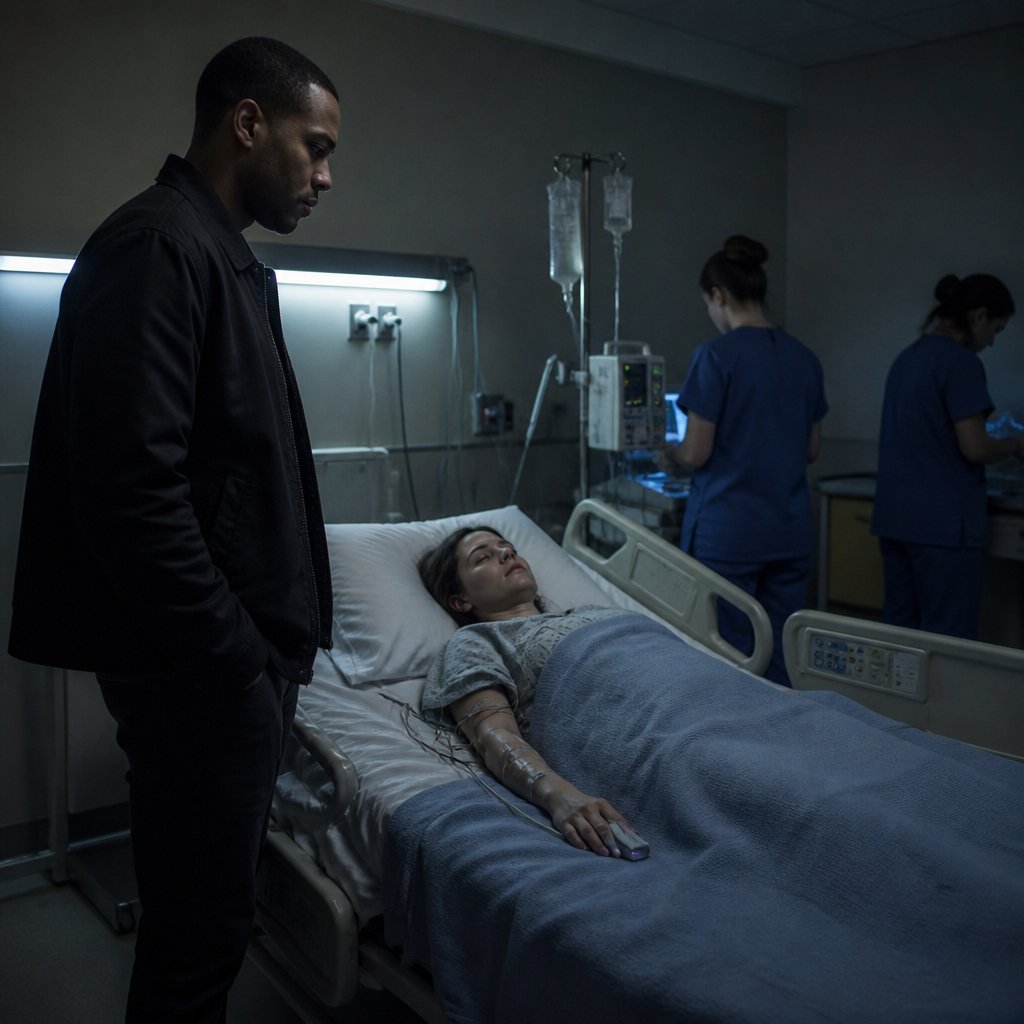
Jenna’s blood pressure dropped overnight, triggering a rapid response team. The nurses’ voices were hushed but urgent as they elevated her legs and administered fluids. Yet, despite the alarm, no imaging studies were ordered until morning. The vital signs monitor beeped persistently with low systolic readings around 80 mmHg. I stood near her bedside, feeling the cool hospital sheets and the faint antiseptic scent as the team worked.
The delay made no sense medically. Early imaging could have identified internal bleeding or bile leaks. Instead, the night shift deferred to morning radiology schedules. The gap stretched dangerously long. When I asked why, staff gave vague answers about protocol and resource availability. The time lost in that quiet hospital room weighed heavily on me, as Jenna’s condition continued to worsen.
CT Suggested Leak But Plan Was Observation
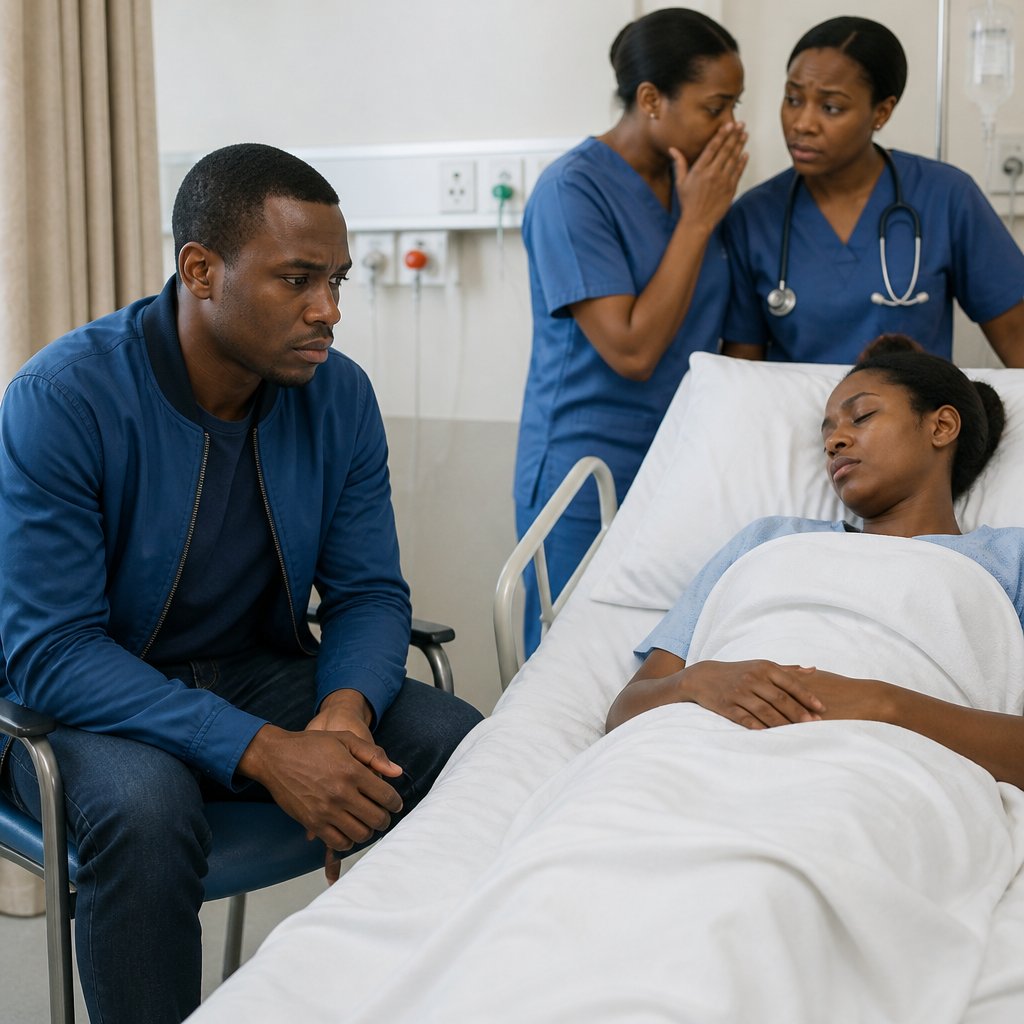
The morning CT scan showed free fluid around Jenna’s liver and abdomen, indicating a possible bile leak. The radiologist’s notes suggested urgent evaluation, but the clinical team decided to “observe” rather than intervene immediately. I overheard a whispered conversation between two nurses—one softly muttered “duct injury,” but when I asked directly, no one would confirm it.
The hospital room smelled faintly of antiseptic and faint coffee. I sat tensely beside Jenna, her skin cold to the touch despite warming blankets. The decision to delay intervention despite imaging evidence felt reckless. The whispered words haunted me. Why was the diagnosis spoken in code? The gap between what was seen and what was done grew wider.
Surgeon Denied Transfer To Specialized Care
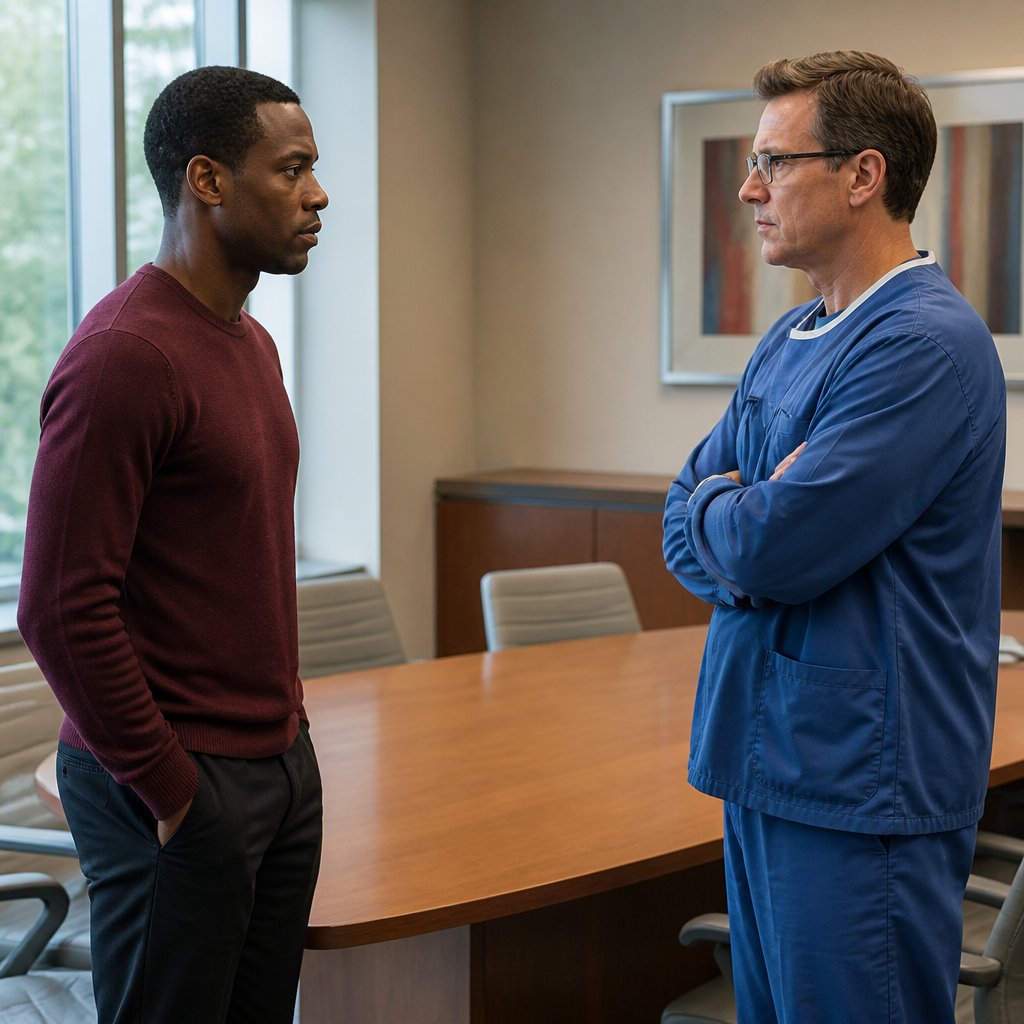
When I pushed for transferring Jenna to a tertiary referral center, Dr. Kessler refused. He insisted her gallbladder was just inflamed and denied any serious injury. The phrase “just inflamed” rang hollow after days of watching her deteriorate. The surgeon’s posture was firm, his blue surgical jacket clean despite the tension in the room. He blocked the transfer paperwork and minimized my concerns in a clipped voice.
The hospital staff seemed complicit, avoiding eye contact as I argued. This wasn’t passive delay anymore—it felt like active gatekeeping. The smell of antiseptic and the quiet hum of hospital machinery surrounded us, but the air was thick with frustration and fear. I felt powerless watching the surgeon protect his reputation at the cost of Jenna’s critical care.
Fever Spikes Raise Alarms
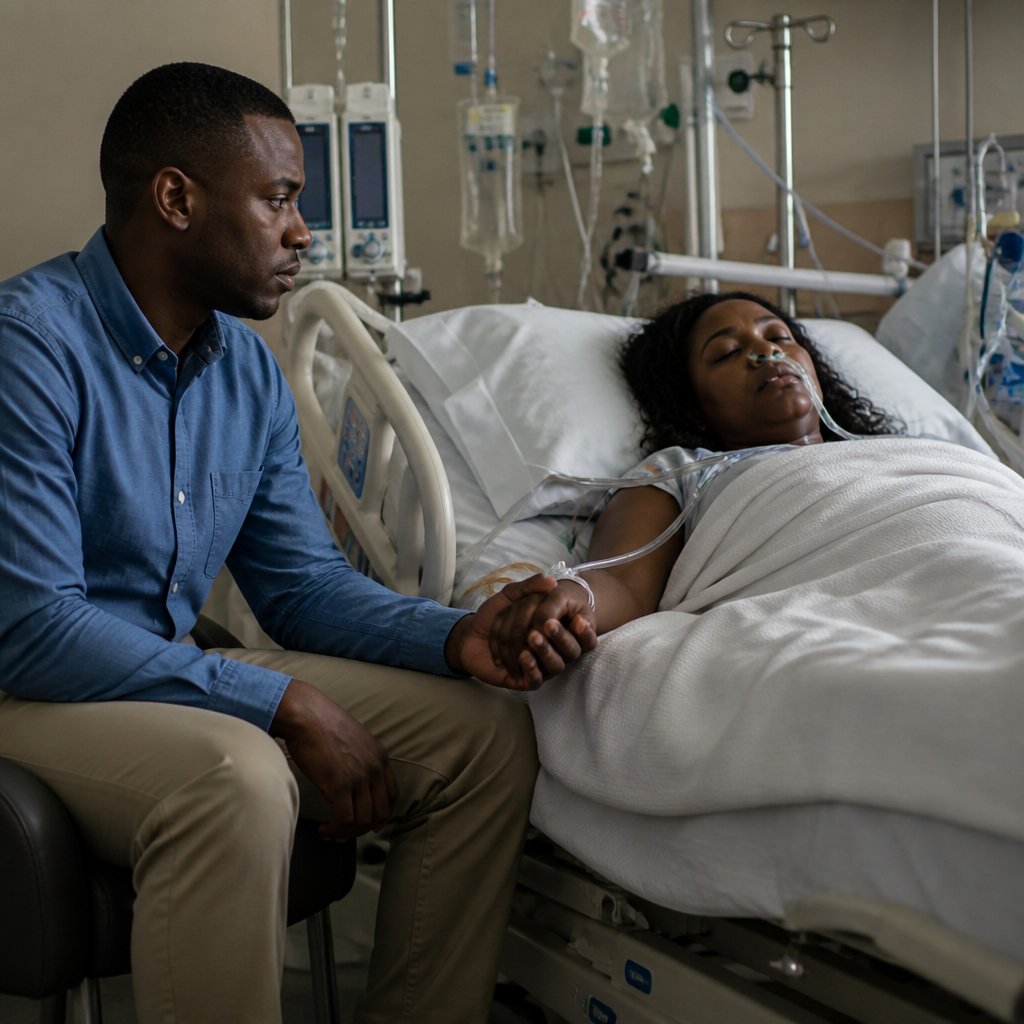
Jenna’s temperature climbed sharply two days post-op. The nurses noted it at 101.8°F at 3 AM, then again at 2 PM it reached 103.2°F. Blood cultures were finally drawn late that afternoon, nearly 36 hours after the first spike. Broad-spectrum antibiotics were started only after the cultures, even though the elevated temperature and Jenna’s worsening abdominal pain suggested infection earlier. Every chart entry recorded the delay, but no one spoke openly about it. I kept asking the nurses and resident physicians when the antibiotics would begin and why cultures had not been drawn sooner. They gave vague answers—standard protocol, they said, but the timings didn't add up. I noted the exact times on a notepad. The lack of urgency was glaring. Jenna’s skin felt hot and clammy as I held her hand, the beeping of the monitor punctuating the growing tension. The delay in treatment was significant, but no one was willing to admit error or explain the decision-making. I wondered if that hesitation would be recorded somewhere, or if it would be brushed aside in the hospital’s narrative.
Exploration Surgery Without Transparency
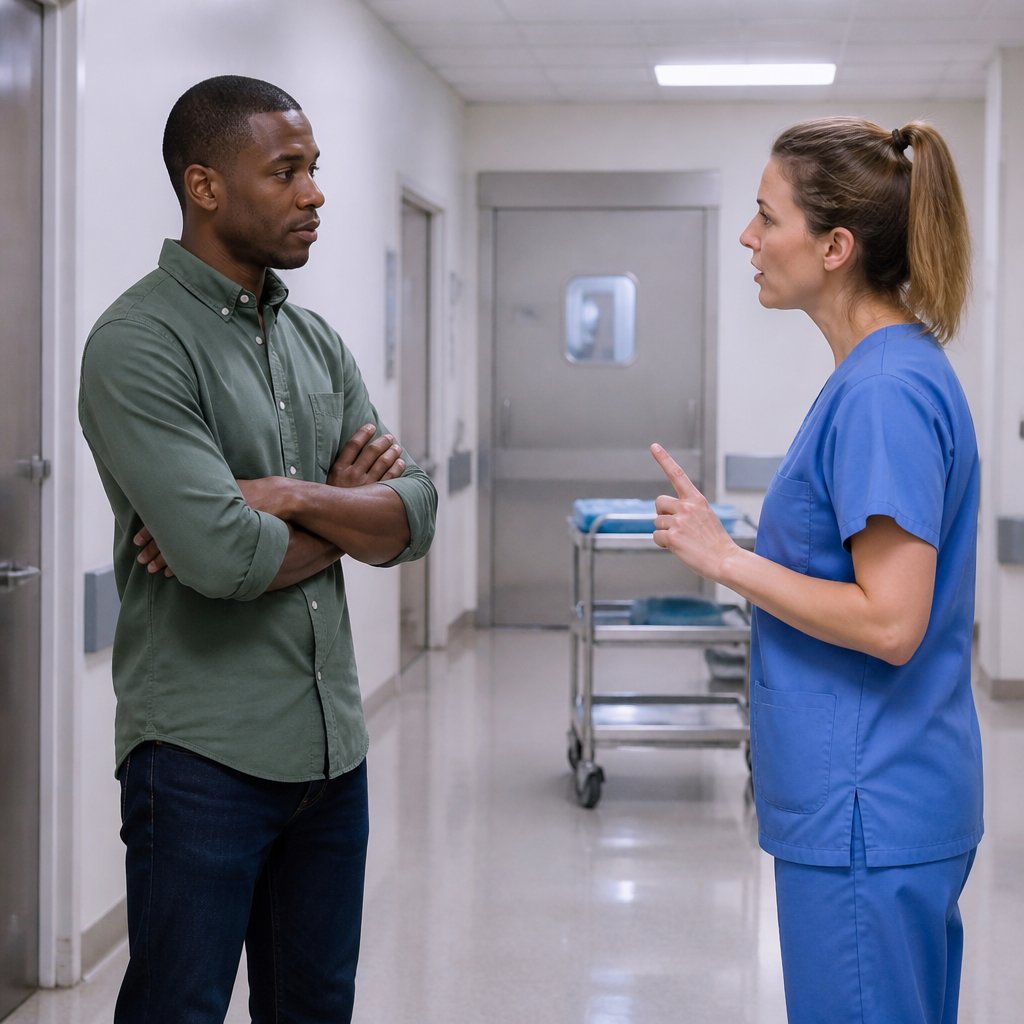
By late afternoon, Jenna’s condition worsened. The attending surgeon called for an urgent return to the operating room for exploration. I asked to accompany or at least watch the procedure, as was the hospital’s livestream policy. The response was an immediate refusal. The usual transparency was gone. The nurse manager told me viewers were no longer allowed in the OR, and cameras would be off. The change was sudden and official—no explanation. I felt sidelined, excluded from the process at the moment when answers were most needed. The OR hallway smelled sharply of antiseptic and warm metal equipment. I paced nervously, watching scrubbed staff enter and exit, their faces impassive. The absence of the livestream felt like a wall closing around the truth, restricting what I could see and hear. I tried to call the surgeon, but he avoided my questions. The hospital’s transparency policy was clearly rewritten overnight, but no one would say why or for how long it would hold.
Conflicting Accounts in Medical Records

Back in the ICU, I reviewed Jenna’s chart with the resident doctor. The notes included terms like "suspected bile duct transection" and "massive contamination." These were significant findings signaling a serious surgical complication. Yet when Dr. Kessler came to speak with me, he insisted Jenna’s initial surgery had been "clean," no mistakes made. His confident tone clashed with the clinical documentation. The ICU smelled faintly of antiseptic, and the rustle of pages turning filled the small consultation room. I asked for clarification, pointing to the words in the record. He deflected, emphasizing surgical complexity and downplaying the suspicion of injury. The disconnect between his statements and the chart was stark—was the record more truthful, or was the surgeon protecting himself? I made notes, knowing these conflicting narratives could become central in any legal challenge. The medical jargon made it harder to parse, but the mismatch felt like a cover-up in progress.
Livestream Platform Confirms Longer Recording

I contacted the livestream platform hosting Dr. Kessler's surgery videos. They confirmed the original recording was longer than the public archive. However, when I requested access to the full footage, the hospital's legal team immediately intervened, claiming the file was “corrupted” and could not be retrieved. They insisted that no usable version beyond the edited livestream existed.
My attorney warned me this was a common stalling tactic. Without forensic access to the original file, the hospital controlled the narrative. The platform's techs said recovery would require a forensic image of the hospital server, a process that could take months due to legal negotiations and technical hurdles.
Each delay felt like a calculated barrier. The hospital’s refusal to produce the unedited footage pointed to something being hidden. Meanwhile, my wife’s medical chart showed clearly worsening signs: rising white cell counts, hypotension, and increasing abdominal tenderness. The clock was ticking both for justice and for preventing similar harm to others.
As I stared at the bland hospital conference room wall during a meeting with legal experts, the faint hum of a fluorescent bulb overhead droned on endlessly. I realized the fight for the truth was only just beginning.
Backup Snapshot Reveals Hidden Edits

My tech consultant finally obtained a backup snapshot from the platform’s server. It showed the full-length surgery video had indeed existed and been accessed after Jenna’s operation crashed. Crucially, metadata attached to exports included files labeled "cut," "b-roll," and "arterial ooze"—terms that suggested surgical complications removed from the public livestream.
The metadata timestamps revealed Dr. Kessler’s account was involved in exporting these clips. But despite this digital breadcrumb trail, the hospital had not yet demanded he explain the edits. Their silence left me wondering what their next move would be.
Meanwhile, I reviewed Jenna’s medical chart again. Post-op notes documented a drop in hemoglobin and escalating fever. The nurses’ logs referenced sudden vasopressor administration and increased monitoring. All signs pointed toward uncontrolled bleeding and infection—exactly what the missing video segments might have captured.
Out the window of my lawyer’s office, I spotted a janitor mopping the floor, the faint smell of disinfectant lingering. It struck me how clinical spaces could conceal so much turmoil beneath their calm facades.
Kessler Denies Editing Medical Content
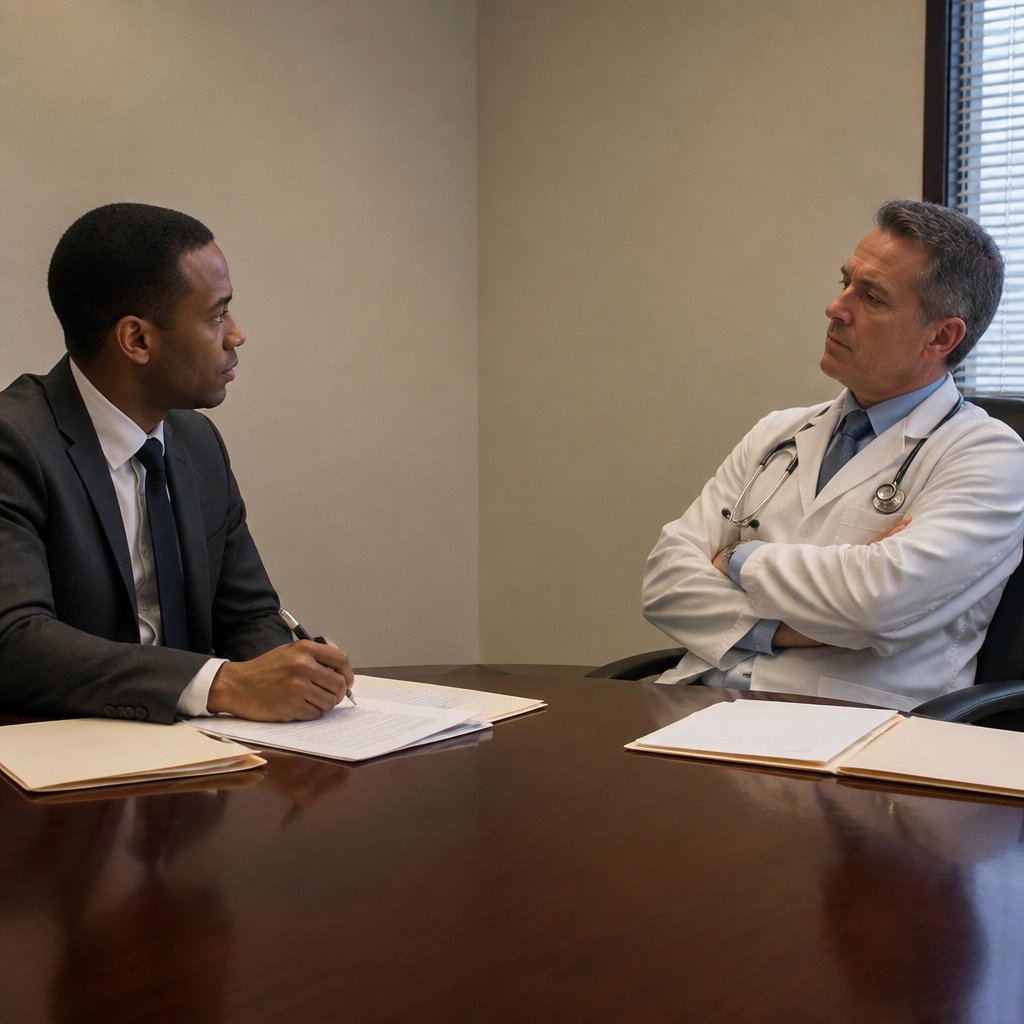
During the deposition, Dr. Kessler gave a measured response. He swore he never edited medical content from his livestreams. When confronted with export logs showing his hospital account had initiated the trim operations, he claimed these were only done to remove patient identifiers, not to hide complications.
He dared me to prove intent, staring directly at me, his crisp white lab coat immaculate, the stethoscope loosely hung around his neck. His tone was calm but defensive. The defense lawyer pressed him on the timing and naming of the exported clips, but Kessler maintained his version without hesitation.
Meanwhile, Jenna’s surgical ICU room smelled faintly of antiseptic and mechanical ventilators. Her medical chart showed escalating vasopressor requirements and rising lactate levels—indicators of deteriorating perfusion. The clinical picture contrasted sharply with Kessler’s testimony.
The tension in the deposition room hung heavy, like the sterile scent of isopropyl alcohol. I realized this clash of narratives was a pivotal moment in the case.
Defense Offers Confidential Settlement

The defense extended a large settlement offer, conditional on strict confidentiality clauses. They demanded the full video be sealed as protected health information (PHI), effectively paying to keep the missing minutes permanently hidden from public or legal scrutiny.
My attorney reviewed the proposal with me in his wood-paneled office. The room smelled faintly of old books and polished oak. The terms included not only financial compensation but also binding non-disclosure agreements and a sealed court record to prevent release of any footage or related evidence.
While the offer was tempting, accepting it would mean abandoning the quest for transparency and accountability. The hospital’s position was clear: protect Dr. Kessler’s reputation at all costs, even if it meant burying evidence critical to patient safety.
I stared at the thick contract on the desk, the crisp paper edges sharp under the office’s warm desk lamp. I knew the next decision could define the entire battle ahead.
Should the hospital have been held accountable for this?