

The Left Knee Had Been Bad for Years
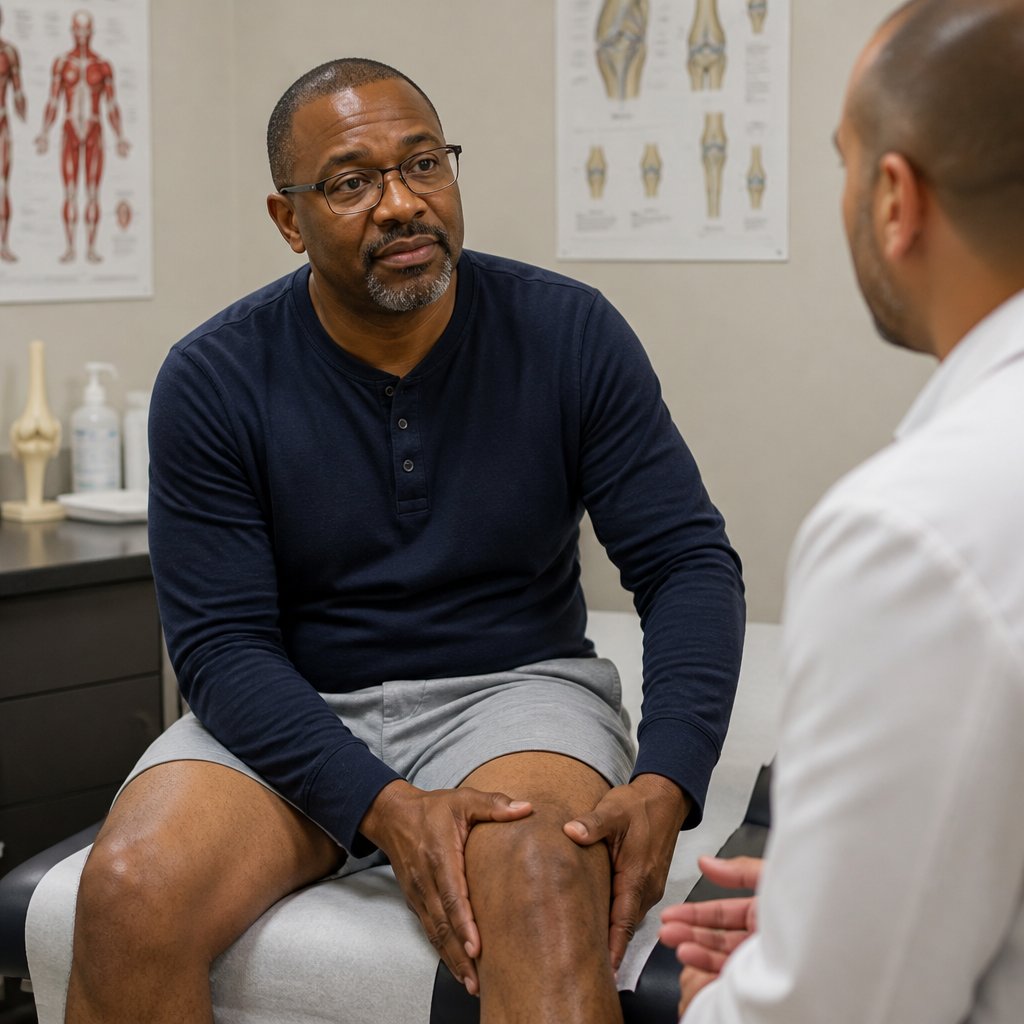
My left knee started giving out on me when I was forty-three. I'm a postal carrier — twenty-two years of walking routes, six days a week, rain or shine. The cartilage had worn down to the point where my orthopedist said bone was grinding against bone. He showed me the MRI and even I could see it — the left knee looked like a chewed-up eraser compared to the right.
Dr. Raymond Park at Oakdale Medical Center scheduled me for arthroscopic surgery. Clean out the debris, smooth the surfaces, buy me another few years before a full replacement. Routine procedure, he said. In and out. I'd be back on my route in six weeks.
I Marked My Leg With a Sharpie
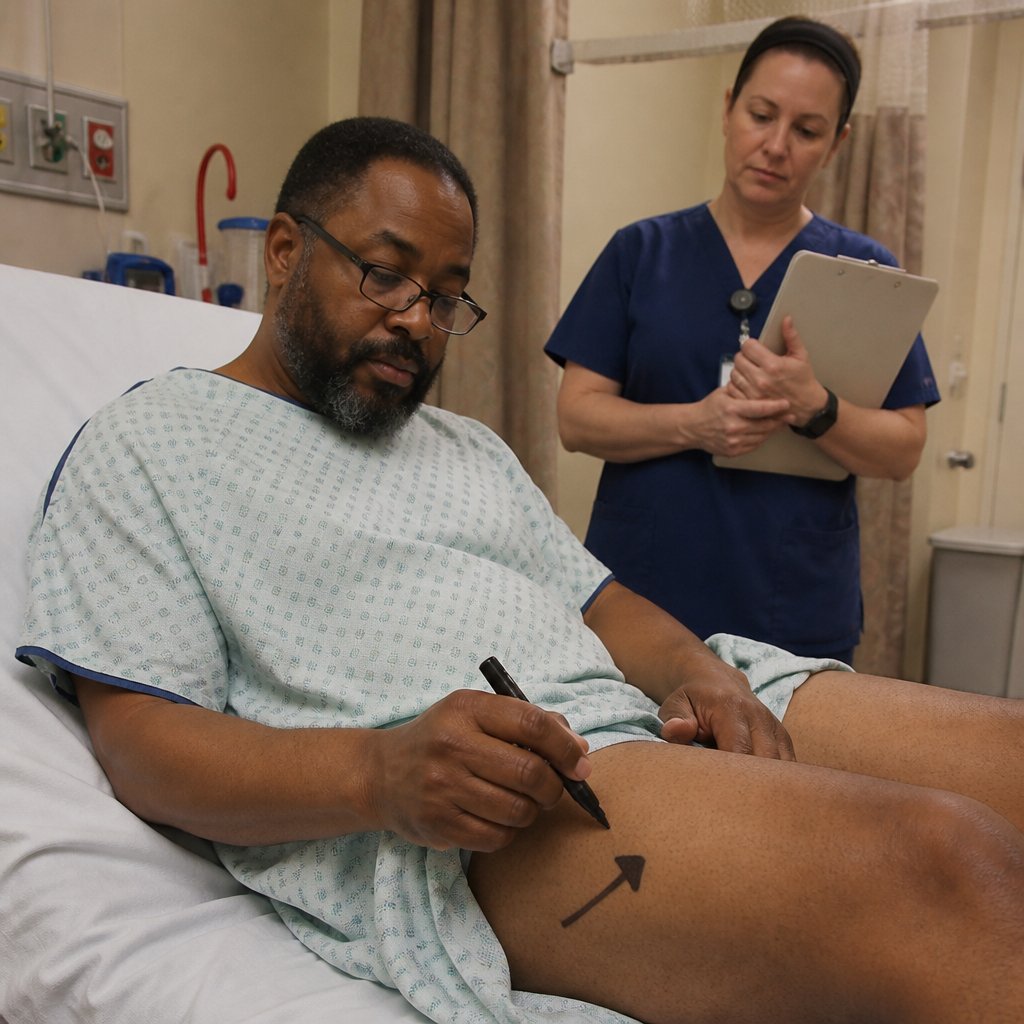
The morning of surgery, a nurse came in to do the pre-op checklist. She asked me which knee. I said left. She handed me a Sharpie and asked me to mark it. I drew an arrow on my left thigh pointing down to the knee. Big, thick, obvious. I even wrote "THIS ONE" next to it because I'd read stories about wrong-site surgeries and they terrified me.
She checked my wristband, confirmed the procedure, and said Dr. Park would be in shortly. He came by five minutes later, glanced at the clipboard, said "We'll take good care of you, Marcus," and that was it. I don't remember him looking at my leg. I assumed he didn't need to.
I Woke Up on the Wrong Side
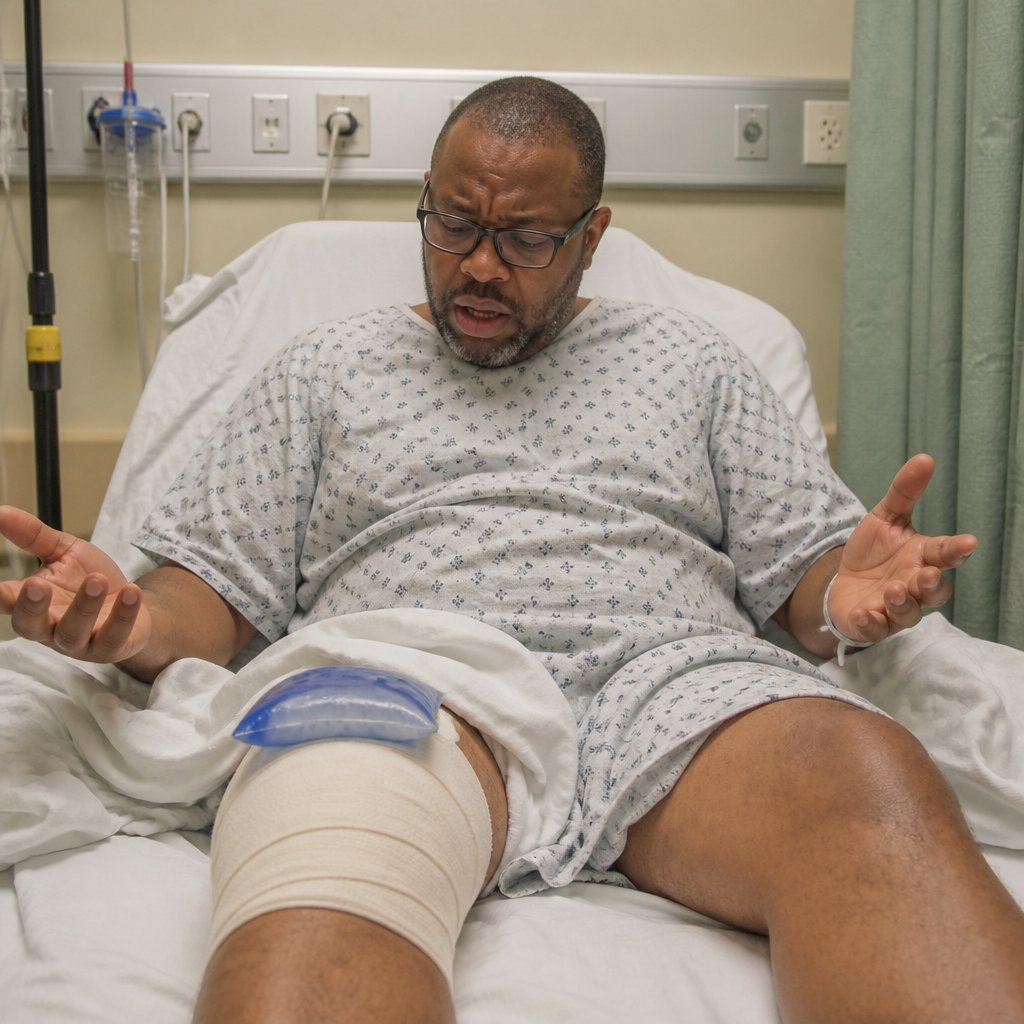
The anesthesia wore off in stages — sounds first, then light, then pain. The pain was in my right knee. Not my left. My right. I opened my eyes and looked down. The bandage, the ice pack, the compression wrap — all on my right knee. My left knee was bare, untouched, still aching the same way it had when I walked in that morning.
I stared at it for a long time. My brain kept trying to make it make sense. Maybe they'd wrapped the wrong leg by accident after doing the right one? Maybe I was still confused? I touched the bandage on my right knee and felt the sting of a fresh incision underneath. No. They'd cut into the wrong knee.
The Nurse Laughed
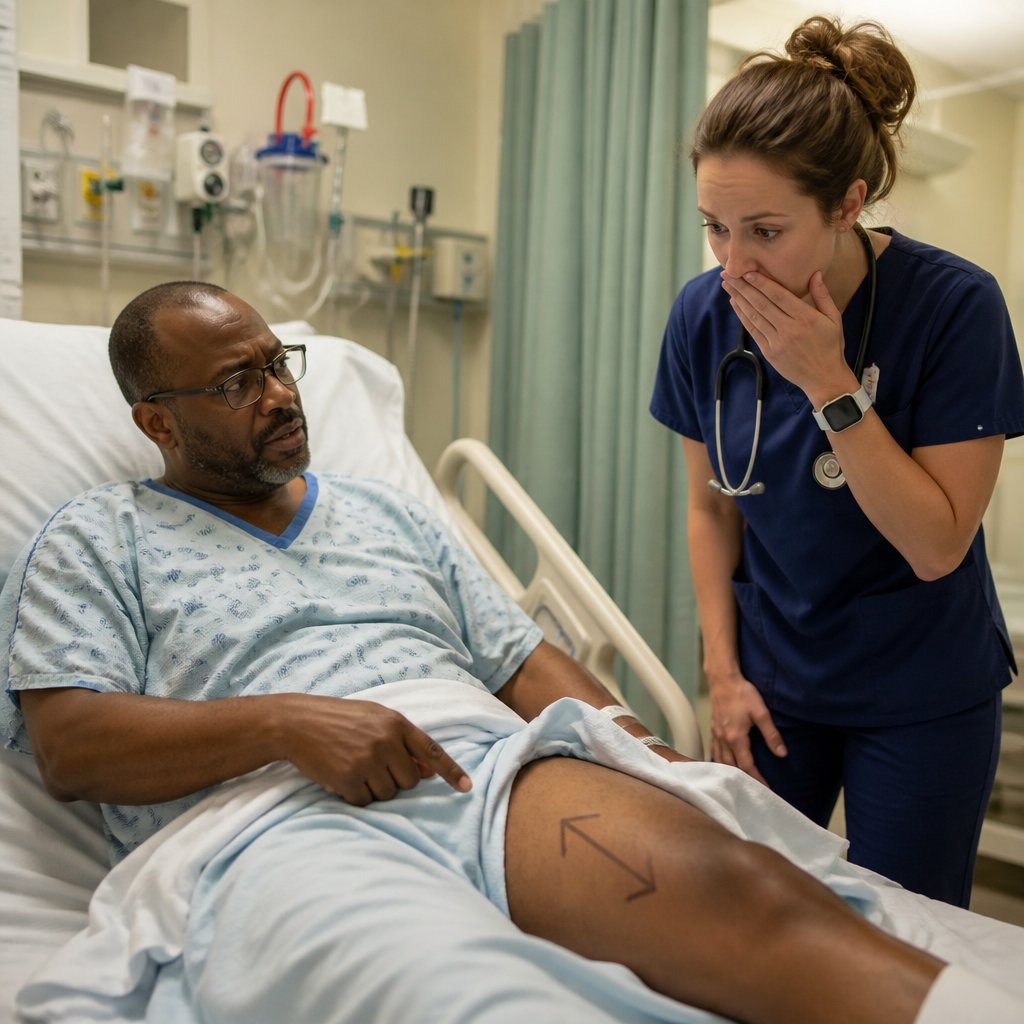
I pressed the call button. A nurse came in — not the same one from pre-op. I said, "I think they operated on the wrong knee." She looked at the chart, looked at my legs, and said, "Oh, you're probably just disoriented from the anesthesia. It'll pass." She actually laughed. A small, dismissive laugh, like I'd said something quaint.
I pulled back the blanket and pointed at my left thigh. The Sharpie arrow was still there. "THIS ONE," it said, pointing at the knee that nobody had touched. The nurse stopped laughing. She looked at the arrow, looked at the bandaged right knee, and her face went white. She left the room without saying anything else.
Dr. Park Came in Thirty Minutes Later
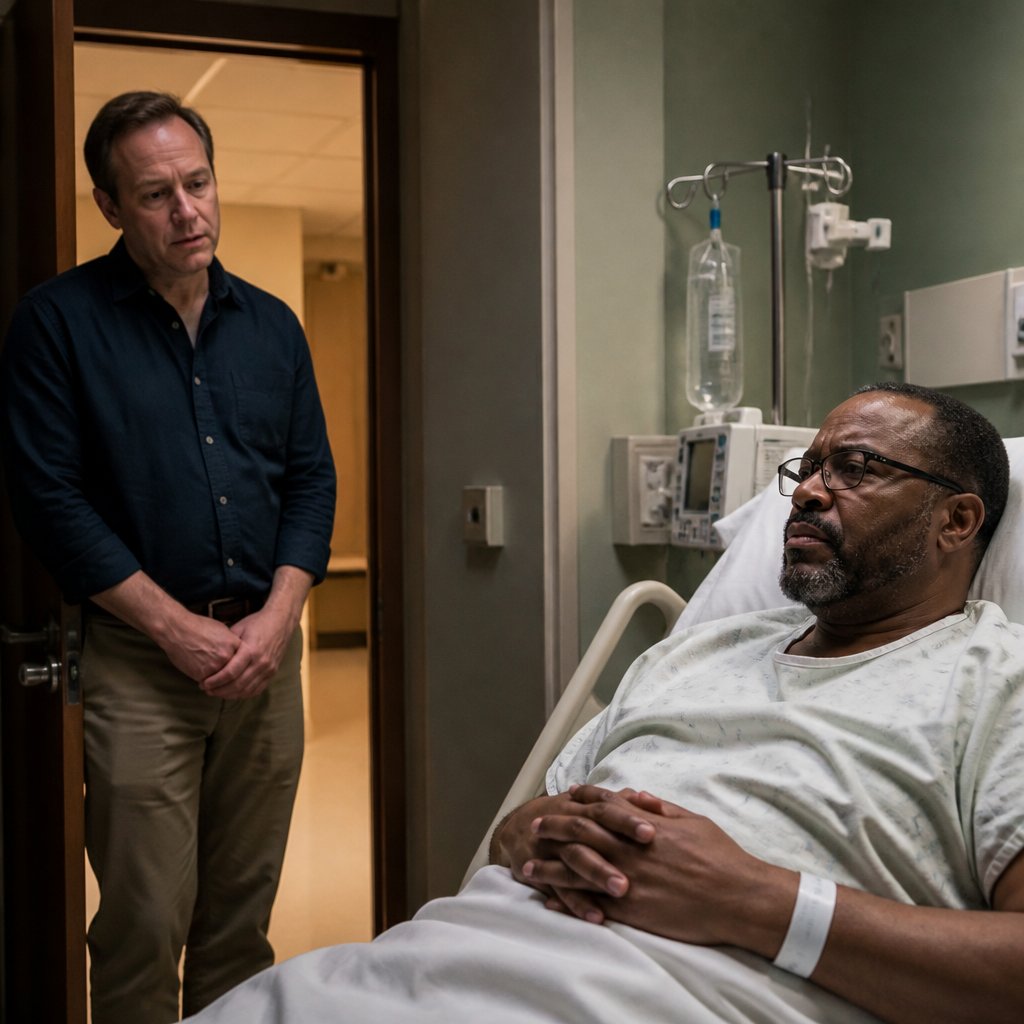
It took thirty minutes. Thirty minutes of me lying there alone, knowing, before Dr. Park walked in. He wasn't wearing his surgical scrubs anymore. He was in regular clothes — like he'd started changing to go home and got called back. His face had the expression of a man who'd just been told something he didn't want to believe.
He said: "Marcus, I want to be transparent with you. There appears to have been a laterality error." A laterality error. That's what they call it when they cut open the wrong side of your body. Like it's a math problem instead of a knife in the wrong knee.
They Wanted to Do the Left Knee That Same Day
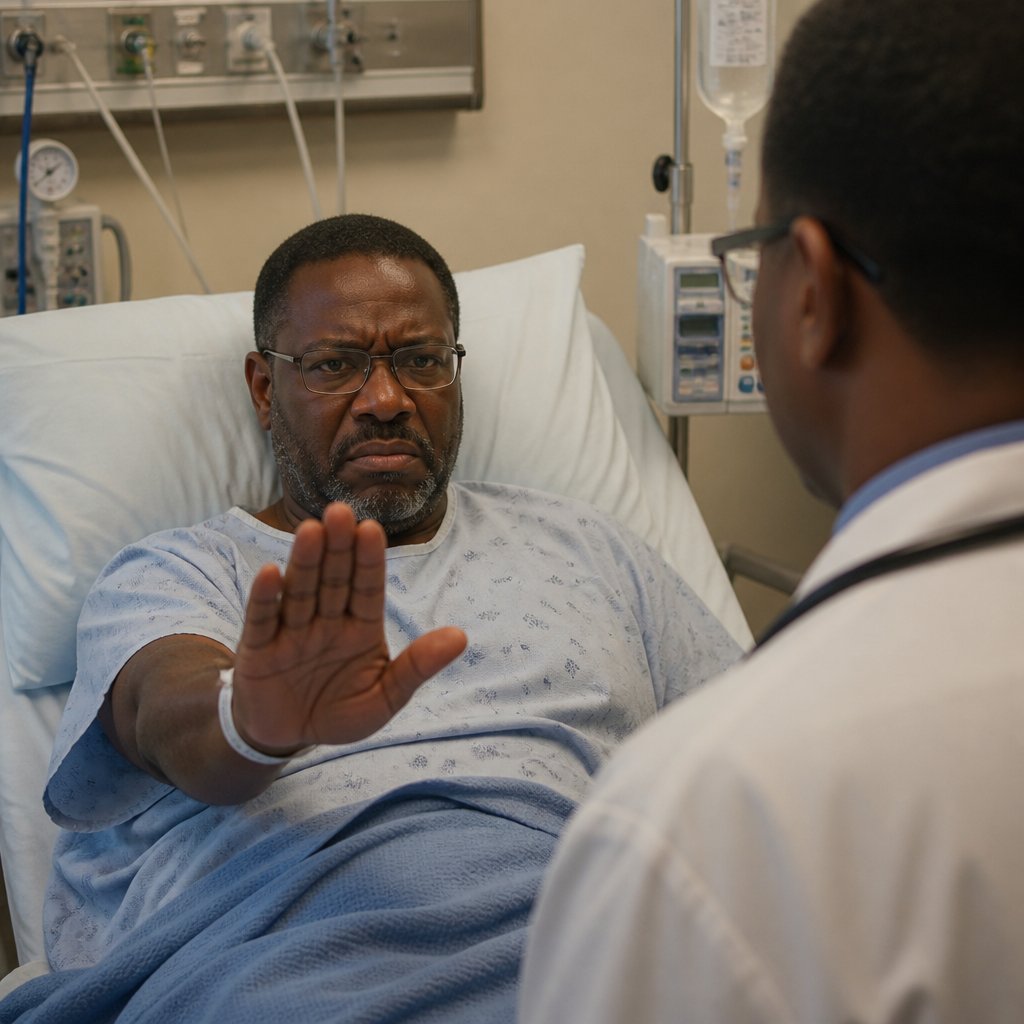
Here's the part that still makes my blood pressure spike. After explaining the error, Dr. Park said — and I will never forget this — "The good news is we can go ahead and do the correct knee today while you're already here. We'll just need you to sign a new consent form."
He wanted me to let the same team that just cut open the wrong leg go back in and try again. On the same day. In the same operating room. I looked at him for a long time. Then I said: "Get me someone from patient advocacy. Now. And don't touch me again."
The Incident Report Was Three Pages Long
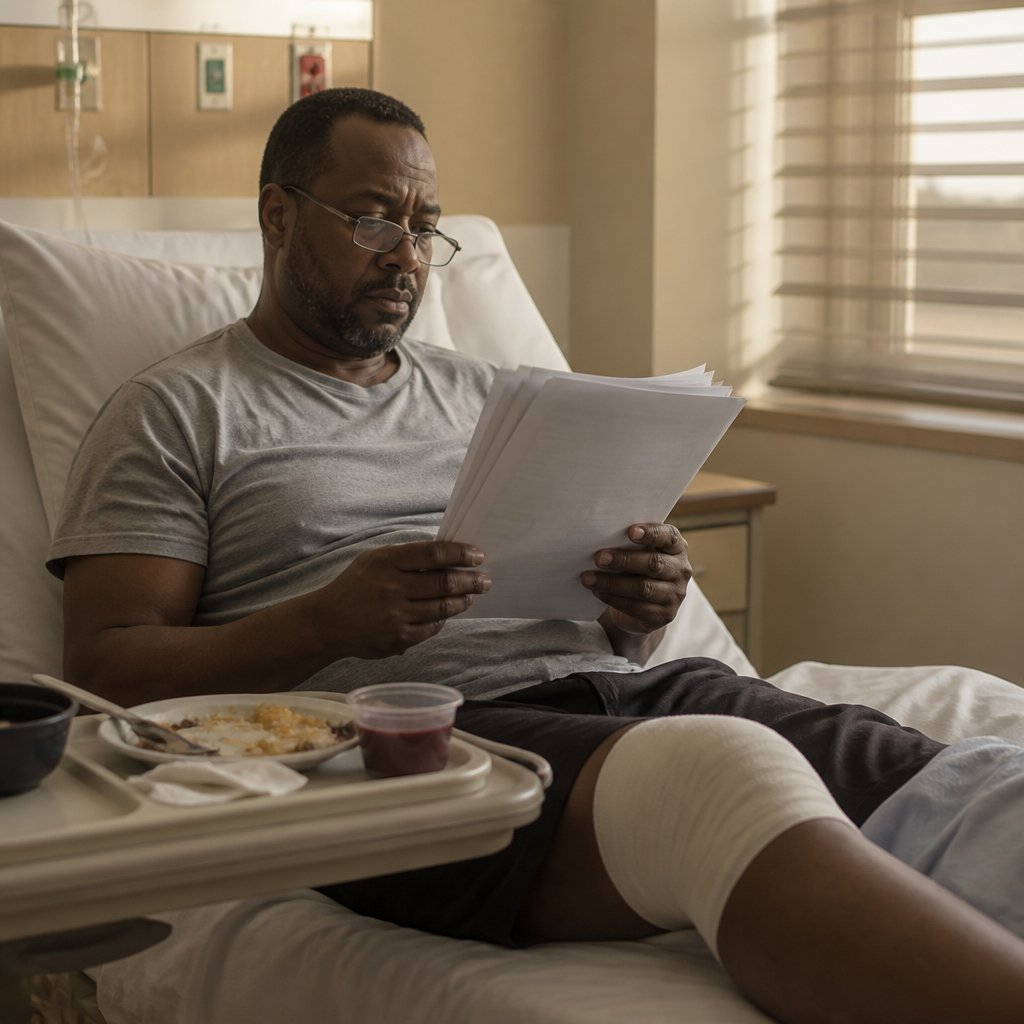
Patient advocacy sent a woman named Karen who took notes and said "I understand" twelve times. She gave me a copy of the incident report, which I read sitting in that hospital bed with one knee freshly operated on for no reason and the other still grinding bone on bone.
The report listed the root cause as "failure to complete the surgical time-out checklist." The time-out is the moment before the first cut when the whole team is supposed to stop and verify the patient, the procedure, and the correct site. According to the report, the time-out was documented as completed. But it hadn't been. Someone had checked the box without actually doing the check.
My Sister Found Me the Lawyer
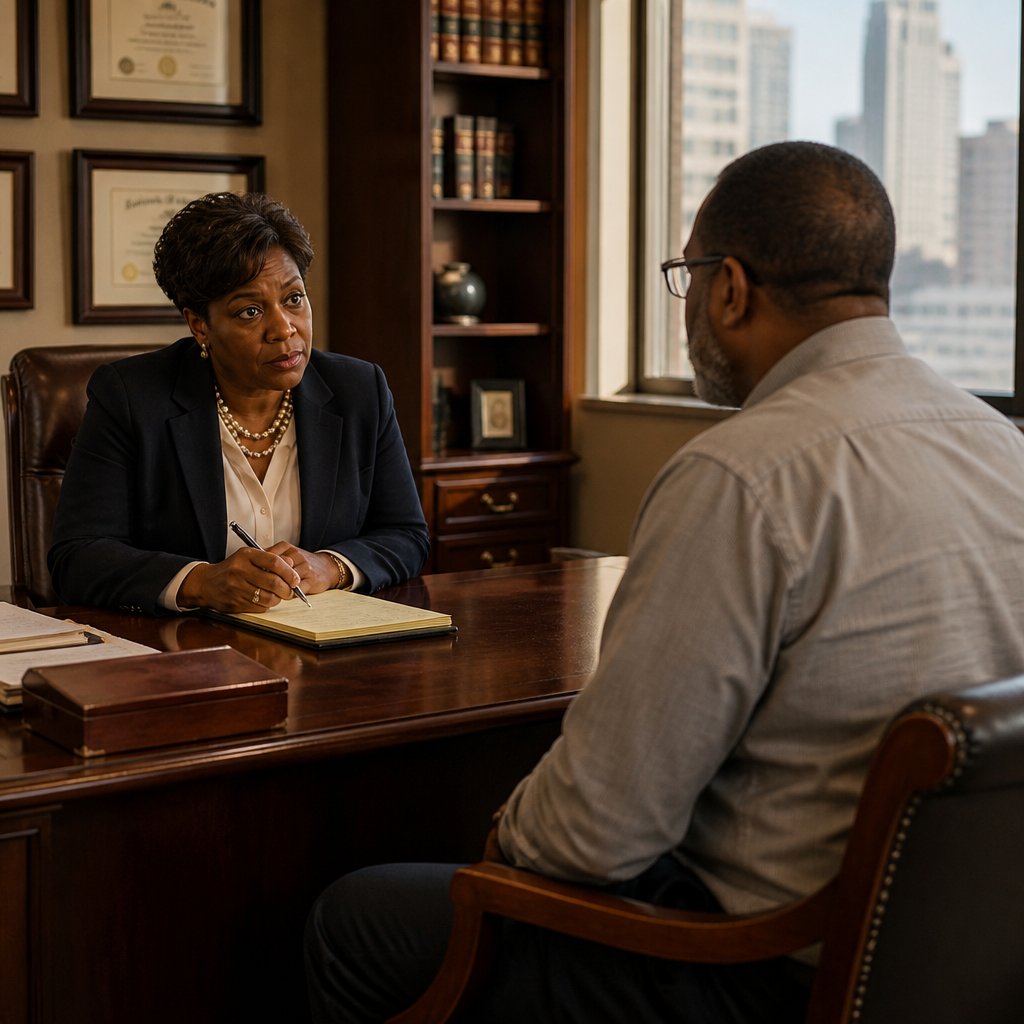
My sister Denise is the kind of person who handles a crisis by making phone calls. By the time I was discharged the next morning — with a knee I didn't need operated on throbbing and a knee that still needed surgery untouched — she'd already talked to three attorneys. The one she liked best was Carolyn Ware, a medical malpractice specialist with a corner office downtown and a reputation for not settling cheap.
Carolyn listened to my story without interrupting. When I got to the part about the nurse laughing, her pen stopped moving. When I got to the part about them offering to do the correct knee the same day, she set the pen down entirely. "Mr. Dalton," she said, "this is one of the most clear-cut cases I've ever heard."
They Tried to Blame the Sharpie
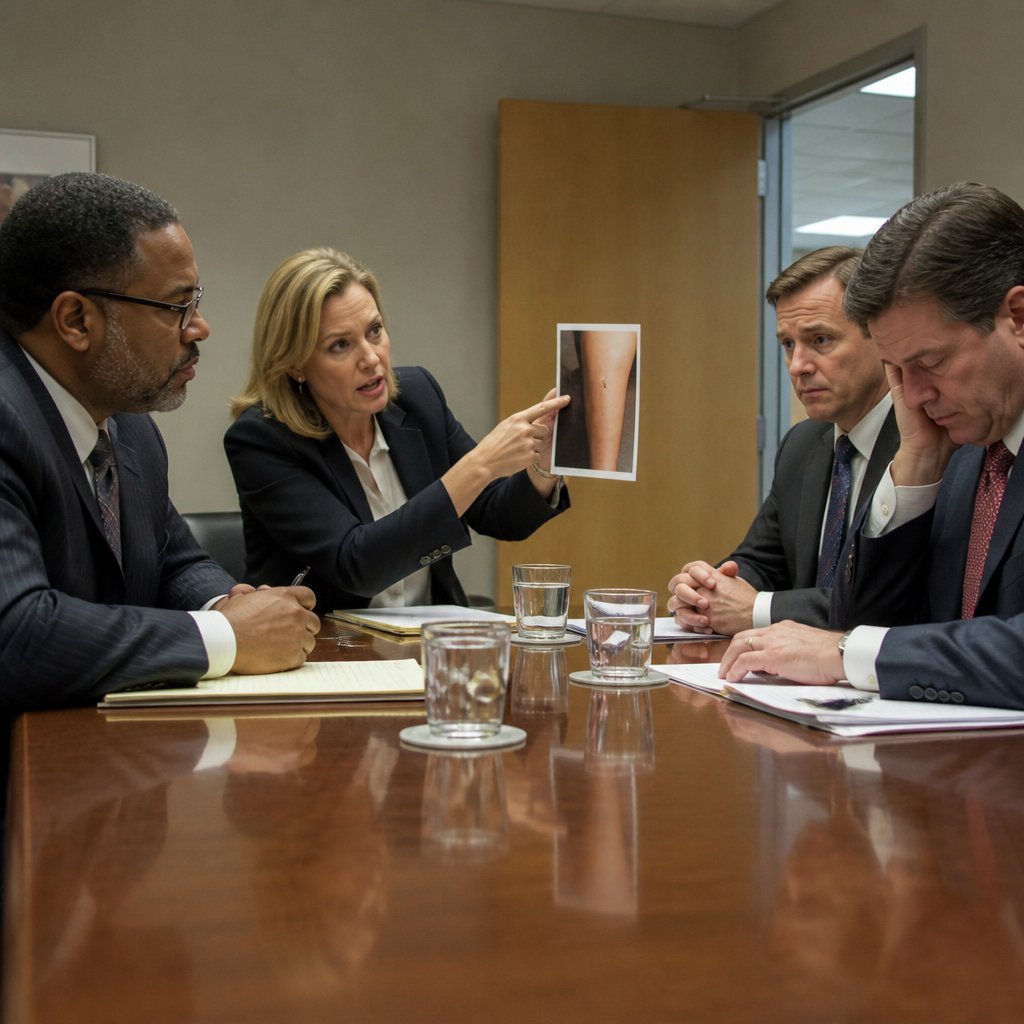
The hospital's defense was creative, I'll give them that. Their lawyers argued that my Sharpie mark was "ambiguous" — that the arrow could have been interpreted as pointing upward rather than downward, and that writing "THIS ONE" was "informal and not part of the standard site-marking protocol." They argued I should have circled the knee, not drawn an arrow.
Carolyn showed me their response and watched my face. Then she said: "They're going to argue this in front of a jury of people who can see a photograph of an arrow pointing at your left knee with the words 'this one' written next to it. I want you to think about how that's going to go for them."
The Surgical Team Had Done It Before

Discovery revealed something that turned my stomach. Three years before my surgery, the same operating room team had a "near miss" — they'd prepped the wrong hip on a patient before a resident caught it during the time-out. The hospital had documented it, required remedial training, and closed the file. No disciplinary action. No changes to the team.
The remedial training was a thirty-minute online module about surgical safety. Thirty minutes. Click through some slides, take a quiz, check a box. That was the hospital's response to almost cutting open the wrong hip. Three years later, they actually cut open the wrong knee. Mine.
I Still Needed the Left Knee Done
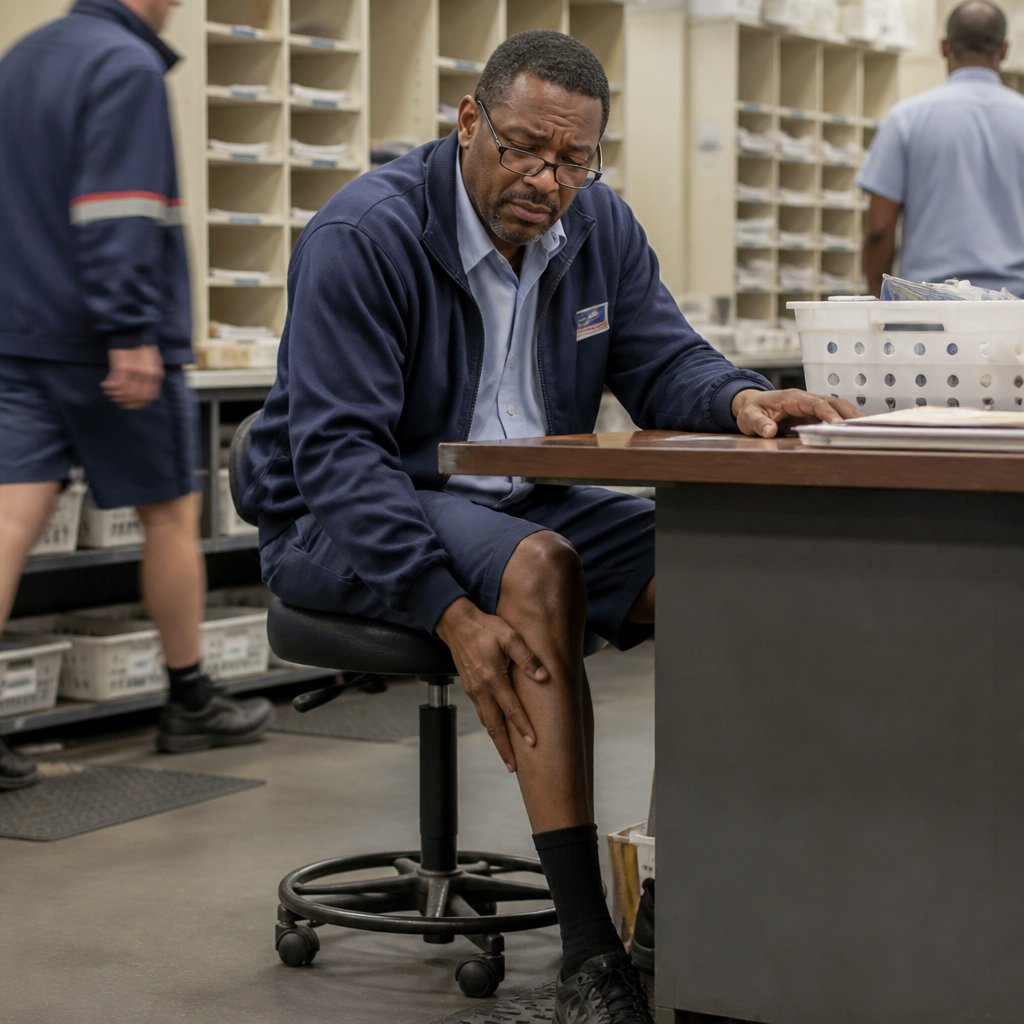
That was the cruelest part. While the lawsuit ground forward, my left knee — the one they were supposed to fix — was getting worse. Every day on my mail route was agony. I'd come home and ice it and dread the next morning. But I couldn't bring myself to go back to Oakdale, and no other surgeon would touch me while the lawsuit was active. Liability concerns, they said.
I was stuck. Damaged right knee healing from a surgery I didn't need. Damaged left knee still waiting for the surgery I did. Walking six miles a day delivering mail because I couldn't afford to stop working. The postal service gave me a desk assignment after three months, but it paid less and the boredom was its own kind of suffering.
The Deposition Was Brutal
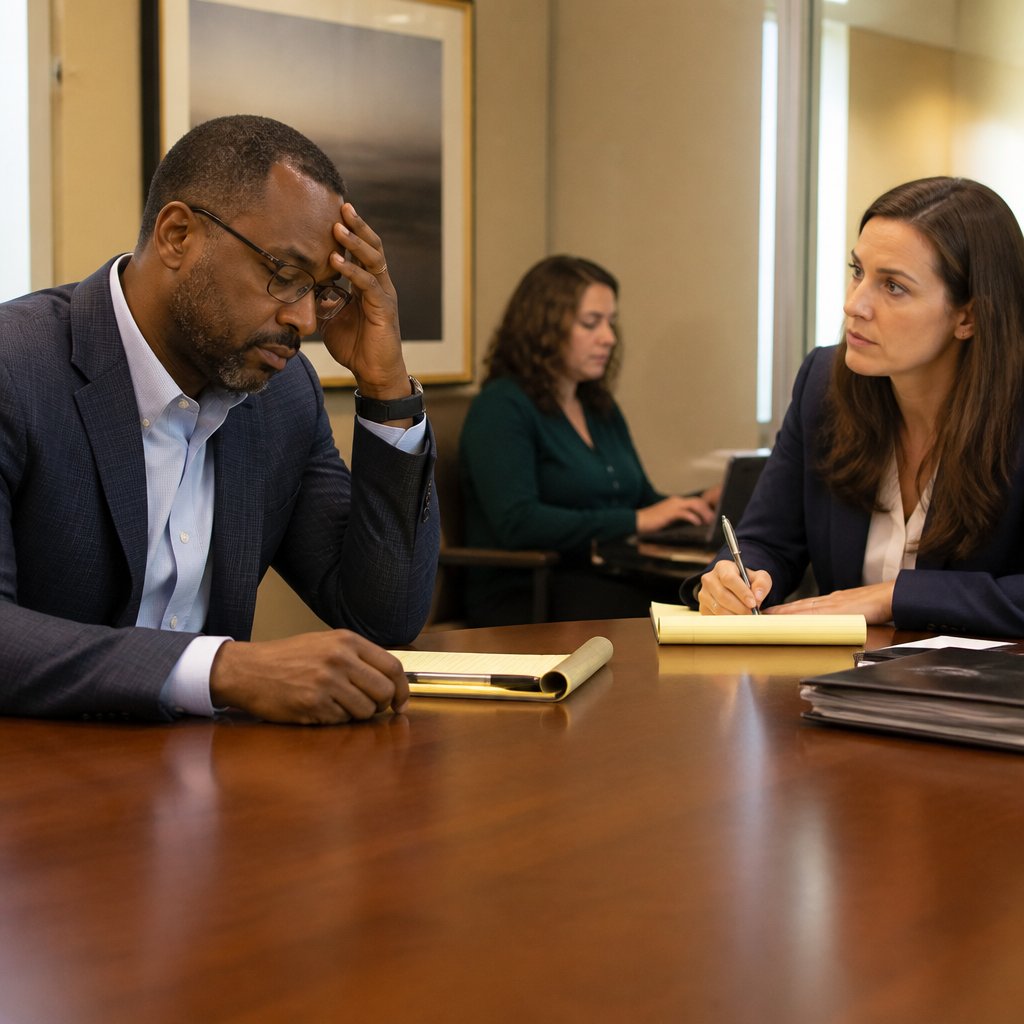
Carolyn deposed Dr. Park for four hours. She walked him through the surgical time-out protocol step by step. Had he personally verified the surgical site? He said he believed so. Did he see the Sharpie marking? He couldn't recall. Did he compare the marking to the consent form? He said the team handles that. Did he check the MRI images in the OR before the first incision? Long pause. No, he had not.
She asked him: "Doctor, if you had looked at Mr. Dalton's legs before making the incision, would you have seen a large arrow and the words 'this one' on the left leg?" Another long pause. "Yes." "And would that have prevented this error?" The longest pause of all. "Yes. It would have."
The Hospital Offered $400,000
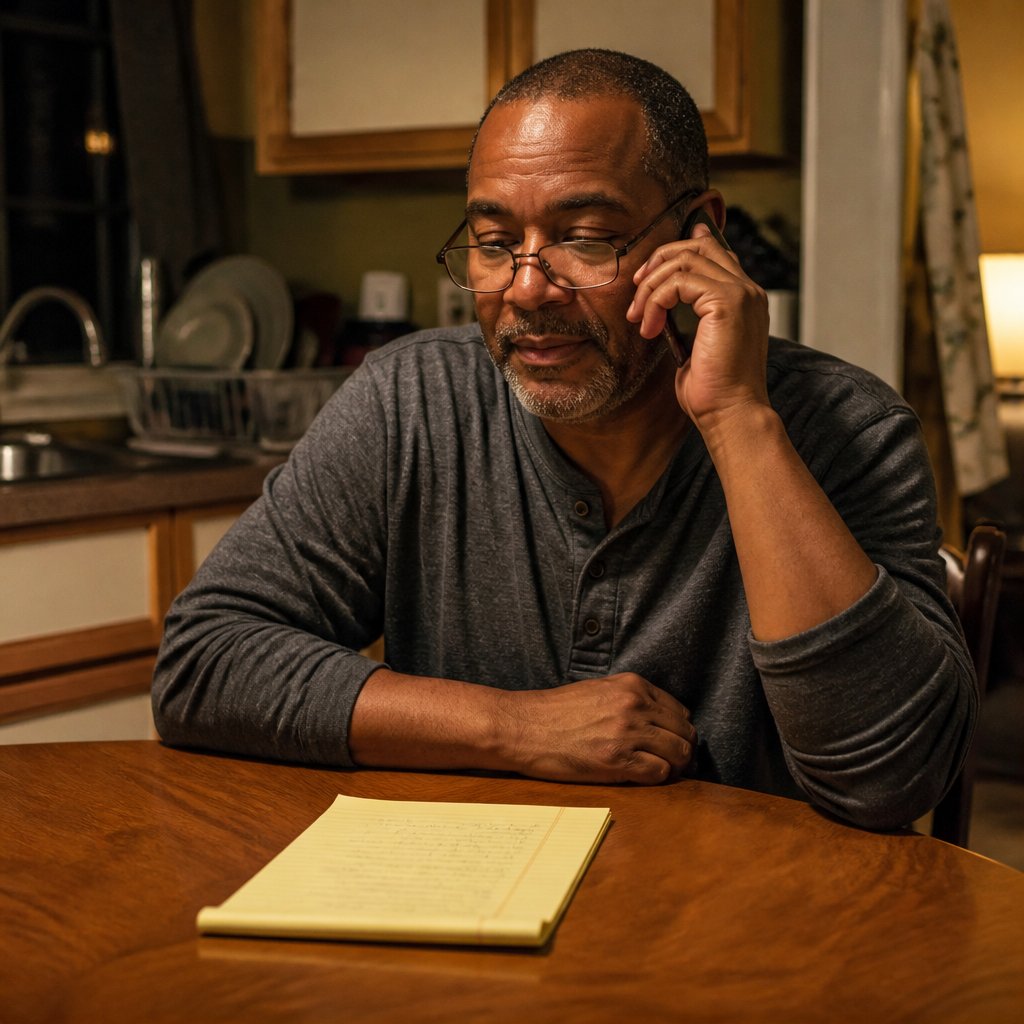
After the deposition, the hospital's insurance carrier made an offer: $400,000. Carolyn called me that evening. She said it was a real number — not a lowball — but that she thought we could do significantly better at trial given the prior incident, the falsified time-out documentation, and the strength of the Sharpie photos.
I asked her what she honestly thought a jury would award. She said medical malpractice juries in our county had been ranging from $500,000 to $1.2 million for wrong-site surgeries, and that ours was stronger than most because of the cover-up element. I told her to reject it. She said she was hoping I'd say that.
The Jury Selection Told Me Everything
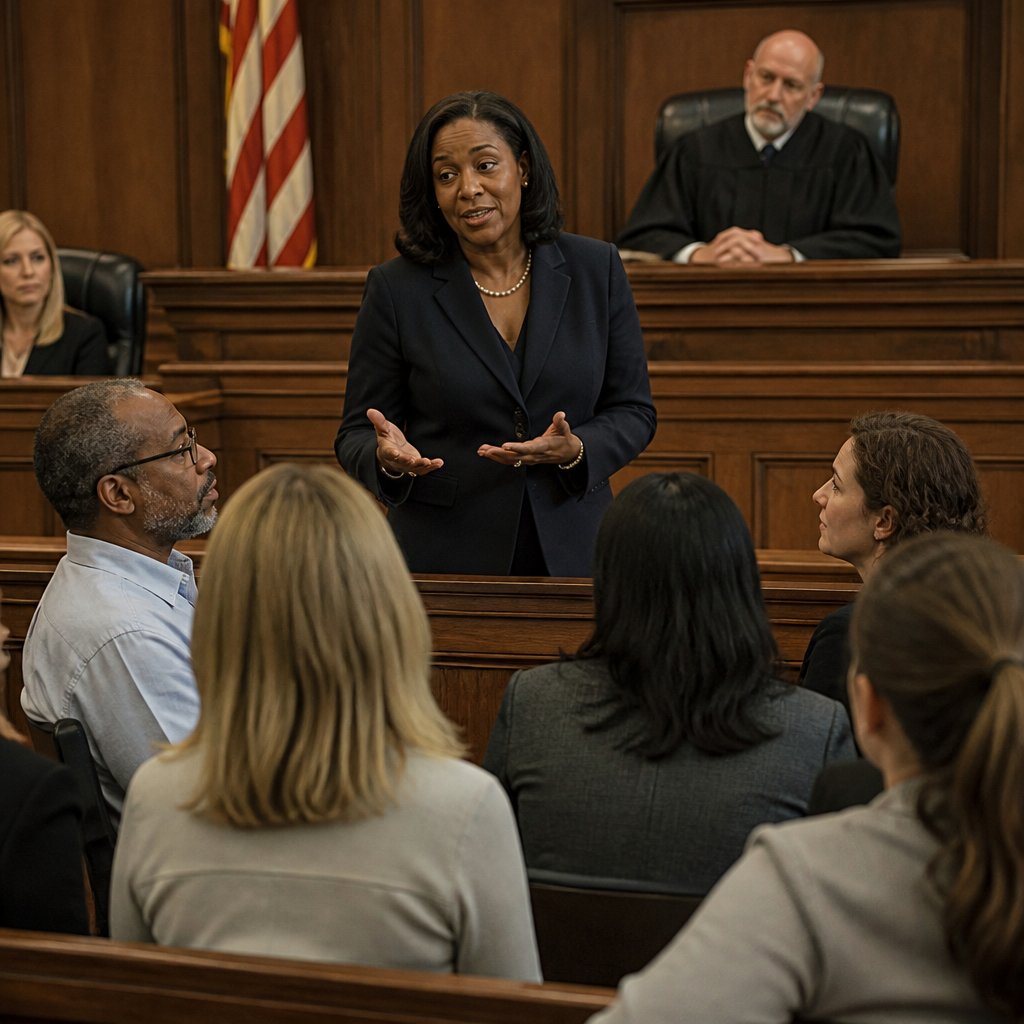
We went to trial in October, thirteen months after the surgery. During jury selection, Carolyn asked each potential juror the same question: "If you went in for surgery on your left knee and woke up to find they'd operated on your right, how would you feel?" Every single person answered some version of horrified, furious, or violated. The defense attorney objected twice. The judge overruled him both times.
We ended up with six jurors and two alternates. A teacher, a mechanic, a retired nurse, an accountant, a stay-at-home dad, and a woman who managed a hardware store. Regular people. People with knees. That mattered more than anything.
I Showed Them the Arrow
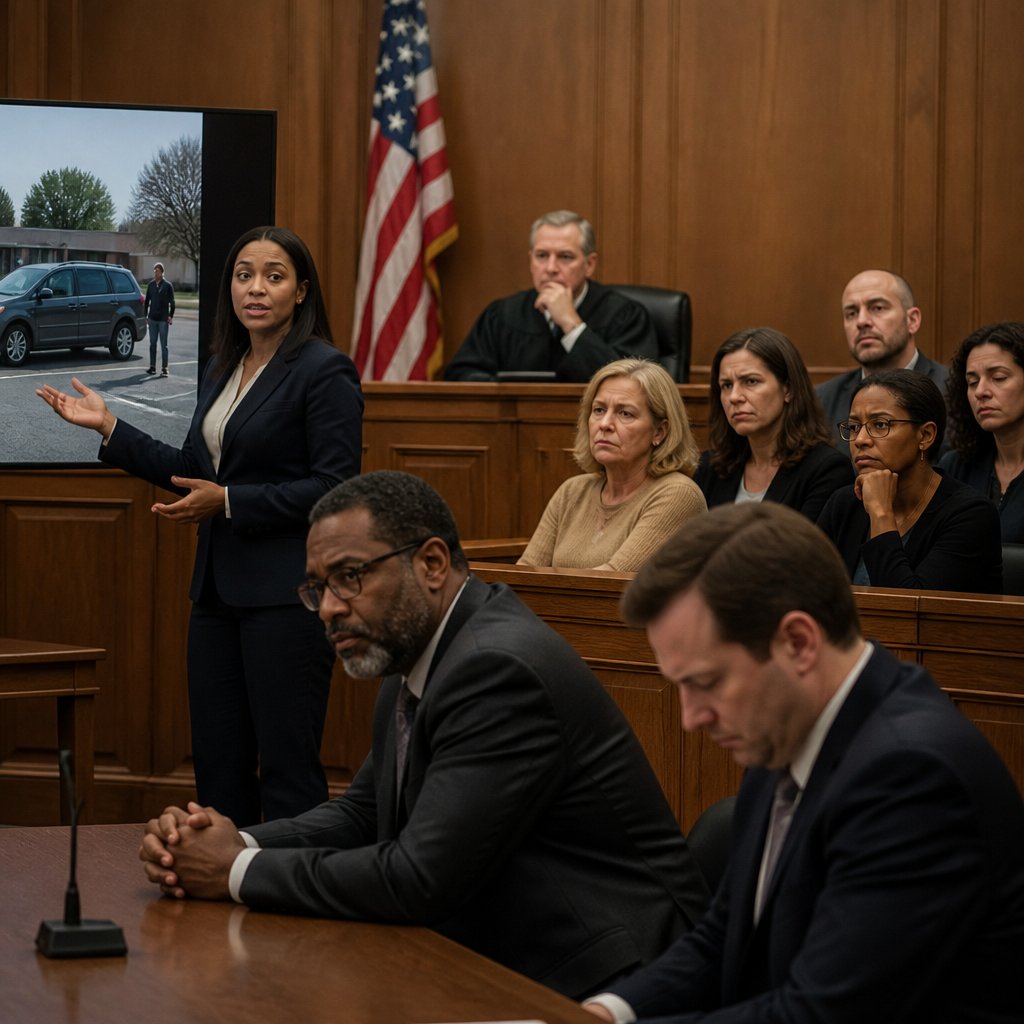
The most powerful moment of the trial was the simplest. Carolyn put a photograph on the screen — the one the ER nurse had taken of my legs as part of the incident documentation. Left leg: big Sharpie arrow pointing down, "THIS ONE" written clearly beside it. Right leg: bandaged from a surgery nobody ordered on a knee that was perfectly healthy that morning.
The courtroom was silent. Two jurors leaned forward. The retired nurse closed her eyes and shook her head slowly. The defense attorney stared at the table. There was nothing to argue. The arrow was right there. It had always been right there.
The Jury Came Back in Ninety Minutes
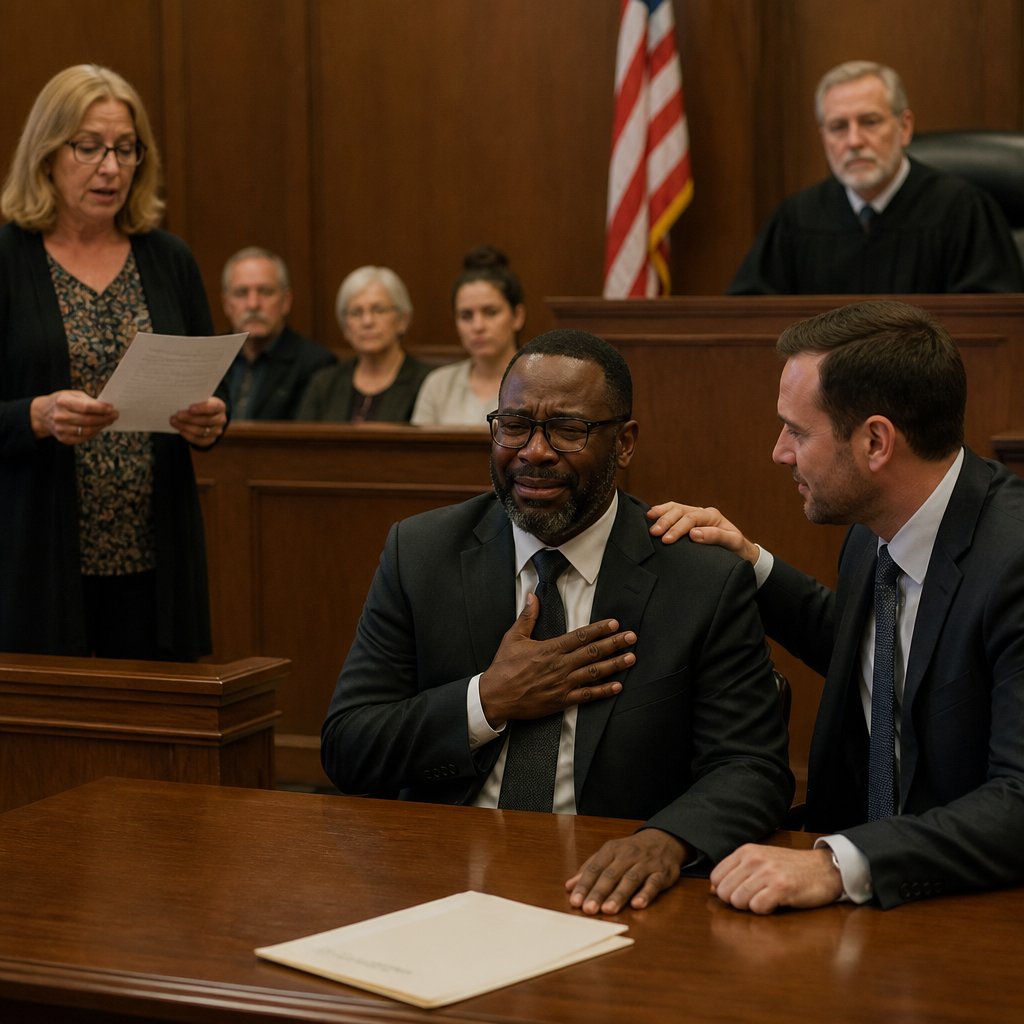
Ninety minutes. They awarded $850,000. The breakdown was $150,000 for the unnecessary surgery and recovery, $200,000 for the delay in treating my actual condition, $200,000 for lost wages and diminished earning capacity, and $300,000 for pain and suffering. The foreperson — the hardware store manager — read the numbers in a clear, firm voice. She looked at me when she was done. It felt like acknowledgment.
Dr. Park wasn't in the courtroom for the verdict. The hospital's risk management director was. She scribbled numbers on a legal pad without looking up. The defense attorney shook Carolyn's hand. It was professional. It was over.
I Got the Right Knee Fixed Three Months Later
After the verdict, I found a new orthopedist — Dr. Linda Chow, at a different hospital, with a different surgical team. I brought my own Sharpie. I marked the knee. I watched the time-out happen. Every person in that room verified the correct site out loud. Dr. Chow told me later she'd heard about my case and that her team had started doing double-verification because of it.
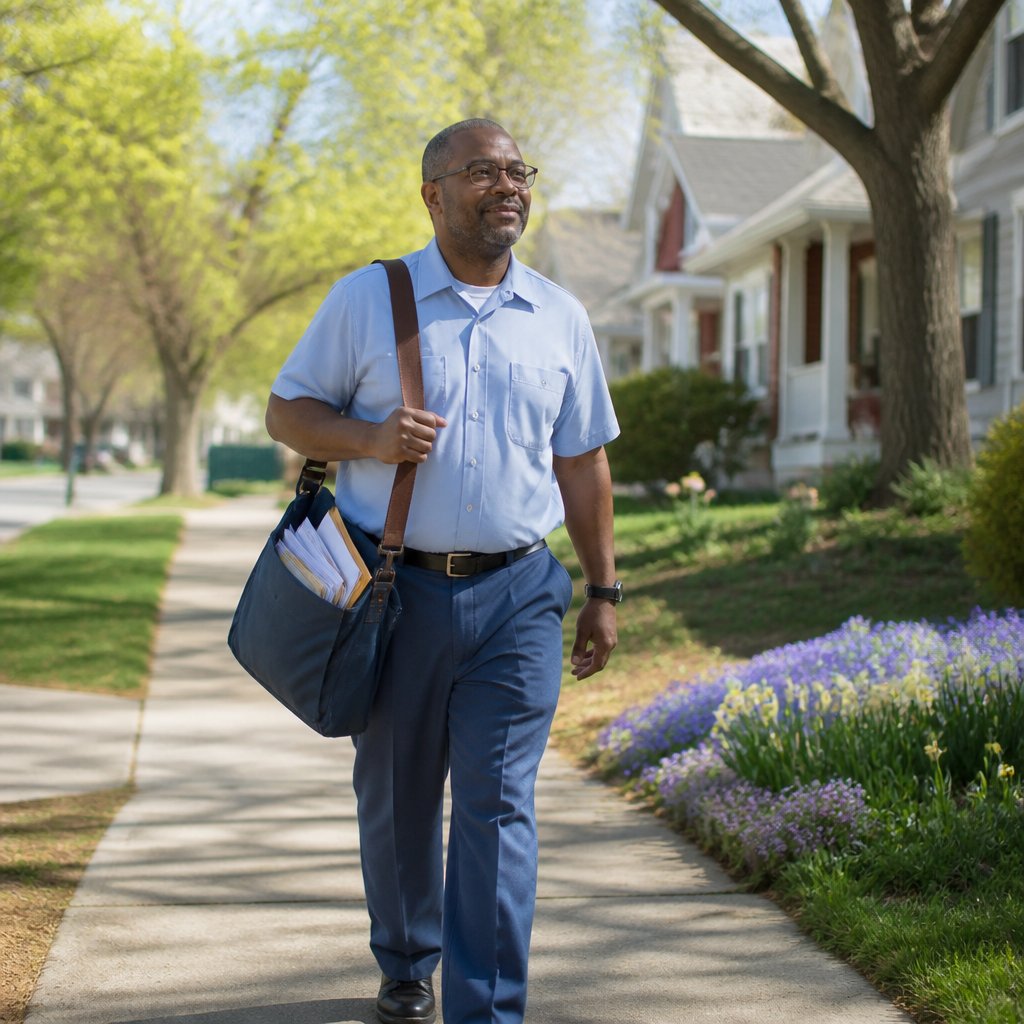
The surgery went perfectly. Six weeks of recovery, just like it was supposed to be the first time. I was back on my mail route by spring. Both knees work now — the left one from the surgery I needed, and the right one despite the surgery I didn't. I walk my route every morning and I don't take either of them for granted.
Should the doctor face consequences for the wrong surgery?