



Why Did Triage Ignore Infection?

When my wife arrived in the emergency department, the triage nurse flagged her as a “possible infection” case. Her fever was high, her blood pressure low, and she was confused, mumbling answers that made little sense. Yet we sat in the waiting room for hours. Nurses checked her vitals periodically, but no one seemed concerned beyond routine flu symptoms. The cold plastic chair beneath me felt harder as time passed, and the distant beeping of monitors from the triage area contrasted with the lack of urgency.
Her chart showed elevated temperature readings and a note about mental status changes, classic signs of sepsis, but the staff seemed to treat her condition as stable. I kept asking when a doctor would see her, but the answers were vague. There was a quiet tension in the bustling ED, a disconnect between what was obvious and what was being done.
Why was this critical red flag being dismissed? The medical record would later suggest she was stable, but she clearly was not. The question remained: why did the obvious signs of worsening sepsis get treated like routine flu?
Lab Results Said Sepsis, But Doctors Didn’t

The blood tests came back: a high lactate level indicating poor oxygen delivery to tissues and a rising white blood cell count signaling infection. These are textbook markers of sepsis. Yet the admission note framed her condition as “viral syndrome.” Antibiotics weren’t started. The hospital’s sepsis protocol was overridden without explanation.
I watched the printed lab report in my hands, the stark numbers underlined in red. Yet the electronic record’s narrative ignored them. The admitting physician chose to defer antibiotics, citing a viral cause. This decision felt like a critical error. The clock was ticking. Every hour delayed in sepsis treatment worsens outcomes.
Who made the call to dismiss these red flags? The hospital’s internal notes showed conflicting assessments, but no clear justification for ignoring the labs. The discrepancy between the objective data and the clinical impression deepened my suspicion that the sepsis pathway was sidestepped.
How had the hospital’s sepsis protocol been silently overridden with no documentation? This question gnawed at me as I prepared to confront the medical team.
The Doctor Barely Entered The Room

Dr. Rusk, the hospitalist assigned to my wife, barely stepped inside her room. I remember the door cracked open, his silhouette visible for a moment as he glanced in, then left. He wore a white coat over a light blue shirt and dark slacks, his expression unreadable. No stethoscope in hand, no detailed exam.
No thorough assessment happened that afternoon. Nurses later told me he seemed rushed, spending less than a minute in the room. I stood quietly nearby, watching him half-turn and exit. His presence felt superficial. Did he actually examine her or just glance superficially?
The sterile hospital room smelled faintly of antiseptic. The machines beeped softly, registering her unstable vitals. Yet the primary physician’s engagement was minimal, raising questions about the care approach and thoroughness.
Had Dr. Rusk truly assessed her condition? Or was his visit a formality? The answer remained elusive.
The Progress Note Recycled Old Exam

The first progress note from Dr. Rusk claimed her physical exam was normal and sepsis had been ruled out. The language was suspiciously familiar. Line after line, the text matched a previous note word-for-word, as if copied and pasted without change.
The chart described clear lungs, regular heart sounds, alert mental status, and stable hemodynamics—none fitting my wife’s actual condition. The identical wording sent alarm bells ringing. How could a fresh exam be identical to one written days earlier about a different patient?
The note was dated and timed precisely, but the audit trail later showed edits made at odd hours, raising red flags about authenticity. The sterile, formulaic descriptions contrasted sharply with what I witnessed: fluctuating consciousness, labored breathing, and low blood pressure.
Was this template just a convenient cover? The real question was why such inaccurate documentation was accepted as fact.
Nurse Warned While Doctor’s Note Repeated

A nurse pulled me aside quietly late one afternoon. Her face was lined with exhaustion, wearing standard navy scrubs with a hospital ID clipped near the collar. She whispered that my wife’s vitals were deteriorating—blood pressure dropping, oxygen levels falling.
But when I checked the next physician progress note, it repeated the exact phrase “hemodynamically stable,” and the exam text was identical to the previous day’s. The chart described a stable patient, while the bedside monitor showed otherwise.
The disconnect was jarring. Whose reality was the medical record reflecting? The nurse’s urgency clashed violently with the physician’s static documentation. The hospital room was quiet except for the soft hum of machines, but the written record told a different story—a patient stable on paper but slipping fast in reality.
The conflicting narratives raised the question: who controlled the official chart, and why did it fail to capture the truth?
Rapid Response Rushed Her To ICU

Suddenly, alarms blared. A rapid response team stormed the room, voices sharp and urgent. Within minutes, my wife was being transferred to the intensive care unit. The air smelled of disinfectant and rushing activity. Nurses and doctors crowded around, starting broad-spectrum antibiotics and intravenous fluids only after the crash.
Her charts revealed no early interventions despite worsening labs. The delay in administering antibiotics, key to sepsis survival, was glaring. The window of opportunity had closed. I stood near the ICU entrance, watching staff move efficiently, the clinical urgency a stark contrast to earlier inaction.
The question was clear: what critical signs and treatments had been missed during that crucial early period when intervention mattered most?
She Died, Hospital Went Silent

My wife died within 24 hours of ICU admission. The hospital offered a “quality review” meeting, a formal process to examine what happened. I attended, hoping for transparency. Instead, the session was bureaucratic and vague. Promises were made to share findings, but afterward, communication ceased.
The sterile conference room where the review took place had blank white walls and a large oval table. The hospital representatives spoke in jargon, avoiding direct answers. The silence afterwards was deafening. No written report came. No admission of error.
What were they deciding to keep from me? The lack of documentation and follow-up left me with more questions than answers, and an unsettling feeling that the truth was being buried.
The silence was an ominous sign that accountability might be slipping away.
Printed Records Seemed Too Clean
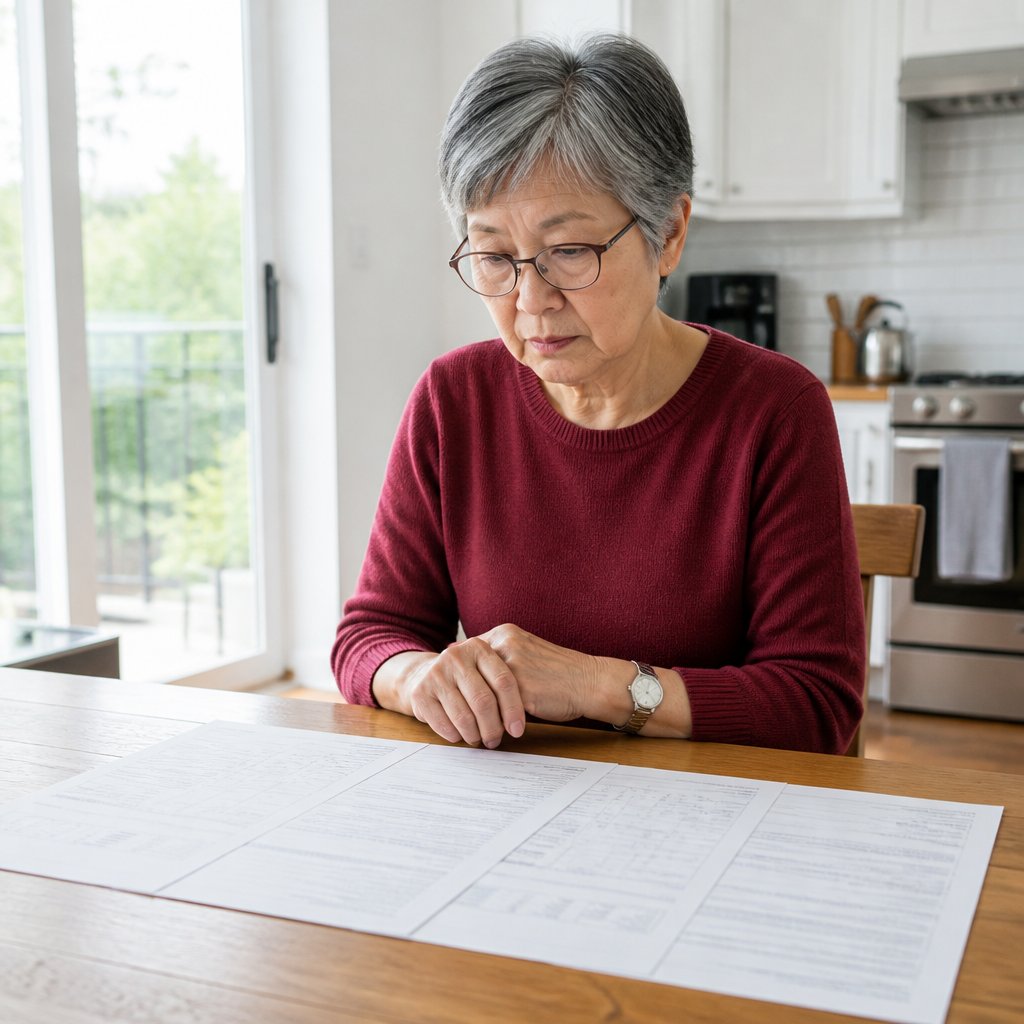
When I received my wife’s printed medical records, they looked unnaturally clean—generic exam notes with perfect formatting and no rough edges. Key moments I remembered vividly were absent: episodes of confusion, low blood pressure readings, the nurse’s urgent warnings.
The smooth, sanitized narrative felt curated. The pages, crisp and white, lacked the usual scribbled corrections and addendums. It was as if someone had edited the history to make the course look straightforward.
The stark contrast between what I observed at the bedside and what was documented raised the disturbing possibility that my access to the full truth was being limited, controlled by selective disclosure.
Had the hospital deliberately shaped the official record to hide errors or negligence?
Lawyer Demanded Full EHR Metadata

I hired a medical malpractice lawyer who requested the full electronic health record metadata—complete audit logs, note version histories, and medication administration timestamps. Unlike printed notes, these raw system trails cannot be polished or redacted easily.
The lawyer explained that audit trails record every access, edit, and timestamp, revealing who saw or changed a chart and when. They hoped to uncover discrepancies hidden in the usual records.
As we waited for the hospital to comply, I learned that some edits appeared at impossible times—late at night or during shifts when the hospitalist wasn’t present. The metadata hinted at unauthorized access or manipulation.
Could the hospital’s carefully crafted story withstand the scrutiny of the raw digital record, or was there more to uncover than anyone expected?
ICU Expert Pointed Out Critical Lapses

An ICU infectious disease specialist reviewed my wife’s records and flagged critical lapses in sepsis management. Cultures were delayed; broad-spectrum antibiotics started only after her crash. No repeat lactate levels had been measured despite persistent hypotension. Intravenous fluids were documented hours after her blood pressure had been low.
The expert concluded that the hospital was effectively treating the electronic chart instead of the patient. The documentation painted a stable picture that didn’t match the clinical reality.
The sterile hospital conference room where the expert spoke was filled with charts and graphs as he laid out the timeline of missed interventions and protocol violations. His words confirmed my fears: systemic failures had cost my wife her life.
What systemic failures allowed documentation to mask deteriorating condition, and who was responsible?
How Could He Be In Two Places?

When I reviewed the hospital’s electronic audit logs, I found something impossible. Dr. Rusk was credited with entering a comprehensive physical exam note for my wife’s chart, timestamped precisely during the same minutes he was logged into a completely different patient’s record on another floor. The logs showed him actively navigating that other patient’s vitals and medication orders. How could he be documenting a full exam in one room while simultaneously charting elsewhere?
The timeline didn't add up. The notes described detailed findings — heart sounds, lung auscultation, abdominal tenderness — information that requires direct patient contact. Yet, badge swipes and location data placed Dr. Rusk away from my wife’s unit at the time he supposedly conducted the exam.
I tried to understand the hospital’s documentation practices and whether this could be a technical glitch. The audit trail seemed clear: the system logged discrete user actions that suggested physical presence near the second patient. But my wife’s chart showed no alarms or contradictory data. Was someone fabricating these notes after the fact? Or was the system being manipulated to create a false narrative?
The sterile hum of the hospital’s electronic records server room echoed as I sat there, staring at the audit data, troubled by the question: who was actually examining my dying wife?
Multiple Versions Of The Same Note

Digging deeper into the electronic health record, I found multiple saved versions of the same progress note. The earliest draft said "no fever," yet cross-referencing the vitals flowsheet showed a recorded temperature of 103.1°F at the same hour. Later versions of the note removed that statement and replaced it with vague descriptions that ignored the fever altogether.
This raised troubling questions about who had rewritten the clinical story after vital signs clearly documented a high fever. The EHR system saved each version with timestamps and user IDs, and the changes seemed targeted and deliberate. The “no fever” claim appeared to have been inserted before the vitals were even charted, then altered after the elevated temperature was entered.
Was this a case of narrative revisionism, an attempt to cover up clinical deterioration? The red-inked temperature readings on the paper flowsheets contrasted eerily with the sanitized electronic notes. I wondered whether someone was trying to erase the fever from the official record, replacing inconvenient facts with a false sense of stability.
The faint smell of printer toner filled the small conference room as I laid out the printed note versions side by side. The contradiction in the documented story was glaring but unexplained.
Nurse’s Late Entry Raises Alarms
One of the nurse’s late entries caught my attention. It described my wife as "mottled, cold, altered," terms indicating severe shock and critical deterioration. But the timestamp showed this note was entered after my wife had already passed away. Even more troubling, this entry was later edited again by an account that did not have an identifiable user name linked to it.
I requested access logs and user account data to understand who had this mysterious access. The hospital’s IT department said the user was a generic account used for technical purposes, but the audit trails showed it was actively editing patient notes — a practice normally restricted to licensed clinicians.
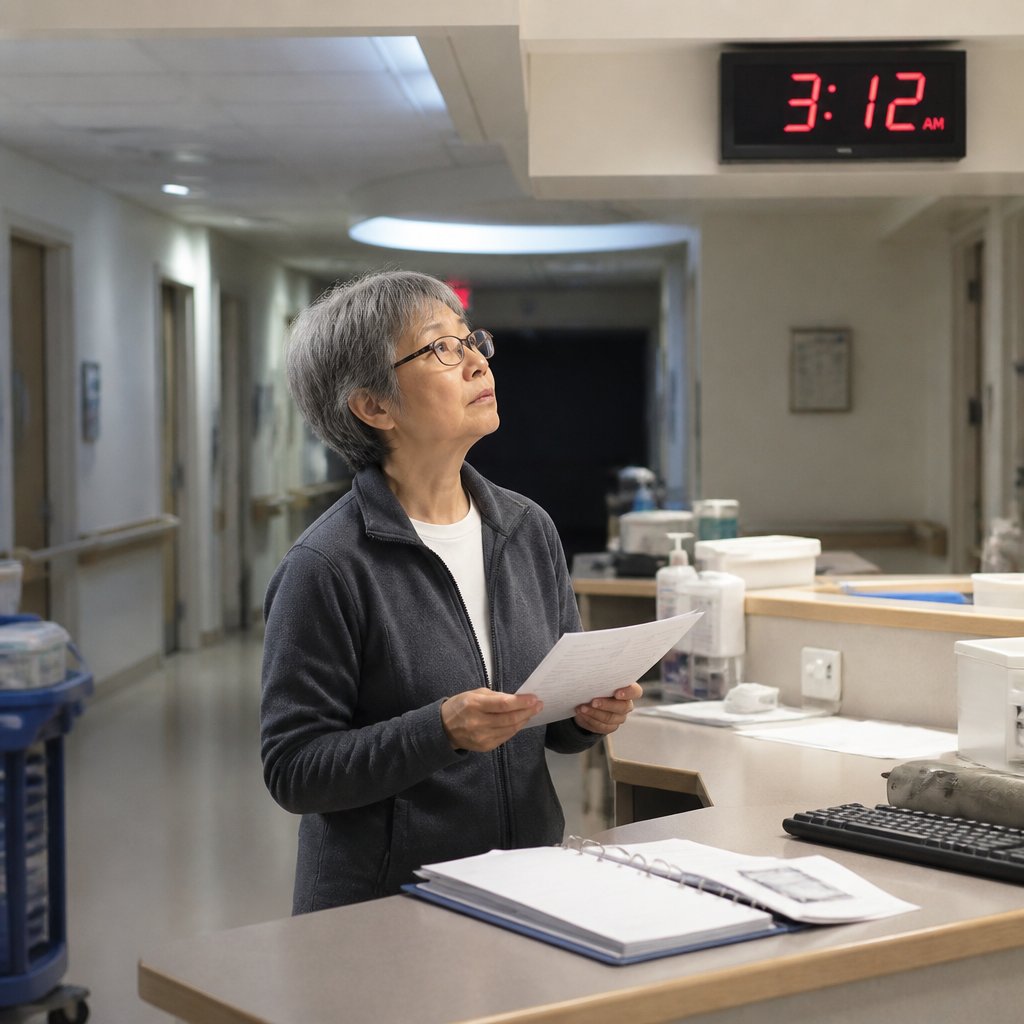
The red digital clock on the nurse’s station wall flashed 3:12 AM as I sat with the printouts. The idea that clinical documentation could be altered post-mortem and by an untraceable account suggested deliberate tampering. Who was manipulating the medical record after my wife’s death, and for what purpose?
The thought unsettled me deeply. This was no longer just a matter of errors or oversight; it appeared to be deliberate and surreptitious interference with the truth.
Hidden Scripts Altered My Wife’s Chart

The sealed hearing was startling. Court documents revealed a contractor closely linked to the CFO, involved in "documentation efficiency" initiatives. But the phrase "metric protection" hinted at something darker. Investigators found a concealed remote-access software on a hospital lounge workstation. On further forensic analysis, a backup uncovered a "note normalizer" script — a batch program that rewrote notes en masse. It changed sepsis indicators to stable findings and auto-filled physical exams with reassuring language. Most chilling: it had been run on my wife’s chart immediately after the rapid response team was called, despite her rapid decline.
The discovery begged many questions. How many other sepsis cases were "normalized" this way? Who authorized the use of this script? Was this an institutional cover-up to protect hospital quality metrics? The air in the sterile conference room smelled faintly of disinfectant as the state investigator laid out the findings.
My wife’s medical record, once a straightforward chronicle of her deterioration, was now a heavily edited document hiding critical facts. The hospital’s explanation was vague, citing efficiency and error reduction. But the timing and content of the changes suggested deliberate manipulation.
We had uncovered a digital trail leading to intentional erasure and misrepresentation. Yet, the identity of the person or persons scheduling and authorizing these normalization runs remained unclear.
Audit Shows Timestamp Manipulation

Court ordered a neutral third-party to audit the EHR's timestamp logs. The report confirmed widespread timestamp manipulations across multiple sepsis patients’ records. In each case, progress notes had been backdated or entered at impossible times, some after patient deaths. The hospital administration suddenly became defensive, offering to mediate if we dropped claims involving external parties.
Just then, police reported the death of the contractor linked to the CFO. The scene was staged as an overdose in a motel room, but key evidence was missing: his laptop. The forensic team suspected foul play. The contractor’s role in deploying the note normalization script placed him at the center of the scandal.
The hospital’s sterile emergency department still smelled faintly of antiseptic as I received the news by phone. The contractor’s death raised suspicion that someone was trying to silence him before he could reveal more. The missing laptop held crucial digital evidence. The criminal investigation shifted gears from negligence to potential conspiracy and obstruction.
With the contractor dead, the hospital’s internal defense team grew increasingly nervous. Meanwhile, prosecutors prepared to move aggressively as new forensic leads emerged. The question became: who else was involved in this digital cover-up, and how deep did it run?
Missing Laptop Ties CFO To Script

The trial began with experts testifying about the minute-by-minute discrepancies between the flowsheets and the copied progress notes. Electronic records specialists showed how every vital sign and rapid response event was logged accurately in flowsheets but contradicted by later notes that painted a stable picture. The defense struggled to explain the inconsistencies.
In a surprise move, a compliance officer produced a forensic image of the missing contractor’s laptop. The files revealed emails and internal communications directly linking the CFO to requests for the note normalization script’s deployment. The evidence was solid and irrefutable. Prosecutors argued this proved deliberate manipulation of medical records for financial and legal protection.
Jury deliberations began amid heightened media attention. Meanwhile, the criminal case took a sharp turn: the nurse who died mysteriously during the investigation was now officially reclassified as a homicide victim. The entire hospital system faced unprecedented scrutiny.
Back in the courtroom gallery, I felt the weight of the months of fighting. The digital forensic trail had exposed a coordinated effort to distort medical facts. But the final verdict still hung in the balance.
Verdicts Bring Punitive Damages, Charges

Verdicts arrived: the court found the CFO and other executives liable for tampering and obstruction related to the normalization script and note falsification. Civil punitive damages were imposed, and the hospital faced spoliation sanctions for destroying evidence. Rusk, the contractor, flipped and pled guilty to falsifying records, further incriminating senior management.
The corrected medical timeline, now court-ordered, forced the hospital to notify dozens of families whose loved ones’ charts had been altered by the script. The hospital’s sterile compliance office smelled faintly of paper and ink as legal teams prepared those notifications.
Despite the victory, the criminal case continued. Indictments were filed, but many questions remained. How many patients were harmed by these falsified records? Who else at the hospital was complicit? The aftermath was far from over.
I sat quietly at home, the low hum of the evening air conditioner the only sound, knowing this fight for accountability was just beginning.
Should the hospital face harsher penalties for falsifying records?