

Why The Monitor Felt So Hot

For weeks, I noticed the monitor on the crib rail was hotter than usual. It wasn’t subtle heat; the plastic felt almost warm to the touch. But every time I checked the app, it insisted all was "Normal." No alerts, no warnings, nothing. I kept thinking maybe it was just me, imagining things. Still, the smell of faint plastic warmth lingered in the room, especially around bedtime. I even moved the monitor slightly, hoping better ventilation would help. The app's calm reassurances made the heat feel like it was in my head or worse, a glitch meant to gaslight me into ignoring what I was sensing. The temperature rising didn’t match what the software claimed. The feeling of that off heat stayed with me, nagging in the back of my mind, like a warning I couldn’t quite prove.
Support Chat Felt Like Blame

I reached out to customer support through their chat. The rep acknowledged the faint smell of heat, but they immediately redirected me to run firmware updates and improve ventilation. They said the monitor had built-in safety, that overheating was unlikely. They sent links to check vents and reset procedures. It felt like they were scripting me, pushing me to do the work and subtly implying I was responsible for poor setup or misuse. The more I typed, the more their canned responses circled back to me and my environment, never admitting fault. I copied the transcripts and saved everything, knowing this paper trail could be important later. But right then, their polite deflection felt like the first step in shifting blame onto me.
Flames Ignited On The Crib Rail
One evening, the monitor suddenly grew unbearably hot. I was in the next room when I heard a faint crackle. Rushing back, I saw smoke curling from the crib. The monitor's plastic casing had melted and scorched the wooden rail beneath. The bedding caught fire next, flames licking the edges. Panic hit me hard. I grabbed my baby and pulled her away while grabbing my phone to snap frantic photos. The smoke was thick, the smell acrid, and my lungs burned. I called 911, and EMS arrived quickly. All I could think was how that tiny device sparked this nightmare. The photos were the only evidence I managed to capture before the chaos swallowed the room.
Social Worker’s Doubts Took Shape

At the hospital, after the smoke inhalation treatment, a social worker came in. She asked questions about how my baby slept, the bedding used, and the crib set-up. Her tone was kind but probing, almost as if she was trying to see if I’d made mistakes. She mentioned "safe sleep guidelines" and gently suggested my room might have been unsafe. It planted a seed of doubt in my mind and, more worryingly, in the hospital record. I felt my story being filtered through a lens of potential negligence. The warmth of the hospital room contrasted with the coldness of her questions. I wanted to defend myself, but every answer seemed to circle back to blame, leaving me unsure how this would affect what came next.
Maintenance Guy’s Warning Felt Strange
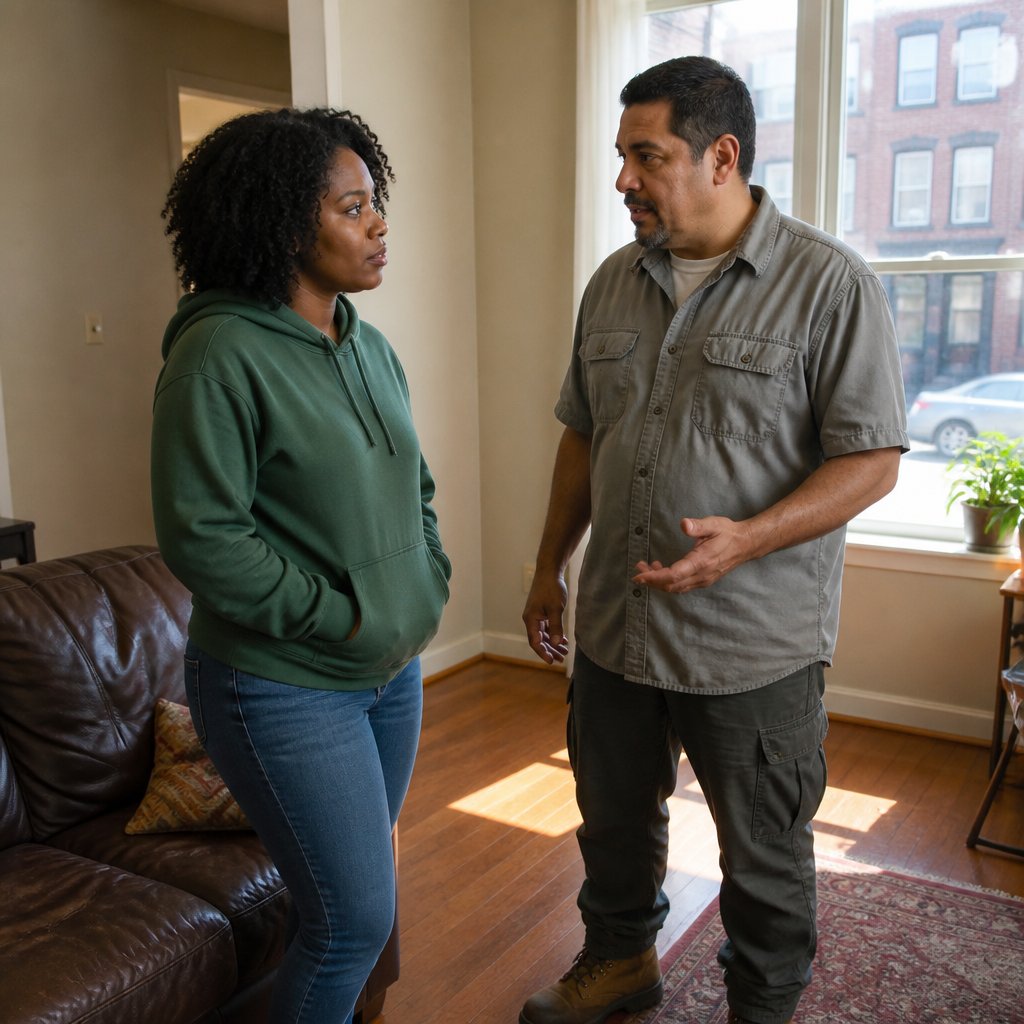
The landlord’s maintenance man came by to inspect the crib area. He took pictures with his phone, nodding silently as he surveyed the damage. Before leaving, he pulled me aside and said quietly, "Don’t mention the outlets or wiring to anyone." His voice was low, almost like a warning. It felt like he was implying someone was already managing the story of what happened. The weight of his words hung in the air as he walked away. The small, cluttered living room felt suddenly colder. I realized then that the incident wasn’t just a private nightmare—someone else was controlling parts of the narrative now, and I wasn’t sure who.
Fire Report Erased Key Evidence
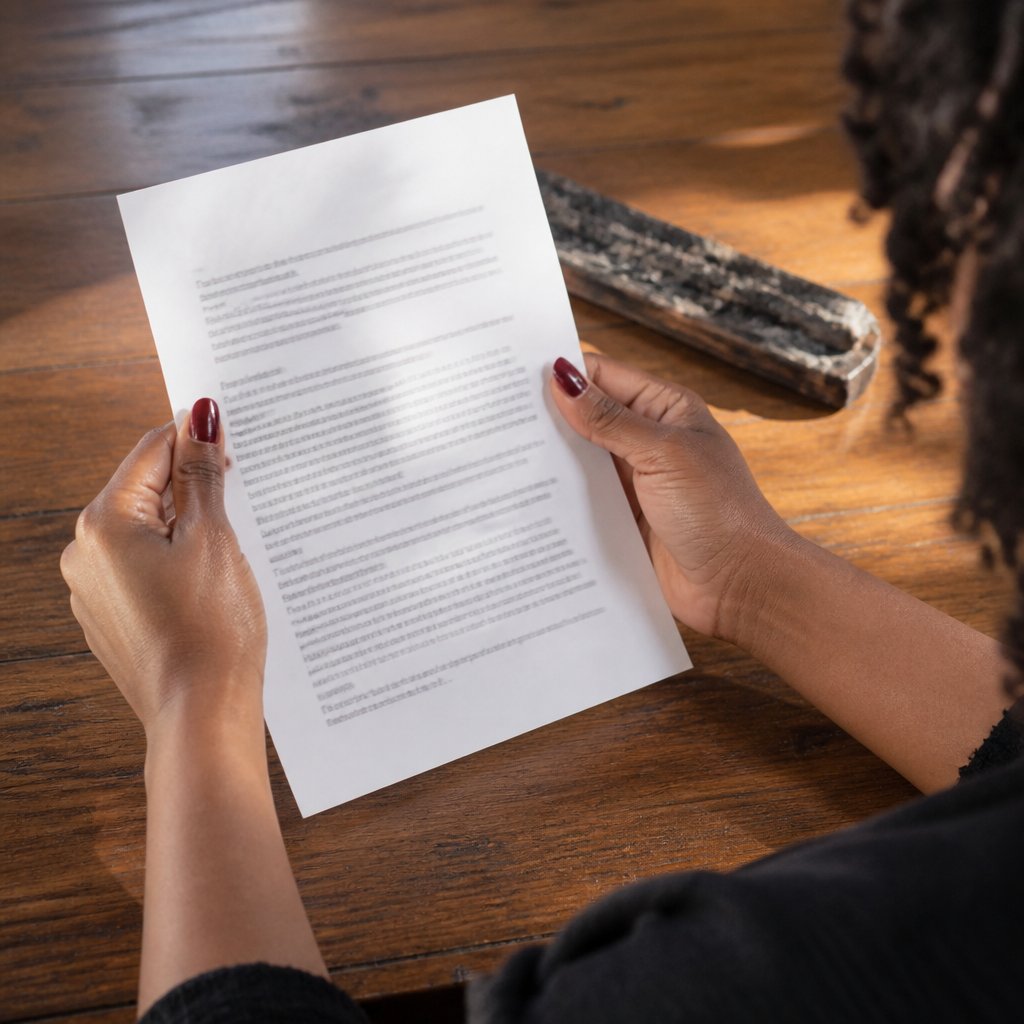
I got the fire department’s report days later. It called the cause "undetermined." There was no mention of the melted monitor casing or the scorched crib rail. I stared at the pages, frustrated. That physical clue—the only proof linking the fire to the monitor—was gone from the official record. It felt like the story was being rewritten without my consent. The smell of smoke still clung to the apartment, but the report washed it away with vague language. I turned the papers over in my hands, feeling the weight of what had been erased, wondering who decided the evidence didn’t matter.
Monitor Return Felt Like A Trick
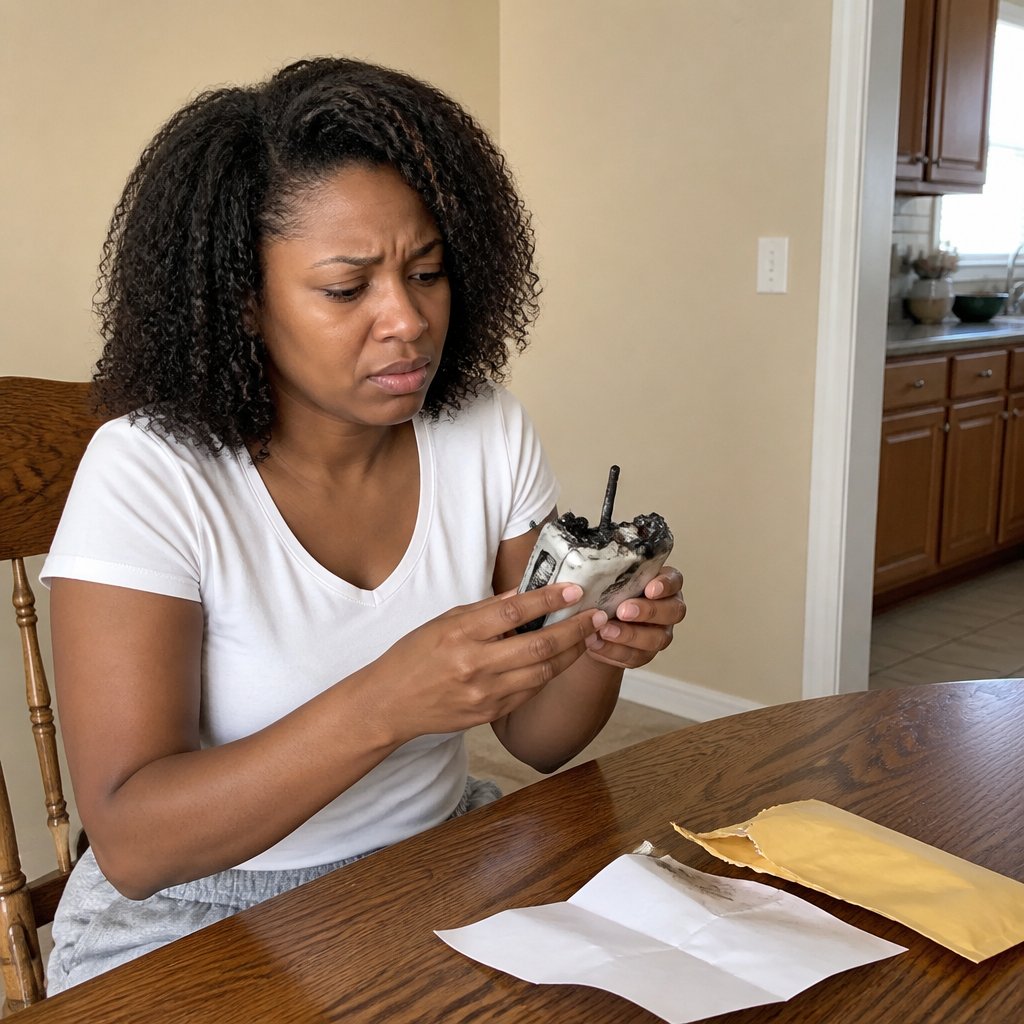
OwletView sent an email expressing condolences and asking me to send the monitor back "for analysis." They included an offer of a $250 gift card as "goodwill." It didn’t feel like kindness. Sending the only physical piece of evidence they wanted would give them full control over it. I hesitated, holding the melted device in my hands. The glossy plastic was warped and soft, a tangible memory of the fire. Could I trust them to be honest? Or was this a trap to silence me and hide the truth? The small gift card dangled like bait. I sat there, the monitor’s heat long gone but the risk still burning inside me.
Insurance Notice Raised The Stakes

My health insurer sent a subrogation notice that hinted the claim might be rejected if the incident was ruled "household negligence." The letter’s tone was clinical but menacing, turning the injuries into a potential liability for me. Suddenly, this wasn’t just about smoke inhalation anymore—it was about whether I could prove that I wasn’t at fault. The sterile office where I opened the mail felt cold and indifferent. Fear gnawed at me. If the claim was denied, medical bills and even my family’s security could be at risk. I folded the letter carefully but couldn’t stop thinking about how precarious everything had become.
The Adjuster’s Call Came With Deadlines
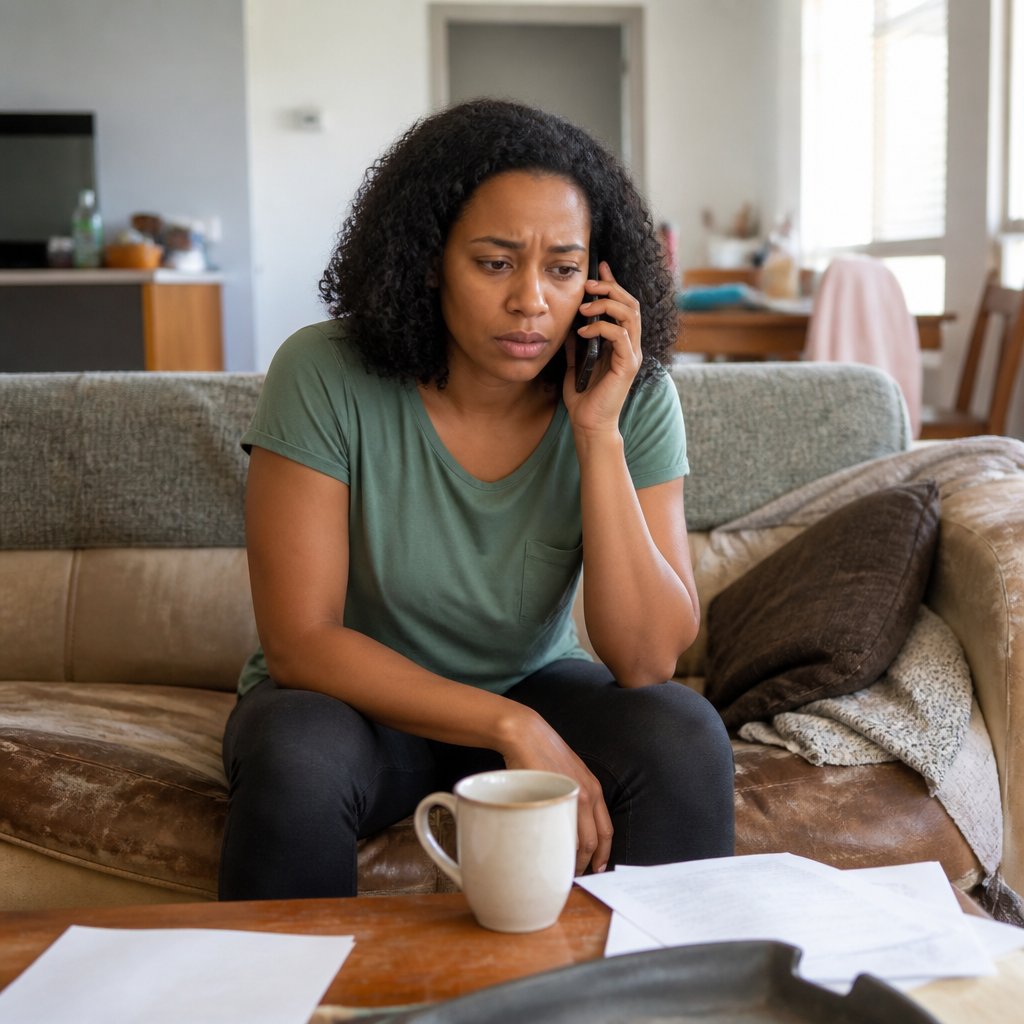
OwletView’s insurance adjuster called a few days later. She explained there was a deadline: I had seven days to sign a release with a strict nondisclosure agreement. The offer was framed as "help," but the ticking clock made it clear it was a trap. If I wanted compensation, I had to sign away my voice. I sat on my worn couch in a faded green T-shirt and leggings, phone pressed to my ear. Her calm tone clashed with the pressure I felt mounting. The clock was running, and the decision wasn’t just about money—it was about whether I’d stay silent forever or fight back. The weight of that call settled in the room like a thick fog.
Online Complaints Vanished Quietly

In the quiet hours, I searched online forums and found other parents complaining about the same model overheating on crib rails. Stories matched mine: heat, melting, sometimes fire. But over weeks, I noticed posts disappearing or marked "resolved" without real explanation. It was as if the complaints were being suppressed or edited. The thread titles blurred and thinned out. The weight of suppression pressed on me harder than ever. Something bigger was at play—an effort to erase the truth from public view. I stared at the empty spaces where accounts once stood, wondering who was pulling the strings and how far this would go.
A Neighbor’s Quiet Confession

We had gone over every report and statement multiple times, but none mentioned what our neighbor, Mrs. Jensen, told me one afternoon. She said she saw a tiny spark flicker near the crib rail just before the smoke filled the room. She remembered it clearly because it startled her dog, who barked upstairs.
Her account added a new layer. Every official document, from fire reports to the manufacturer’s statements, left out this eyewitness detail. It was like they all glossed over the very moment the accident began. The spark didn’t just come out of nowhere. It was there, brief but telling.
Mrs. Jensen’s voice was soft but firm as she recounted the day. I pictured her standing in the hallway outside the nursery, wearing a plain blue cardigan and jeans, her hair pulled back. The faint smell of smoke still lingered in the room, even weeks later, mixing with the lingering scent of baby lotion. That spark could be the key link missing from the official narrative.
Lawyer’s Letters Spark A Warning
My lawyer sent preservation letters to OwletView’s headquarters the day after my neighbor’s conversation. The letters demanded they secure all relevant records — emails, design documents, internal complaints — anything connected to the monitor’s heating issues.
Days later, OwletView replied with a polite but firm letter denying any product fault. Their corporate counsel warned that continuing to "defame" the company or publicize unverified claims would leave me open to countersuits, threatening to name me as the defendant in defamation claims.
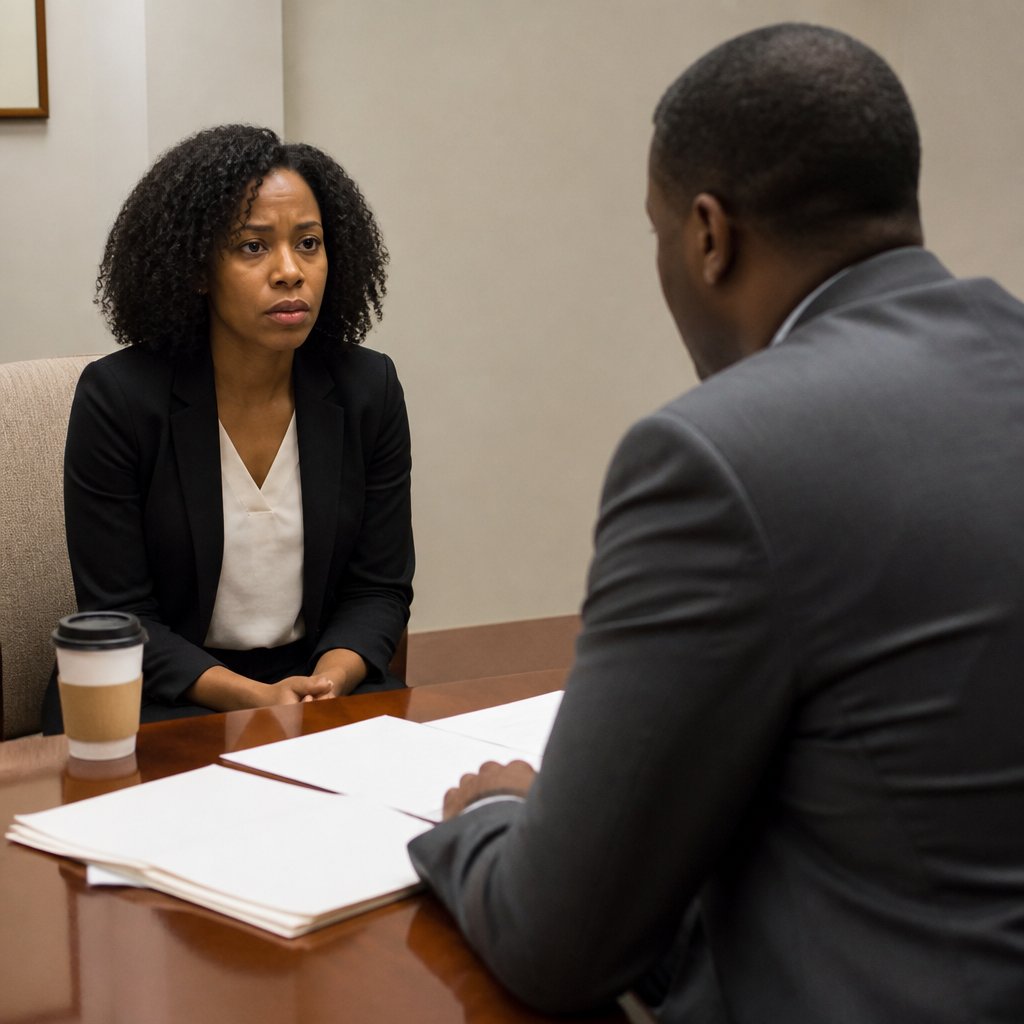
We sat in the cramped conference room, the smell of fresh coffee and paper filling the air. My lawyer, a tall man in a gray suit, leaned forward over a cluttered table, his fingers steepled. I felt the weight of the threat, realizing the fight was not just about truth, but also survival. Their pushback was sharper than I’d imagined.
Engineer Points To Battery Failure
Our independent engineer examined photos of the burn pattern on the monitor and crib. He concluded the damage was consistent with a thermal runaway — a rapid, uncontrollable battery overheating event. That lined up with what smoke inhalation experts suggested.
Then came OwletView’s response. They accused us of using an aftermarket charger, despite my having the exact original box and accessories. They implied that any fault came from improper charging, not a manufacturing defect.
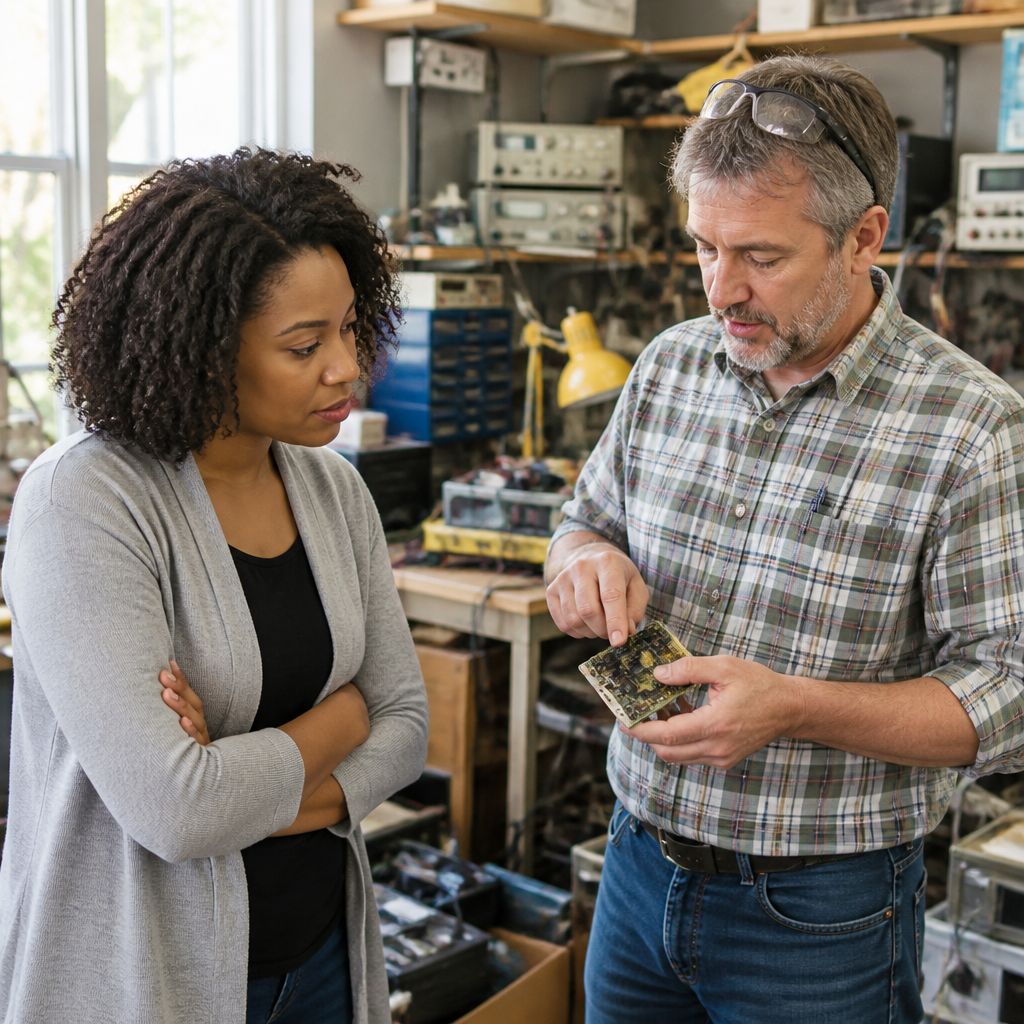
We met the engineer in a small workshop cluttered with tools and electronic parts. He wore a plaid shirt and safety glasses perched on his head. The smell of solder and dust filled the air. His calm voice explained in detail how internal battery failures could ignite plastics and foam quickly. But the company’s claim felt like a dodge — a way to shift blame without addressing the core issue.
Discovery Uncovers Silent Battery Swap

During discovery, our team unearthed a quiet bombshell. OwletView had silently swapped out the battery clips in later shipments without issuing a public recall. The change wasn’t announced anywhere, and customers who’d purchased early models had no warning to check theirs.
This discovery implied the company knew something was wrong with the original battery clips but chose secrecy over safety. Our investigator found internal emails referencing the swap but stressing “minimal press exposure.”
We sat in the dimly lit office, scattered with binders and half-drunk cups of coffee. The air was thick with tension and the stale scent of printer ink. I flipped through pages of labeled evidence, my heart racing at what this meant — deliberate concealment that endangered families like mine. The legal fight felt heavier now, burdened with proof they hid the truth.
Their Engineer Admitted The Heat Trap
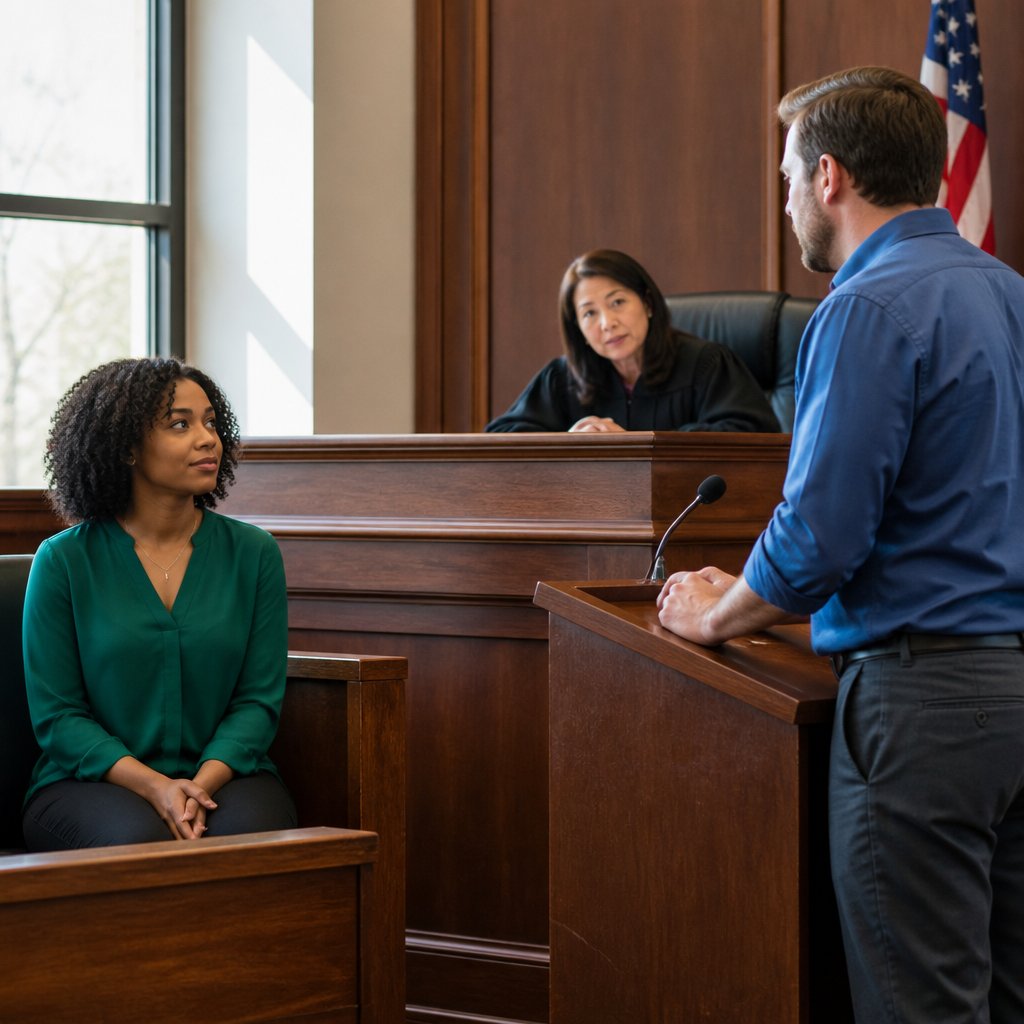
I sat in the courtroom, the air thick with tension and the quiet murmurs of the jury. The OwletView engineer took the stand, his blue shirt crisp but his hands trembling slightly as he swore to the truth. Under cross-examination, he admitted their rail mount design created a heat trap—a known issue that trapped heat against the battery clip and crib rail, increasing the risk of overheating. I stared at him, surprised by the confession after all the denials.
The courtroom smelled faintly of old wood and polished leather benches. I clutched the edge of the chair, my mind racing. The engineer’s admission was a crack in their defense, but the company wasn’t finished yet. Their lawyer stood up suddenly and announced a mid-trial settlement offer, whispering about avoiding the unpredictability of a jury. The offer came with a catch: a strict confidentiality agreement. No public disclosure, no speaking out about what happened.
The judge leaned forward, her gaze sharp. She was about to send the case to the jury for deliberation. The air felt heavier with the unspoken question—would I take the settlement to ensure the issue stayed quiet, or risk everything on a jury that might or might not understand our story?
Would you accept the confidential settlement or risk jury verdict?