



Swelling After Two Bites
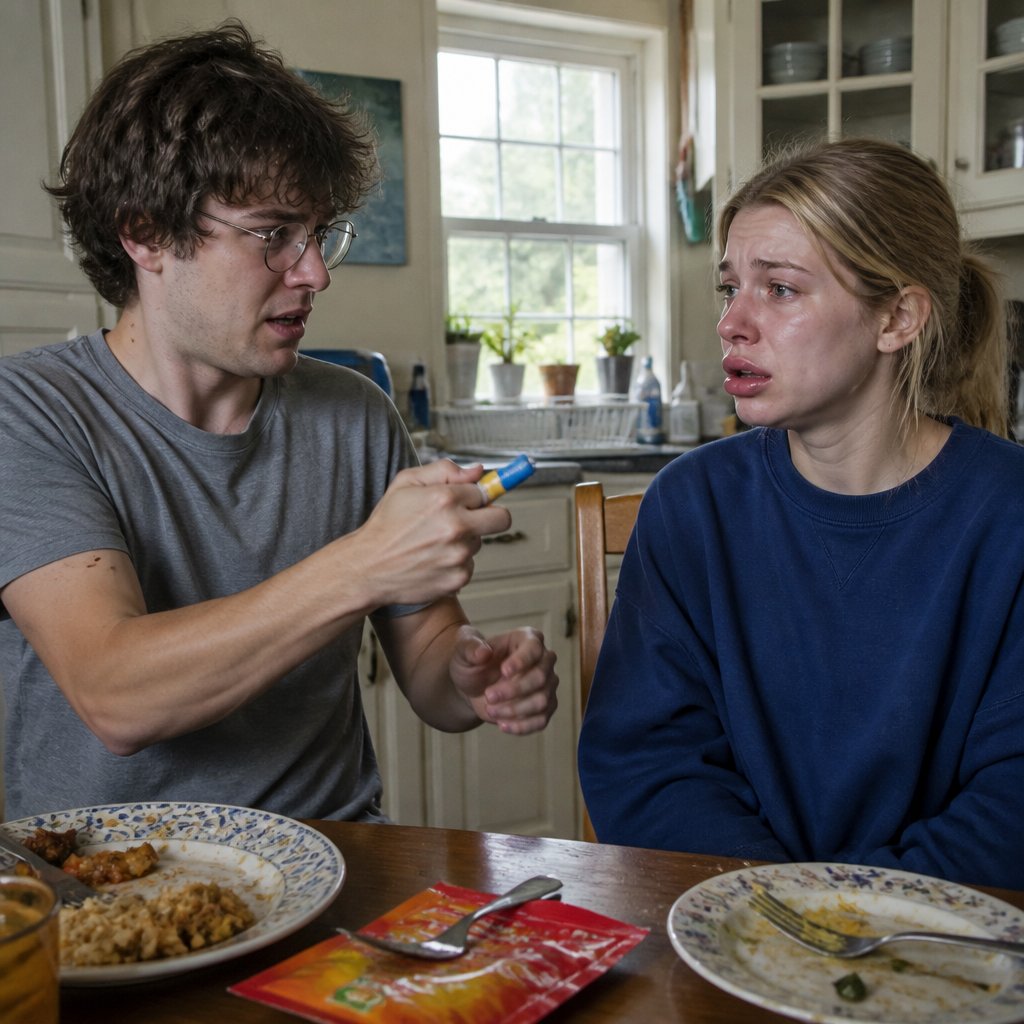
We sat down to eat the Nut-Free Thai Chicken FreshFork kit. Jenna took two bites before her lips started to swell. The table went silent. The box said "NO PEANUTS / NO TREE NUTS." I grabbed the EpiPen and jabbed it into her thigh. Everyone was frozen, staring at the label that promised safety. If it was wrong, someone was hiding the truth. Jenna's face was starting to flush, and her breathing tightened. I kept looking back at that label, trying to make sense of it all while she fought for air.
Spice Packet Lacked Batch Number

At the ER, a nurse asked for the ingredient list. I pulled the spice packet out of the bag. I noticed there was no batch number printed on it. That number could have traced where the packet came from, but now it was useless. I felt a sinking feeling. Without that, tracking the source would be almost impossible. The nurse glanced at me, waiting for answers I didn’t have. Jenna lay on the hospital bed, her breathing still shaky. The sterile smell of disinfectant filled the room. I stared at that blank corner on the packet, realizing the one thing that might explain this was missing.
Packet Label Seems Re-Labeled
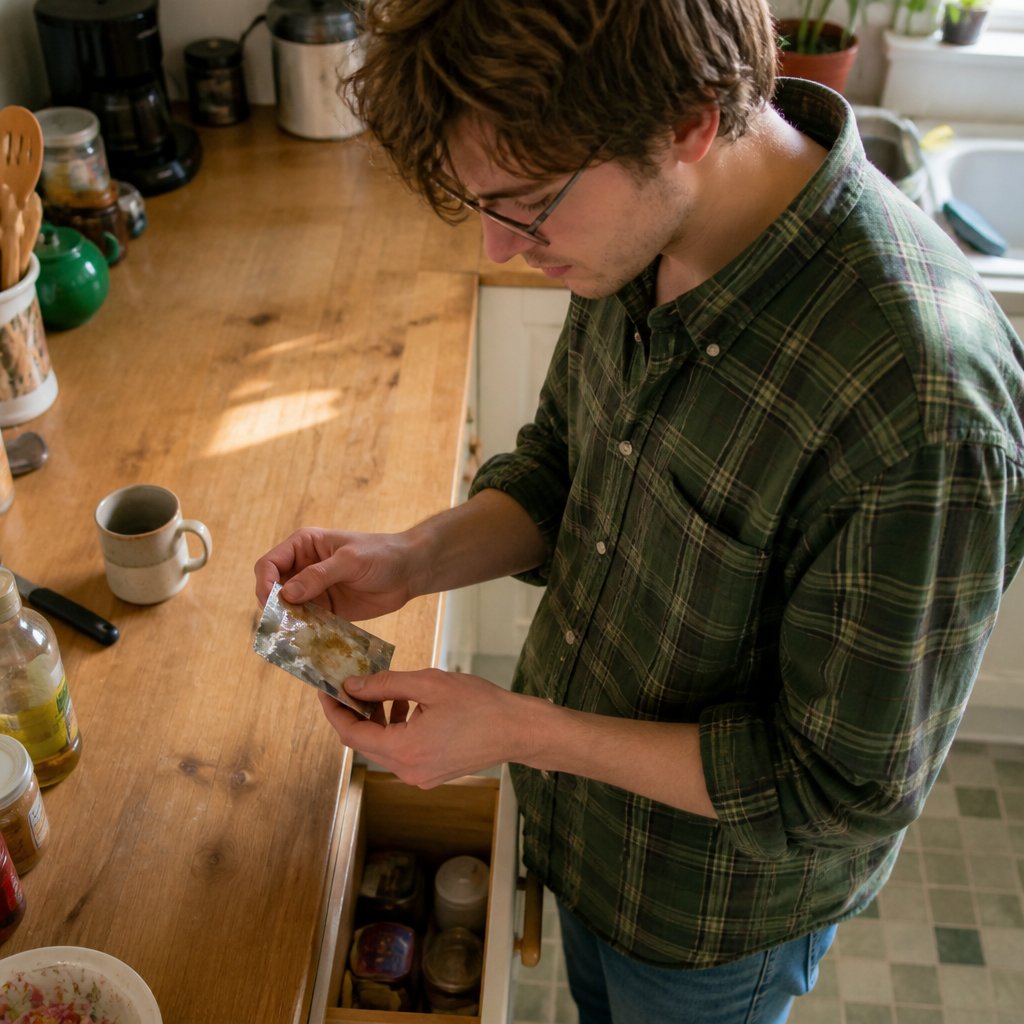
The next morning, I found the empty spice packet on the counter. The print was smudged, and the back looked like it had been re-labeled. It was like someone tried to overwrite what was really there. I held it up, turning it in the light. The label edges didn’t line up right. I felt a cold knot in my stomach. If someone tampered with the label, what else were they hiding? I ran my finger over the smudge, tracing the faint impression of what might have been the original text. It wasn’t just a mistake anymore. This was deliberate. But why? I stared at the packet, the silence around me heavy with questions.
Quality Specialist Demands Returns
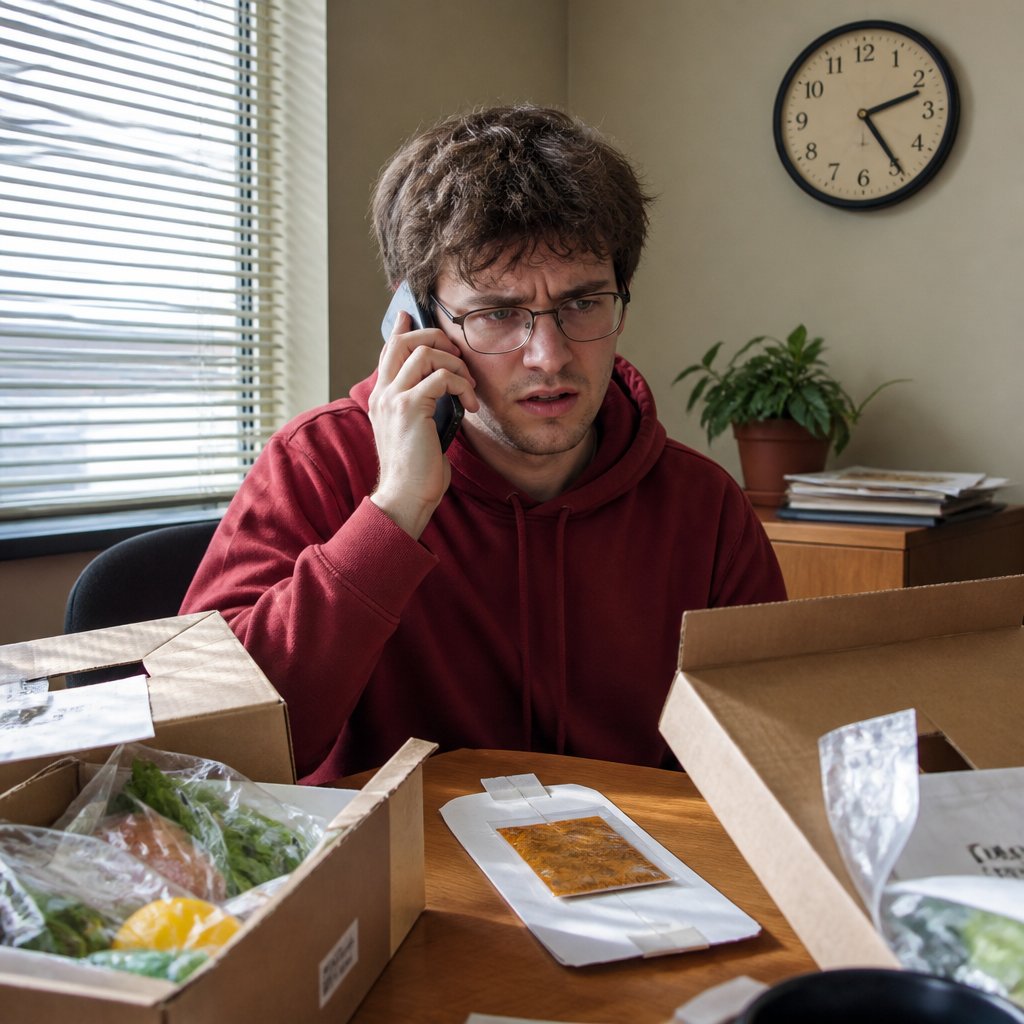
FreshFork’s quality specialist called the next day. Her voice was fast and clipped. She instructed me to mail back all the packaging and to dispose of any leftovers safely. It felt less like customer care and more like evidence collection. She was already shifting responsibility onto us. I glanced around the kitchen, the boxes stacked and the spice packet taped to a sheet of paper. The sound of the ticking clock on the wall seemed louder. I wrote down everything she said, feeling the weight of their demands. They wanted control of every scrap, but wouldn’t answer my questions. The line went dead before I could ask about the missing batch number or the smudged label.
Rep Suggests Jenna Ate Elsewhere

A FreshFork representative called again. This time, she suggested Jenna must have eaten something else that caused the reaction. She asked for the names of every guest and what snacks we had during the meal. Her tone shifted; it was less helpful and more defensive. I felt like we were being questioned, not supported. The kitchen felt colder, the silence heavier. I refused to name others or list snacks that weren’t relevant. The line ended abruptly, leaving me with the impression that FreshFork was building a defense, not solving the problem. I stared at the unopened meal kit box, wondering how far they’d go to protect themselves.
Allergist Challenges Cross-Contact Claim

Jenna’s allergist sent a letter confirming the severity of the reaction meant more than trace cross-contact. The medical expert was clear: this was a significant exposure, not the usual minimal contamination FreshFork claimed. I read the letter in the sterile clinic room, Jenna sitting next to me in a pink blouse. The doctor’s words felt like a breakthrough. For the first time, a professional was on record contradicting FreshFork’s excuse. But would the company listen? Outside, the hospital hallway buzzed faintly with nurses and patients. I folded the letter carefully, realizing the fight had just begun.
Company Points To Arbitration Terms

FreshFork refused to accept the allergen test results. Instead, they pointed to the arbitration clause buried in their terms of service. They said our claim was real but our courtroom was gone. I sat at a worn wooden bench in a quiet public library, the paper laying flat between my hands. The words felt like a wall closing in. Legal language shifted everything. I looked up at the high windows, the gray sky outside matching my mood. If we couldn’t sue, what options did we have left? The silence in the room pressed down as I weighed the next move.
Insurer Offers Quick Money
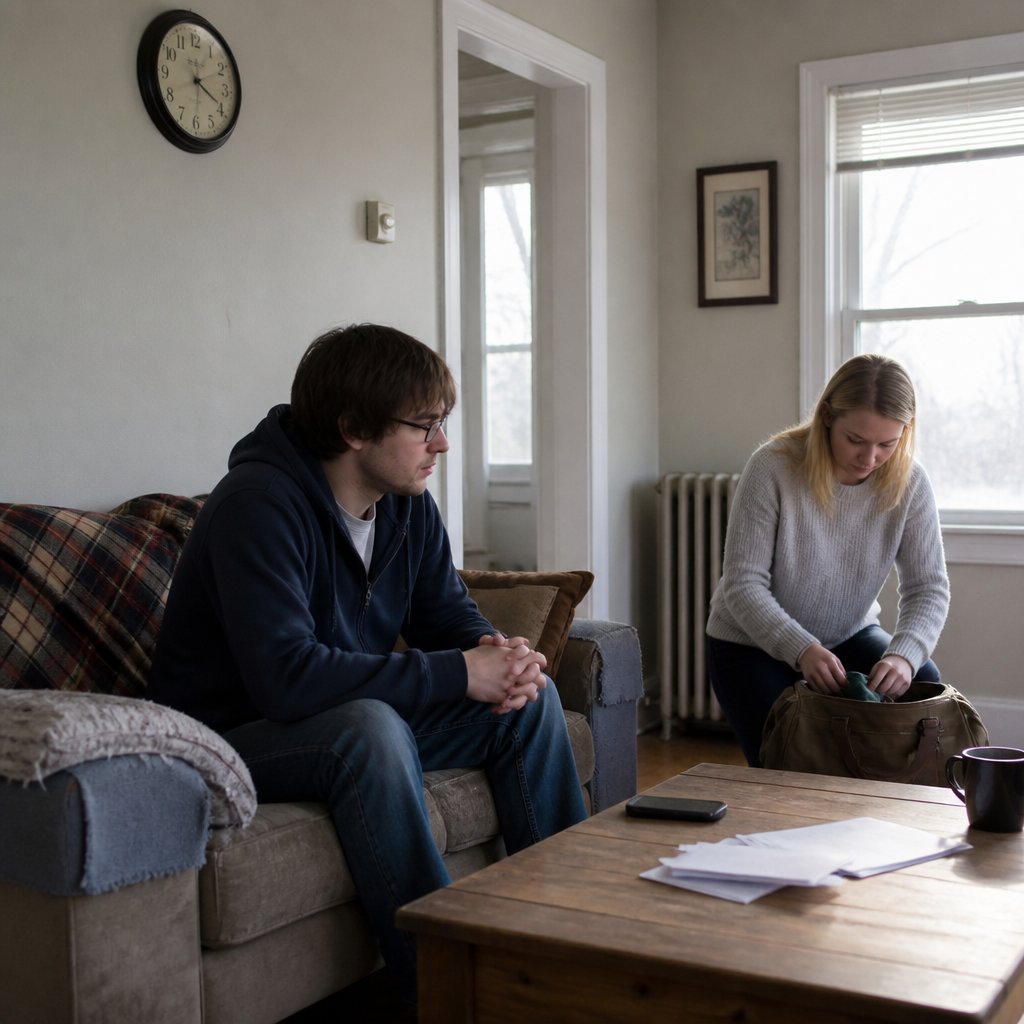
The insurer called next. Their offer came fast: quick money, but only if we signed a confidentiality agreement within 72 hours. It was clear they prioritized silence over safety. I sat on the edge of a worn sofa in my apartment, the phone resting face-down on the coffee table. Jenna packed a bag silently in the corner, her face tight with exhaustion. The air smelled faintly of coffee and stale pizza. I stared at the offer letter, torn between relief for the money and anger at the gag order. What kind of protection was this, really? The clock on the wall ticked down the deadline relentlessly.
Lawyers Deny Evidence Duties
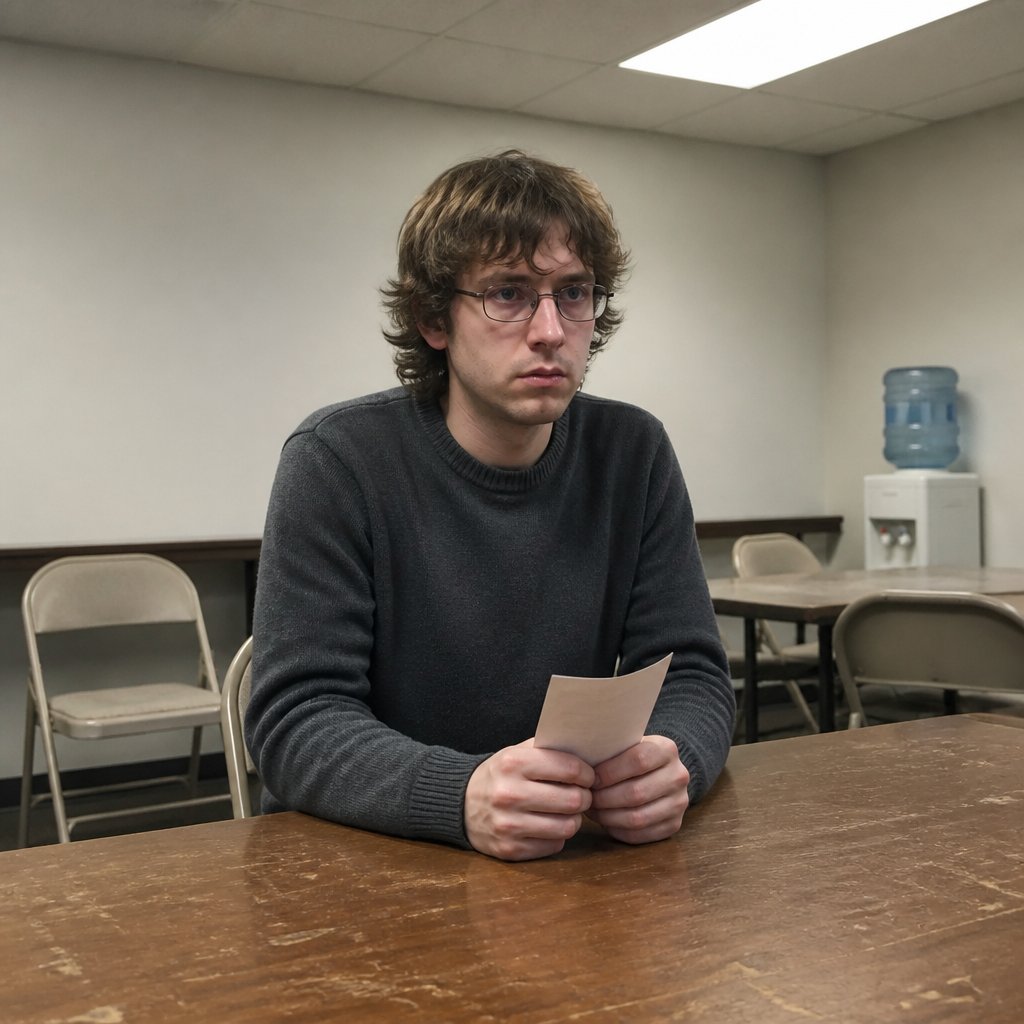
After we sent a preservation letter, FreshFork’s lawyers responded coldly. They said they did not concede any obligation to preserve evidence. Instead, they blamed a third-party distributor for any missing facts. It felt like a warning: they might let critical evidence disappear. I sat in a dull conference room with folding chairs and a scratched table. My hands clenched the letter, nails digging into the paper. The quiet hum of a fluorescent light above was the only sound. If evidence vanished, how could we prove what really happened? The stakes suddenly felt higher than ever.
Photo Shows Possible Label Tampering
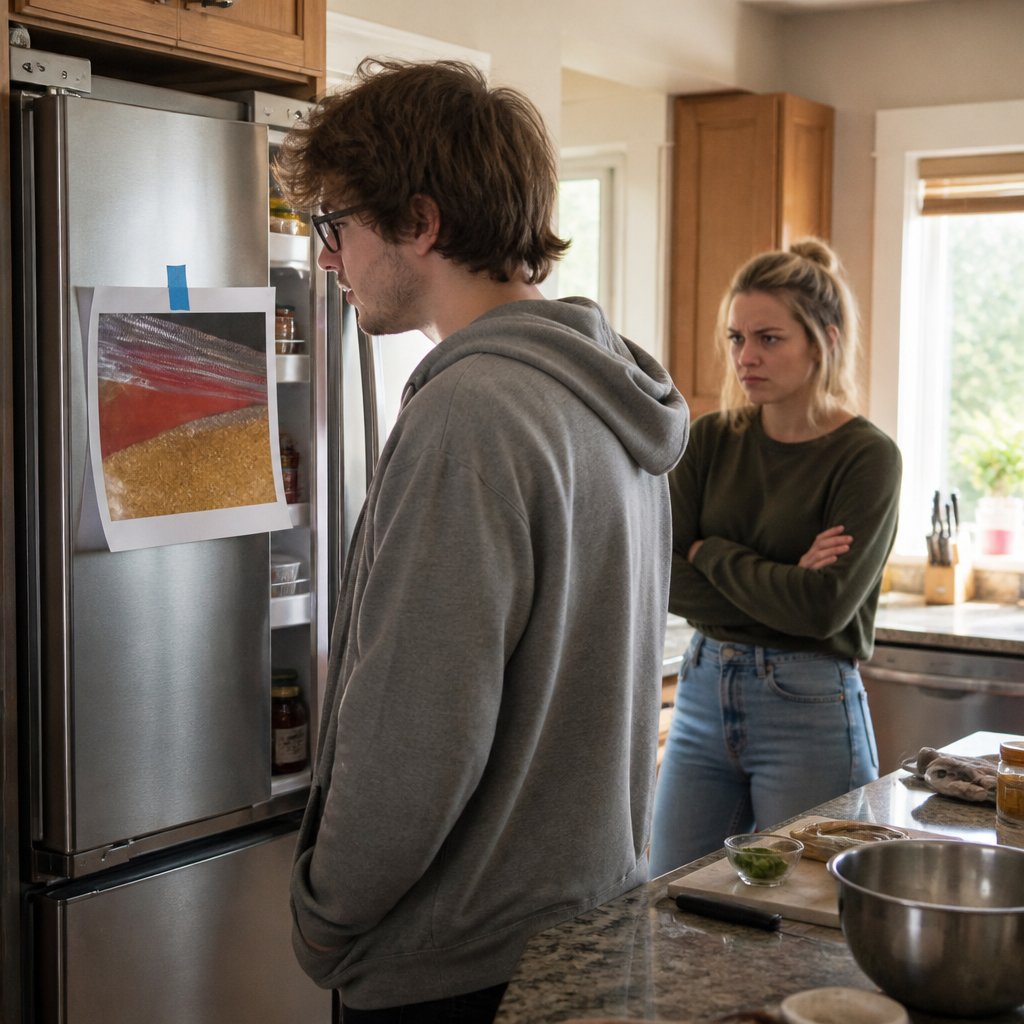
A guest found a photo from the dinner. The spice packet label edge looked like it was covering another label underneath. It was proof of tampering—if we could authenticate it. I stared at the blurry image printed out and taped to the fridge. Jenna’s face was behind the camera, smiling before everything happened. The kitchen smelled faintly of soy sauce and ginger. This picture could change everything, but only if we could prove it was real. The doubt hung heavy between us as we debated the next step. Could we convince anyone else to believe it?
They Tried To Poison The Jury
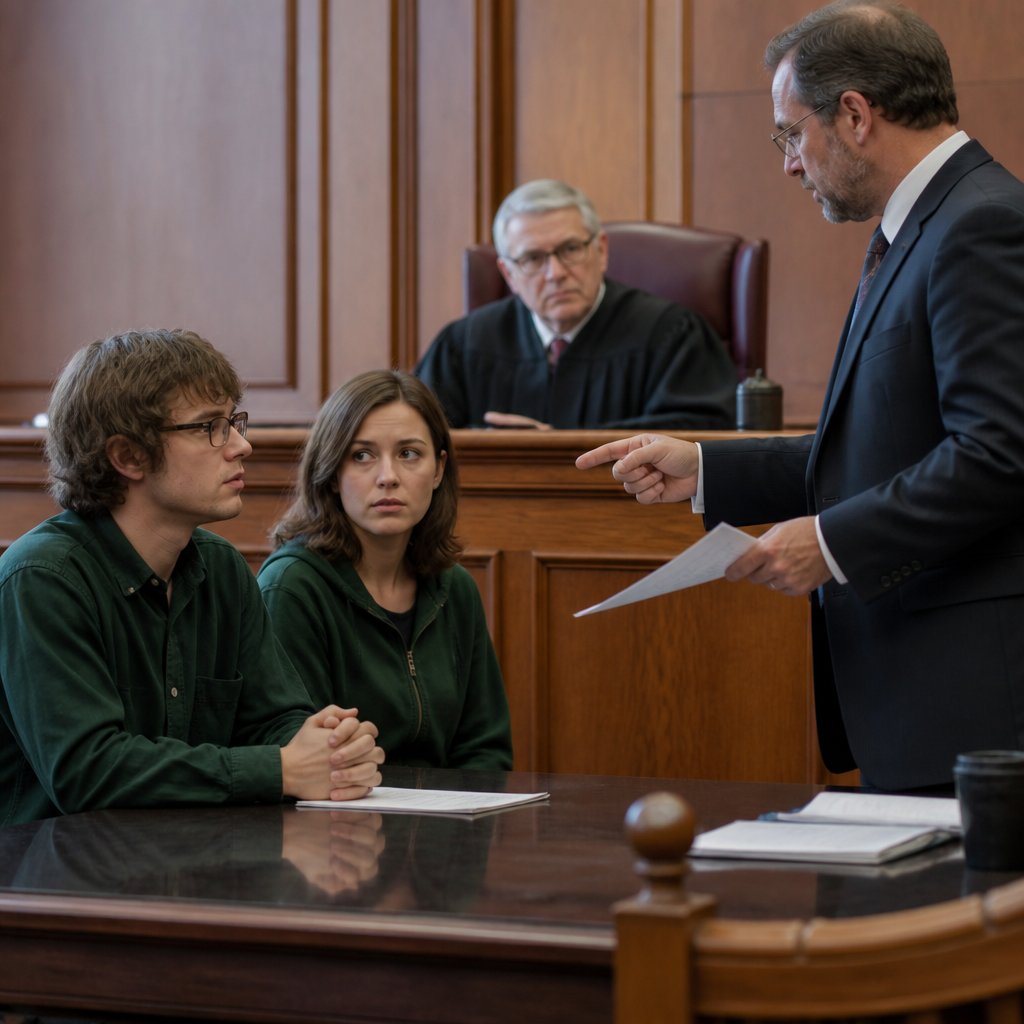
At the hearing, FreshFork’s lawyers surprised me. They moved to push our case into arbitration, trying to shut down the courtroom fight before it even began. What caught me off guard was the evidence they presented. Screenshots showing my sister Jenna liking a peanut-sauce recipe online. It felt like a hit below the belt—a move to poison the jury pool before anyone was even seated.
Watching the lawyer smear Jenna’s character in the sterile courtroom was nauseating. Jenna, in her green hoodie and black jeans, sat beside me, her hands clenched tightly in her lap. The jurors, if we got that far, might see her as reckless or irresponsible, not the cautious person she was.
The judge frowned but let the motion proceed. I stared at the glossy courtroom bench, the lawyer’s voice echoing off the wood. They wanted to frame the narrative: Jenna knew peanuts, she wasn’t careful, she was partly to blame. This wasn’t about food safety anymore; it was about discrediting my sister to save FreshFork’s reputation.
My lawyer whispered that the fight was just beginning. But the question lingered—could they really poison the jury pool this early and get away with it?
A ‘Clean’ Label Didn’t Match
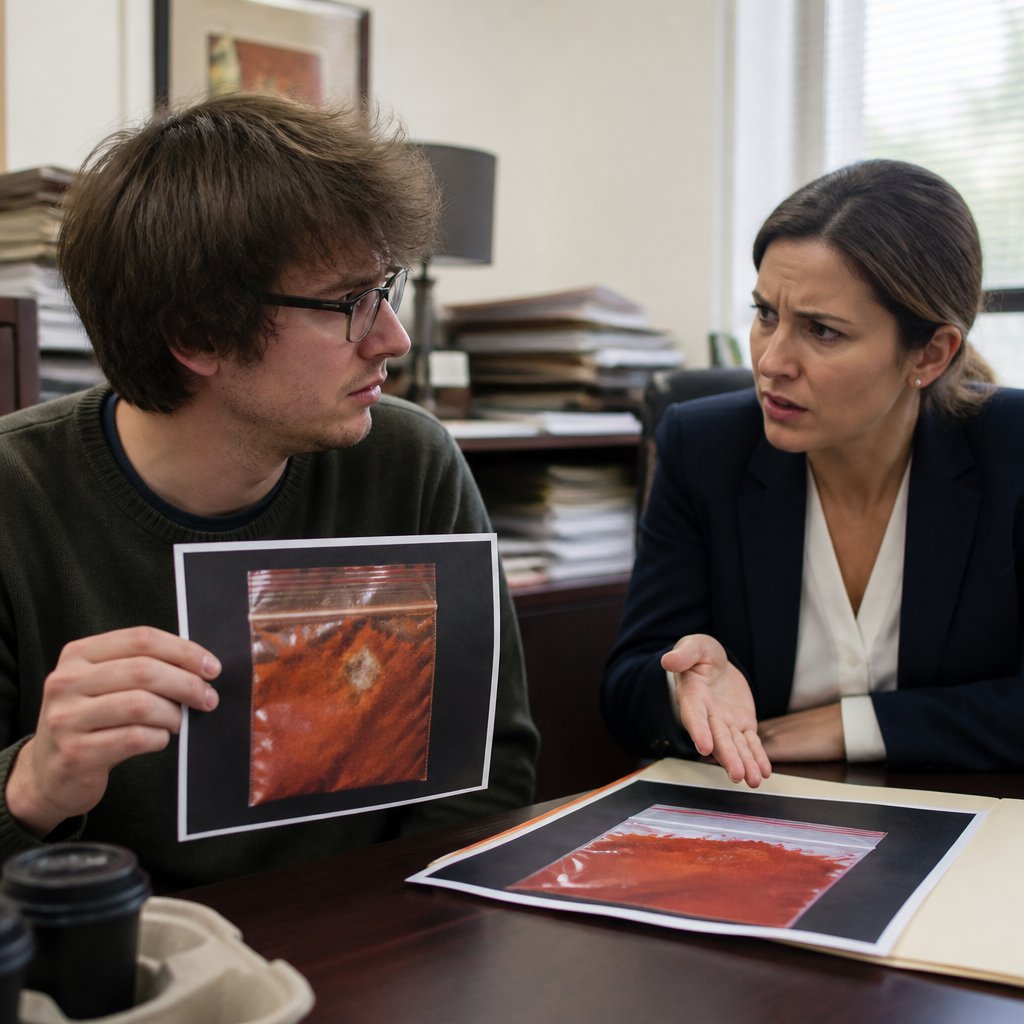
Discovery took a sharp turn when FreshFork’s team dropped a bombshell: a pristine digital label file for the spice packet. It was spotless, with clear allergen warnings and no smudge or irregularity. But it didn’t match the battered, smudged packet from our kit.
I held the photo of that packet in my hand during the meeting, my fingers steady despite the wave of disbelief. The label in the photo had a faint peanut powder stain near the allergen panel. The digital version was perfect, like it hadn’t been through a single distribution. It suggested our physical evidence might be a fake, or worse, tampered with after the fact.
The lawyer’s office smelled faintly of coffee and paper. Across the table, FreshFork’s counsel smiled thinly, implying they had exposed a fabrication. Our attorney narrowed her eyes, asking whether this meant someone had modified the label in reality or if FreshFork was hiding something deeper.
The question that hung in the air was clear: if the digital label was the official truth, what was going on with the physical packet?
A Temporary Worker Spoke Up

Weeks later, an anonymous call came through to my lawyer. A former packaging temp at FreshFork was ready to talk. She claimed that when shipments arrived missing updated allergen panels, the company resorted to relabeling existing spice packets.
Her voice was calm but urgent over the phone. She described cramped warehouse spaces, rows of assembly lines where workers hurriedly slapped stickers over original labels. Sometimes, she said, the messages got mixed up or missed entirely.
The memory of that call hung with me. She was a young woman, just out of her teens, working in a faded blue t-shirt and jeans, surrounded by noisy conveyor belts and cardboard boxes. Her insider claim could open the case wide—or collapse under scrutiny as hearsay.
My lawyer warned me not to get too hopeful yet. But if true, relabeling inside the warehouse would mean FreshFork not only ignored allergen safety but deliberately hid it. The problem was proving it beyond the voice at the end of the line.
The Fired Worker Broke Silence
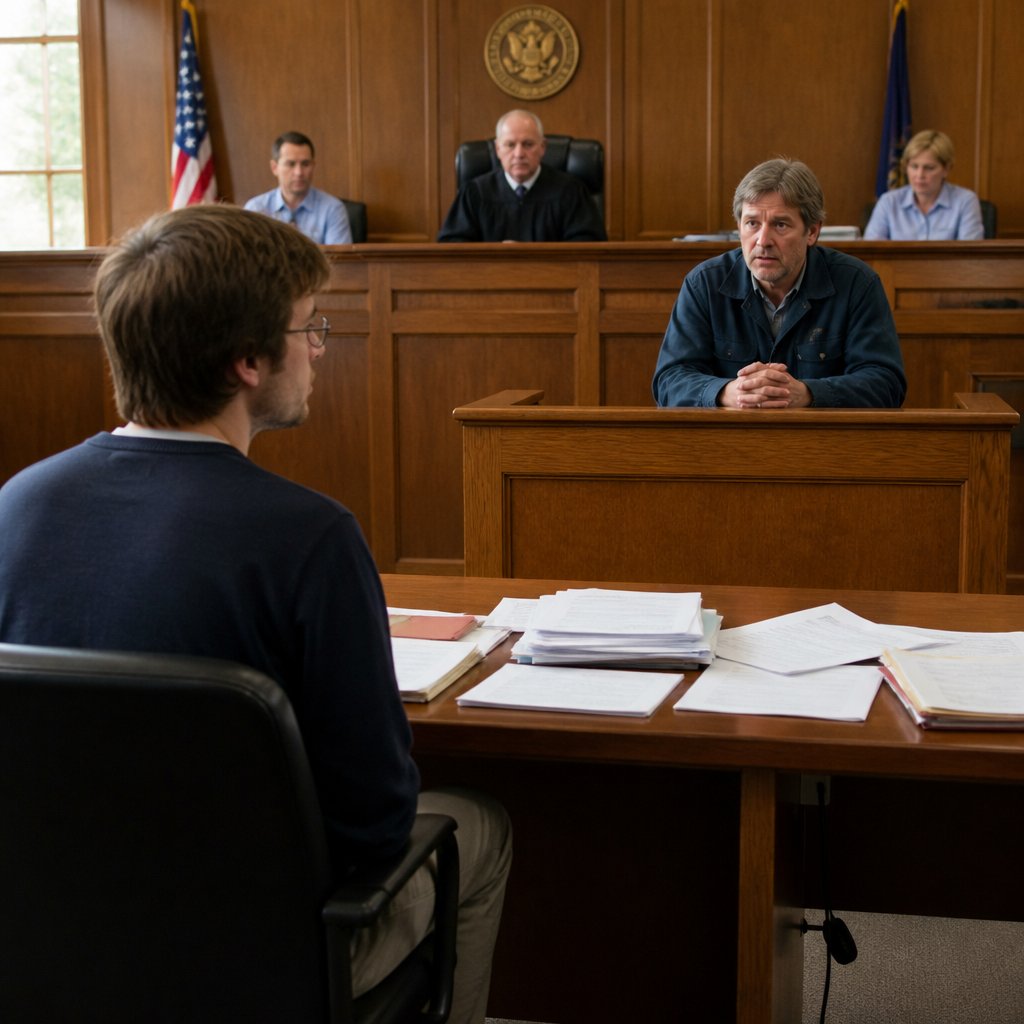
The day the former FreshFork employee took the stand, the courtroom felt colder than usual. He was a middle-aged man with tired eyes and a worn jacket, his hands twitching as he described managers ordering them to cover allergen testing panels. "Specs changed," he said, voice low. "But they told us to ship anyway, keep it quiet." This wasn’t just a slip-up; it was a policy he’d been forced to follow.
My lawyer seized on every word, but FreshFork’s team moved quickly to disqualify our lab expert before trial evidence could be finalized. They claimed our tests were flawed, trying to cast doubt on the science that showed peanut powder in the kit. It was a last-ditch effort to muddy the waters, but I could see how tight the timeline was getting. The case’s fate balanced on who the judge would trust next.
The dull scrape of the bailiff’s chair scraping the floor echoed as arguments heated up, the courtroom waiting on a verdict about who could testify and what evidence would stay. The tension was thick, but the truth was still out there—hidden beneath layers of corporate legal maneuvering.
Whistleblower’s Files Arrive
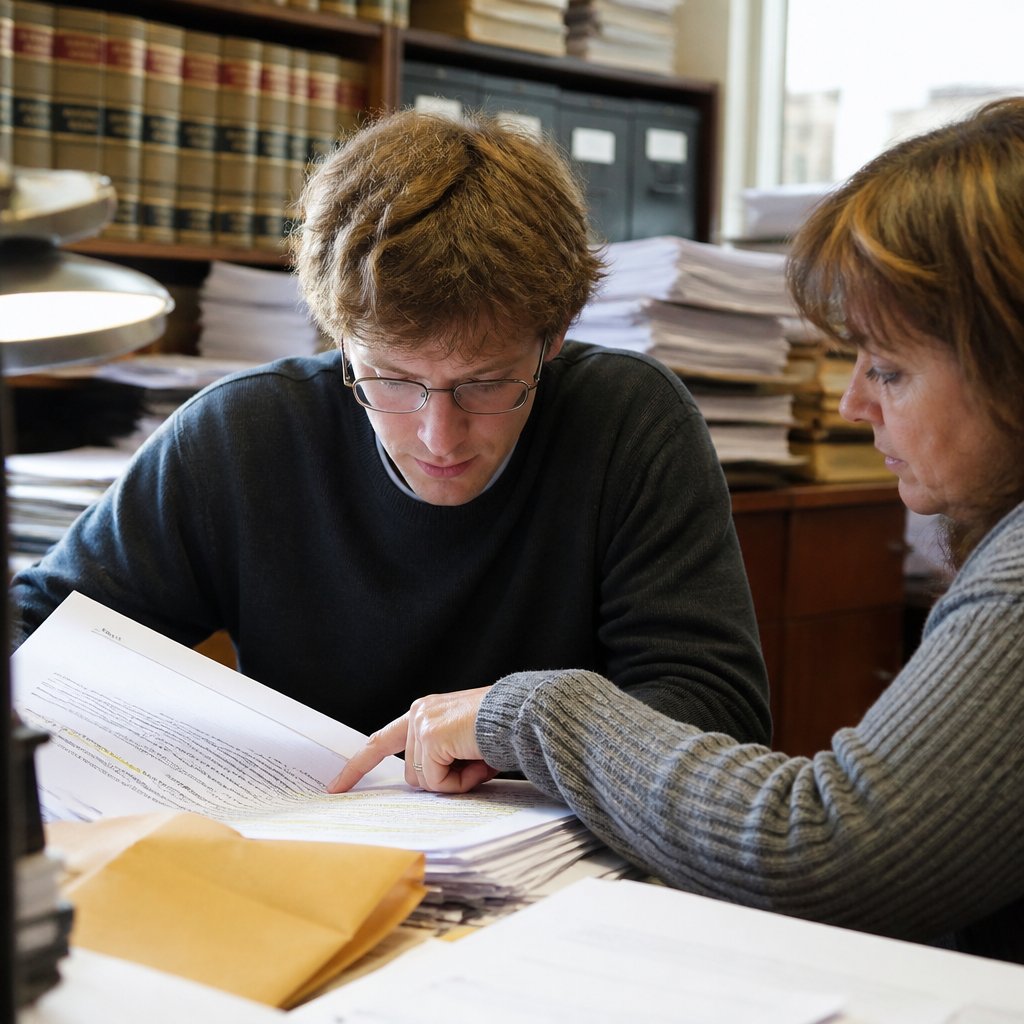
Late one evening, my lawyer’s phone buzzed with an encrypted email from a supplier whistleblower. They’d sent scanned documents showing FreshFork quietly requested a cheaper filler containing peanut powder during a supply shortage. The memo was precise, with handwritten notes and highlighted passages. This was the smoking gun we’d been hunting.
FreshFork’s response was swift and aggressive. They called the documents fabricated, demanded forensic analysis, and threatened to stall the entire case. They wanted to drown us in delays and skepticism, hoping the judge would grow impatient. My stomach clenched; this was a battle on two fronts—proof and procedure.
The smell of stale coffee lingered in the cramped legal office as my lawyer spread the papers on the desk, fingers tracing every detail. Late into the night, we prepared for the fight ahead, knowing the next steps could sink or save the case depending on how the court weighed evidence authenticity.
Forensics Confirm Proof
Forensic experts verified the dinner photo and whistleblower documents were authentic. The photo, taken by my sister days before, showed the nut-free kit with a spice packet visibly labeled but later found to contain peanut powder. The court accepted this as key evidence.
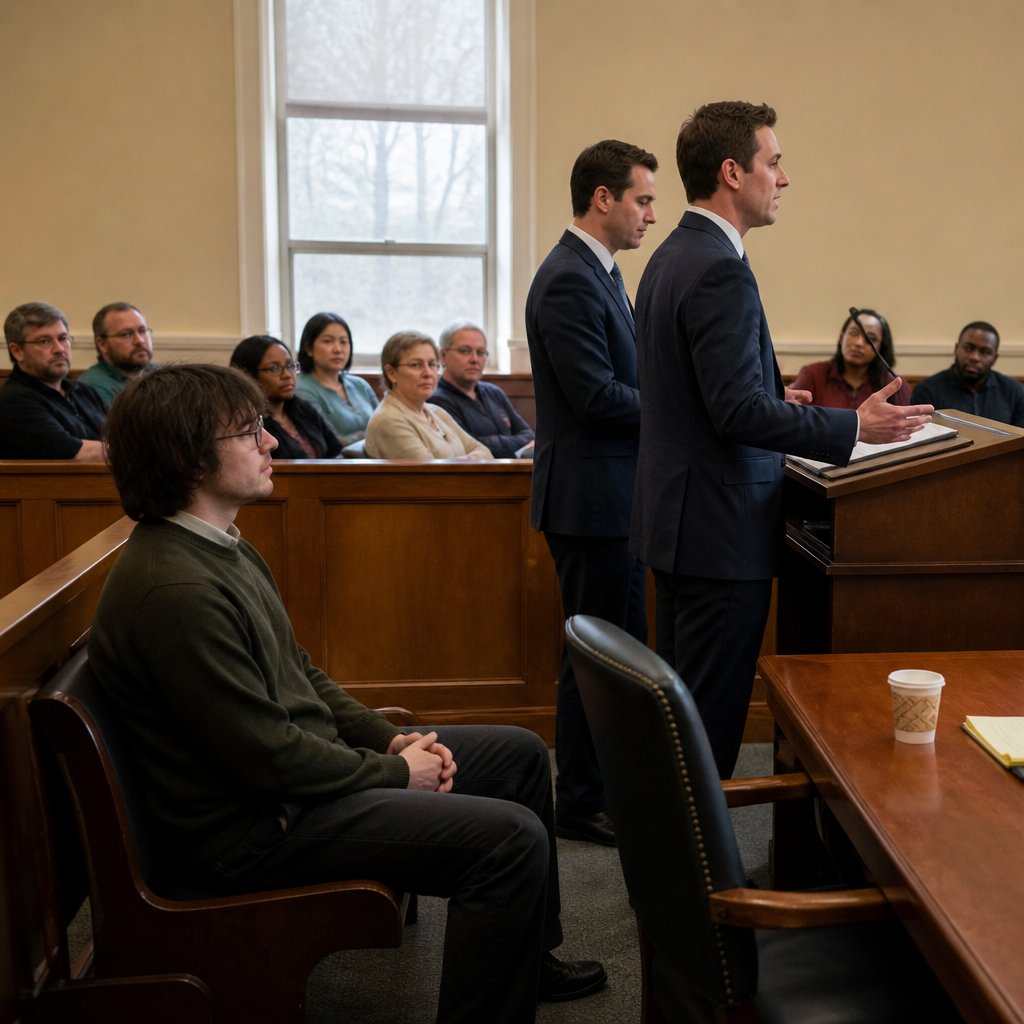
At trial, FreshFork’s attorneys argued labels weren’t guarantees—they insisted the marketing was just promotional language, not a binding promise. They hoped jurors would buy that “nut-free” was a vague term, not a literal one. The defense’s tone was clinical, their suits crisp, but the room smelled faintly of burnt coffee and cold metal from the courtroom’s air vents.
I sat in the back, watching jurors shift uncomfortably as both sides laid out their cases. The question hung in the air: could a label ever be just words, or did it mean lives depended on it? FreshFork was betting the jury’s doubt would outweigh the harm done.
Evidence Stacks Against FreshFork
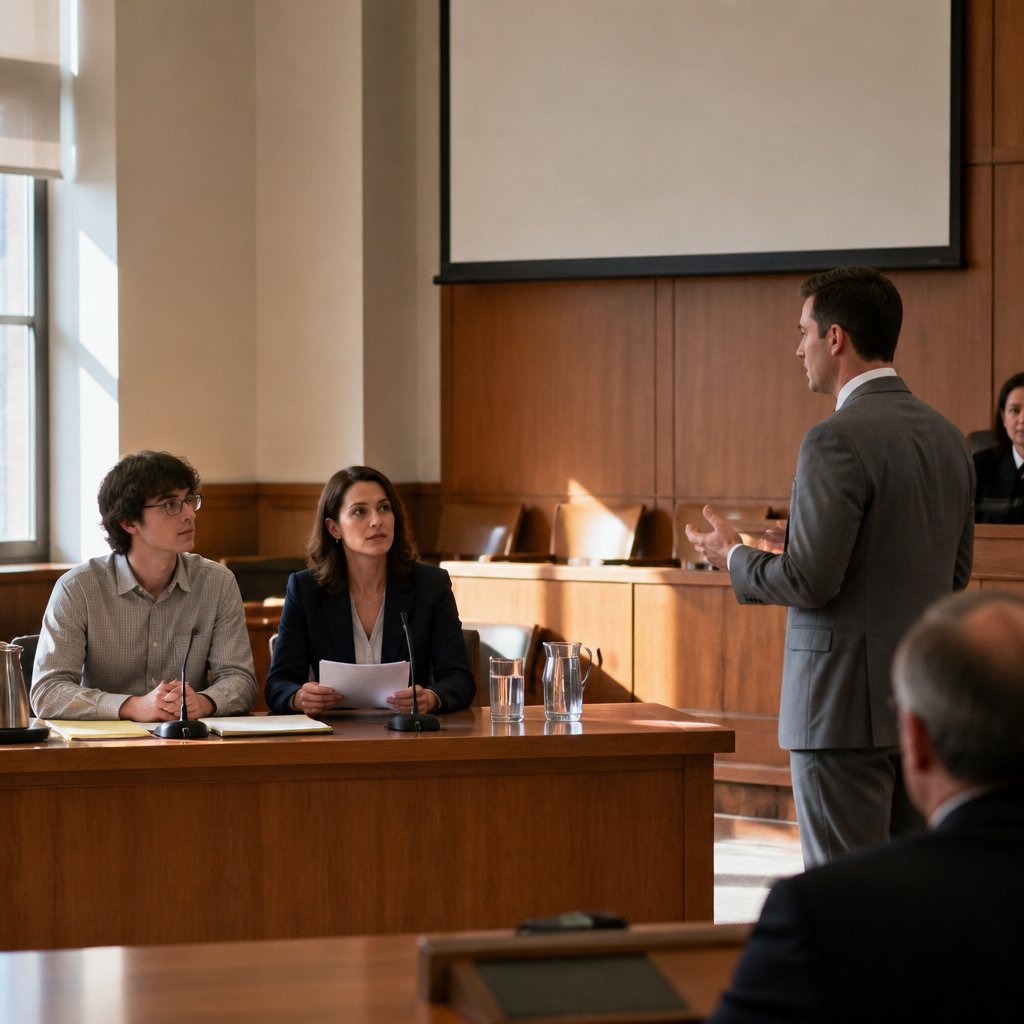
Evidence kept mounting. The lab scientist testified firmly about detecting peanut proteins in the kit. Security footage revealed a sticker placed over the allergen panel on packaging—covering up the true contents. My lawyer revealed an internal FreshFork memo titled “Allergen Panel Temporary Fix,” describing the decision to hide the allergen change.
But despite the growing pile, FreshFork’s defense tried to limit evidence about other similar incidents. The judge labored over whether to allow those details, and the courtroom smelled of old paper and polished wood, the silence heavy whenever the defense raised objections.
I could see my sister’s photo tucked in my lawyer’s briefcase, a reminder of what was at stake. The defense’s questions tried to soften the impact, but the truth found cracks. Yet, the fight over what the jury would hear was far from over.
Missing Logs Trigger Sanctions
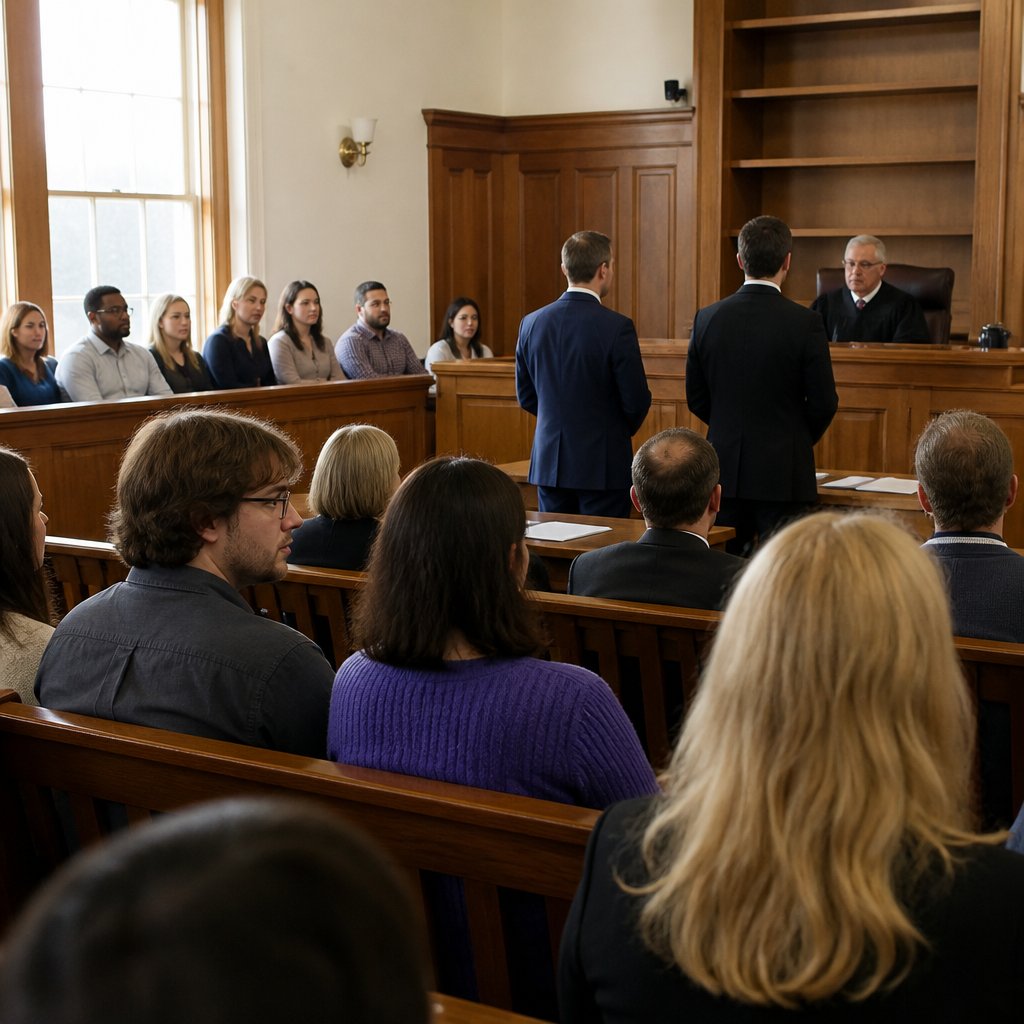
Then the judge issued a spoliation instruction because FreshFork’s complaint logs had vanished. The jury was told to consider that evidence was destroyed, and that raised a red flag about the company’s honesty. The tension in the courtroom thickened; whispers rippled among spectators.
The jury requested to replay the security footage showing the sticker covering the allergen panel and to reread the internal memo. FreshFork’s lawyers suddenly asked for a settlement conference just minutes before the verdict was due. The stale smell of the courtroom mingled with nervous sweat as everyone realized the stakes were higher than ever.
I looked over at Jenna, my sister’s closest friend, sitting stiffly in the gallery. Would FreshFork try to buy silence now? The room held its breath, but no one knew what would happen next.
Jenna Refuses Quiet Settlement
FreshFork offered a confidential payout to stop the verdict from being read. Jenna, my sister’s best friend, stood her ground and refused to accept a quiet deal. She believed our fight needed to be public, to warn others and hold FreshFork accountable.
The courtroom waited, breaths held, as the judge nodded and called the jury back. The verdict came in: FreshFork was liable, with punitive damages tied to relabeling failures. The weight of the decision crashed down on us all, but the case wasn’t over—regulators were already circling to investigate, and the company’s secrets could soon be unsealed.
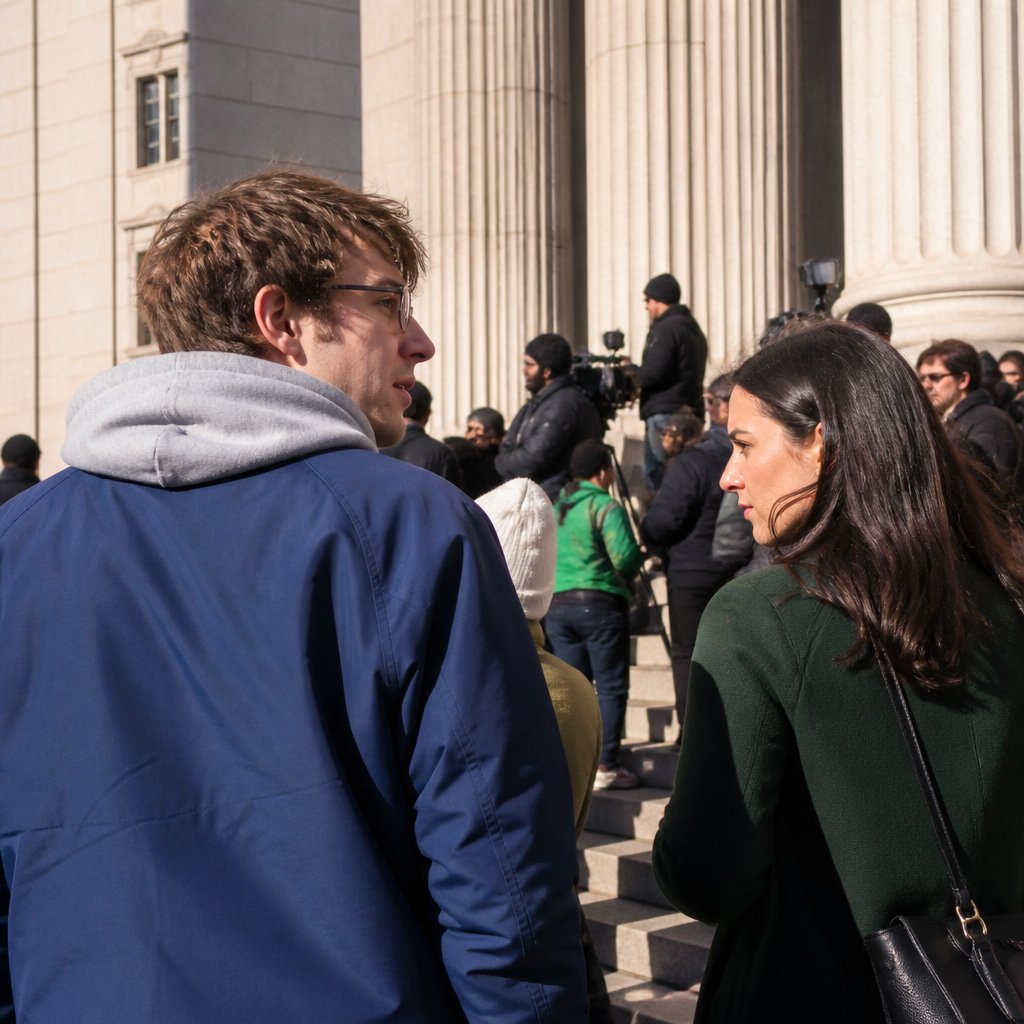
Outside the courthouse, the crisp spring air smelled faintly of rain. I glanced at Jenna’s steadfast face, knowing this was just the beginning of a longer fight.
Was FreshFork rightfully held liable without the batch number?