




Mandate Email Shakes The Office
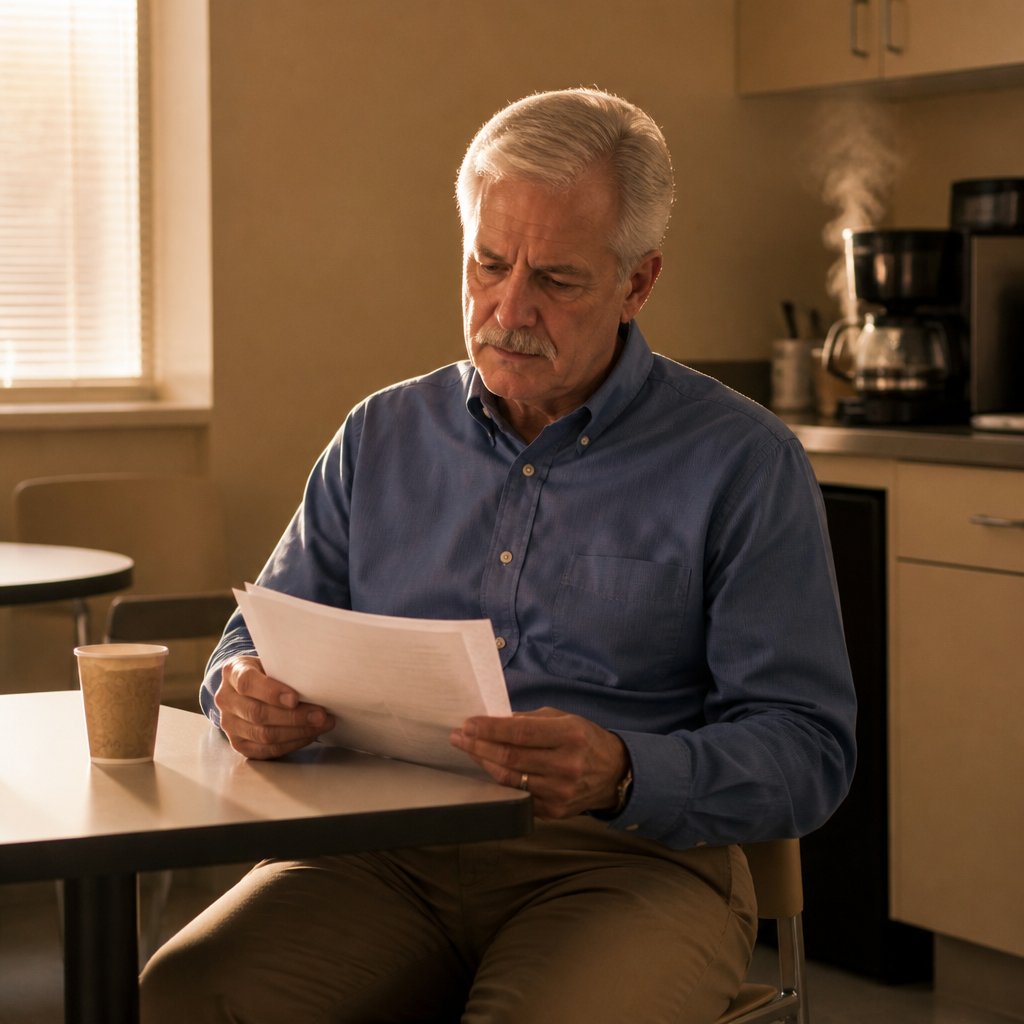
One morning, the company-wide email landed in my inbox with a sharp ping. It was a mandate about vaccination, a hard deadline slapped at the end, and a link to a portal for exemption requests. I sat back in the break room chair, the cold plastic scraping against my jeans, as I read it again. Compliance wasn’t a choice anymore—this was tied directly to whether or not we kept our jobs. The hum of the vending machines and the distant clatter of coffee cups filled the silence around me. I felt the weight of it immediately. Everyone would need to act fast or face consequences. I knew this would change everything for me and the team, but what I didn’t expect was how quickly the walls would close in after I took the next step.
Printing HR’s Exemption Form

I found the HR exemption form on the portal and printed it in the break room. The hum of the office printer was oddly loud in the cramped space. I scanned the form and jotted down a simple statement about my religious beliefs on the blank section. It felt routine, but a small voice in me warned otherwise. The words on the form seemed designed to catch something, or someone, out. After folding the paper carefully, I handed it back through the HR submission slot, expecting a standard review. My fingers brushed the cold metal of the slot as I slid the form in. I glanced at the small clock on the wall ticking away, wondering if this was the moment the gears started turning against me, even if nothing felt wrong yet.
Manager’s Quiet Pressure

A few days later in my manager’s small, windowless office, he leaned in with a low voice. "Just do what they want," he said, avoiding eye contact. Meanwhile, I had received an auto-confirmation email from HR—it didn’t say when or how they’d respond, just that they got my form. My manager’s tone carried a message beyond the words: the decision was already made somewhere above us. I glanced at the stack of project files on his desk, their corners worn from constant use. His hesitation clashed with the usual directness I expected. The atmosphere felt cold, like the air conditioner left on too high—an invisible barrier sealing off any real discussion. I was caught between silence and pressure, and the weight of that made it clear this was more than just a routine process.
Access Downgraded Without Explanation

My access permissions were suddenly cut. At first, I noticed my billing system rights dropped to read-only. I could see data but couldn’t edit or update anything. Then, one morning, I tried to enter the ticketing platform and was completely locked out. No warning, no explanation. Somehow, leadership started blaming me for missed deadlines and incomplete work that I literally had no ability to fix.
The billing department had a humming fluorescent light overhead, and I sat in my cubicle staring at the locked screen notification. My hands rested on the keyboard, powerless. It felt like a punishment without cause. I emailed a couple of teammates asking if they knew what was happening but got vague replies. The frustration built as I realized my role was being eroded piece by piece.
Despite the restrictions, I was still expected to deliver results. I had no way to communicate these limitations formally yet. The silence was deafening.
Whispers About Being A Problem

One afternoon in the crowded break room, a colleague pulled me aside. She lowered her voice and told me she'd overheard Diane, one of the managers, refer to me as "a problem employee" during a managers-only meeting. It was the first time I heard anything so direct, but it made the rumor real in a way that chilled me.
My coworker wore a gray sweater and jeans, leaning against the countertop, eyes flickering nervously around the room. There were mismatched coffee mugs and a faint scent of burnt toast from the toaster. She said she suspected HR was quietly recruiting allies to justify the moves against me.
I had no proof, only the uneasy feeling that my side of the story was being drowned out by whispered agendas. I wondered who else might already be lined up against me.
Filing A Formal Complaint
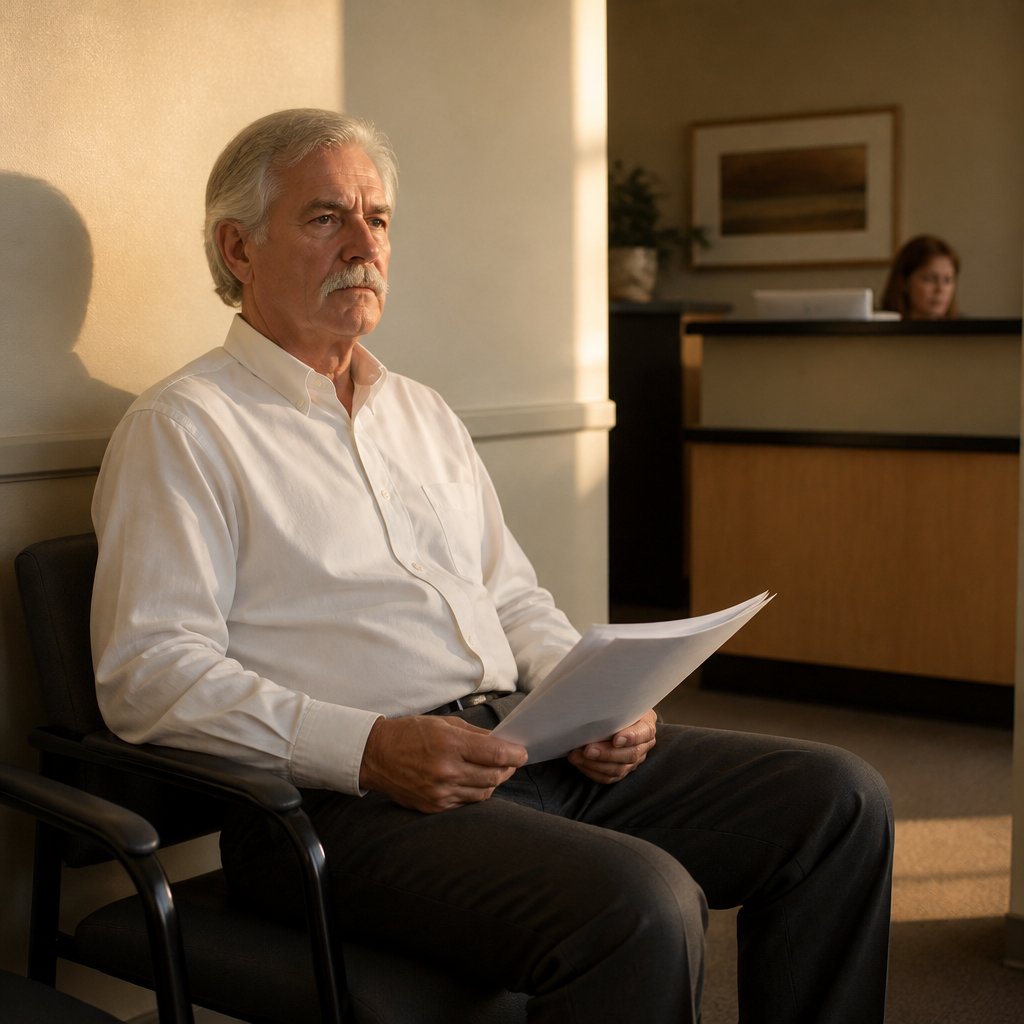
I decided to escalate. I filed an internal complaint alleging discrimination and retaliation, and explicitly demanded the exemption decision in writing. If they wanted to deny me, I wanted it on record, not some vague rumor or backdoor conversation.
I sat in the HR office, the sterile beige walls staring back at me. The receptionist’s faint tapping of keys in the adjoining room was the only sound. My hands gripped the edge of the plastic chair as I signed the form. I noticed the faint scent of cleaning sanitizer mixed with coffee.
Submitting the complaint forced HR into a corner. They had to officially acknowledge my concerns and respond formally. But I had no idea how they would react next.
Final Written Warning Ambush

The very next morning, before I could hear anything back about my complaint, HR summoned me to a small conference room. They handed me a "Final Written Warning". The document cited insubordination and refusal to comply with company policy. I was stunned—this discipline came before any written exemption decision or explanation.
The room smelled faintly of old coffee and paper. HR staff sat across from me in navy and burgundy blouses, their faces unreadable. I wore a light gray sweater vest over a white shirt, fingers trembling slightly as I took the paper.
It felt like a preemptive strike, setting me up to justify what they already planned. I asked questions, but they stayed vague. The warning was a thinly veiled threat.
Security Escorts Me Out
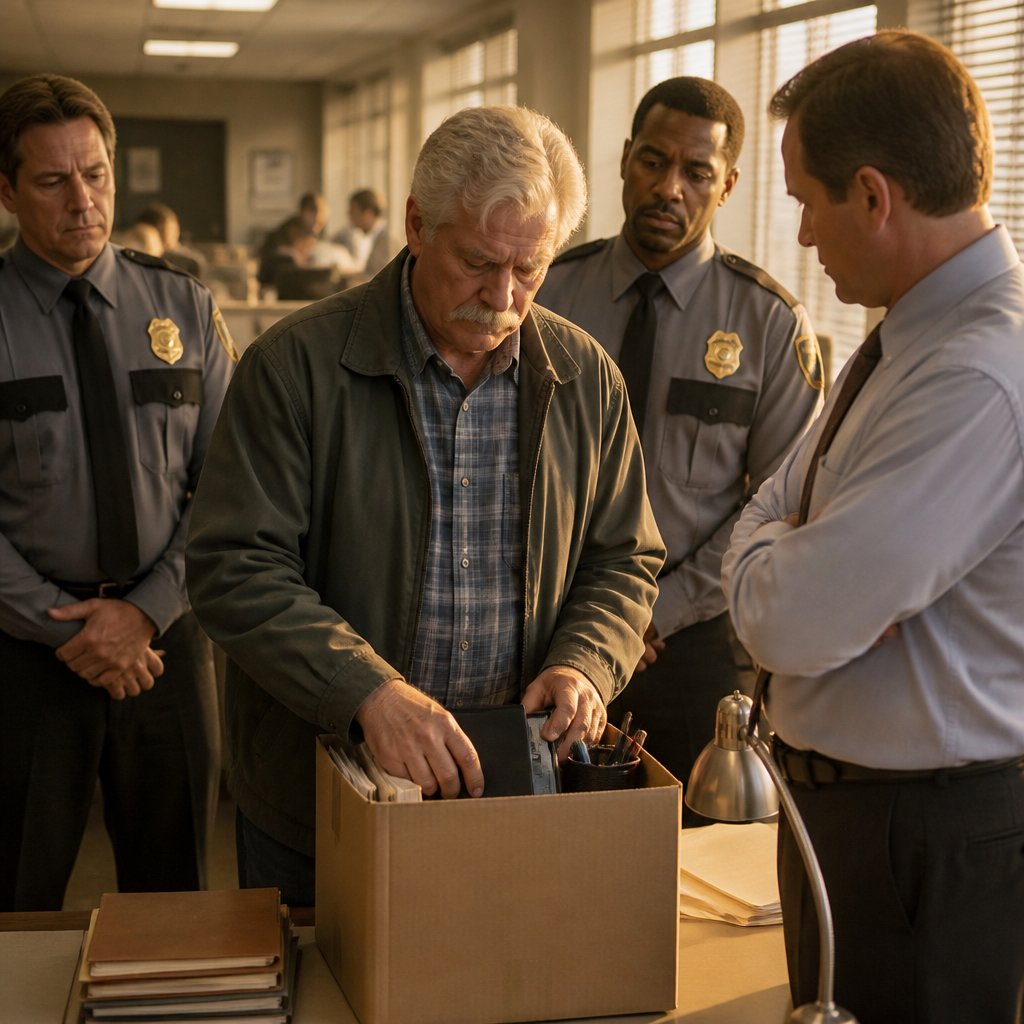
A few days later, security showed up at my desk. They told me I had to pack my things immediately. A supervisor stood nearby watching silently. I was treated like a potential threat rather than a valued employee. Some coworkers stared from their desks, and I could feel their eyes as I gathered my belongings.
The break room smelled faintly of microwave popcorn as I shoved files and a few personal items into a box. I wore a dark green jacket over a checked shirt, sleeves rolled up—a stark contrast to the sterile atmosphere. The security guards remained expressionless, their black uniforms unyielding.
It was humiliating, the walk of shame out the door, but the worst part was the silence — no explanation, no farewell.
Badge Fully Deactivated
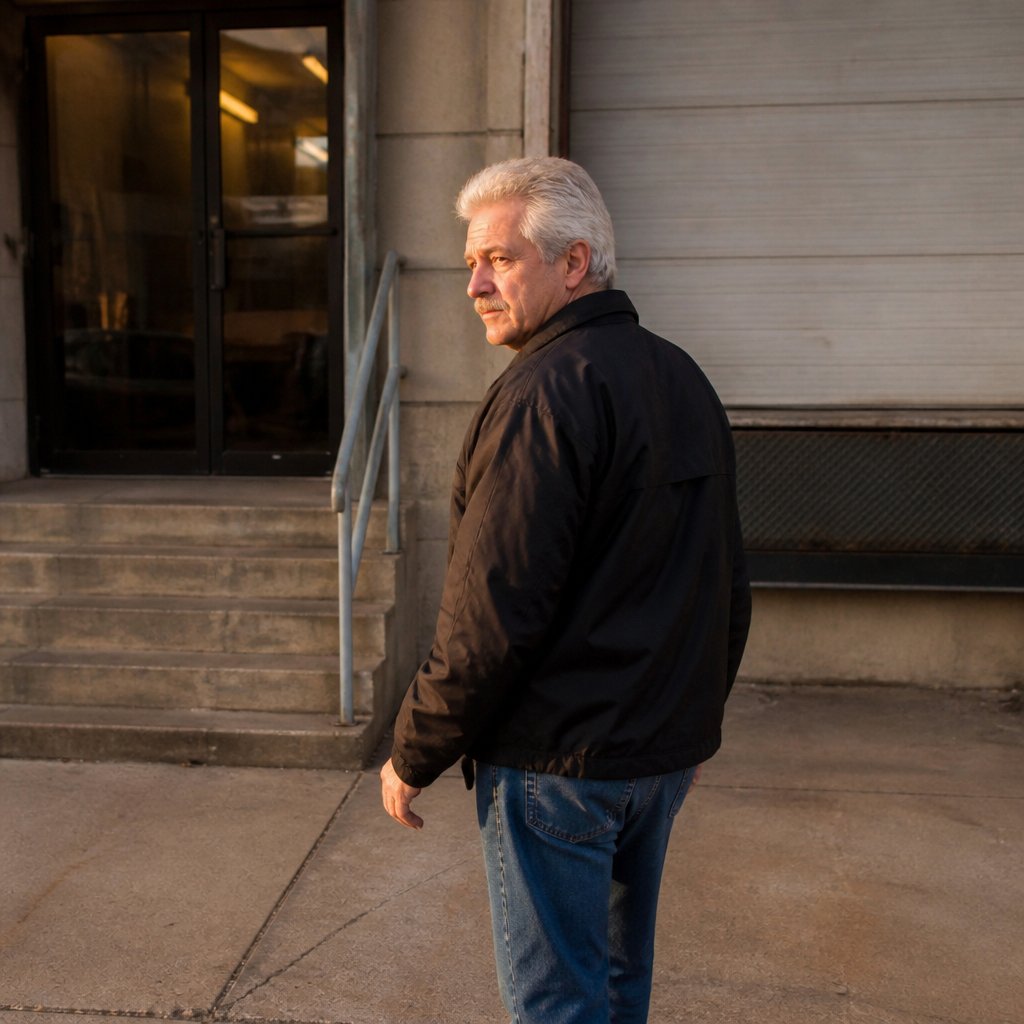
Midday, I tried using my security badge to enter the building again. Nothing happened. The door wouldn’t unlock. My badge was completely deactivated. Someone had escalated my lockout from partial access to total exclusion.
I stood outside the loading dock door, the concrete cold under my shoes. I wore a black windbreaker zipped up to my neck and dark jeans. The industrial smell of diesel and metal filled the air. I looked back at the glass doors where I had spent years of my career. The reality sank in—the company had closed the door on me entirely.
Forced to exit through the loading dock was humiliating. I wondered what message this sent to everyone watching.
Termination Email Arrives
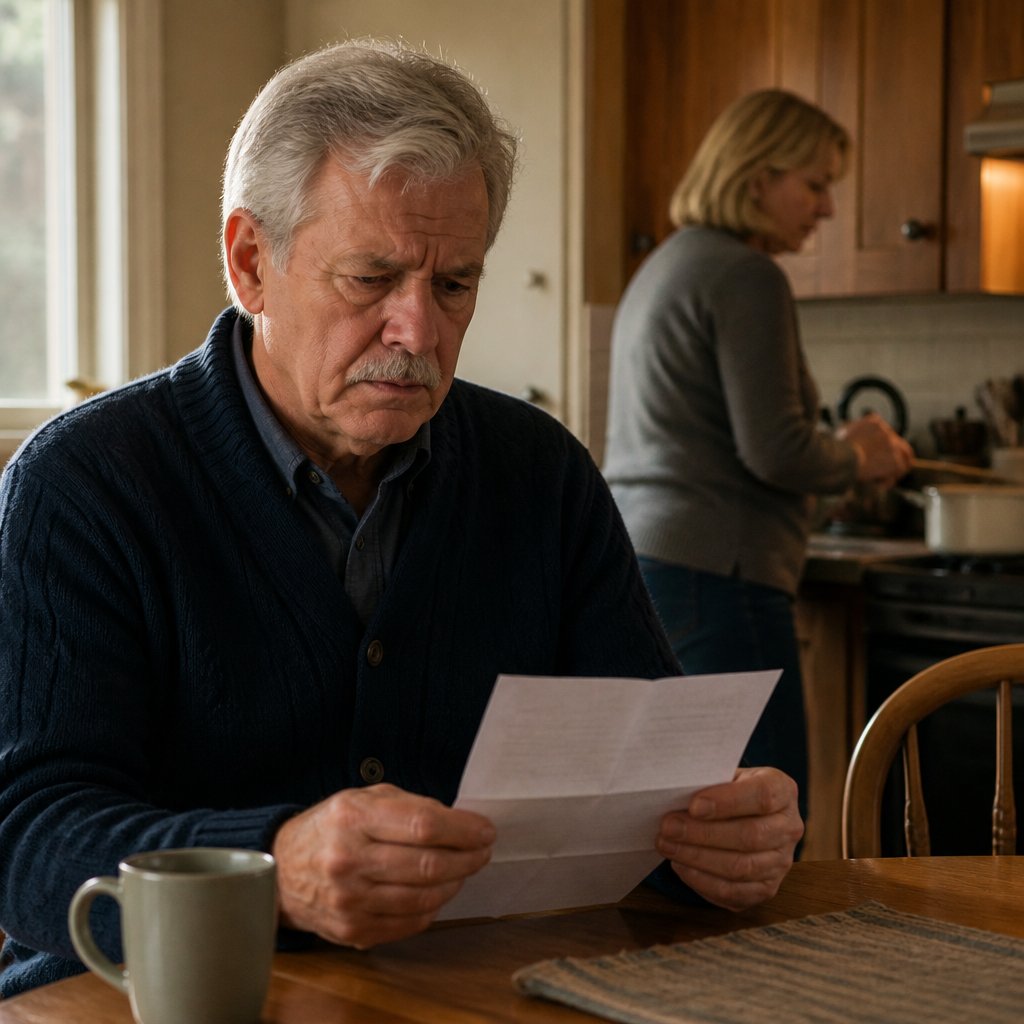
Late that afternoon, I received an email titled "Separation." The message alleged policy violations and unauthorized disclosure but offered no specifics. It felt like a poison pill designed to damage my professional record without giving me a chance to respond.
I sat at home in my kitchen, the hum of the refrigerator and distant traffic noises filling the air. My wife was making dinner nearby, chopping vegetables. I wore a navy cardigan over a white shirt, still in disbelief as I reread the vague accusations. There was no clarity, only insinuation.
It was the final nail in the coffin, but questions about what exactly I was accused of and why remained unanswered.
Personnel File Comes With Holes

I requested my personnel file to understand what was officially on record. HR finally sent me a PDF, but pages were missing and timestamps didn’t line up. It was clear the file was curated, not a complete history.
I sat in my small home office chair, the faint aroma of old books and dust surrounding me. Wearing a brown corduroy jacket over a tan shirt, I scrolled through the document on my tablet, noting the inconsistencies. It felt like someone was rewriting my story to justify their actions.
I knew I’d have to push harder to get the truth, but how deep was the manipulation?
Photo Of Leadership Whiteboard

A former coworker texted me a photo from inside the leadership office. The image captured a whiteboard with a note: "Exemptions: deny unless legal forces it." It confirmed my suspicion that denials were pre-decided long before HR reviews.
The photo was taken from a slight angle, showing a conference room with empty chairs around a glass table. The coworker wore a red plaid shirt and held their phone at arm’s length to avoid notice. The whiteboard was cluttered with other notes and schedules, but that phrase stood out starkly.
This was the kind of evidence I needed — but how would leadership explain this if questioned?
Turning Fear Into Legal Action
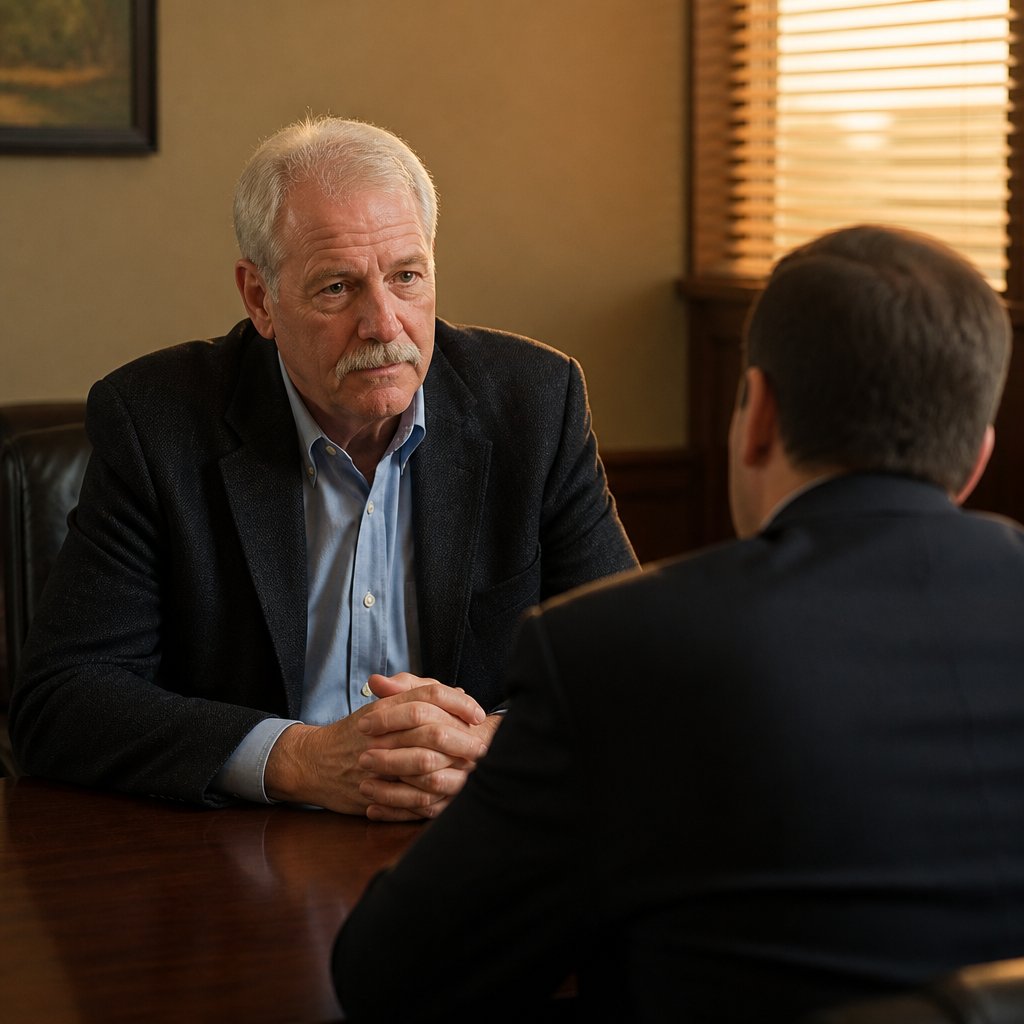
I finally contacted the EEOC and a lawyer. He asked, “Do you still have that forwarded email?” Suddenly my private fear was becoming a formal legal case. I realized I had to hold onto every scrap of evidence.
I met him in a small lawyer’s office, walls lined with legal books and certificates. I wore a charcoal blazer over a light blue shirt, trying to stay calm despite the situation. He looked serious but sympathetic, tapping a pen thoughtfully as I explained the timeline and showed him what I had saved.
This was the moment I stop being a victim and start fighting back — but the road ahead was uncertain.
Helpdesk Friend Warns Me

I was still staring at the documents, trying to figure out how to make sense of all this when my phone buzzed with a message from Kevin, a guy from IT who’d always been friendly at the helpdesk. He said I needed to be careful because IT was running deep searches through my emails and Teams messages. I felt a knot tighten in my stomach. What would they be looking for? Kevin explained there was a "litigation hold" on my account—meaning they were preserving everything for legal reasons. But the strange part was that this hold was only on me. No one else involved in the case had this restriction.
He warned me that it looked like I was being set up as the sole wrongdoer, the scapegoat in this situation. I remembered the tight security badges and the swipe logs displayed on my performance reviews — the very tools they were now using to try to pin something on me. It felt like a trap closing around me and I didn’t know how to stop it. Meanwhile, the hum of the office was distant, the murmur of coworkers moving through the wide break room drowned out by the pounding in my head.
HR Sends Cease-And-Desist
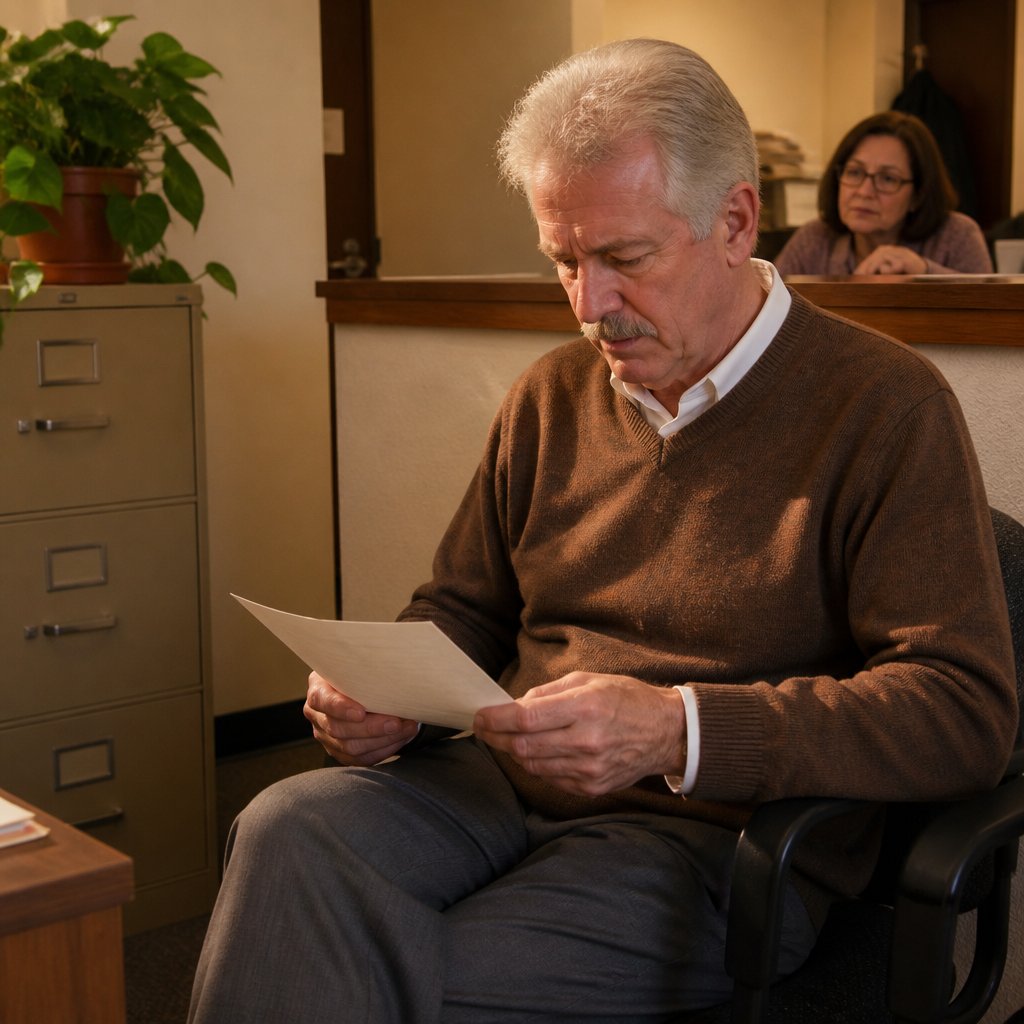
A few days after I received Kevin’s warning, an email arrived from the HR legal department. They sent a cease-and-desist letter accusing me of stealing confidential information. They claimed I’d been secretly copying files, contacting witnesses to sway their testimony, and generally stirring up trouble. The language was cold and formal, but the message was clear: back off, or face serious consequences.
Reading it in the tiny, windowless HR office cramped with beige walls and a plastic potted plant, I felt the weight of the letter settle over me. The receptionist paused behind her desk, eyeing me curiously as I sat there gripping the letter like a lifeline. They wanted to chill the witnesses, to scare me into silence. But I had already heard whispers from nurses and colleagues who were afraid to speak up.
As I folded the letter, I realized this wasn’t just about my job anymore. It was turning into a battle over the truth itself. And HR had just thrown down the gauntlet.
Lawyer Files Charge; Hospital Responds

My lawyer finally filed an official charge of religious discrimination with the agency. The hospital responded quickly, denying the allegations and insisting I’d been fired for "security violations." They produced logs showing after-hours access to sensitive systems, implying I’d been snooping around where I shouldn’t.
I sat in the dull gray conference room where I’d been called for meetings in the past, staring at the printouts. The logs had timestamps, IP addresses, and access points, but they only showed parts of the story. Something wasn’t right. The hospital’s narrative was neat and sharp, but they were only showing what supported their claim.
It felt like a replay of the same game — evidence selectively chosen to build a pretext. I wondered if I could find proof to contradict it or if they had already closed the case in their minds.
Key Witness Goes Silent Suddenly

I searched through my own records — calendar entries, VPN on-call logs — trying to line them up with the suspicious access times from the hospital’s logs. To my relief, they matched perfectly. I remembered nursing shift reports I’d seen from Jenna, a nurse who had been a key witness supporting me. But then I heard she’d gone quiet. Jenna had suddenly received a promotion and was no longer returning my messages.
I thought back to the small, bustling nurses’ station on the floor where I had spent many long hours. The faint scent of antiseptic and the constant beep of monitors made me realize how much pressure Jenna must be under now. Was the hospital using incentives to silence her? Or worse, was the promotion a way to keep her from testifying?
I sat on the edge of a worn vinyl chair in my cramped office, the quiet hum of the air conditioner filling the space, wondering how to reach her before everything slipped out of reach.
Was HR's rapid response to the exemption request justified?