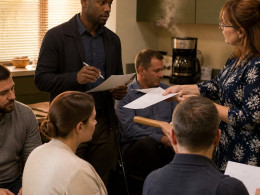



New Standby Rotation Introduced
When Troy announced the new standby rotation, he called it "light." It sounded like a relief at first. But soon we realized it wasn’t. The new system demanded strict response times. We had to answer within 5 minutes for urgent calls and 15 minutes for less pressing ones. Our nights, once free to move or relax, were now tightly controlled. Travel was off-limits. Alcohol was banned. Our laptops always had to be within arm’s reach.
Though it felt like work, Troy insisted these were unpaid standby hours, supposedly personal time. No official policy backed this up. Even so, the rules were clear. We couldn’t step away or ignore the phone. I noticed the tense silence in the office. People whispered about the increased monitoring but no one challenged it openly. The term "standby" had transformed—no longer casual waiting but measured, enforced labor.
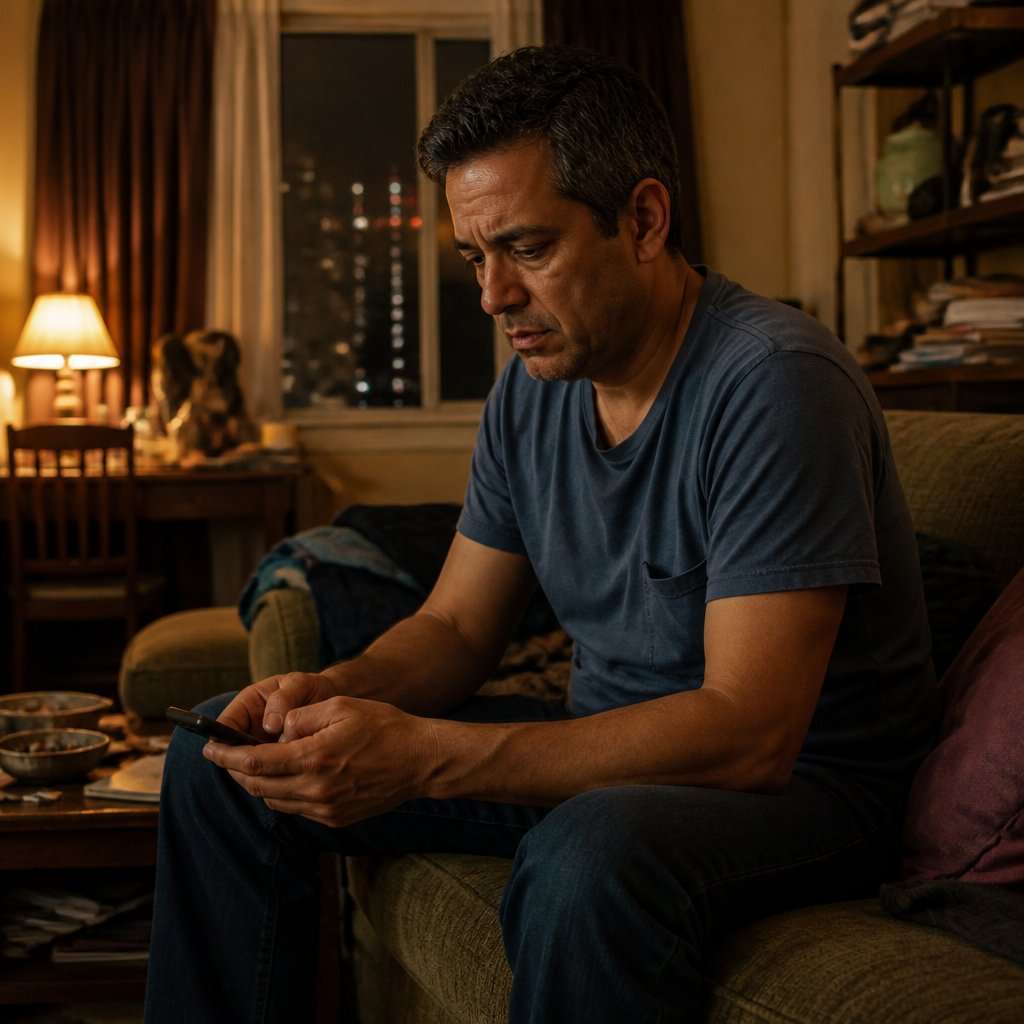
That night, the phone rang twice. I grabbed my laptop and sat in my living room chair, wondering if this new "light" standby meant I was working all night without pay.
Denise’s FAQ Contradicts Itself
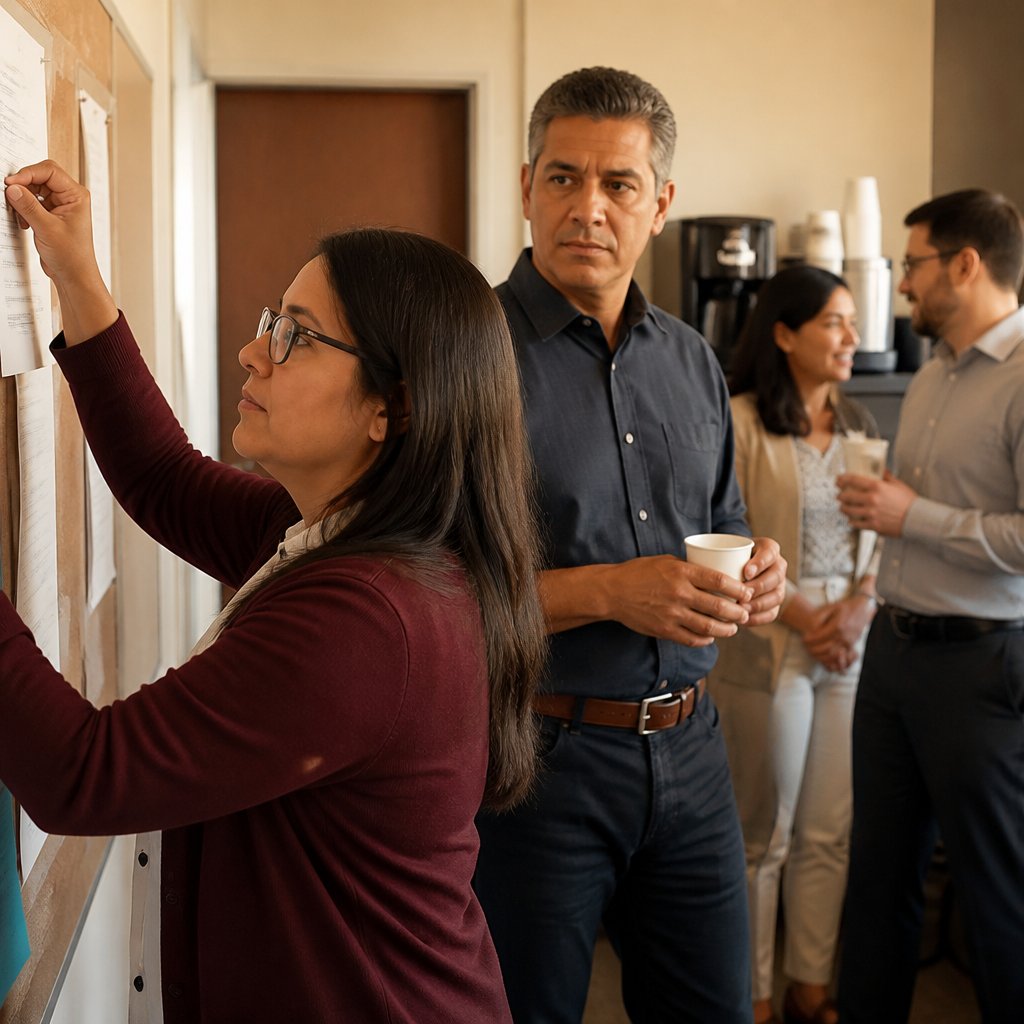
Denise sent out an FAQ that tried to explain standby shifts. It claimed that standby "isn't work" because you could "watch TV, read, or relax." At the same time, it ordered us to keep our phones on loud mode so we wouldn’t miss calls. The contradiction was obvious. How could it be relaxing when your phone could ring at any moment?
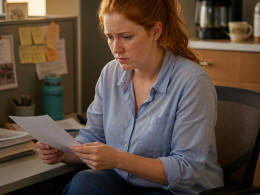
The document dared anyone to question it. It was a bold move, treating us like we’d accept being tethered without pay. The break room buzzed with quiet complaints, but no one was sure how to push back. Denise posted the FAQ on the bulletin board near the coffee machine, where the faint smell of instant coffee lingered. I held the printed sheet in my hands and reread the parts about alcohol bans and no travel.
It felt like a test. If they could convince us standby wasn’t work, they had no reason to pay us. But the tension simmered beneath the surface, waiting for someone to break it open.
App Tracks Our Every Response
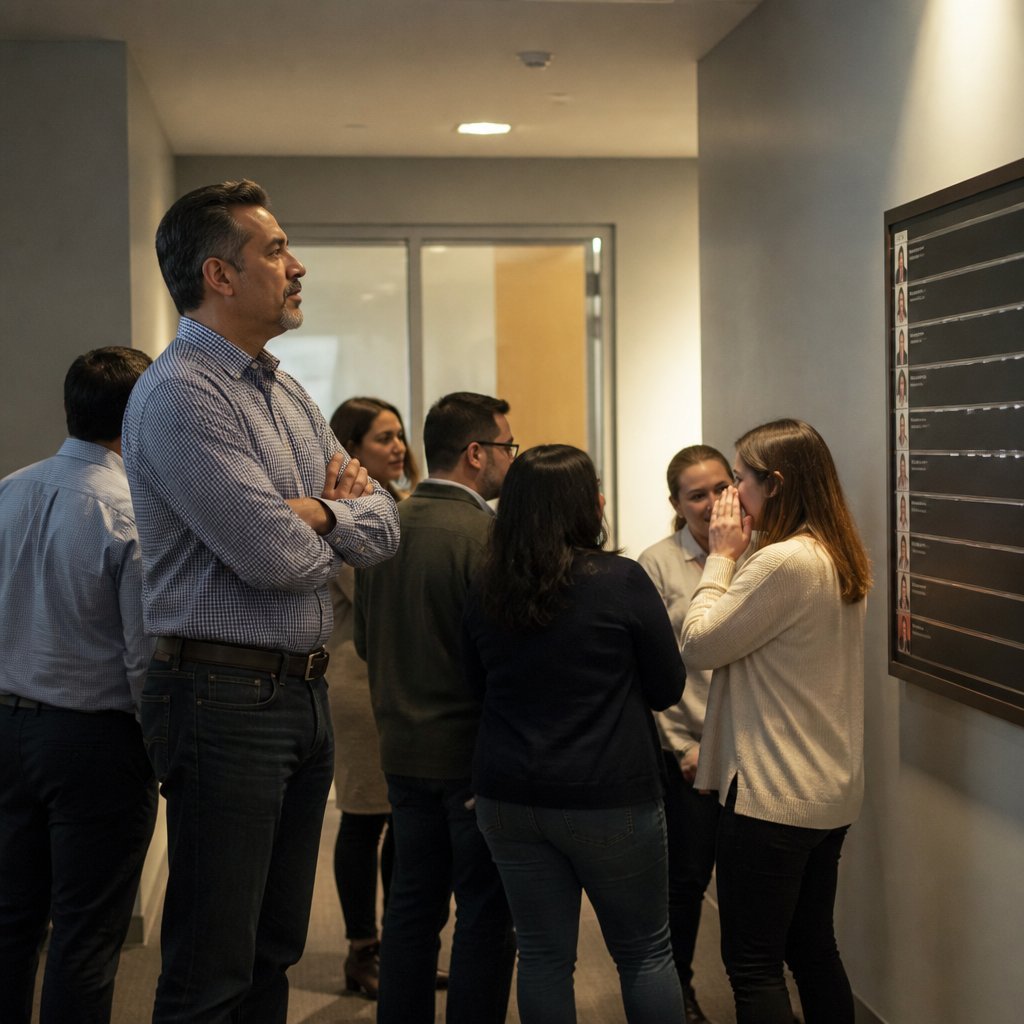
Then the company rolled out the on-call app. It tracked how fast we acknowledged standby alerts. Every tap, every delay was logged and sent directly to Troy. He started posting a leaderboard showing who responded fastest. It turned unpaid standby compliance into a public competition.
The app pinged sharply every time an alert arrived, a sound I soon dreaded. It felt like being under surveillance while off the clock. The leaderboard was displayed on a shared office noticeboard near the HR office, with names and times visible to the whole team. No one wanted to be at the bottom. The tension grew as people prioritized quick responses over real breaks.
I noticed coworkers nervously watching the screen, anxious about their standings. The line between work and personal time blurred further, and the pressure to comply mounted with no compensation in sight.
Missing Family Moments For Standby
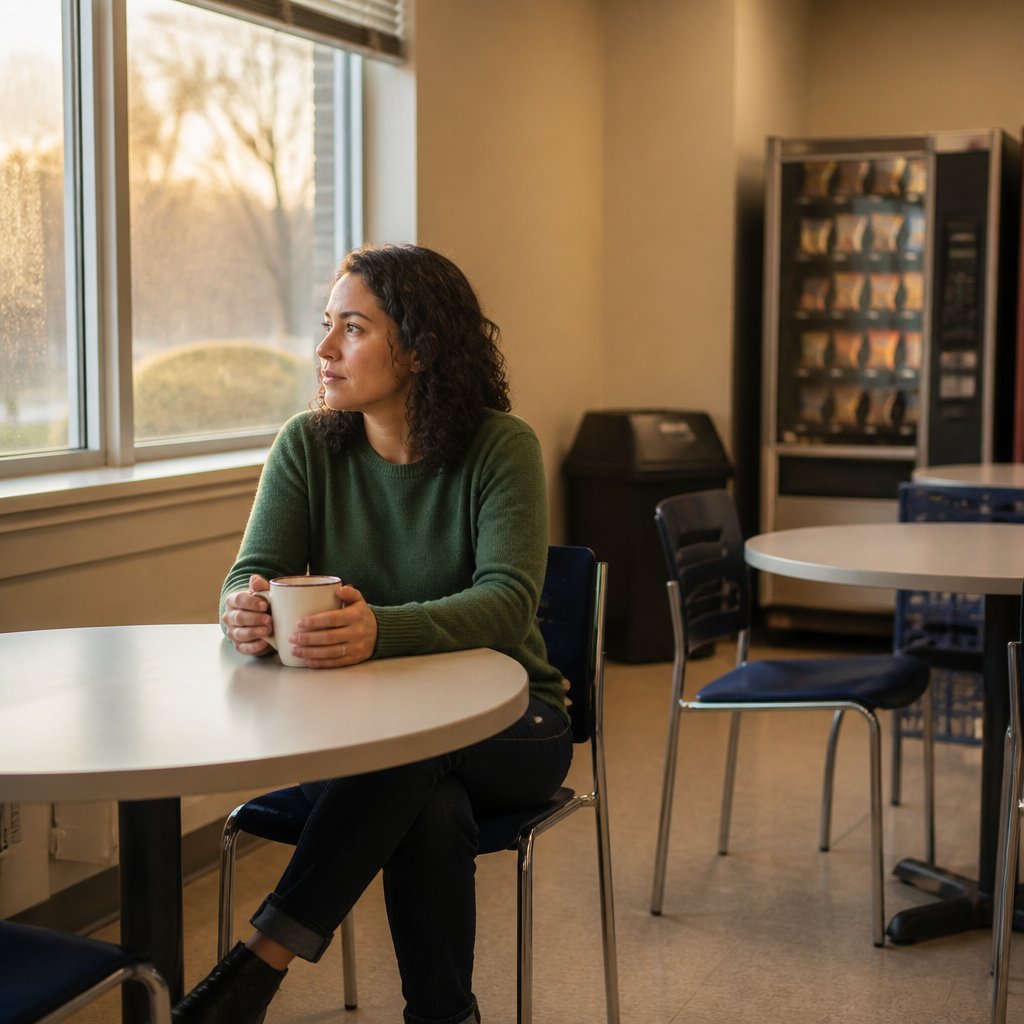
One weekend, Mara told me she missed her sister’s birthday party. She had been assigned standby and couldn’t travel. The rules said she had to keep her laptop and hotspot with her at all times. She couldn’t leave town or even go somewhere without reliable internet. The "free time" was a tether, not a break.
We sat in the small, fluorescent-lit break room, Mara stirring her coffee absentmindedly. The faint hum of the vending machine filled the silence. She looked tired and frustrated. "I wanted to be there," she said quietly, "but I couldn’t risk being unreachable." The standby schedule left no room for spontaneity or real rest.
The company’s demands invaded our personal lives, turning supposed downtime into monitored, unpaid work. Mara’s loss felt personal but also part of a larger pattern we all lived under.
Screenshots Reveal Leadership’s Intent
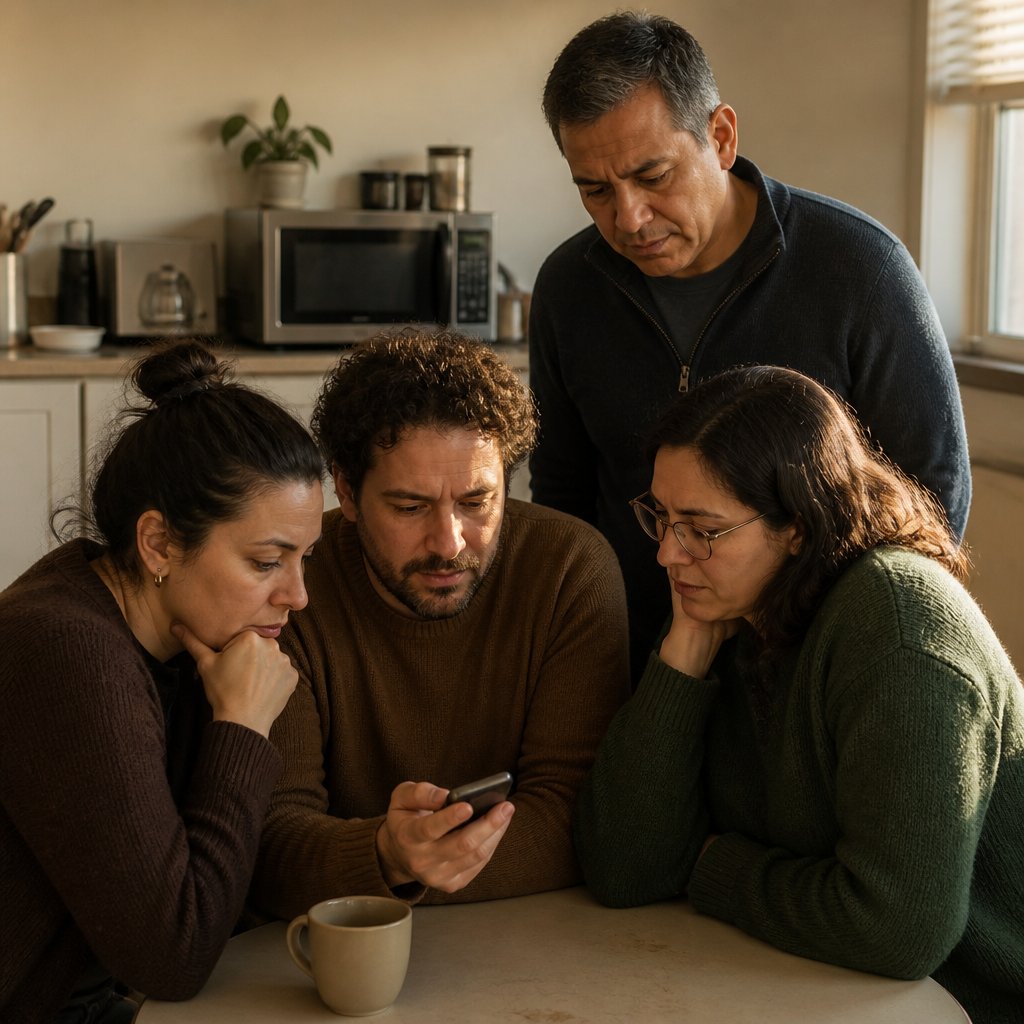
In the break room, coworkers quietly shared screenshots. Troy had bragged about "zero overtime" in a company-wide chat, even as standby assignments spiked. The contrast was clear. Leadership knew exactly what they were doing, pushing unpaid standby hours to avoid paying overtime.
We gathered around the small, cluttered table beneath a flickering fluorescent light. The smell of microwave popcorn from a nearby employee lingered. Screenshots displayed messages from Troy boasting about cutting costs. The room buzzed with quiet disbelief. We realized our unpaid standby time was being exploited as a cost-saving measure.
The mood was a mix of frustration and fear. No one wanted to openly confront Troy, but the evidence was spreading among us like wildfire.
Payroll Redirects Me To HR

I asked payroll why standby hours didn’t appear on my timecard. The woman behind the counter, wearing a green blouse and a silver necklace, gave me a polite smile but no answers. She told me to talk to HR. When I went to HR, I found Denise. Her expression was unreadable as she directed me back to payroll.
The HR office was a small room with beige walls and a glass partition. The faint click of Denise’s pen filled the silence. After repeated visits, both departments went silent. Phone calls went unanswered. Emails remained unopened. The polite redirection turned into a coordinated wall of silence.
It was clear they didn’t want to explain why standby time wasn’t paid. The silence spoke volumes, making me realize I was alone navigating this maze.
Denise Slides Over A Paper Policy

Denise slid a paper across the glass HR desk. It was an undated, unsigned "voluntary standby" policy. The schedule was mandatory, but this document tried to frame it as optional. The paper was thin, almost translucent, lacking any formal letterhead or signature.
Denise wore a gray cardigan over a white blouse. Her face gave nothing away as she said, "This covers standby time." The HR office smelled faintly of sanitizer and old carpet. The disconnect between the mandatory schedule and the voluntary policy was stark. It felt like a cover-up without accountability.
I took the paper but no further explanation. The silence hung heavy. It was clear that the policy existed to protect the company, not the employees.
Last-Minute Standby Swap Pressure
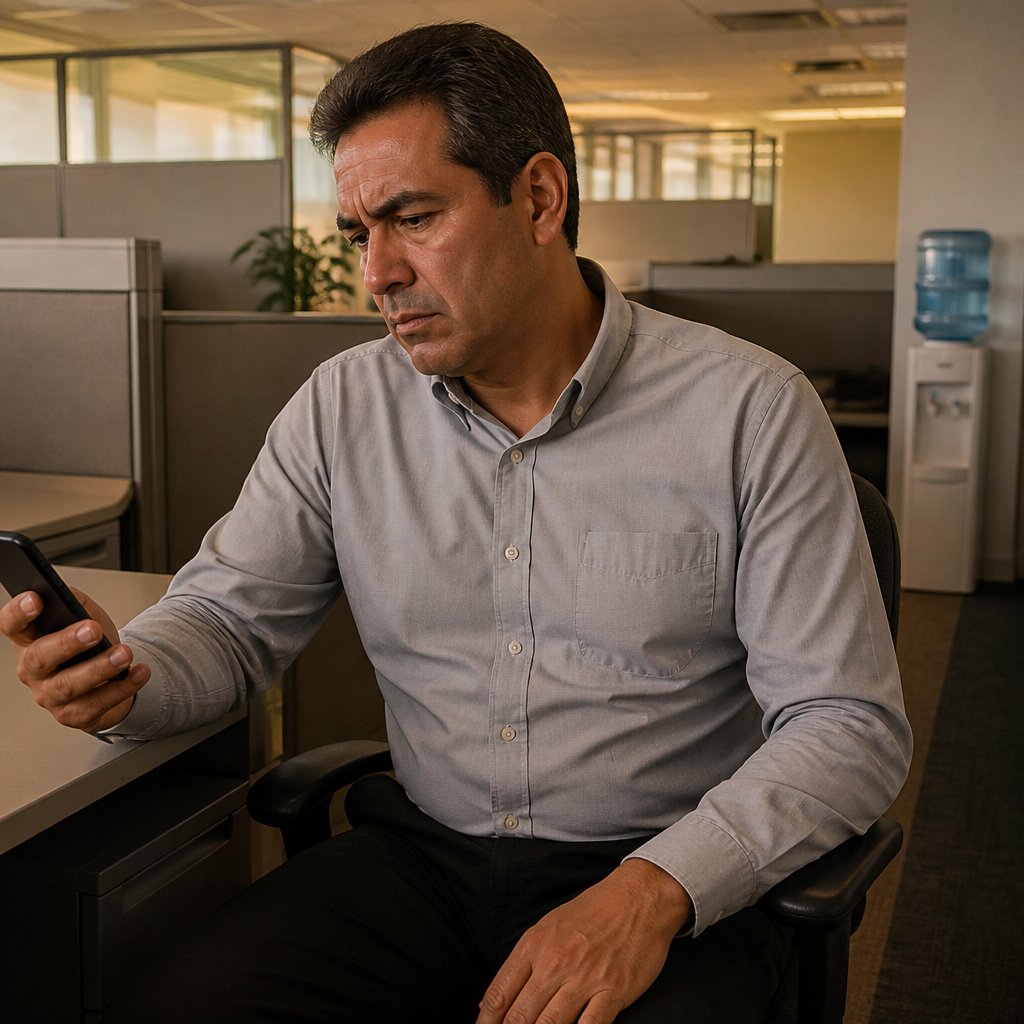
Troy started making last-minute standby swaps. He texted me directly, calling me a “team player” and pressuring me to comply. The messages were vague, no official approvals or written confirmations. The tone made it clear resisting wasn’t an option if I wanted to stay in good standing.
I sat at my desk in the open office, surrounded by gray cubicles and the steady hum of printers. The smell of stale coffee filled the air. I stared at my phone as the texts kept coming: short, insistent, demanding. The lack of written documentation made me uneasy.
Without a formal process, I wasn’t sure how to respond. The unofficial pressure tested my limits, but I feared consequences if I pushed back too hard.
Jalen Disciplined For Standby Delay

Jalen got written up for a slow standby response. The timestamps from the app showed he was off the clock when the alert came, but that didn’t matter. The write-up linked his slow reply to poor performance, proving that the company disciplined us based on unpaid standby hours.
I was in the HR office when Jalen received the notice. The sterile smell of disinfectant mixed with the faint rustle of paper. Jalen, a stocky man in his early 30s with short curly hair, wore a green polo shirt. His face showed disbelief and frustration. The room felt cramped as the HR rep explained the consequences.
This incident confirmed what many of us suspected: unpaid standby was actually controlled work time, and management was ready to punish noncompliance regardless of pay status.
Email Chain Disappears Overnight

I stumbled on an old shared folder containing an email chain titled "Standby = work?" It included a lawyer CCed in the conversation. The emails discussed whether standby shifts qualified as work hours. But when I checked the folder the next day, the chain was gone—deleted or hidden.
At my desk, the faint scent of lemon-scented cleaning wipes lingered as I stared at the empty folder. The disappearance felt deliberate, like someone was curating the records. It was clear evidence was being managed carefully, not by accident.
This made me wonder who was behind the cleanup and what they were trying to hide. The stakes suddenly felt much higher.
Denise Imposed A New Policy

Denise sent an email announcing a new Mobile Device Management (MDM) requirement on personal phones. We were told to install an app that would give IT some level of control over our devices. The permission screen clearly showed it could monitor activities beyond work hours. It was unsettling—offering no choice and implying they wanted more control than just work phones. At the break room, I overheard murmurs of concern while people hesitated, holding their coffee cups tight. The silence in the room felt heavier than usual, like everyone was bracing for something but unsure what.
Mara Asked If Leaving Allowed

Mara approached Denise to clarify if leaving home during standby was allowed. Mara’s voice was calm but firm when she asked, "Can I leave the house during standby hours?" Denise responded sharply, "We’re not debating this," then promptly copied Troy on the email thread. The tone left no room for negotiation. The office’s small HR conference room felt tense as Mara folded her arms and frowned slightly. The line was drawn clearly in writing, and it felt like a warning wrapped in corporate formality.
Strong Metrics Suddenly Questioned

Out of nowhere, Mara’s recent metrics, which had always been praised, were now being reframed as “availability concerns.” It was a subtle shift but felt like a setup. I noticed the change during a weekly team check-in in the open workspace. Mara sat upright in his chair, listening as Troy highlighted these so-called concerns with a tight smile. The hum of nearby printers and distant keyboard clicks made the moment feel oddly normal despite the sharp edge in Troy’s voice. It was clear retaliation was creeping into performance reviews.
Badge Disabled, Lobby Wait

One morning, when I tried to tap my badge at the entrance, it didn’t work. Security told me it had been disabled "by mistake." I was forced to wait in the lobby while Troy showed up and acted like it was my fault. His tone was cool but carried an implicit threat. The cold metal of the badge scanner and the soft murmur of the guard’s radio made the moment feel more like interrogation than an accident. Troy’s expression didn’t soften as he stood nearby, watching me fidget with my badge, the message clear without words.
Calendar Invite Hinting At Trouble
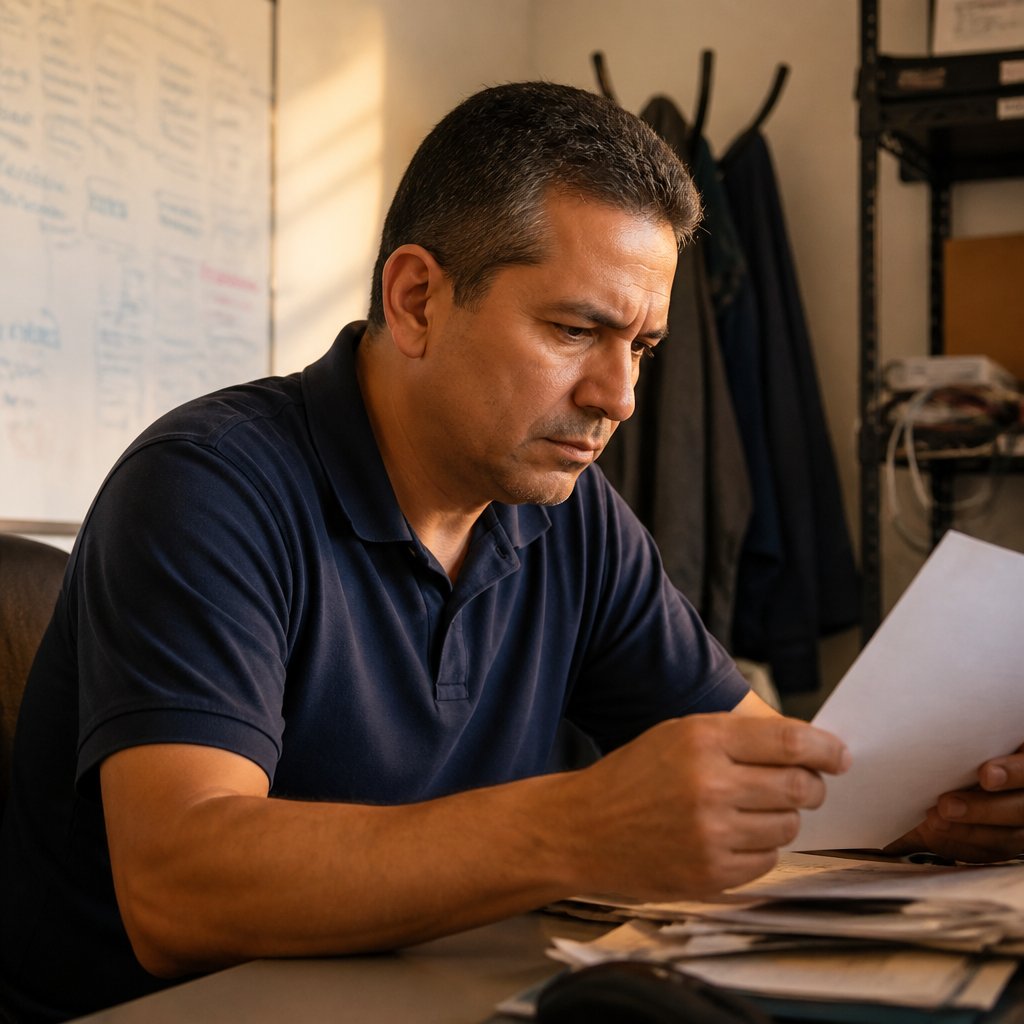
A coworker quietly forwarded me a calendar invite titled “Mara—Risk” scheduled exactly over my next 1:1. The attendees included Denise, legal, and finance. It felt like a planned ambush. Sitting alone in the small, cluttered IT office, I stared at the printed invite while the hum of the air conditioner filled the silence. The timing and the participants told a story—this wasn’t just a meeting, it was a strategic move. I folded the paper slowly, weighing what it meant for what was coming next.
PIP Cited Standby Nights
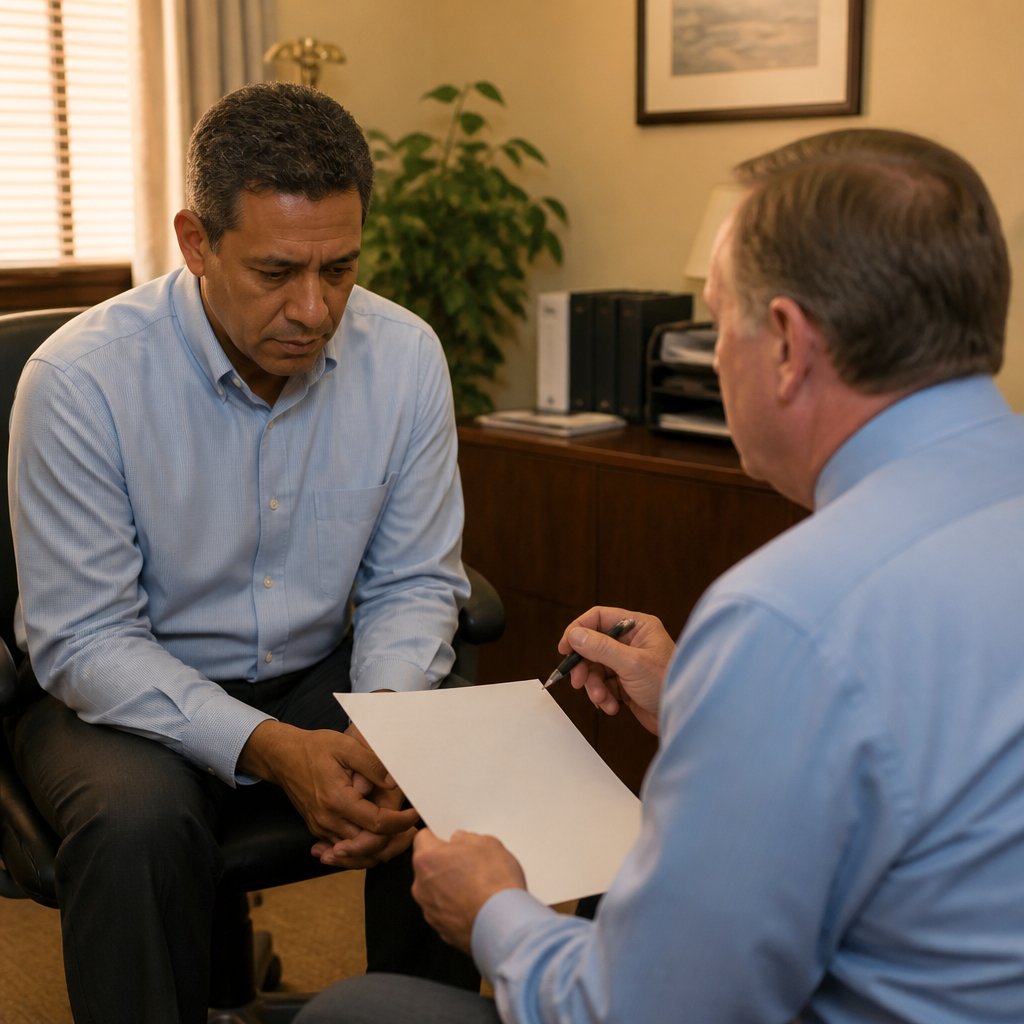
Troy handed me a 30-day Performance Improvement Plan primarily referencing “responsiveness and attitude.” The PIP specifically cited my unpaid standby nights as evidence. Sitting across from Troy in a cramped HR office, I looked at the document in disbelief. The thin scratch of his pen as he signed off felt final—discipline had become formal and official. The smell of coffee from the broken machine in the corner mixed with the sterile scent of the room, making the moment feel even more surreal. I wondered if this was just the start of a bigger push.
Denise Demanded My Notes

I began documenting every alert and response window meticulously. Soon after, Denise demanded I stop and surrender my notes for the PIP review. I refused without a formal written request. The gray carpet beneath me felt coarse as I sat in my cubicle, the faint tapping of keyboards around adding background noise. Denise’s email tone was firm and her insistence unsettling, like she wanted control over any record I had. The uneasy feeling settled in that they were trying to seize the paper trail to limit what I could prove.
Laptop Locked, Taken By IT
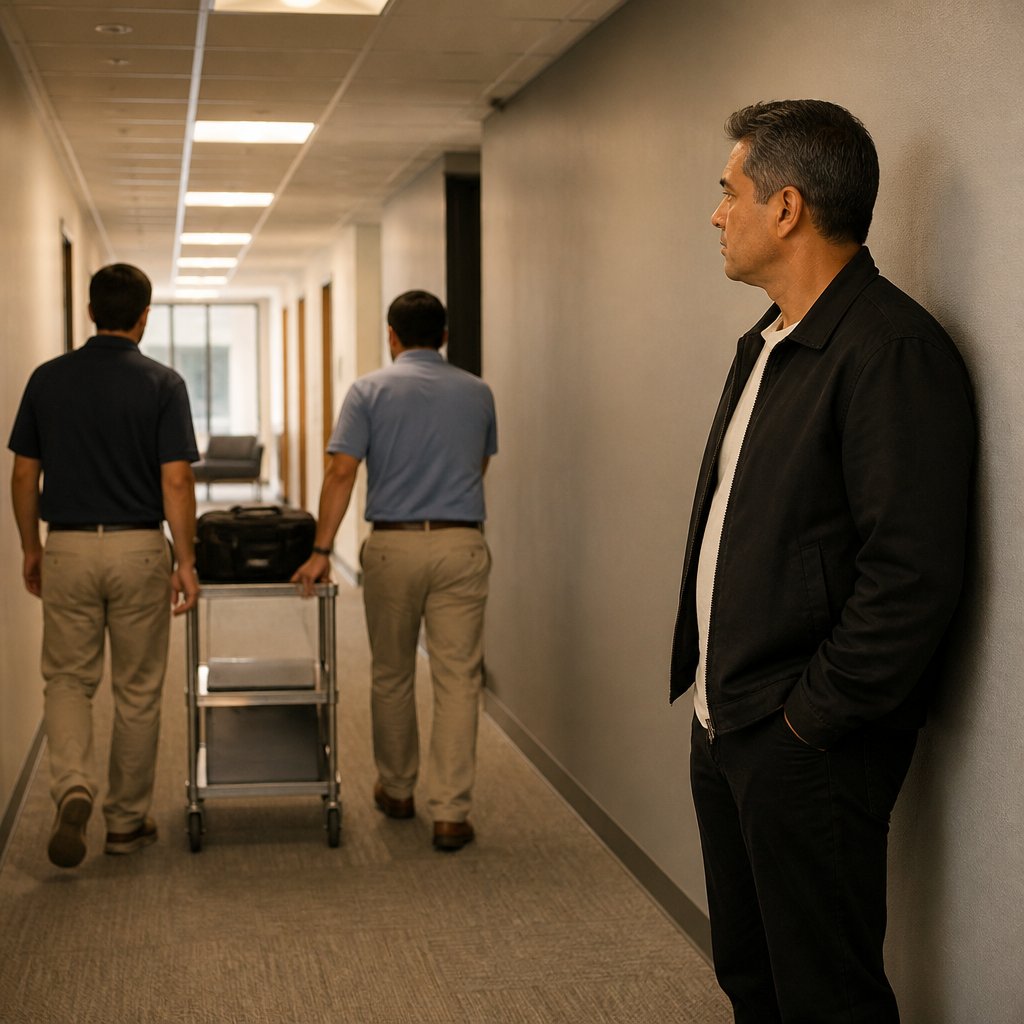
After I refused to hand over my notes, IT remotely locked my laptop. Later, the help desk came to collect it without providing a receipt. I watched them leave with the device in a bland hallway, the cold metal cart rattling as they pushed it away. The sterile smell of the corridor mixed with the faint buzz of fluorescent lights overhead. The loss of my laptop felt like a control move, tightening their grip on any evidence I might have held. My heart sank as I realized how far this was escalating.
Stripped Of Lead Duties

Troy informed the team that I was “transitioning” and removed my lead duties, even though I was still employed. During the weekly stand-up meeting in the glass-walled conference room, I sat quietly as my responsibilities were reassigned. The sharp click of my pen on the table matched the cold atmosphere. Everyone avoided eye contact. It was clear the isolation was intentional, a prelude to what was coming. I realized the company was preparing for a final move against me.
Called An Employment Lawyer

I finally contacted an employment attorney. He listened carefully and called the standby shifts "controlled time." He prepared a demand letter to send the company. Sitting in my cramped apartment, I held the letter in my hands while the city sounds filtered through the window. The paper felt heavy with possibility. The company now faced a choice: fight or fix. But I wasn’t sure how far they would go before deciding.
Denise’s Unexpected Severance Offer

After the demand letter landed on her desk, Denise called me into the small HR office near the break room. She looked tired but firm. She offered a small severance package—but only if I signed a release to drop all claims. The paper felt thin compared to the risk I was taking. At the same time, rumors swirled in the cubicles: Troy, my manager, was quietly eliminating my role altogether. Behind closed doors, I heard a replacement was already lined up. The retaliation had shifted gears—it wasn’t just pressure anymore. It was a calculated move toward termination.
In the break room, the hum of the vending machine punctuated the silence as I weighed my options. Denise’s face didn’t betray any hesitation. I asked if the severance would cover the unpaid standby hours, but she deflected. The air felt thick with unspoken threats and calculated distance. Nothing was straightforward anymore.
Mara’s Email Stopped Abruptly

The morning after Denise’s offer, I caught a glimpse of an email Mara was forwarding before it cut off mid-sentence. She was in the small glass-walled conference room near the security desk, typing furiously on her laptop. Suddenly, two security guards appeared and politely but firmly escorted her out. Her face was flushed, eyes wide with shock. No explanation was given. The murmur spread quickly through the office.
Later, HR sent a company-wide email warning employees not to speak with any outside lawyers or media. It was thinly veiled intimidation, a clear warning to shut down any talk of the legal case. In the break room, the usual chatter was replaced by guarded whispers. People glanced nervously toward the HR office, the hum of the coffee machine suddenly feeling ominous.
Discovery Reveals Standby Pay Secrets

During discovery, I got access to finance documents labeled "Standby Savings." The files showed that the company tracked standby shifts carefully, contradicting their claim it was unpaid personal time. Even more revealing, app logs recorded response times during supposedly "free" hours. And buried in payroll was a hidden "STBY" pay code—used only for executives and managers. That meant senior staff were compensated for standby work while rank-and-file employees were not.
This discrepancy set the stage for a broader class action. It was no longer just my fight. In the quiet HR office, the worn carpet felt heavy under my feet as I reviewed the files. The evidence promised a reckoning but also made clear the company would push back hard before any resolution.
Should all employees receive standby pay equally?