


The Brake Pedal Went Soft
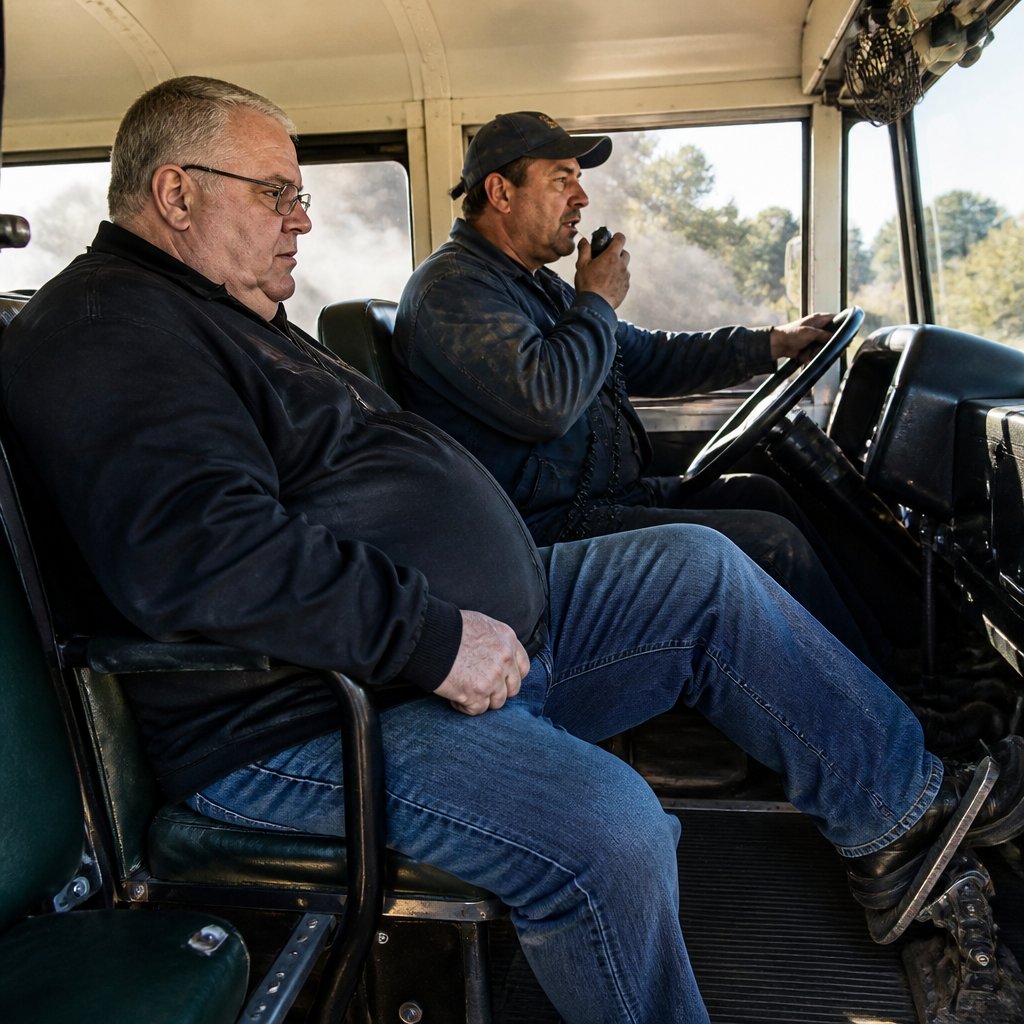
I climbed onto the evacuation bus at the staging area, the acrid smell of smoke still hanging in the air. The driver, a middle-aged man wearing a faded blue baseball cap and a grease-stained jacket, muttered into his radio, mentioning something about "that maintenance ticket." As I settled into my seat near the middle, I pressed down on the brake pedal and felt it give way more than it should. It was soft, almost spongy, like it wasn’t responding properly. The bus creaked and groaned as the driver adjusted himself, his eyes darting nervously to the mirrors.
The Bus Jerked At Intersections
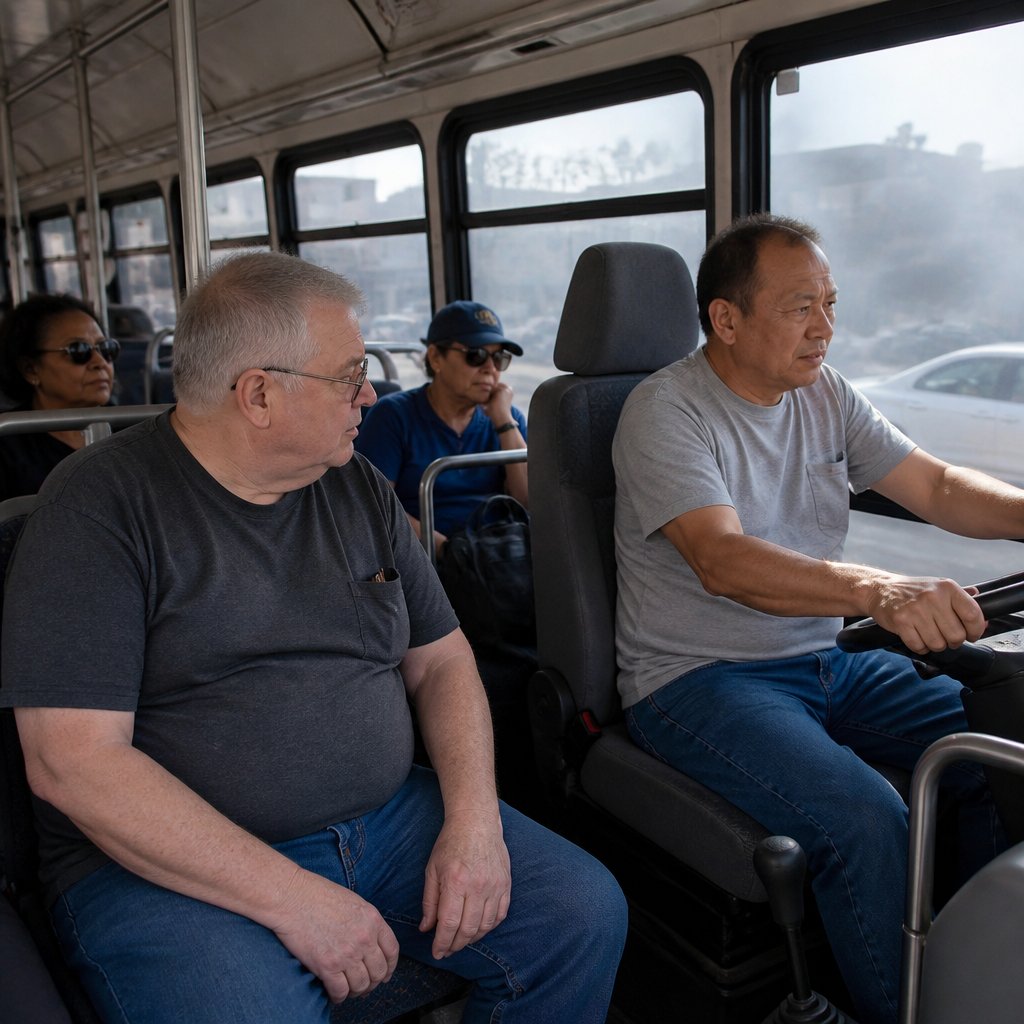
As the bus edged forward onto the smoke-choked streets, the jerks and sudden stops started. Every time we approached an intersection, the driver slammed the brakes hard, only to quickly pump his foot on the pedal again, as if coaxing it to respond. I noticed passengers around me twisting uncomfortably, some groaning. The driver’s face was tight with strain, sweat beading on his forehead beneath the cap. His repeated foot-pumping made it clear something wasn’t right. I glanced out the window, the thick haze making everything look dull gray, and wondered how we’d get through this alive.
The Pickup Slammed Into Us

On the highway, I felt the impact before I heard it. The pickup truck barreled into the rear of the bus with a sickening crunch. My neck snapped back, slamming hard against the frame of the seat. Pain exploded through my spine. I tried to stand, but the room spun wildly and my legs shook too much to hold me. All around me, sirens blared and ash drifted through the cracked window. Passengers were shaking, whispering, and some crying as the chaos swallowed us. The driver looked stunned, gripping the wheel but unable to say anything. I was trapped in the seat, pain rushing through my body, unable to make sense of what had just happened.
Insurance Called Before Prescription

They rushed me through the ER — blood pressure check, a quick neck scan, some questions — then discharged me with a prescription and a stern warning to follow up if symptoms worsened. The room smelled sterile, sharp with antiseptic. At home, before I could even fill the prescription, the insurance representative called. His tone was flat and rehearsed, framing the whole thing like "an unfortunate accident" rather than any fault. He asked if I’d accept a small settlement and move on. I felt the weight of their indifference settling over me, knowing the real fight was just beginning.
Denial Letters Arrived Quickly

Weeks later, the bills started hitting my mailbox. Hospital charges, therapy sessions, prescriptions — all stacking up. On top of that, my employer had cut my hours, citing the accident as the reason. Then came the county’s letter: a polite, carefully worded denial blaming the pickup entirely. Along with it came a release form for seven days of compensation, a lowball offer that read like a form letter. The paper was crisp and official-looking, but the words felt cold and dismissive. It was clear no one was interested in digging deeper, and I had no idea what to do next.
Other Passengers Got Denied Too

I found a Facebook group for evacuees from that day and tracked down three other passengers—each with their own injuries and stories. To my surprise, they had all received the same denial letter from the county, word for word. It wasn’t just a coincidence; it felt coordinated. Instead of investigating or taking responsibility, the county seemed to be using a cookie-cutter approach to shut us all down. The group chat buzzed with frustration and anger as we shared our letters. I realized this wasn’t just about me anymore—it was about exposing the system that let this happen.
Lawyer Warned Of County Immunity
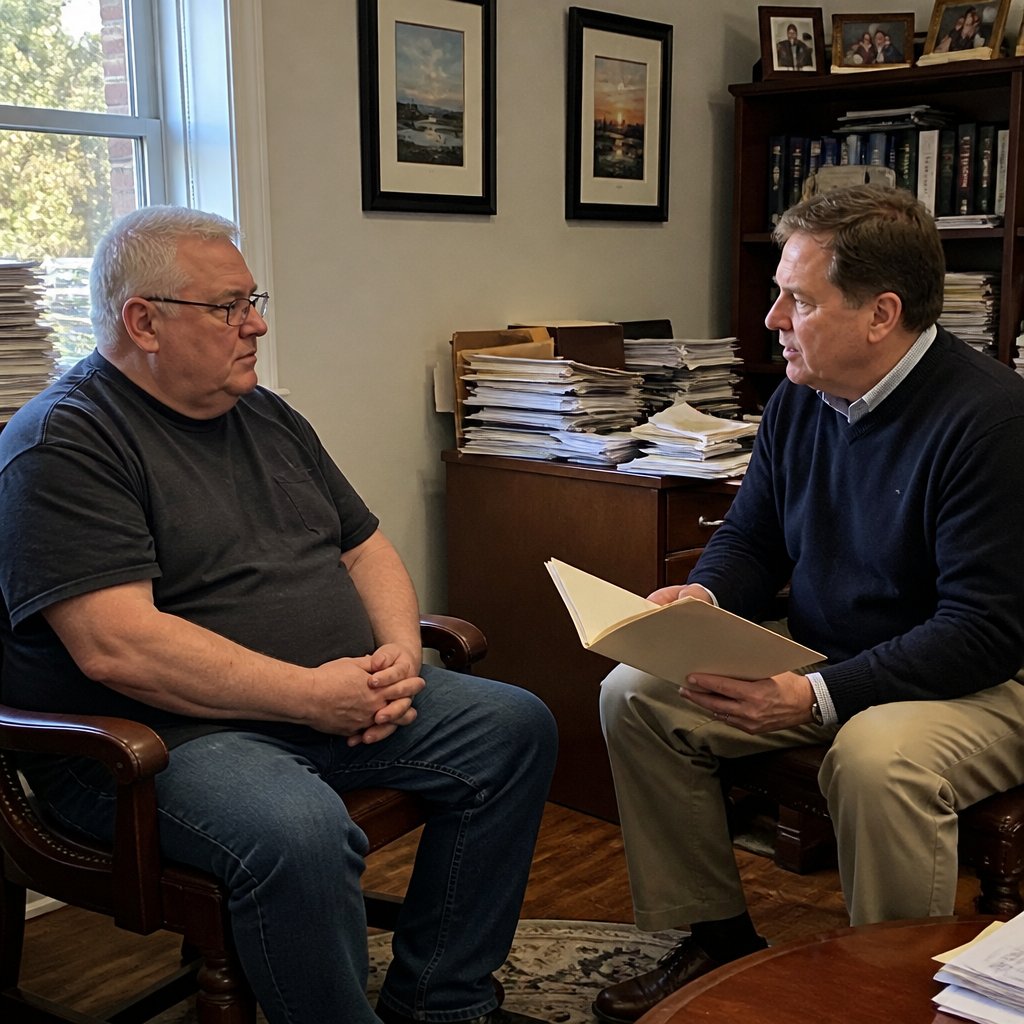
I found a local attorney willing to take the case. He was a tall man in his forties, with sharp eyes behind dark-rimmed glasses and a neatly trimmed beard. His office smelled of old books and coffee. He warned me the county would use sovereign immunity to block most claims and that the contractor would be quick to shift blame. The first request from the defense was brutal—ten years of my medical history. It felt invasive, like they were trying to find anything to discredit me before we even started. The fight ahead looked bigger than I imagined.
County Claimed Records Were Lost
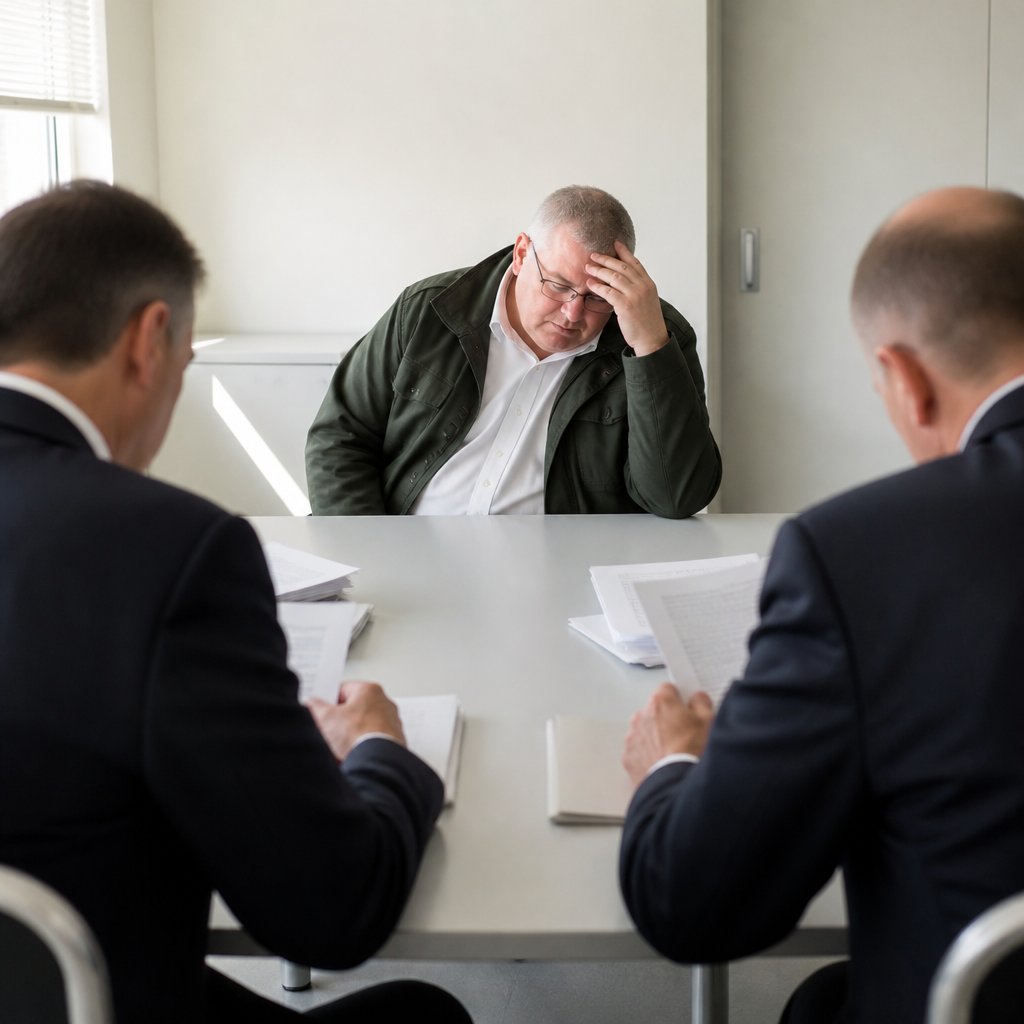
After the claim notice, the county dragged its feet. Weeks turned into months with vague promises and excuses. Then they claimed key maintenance records were "lost." They insisted I sign broad authorizations to access my personal information, turning discovery into a fishing expedition. I felt overwhelmed as their lawyers pressed for every detail of my life, looking for any weakness. The stonewalling wore me down, making me question if anyone would ever get the truth. The county’s tactics were more than obstruction—they were calculated harassment.
Therapy Showed Worsening Symptoms
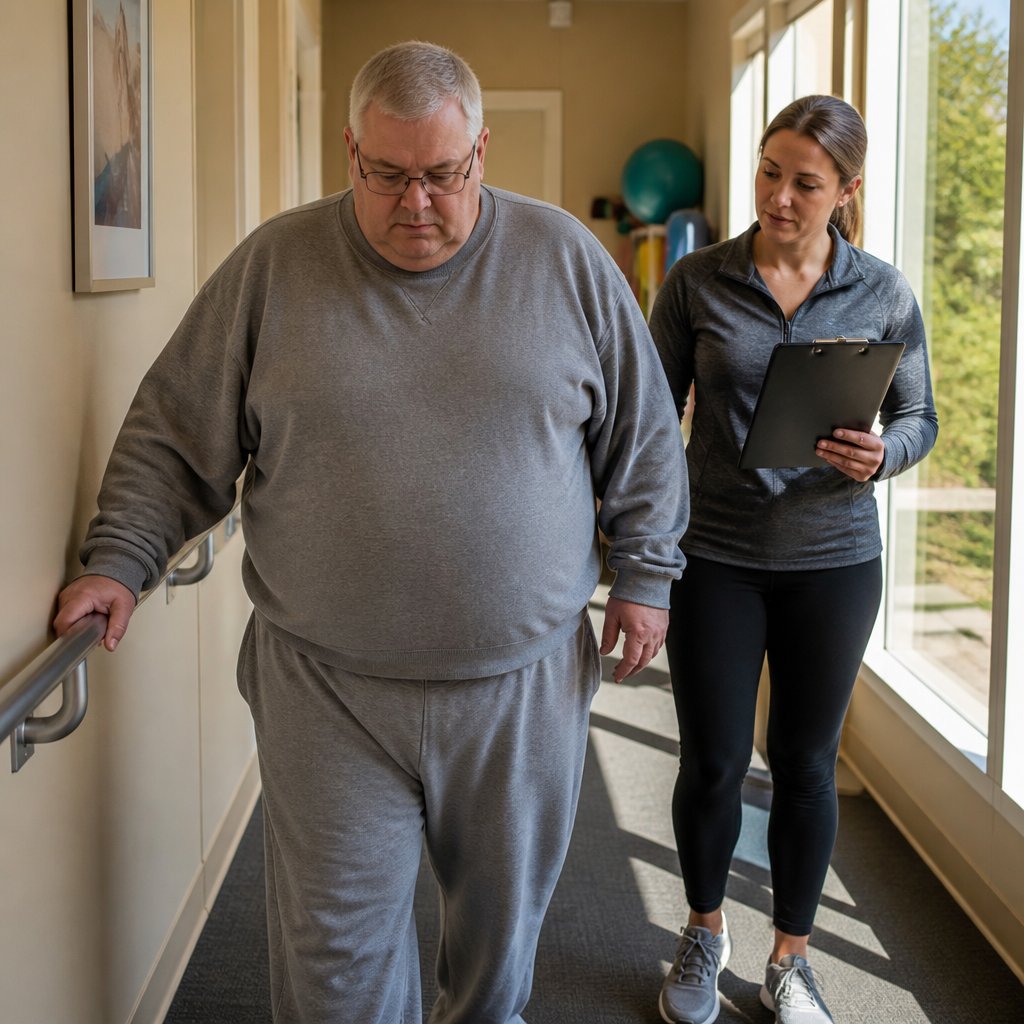
Physical therapy sessions documented my worsening balance problems and recurring headaches. The therapist—a young woman in loose athletic clothes—watched carefully as I walked a straight line, noting every stumble. The symptoms matched mild traumatic brain injury, which raised the stakes in my claim but also painted me as a liability. I could feel the frustration building as each session exposed how much I’d suffered. The medical reports gave me leverage, but also made me vulnerable to attacks on my credibility. The battle was far from over, and the consequences felt heavier every day.
Surveillance Footage Was Weaponized
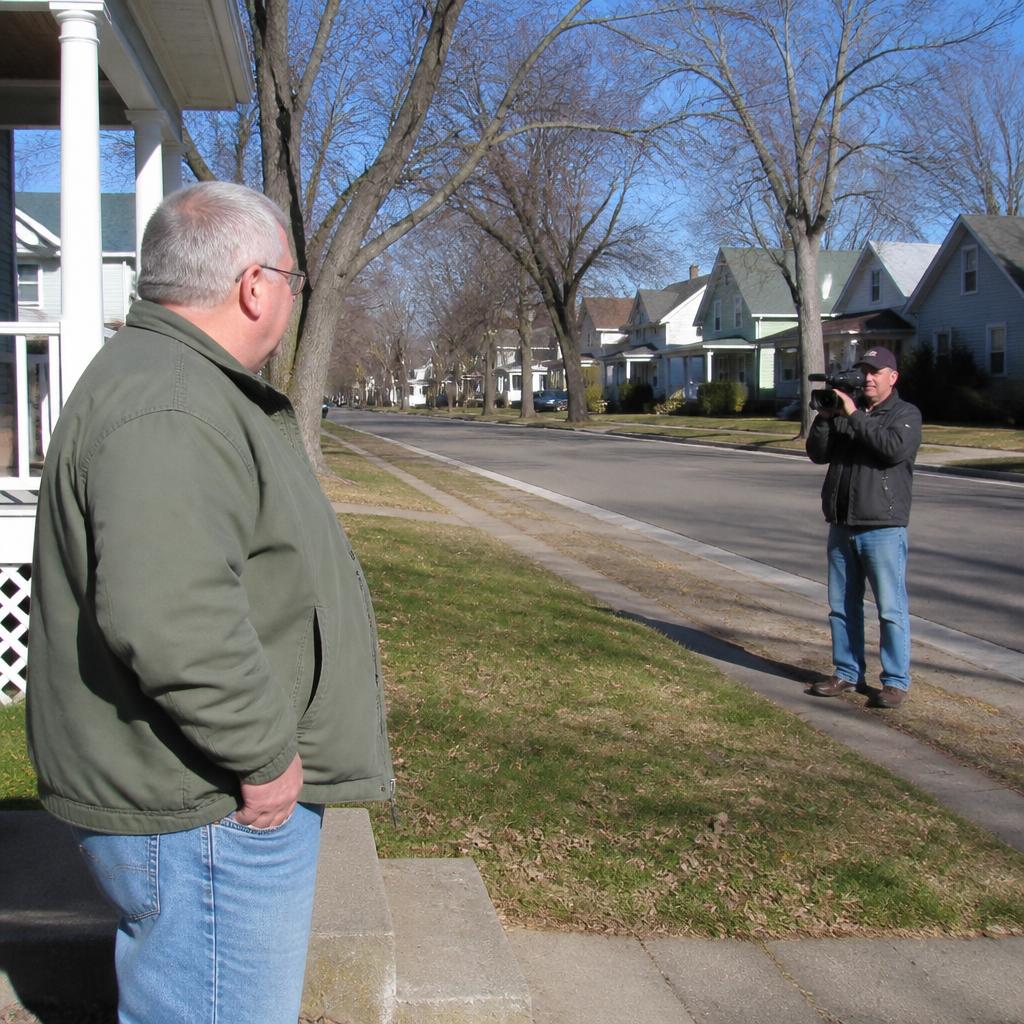
One evening, I spotted a man standing across the street from my house, holding a camera pointed at my driveway. When I confronted him, he mumbled something about "documenting." Later, during discovery, I found clips queued up that showed me moving around the house seemingly fine—before any sign of pain or trouble. The footage was clearly selected to imply I wasn’t hurt, ignoring the moments afterward when I struggled. It was a calculated attempt to undermine my story, and I realized the fight wasn’t just legal anymore—it was personal.
Maintenance Sheets That Raised Flags
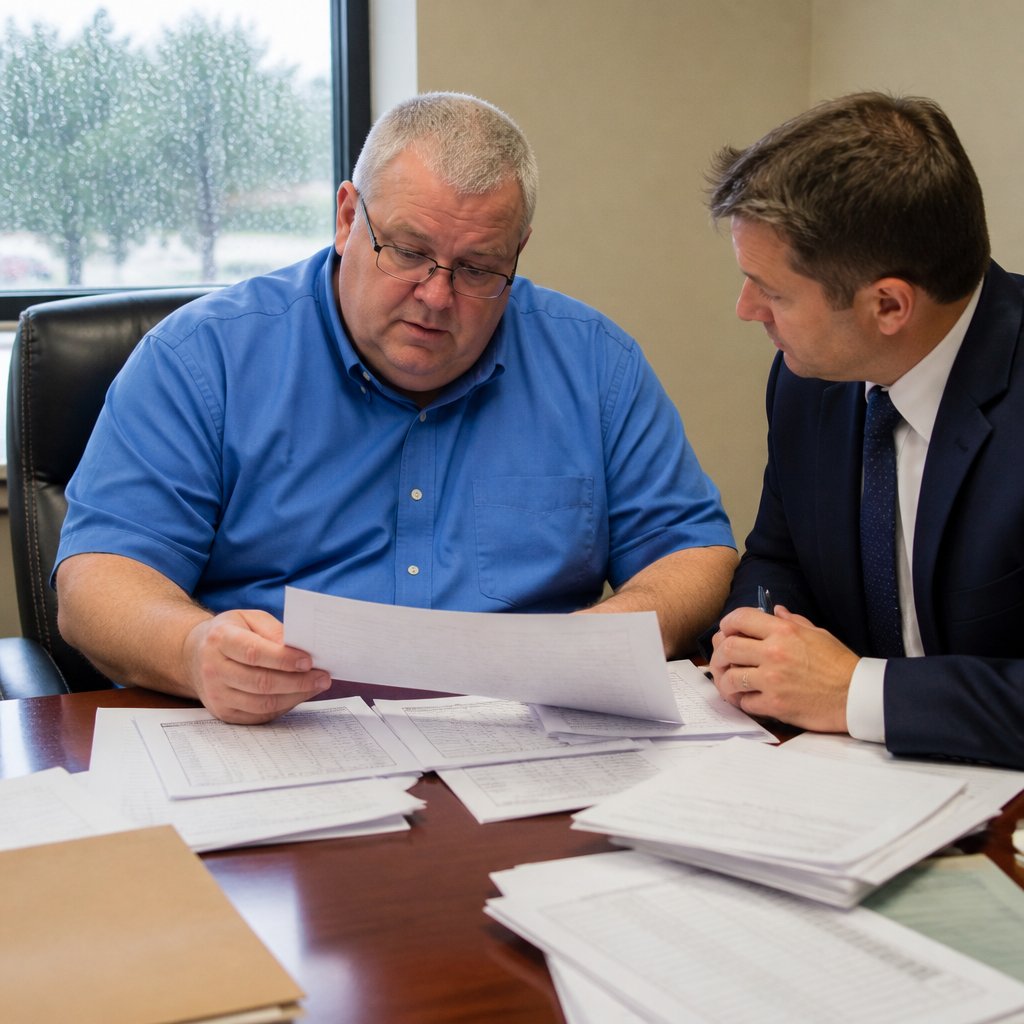
The contractor finally handed over the maintenance spreadsheets. At first glance, they looked official—rows of dates and signatures like a paper trail. But when I leaned closer, details didn’t add up. Dates were missing in chunks, and some signatures appeared suspiciously identical, as if photocopied. The handwriting was crisp and uniform, not the scrawl of a busy mechanic. These records existed just enough to suggest routine work, but their holes made me doubt everything. Had they signed off on brake inspections without actually doing them? The spreadsheets alone didn’t prove the brakes failed, but they hinted at shortcuts and falsification that might explain the late brake response during the crash.
My lawyer and I sat in the cramped conference room, the plastic chairs squeaking as we spread the papers out. Outside, a janitor pushed a mop bucket down the linoleum hallway, the sloshing water sound oddly sharp against the quiet tension. I had to find a way to connect these shady maintenance logs to the driver’s actions that day. But the contractor’s next move was unpredictable.
Whistleblower’s Hidden Warning
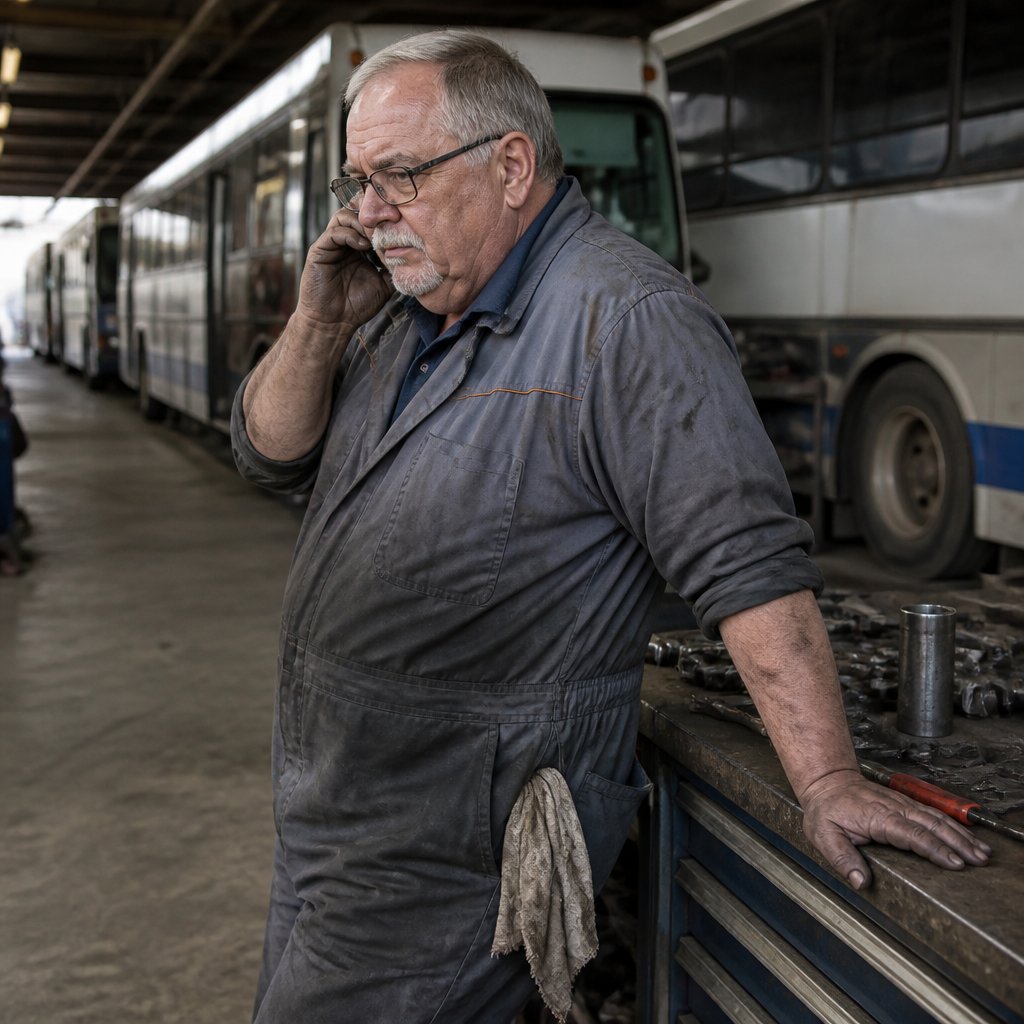
Late one afternoon, my lawyer’s phone rang. On the other end was an anonymous mechanic, voice low and cautious. The mechanic said buses hadn’t been getting proper brake inspections because the evacuation demand was “nonstop.” According to them, safety protocols were often skipped or rushed to keep buses moving. They described a culture where mechanics were told to clear vehicles even if brakes showed signs of wear, because the evacuation routes had to run no matter what.
The mechanic’s words added weight to the missing and suspicious maintenance records. It explained why the bus driver might have braked late or ineffectively – the brakes were known trouble but never properly addressed. My lawyer jotted notes as the mechanic recounted specific incidents, the voice barely above a whisper. I could almost picture the mechanic standing in a messy garage, oil-stained overalls, nervously glancing around to avoid listening ears.
The next step was figuring out if this insider’s testimony could stand up in court. I felt both hopeful and anxious. The mechanic’s revelations hinted at a larger problem, but verifying the claims was a challenge I hadn’t anticipated.
Deposition Turns Toward Anxiety
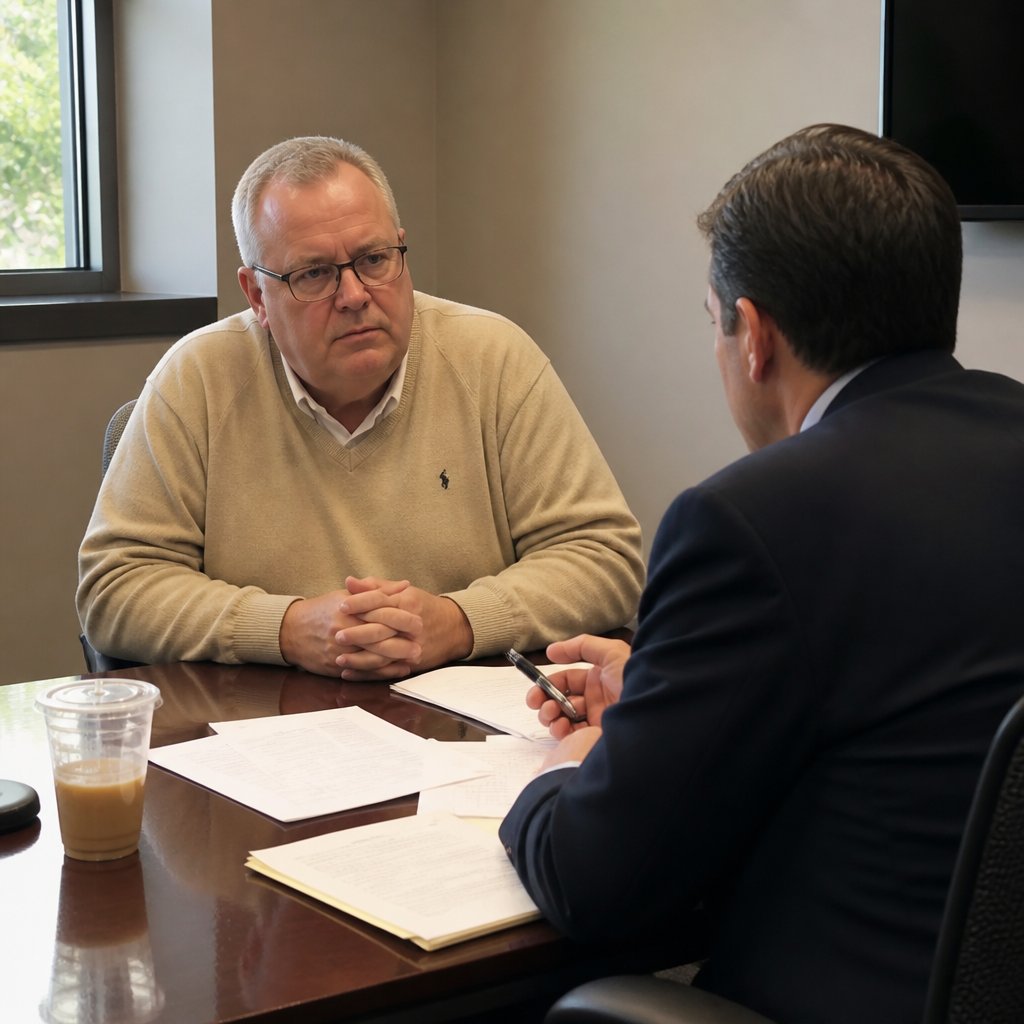
The deposition was a small, bland room with a long wooden table and stiff chairs. County counsel pressed me hard, pivoting from the bus and brakes to my emotional state. They suggested my anxiety and the wildfire stress might be exaggerating my pain. Their questions sought to box me in, making it difficult to introduce the brake maintenance issue clearly.
I felt trapped. The memory of the crash and the lingering pain in my leg were real, but suddenly I was a subject of psychological speculation. The lawyer’s voice was clinical, almost detached, as they queried about my daily routine and stress levels during evacuation. I kept trying to steer the conversation back to the bus and the brakes, but every attempt was met with skepticism.
In the back of the room, a cup of cold coffee sat untouched on the edge of the table, the faint smell of stale brew filling the air. The clock ticked loudly, each second stretching as I struggled to hold my ground. I knew this was a deliberate tactic to weaken my credibility, but I wasn’t prepared for how effectively it would box me in.
Brake Failure Report Disappears
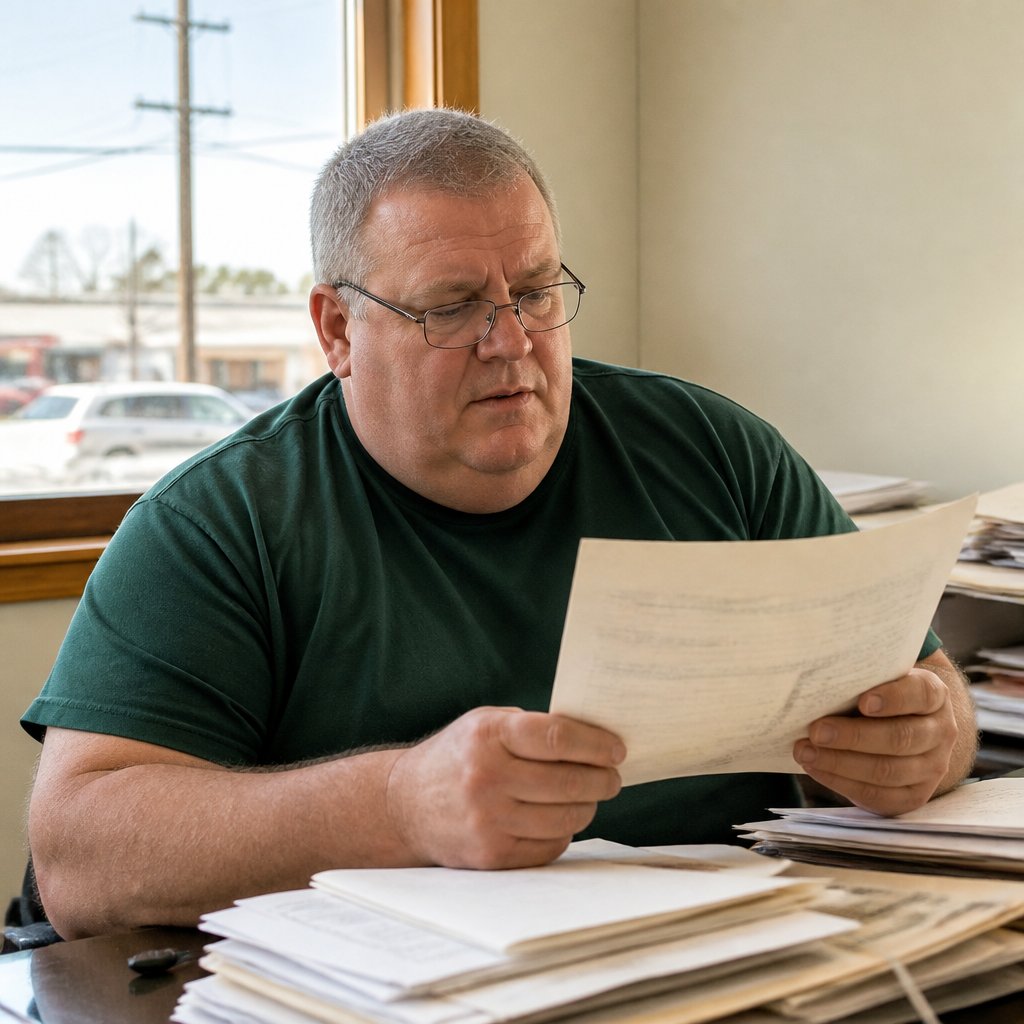
Then a crucial piece surfaced in the documents: a brake test failure from weeks before the crash. The report showed the bus didn’t pass inspection, but the failure was marked "resolved" without any accompanying work orders or repair notes. It looked like someone had erased the fix, or at least hidden it.
The missing paperwork was a glaring hole. How could a bus be cleared for action if the brakes were known faulty and never properly repaired? The question echoed in my mind as I flipped through the file again. Outside the office window, a faint hum of traffic reminded me time was passing, but the truth felt stuck in limbo.
My lawyer and I shared a look of frustration. This hole in the record was exactly the kind of cover-up we needed to prove negligence. But convincing a judge—or jury—required more than missing documents. We needed a witness or solid evidence that spoke to this erased fix.
Driver’s Quiet Admission
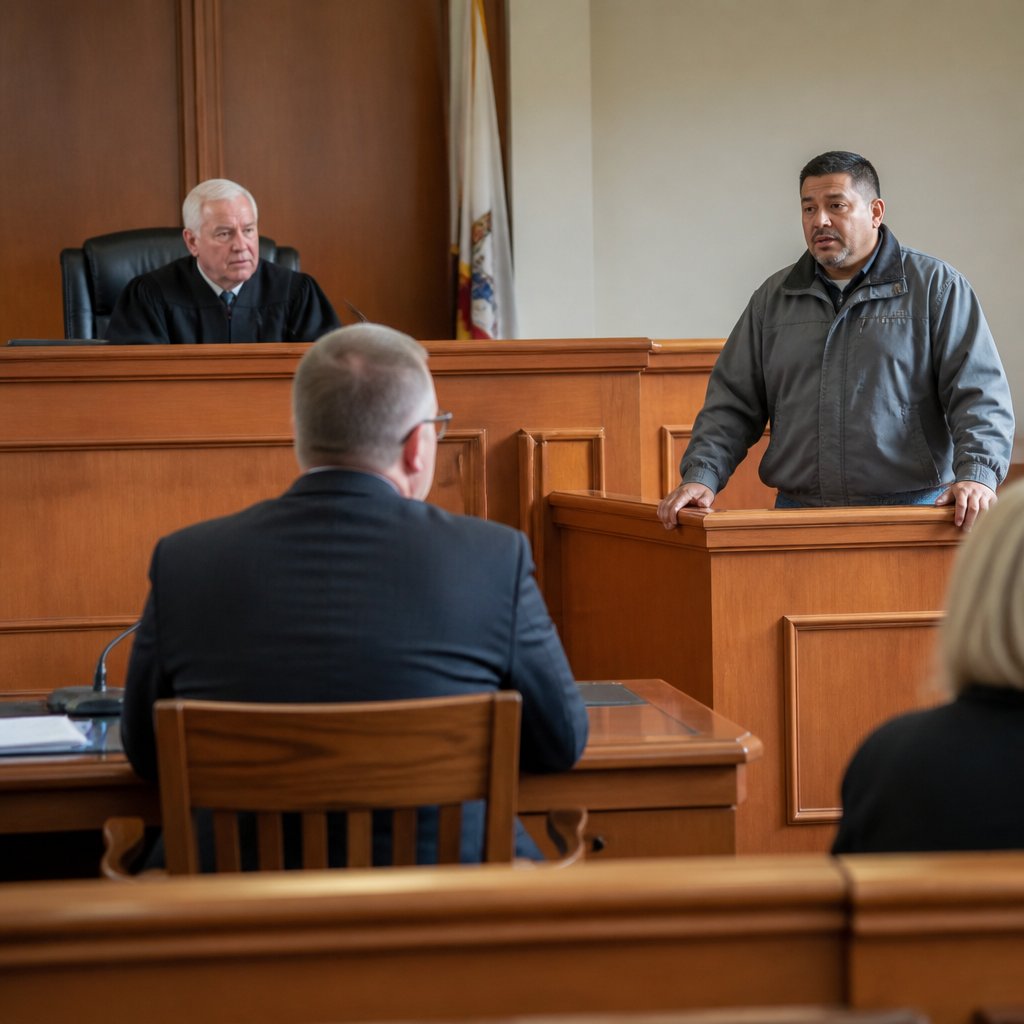
Under oath, the bus driver surprised me. He admitted to filing multiple brake complaints before the accident. But each time, he was told to “keep it moving” because the evacuation had to continue without delays. His tone was weary, the weight of his frustration barely contained.
He described the pressure from supervisors and the contractor’s management, forced to prioritize schedules over safety. The driver’s admission pointed the finger upstream—toward decision-makers who chose speed over security. Hearing him speak in the courtroom, dressed in a plain gray jacket and jeans, his hands clenched tightly on the witness stand, the reality of the situation hit me harder than any document.
Outside the courtroom, the smell of freshly cut pine from nearby trees drifted faintly through the open window, a stark contrast to the tense atmosphere inside. The driver’s testimony opened a window on a system strained to the breaking point, but it also raised new questions about who bore real responsibility.
Was the bus driver's testimony believable and fair?