
The Intersection at Maple and Fourth
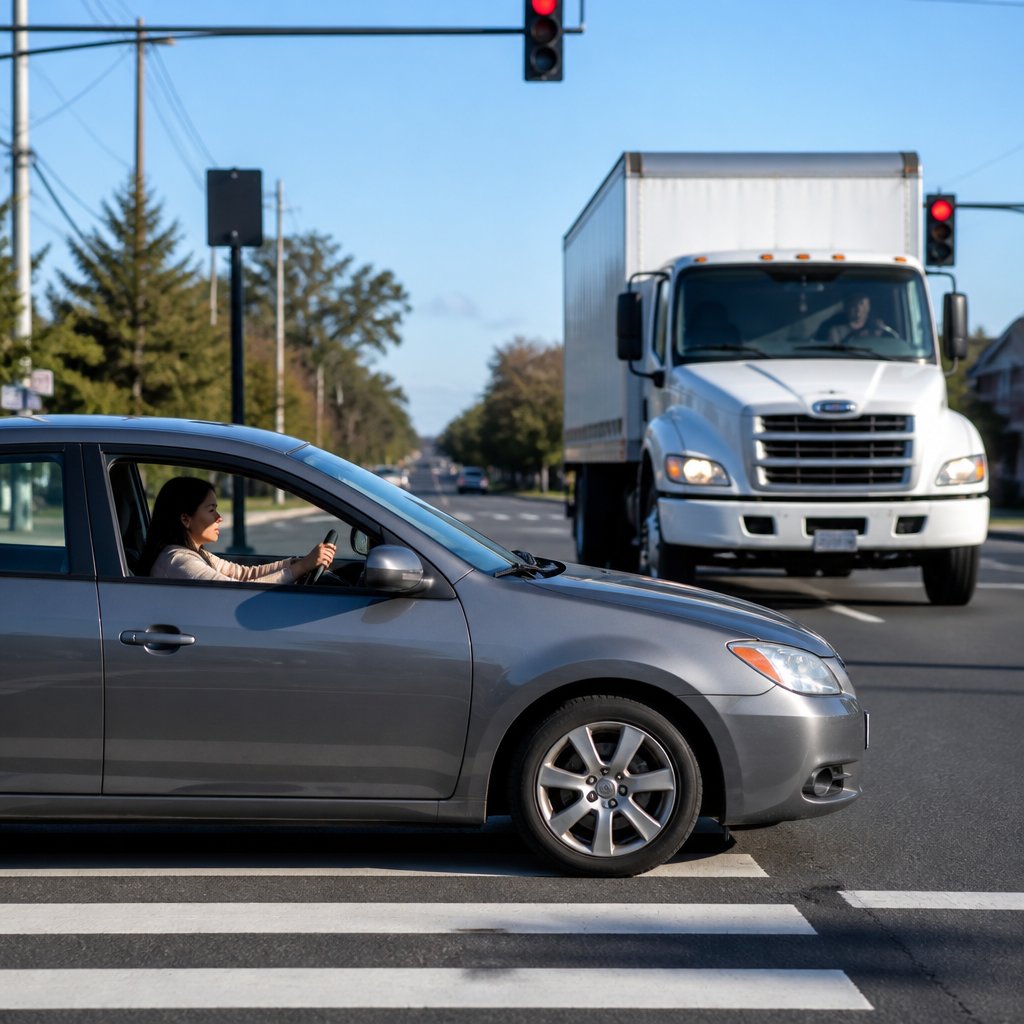
It was a Tuesday morning in October, 8:15 a.m. I was driving to work on Maple Street, heading east through the intersection at Fourth. My light was green. I know it was green because I'd watched it turn from red to green while I was stopped at the line. I accelerated through the intersection doing maybe twenty-five miles an hour. The speed limit was thirty.
The delivery truck came from the left. A white box truck from QuickHaul Logistics, running the red on Fourth Street at what the accident reconstructionist later estimated was forty-two miles an hour. I didn't see it until it was already filling my driver's side window. There wasn't time to brake. There wasn't time for anything. Just the window full of white and then the sound.
The T-Bone
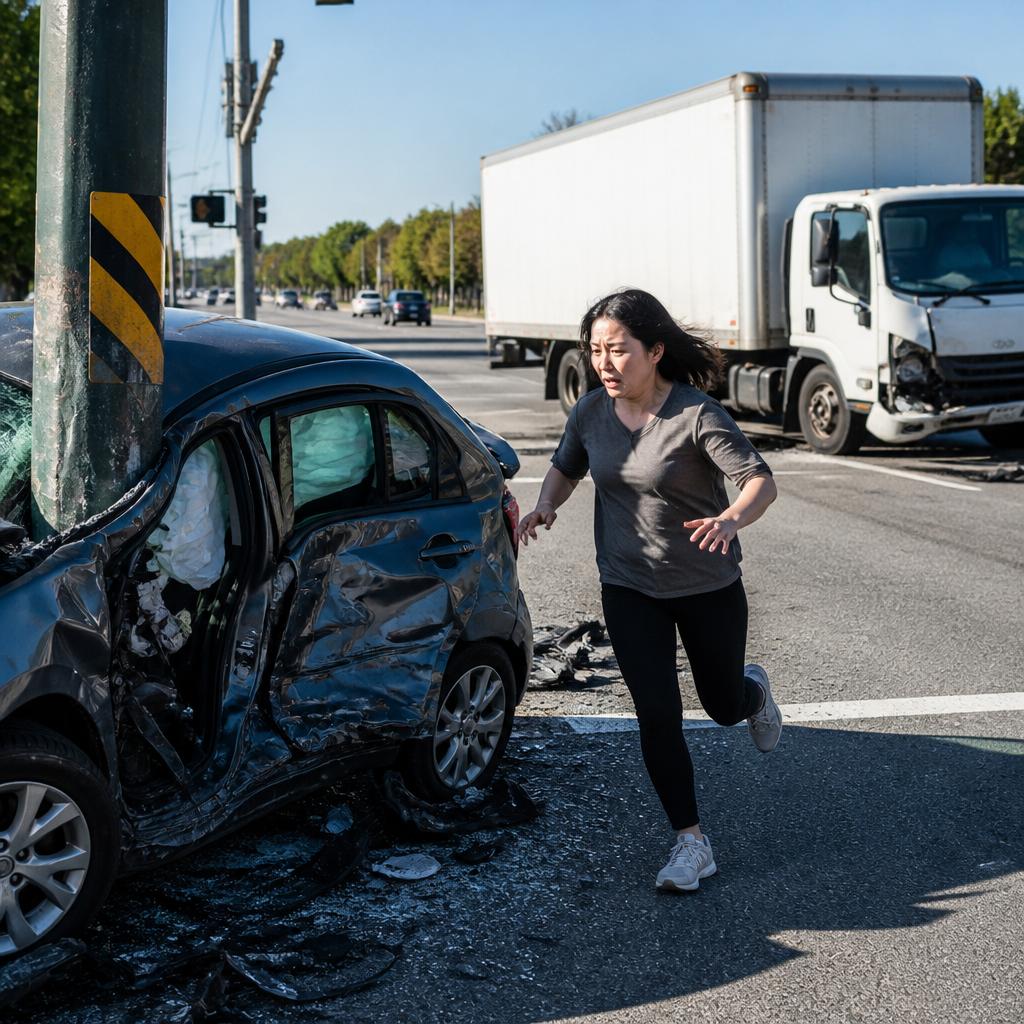
The truck hit my car on the driver's side at the rear door. The impact spun my Honda ninety degrees and pushed it forty feet across the intersection into a utility pole. My head hit the side window. The airbags deployed. I remember the sound of glass and the smell of the airbag chemicals and a pain in my left arm that was so sharp it felt cold.
When I could see again, my car was facing the wrong direction. The truck was stopped in the middle of the intersection, its front end crumpled. A woman on the sidewalk was screaming. I tried to move my left arm and couldn't. I looked down and saw that it was bent at an angle that arms don't bend at. That's when I started to scream too.
Three Surgeries in Two Weeks
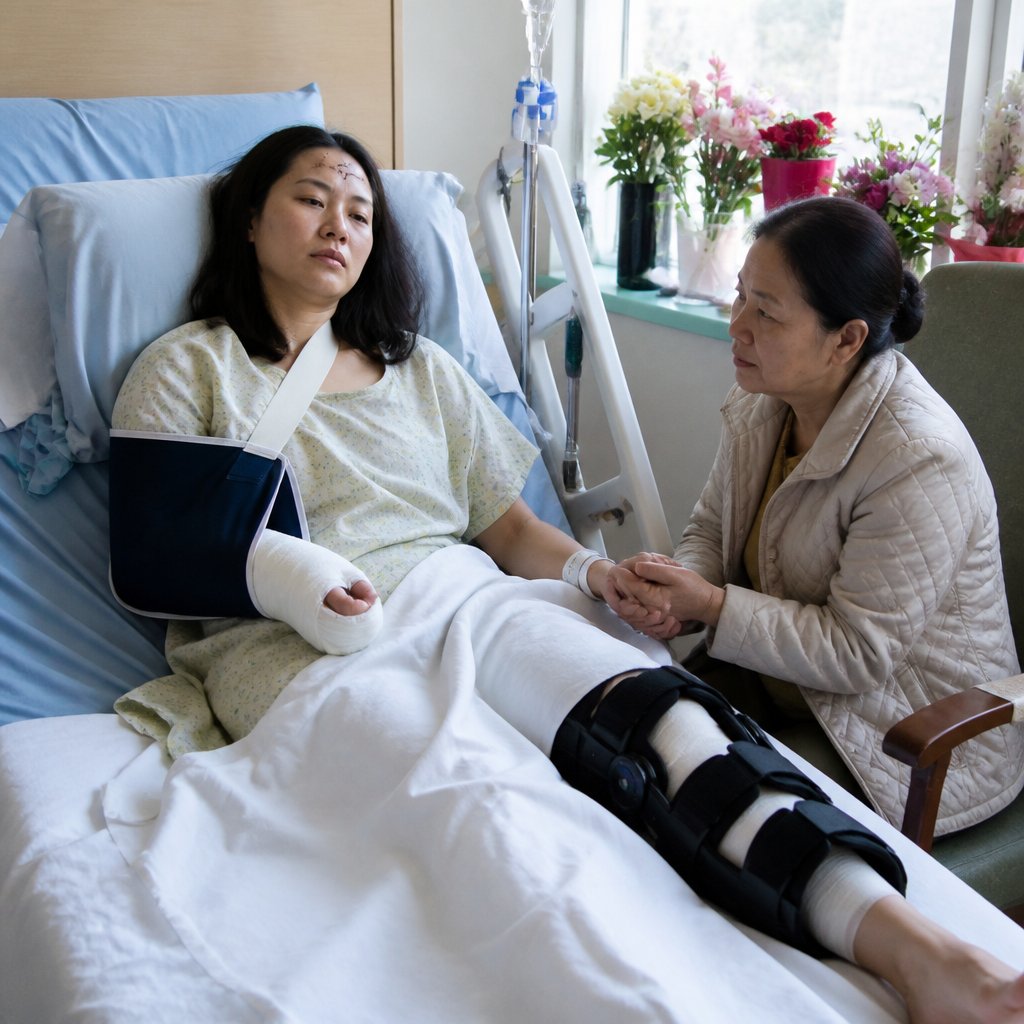
My left arm was broken in two places — the radius and the humerus. My left knee was torn — ACL and meniscus. I had a concussion, four broken ribs, and a laceration across my forehead from the window glass that needed thirty-two stitches. The ER team said I was lucky. I didn't feel lucky.
The first surgery was the arm — plates and screws to rebuild the radius. The second was the humerus. The third was the knee. Two weeks, three surgeries, a hospital bill that would eventually reach $340,000. I was thirty-one years old, a middle school math teacher, and I'd been driving to work on a Tuesday morning with a green light. That's all I'd done wrong. Nothing.
QuickHaul Said It Was My Fault
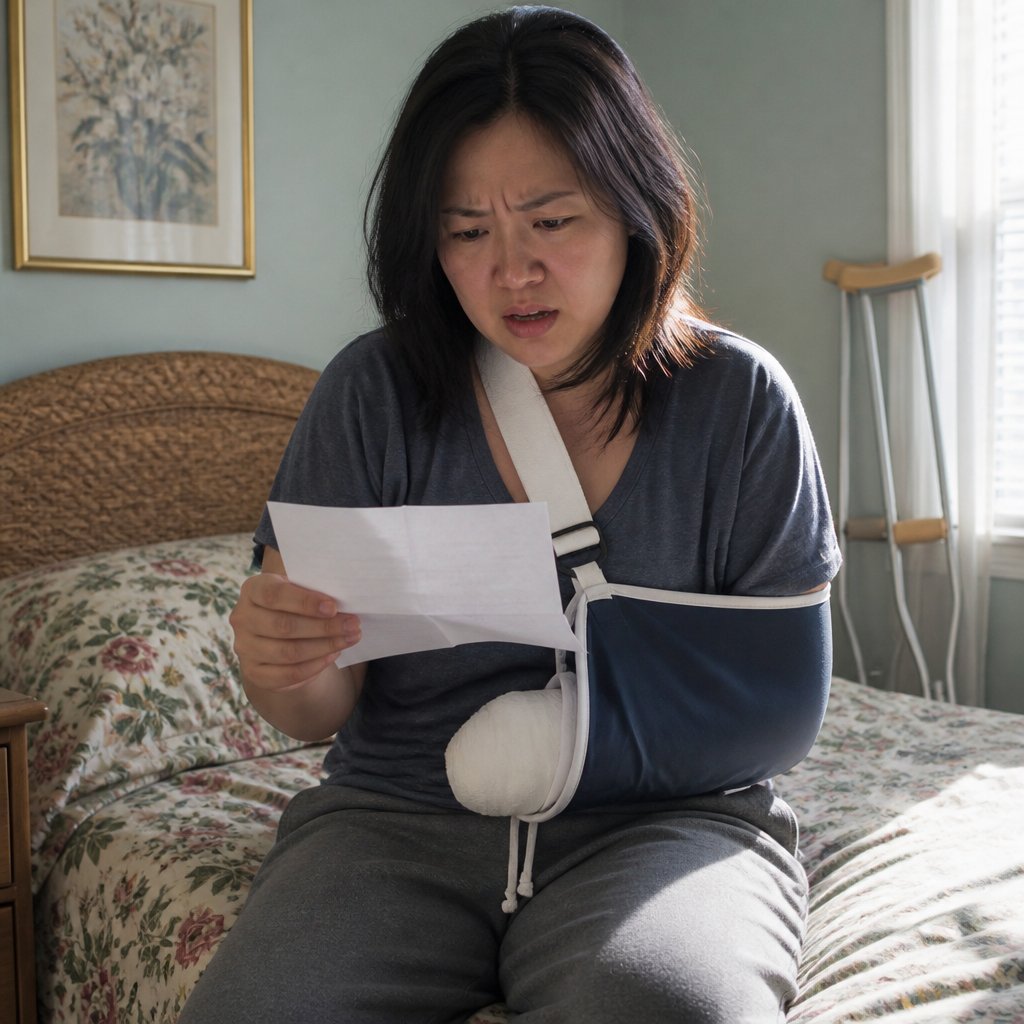
I expected the trucking company to apologize. To send flowers. To at least acknowledge what their driver had done to me. Instead, three weeks after the accident, I received a letter from QuickHaul Logistics' insurance carrier stating that their investigation had determined I was "primarily at fault" for the collision. They claimed I had run the red light. Not their driver. Me.
I read that letter in my mother's guest room, where I was recovering because I couldn't drive, couldn't cook, couldn't dress myself with one arm in a cast and the other holding a crutch. I read it twice because I couldn't believe what I was seeing. Then I called the attorney my sister had been begging me to talk to.
The Dashcam Changed Everything
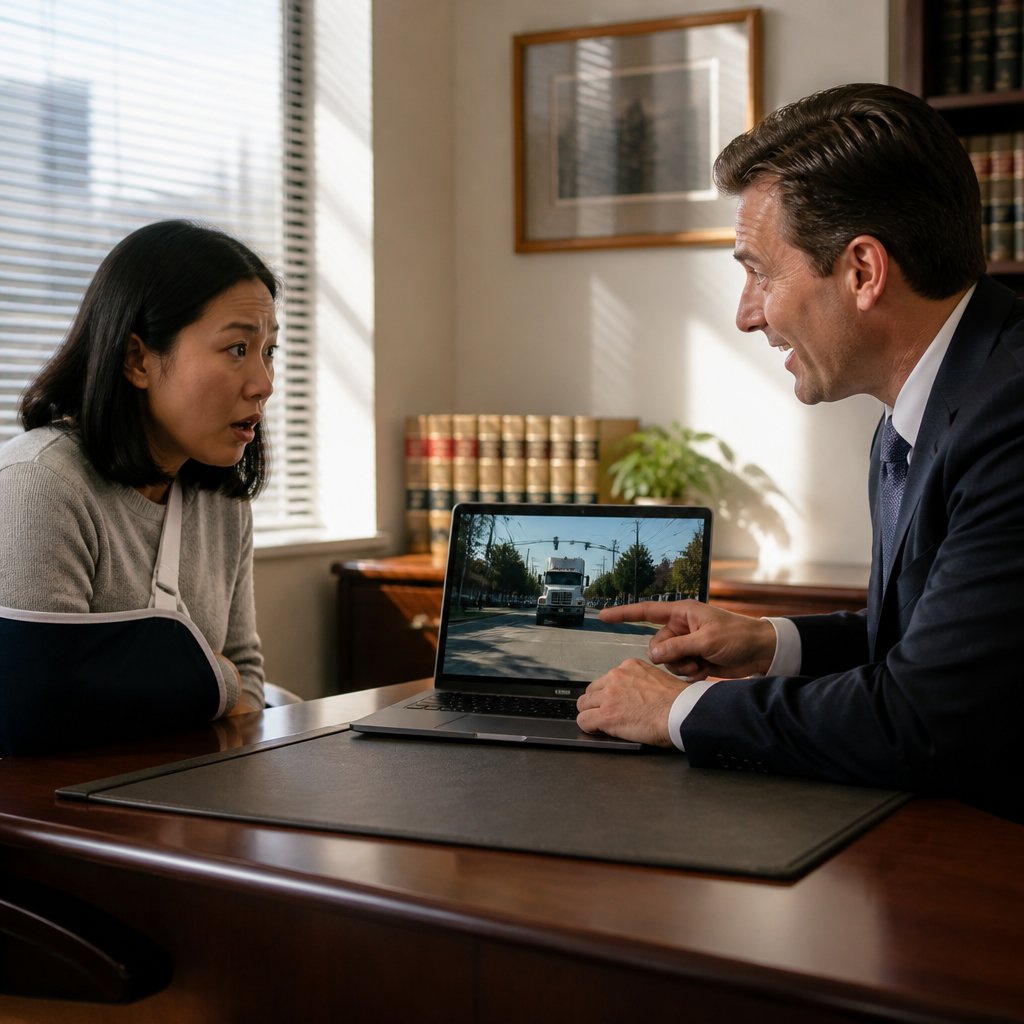
My attorney, Kevin Cho, filed suit against QuickHaul and the driver for $1.8 million. His first discovery request was for the truck's dashcam footage. QuickHaul's lawyers took six weeks to produce it, claiming technical difficulties with the retrieval. When it finally arrived, Kevin called me immediately.
The dashcam showed everything. Clear as day: the truck approaching the intersection, the traffic light turning red a full three seconds before the truck reached it, the driver not slowing down at all, and the impact. You could see my car in the intersection — already past the midpoint, clearly moving on a green. The truck blew through a red light that had been red for three seconds. It was irrefutable. QuickHaul's claim that I ran the light wasn't just wrong. It was a lie they'd told knowing the dashcam existed.
The Driver Had Been Driving for Fourteen Hours
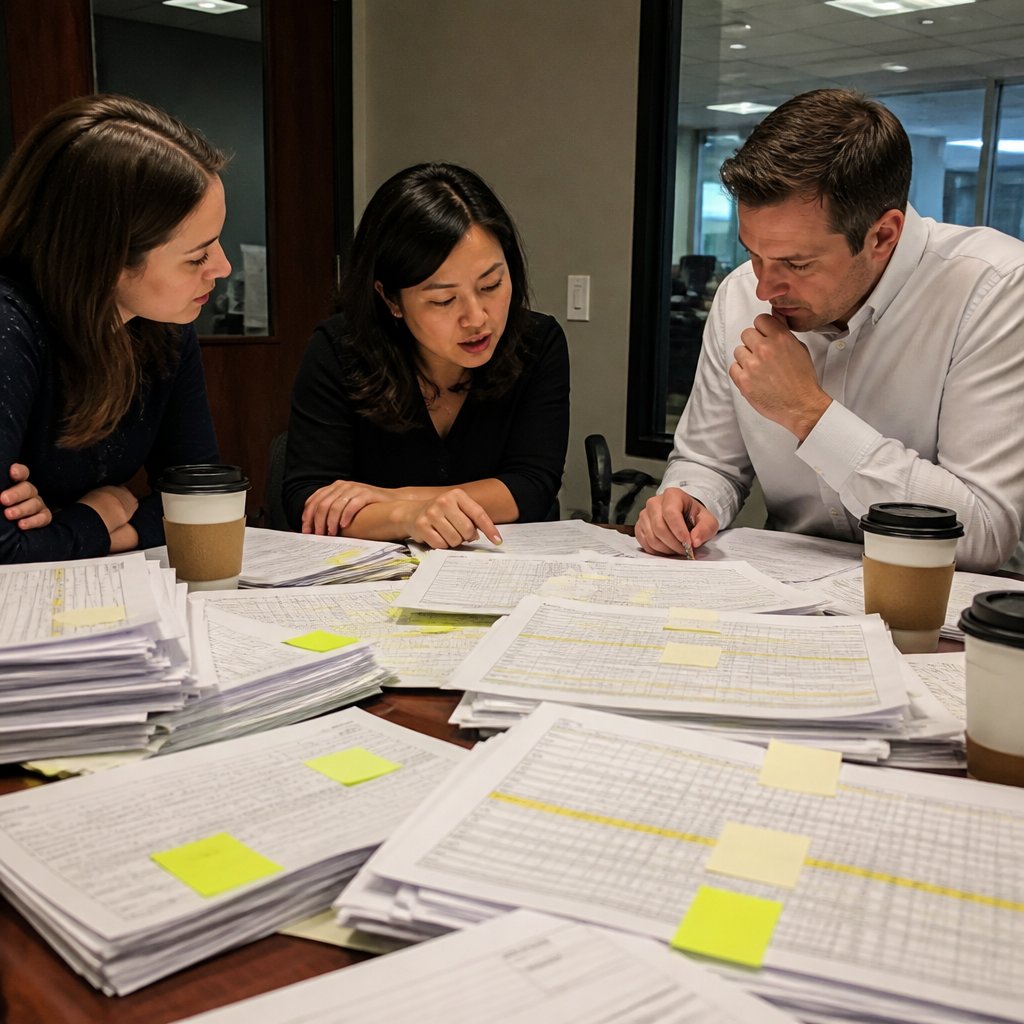
Discovery got worse for QuickHaul. Kevin subpoenaed the driver's logs. Federal regulations limit commercial truck drivers to eleven hours of driving within a fourteen-hour window. The driver, Jason Marek, had been on the road for fourteen hours and twelve minutes at the time of the crash. His dispatcher had sent him on a route that was mathematically impossible to complete within legal hours.
The dispatcher knew. The route manager knew. QuickHaul's scheduling system had flagged the route as exceeding hours-of-service limits, and someone had overridden the flag. Kevin's paralegal found the override in the system logs. Someone at QuickHaul had deliberately scheduled a driver past legal limits on the route that ended with him running a red light into my car.
QuickHaul Offered $400,000
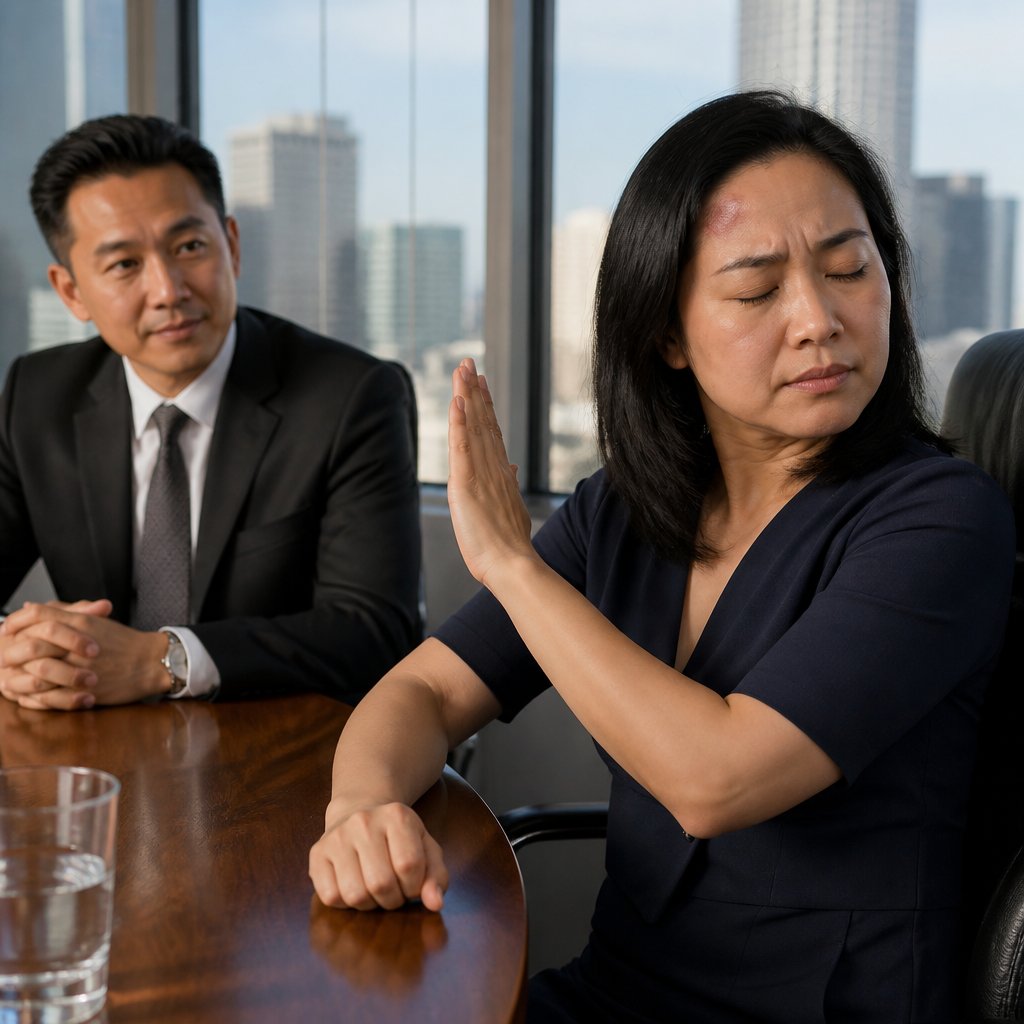
With the dashcam, the hours-of-service violations, and the deliberate scheduling override, QuickHaul's legal position was collapsing. They offered $400,000 to settle. Kevin told me it was a panic offer — they were terrified of what a jury would do with the evidence. He recommended we reject it and push for trial. The medical bills alone were $340,000. The lost wages, the pain, the scarring on my forehead, the knee that would never be the same — all of it was worth more.
I rejected it. QuickHaul came back with $700,000. Kevin said no again. They came back with $900,000. Kevin looked at me and said, "They're not done climbing. But a trial gets us more and it holds them accountable publicly. Your call." I said let's go to trial. I wanted a jury to see that dashcam.
The Jury Saw the Dashcam
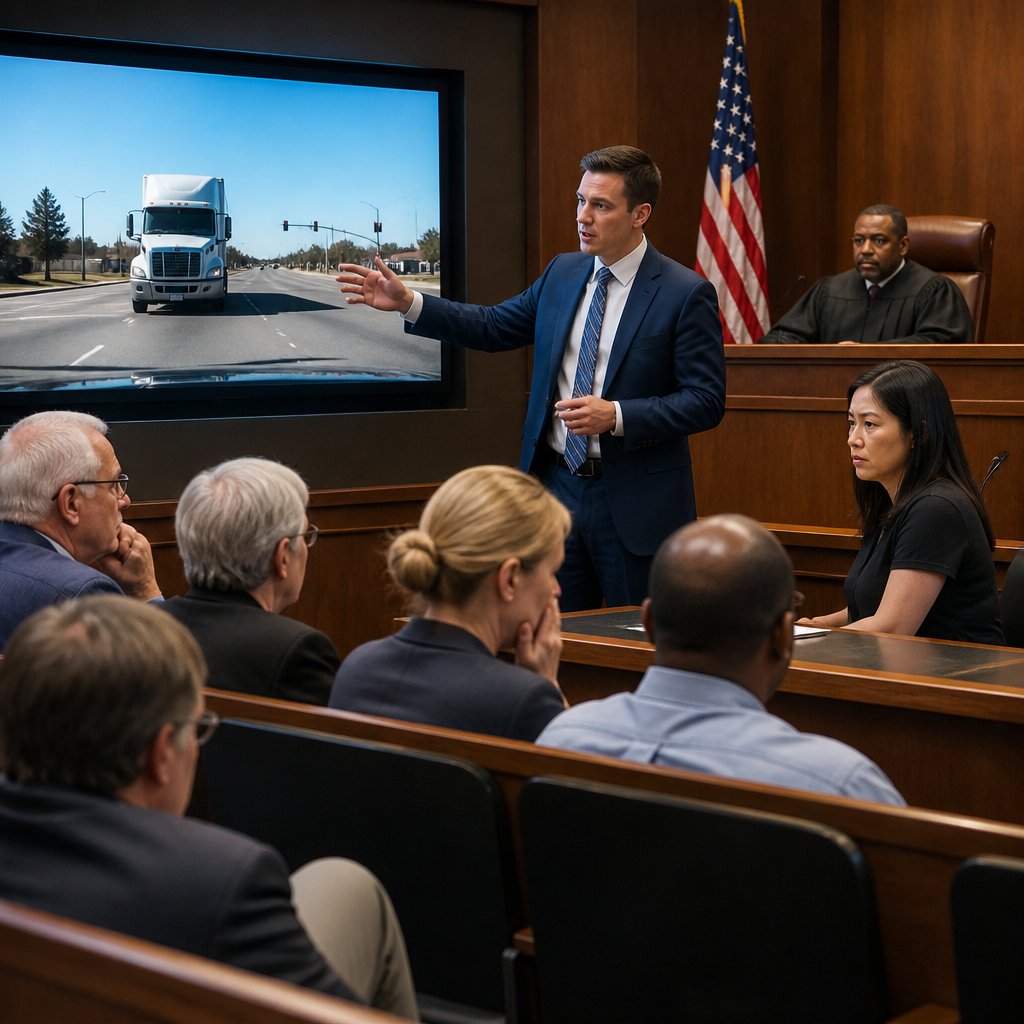
Trial was in April, eighteen months after the accident. Kevin played the dashcam footage three times during his opening statement. Once in real time. Once in slow motion. Once frame by frame. The courtroom was silent each time. You could hear the jurors breathing. The impact — my little Honda spinning across the intersection — made two of them flinch.
QuickHaul's defense was thin. They argued that the driver was fatigued but that the company's systems should have caught it — essentially blaming their own employee to shield the corporation. Kevin demolished that argument with the scheduling override. Someone at the corporate level had authorized the illegal route. This wasn't a tired driver making a bad decision. It was a company that chose profit over safety.
One Point Four Million
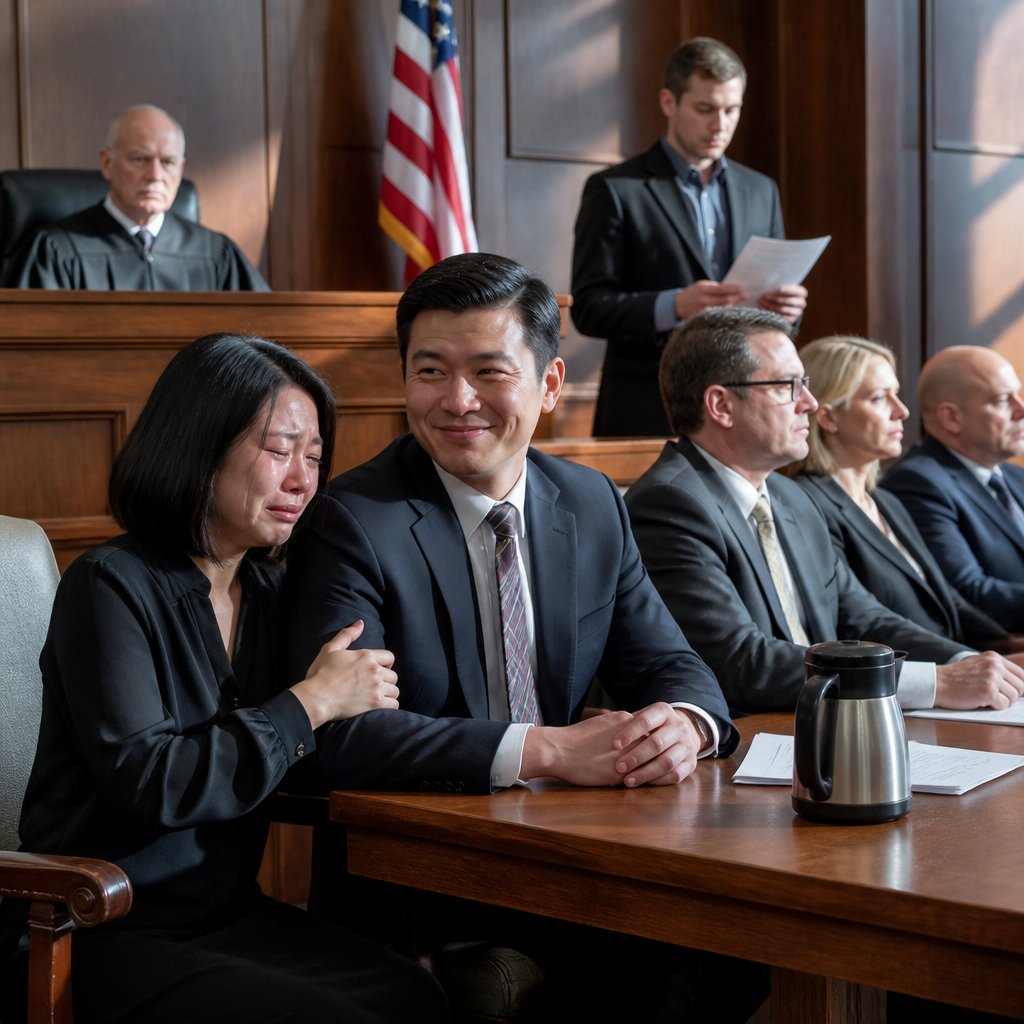
The jury deliberated for three hours and came back with $1.4 million. $340,000 for medical expenses. $180,000 for lost wages and earning capacity. $380,000 for pain and suffering. And $500,000 in punitive damages — the jury's way of telling QuickHaul that scheduling a driver past legal limits and then lying about whose fault it was would cost them.
When the foreperson read the punitive damages number, Kevin grabbed my good arm under the table. I was crying. Not from the money — from the validation. For eighteen months, QuickHaul had told the world I ran a red light. A jury of strangers had watched the tape and said: no, she didn't. You did. And you knew it. That was worth more than any dollar amount they could have named.
The Scar Faded but the Light Still Matters
After Kevin's fees and the medical liens, I took home just over $800,000. I paid off my student loans. I put a down payment on a house with a garden. I funded my classroom — new calculators, books, supplies I'd been buying out of pocket for years. My knee recovered about eighty percent — I can walk and hike but running is over. The scar on my forehead faded to a thin line that I cover with my hair most days.
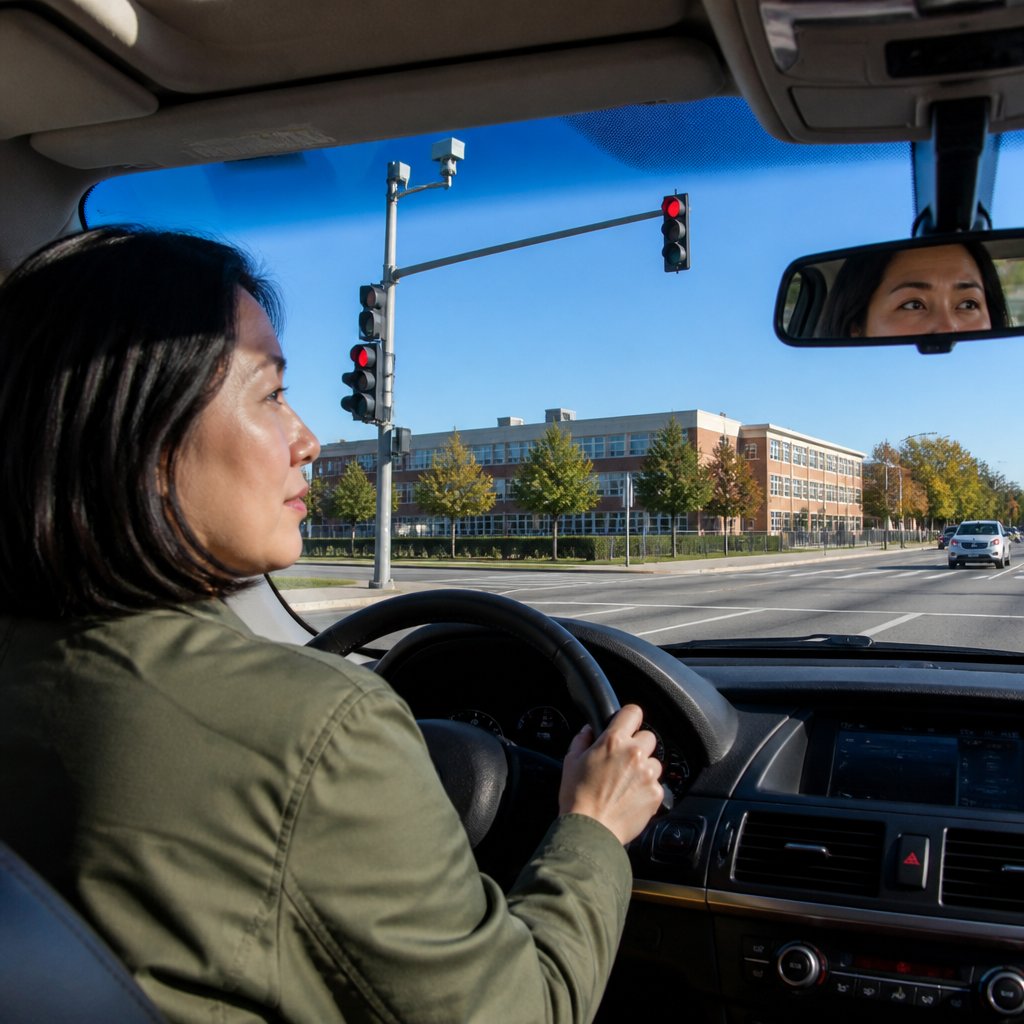
I still drive through that intersection on my way to work. They put a camera on the light after the accident — Kevin pushed for it as part of the settlement negotiations. Every morning I stop at the line and wait for the green. I watch it turn. I check left and right even though I have the right of way. Then I go. Because having the green light should mean something. It does now. QuickHaul's insurance rates tripled. Jason Marek lost his commercial license. And the dashcam — the little camera that recorded the truth when the company tried to bury it — is probably still mounted on some other truck somewhere, watching the road. I hope it's paying attention.
Did QuickHaul deserve the consequences of their actions?