


When Entry Was First Denied
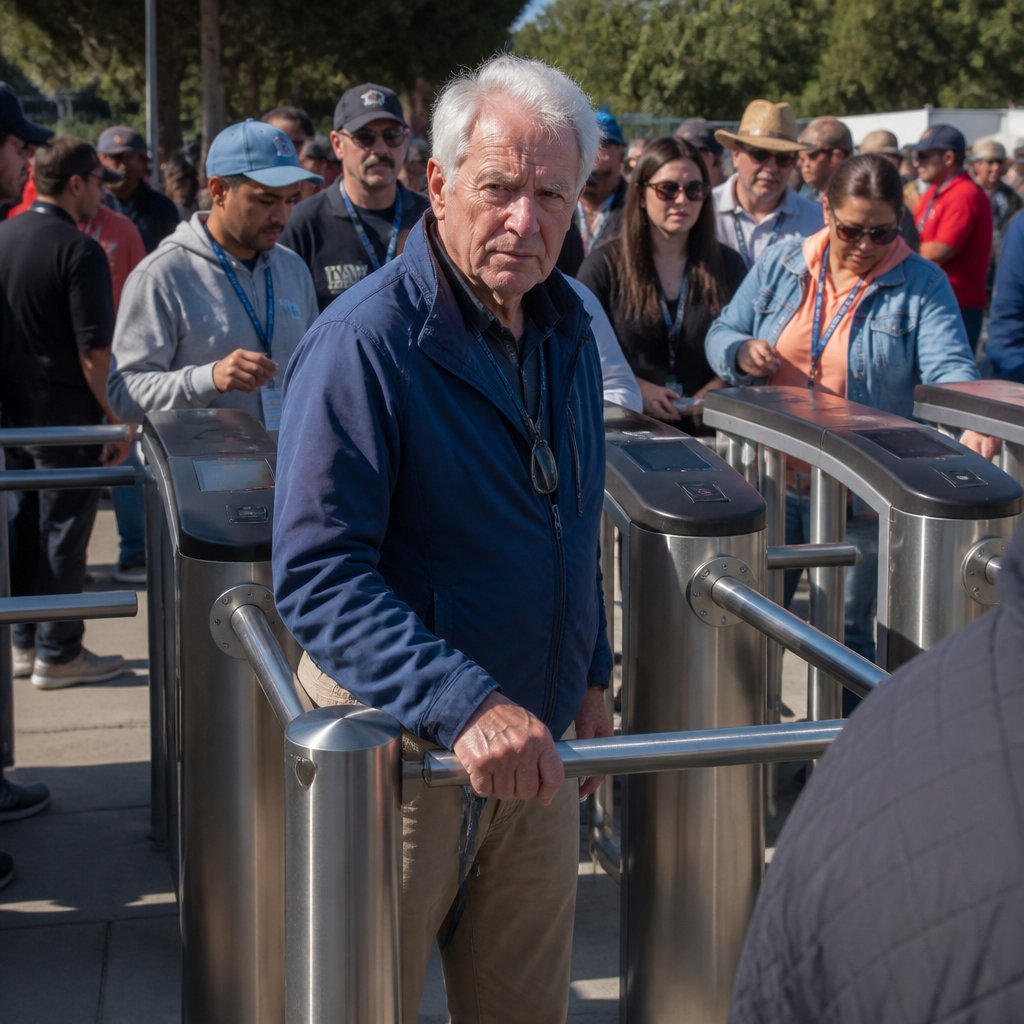
I got there early, thinking I'd breeze right in. The app on my phone showed the wheel spinning, but then the turnstile flashed ENTRY DENIED. That was the first sign the "smart" system was already failing when it was supposed to make things smoother. The metal gate didn’t budge. Around me, people were fumbling with their badges, some tapping the scanners like it might help. My hands felt cold against the cold metal railings, but the turnstile stayed locked. The waiting crowd began to murmur, but no one said what I was thinking: this was supposed to be seamless, and it wasn’t even working yet.
Orders To Keep Moving
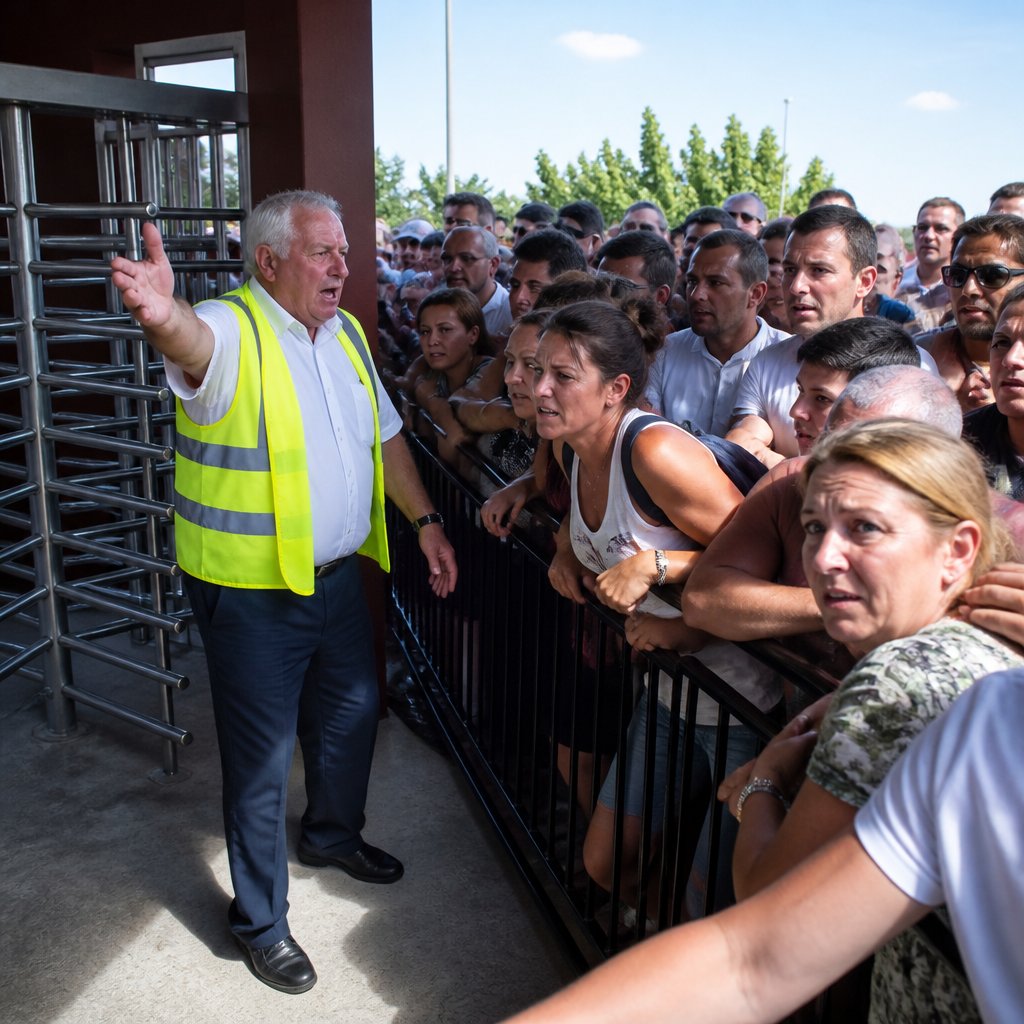
A guard in a bright yellow vest paced nearby, shouting at the crowd. "Keep moving, folks! Keep moving!" But the lane ahead was physically jammed. The turnstiles wouldn't turn, and there was nowhere to go. People pressed forward against the railings, and I could feel the tension rising around me. The guard’s voice was sharp but useless. His words forced movement in impossible spaces. I saw a mother trying to pull her child back, but the crowd pushed them forward anyway. The air smelled faintly of sweat and cheap cologne. The guard didn’t seem to notice he was turning instruction into negligence, but I felt it deep in my gut. Something was breaking down beyond just the equipment.
Gates Clicking Like They Thought
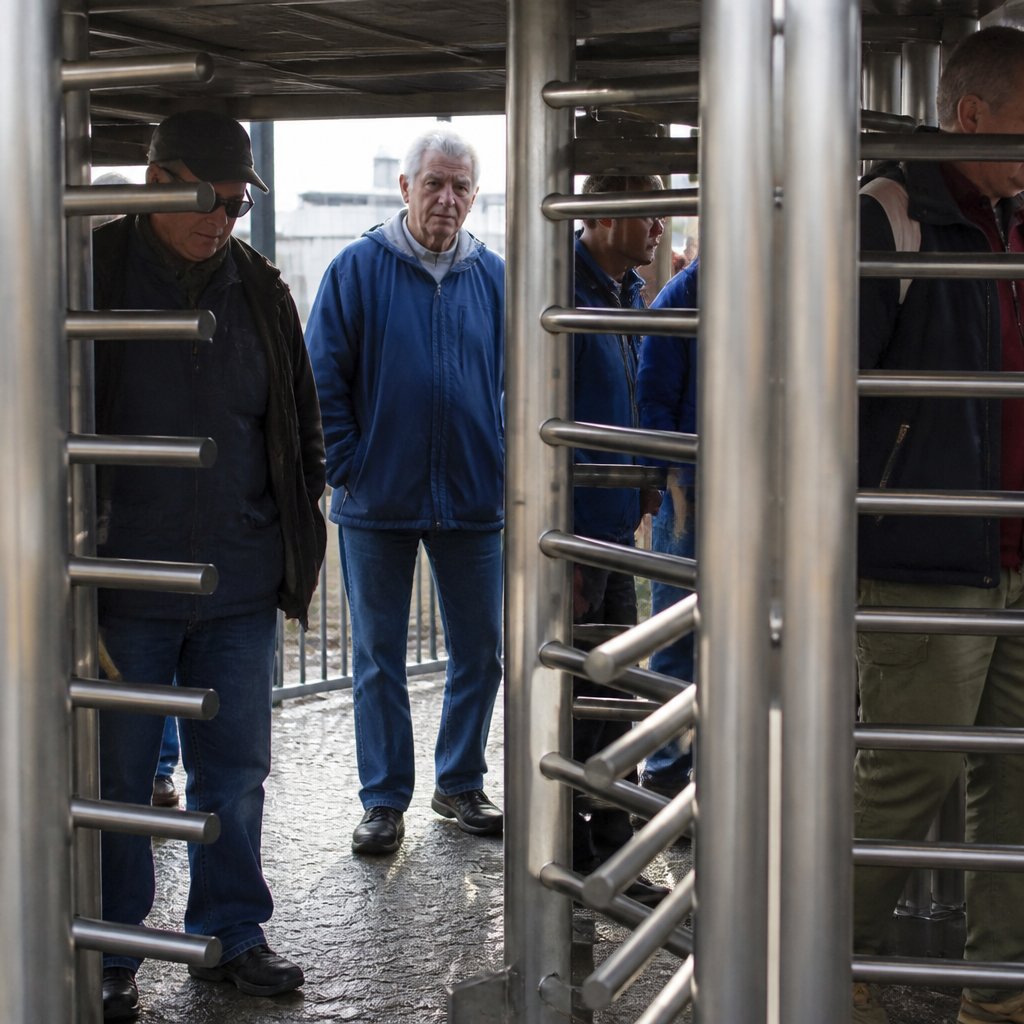
Suddenly, the gates started clicking open and closed repeatedly, like they were caught in some loop. It wasn’t a steady jam, it was a weird stutter, as if the software controlling the turnstiles was “thinking.” I could hear the metal clang softly against the frame with every click. I watched as one gate tried to open, then slammed shut immediately, then tried again. The sound echoed faintly in the covered entryway. It felt mechanical but erratic, not like a simple jam or stuck latch. I realized the problem wasn’t just physical. Something in the programming was cycling over and over, trapping us in a feedback loop. Around me, people grew more impatient, some stepping back, others pressing forward, but the gates only repeated their clicks.
Surge Lifts Me Off Feet
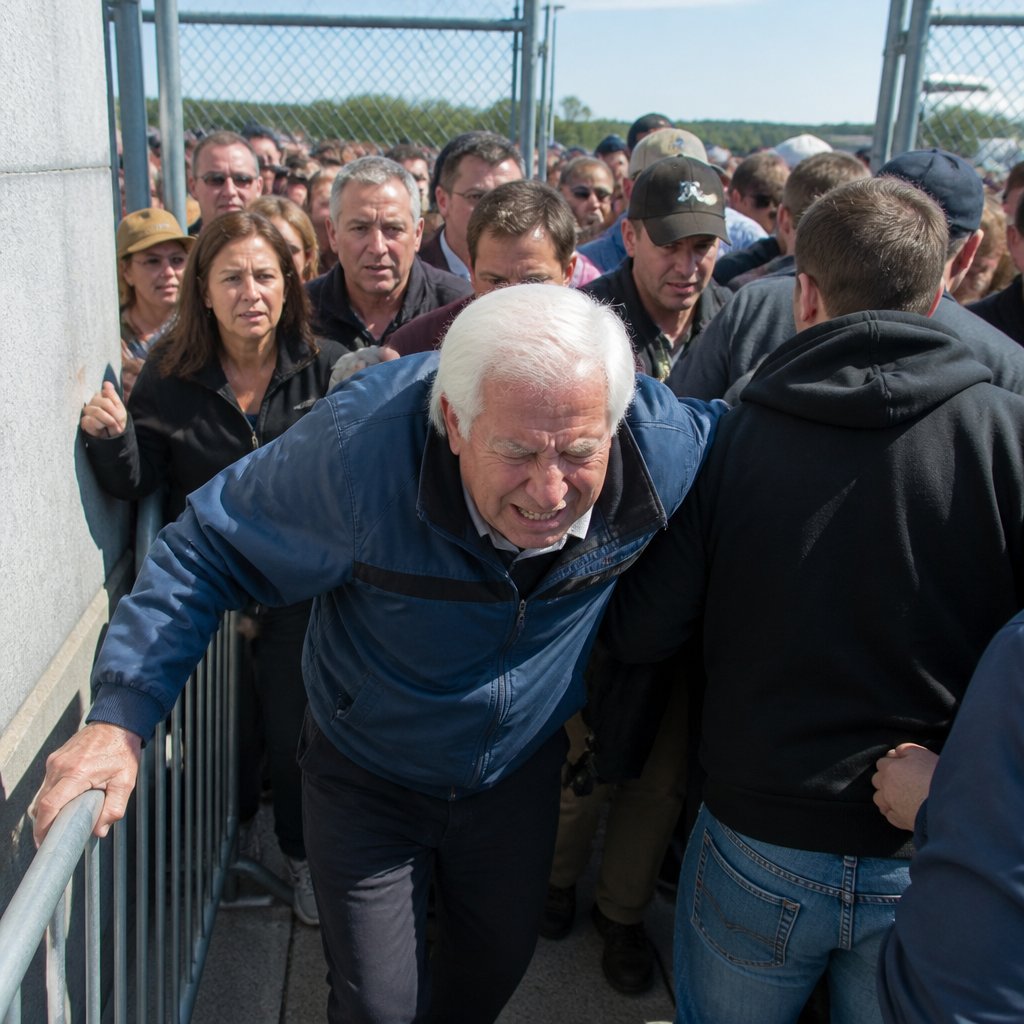
Then it happened. The surge. Suddenly, my feet weren’t on solid ground. The crowd pushed from behind like a wave, lifting me off my feet. I went down hard, chest first into the metal railing. I heard someone shout, but the noise was muffled by the mass of bodies pressing in all around me. My ribs cracked against the cold metal, and the pressure mounted. It was like being caught in a storm with no escape. I felt air leave my lungs and a sharp pain radiate through my side. The crowd wasn’t moving forward anymore—it was squeezing tighter, and I was trapped inside it. Later, someone would call this pressure "unpredictable." But right then, under the weight of hundreds, I knew it was the exact moment everything broke.
Injuries Cataloged In ER

At the emergency room, they ran x-rays and scans. The discharge papers listed broken ribs, a collapsed lung, and a torn meniscus in my right knee. The doctors spoke plainly, explaining the severity. I lay back on the stiff hospital bed, the sterile smell of disinfectant mixed with the faint hum of machines. My clothes were swapped for a hospital gown, and a cold hospital blanket covered me. The nurse adjusted the IV drip while I tried to process how bad this was. These were catastrophic injuries. But I knew from previous experience that insurance companies would twist it, calling these “pre-existing conditions.” The stark white walls of the room felt cold and unwelcoming as they talked about the rehabilitation ahead. I was trapped in a system that would deny what had happened here—not just the injury, but the cause behind it.
Video Shows Gates Locked Tight
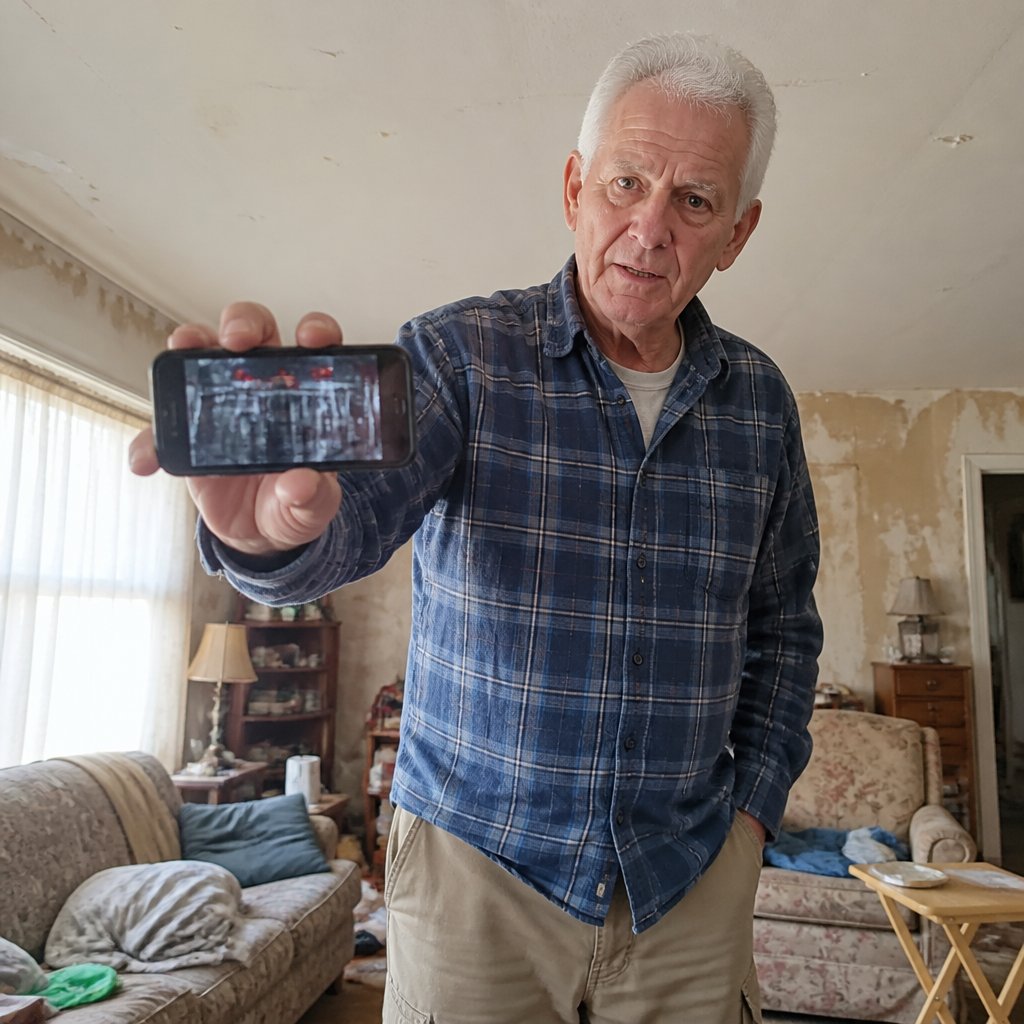
Days after the injury, my phone buzzed with a message from an unknown number. A shaky, grainy video file. I watched as the camera panned over a line of metal gates at the venue, each one flashing the word “LOCKED” in bright red lights. It was unmistakable. The gates weren’t just jammed—they were actively locked down, trapping people inside. This was the first real evidence contradicting the venue’s claims that nothing unusual had happened. I stared at the screen, the distant murmur of the crowd audible in the background of the video, as the gates blinked the ominous warning.
Venue Claims Footage Was Overwritten
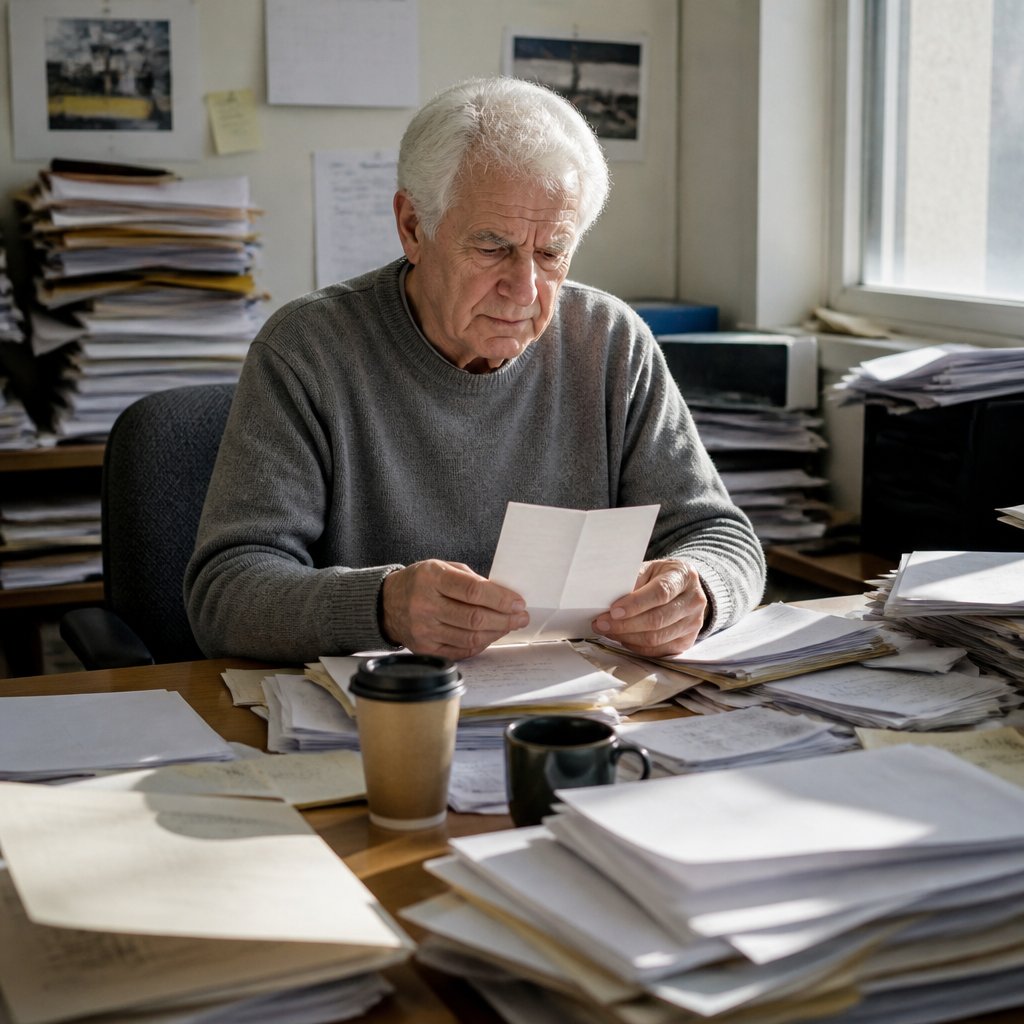
My lawyer sent the venue formal preservation letters demanding all logs and CCTV footage from the night. Weeks passed before we got a reply. The venue claimed the security footage had been overwritten in the “normal course of business.” The phrase felt cold and final, like a steel door slamming shut. No recordings. No logs. Just a policy that erased any chance of seeing what really happened. I sat in my small office, piles of papers and unopened mail around me. The sharp scent of old coffee lingered. It was a devastating blow, but it also raised the stakes. If they were erasing evidence, what were they trying to hide?
Ex-Attendant Reveals Closed Lanes Policy
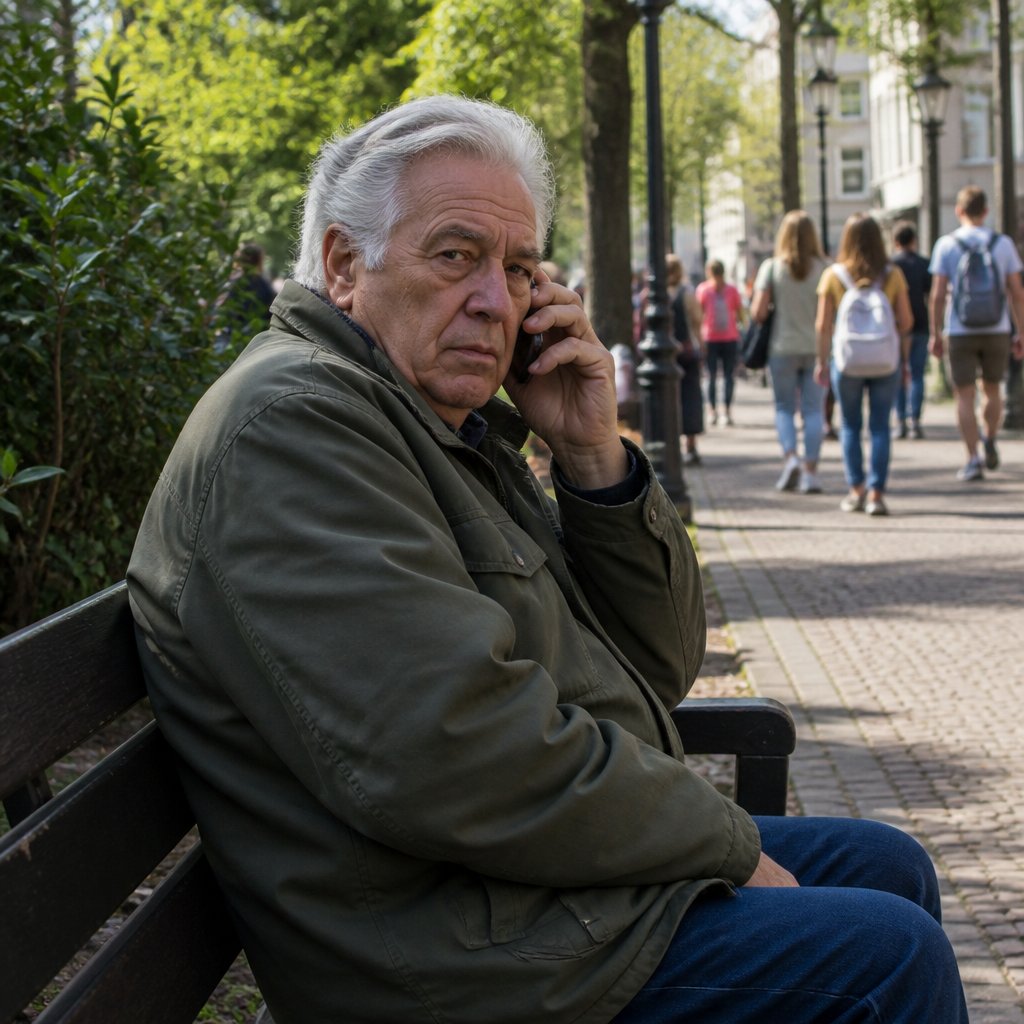
The next call came from an anonymous number. A voice with a tired edge told me that several lanes at the gates were intentionally kept closed to force people to download the venue’s app. It was a policy, not a mistake. They wanted to control the flow, collect data, and speed entry, even if it meant bottlenecks and risks. The voice was quiet but urgent, the background noise a busy street. I could hear cars passing and a distant dog barking. Suddenly, the incident felt less like an accident and more like a calculated decision. I leaned back in my chair. If true, this changed everything—it meant the surge wasn’t unforeseeable, it was baked into the system.
Defense Demands Years Of Medical History
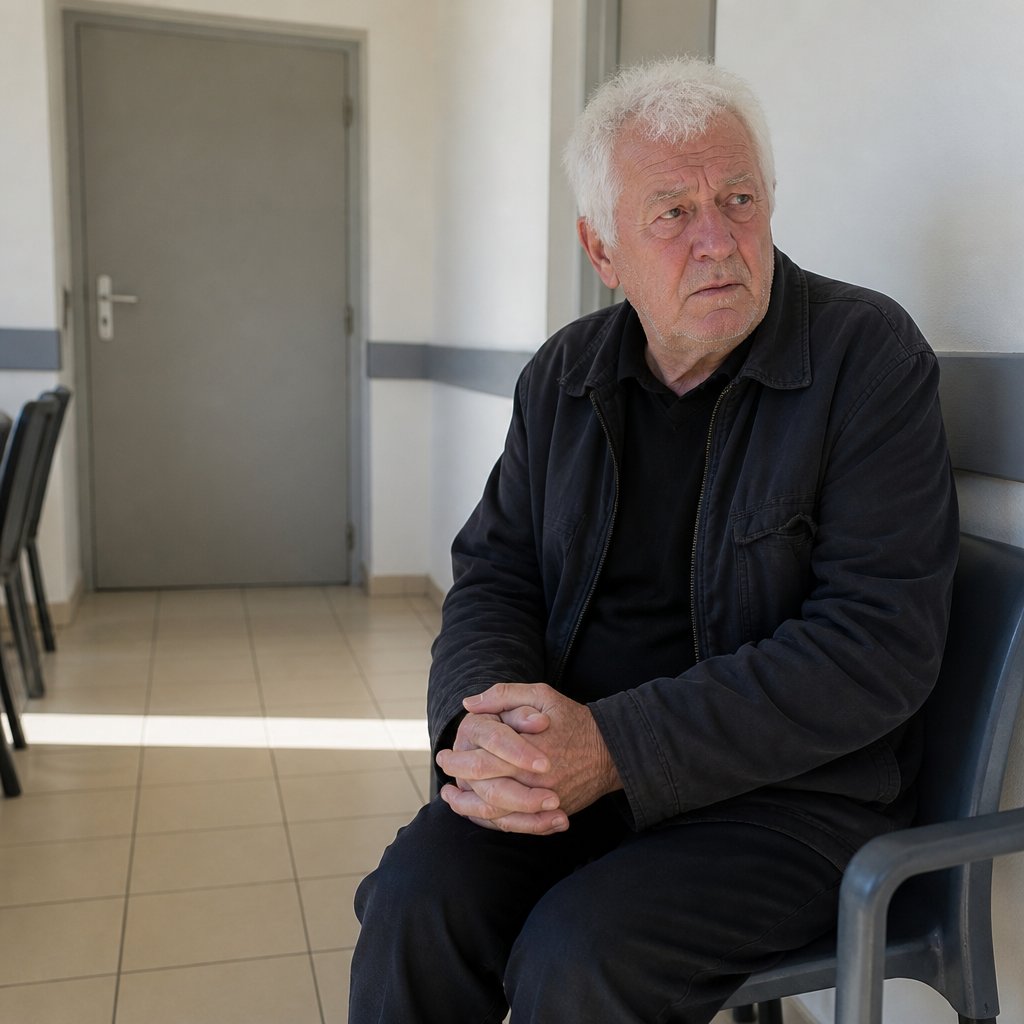
We finally filed the lawsuit. The moment the complaint was served, the defense hit back hard. Their first demand was a staggering one: access to fifteen years of my medical history. They wanted every record, every old injury, every doctor’s note. It was a clear signal. They planned to tear down my credibility and blame my injuries on past issues. I sat in my doctor’s sterile waiting room, the faint hum of fluorescent lights overhead, anxiety knotting my stomach. The coldness of the place contrasted sharply with the warm sun outside. It felt like the fight was turning personal, and I wasn’t sure I was prepared for what was coming.
Forced To Recall Old Knee Injury
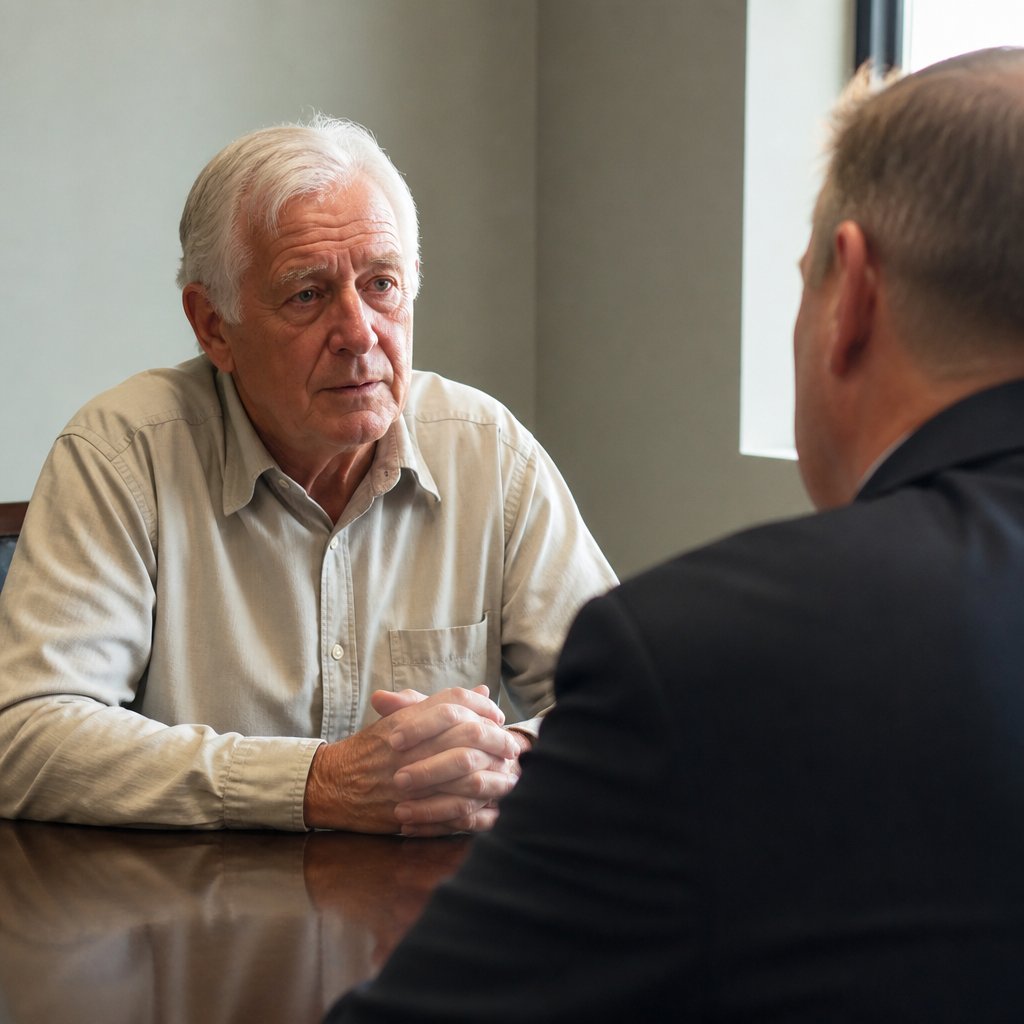
During my deposition, the defense focused obsessively on an old high school knee sprain. They made me describe the injury in detail, as if it were the real cause of my current problems. I answered carefully, feeling the weight of every word. The sterile conference room smelled faintly of paper and coffee. Across from me, opposing counsel sat with a hard expression, pushing the pre-existing injury narrative with relentless questions. I realized this was their strategy: turn the focus away from the crowd surge and onto my history, no matter how unrelated. The line between truth and tactic blurred, and I wondered if anyone would believe what really happened that night.
Blueprint Reveals Capacity Mismatch

We finally got hold of the fire marshal’s occupancy plan. The layout showed the entry plaza was designed for half the number of people admitted that night. The narrow corridors and few turnstiles weren’t built to handle the actual crowd size. I stared at the blueprints spread out on the conference table, the sharp smell of fresh ink in the air. It was clear: the venue’s capacity numbers didn’t match reality. That mismatch was a liability waiting to be exposed. Suddenly, the puzzle pieces began to fit together—overcrowding was no accident, it was built into the design.
Staffing Schedules Arrive—But Redacted
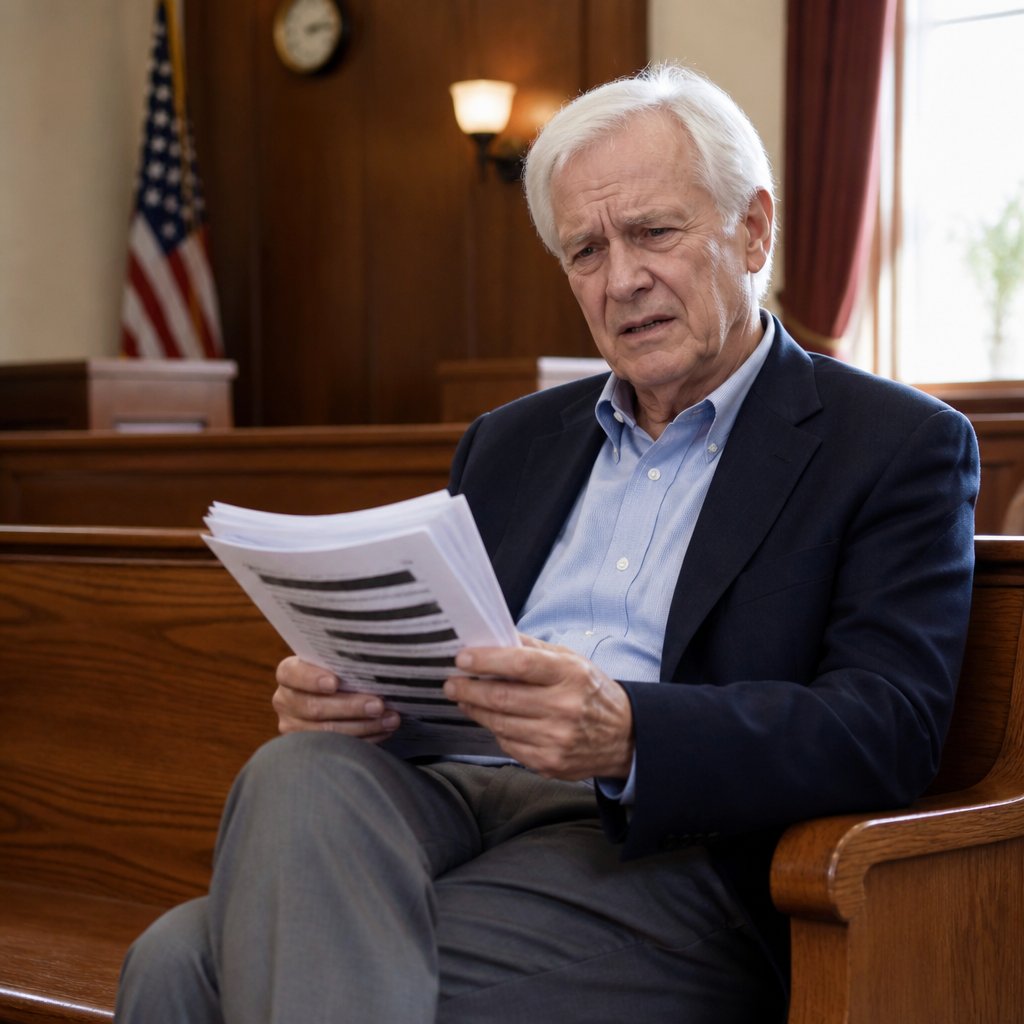
The venue finally produced staffing schedules, but they were heavily redacted. Names were blacked out, and several time slots were missing. It felt like a puzzle missing half its pieces. I held the thick stack of papers in my lap while sitting on a hard courtroom bench. The polished wood gleamed under the ceiling lights. The incomplete records hinted at something hidden—were they trying to sabotage the evidence? Despite the gaps, the data suggested that staffing was unusually low the night of the surge. I knew this wouldn’t be the last obstacle we’d face in uncovering the truth.
Gap In The Turnstile Logs
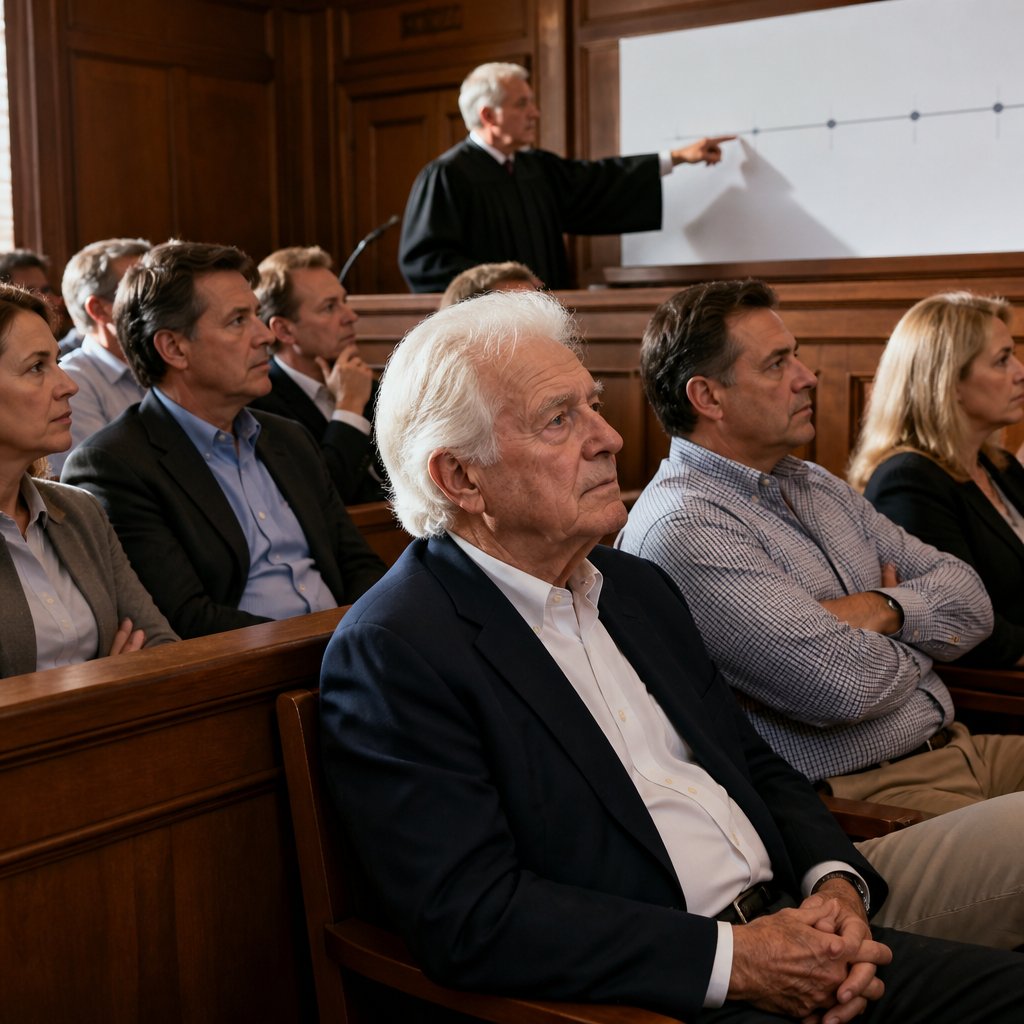
The judge pointed to the timeline on the screen. "There’s a clear gap here, from 3:17 to 3:45 p.m. No entries, no exits, no data at all." The courtroom was quiet, the kind of quiet that means trouble. That was the critical period when the surge happened. Someone had to know what went down then, but those logs were missing or erased. My lawyer pressed hard. "Your Honor, it looks like the defendant altered or withheld the most damaging evidence." I felt my heart pound under the weight of the room’s attention. The judge nodded slowly. "I’m granting sanctions. The court will consider this an adverse inference. The jury can assume the missing data was unfavorable to the defense." The vendors and venue reps shifted uncomfortably in their seats, faces tight and pale. I caught the faint scent of coffee and old wood from the courtroom benches. My mind raced. If they tampered with data, what else were they trying to hide?
Whistleblower’s Email Shocks Court
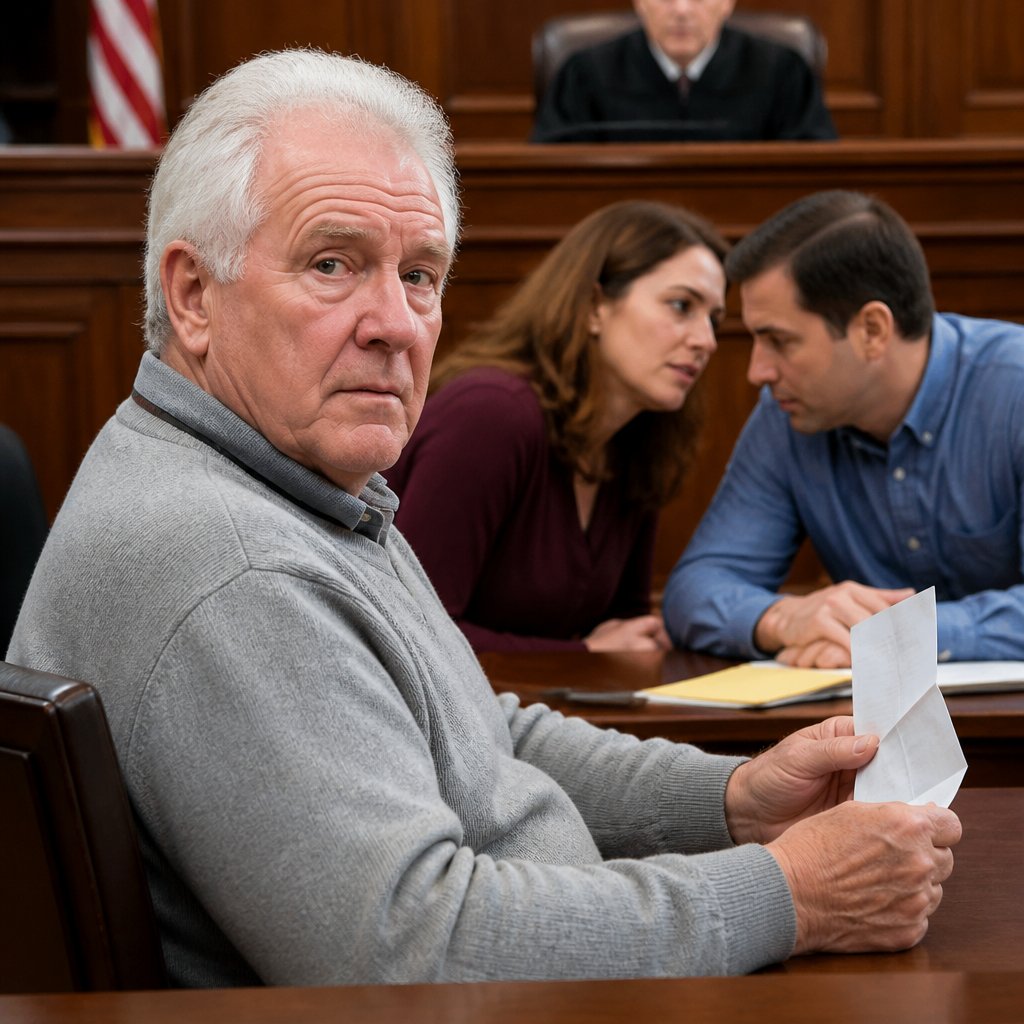
Just when I thought the case couldn’t get more intense, my lawyer passed me a folded printout. "This came from a vendor whistleblower," he said quietly. The email was brief but chilling: "Do not enable auto-release until after the tour date. Client wants tighter access control." That message contradicted every claim the defense made about unpredictability and safety. The courtroom buzzed as the defense attorney objected, calling it "out of context" and "inadmissible." But the judge let it stand. Everyone’s eyes locked on the printout as my lawyer prepared to deliver closing arguments. The smell of stale paper and faint perfume filled the tense air. I sat back, feeling the weight of the moment. The defense was on the back foot now, but the verdict was still up in the air. What would the jury decide with this new bombshell in hand?
Was it fair to hold the company liable for the turnstile malfunction?