



My Paycheck Didn’t Add Up

I opened my paycheck and stared at the numbers. It was less than usual. When I pulled up my timecard, I saw the problem—they had deducted a 30-minute meal break for every shift. But I never took those breaks. The schedule was tight, and with understaffing, I had to keep working straight through lunch just to keep things running.
Each entry showed the same automatic 30-minute deduction, like clockwork. I was sure I’d mentioned this before, but maybe I was wrong. Still, it felt like they were stealing time—and money—from me.
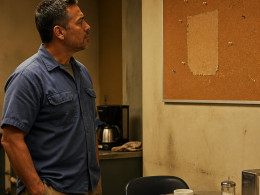
That day in the break room, the smell of burnt coffee filled the air as I mulled over what I’d found. I wasn’t sure what the next step was, but I knew I had to figure out why my hours didn’t match the work I’d done.
Supervisor’s Casual Dismissal

I brought up the issue with my supervisor after a shift. He leaned back against the worn countertop in the small office, arms crossed, shrugging. "Just take your lunches," he said. "It’s company policy." But the schedule told a different story. I was almost always working solo during those meal windows—there was no one to cover the floor so I could step away.
He didn’t seem to see the problem. The fluorescent light above flickered slightly as I explained how it was impossible to take a break without leaving the store short. He just nodded and said, "We need you here."
I left the office wondering if anyone else was going to help fix this or if I was stuck trying to bend the rules under impossible conditions.
Months Of Missing Minutes

I sat at my kitchen table pulling up my old timecards printed from the company portal. As I sorted through them, I realized this wasn’t just a recent mistake. The 30-minute deductions had been quietly stacking up for months. Each paystub underreported my true hours.
The stack of papers felt heavier as I counted the total lost time. The smell of cold takeout from dinner filled the room as I stared at the numbers. I’d worked through all those supposed break periods, but the records said otherwise.
It wasn’t an accident anymore. This was systematic, and I had no idea how many others it was happening to. But what could I do with this evidence? Who would listen?
Proof Sent To Management

I drafted an email to my manager and payroll, attaching screenshots of workflow logs and system timestamps that showed I’d been working through my meal breaks every day. I laid out the spikes in activity and customer service records that lined up exactly with the supposed break times.
After hitting send, I leaned back in the sterile HR office chair. The faint hum of the air conditioner was the only sound. I felt a mix of hope and anxiety—the data was clear, but would they care? Or would it just disappear into another email chain?
I waited for a response, knowing this could be the start of something—but unsure if it would be the change I needed or just more trouble.
HR’s Warning Email Arrives

The reply came quickly—it was a template warning from HR. Meal breaks were mandatory, they said, and failing to clock out during breaks could lead to disciplinary action. My complaint had shifted from wage theft to a potential conduct problem.
I sat in the cramped HR waiting room, the faint smell of disinfectant in the air, reading the email printout. I’d tried to report an injustice, and instead, they were threatening me. It felt like the walls were closing in.
How could they treat me like the problem when I was the one trying to get paid for the hours I worked?
Warning Cites My Exact Complaints

Days after my initial complaint, I found a written warning slipped under my door. The heading said it was about “failure to take mandated meal breaks,” which struck me as ironic because those were the very days I’d raised concerns about unpaid work. The letter listed specific dates, the same ones I’d mentioned when reporting the auto-deductions. I stared at the lines accusing me of skipping breaks on purpose, feeling a mix of frustration and disbelief. The timing was too precise to be a coincidence.
I knew I had covered lunch hours many times, sometimes clocking extra minutes into my shift. But this paper trail painted me as the problem. I kept the warning stuck to my locker, wondering what my next move should be. HR had turned my effort to get fair pay into a disciplinary file. The break room smelled faintly of coffee and stale donuts when I told my coworker about it, but her silence said enough – she was already wary of getting involved.
What could I do now when my own efforts to fix this were being used against me?
Security Footage Suddenly “Not Available”

Hoping to prove my case, I asked facilities for the security footage from the lunch breaks in question. I wanted to show that I never left the pharmacy area during those times. The receptionist looked sympathetic but told me the footage was “not available” due to retention limits. Apparently, the system only kept video for a limited number of days, and my request came too late.
I felt the weight of that excuse. It was like the evidence had disappeared the moment I tried to use it. I paced the narrow hallway outside the HR office, the hum of flickering fluorescent lights overhead matching my frustration. When I pressed for any alternative, the answer was the same: no backups, no archives.
Without footage to confirm my presence, I was left relying on my word against theirs. But HR was already building their case from the warning letter. The cold realization set in: the proof I needed was gone before I could even get it.
Badge Logs Reveal I Stayed Put

I decided to check what I could access myself. Using the IT self-service portal, I pulled up my badge-swipe logs for the disputed lunch periods. I expected to see gaps corresponding to my breaks, but instead, the data showed my badge never left the pharmacy area during those times. The badge reader timestamps confirmed I was there, behind the counter, where I claimed to be.
The logs felt like a small victory. I printed them and took them into the break room, where the faint smell of disinfectant lingered. I showed them to a trusted coworker, who nodded but warned me quietly, “They might twist this anyway.” The idea that even proof could be dismissed made my stomach tighten.
Still, these logs gave me something concrete to hold onto. I wondered how HR would respond if I presented this evidence directly. Would they listen, or would it just escalate the conflict?
Payroll’s Silent Partial Fix

A week later, I noticed a small adjustment on my paycheck for one pay period. It wasn’t much—just a few dollars added to account for the unpaid break deductions—but it was something. There was no explanation or apology in the accompanying memo. Just a quiet fix, like they hoped I wouldn’t notice.
I sat in the HR office’s waiting area, the scratchy vinyl chair uncomfortable beneath me, asking if this was a sign they’d finally acknowledged the problem. But when I followed up with payroll, their response was thin and vague. No admission of error, no plan to correct past paychecks, only silence when I pressed further.
The partial correction felt like a half-measure, enough to placate but not enough to make real change. I wasn’t sure if this was a mistake being quietly fixed or a deliberate stonewall.
Suspended And Escorted Past Break Room

On a Wednesday morning, I heard the news through the grapevine before HR told me directly. They suspended her pending investigation. I caught a glimpse as she was led past the break room. The woman looked stunned, her arms cuffed loosely behind her back. Her nametag caught the dull fluorescent light — a small, plastic rectangle that now felt like a badge of disgrace. She was wearing the usual navy scrubs, but she moved stiffly, as if every step reminded her she wasn’t just being disciplined but publicly humiliated.
The break room, usually filled with casual chatter and the hum of the coffee machine, felt suddenly ominous. A few coworkers turned away quickly, eyes averted. The security escort walked beside her, scanning the area with his hand resting casually on his radio. You could almost hear the unsaid message: this was a warning to the rest of us. What came next was clear even if no one said it outright.
I stood frozen near the vending machines, the cold plastic of a soda can in my hand growing slippery from condensation as I processed the scene. No one spoke up. No one asked questions. The warning was loud and clear, but what did they really want us to learn?
Official Termination Cites Time Theft

Two days later, a formal termination notice landed on her desk. The letter accused her of “time theft” and “insubordination.” HR’s spreadsheet was attached, filled with rows of timestamps showing hundreds of 30-minute breaks she supposedly took. The records aligned suspiciously with peak patient hours, the busiest and most chaotic times on the floor.
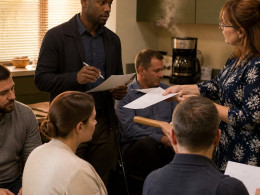
The spreadsheets were printed and stacked neatly in the HR office, where the smell of copier toner mixed with the faint scent of disinfectant. The HR manager, a woman in a crisp white blouse and black slacks, explained the allegations with clinical detachment. She pointed at the data, reciting the breakdown of each alleged infraction. Still, no one addressed the fact that she had often remained logged in at her workstation during these breaks, covering coworkers or filling gaps.
It was hard to believe that the numbers added up this way. The hospital’s tracking system seemed to contradict the reality everyone lived. Meanwhile, the termination notice felt less like an explanation and more like a sentence. She packed her things in silence, left the building with a security escort, and the staff who had been silent before shifted uneasily around the break room conversations.
In the back of my mind, I wondered if anyone else had been caught in this net or if this was just the beginning of something much broader.
Lawyer’s Letter Meets Purged Records

Her lawyer sent the hospital a preservation letter demanding all relevant records be saved. The letter arrived in the hospital’s legal department, where the scent of old paper and faint coffee lingered in the air. But the hospital’s response was chilling: key records had been “routinely purged” according to their standard policy.
I sat in the sterile legal waiting room, gray walls and vinyl chairs, flipping through folders that might never have contained the truth. Later, a former payroll clerk reached out to me quietly, eyes darting nervously. She whispered that exceptions to the purge existed, but those exceptions were selectively applied. Some meal break denials were batch-denied to meet labor cost targets, not necessarily reflecting actual work performed.
The implications hit hard. If true, the system had been rigged to create a paper trail justifying disciplinary action, no matter the reality. I felt the weight of the silence around this and wondered who else had been affected but never spoke up. The quiet tension in the office was now a knot of mistrust tangled with fear.
Questions piled up: How deep did this manipulation go? Who authorized it? And what would happen if someone finally exposed it?
Hidden Emails Reveal Meal Break Plan

During discovery, an email chain titled “Meal Compliance Project” surfaced. The messages instructed managers to discourage approvals for lunch breaks taken without clocking out and to document “repeat offenders.” The tone was firm, emphasizing the importance of maintaining strict compliance with meal break policies at all costs.
The company's records showed badge scans and workstation logs proving she stayed signed in during every alleged lunch break. These logs were precise: badges swiped in and out, but her workstation never logged off. It painted a clear picture of someone working through breaks, contrary to the narrative HR presented.
I sat with these documents in a small HR conference room, its whiteboard wiped clean and the faint scent of dry-erase marker still lingering. The quiet hum of the air conditioner filled the space. I could feel the weight of what these records meant. They seemed to set up a case against the company’s own policies and opened the possibility of a public reckoning.
But despite the evidence, the story had yet to break. For now, the silence stretched on, the next move uncertain and potentially explosive.
Was the company's automatic lunch deduction justified?