



The Wellness Challenge That Wasn’t

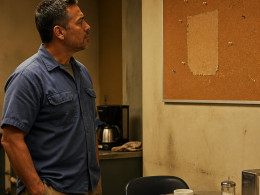
HR rolled out a new wellness challenge with a friendly smile and a stack of flyers in the lobby. It was billed as voluntary, but the subtle pressure was clear. Posters in the break room tracked steps and activity, but the leaderboards went beyond simple counts. Names were there, along with rankings that didn’t quite make sense if it was just walking or running.
People at the water cooler whispered about the challenge. Some called it a nudge, others thought it was a mandate wearing a softer face. I noticed the leaderboards included metrics that weren’t explained—small numbers beside names that didn’t add up to steps or miles.
In the HR office, the manager assured me it was just motivational. But the quiet hum of the security badge readers, tracking when people arrived and left, felt like part of a larger system. The company never said exactly what data they were collecting or why. On my way out, I caught a glimpse of a spreadsheet open on her desk with columns of numbers and codes beside employee names.
The Genetic Test Pitch

HR invited a representative from the wellness vendor to present in the conference room. The pitch was polished—"personalized nutrition" based on at-home genetic testing. The vendor wore a crisp white shirt and dark slacks, explaining how the test could tailor diet plans and improve health.
HR promised in writing that individual genetic data would never be shared with the company. The document was vague enough to feel reassuring but left loopholes unaddressed. I held the paper in my hands during the Q&A, the quiet hum of the air conditioner filling the pauses.
As the session ended, I noticed the vendor packing up a stack of pamphlets with the company's logo, but no mention of independent labs or data security audits. A coworker whispered that the vendor’s privacy policy was buried in fine print online, and no one really knew where the genetic data went after testing.
Choosing The Discount Option

I decided to opt in for the premium discount offered if I completed the genetic test. The portal was slick and user-friendly, but the language about "private results" was vague. I clicked through the consent forms, skimming the small print that suggested the company might have indirect access.
After submitting the kit, I waited in the break room, sipping bitter office coffee, watching a janitor quietly sweep the floor. The portal said results would be private, but it buried hints that data sharing could still happen under certain circumstances.
My reading glasses slid down my nose as I reread the clauses. Nothing clearly said my employer wouldn’t see summary or risk information. I wondered if others had noticed the loophole or if I was overthinking it.
The Risk Flag Appeared

When my genetic report came back, it flagged an elevated risk for a condition I hadn’t expected. The wellness app pushed follow-up recommendations, sending reminders that felt intrusive more than helpful.
I found myself staring at the risk summary again and again, the hum of the office ventilation growing louder as my mind churned. This kind of data could easily be weaponized by employers, I realized. It wasn’t just health advice; it was a hidden vulnerability.
On my desk, a half-empty cup of green tea sat cold. I thought about who else might see this information. The company’s promise felt fragile, and I wondered if this was just the beginning.
The Unexpected Email Address

Out of nowhere, a new email address popped up in an unrelated company thread: WellnessReports@. It stood out, like a secret mailbox nobody talked about.
I read through the chain quietly, the office hum around me blurred as my heart pounded. The presence of this mailbox suggested an internal reporting pipeline for wellness data, and it made me question what else was happening behind the scenes.
My badge beeped softly as I swiped it at the security door. Outside, in the hallway, a cleaning crew passed by, their muted footsteps echoing. I felt the first real chill of paranoia creeping in.
Manager’s Sudden Questions

My manager called me into his small office, wearing a polo shirt and khaki pants. He asked about "health limitations" in a tone that was casual but probing. I tried to answer honestly without giving too much away.
Afterwards, I noticed he quietly removed me from high-visibility projects. The change wasn’t announced. It just happened. My workload shifted to routine tasks that felt like a demotion without words.
In the quiet of the office, the hum of the air purifier was louder than usual. I wondered if anyone else had noticed the shift or if I was alone in sensing it.
Cut From Peak Rotation

During peak season, I was pulled from key scheduling rotations and lost overtime opportunities. Everyone acted like nothing had changed, but the air was thick with unspoken reasons.
I sat in the break room, wearing a navy sweater and khaki pants, watching coworkers laugh over lunch. The cafeteria’s clatter and chatter felt distant as I thought over the sudden shift. No one put anything in writing about why I was sidelined.
My security badge still worked, but the access logs showed fewer entries in areas related to overtime projects. I kept wondering if this was connected to the wellness program data somehow.
The Fitness For Duty Form

One afternoon, HR slid a "fitness for duty" form across the wooden desk in the dockside office. The room smelled faintly of industrial cleaner and paper. I recognized the form implied a medical concern they insisted they didn’t have.
The HR rep wore a navy blouse and stood with folded arms, avoiding eye contact. I held the form, fingers tightening around the edges as I struggled to understand why it had appeared out of nowhere.
Outside the window, shipping containers sat stacked and silent. The distant horn of a truck echoed. The form felt like an accusation without proof.
Warning Against Accusations

I asked HR how they had gotten worried so quickly. The question felt dangerous. The HR rep’s eyes narrowed, and she warned me gently but firmly against making "accusations."
The office was quiet except for the faint click of a pen on paper. Her words made the question itself feel punishable. I felt the weight of suspicion pressing down without explanation.
The older man adjusted his reading glasses, heart pounding, as he glanced around the sparse HR office. The tension was palpable, like standing on thin ice.
The Printed List In Break Room

A coworker quietly told me they found a printed wellness participation list left on the break-room printer. Margin notes appeared to mark certain names, including mine, with cryptic comments that looked like targeting.
In the break room, I stood near the printer, wearing a dark jacket over a striped shirt. The hum of the machine and faint smell of toner filled the air. My hands trembled slightly as I looked at the list, trying to make sense of the notes.
Other employees chatted nearby, unaware or uninterested, but I felt exposed. The list confirmed my fears that my private data was no longer confidential.
HR Closed My Complaint Quickly

I filed a formal privacy complaint with HR, detailing how my genetic test results had been leaked. I expected a thorough investigation, but HR closed the case the same day, labeling it "unsubstantiated." The email from HR was brief and dismissive, without any follow-up or explanation. It felt like the process was rigged against me from the start. I sat in the small HR office, the faint hum of the air conditioner overhead, staring at the thin folder in front of me. My complaint was gone as fast as I had submitted it. The tension in the room was thick; HR’s swift dismissal told me they weren't interested in protecting my rights. I left with a sinking feeling that this was only the beginning of their silence and evasion.
Vendor’s Vague Apology Arrives

Days after the HR complaint, the wellness program vendor sent an apology email. It mentioned a "dashboard access configuration error" but refused to say who accessed my genetic results. The message sounded scripted and carefully measured, offering no real answers. I sat alone in the break room, the faint smell of cold coffee lingering on the table. I folded the printed apology letter in my hands, frustration growing because they wouldn't admit the scope of the breach or identify the individuals involved. Their silence felt like a stone wall built to protect the company, not me. I knew the vendor held key information, but they chose to keep it locked away. That veil of secrecy only deepened my suspicions about what they were trying to hide.
Badge Denied Access To Executive Hall

One morning, my security badge wouldn't open the executive hallway door. I swiped it repeatedly, hearing the sharp denial beep but the door stayed locked. I called Facilities, and they told me HR had requested the change. That was a new low in the escalating tension. I stood in the narrow, fluorescent-lit corridor, the cold metal door immovable in front of me. The sudden loss of access felt like a tightening squeeze on me within the company. No explanation, no warning—just a barrier that wasn't there before. I wondered what they planned to do next and who had authorized this move. This wasn’t just about inconvenience; it was a clear message that I was being isolated, and I wasn’t sure how far it would go.
HR Gave Me A Sanitized Personnel File

I requested my personnel file and all communications related to the wellness program. HR handed me a single PDF printout, cropped and incomplete. Pages were missing, and some emails looked edited or redacted. Sitting in the small conference room, the scratch of pen on paper was the only sound as I flipped through the suspiciously neat packet. It felt like they were sanitizing the record, removing anything that might expose the leaks or retaliation. The crisp, white pages contrasted with the growing unease in my chest. If HR was trying to hide something, this was their way of doing it. I needed the full picture, but this partial file only raised more questions about what was being concealed and why.
Review Turned Coded With Criticism

My recent performance review, once straightforward and positive, now included vague criticisms about "reliability" and "stress tolerance." These coded remarks felt like thinly veiled warnings. I sat at my cluttered desk, the faint scent of printer toner in the air, rereading the document. The language had shifted, turning subtle and cold. This wasn’t about my work — it was about building a case. I recognized the early stages of a disciplinary process designed to undermine me. The new tone was a stark contrast to last year's glowing feedback. The tension in the office felt heavier each day as I tried to decipher these messages. I knew this was just the beginning of a deeper push to discredit me, but I wasn’t sure how far they would go.
Occupational Health Called In

After the review, the company ordered me to meet with Occupational Health. The nurse there was a woman in her early 40s with tired eyes and a tight bun. She mentioned she'd heard "background" details about my genetic risk before I even sat down. Her tone was clinical but carried an undercurrent of judgment. When I asked what that meant, she said my refusal to cooperate could be seen as insubordination, which surprised me. The sterile room smelled faintly of hand sanitizer and the hum of the ventilation system filled the silence as she prepared forms on the desk. I felt the weight of unspoken consequences pressing down. She glanced at my file and then met my eyes. "This is serious," she said quietly, "not just a routine check." My thoughts raced as I considered what she implied about my privacy being compromised and now weaponized. The meeting ended, but her words lingered like a shadow I couldn’t shake.
Morning Badge Deactivation

The day after my lawyer from Jordan’s firm sent the preservation letter, I arrived early to find my badge wouldn’t open the front door. The security guard was a young Black man in a dark jacket, standing just inside the lobby near the turnstiles. He watched as I tried again, and then called for assistance over his radio. At exactly 8:03 a.m., my badge was officially deactivated. Minutes later, security escorted me to the HR office—an impenetrable glass room with beige walls and a large round table. Inside, two HR staffers waited, one a tall white woman with sharp features and a gray blazer, the other a younger South Asian man typing quietly on a tablet. They said little as I sat down, the faint scent of coffee and copier toner filling the air. I felt the weight of the moment—this wasn’t routine. I realized the letter triggered something beyond just legal caution. My mind raced: what was their next move? The door clicked shut behind me, and their faces showed carefully controlled expressions, not quite friendly, not quite hostile.
Termination Wrapped In Performance

They framed my termination as a matter of "performance" and "failure to cooperate." The HR manager, the tall white woman named Mara, sat across from me again, this time with a packet labeled "Severance Agreement." She was dressed in a dark green blouse and slacks, her posture rigid. The office smelled faintly of lemon furniture polish, and the low hum of a printer filled the background. The severance terms included a release clause explicitly mentioning "health information," which made my heart sink. I asked why my health info was tied into this, but the response was a rehearsed silence. My protests were met with cold professionalism. The younger HR man sat nearby, eyes flicking between us, occasionally typing. I was caught between confusion and frustration. They wanted me to sign the agreement before leaving. The room’s florescent lighting cast a harsh glare on the papers in front of me. Every word felt like a trap, binding me tighter to their narrative. My voice faltered as I tried to ask for clarification, but the answers never came.
Logs Trace Access To HQ

After I filed the lawsuit, subpoenas uncovered partial access logs from the wellness program vendor. The logs showed that the genetic test results had been viewed multiple times from IP addresses tied to the company’s headquarters. The company claimed these views were for "technical support," but the username logged matched the HR benefits administrator, Mara. I learned this detail during a meeting with my lawyer, a small conference room lined with whiteboards and leftover coffee cups. She pointed to the printout, her face grave behind rectangular glasses. The air smelled faintly of stale coffee and paper. I felt a mixture of vindication and dread. If Mara had accessed my genetic info, it confirmed my fears about internal misuse. Yet, my lawyer cautioned that the company would spin this to protect her. I stared at the logs, the rows of numbers and usernames meaningless except for the one that stood out. This was more than a breach—it was a betrayal by those sworn to protect employee privacy. The question was how far the cover-up went.
The Hidden 'Genetic Flags' Tab

Discovery uncovered an email chain titled "Attrition Plan" and a spreadsheet with a tab named "Genetic Flags." HR denied creating it, but metadata from the file pointed right to Mara’s workstation. The evidence came during a deposition at a small lawyer’s office, where Mara sat in a gray suit, her hands folded stiffly on the table. The room smelled faintly of fresh ink and linoleum. I watched as the attorney questioned her, pushing for answers she wouldn’t provide. Her eyes darted away whenever the spreadsheet was mentioned. I noted the subtle flicker of discomfort on her face as the metadata was displayed. It was clear HR had tried to keep this under wraps, but the digital trail was too strong. The spreadsheet included employee names marked with various categories related to genetic risk. I thought about the betrayal—this wasn’t just careless; it was deliberate monitoring. The weight of being singled out as a “flag” pressed down, adding another layer to my growing sense of injustice. The tension in the room thickened as Mara’s denial met cold proof.
Depositions Expose HR's Role

During depositions, the story began to unravel. My manager, a white man in his 50s with thinning hair and a blue polo, admitted that HR had referred to me as a "higher cost exposure" due to my genetic profile. The HR vendor also testified, revealing they had granted HR administrative dashboard access without proper authorization. The sessions took place in a rented conference room with bland carpet and beige walls. I sat silently next to my lawyer, watching the witnesses speak. The manager’s voice carried reluctant admission, his hands twitching nervously. The vendor appeared uneasy, occasionally glancing down at notes. The air was thick with tension and the faint smell of coffee brewing outside the room. These revelations felt like the first cracks in the company’s carefully constructed facade. The implications were stark: my genetic information wasn’t just accessed—it was used to justify discriminatory labeling. The question became how deep this collusion went, and who else was involved.
Deleted Emails Resurface

Deleted emails discussing my "gene report" were recovered from backup servers. The judge ordered a forensic review as the company fought to keep their drives sealed. I attended a hearing in a federal courtroom with high ceilings and polished wood walls. I wore my usual light blue dress shirt and dark blazer, trying to appear composed. The judge, a stern man in his 60s, questioned company counsel vigorously. The smell of old leather filled the room as lawyers shuffled papers. My heart pounded listening to the arguments—the emails suggested intent, not accident. The company claimed the messages were irrelevant or taken out of context, but the court wasn’t convinced. Every detail mattered now, and the fight over access to evidence was fierce. The tension was palpable, every word spoken carrying the weight of my future. It felt like the walls of the courtroom closed in as the judge prepared to decide whether to allow full forensic examination of the company’s servers.
Whistleblower Brings Proof

On the eve of trial, a whistleblower produced screenshots from the admin dashboard showing my name alongside genetic result categories. The meeting took place in a cramped lawyer’s office where the whistleblower, a young white woman with glasses and a nervous demeanor, slid printed pages across the table. I stared at the images: clear evidence that HR had direct access to my sensitive health data. The room smelled faintly of old books and coffee. My legal team poured over the documents, their expressions a mix of grim satisfaction and cautious hope. This revelation forced a final confrontation in open court. I felt a strange mix of fear and resolve. These screenshots couldn’t be ignored, and they meant the company’s denials were unraveling. The whistleblower’s presence added urgency to the case, but also risk. We prepared for the next day, knowing the outcome could change everything—or nothing.
Was the employer justified in questioning health after DNA test?