


Signing Away Before The Ride
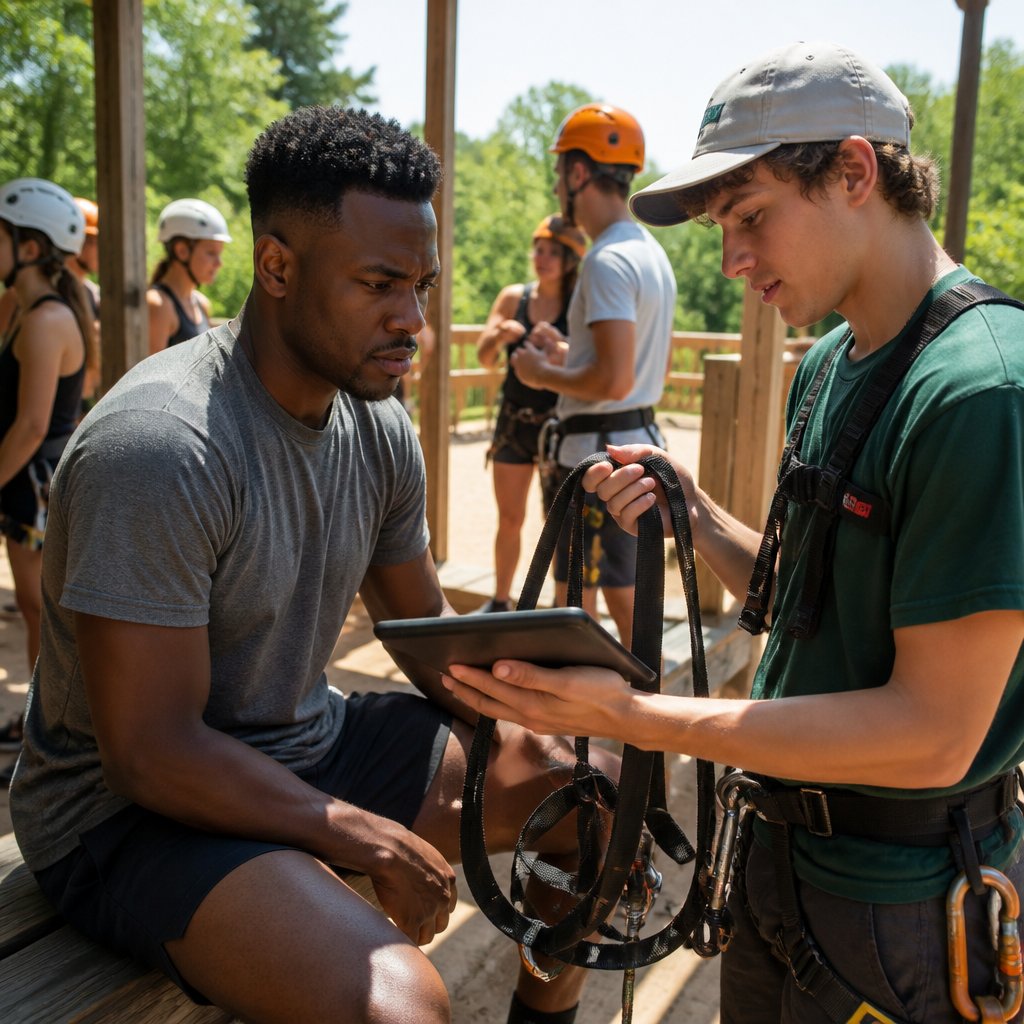
I remember the teen attendant’s hands moving fast, trying to fit the harness while I squinted at the smudged tablet. The screen was streaked with fingerprints, and the signature box blurred under my finger. I barely had time to read the waiver before he pushed me forward. The harness felt tight but uneven across my shoulders and chest. I asked if it was supposed to feel like that, but he just shrugged and said, “You’ll be fine.” The park’s faint background noise—other riders gearing up—pressed in, but my focus was on getting started. I signed without a second thought, trusting them to keep things safe. The attendant rushed off to help the next customer, leaving me clipped in and ready, not knowing the first shield had just been set up against me.
A Stitch Popped Mid-Run
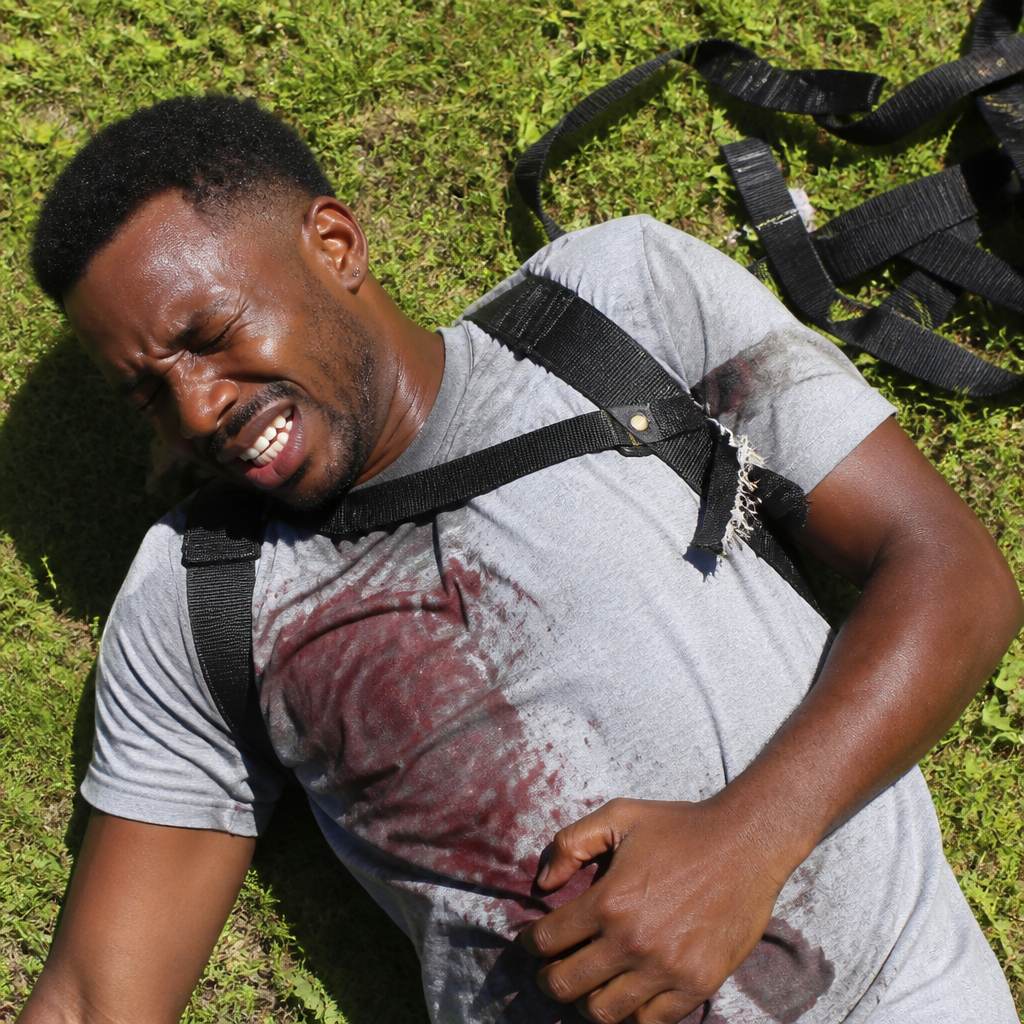
I was halfway through the zipline course when I heard it—a sharp pop near my left shoulder. The harness felt like it shifted suddenly, and before I could react, I dropped hard onto the ground. The impact knocked the air out of me. Around me, the wind rustled leaves and distant voices shouted, but all I could hear was that pop ringing in my ears. The park later said the failure was "unforeseeable," but that sound wasn’t just random. It felt like a mechanical failure. My pelvis screamed in pain as I lay there, watching the harness strap frayed where it had just failed. The thought hit me: who sewed my harness like that? How could something this critical have given way mid-run?
The Park Manager Shows Up Swiftly
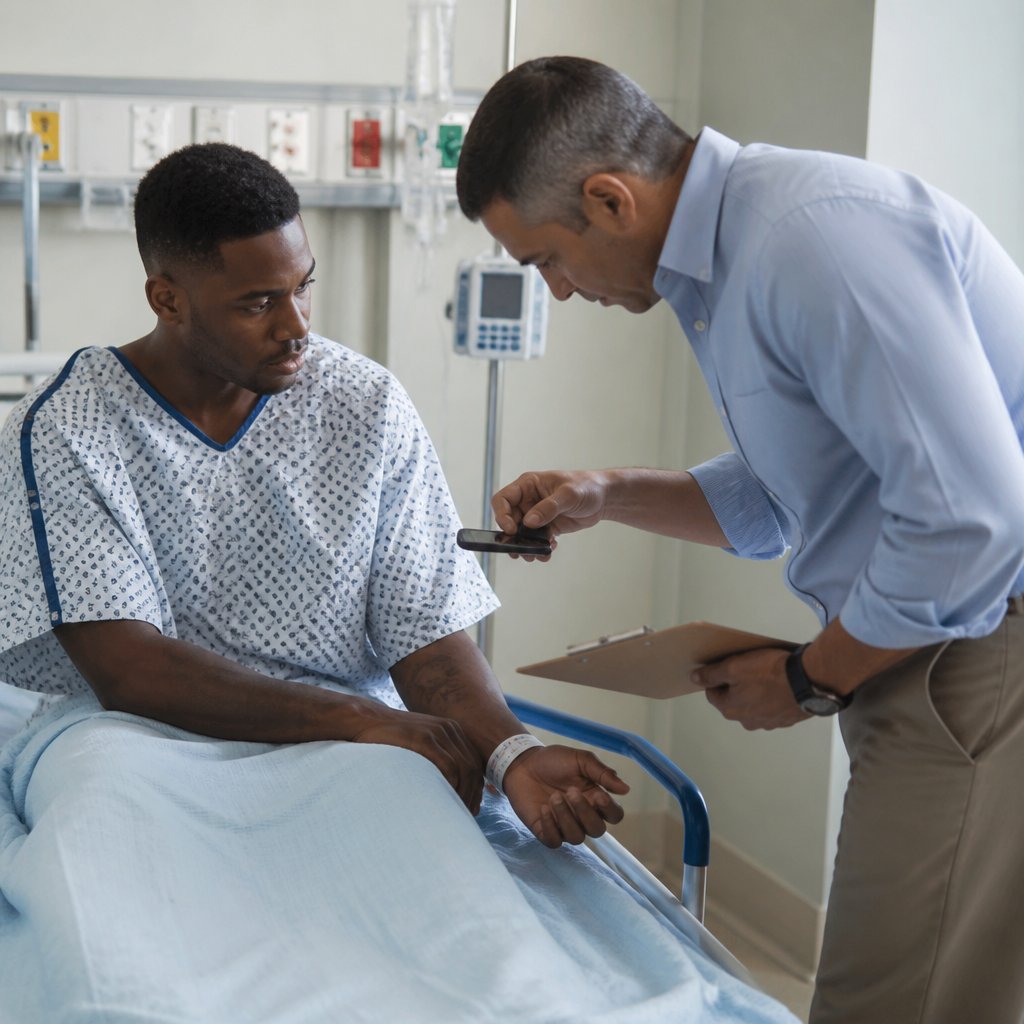
In the trauma bay, the bright white walls smelled of antiseptic, and the hum of machines filled the room. A park manager appeared, clipboard in hand, his expression unreadable. He asked stiff questions—had I been drinking? Did I understand what happened? Before I could answer, he lifted my wrist to photograph the hospital band and clutch of hospital paperwork. It felt off, like he was gathering evidence before I was even coherent. Nurses bustled in and out, but his presence grounded me in a new kind of helplessness. The clipboard hid his eyes, but the way he shifted his weight said he was already thinking ahead—about liability, fault, and damage control. I wanted to tell him the harness failed, but my voice barely came out. Would this be the first official step in painting me as the one at fault?
A Risk Team’s Recorded Call
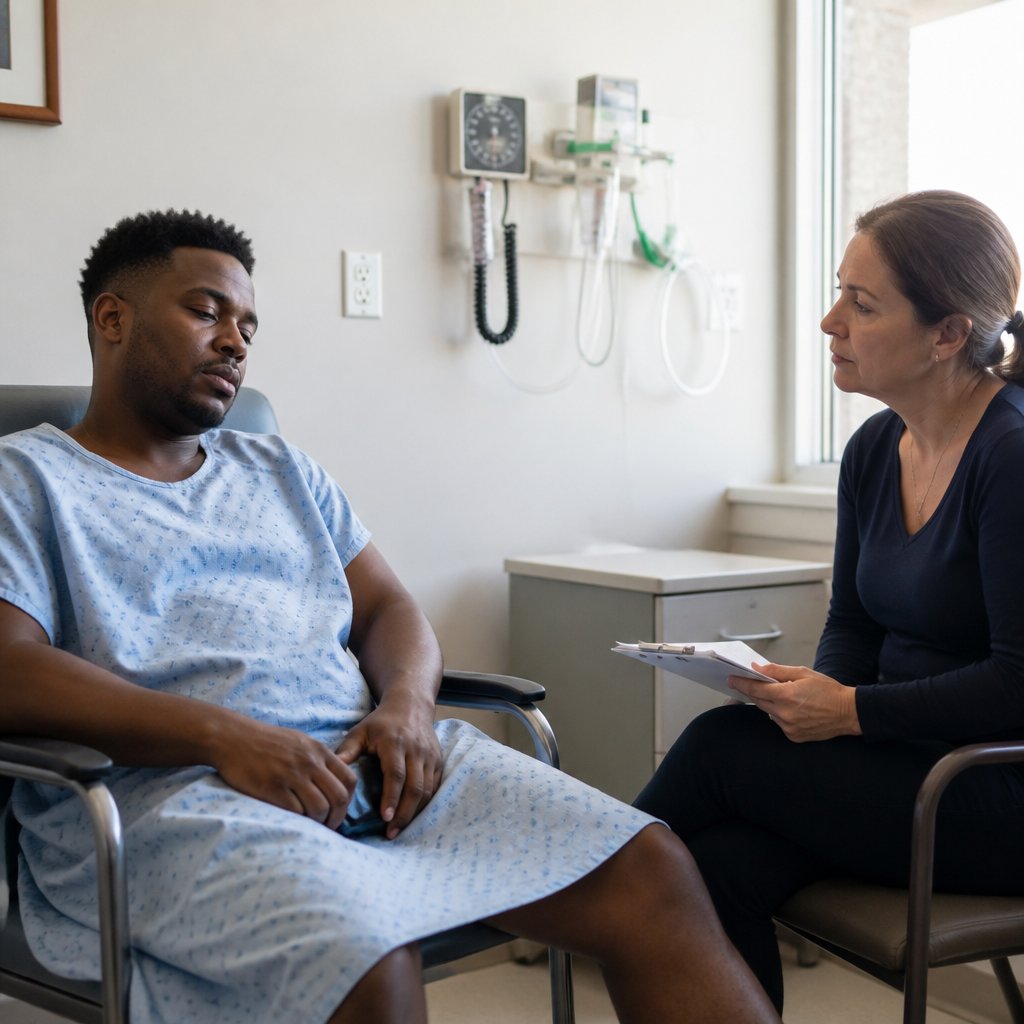
While I was still medicated and foggy from painkillers, my phone rang. A voice introduced itself as part of the park’s risk management team. They said they wanted to understand "my side" of the incident. I could barely focus, but they kept pressing for details, recording every word. My sentences stumbled and contradicted themselves, caught in the blur of medication and shock. They made it sound like I was confessing fault or confusion. Later, I’d wonder if they’d edited this recording or used it against me. I never got a chance to give a clear, sober explanation. Instead, my own words might trap me in a version of events that suited their defense. The voice on the other end stayed calm, professional, almost probing. I felt like I was being set up without knowing it.
The Surgeon’s Avoided Answer

In the consultation room, the surgeon—an older white man with graying hair—sat behind a desk cluttered with X-rays and forms. I asked directly if my injury would affect my ability to work or care for my daughter long term. He didn’t answer me straight. Instead, he spoke around it, mentioning "potential complications" and the need for follow-ups. His eyes flicked away when I pressed for clarity. The sterile air smelled faintly of antiseptic and paper. I could feel the weight of uncertainty settling in. If he knew this could alter my life permanently, why couldn’t he say it? The silence between us grew heavy. I left with more questions than answers, the looming possibility that my recovery wouldn’t be simple or complete.
Insurance Denies My Coverage

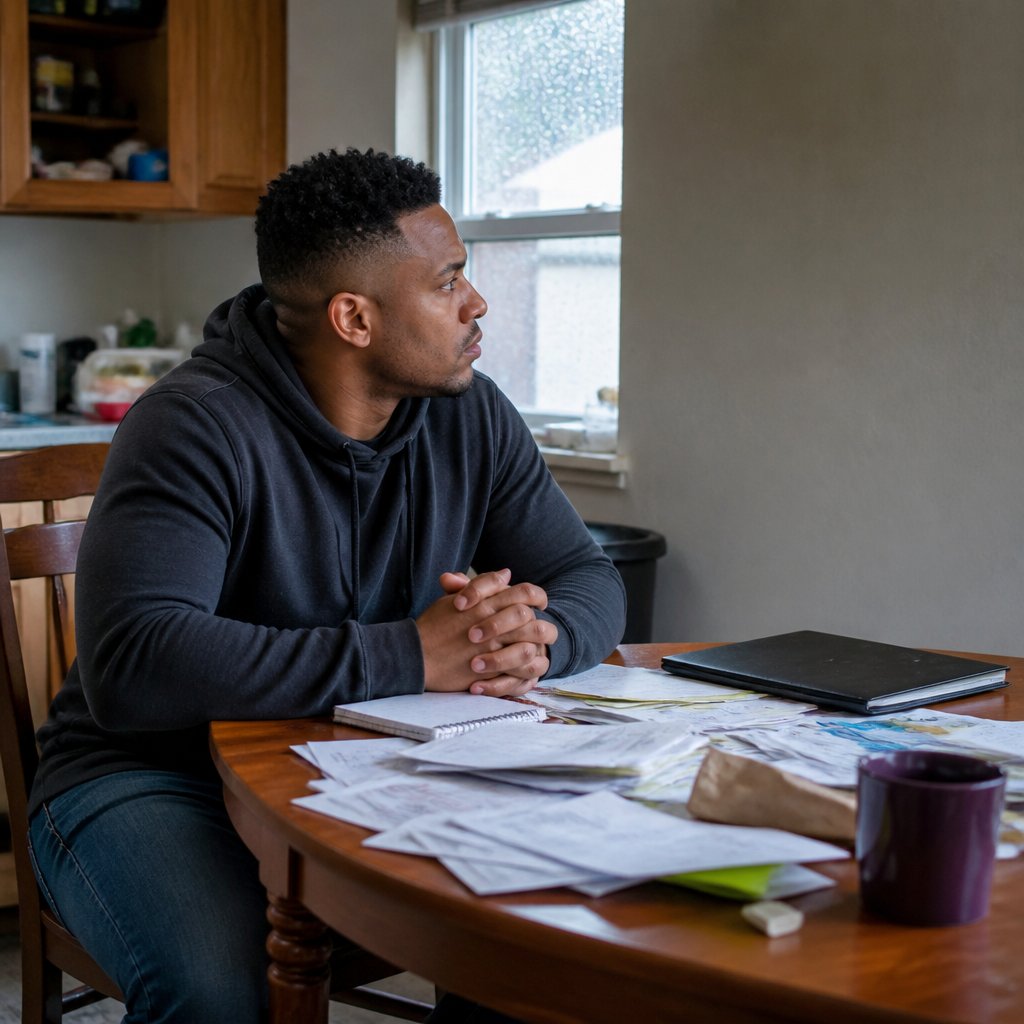
I stared at the letter from the insurance company on the kitchen table, the paper crinkling in my hands. Their words were cold and definitive: my injury was "recreational" and coverage was "not medically necessary beyond stabilization." That meant no help beyond the emergency bills. My wife sat across from me, eyes wide and worried, holding our daughter on her lap. The house felt heavier, the sound of our daughter playing in the next room a sharp contrast to the financial stress crashing down. Without coverage, everything fell on us—medical bills, therapy, lost income. I tried to make sense of the jargon, but it felt like a door slammed shut just when we needed help the most. How were we supposed to survive this when even my insurance company turned their back?
Hidden Posts Vanish Without Trace
My lawyer hired a private investigator to dig deeper into the park’s records and employee chatter. A glimmer of hope came when the investigator found a social media post, quickly deleted, from a park technician mentioning "another harness rip." The message was brief but clear: this wasn’t the first time a harness had failed in the same way. It suggested a pattern, a known problem masked by silence.
The post’s sudden disappearance raised red flags. Someone was monitoring these conversations, erasing incriminating evidence before it could be used. The investigator tried to capture screenshots, but the window was too brief. They scrambled to find who posted it, but the trail went cold as accounts were deactivated or scrubbed clean.
Each day without answers deepened my frustration. The park’s refusal to acknowledge any fault felt like a wall thicker than steel. And now, not only had they denied responsibility, but they seemed to be actively covering up the truth. The thought that my injury was part of a larger, hidden danger gnawed at me.
Harness Tags Didn’t Match Brochure
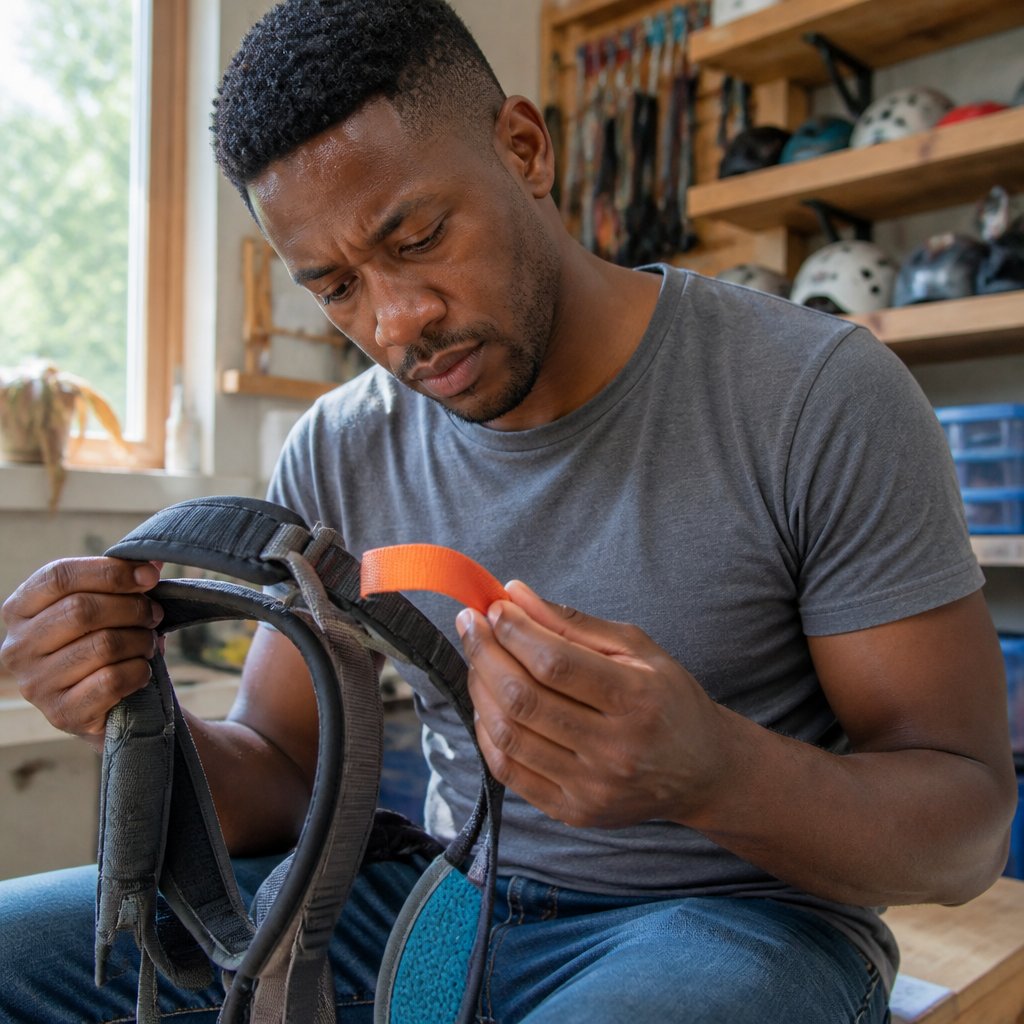
When the defective harness was returned for inspection, my attorney noticed something odd about the labels sewn into the gear. The facility brochure listed a specific vendor and model number, but the harness itself bore a different label — the fabric tag looked new, not the worn type you’d expect after repeated use. It felt like someone had swapped it.
We sent the harness to an independent expert who confirmed the serial tag had likely been replaced. The stitching around the label was inconsistent and the thread color didn’t match the rest of the harness. It was as if the park tried to disguise the gear to avoid liability.
The vendor listed on the brochure denied supplying that specific model to the park. The vendor on the harness was obscure, with no easy trace. It was a puzzle — if the park replaced the original label after the accident, what were they hiding? And why risk tampering with evidence in such an obvious way?
Bills Flood In Amid Settlement Pressure

While the legal battle unfolded, medical bills started piling up on our kitchen counter. Stacks of statements, lien notices, and collection letters arrived almost daily. The fracture in my pelvis meant months of treatment and physical therapy, all expensive and draining our savings. I watched my wife’s face as she sorted through the letters, her shoulders heavy with worry.
At the same time, my wife began receiving calls from the insurance company. The tone was different — friendly but insistent. They urged us to accept a "quick settlement," emphasizing how lengthy litigation could be. The pressure was palpable; they wanted to close the case before any hard evidence came to light.
She tried to shield me from the calls, but I caught her hesitation and exhaustion. We were being pushed to take less than we deserved, while the park and insurers tightened their grip. The financial strain was growing, and so was the intimidation.
Defense Blames Positioning And Waiver
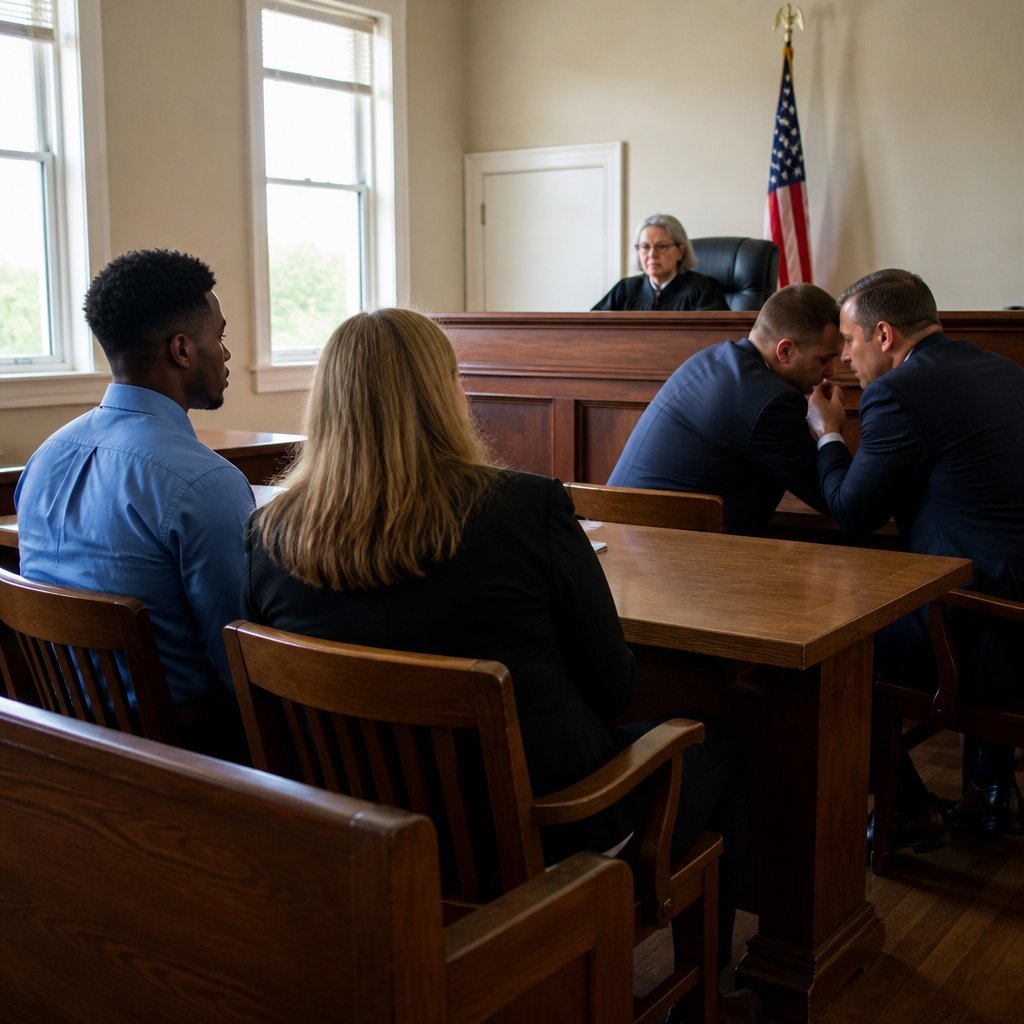
We finally filed suit against the park. Almost immediately, the defense team responded with a familiar script: they claimed the accident was entirely my fault due to improper harness positioning. Their lawyers argued that the waiver I signed relinquished all liability, painting me as careless rather than victim.
The courtroom felt cold and clinical, the defense attorneys confident as they recited their rehearsed statements. Their narrative was set in stone before discovery had even begun. The judge’s bench was imposing, the wooden surface polished and unforgiving.
Our legal team knew this was the park’s strategy — lock in blame early, pressure us to settle, and avoid real scrutiny. I could see the familiar pattern: the truth would only come out if we pushed hard enough, but the burden was now heavier than ever.
System Logs Show Deliberate Gaps
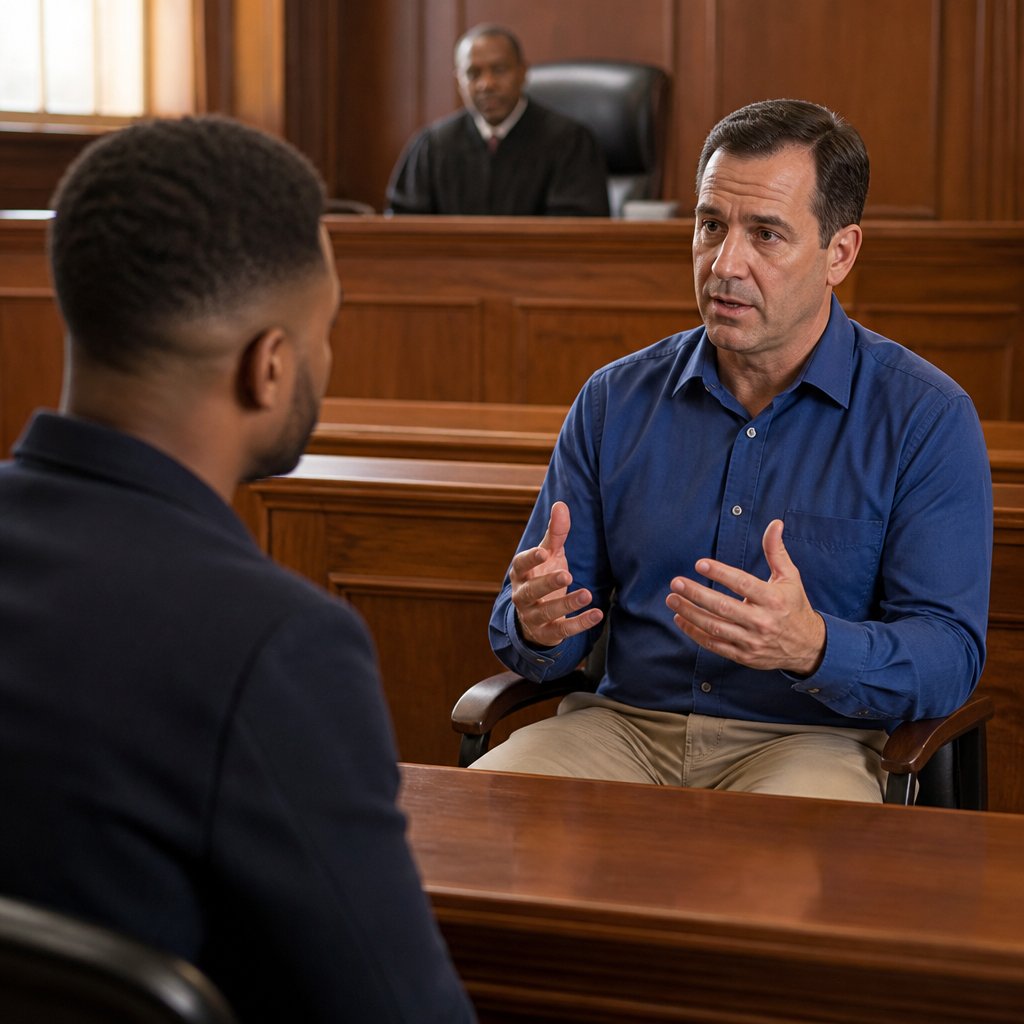
The IT contractor sat confidently on the witness stand, his hands folded on the polished wood of the courtroom bench. He wore a plain blue button-up shirt and khaki pants, his short dark hair neatly combed. I noticed the faint scar above his left eyebrow as he leaned forward. He explained how the park’s surveillance system worked. Normally, recordings were kept for 90 days unless manually deleted. No automatic system upgrades had been made recently that might cause data loss.
He said someone would have to actively remove footage for it to disappear. That contradicted the park’s claim that the videos showing my fall were missing by accident. My lawyer pressed him about any unusual activity around the dates of my injury. The contractor hesitated, then admitted logs indicated someone had deleted files within days after the accident. I felt a chill when the judge nodded slowly, absorbing this. This was more than a technicality—it suggested someone erased evidence on purpose.
The stale air in the courtroom mixed with the faint scratching of pens taking notes. I watched the park’s attorney grimace but say nothing. My heart beat faster. If we could prove that deletion was intentional, it might finally crack their story. But would the jurors see it my way? The contractor’s testimony ended, leaving the question hanging in the still room.
Email Orders Raise New Doubts
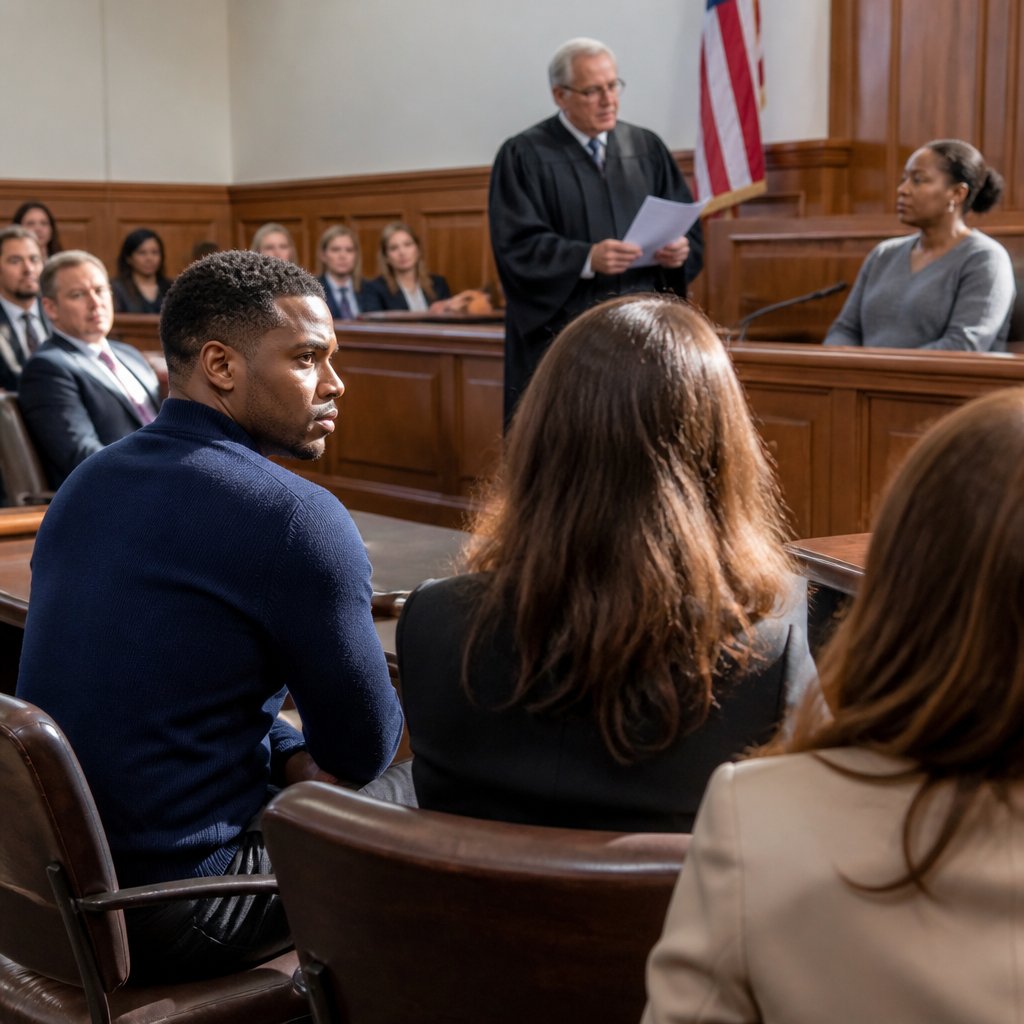
The next morning, the fired maintenance supervisor took the stand. She wore a simple grey sweater and dark jeans, her hair pulled back tightly. Her tired eyes scanned the courtroom as she recounted how after my accident, corporate instructed the maintenance team to "strip tags and bin old gear." She hesitated before adding they were told to discard any harnesses related to incidents without photographing them.
The judge frowned and requested the production of internal emails. When the clerk handed over a printed copy, the judge read aloud a chilling instruction: "Dispose of harness from incident; do not photograph." The courtroom buzzed with whispers. I felt my throat tighten, the metallic taste of adrenaline rising as the judge ordered the email to be released to the jury. My lawyer glanced at me, his eyes sharp with urgency.
The spoliation instruction—that they intentionally destroyed evidence—loomed over the proceedings. The park’s attorneys exchanged tense glances but said nothing as we prepared to enter closing arguments. I sat back, sweat dampening my palms, knowing this moment could change everything. Yet the air was thick with uncertainty as everyone waited for the final verdict to begin taking shape.
Was the destroyed email evidence pivotal to the case outcome?