




The Email Reclassifying Our Phones

That Monday morning, I found the email in my inbox with the subject line that stopped me cold: "Update Your Devices for Work Compliance." The message said our personal smartphones were now "mandatory work tools," required to have new software installed or risk losing access to company systems. They called it Mobile Device Management, or MDM. The tone was firm, no room for questions—"Install it today or turn in your badge."
I sat back at my desk in the cubicle farm, staring at the glowing screen while the hum of fluorescent lights buzzed overhead and the smell of burnt coffee lingered from the break room. The implication was clear: the company wanted access to my personal phone data as part of my job.
I’d expected some kind of security update, but not this. Suddenly my private device felt like company property. The email didn’t mention limits, reimbursements, or alternatives. My heart sank as I read further: location tracking, message access, remote wipe capabilities. No fine print, just a hard deadline.
The Break Room Goes Silent

Later that day, I found myself in the break room where some coworkers huddled around the printed permissions list they'd pulled from the MDM app description. The list was long and invasive: access to SMS messages, device admin control that could lock or erase our phones, location tracking whenever the device was powered on.
One of the women, a petite woman in her late 30s wearing a simple blouse and jeans, glanced up nervously when she saw me. "Did you see this?" she whispered. The room’s usual buzz quieted; nobody wanted to say it out loud, but we all knew this was more than just another security app.
The linoleum floor was sticky from spilled soda, and the wall calendar was slightly askew. The scent of microwaved lunches and stale popcorn filled the air. I felt a pit in my stomach as the silence stretched, broken only by the faint click of a coffee machine in the corner.
People exchanged uneasy looks. If this wasn’t just two-factor authentication, what else were they planning to monitor? I caught myself eyeing the small window that looked back into the HR office nearby.
Manager Links Compliance To Career

That afternoon, Nina, a younger woman with long curly brown hair and glasses, caught me near the elevator. She looked frustrated, wearing a striped blouse and black slacks. Her manager had just told her that refusing the MDM would mean losing access to Outlook and Teams.
"He said flat out: no compliance, no access," she said. "It's a career risk now. If I don’t install it, I might as well start looking for another job." She tapped her security badge against her phone, a nervous habit. The office corridor smelled faintly of cleaning spray.
I nodded, feeling the weight of it. Our personal devices being hijacked wasn’t just about security—it was about control. The manager’s tone left no room for negotiation, and Nina’s eyes reflected the pressure. She showed me a short email from him, terse and to the point, that made it clear refusal would be viewed as insubordination.
It felt like the company was sliding from policy enforcement into threats. What would happen to those of us who said no?
IT Rejects Requests For Written Policy
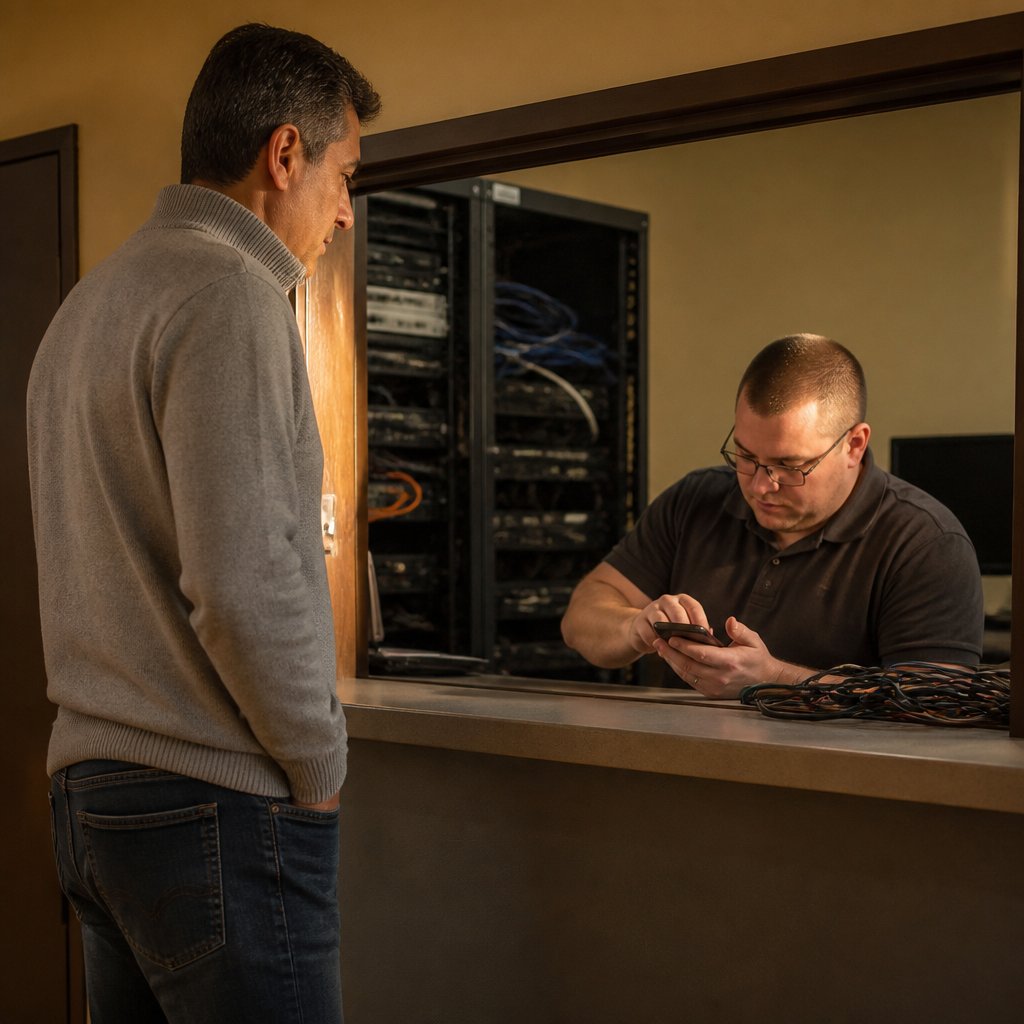
The next day, I went to the IT support window to see if I could get a copy of the MDM policy. Graham, a stocky white man with a buzz cut and glasses, was behind the counter. He wore a blue polo shirt and jeans, looking impatient as he loaded the app onto his own phone to show how it worked.
I asked for any written guidelines on what the company could and couldn’t do with our phones. Graham’s jaw tightened. "We just follow the policy from management," he said sharply. When I pressed about limits and consent, his voice grew colder. "Control replaces consent here," he said, shaking his head.
The plastic counter was scratched, littered with old tech brochures. The faint smell of burnt circuit boards hung in the small room. Graham swiftly finished the install, swiping at his phone with a frown. "You don’t really have a choice," he muttered.
I left feeling more trapped than ever, realizing the company’s grip was tightening with no transparency.
HR Sends A One-Page Acknowledgment

Later that week, I got called into the HR office. The room was small, with a potted plant in the corner and beige walls. The HR rep, a woman in her early 50s with short blonde hair and wearing a conservative blouse and skirt, slid a one-page acknowledgment form across the desk.
It outlined the new policy but had no mention of limits on data collection or reimbursements for personal device use. The language was vague, granting "broad rights" to the company without accountability. The stale smell of carpet and faint hum of the air conditioner made the space feel closed off.
She told me it was just a formality, but the absence of any protections spoke volumes. I hesitated, wondering if signing meant giving up my privacy entirely.
Her eyes watched me closely, waiting for my answer.
HR Frames Company Phone As A Choice

When Nina came in to ask for a company phone, HR framed it as a "choice"—either comply with the MDM on your own device or accept the company phone. The woman at the desk, the same blonde HR rep, smiled thinly as she explained the options.
Nina shifted uncomfortably in her chair, wearing a green sweater and black pants. The carpet fibers pressed against the soles of her shoes. The notion of choice felt hollow; HR made it clear that refusing the MDM meant being labeled noncompliant.
They didn’t say it outright, but the message was unmistakable. The soft threat hung in the air like the faint smell of stale coffee from a forgotten cup on the windowsill.
Nina glanced at me across the room as I left, her face tight and uncertain.
Badge And Outlook Start Failing
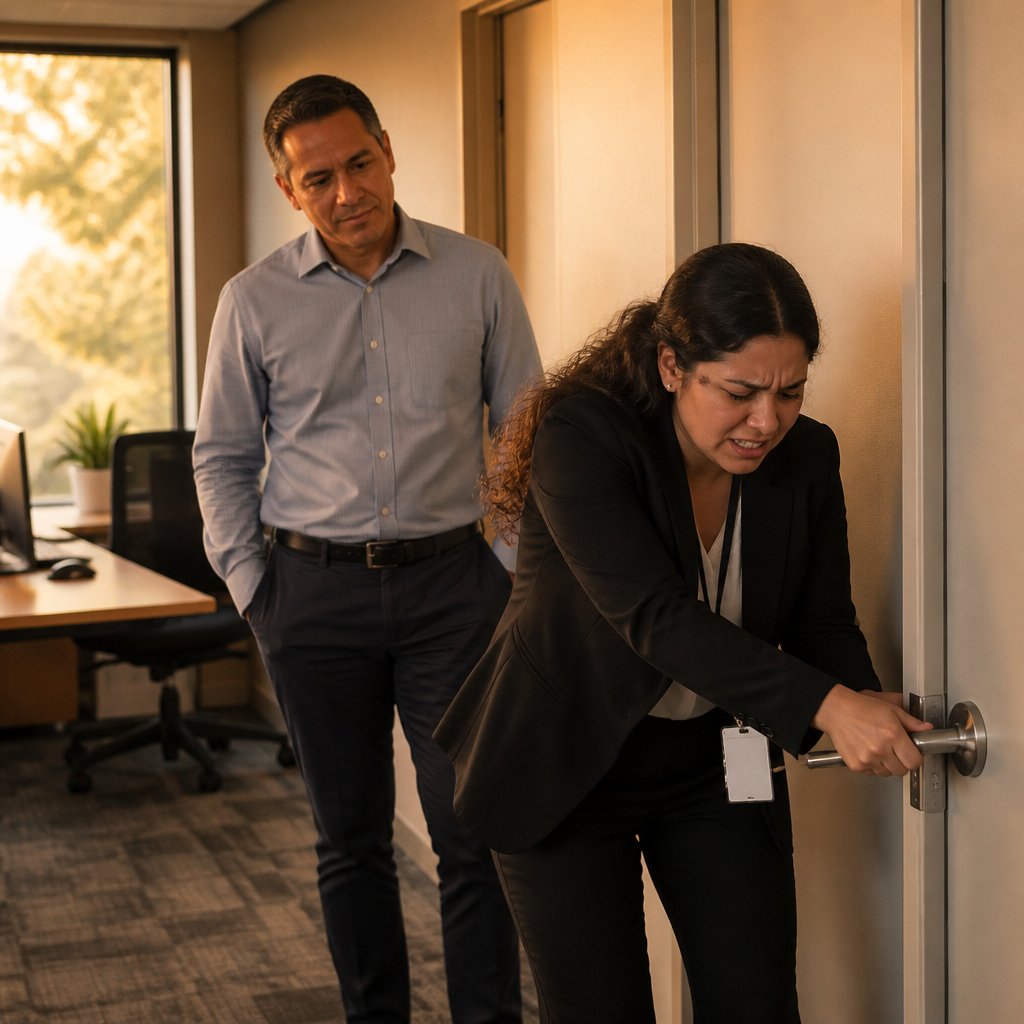
Overnight, things took a turn. The next morning, I watched Nina fumble with her badge at the side door—it wouldn’t open. She pressed repeatedly, brow furrowed, her black blazer contrasting against the white door frame. A faint scrape echoed as she tried again, the cold metal badge cold in her hand.
Inside, she opened Outlook, but emails failed to load. The usual rush of messages was replaced by a blank screen. Her phone buzzed with notifications, but none from work. The office smelled faintly of fresh paint from recent repairs.
We exchanged worried looks across the room. These glitches weren’t accidents. It felt like punishment was already automated, or targeted.
A Compliance Check Is Scheduled

That Monday afternoon, Graham stopped by my desk with a tone that suggested this wasn’t optional. "Nina, there's a compliance check scheduled this week. You need to bring your phone to IT." The moment felt like a trap. I knew they didn’t have my consent to access my device, but now it was official: refusal would be marked as defiance. I asked if this was documented anywhere, but he just said it was company policy and expected adherence. I glanced around the break room later, overhearing coworkers nervously talk about their own devices. The IT office was just down the hall, its door always closed. When I peeked in once, I noticed one technician holding a phone, completely focused, while others waited in line. The afternoon smelled faintly of burnt coffee from the break room, mingling with the sterile scent of the IT office. I felt a rising pressure every time my own phone vibrated silently in my pocket. I wondered if this compliance check was more about intimidating holdouts than technical verification. The line between policy enforcement and personal privacy invasion blurred, and I sensed the balance shifting against me in a way I couldn’t ignore.
Town Hall Blames Personal Devices

The next day, the company held a town hall in the large conference room. I sat near the back, watching the rows fill with colleagues wearing a mix of sweaters and polo shirts. At the front, a senior exec stood behind a podium, his face strained as he talked about security risks from "careless personal devices." He went on about how these risks threatened everyone’s jobs and the company’s future. The language was sharp, almost accusatory. I felt eyes shift toward me, the silent judgment settling in. Quiet murmurs rippled through the room, coworkers exchanging wary looks. Afterward, in the kitchen, I heard fragments of conversations: "It’s not fair to those who comply," and "We all have to do our part." People who once greeted me casually now avoided eye contact or kept their distance. The bright yellow mug I picked up from the sink felt oddly heavy in my hands. Isolation was becoming real. The town hall hadn’t just been a meeting; it was a shift in how I was seen—and how I was being shut out.
Performance Review Suddenly Reopened

Weeks later, HR called me into their office for what they said was a "follow-up" on my performance review. The room was small, with framed company awards on the walls and a round table with a few chairs. Two HR reps sat across from me, dressed in business casual blouses and slacks. They laid out notes about my "attitude" and "lack of alignment" with company values. The words felt vague but heavy. When I asked for specifics, they mentioned my concerns about privacy and refusing the device management app. It was clear they were reframing my privacy stance as a performance problem. The quiet hum of the air conditioner buzzed above as I tried to keep my voice steady. I left that meeting with a sense of dread. The record was changing, and I was being painted as less of a team player. I wondered how long before this would impact my paycheck or job security.
New Access Rules Tighten Control
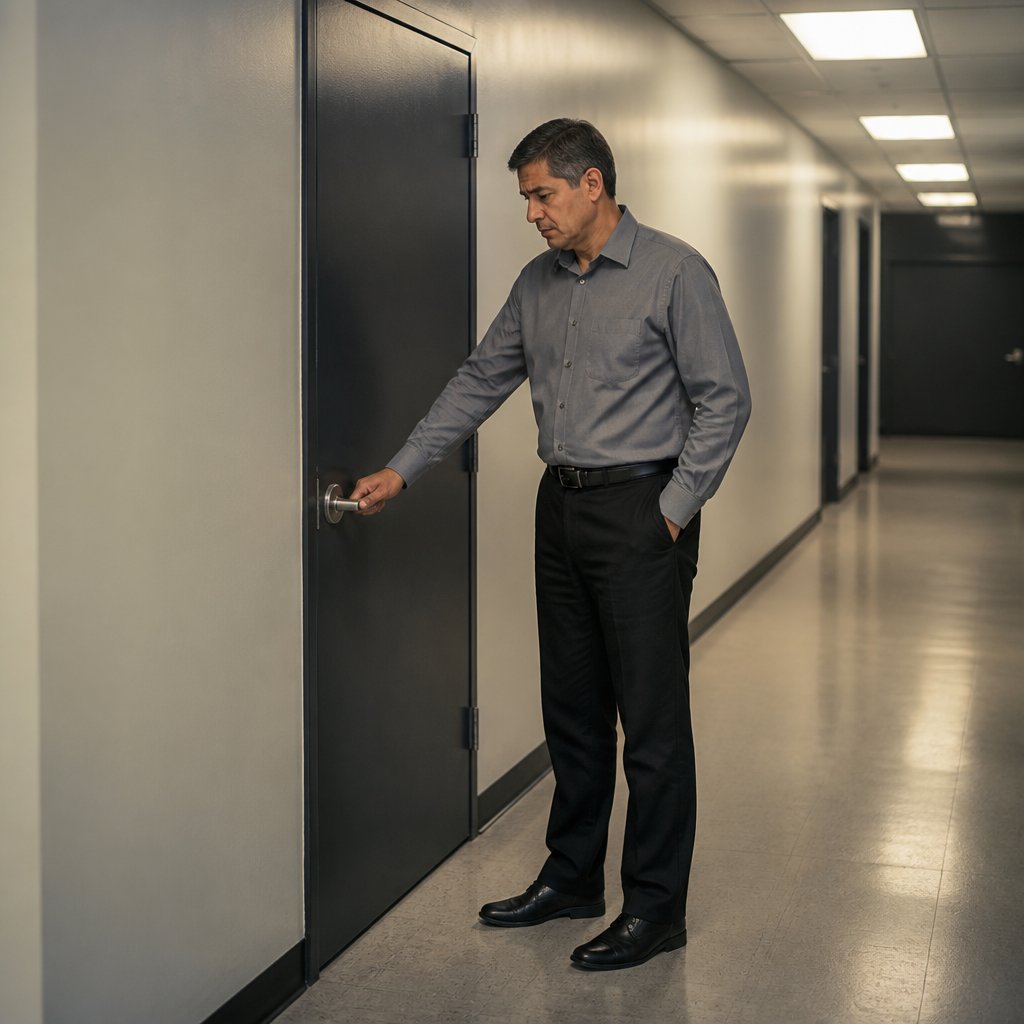
Weeks later, an HR email warned me about a message I’d sent at 9:47 p.m. on Teams. They said it violated communication policies. I couldn’t believe they were tracking that now. Shortly after, IT blocked my access to the billing system unless I enrolled my phone in the management app. I stood outside the locked server room, the cool metal of the door cold against my fingertips. I tried to access the billing software from my workstation, but the screen wouldn’t load the files. Another message popped up, telling me my account was restricted. Coercion was tightening. Without access, my work stalled. I felt cornered, with fewer options to maintain my productivity without compromising my privacy. The hum of the fluorescent ceiling lights in the office felt louder in the sudden silence of my stalled workflow. It was clear they wanted compliance more than collaboration, and the pressure was closing in fast.
Discovering The App’s Remote-Wipe Ability

At lunch in the cafeteria, I overheard two IT staff talking quietly at a nearby table. One mentioned that the management app could remote-wipe entire phones if the company needed to. My stomach tightened. I pictured my own phone suddenly wiped clean—personal photos, contacts, apps—all gone. The other IT worker said they recently removed personal apps from someone else’s device during a routine check. The kitchen smelled of reheated soup and stale coffee. I clenched my fists around my sandwich, thinking about the loss and intrusion. The risk was no longer hypothetical. The app's power had a real cost for employees who used their personal phones for work. I realized the stakes were much higher than I thought, and the company’s reach extended deeper than I’d imagined.
Graham’s Deadline Triggered Lockouts

Graham called me into his small, cluttered office just after lunch. He looked serious, not his usual brusque self. He slid a sheet of paper across the desk: “Install the app by 3 p.m. today, or your badge stops working.” No wiggle room. The break room clock ticked down the minutes as I stood there, feeling the weight of the ultimatum. By 2:45, my badge didn’t open the door to the main office anymore. I tried again—nothing.
Nearby, Nina paced anxiously in the HR office with her phone in hand. Later, I found out they had terminated her earlier that afternoon. HR insisted she turn in her personal phone or they’d involve the police. The thought of handing over my device, with all my private messages and location data, made my stomach turn. The security badge reader buzzed silently, an invisible wall between me and my desk. I wondered how many others were quietly complying or secretly panicking.
Discovery Uncovers Secret Intentions

The lawsuit moved slowly at first, but then discovery hit. The company refused to produce the BYOD contracts, claiming the details were "trade secrets." Still, internal emails leaked during depositions painted a different picture. Executives openly discussed using the mobile app to "keep tabs" on employees beyond working hours. Comments about tracking location shifts and message logs suggested their real goal wasn’t just device security.
These revelations energized our legal team and sparked interest from other employees. The threat of a larger class-action lawsuit grew as whispers spread through the break room and quiet corners of the office. I sat in the waiting room for a deposition, the faint smell of stale coffee lingering, wondering how far management would go to keep this under wraps.
Logs Reveal Planned Termination Moves

The court ordered the company to turn over server logs and internal documents. They showed clear manual lockouts of employee badges timed precisely with protests against the BYOD policy. The app’s capabilities went far beyond what was disclosed: SMS messages, location tracking, and remote wiping were all active features. HR’s timeline for firing dissenters had been laid out weeks in advance.
During depositions, executives stumbled over questions about privacy and consent. Facing mounting evidence, the company’s legal team pushed for settlement talks. The proposal included rewriting the BYOD policy, but the details were vague. I sat in a sterile negotiation room, the faint hum of the ventilation system filling the silence, wondering if this was the moment we could force change—or if we’d be silenced.
Was the company's spyware policy a justified work tool?