



Routine Consent Turns Sudden Alarm

I signed the consent form for what was supposed to be a routine procedure. The hospital room smelled like antiseptic and bleach, the thin curtain rustled softly as nurses moved around. I remember the smooth plastic of the clipboard against my fingers and the nurse’s calm voice assuring me everything was standard. After the procedure, I was moved to recovery, still groggy but stable. Then my vitals started dropping—heart rate slowing, oxygen dipping. The nurse came in repeatedly, telling me the labs were on their way. But every time I asked, the answer was the same: "Labs are coming soon." There was a quiet tension among the staff that I could feel, even if I couldn’t understand it yet. My blood pressure kept falling, but they seemed stuck waiting for some basic lab results that hadn’t arrived. That’s when the first doubt crept in—something already felt wrong, but no one would say what.
Wristband Scanned, Tubes Labeled Right
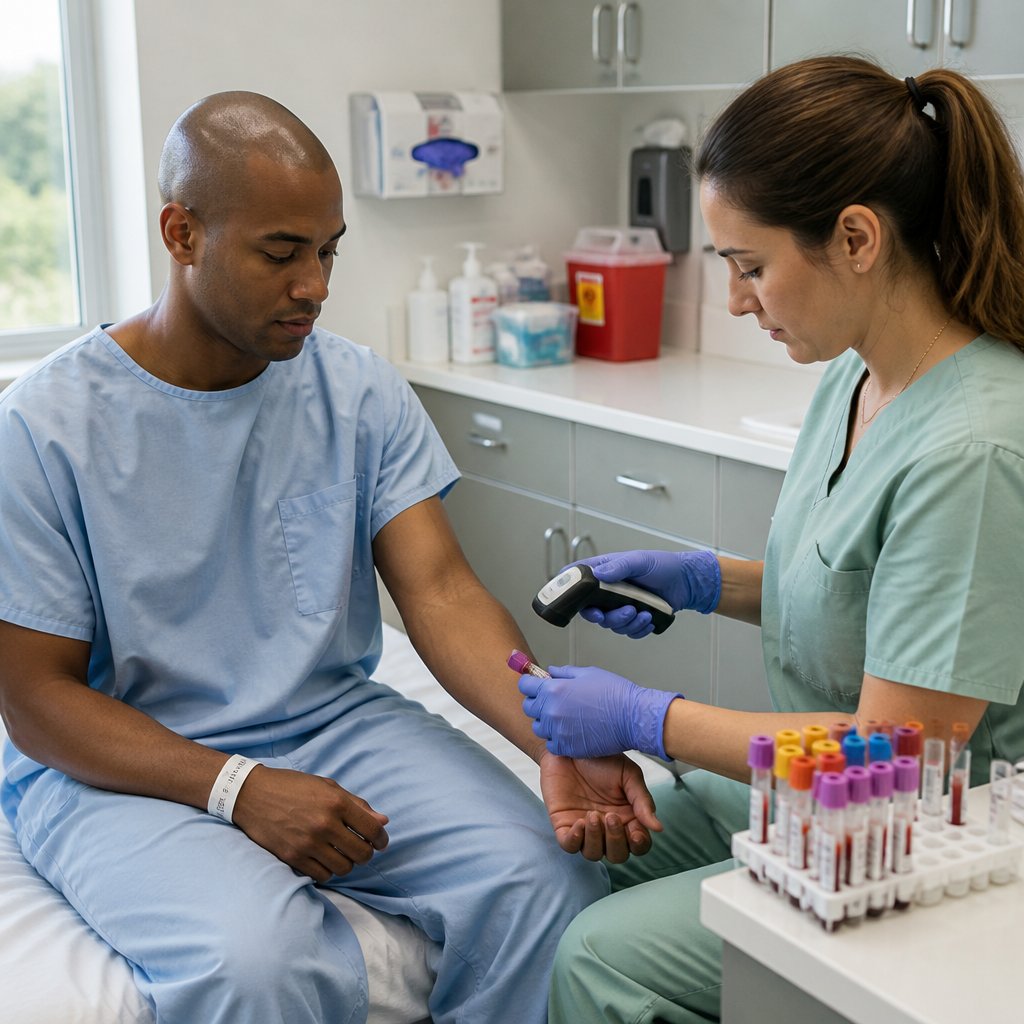
I watched when a phlebotomist came in to draw my blood. She scanned the barcode on my wristband before labeling the tubes, her movements precise and confident. The quiet beep of the scanner echoed softly against the sterile walls of the small procedure room. She wore a pale green scrub top and navy pants, her hair pulled back in a ponytail. Watching her, I felt a flicker of relief—at least the bedside chain-of-custody started clean. That meant the delay later on couldn’t be blamed on a mix-up with my ID or the initial blood draw. Everything seemed to be done by the book right up to that moment. But as time ticked on, that simple proof only made the growing wait more confusing and troubling.
The Carrier Sent But Time Stretched
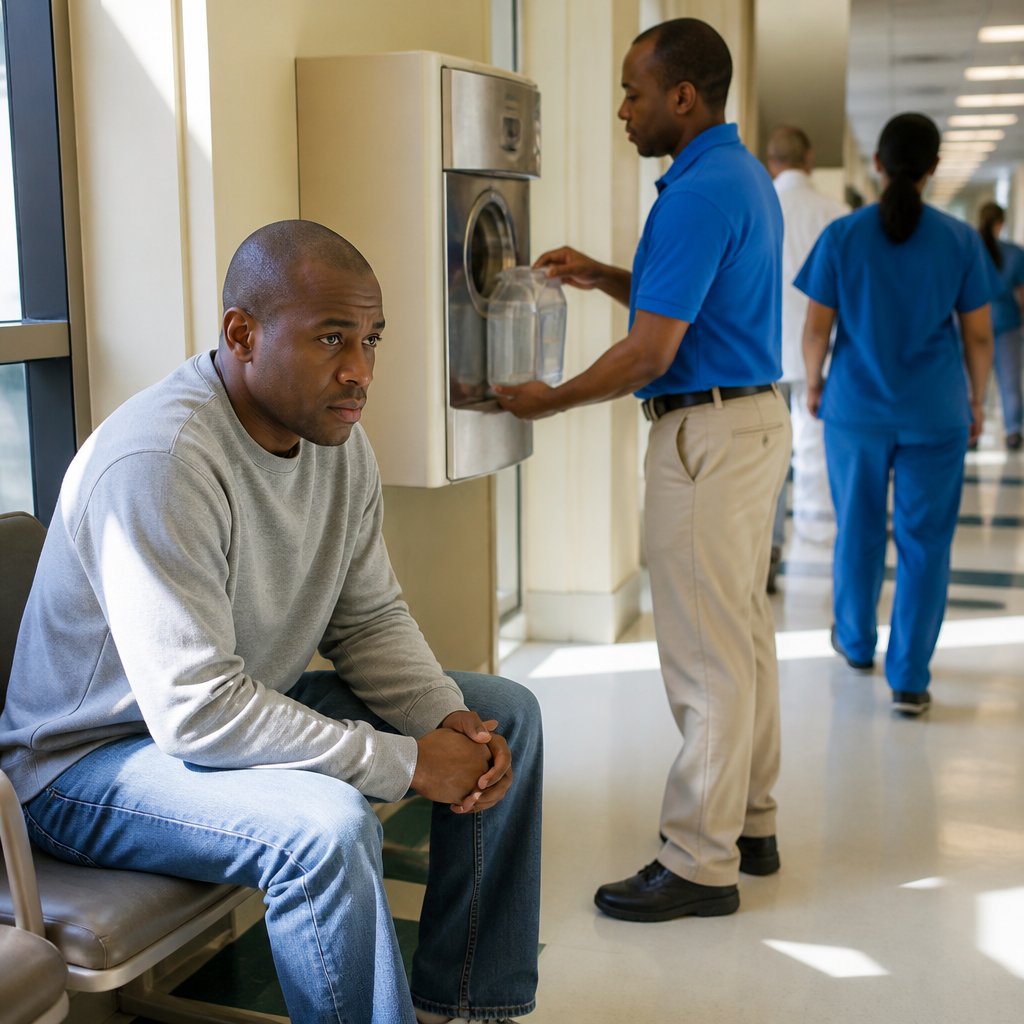
A transporter arrived wearing a dark blue polo and khakis, holding a clear plastic pneumatic tube carrier with my blood sample inside. He walked through the hospital corridor, bustling with daytime activity—the hum of distant voices and rolling carts filled the air. I watched as he slid the carrier into the tube station’s round opening, pressing the button to send it off. Minutes passed. Then ten. Then thirty. People kept telling me it was just a lab backlog, that they were overwhelmed but everything was fine. But the delay felt rehearsed, like a script everyone was following without question. The waiting room chairs scratched the floor as I shifted, the sterile smell of cleaning products lingering. The minutes stretched into an hour, and still there was no sign of the results. The tube system was supposed to be fast. So what was going on?
Blood Sample Never Arrived, They Said

After what felt like forever, a nurse came over with a hard look and said the blood for crossmatch was missing. "It never arrived at the lab," she said, voice low but firm. The words echoed in the small room with its pale yellow walls and simple chairs. I sat frozen, heart pounding. Without that sample, they couldn’t release the blood I needed. It wasn’t just a delay anymore. It was a life-threatening mystery about a missing object inside the hospital—my blood sample, lost somewhere between my arm and the lab. The nurse’s face was grim, her white uniform crisp but worn. Other staff hovered nearby, whispering and exchanging looks. I realized then that this was no accident. Someone had to know what happened, and the clock was running out for me.
What The Old Maintenance Report Showed
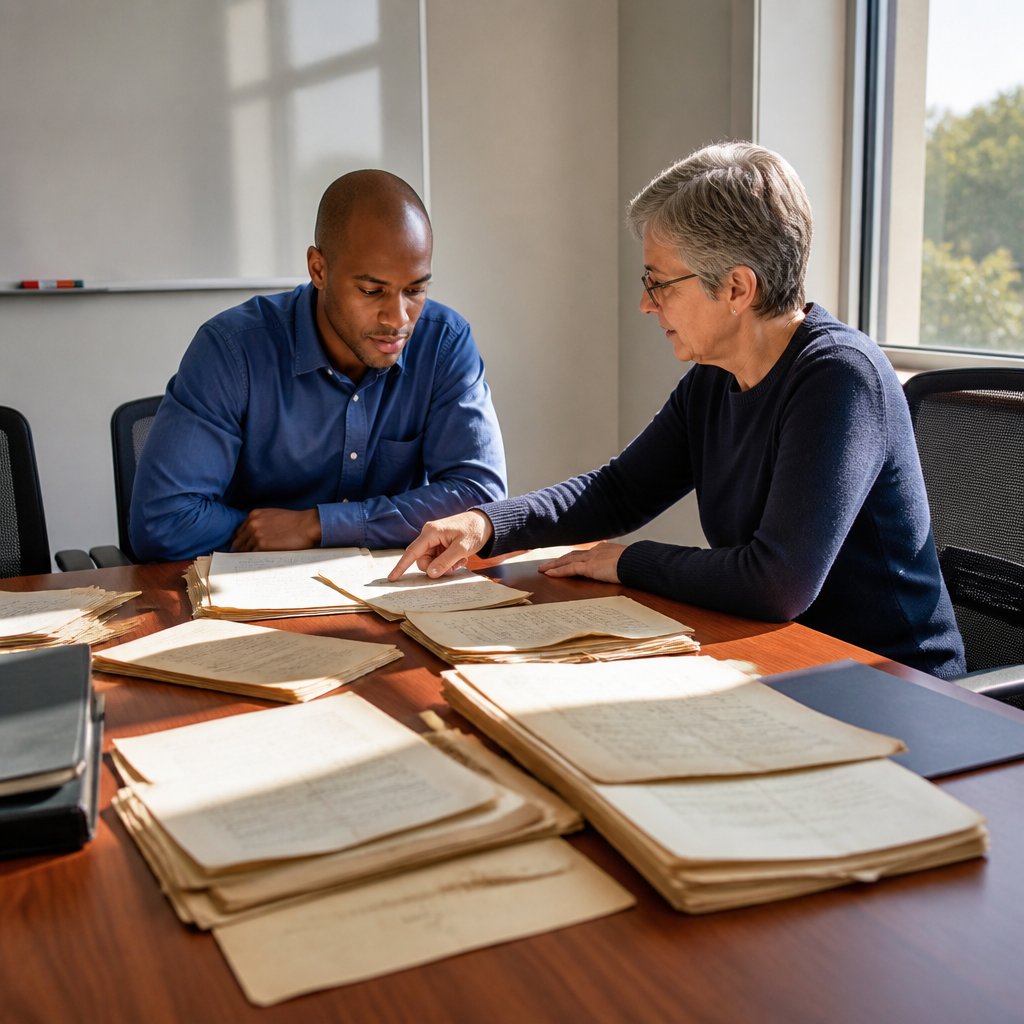
My lawyer sat across from me in that cramped conference room, a sheaf of yellowed hospital papers spread between us. Among the reports, one caught our attention fast — a maintenance log from several months before my emergency. It mentioned “misroutes” in the pneumatic-tube system, and a troubling note about “station ID mapping errors.” The kind of glitch that could send a crucial blood sample to the wrong place, or nowhere at all.
The paper felt brittle in my hand. It was from the hospital’s own engineering team, acknowledging repeated problems with the tubes but still marking them as “minor.” I kept the image in my mind — the clatter and whoosh of those tubes underground, carrying contents through the hospital’s veins. Now I realized those “minor” errors had a price.
They’d known about these issues before my bleed. They had the warning and didn’t fix it. I could see the hospital’s story starting to unravel. But why hadn’t this report come up before? And how many others had suffered because of it?
Basement Supply Dock, Not Lab

The discovery of partial tube logs was a breakthrough. The records traced the carrier with my blood sample not to any of the hospital’s lab stations but to a place called “B1-Receiving.” When my lawyer asked around, a lab supervisor admitted flatly that “B1-Receiving” was actually the basement supply dock — a shipping and receiving area miles away from the testing labs.
That meant my sample had been sent somewhere it never should have gone. I imagined the pneumatic tube carrier, rattling and spinning, then landing in a cluttered basement bay filled with supply boxes and shipping crates, far from the sterile lab counters and testing machines.
The supervisor’s face was tight with discomfort as she explained how this error could happen but wouldn’t confirm how often it did. The hospital still insisted it was a one-off, a rare misroute. But I wasn’t so sure anymore. The tube system’s map wasn’t just tangled — it was a hazard.
Hospital Blames Clerk’s Touchscreen Error

The hospital changed their story. Now they said it wasn’t the tube system but a clerk’s mistake on the touchscreen interface that sent my sample to the wrong station. When I heard that, I felt a cold knot in my stomach. It was easier to blame a single person than admit the system itself was broken.
Meanwhile, the vendor who installed the tube system called it “industry standard” and pushed back hard against subpoenas. They split blame between human error and system design, muddying the waters so no one took full responsibility.
The atmosphere shifted. The hospital wanted the case closed quickly. They offered to settle quietly, and the vendor’s lawyers grew more aggressive. I felt their walls closing in, trying to keep me from learning the truth under layers of legal spin and half-truths.
Biomed Tech Tells Of Software Problems

A former biomed technician came forward during discovery, describing repeated misroutes right after a recent software update to the tube system. He recalled countless frustrated calls and frantic messages about lost samples, many quietly fixed or ignored.
His voice was steady as he detailed how the update changed station coding, causing “mapping errors” that sent pneumatic carriers to wrong destinations. It matched the old maintenance report and backed up our claim that the hospital had known this problem for months.
But while I was fighting the hospital, my insurer was pushing me hard to settle fast. They filed a lien on any recovery — protecting themselves first. Their calls felt like betrayal, the people who were supposed to help instead pressuring me to give up.
Was the hospital’s handling of blood samples negligent?