


Water Cooler Disappeared Overnight
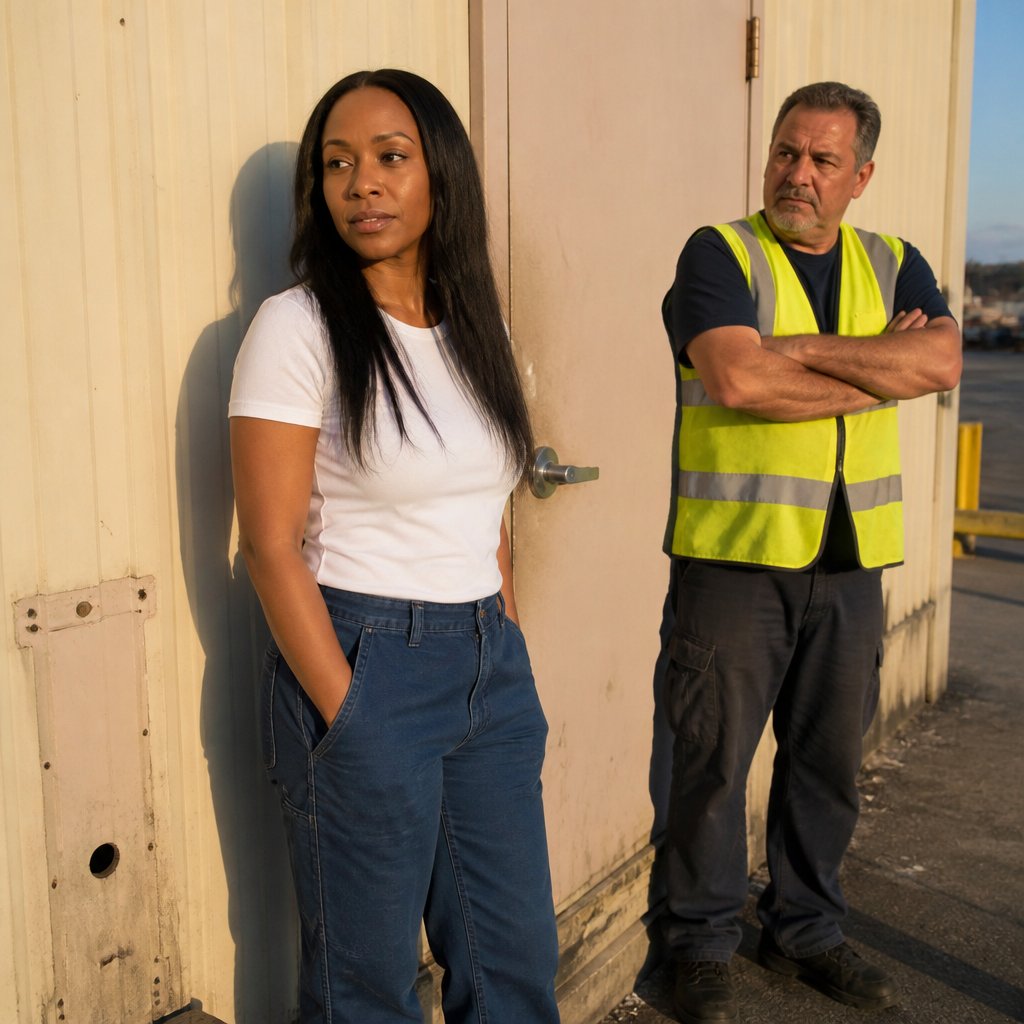
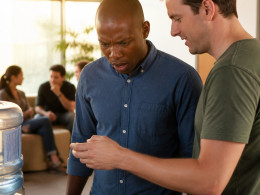
That morning, I showed up to the loading dock and noticed something immediately off. The usual water cooler, a tall blue jug with disposable cups stacked beside it, was gone. It had been there every day since I started, a basic relief during brutal heat. Across the break room door, a new laminated memo was taped up, titled “Heatwave Productivity Protocol.” It outlined new rules: no more spontaneous breaks, water access limited. It said hydration was still guaranteed but only through the break room, accessed by badge. The cooler’s absence and the memo felt like a clear message. The company was pushing quotas over basic safety.
I touched the spot where the cooler used to stand; the cold metal base was gone, just a faint sticky ring left behind. The sun was beating down so hard the asphalt shimmered through the cracks. The air tasted dry. I glanced at Brent, our supervisor, who was hovering nearby with arms crossed, watching us all settle into the shift. Something about his jaw clenched tight made me uneasy. My mouth was already dry, but I knew water wasn’t a right anymore—it was a privilege they could revoke whenever they wanted.
Badge Access Blocks Water Relief
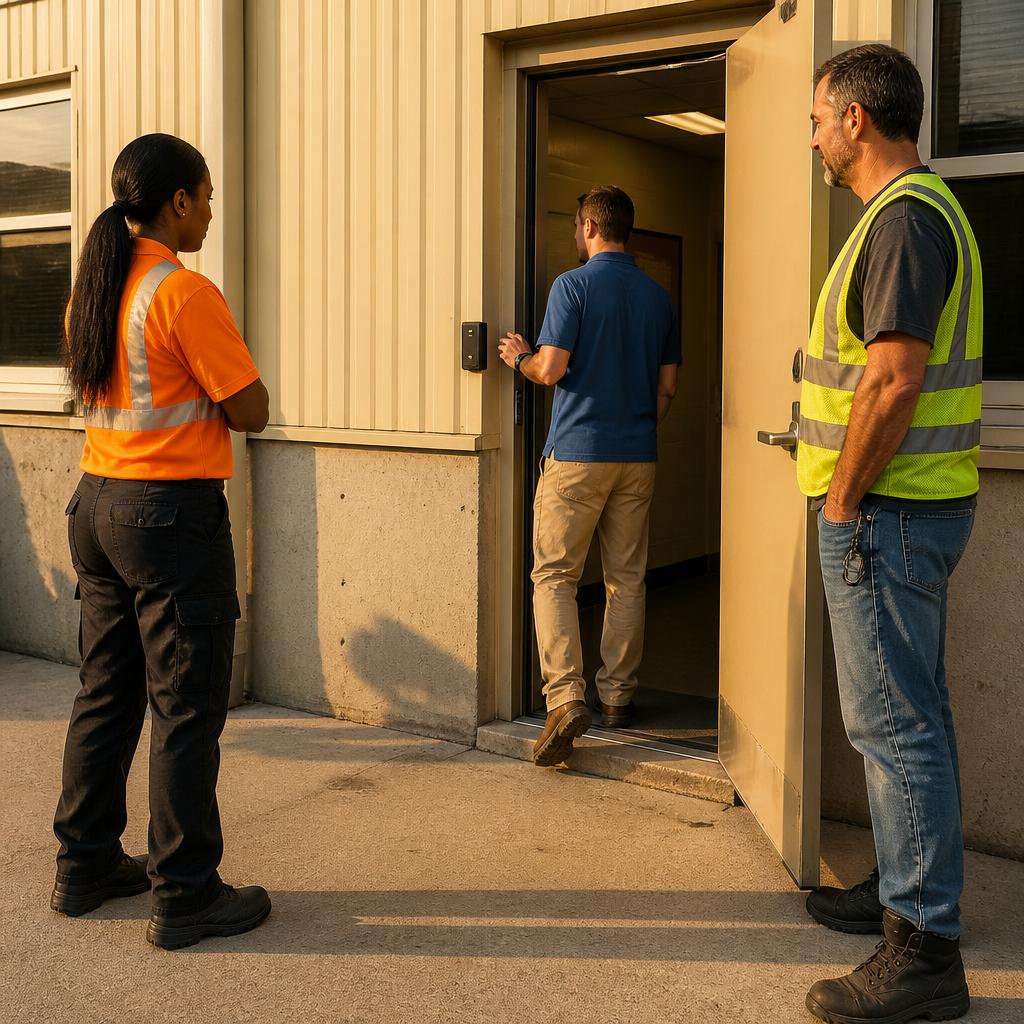
The following day, the heat worsened. I found myself walking toward the break room, but the door was locked tight. To get in, you needed your security badge scanned at a keypad. Brent was timing each trailer sweep with a stopwatch clipped to his belt, his eyes flicking between the clock and us as we worked. He made it clear that taking a shade break outside the trailers was now frowned upon, almost misconduct. The protocol reframed any relief from the heat as a failure to meet standards.
Inside the warehouse, the air was still stifling, but at least I could touch the metal walls to cool down. Outside, the bright sun hit my arms through the rolled-up sleeves of my orange high-visibility shirt. My lips felt chapped, and I caught myself wiping sweat from my forehead more than once. The break room’s door badge reader beeped as a coworker entered, but Brent’s gaze never left the clock. To him, the clock mattered more than our bodies. Hydration was still “available,” but not truly accessible unless we jumped through the badge door.
Email Sparks Public Shame
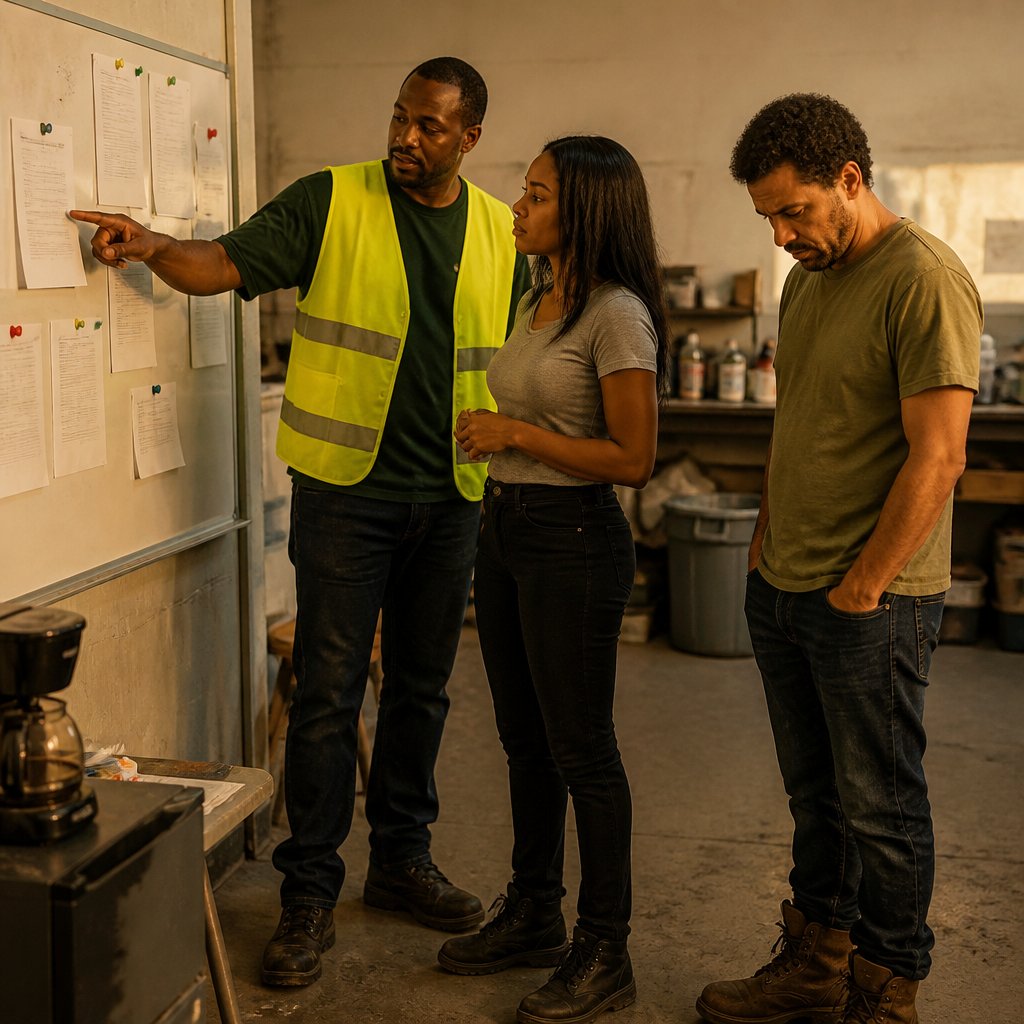
Nate, one of my coworkers, finally sent an email to HR and safety, asking for clarification about the new heatwave rules. It felt like the right move to get some official answers. A day later, Marcy from HR replied with canned language about compliance and employee responsibility. Nothing addressed the real risk. What stung more was that Brent printed the email and pinned it on the whiteboard by the time clock, right where everyone could see. It was like a public shaming, warning us to stay in line and not question the rules.
As I read the email pinned behind Nate’s back, I saw the tight line of his mouth as he stood nearby. He wore dusty brown work boots and a faded green shirt, looking smaller under Brent’s towering frame. The air smelled faintly of sweat and machine oil. It was more than an email; it was a message: speak up, get exposed. I felt the weight of silence pressing down in the cramped break room, the chatter around us dropping to uncomfortable murmurs.
Luis Returns But Warned To Stay Quiet

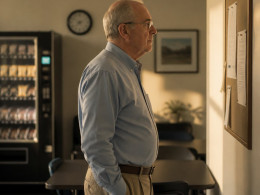
Luis came back to the warehouse on light duty the day after his collapse. His face looked drawn but he kept his long hair tucked behind his ears, wearing a plain grey T-shirt and dark work pants. As he leaned against the break room table, he whispered to me that HR had warned him not to talk about what happened. He mentioned a small settlement offer if he agreed to just quit quietly. That detail made it clear the company was trying to buy silence rather than fix anything.
The break room was quiet except for the hum of the vending machine. Luis glanced around before lowering his voice further and said, "They want me out without a fuss. Said I could get some cash if I just signed off." His eyes avoided mine as if weighing how much to share. I realized the company’s tactics were more organized than I thought, not just reactive but trying to control every narrative.
The cool air from the open fridge across the room brushed past us but didn’t seem to cool the tension. Luis’s words hung heavy between us, the offer a stark reminder of how much was at stake if we spoke up. It was no longer just about water or breaks; it was about the company’s will to silence anyone who challenged them.
Hydration Acknowledgment Means Little
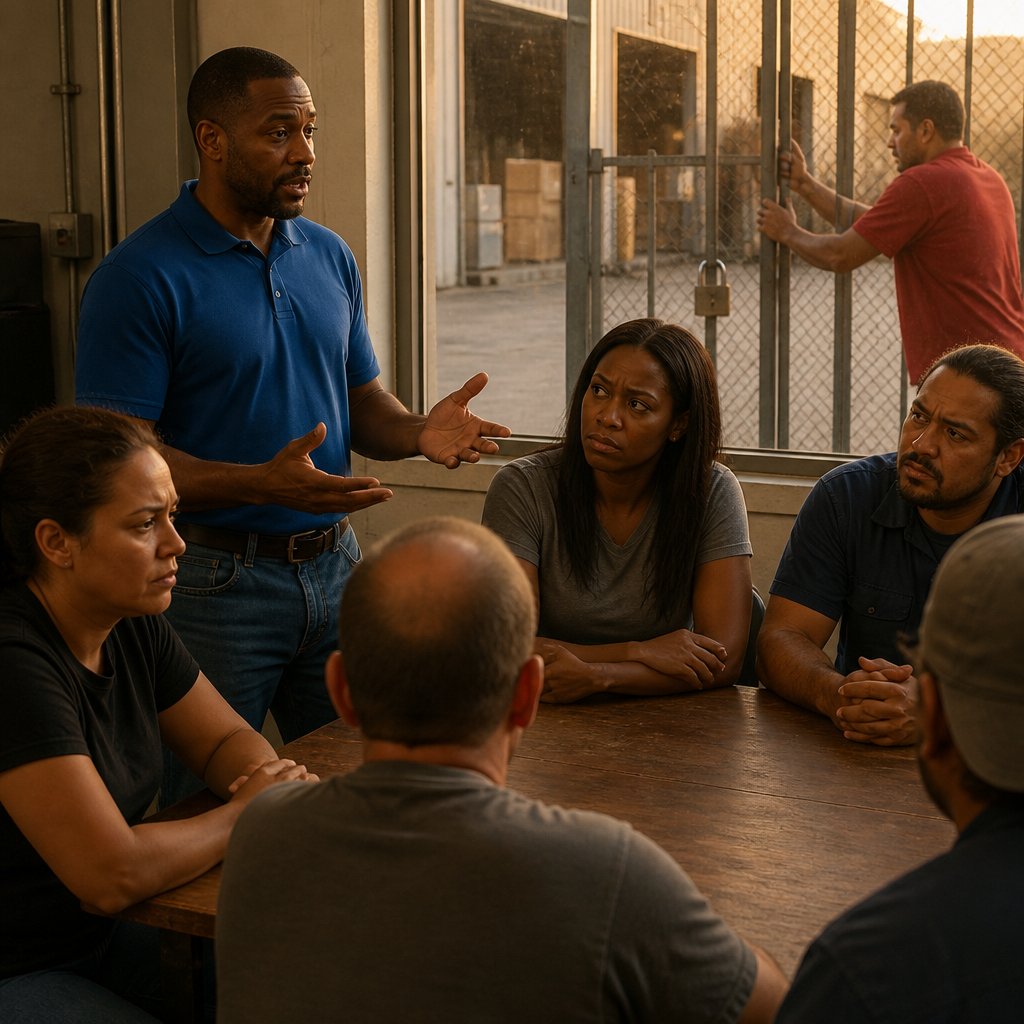
Two days after Nate filed the state safety hotline complaint, Brent called a meeting in the warehouse office. He delivered new instructions that everyone had to sign a “hydration acknowledgment” form. But the designated hydration station was locked behind a supervisor-only gate near the loading dock. The door was padlocked with a bright yellow chain and a clipboard hung uselessly nearby.
I stood near the back, watching people shuffle uneasily. Brent, a tall man in a plain blue polo and jeans, paced while explaining how water breaks were supposed to happen. Outside, the dusty heat pressed against the open door, but no one could access the cool water without a supervisor’s approval. The locked gate sent a clear message: hydration was controlled, limited, and not guaranteed.
One worker, in a faded red T-shirt and cargo shorts, tried to open the gate but only rattled the chain. His face flushed under the relentless sun, and he glanced back toward the office, hesitant to ask again. The tension in the room thickened as people realized the acknowledgment was only a formality, not a solution.
HR’s Coaching Turns To Character Attack

Marcy from HR called me into her small, beige-walled office for a “policy coaching” session. She was a middle-aged white woman with short blonde hair, wearing a patterned blouse and black slacks. Her tone was condescending as she told me I was a “disruptor” spreading panic among the crew. Her desk was cluttered with folders, and a small plastic plant sat on one corner.
She warned me to stop questioning management decisions and accused me of causing morale problems. Meanwhile, security began wanding and bag checking everyone entering the warehouse, which made me late for my shift several times. These delays were documented, painting me as unreliable on paper.
I sat stiffly, the synthetic office chair creaking beneath me, hearing the network of discipline tighten around me. Marcy’s cold eyes didn’t waver as she pushed the narrative that I was the problem, not the heat, not the policies. Outside the window, the hum of forklifts continued, indifferent to our conversation.
Manager Emails Expose Coordinated Cover-Up

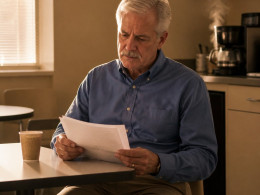
A coworker slid a printed email chain across the break room table. The messages were from management and described me as the “ringleader” of unrest. They ordered all supervisors to document any interactions with me. The tone was clinical but aggressive, a clear signal that I was being singled out.
The cameras that once pointed toward the shaded seating area near the dock were moved, and the last working fan was unplugged. Suddenly, the only shade was the narrow shadows of the building’s edge. The heat felt more oppressive than ever.
I traced the edge of my water bottle with a finger, cold condensation damp on my palm, realizing the cover-up was becoming coordinated. It wasn’t just isolated incidents anymore — it was a deliberate erasure of any relief for us. Every step the company took seemed designed to make the heat unbearable without official acknowledgment.
Inspector’s Visit Reveals Temporary Fix
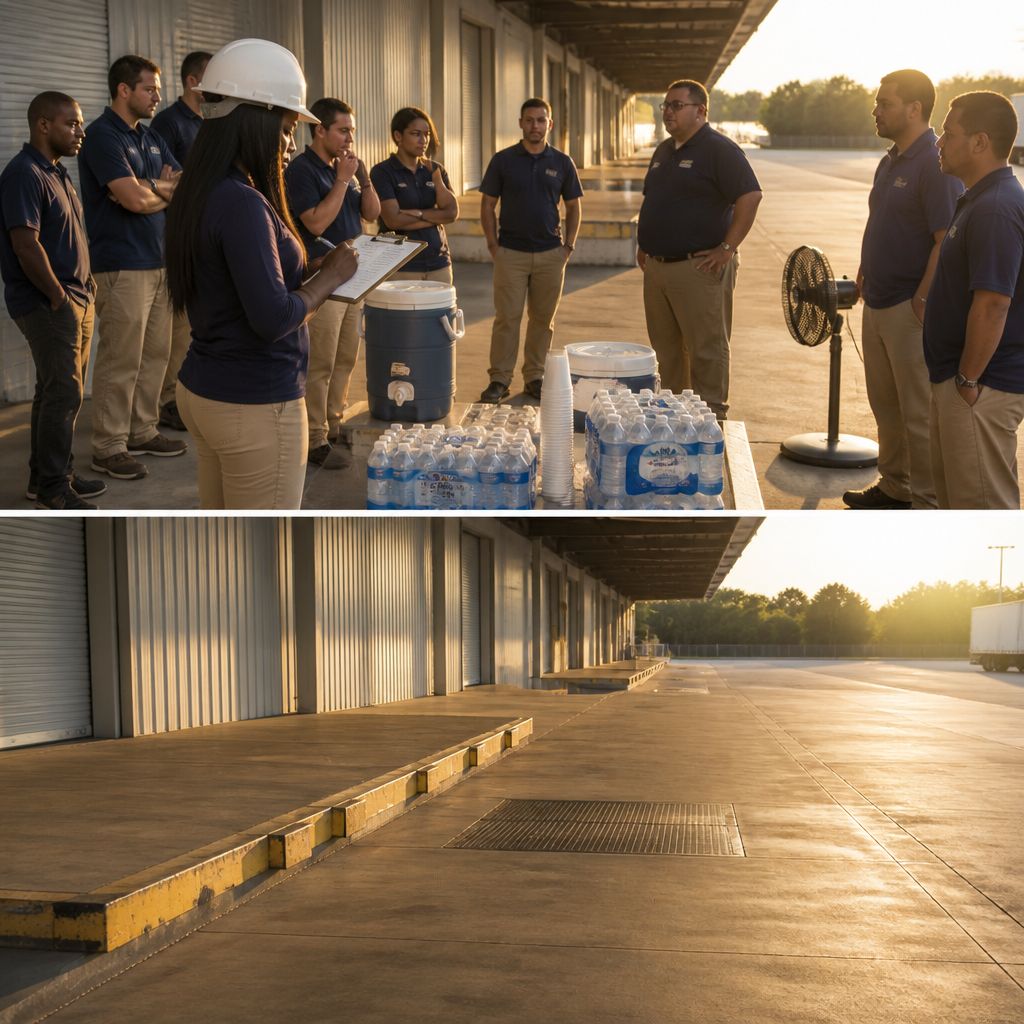
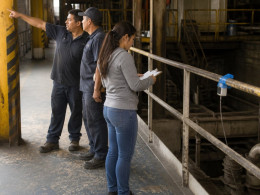
An inspector arrived unannounced one afternoon. Brent and a couple of supervisors scrambled to make the dock look compliant. Coolers appeared, full of bottled water with plastic cups arranged neatly, and QR codes taped to the containers labeled “Voluntary Hydration.”
I watched from the side in my plain navy T-shirt and khakis as a man in a white hard hat took notes. It all looked staged, too perfect for how we really worked. By the time the inspector left, the water disappeared along with the fans and shaded areas.
The air was stale again, thick with dust and heat. The temporary setup vanished like a mirage, proving that the company could flip the switch whenever they wanted. It was a disturbing power play, showing compliance was just a performance.
Was removing water during a heatwave justified?