


A Message After The Crash

I woke up in the trauma bay, the smell of antiseptic sharp in the air, my leg throbbing under a tangle of hospital sheets. My phone buzzed on the bedside table, screen face-down. When I flipped it over, a message was waiting: “Your custom fork is ready.” It came from the local bike shop where I had taken my bike earlier that week. I barely remembered the crash itself, just the sudden snap and the jarring fall downhill. But here was this message, like nothing had happened.
The words felt like a punch. How could the fork be "ready" when I was lying here with broken bones and a bike I couldn’t even ride? Was the part really finished? Would it have held, if only it had been right?
“Experimental” Work Order Fine Print

Back at the bike shop, I looked over the work order that came with the message. It called the fork a “custom fabrication” and marked it as “experimental use only” in tiny, nearly invisible print beneath the main description. The shop had pushed this part as an upgrade, saying it was safer and more durable than standard forks. I remembered the salesman’s smile when he said it was a new, 3D-printed design from an advanced filament blend.
But that fine print gnawed at me. Had I signed off on something without realizing it? Something that basically made me a test subject? I had no memory of being warned about risks or limitations. The words “experimental use” suddenly felt like a trap, a disclaimer meant to shift blame if anything went wrong.
The Fork Failed On The Hill
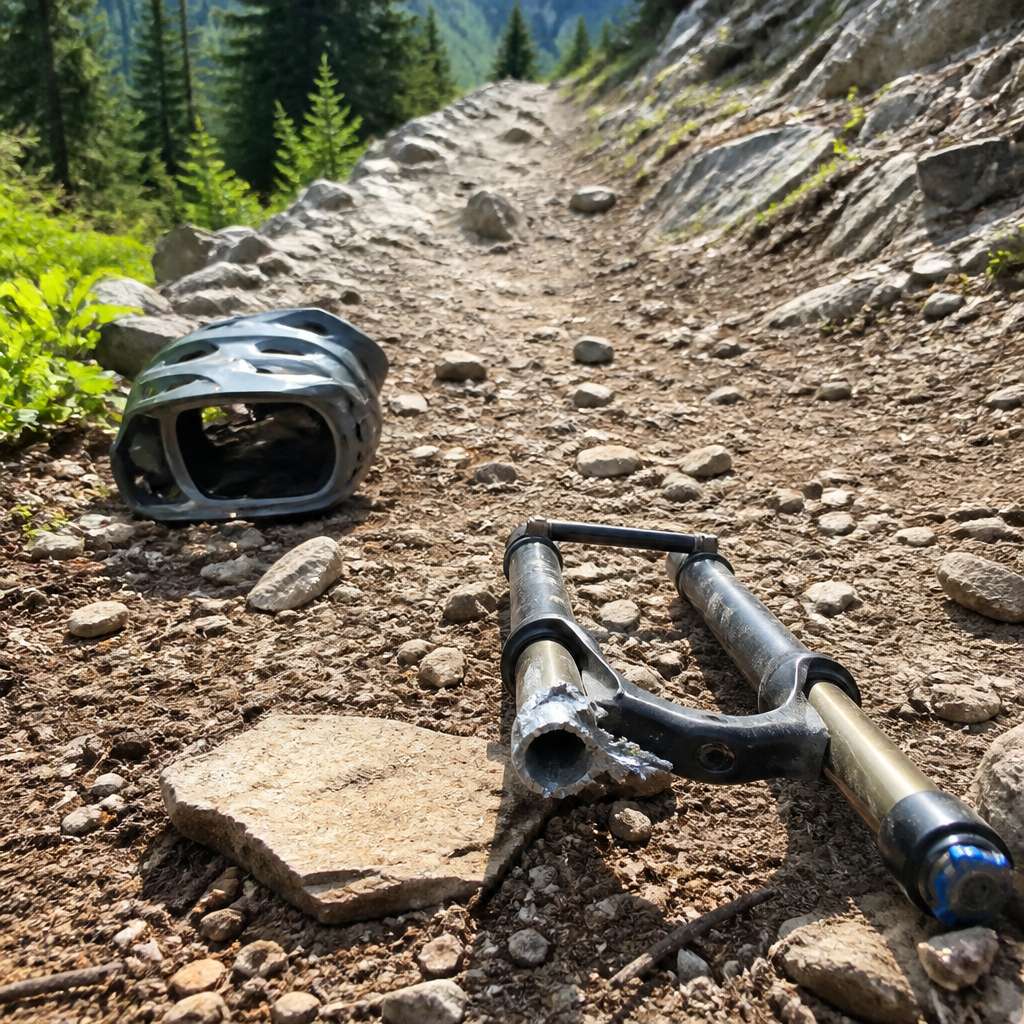
The first time I took the bike downhill for a real run, the fork shattered right at the crown. It wasn’t a slow crack or a bend but a sudden, clean break that sent me flying. I was lucky to walk away with my life, but the question hung in the air: why did it break?
Was it a design flaw in the 3D print? A mistake in the filament blend that made the material brittle? Or was I just riding too hard, pushing equipment beyond its limits? No one could say for sure because no one had inspected the fork immediately after the crash. The shop claimed it was rider error, but that didn’t explain the exact failure point.
The mystery of the broken crown was the key piece—if only someone could see it up close before the evidence vanished or the story changed.
Insurance Flags “Extreme Sports”

In the ER, I overheard a nurse arguing with insurance over the phone. Somehow my injury was coded as “extreme sports,” and that label kept triggering denials. I watched them shuffle paperwork back and forth while my bills piled up on the bedside table. Instead of focusing on evidence or the crash’s cause, all anyone wanted was forms and letters addressed to different departments.
It felt like they were building walls around me, barricading me with bureaucracy. My coverage vanished into a haze of technicalities, and I became just another case number. The smell of hospital disinfectant mixed with the stress of unanswered questions and mounting bills.
The Investigator Demands The Fork
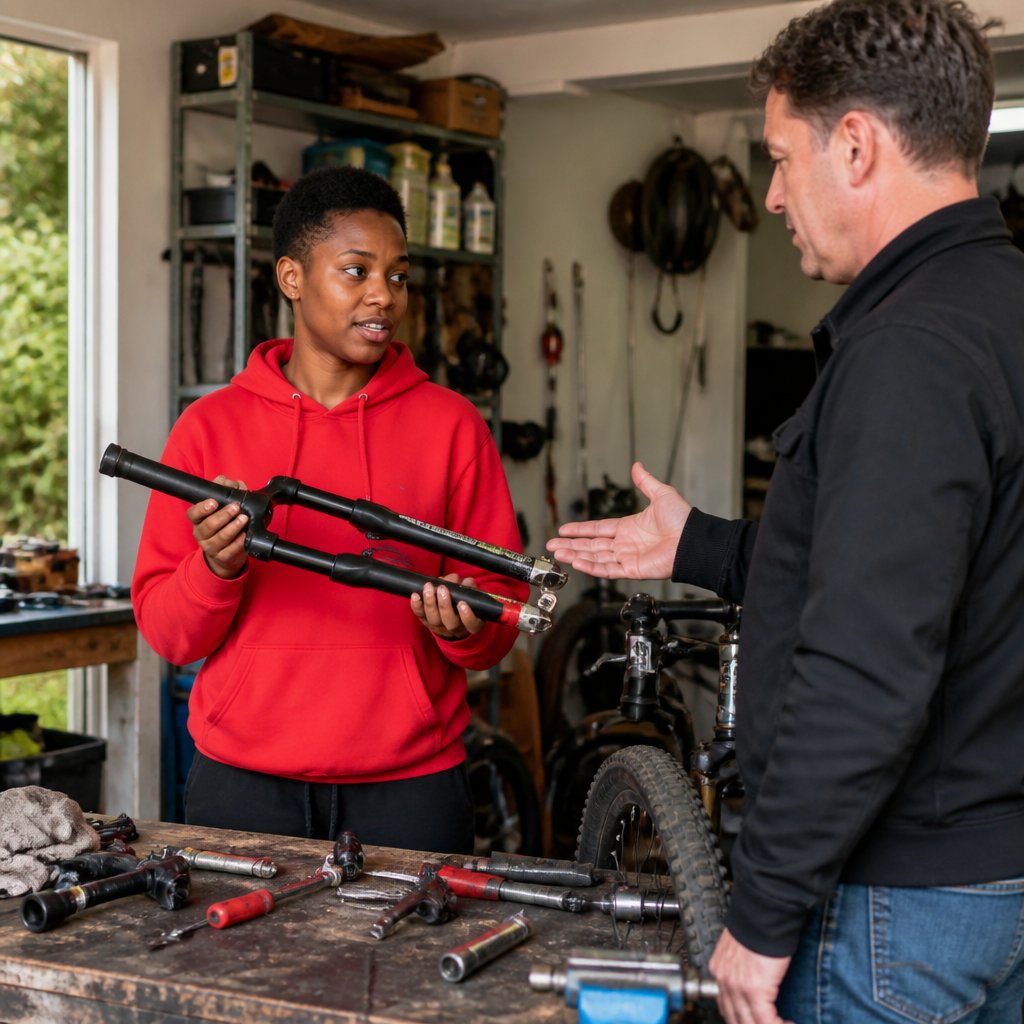
Travis Vane from the bike shop showed up at my apartment unannounced. He wore a dark jacket and jeans, his face open but firm. He said they needed the smashed fork "for our investigation," almost like it was part of some official process. His tone was polite but carried an edge—he wasn’t just asking; he expected compliance.
I stared at the broken piece lying in my garage, battered and cracked. Giving it away felt like handing over the only proof I had that the crash wasn’t my fault. But refusing him risked making me look obstructive. His presence was a warning that the fight over who controlled the evidence was about to begin.
The Fork Vanishes Overnight
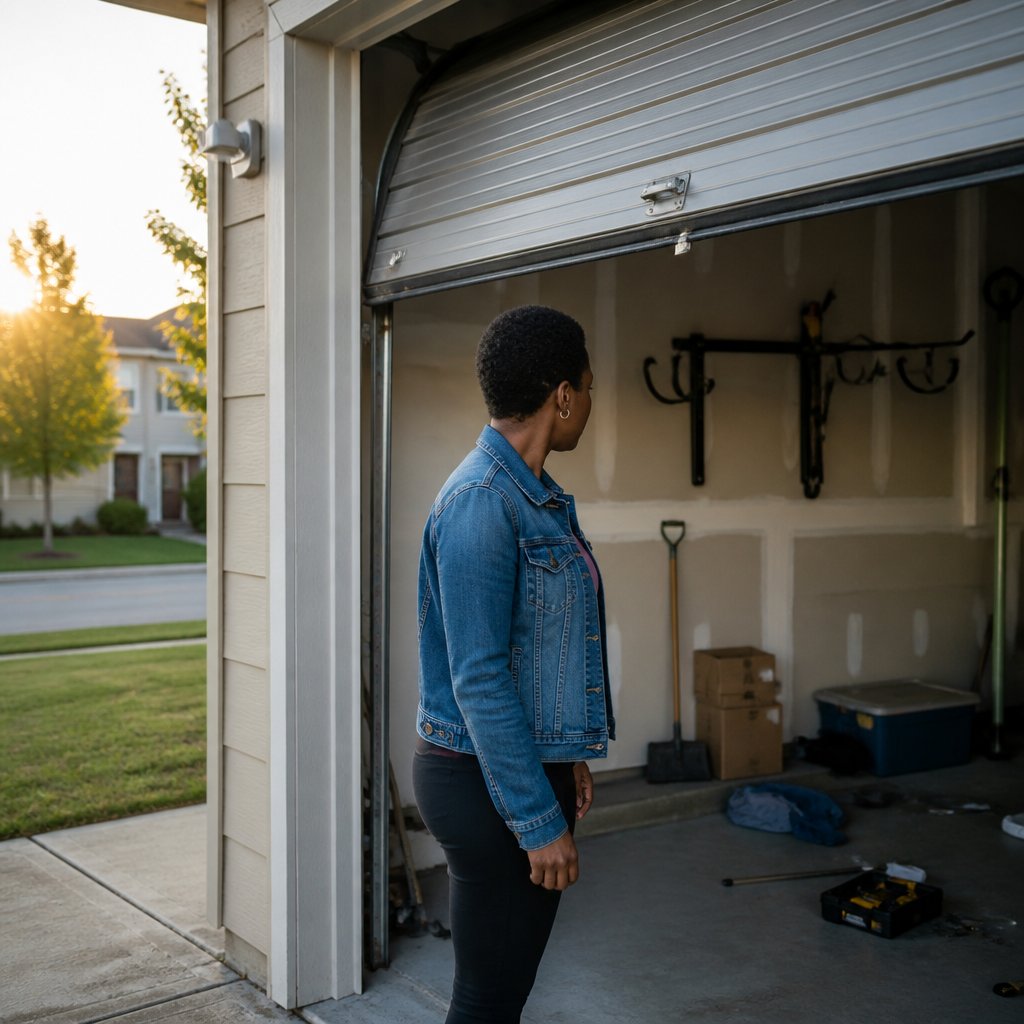
I said no to handing over the fork. Locked it inside my garage, thinking it was safe. But one morning, the garage door was ajar, the lock tampered with. I stepped inside and froze—my bike was gone, along with the fork. Whoever took it knew exactly where to look.
The shock hit me like the crash all over again. The stolen fork wasn’t just lost property; it was the key to my case, the physical evidence that could prove the shop’s negligence. The theft felt targeted, personal. Someone wanted that fork out of my hands.
Police See Routine Theft Only
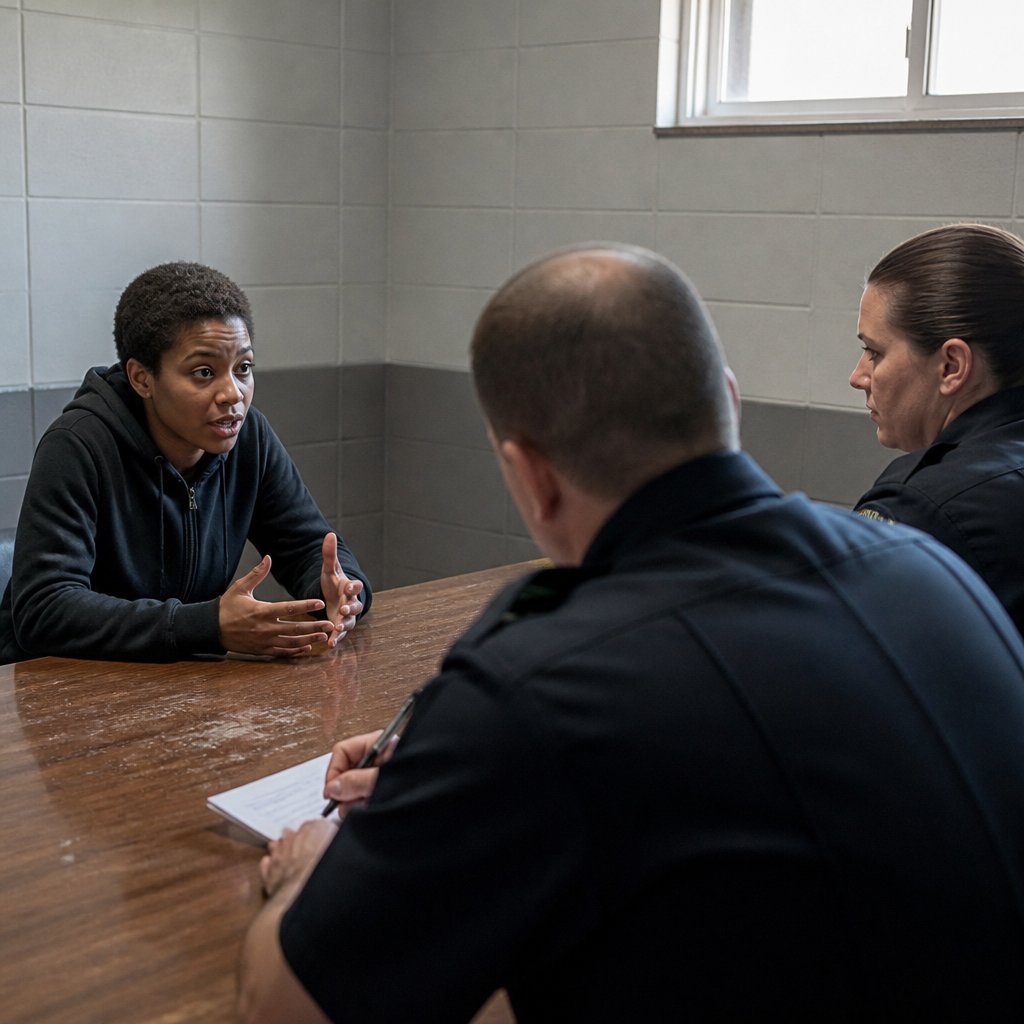
The police took the report but treated it like any other bike theft. I told them about the shop’s text asking where the fork was stored. That raised the possibility someone on the inside tipped them off. But they listened politely and made notes without urgency.
Inside knowledge hinted at tampering, but law enforcement said they needed proof before calling it anything more than a simple theft. I left the station feeling like the truth was buried beneath layers of procedure. The cold smell of the police station’s linoleum floors matched my frustration.
Insurer’s Letter Shifts Blame

Weeks later, a letter from the shop’s insurer arrived. Their lawyer claimed the fork was “customer-provided,” putting all responsibility on me. They said the crash was “misuse” of the product, not a defect. If that stuck, it would kill any chance I had at proving the shop owed me a duty or caused the accident.
The paper felt like a declaration of war. They were rewriting the story, turning the victim into the culprit. I sat at my kitchen table, the cold envelope still in my hands, unsure how to fight back against legal smoke and mirrors.
Bike Found Without Fork
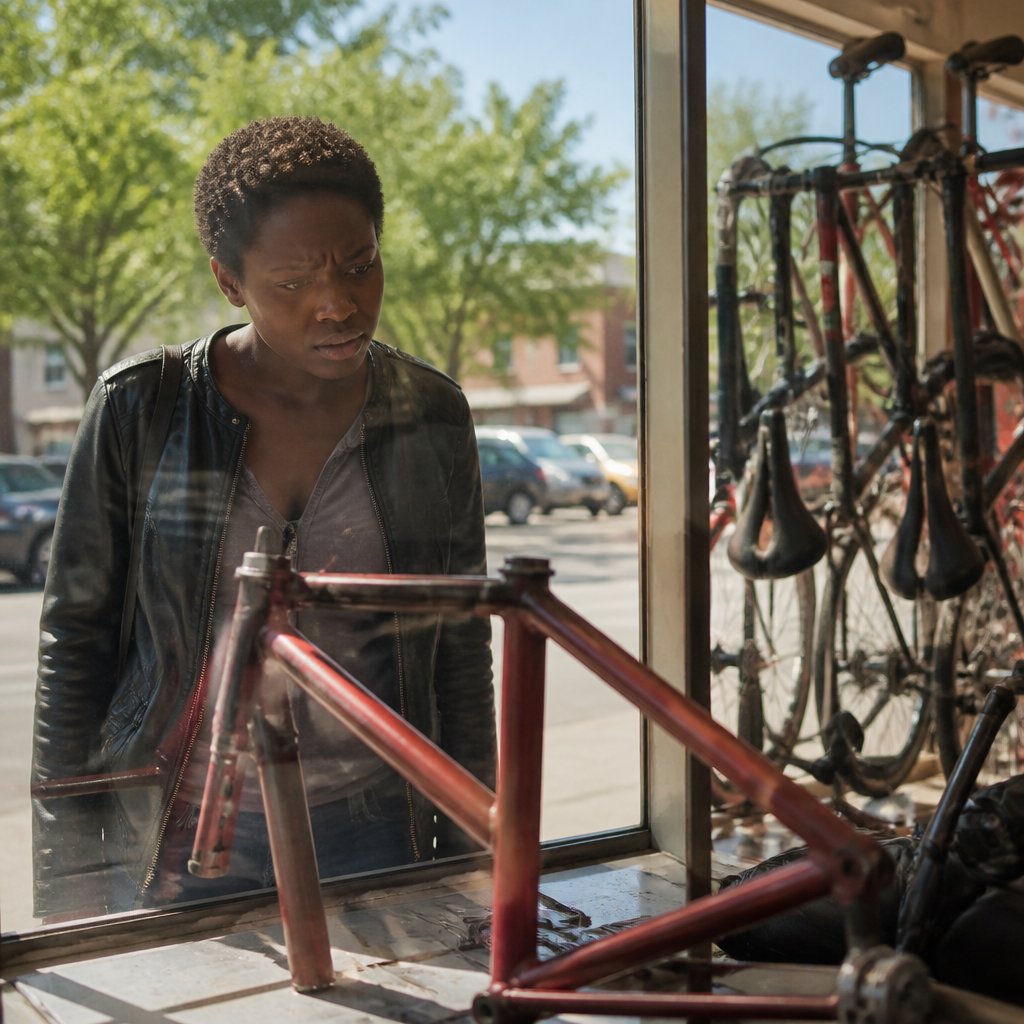
Finally, I spotted my bike in a pawn shop window, but the fork was missing. The frame was scratched and dirty, parked between other used bikes. When I confronted Redline, they flatly denied ever having the 3D-printed fork. It was like they wanted to erase it from existence.
Their denial put us in a direct credibility battle, but with no fork to examine, I was fighting shadows. The cold glass of the pawn shop window and the chipped paint on the frame were all the proof I had left, but it felt pitiful compared to what was stolen.
Photos Show Fork’s Serial Mark
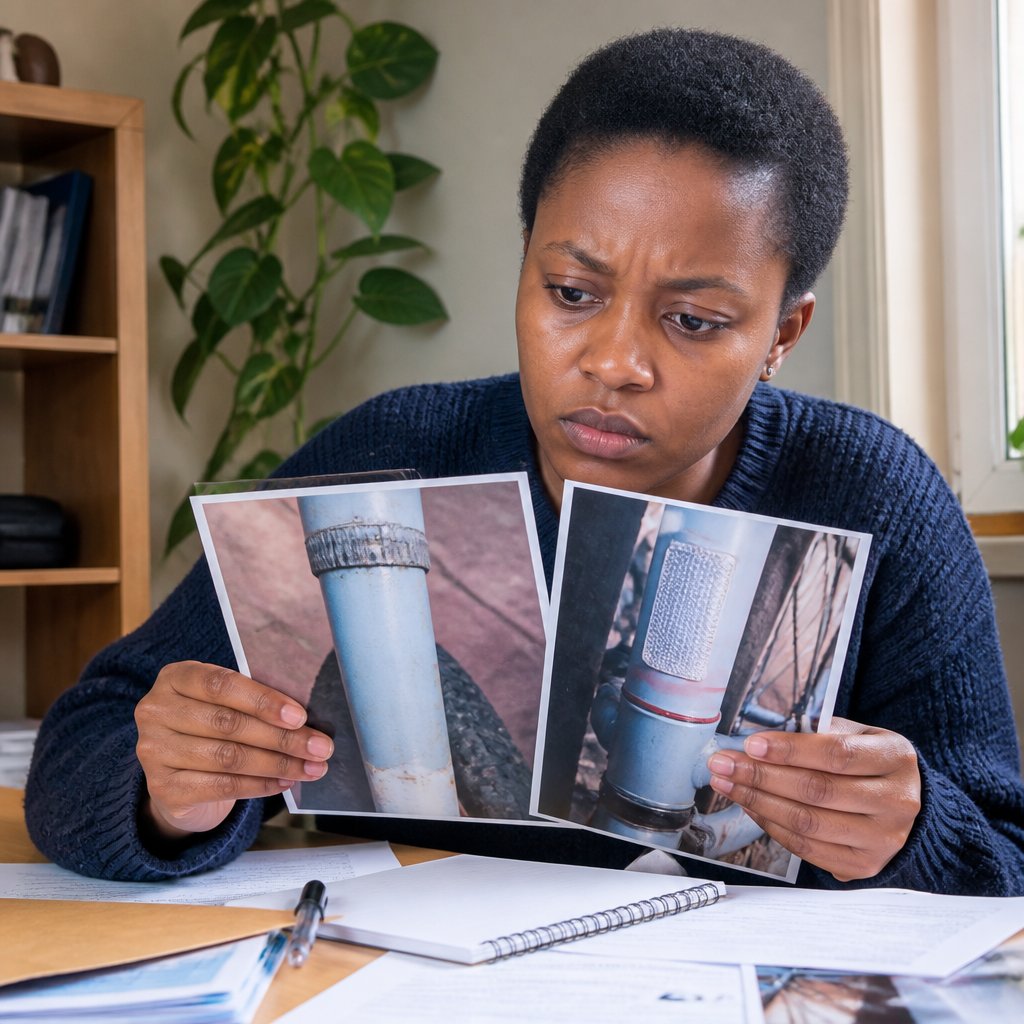
Digging through old photos, I found ones taken the day I picked up the bike. The 3D-printed fork had a serial mark and a small Redline sticker stuck to it clearly visible. That proved the shop did supply the part.
Then came a cease-and-desist letter from Redline’s lawyer, accusing me of defamation for sharing the photos. Suddenly the fight wasn’t just about a broken bike but about who controlled the truth. The tension escalated as I held those photos in my hand, wondering what to do next.
Another Rider Reports Cracks
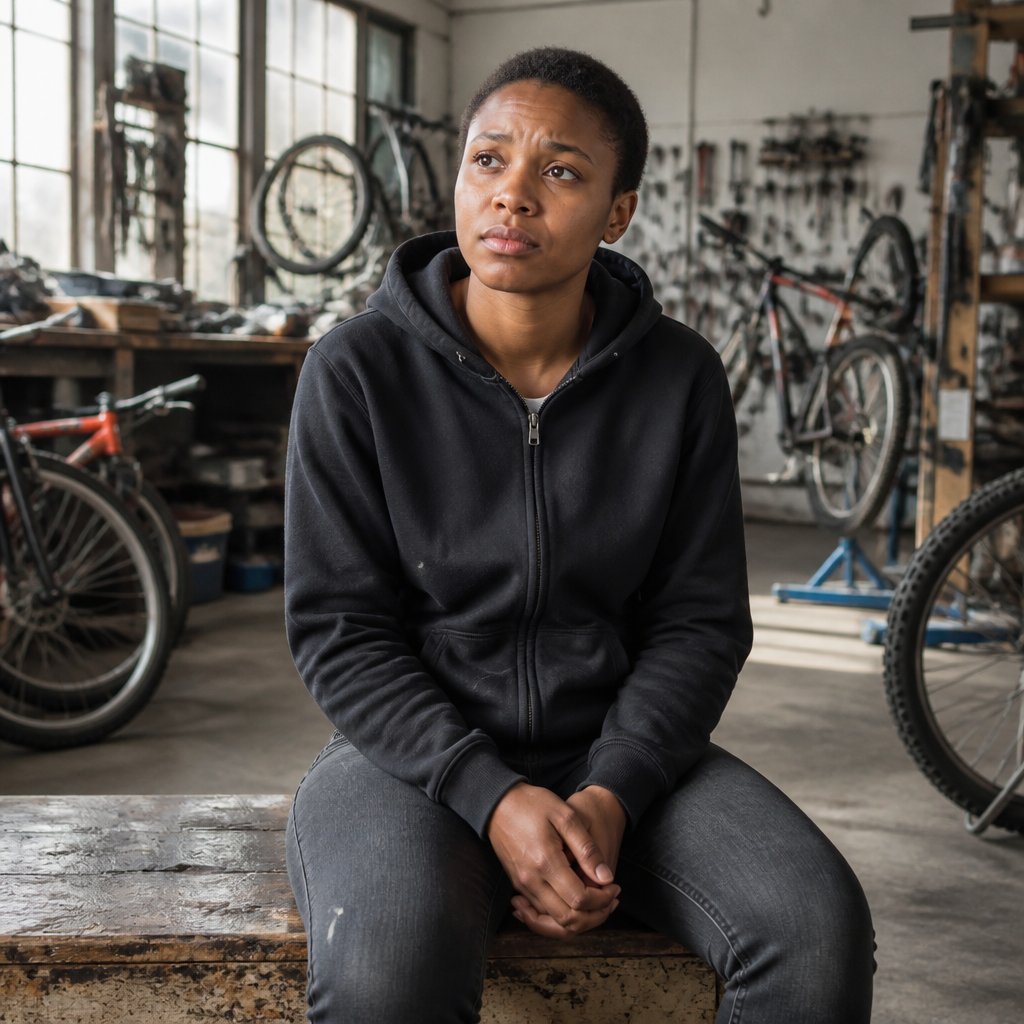
After days of wrestling with whether to sue, a message popped up from a stranger in the same riding group. Their name was Mark, a stocky guy with a red helmet whose bike I’d seen at weekend rides. He told me his Redline printed fork had cracked, too — on a less intense trail. He said he wasn’t willing to go on record unless protected, worried about liability or getting dragged into court. His message was careful, almost hesitant, like he was weighing trust as much as facts. This opened a crack of hope for me: maybe it wasn’t just me, maybe there was a pattern here.
I typed back, grateful but cautious, knowing that without proof or a formal statement from someone else, my case felt like a solo fight. The thought of a wider problem nagged at me. What if this was a known issue inside the shop and they were sweeping it under the rug? But without Mark stepping forward officially, it was just an anecdote, a whisper in a pile of denials.
The afternoon sun filtered through the window, the faint smell of my bike grease mixing with the stale air. I stared at my phone, wondering if I should press harder or wait. Would more riders come forward? Or was Mark an outlier? The silence that followed his message tightened around me like a noose.
Preservation Demand Hits Redline

I finally hired a plaintiff attorney named Harris, a middle-aged white man in a neat suit, who came down to the coffee shop where I worked part time. He explained the next step was to send Redline a preservation demand — a formal letter ordering them to keep every related file, purchase order, and quality control log from the day they printed my fork.
Days later, Harris told me Redline pushed back hard. They claimed the printer files had been deleted "routinely" two days after my crash, that it was normal procedure to clear space. The explanation felt like a curtain dropping on my hopes. No internal digital trail to prove what filament or settings were used meant the core evidence was gone—or so they said.
The smell of strong coffee filled the small conference room where Harris and I sat. He tapped his pen nervously, his brow furrowed as he considered how to respond. I watched the documents spread before us: a flurry of emails, letters, demands. The weight of this fight was sinking in, and the silence between us was heavy. The question hung in the air: could we force them to reveal more or had they already covered their tracks?
Signature On Work Order Ambiguous
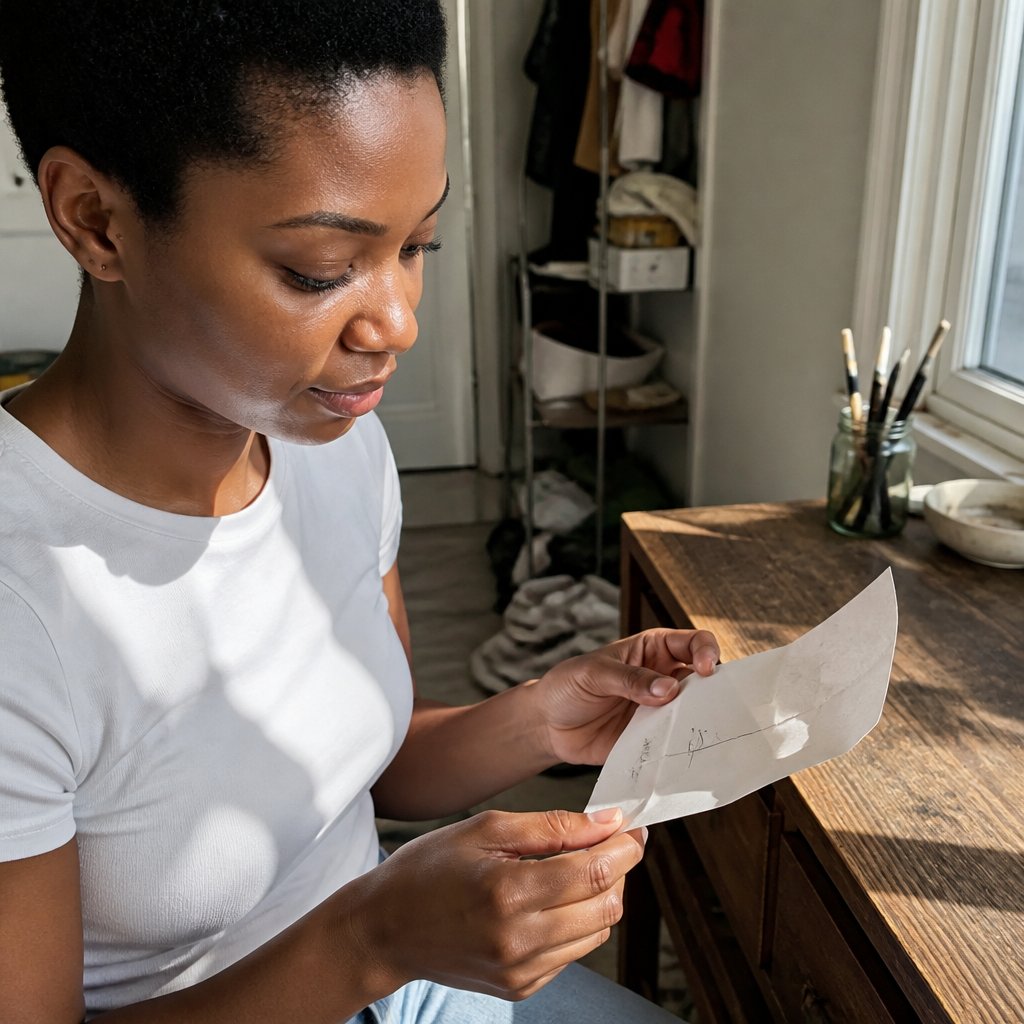
Discovery finally brought a surprising document: a Redline work order with my signature on it. The paper was dated the day I ordered the fork. But the "material spec" box—the critical section where the filament blend should have been marked—was left blank. It was a glaring omission, a gap that the defense could exploit later to argue I never approved the specific material or that the shop never confirmed the right filament.
Holding the worn paper in my hands, I noticed the faint creases from being folded and unfolded so many times. The edges were slightly smudged, probably from the shop's rough handling. I remembered signing it quickly in the noisy shop, distracted, thinking it was routine. The signature was neat but hurried, like a habit rather than a careful review.
The paper sat on the battered oak desk in my apartment, the faint scent of old ink mixed with coffee. I stared at that blank box, realizing this small detail could be the defense’s strongest shield. If they called it ambiguity, it might undermine everything Harris and I were trying to prove about negligence.
Hidden Transfers And Leaked Warnings
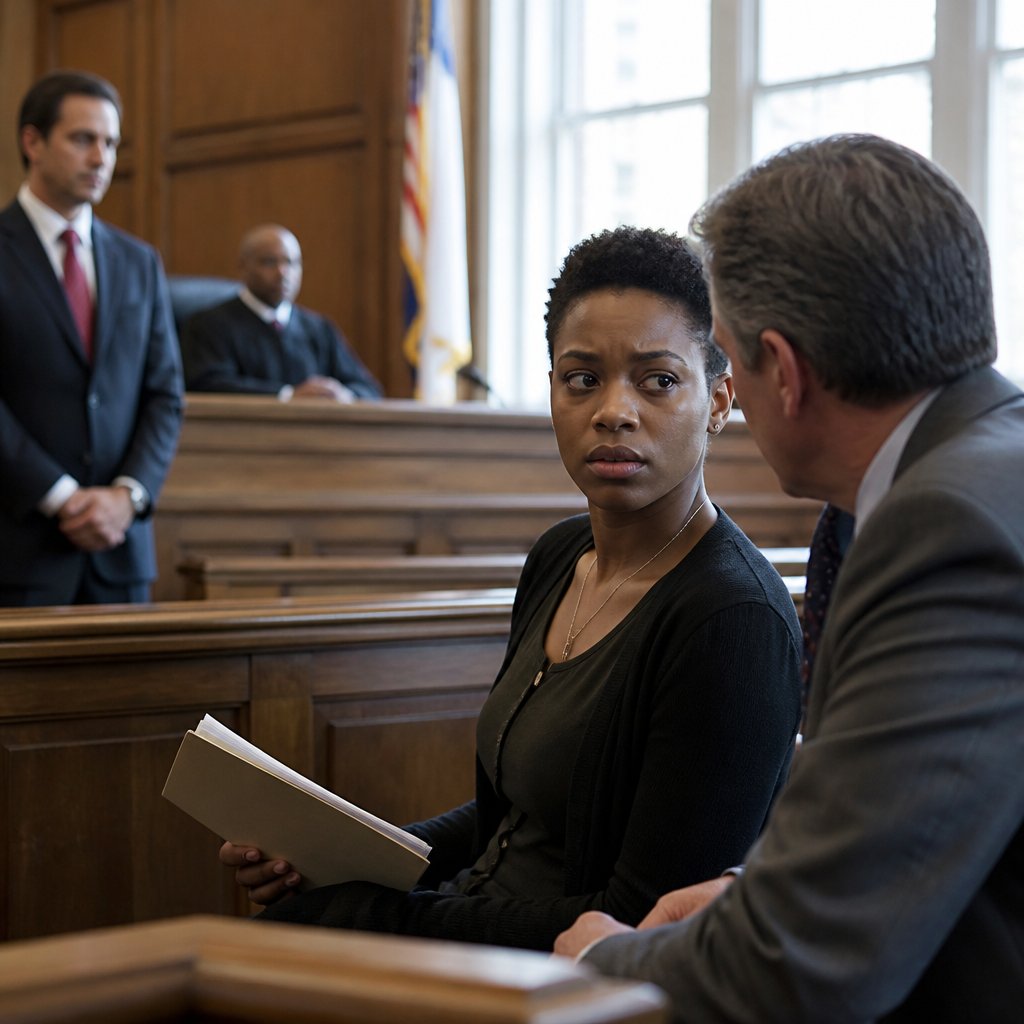
I fought the stay to keep the case moving forward. During discovery, I found a string of financial records revealing the bike shop’s assets mysteriously moved to a cousin’s recently formed LLC. The court allowed the suit to proceed against this new entity, named as the insurer’s successor. As if that wasn’t enough, a current employee—nervous and anonymous—leaked me a cache of internal messages. One text stuck out: “Use the cheap roll, nobody will know.” It was clear now the shop deliberately used an inferior filament blend despite labeling it otherwise.
That phrase hung heavy in my mind during the next hearing. The courthouse smelled faintly of old varnish and polished wood. My lawyer and I sat on a hard bench near the front. The opposing counsel's face remained unreadable, but their eyes flicked to the messages on the evidence screen. The judge nodded slowly, allowing the case to continue. This leak could be the proof of negligence we needed, but it also escalated the stakes.
The uncertainty was thick. Would this evidence sway the court or just spark more denials? I left the courtroom with a tension knotting my stomach, the cold marble floor echoing my hesitant footsteps.
Jury Awaits The Final Word

Days later, the trial edged toward its close. The jury filed into a small conference room, their murmurs low but tense. The judge informed everyone the jurors had requested to review three key items: the internal messages, the shop’s “upgrade” video showing the fork installation, and the fracture-surface photographs from the expert analysis.
I sat against the far wall in a cramped conference room, the stale air tinged with the faint scent of burnt coffee from a nearby break room. Lawyers shuffled papers and whispered strategies. We all watched the jury room’s closed door, waiting as time stretched. The quiet tick of a wall clock filled the space, each second heavier than the last.
Finally, the door opened slightly, and the foreperson’s face appeared briefly. Everyone leaned forward. It felt like the moment the entire case balanced on. But instead of a verdict, the foreperson said only, “We need to confer a bit longer.” The tension snapped back, leaving everyone suspended in the waiting.
Was the jury's indecision justified by the case details?