




The Billboard Made a Promise
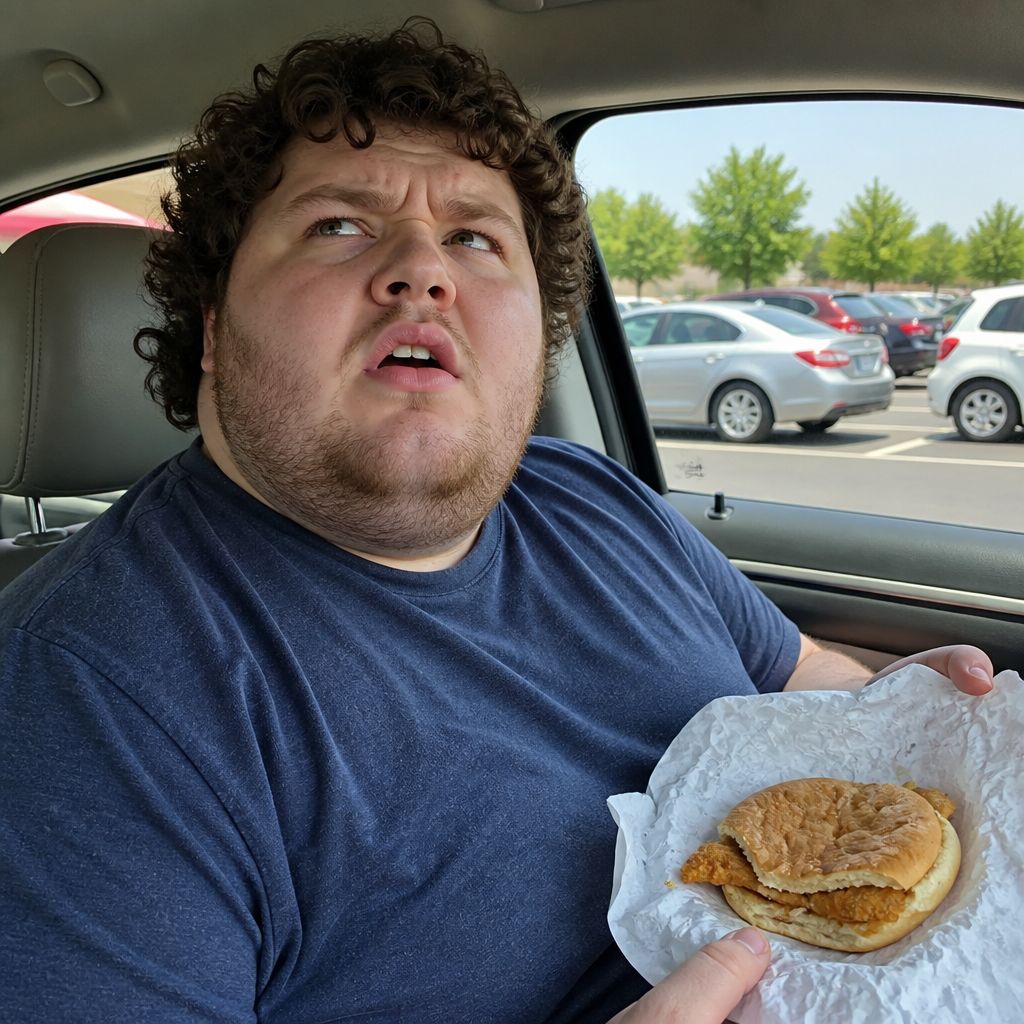
I saw the billboard on my way to work — a new chicken sandwich from Burger Barn, stacked six inches high with crispy golden chicken, fresh lettuce, thick tomato slices, and what looked like artisan mayo dripping down the side. The photo made it look like something from a cooking magazine. My stomach growled. I pulled into the drive-through the next day.
What came through the window was not what was on that billboard. It was flat, lukewarm, and the lettuce was a single translucent leaf that looked like it had given up on life. The chicken patty was the size of a hockey puck and roughly the same texture. I sat in the parking lot and looked at it. Then I looked up at the billboard towering above the restaurant. Same sandwich. Completely different reality.
I Wasn't the Only One Who Noticed

I posted about it online that night. Photo of the billboard next to a photo of the actual sandwich. Side by side. The post got three thousand likes in two days, which was roughly three thousand more likes than anything I'd ever posted before. People were angry. Comments poured in — everyone had a story about food that didn't match the ad.
Someone in the comments said I should sue. I laughed it off. Then someone else said it. Then twelve more people. Then a guy who said he was a lawyer messaged me and said he'd been looking for exactly this kind of case. His name was Brett Fulgham. That should have been my first warning sign.
Brett Fulgham Had a Theory

Brett ran a one-man law practice out of a co-working space. He wore sneakers to our first meeting and had business cards that said "Disrupting Justice" under his name. He was twenty-eight years old and had passed the bar eleven months earlier. He was, in retrospect, exactly the wrong person to take this case.
But his pitch was convincing. He said food advertising fraud was an emerging area of consumer protection law. He said several class-action suits had been filed against major chains for misleading food photos. He said we could seek $2 million — compensatory and punitive — and that the viral post proved public harm. I believed him because I wanted to believe him.
The Complaint Was Sixteen Pages Long
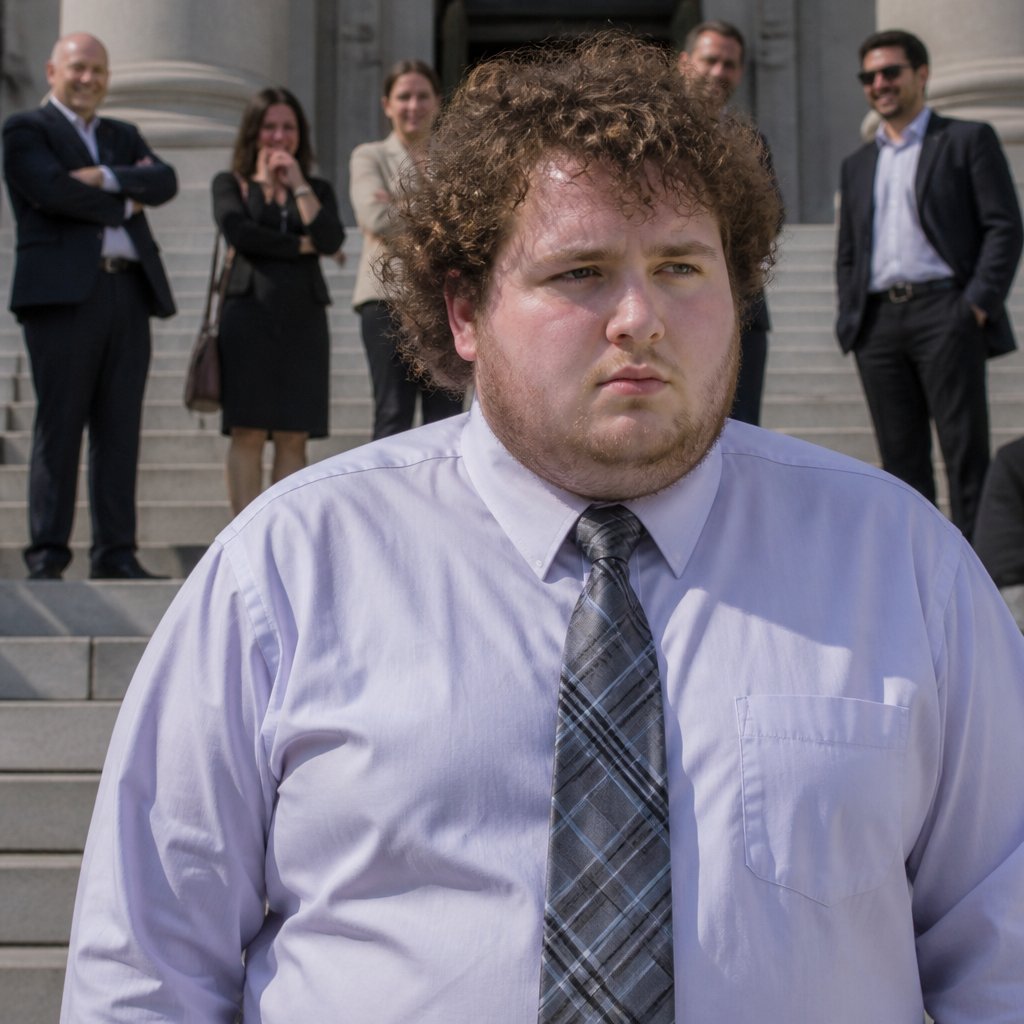
Brett filed a sixteen-page complaint against Burger Barn Corporation alleging deceptive trade practices, false advertising, consumer fraud, and — I wish I was making this up — "intentional infliction of emotional distress." Over a chicken sandwich. He included my side-by-side photos as Exhibit A and screenshots of the viral post's comments as evidence of "widespread consumer harm."
The story got picked up immediately. Not by legal publications. By comedy websites. Late-night shows did bits about it. I went from "guy with a funny post" to "guy suing for two million dollars over a sandwich" overnight. My mother called and asked if I'd lost my mind. I told her this was serious. She said "Mmhmm" in a way that suggested she disagreed.
Burger Barn Sent an Army

Burger Barn's response was disproportionate and immediate. They didn't send a local defense attorney. They sent a partner from one of the largest food industry law firms in the country — a woman named Patricia Sinclair whose client list included half the Fortune 500 food companies. She flew in from Chicago for the motion hearing.
Her motion to dismiss was forty-one pages long and cited thirty-seven cases. Brett's response was eight pages and cited four. When I saw the two documents side by side on his desk, I felt the same sinking feeling I'd had looking at the billboard versus the sandwich. Promises versus reality.
The Judge Had Seen Enough
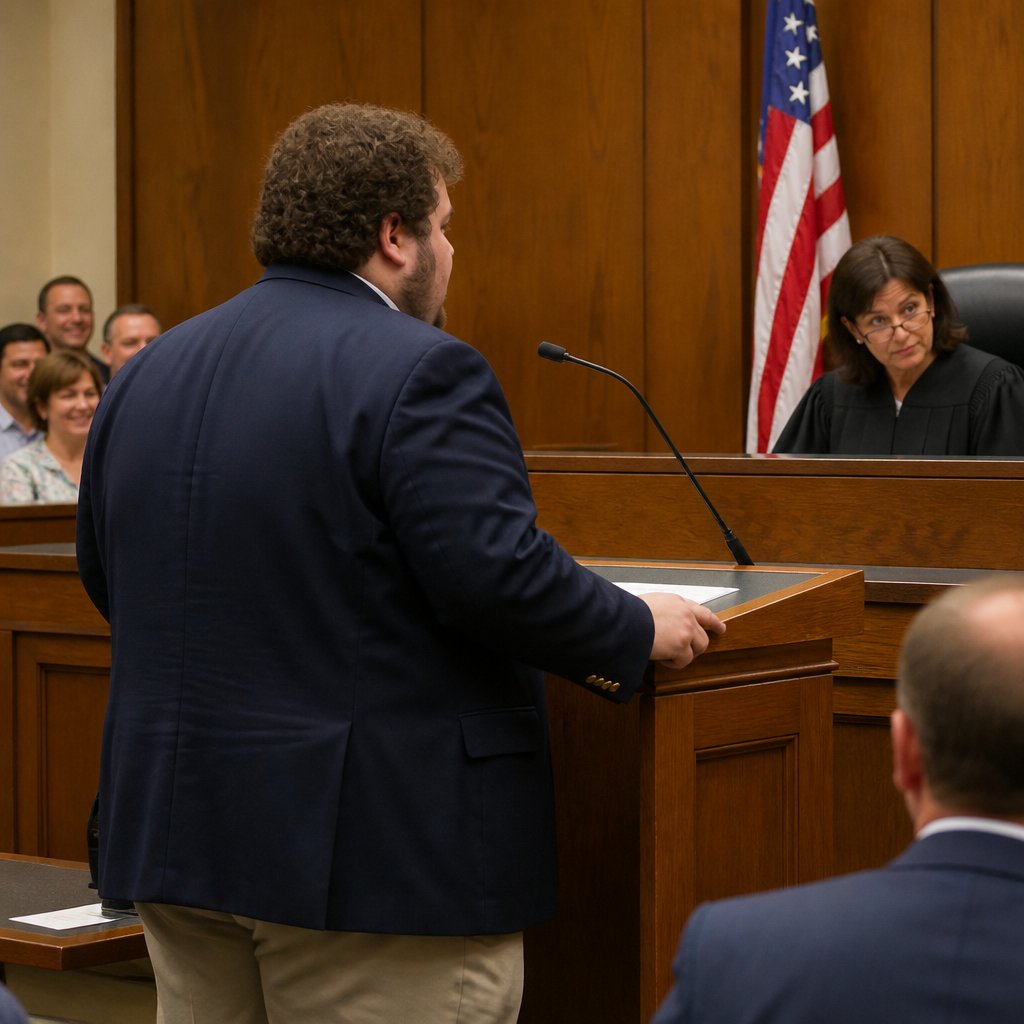
Judge Martha Halperin didn't hide her skepticism. During the motion hearing, she asked Brett to explain, specifically, what damages I had suffered. Brett said I'd paid $8.99 for a product that was materially different from its advertisement. The judge looked at him over her glasses and said: "Eight dollars and ninety-nine cents. And you're seeking two million."
Brett started talking about punitive damages and deterrence and consumer protection principles. The judge let him finish. Then she asked: "Mr. Fulgham, did your client eat the sandwich?" Brett paused. "Yes, Your Honor." "Did it make him ill?" "No, Your Honor." "Was it food?" "Technically, yes." The gallery laughed. The judge did not.
Patricia Sinclair Spoke for Six Minutes
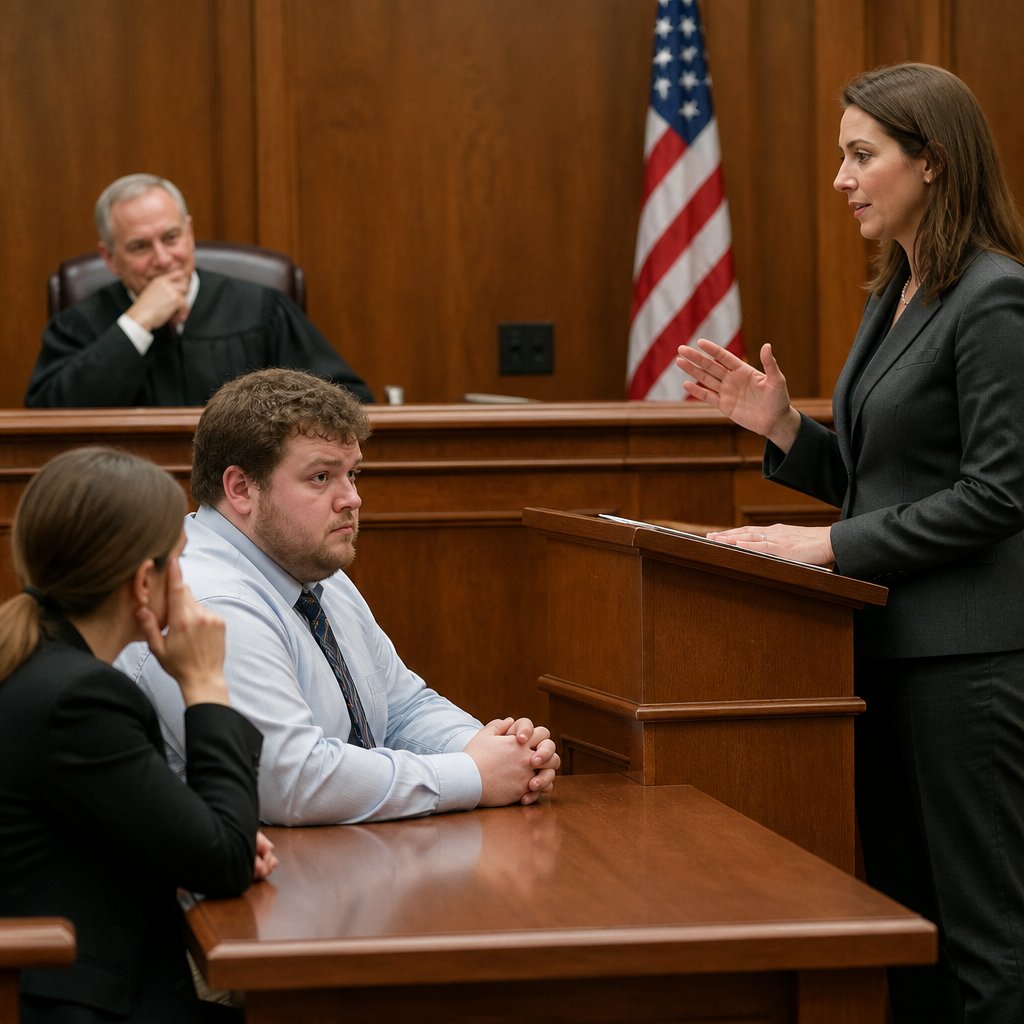
Patricia's argument was surgical. She said that food photography is universally understood to be stylized. That no reasonable consumer expects a fast food sandwich to look identical to a billboard. That the FTC's own guidelines distinguish between aspirational advertising and material misrepresentation. That I ate the sandwich without complaint at the time and only filed suit after a viral post attracted attention.
She said the emotional distress claim was — and she paused here, choosing her words — "perhaps the most creative application of that cause of action I've encountered in twenty-three years of practice." The judge's mouth twitched. Brett objected. The judge overruled him without looking up.
Dismissed With Prejudice
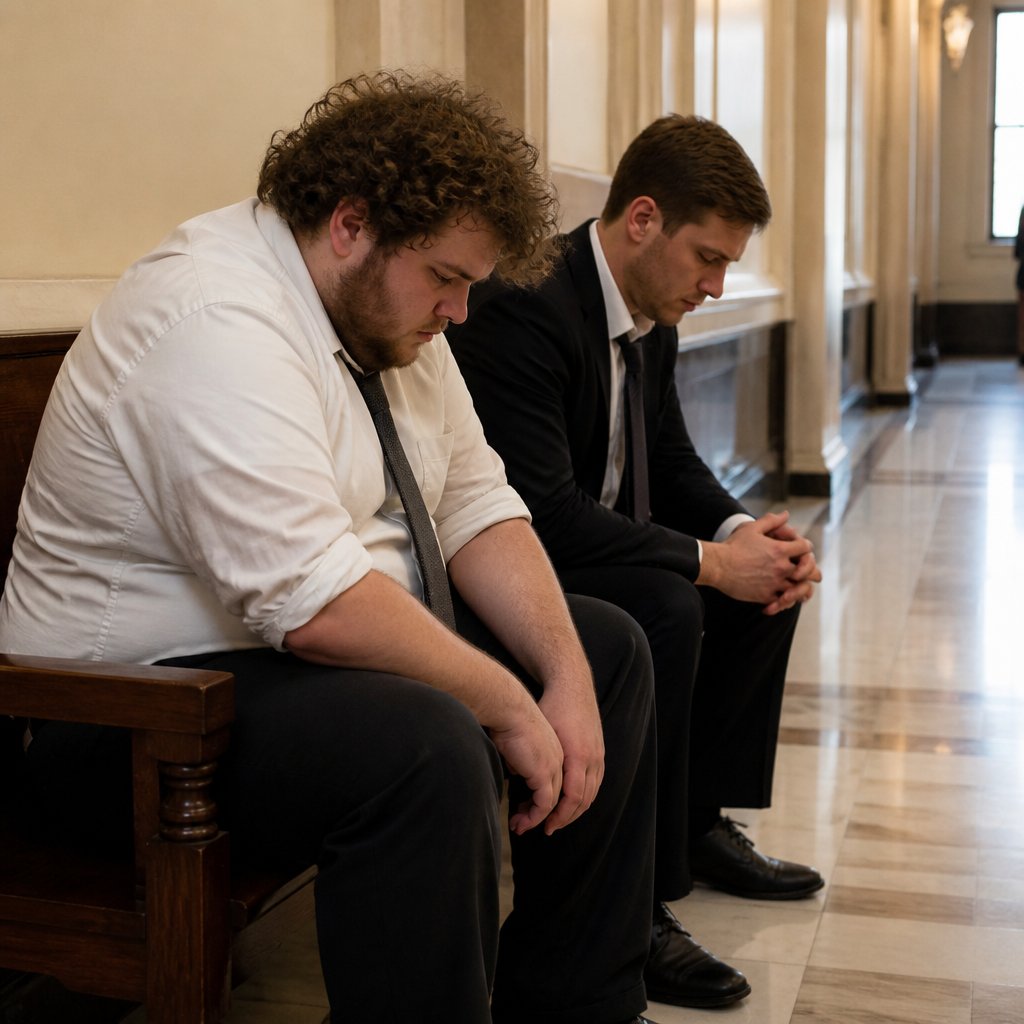
The judge dismissed the case with prejudice, meaning we couldn't refile. In her written opinion — which she clearly enjoyed writing — she noted that while food advertising practices "may warrant scrutiny," the appropriate remedy was a refund request or a complaint to consumer protection agencies, not a $2 million lawsuit. She wrote that the emotional distress claim "strains the bounds of legal creativity" and that the case was "not a serious use of this court's time."
Brett told me we could appeal. I looked at him — really looked at him, maybe for the first time — and said no. I was done. I'd become a national punchline over a chicken sandwich and I wanted it to stop.
Then Came the Bill
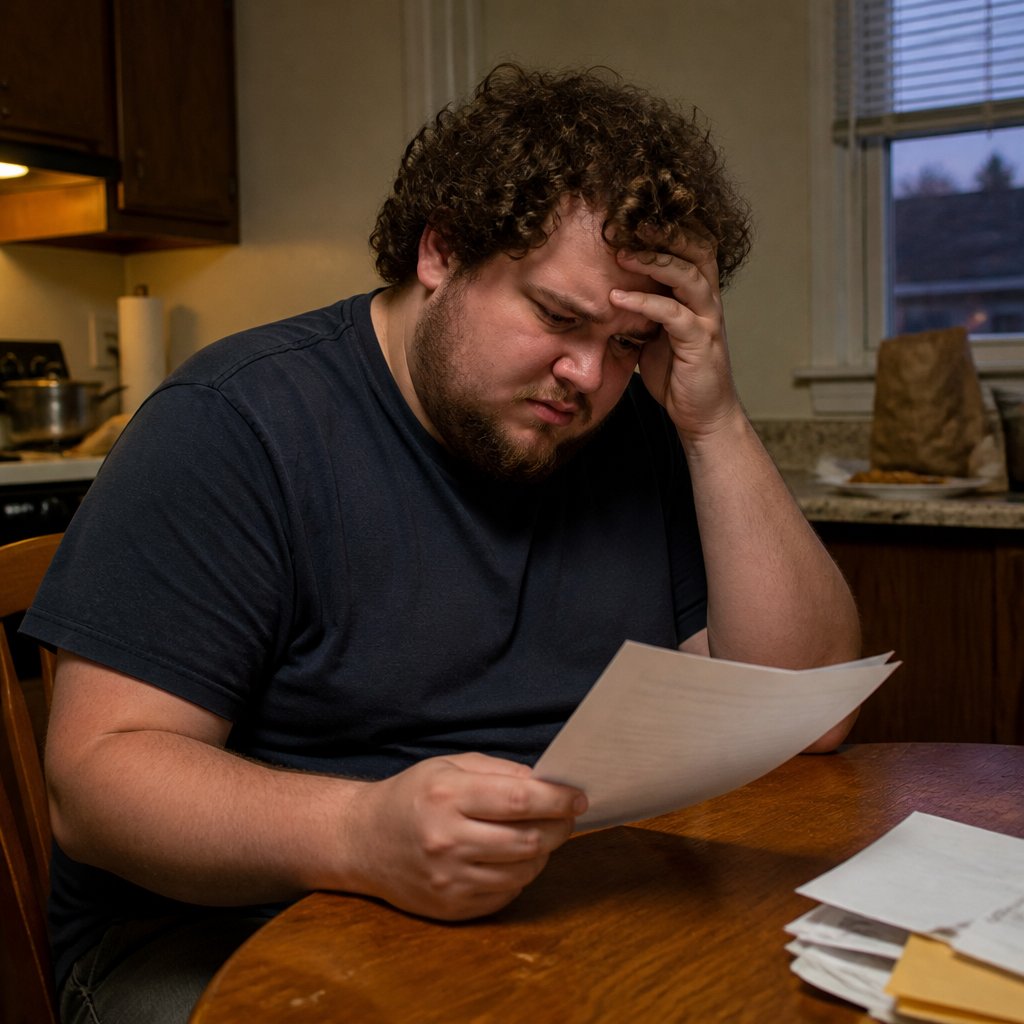
Three weeks later, Patricia Sinclair filed a motion for attorney's fees under the state's frivolous litigation statute. The judge granted it. Burger Barn's legal bill for defending this case came to $31,000. I was ordered to pay it. Thirty-one thousand dollars. That's roughly three thousand four hundred and forty-five Burger Barn chicken sandwiches, if you're counting.
Brett had taken the case on contingency, so I didn't owe him anything — small comfort when I now owed a fast food corporation more money than I made in six months. My mother called again. This time she didn't say "Mmhmm." She said something worse: "I told you so." She was right. She always is.
The Sandwich Is Still on the Billboard
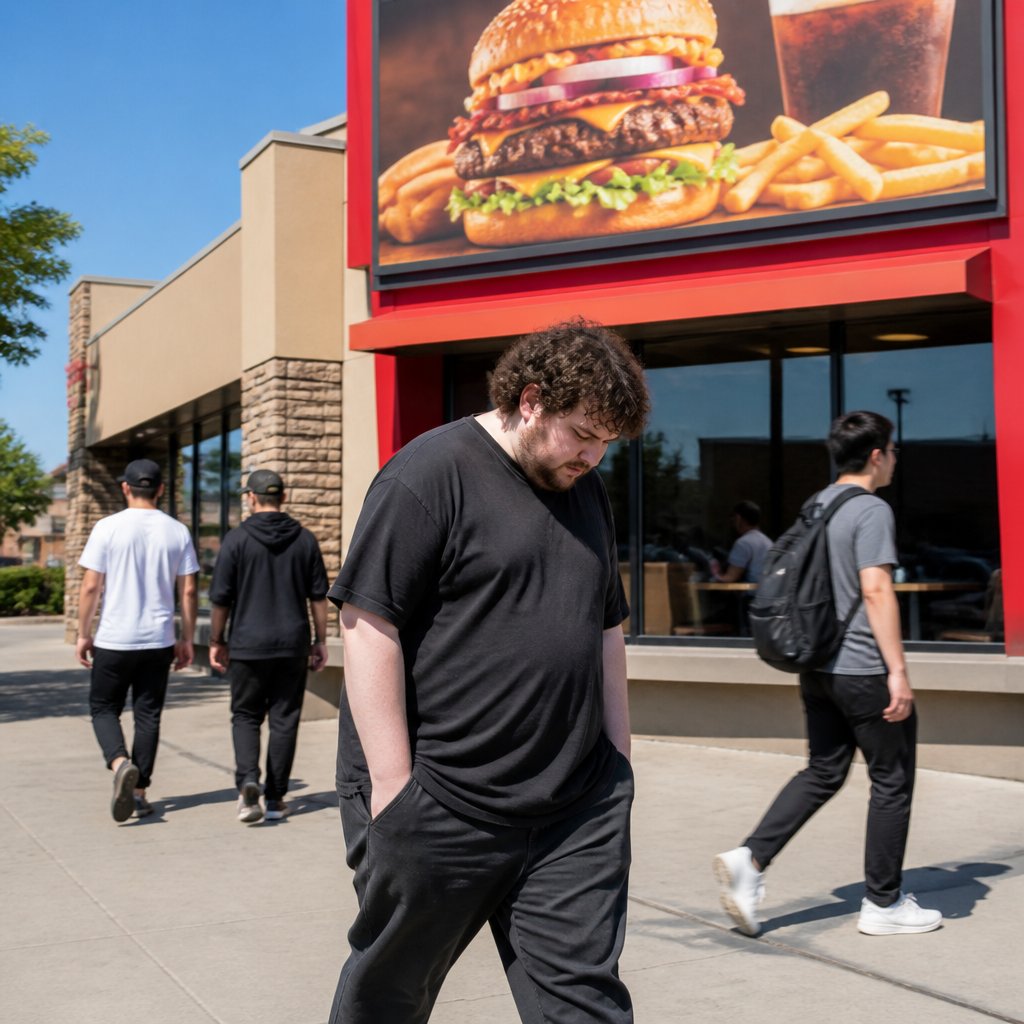
I drive past that Burger Barn every day on my way to work. The billboard is still there. Same sandwich, same impossible stack of fresh ingredients, same artisan mayo. I don't look at it anymore. I've set up a payment plan for the $31,000 — $650 a month for four years. Every month when I write that check, I think about the eight-dollar sandwich that cost me thirty-one thousand.
People still recognize me sometimes. "Hey, aren't you the sandwich guy?" I just nod and keep walking. Brett Fulgham's website now says he specializes in cryptocurrency law. I hope his crypto clients have better luck than I did. The sandwich, for the record, was mediocre. Not worth eight dollars. Definitely not worth two million. And absolutely not worth thirty-one thousand.
Was suing for $2 million justified over a sandwich?