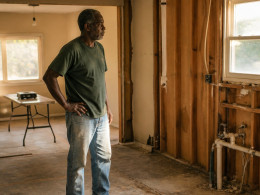




The Pool Was Supposed to Be Perfect
We'd saved for three years. Every bonus, every tax refund, every month of packing lunches instead of buying them. Eighty thousand dollars for an in-ground pool with a stone deck and a small waterfall feature. My wife Sarah had a Pinterest board with four hundred pins on it. Our kids — nine and seven — had already picked out pool noodles. It was going to be the thing that made the house feel done.
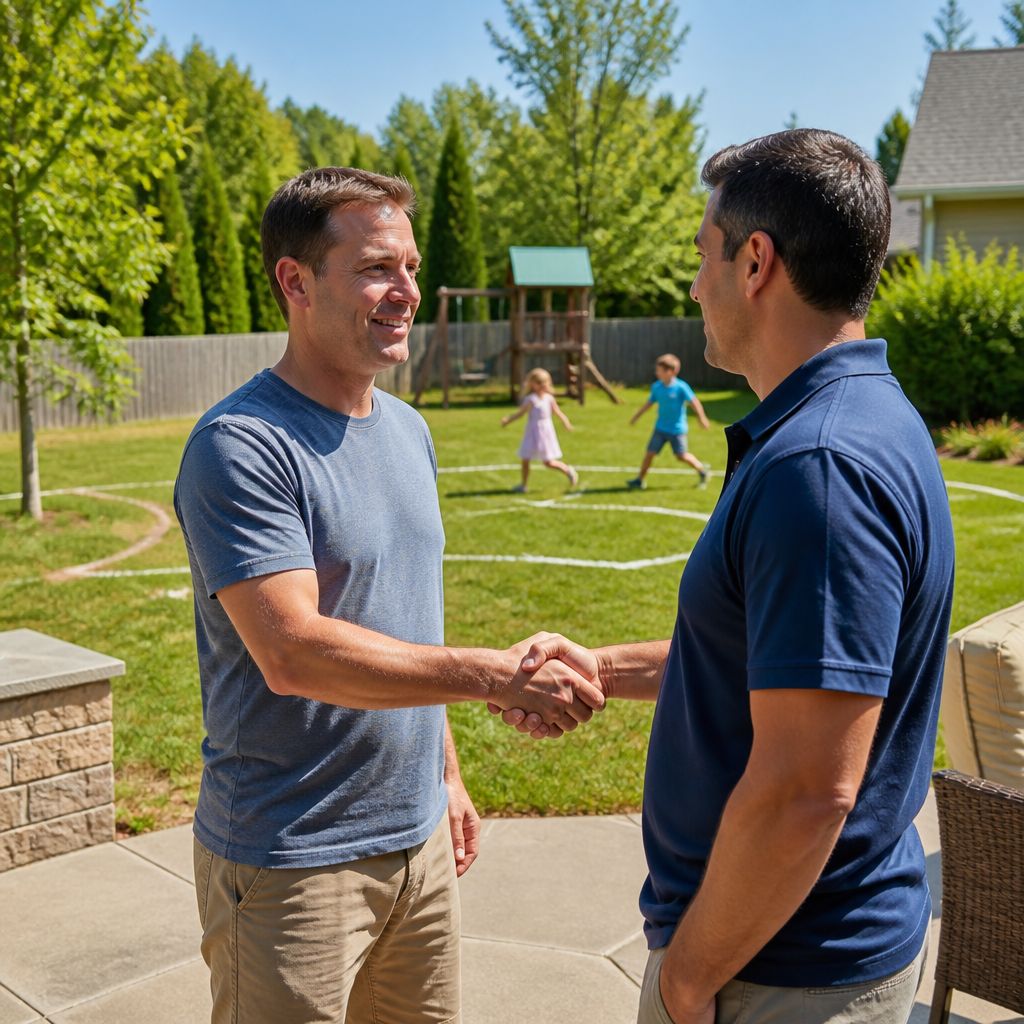
We got three quotes. Two were over budget. The third, from a company called BlueWave Custom Pools, came in at exactly $80,000 — matching our budget like they'd read our minds. The owner, a guy named Rick Tessaro, shook my hand and said we'd be swimming by June. That was March.
The Dig Started Fast
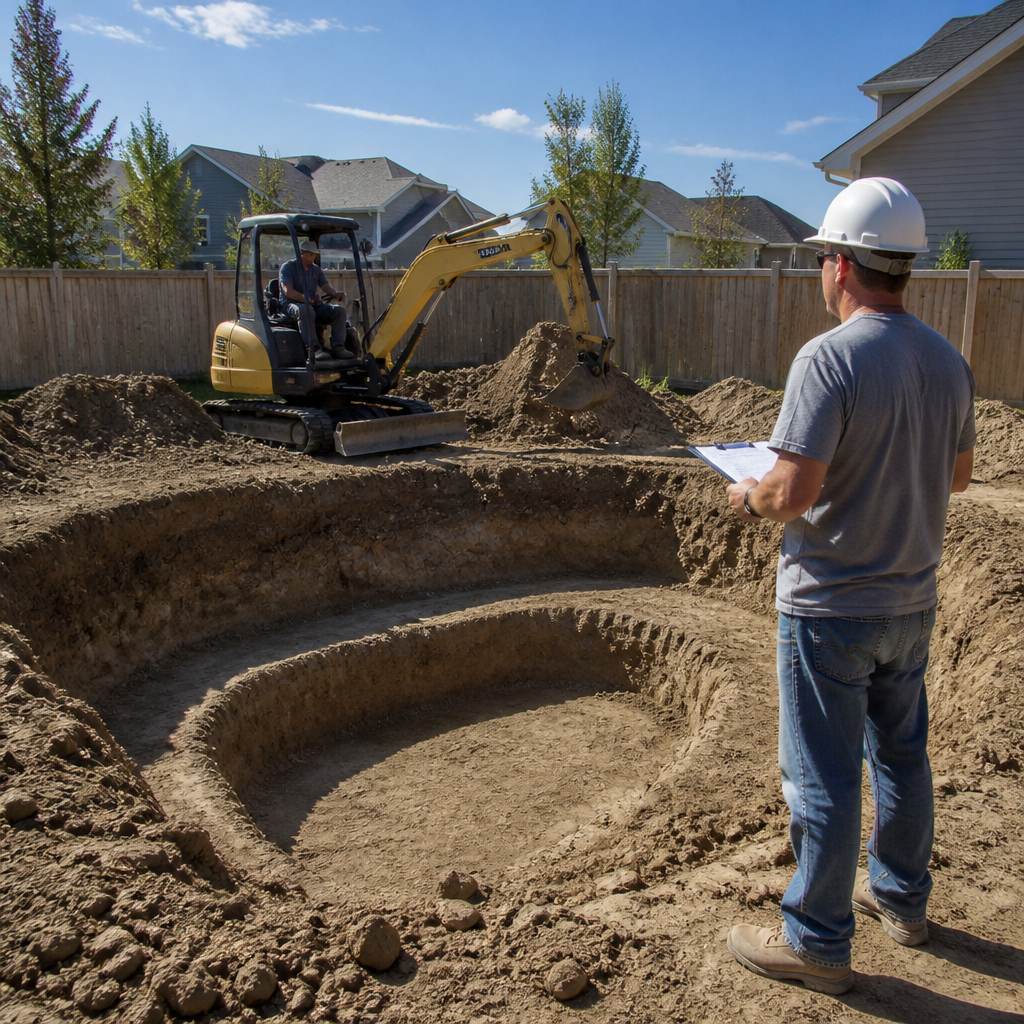
BlueWave had a crew out within two weeks. An excavator tore into our backyard on a Monday morning while I was at work. Sarah sent me videos of the hole getting deeper. By Friday it was eight feet down and shaped like a pool. The kids stood at the sliding door with their faces pressed against the glass, watching the machines work.
Rick came by every few days. Hard hat, clipboard, confident handshake. He said they were "right on schedule." He pointed at things and nodded. He used words like "gunite" and "rebar matrix" and "shotcrete cure time" that made it sound like he knew what he was doing. I had no reason to think he didn't.
June Came and Went
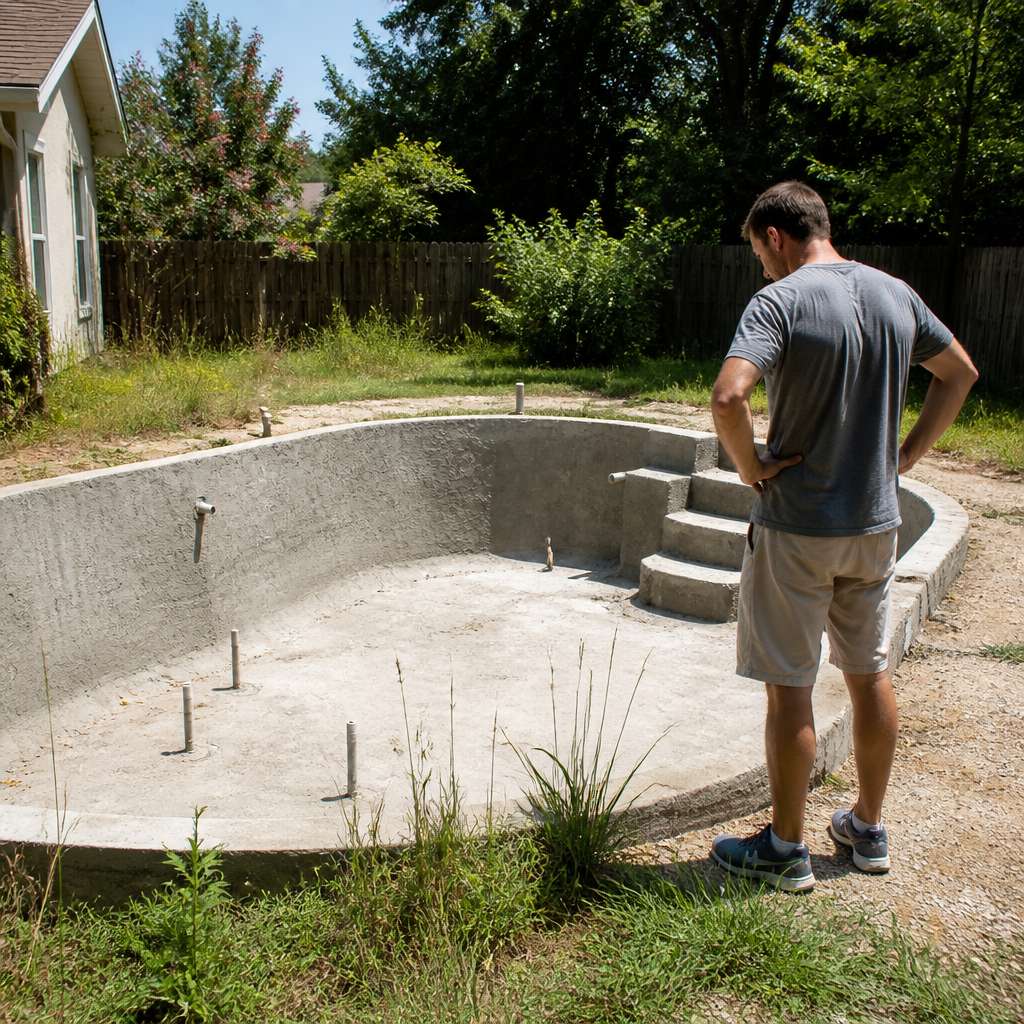
The pool was not done in June. Or July. By August, the concrete shell was in but nothing else was. The plumbing wasn't connected. The deck wasn't poured. The waterfall feature was "on backorder." Rick's crew stopped showing up for days at a time. When they did come, it was two guys instead of six, and they moved like they were being paid by the hour with nowhere to be.
I called Rick. His voicemail was full. I texted him and got one-word responses — "tomorrow," "scheduling," "next week." Sarah started a log of every missed day. By September first, we'd counted thirty-seven work days with no crew on site. The pool sat there like a gray concrete wound in our backyard.
The First Crack Appeared in September
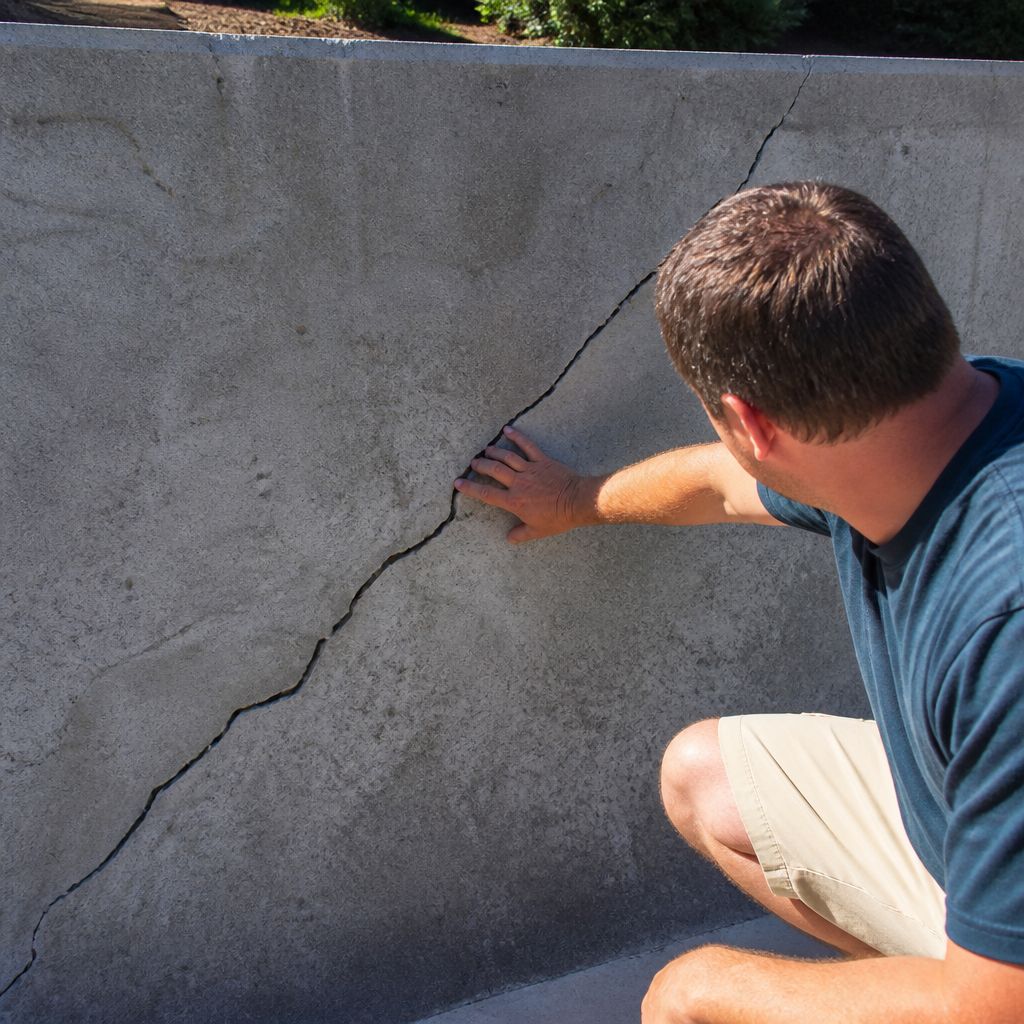
September 15th — I remember the date because it was our daughter's birthday and she'd been promised a pool party. She had a regular party at a trampoline park instead. That evening I walked out back to check on the pool and saw it: a crack running diagonally across the deep-end wall. Not a hairline crack. A crack I could fit my finger into.
I called Rick. This time, he answered. He said cracks during curing were "normal" and that they'd patch it during finishing. I wanted to believe him. I did believe him, for about two weeks, until the crack doubled in length and a second one appeared on the floor.
Rick Stopped Returning Calls
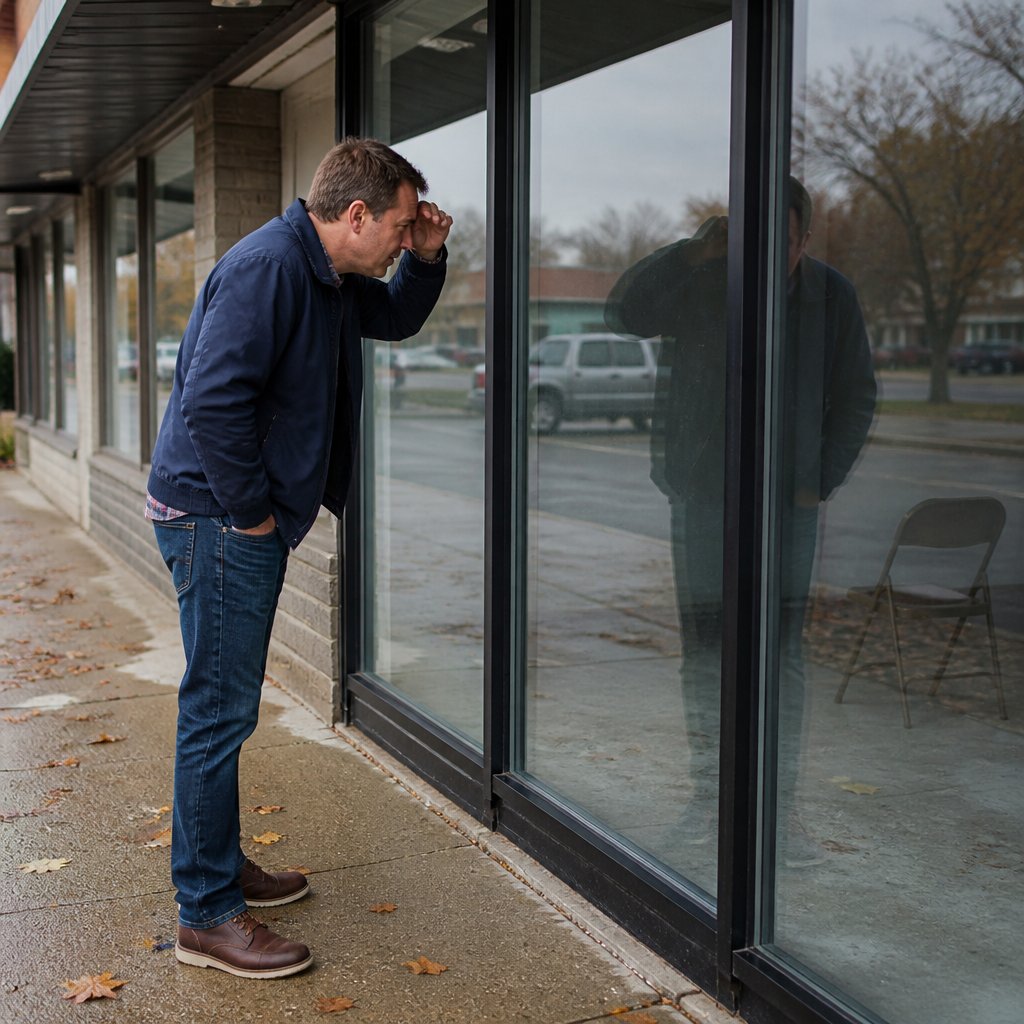
October. No calls returned. No texts answered. No crew for three straight weeks. I drove to BlueWave's office — a small storefront in a strip mall. The lights were off. A paper sign on the door said "By Appointment Only." I knocked. Nothing. I looked through the window: empty desk, no equipment, one folding chair.
I felt my stomach drop. I drove home and told Sarah. She didn't say anything for a long time. Then she opened her laptop and searched for BlueWave Custom Pools. The website was still up, still showing beautiful pools with happy families. Below it, on a review site, were four one-star reviews from the past six months. All describing the same pattern. Start fast. Disappear. Stop answering.
We Hired an Inspector
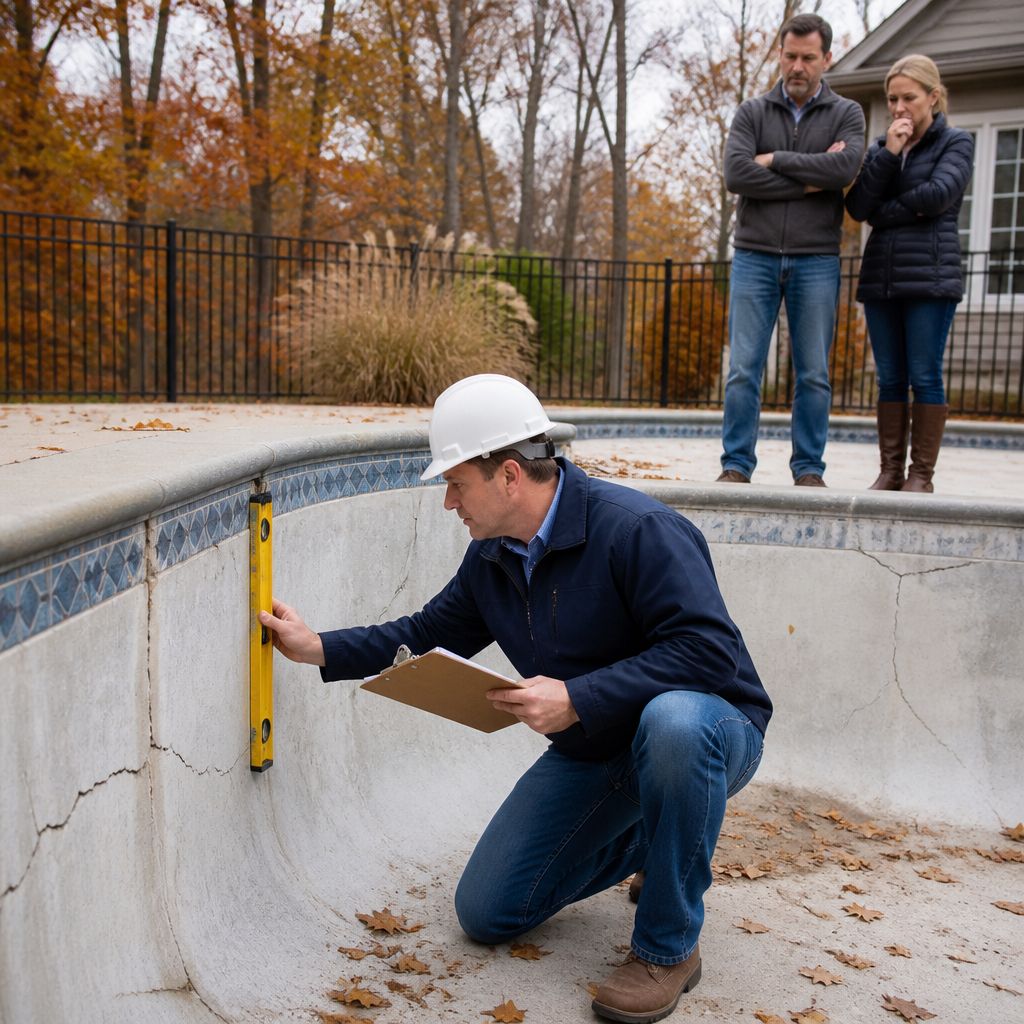
Sarah found a structural engineer through a neighbor. He came out the following week with a clipboard and a level and spent two hours in and around the pool. His report came back in four days and it was worse than I'd imagined.
The concrete shell was improperly mixed — too little cement, wrong aggregate ratio. The rebar spacing was wider than code required. The plumbing was routed wrong and two joints were already leaking underground. The cracks weren't cosmetic — they were structural failure. The pool would never hold water safely. The engineer's conclusion: full demolition and rebuild required. Estimated cost: $95,000 on top of what we'd already paid.
We Sued for $200,000

Our attorney, Martin Kaye, filed a complaint against BlueWave Custom Pools LLC and Rick Tessaro personally for $200,000 — covering the $80,000 we'd paid, the $95,000 rebuild estimate, and $25,000 for the year of our lives this had consumed. Martin said it was a strong case. The engineering report was damning. The pattern of complaints showed this wasn't an accident — it was how Rick operated.
Rick was served at a new address — he'd moved to a condo across town. He hired a defense attorney, a semi-retired guy named Phil Corcoran who mostly did DUIs but apparently owed Rick a favor.
Rick's Former Partner Called Us

Three months into the case, we got a call we didn't expect. A man named Dave Soto — Rick's former business partner — reached out to Martin's office. He said he'd left BlueWave a year earlier because of Rick's corner-cutting and wanted to help. He had photos, texts, and records from inside the company showing that Rick knowingly used substandard materials and underqualified crews to maximize margins.
Martin deposed Dave. His testimony was devastating. He described Rick mixing his own concrete at the wrong ratio to save money, hiring day laborers with no pool experience, and skipping inspections by "losing" the paperwork. It was fraud, not just incompetence. Our case felt like a slam dunk.
The Pergola We Built in August
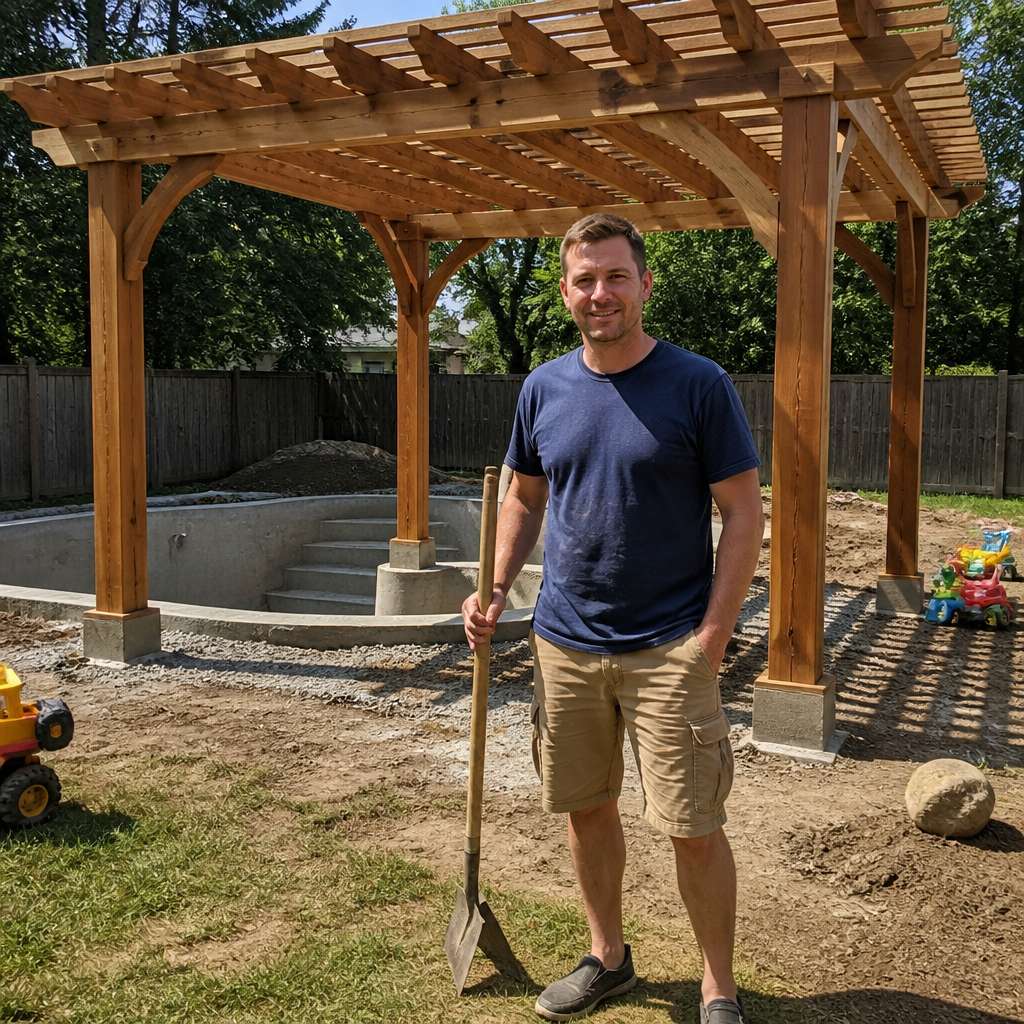
Here's the thing that nearly killed our case. In August — while the pool was sitting unfinished and we were frustrated and trying to make the backyard usable — Sarah and I built a pergola. A big one. Twelve-by-sixteen feet, cedar posts set in concrete footings, right along the back edge of the pool area. We did it ourselves over two weekends with Sarah's brother helping.
We didn't think anything of it. The pool wasn't done, the contractor had vanished, and we wanted something nice back there for the kids. The pergola was beautiful. It was also about four feet from the pool's edge, directly over the plumbing run that BlueWave had laid. We didn't know that at the time. Phil Corcoran did.
The Defense Found Our Weak Spot
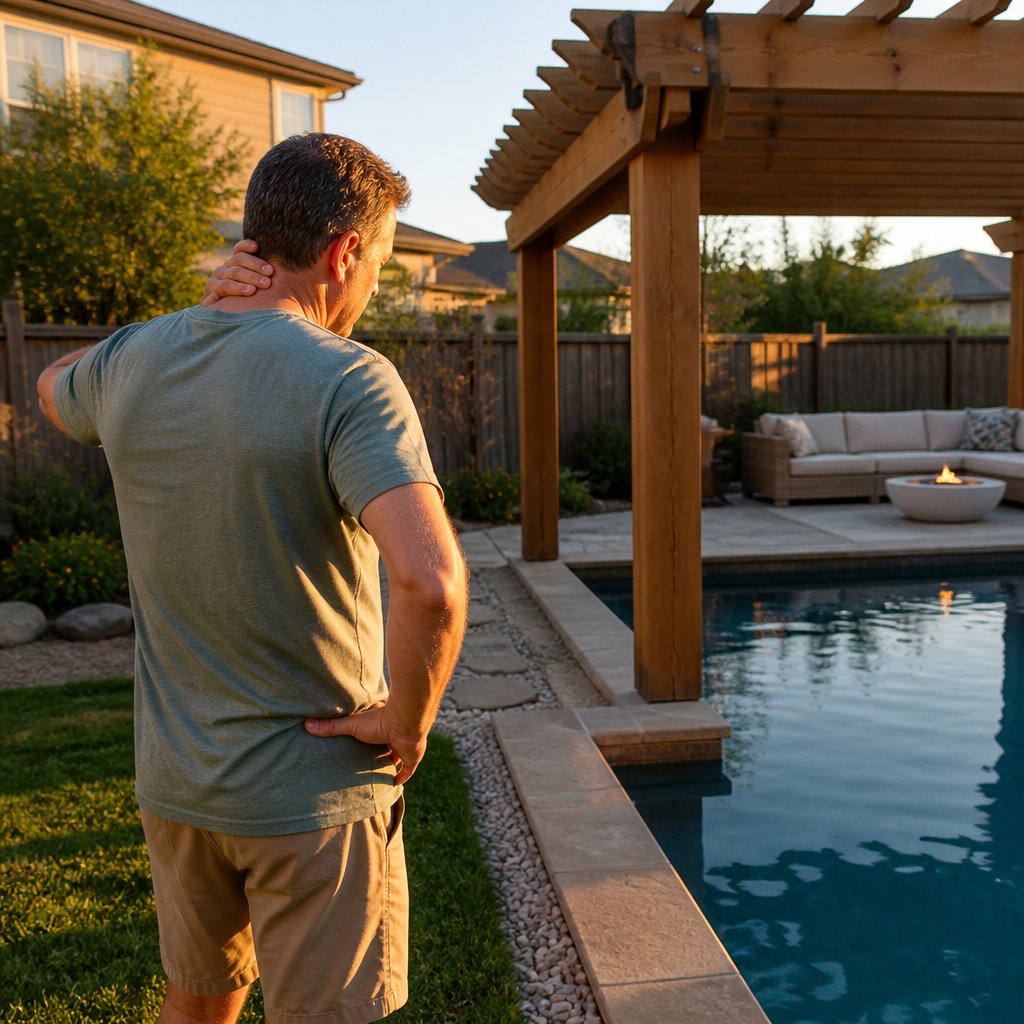
Phil Corcoran might have been a DUI lawyer, but he wasn't stupid. In discovery, he requested photos of the property taken after BlueWave's last day on site. He saw the pergola. He hired his own structural engineer — a cheap one, but credentialed — who wrote a report saying that the pergola footings, set approximately four feet from the pool edge, had potentially compromised the surrounding soil stability and contributed to the cracking.
Martin called me the evening he read the report. His voice was different. "Did you get a permit for the pergola?" he asked. I said no. "Did you check with anyone about setbacks from the pool structure?" I said it wasn't even finished, so no. He was quiet for a moment. Then he said, "This is a problem."
The Contract Had a Clause

It got worse. Martin pulled out our original contract with BlueWave and found it — paragraph fourteen, section B: "Client agrees not to modify, build upon, or alter the soil within six feet of the pool structure during or after construction without written approval from Contractor." We'd signed it. I'd read it at the time and thought it referred to the construction period. But it said "during or after."
The pergola footings were four feet from the pool edge. We'd violated the contract. It didn't matter that Rick was a fraud. It didn't matter that his concrete was garbage. What mattered was that a jury might look at our pergola and think: maybe that's what cracked the pool.
Our Engineer Said It Didn't Matter
Our structural engineer reviewed the defense's claim and said it was nonsense. The pergola footings were shallow — eighteen inches — and the pool's cracks were caused by improper concrete mix and rebar spacing, not soil movement. The cracks were on the deep-end wall, fifteen feet from the nearest pergola footing. Structurally, the pergola couldn't have caused the damage.
But Martin warned me: engineering isn't jury psychology. "A jury sees a family that built something without a permit right next to a cracking pool," he said. "They might not follow the engineering. They might just think you messed with it." That kept me awake for three nights straight.
The Trial Was in February
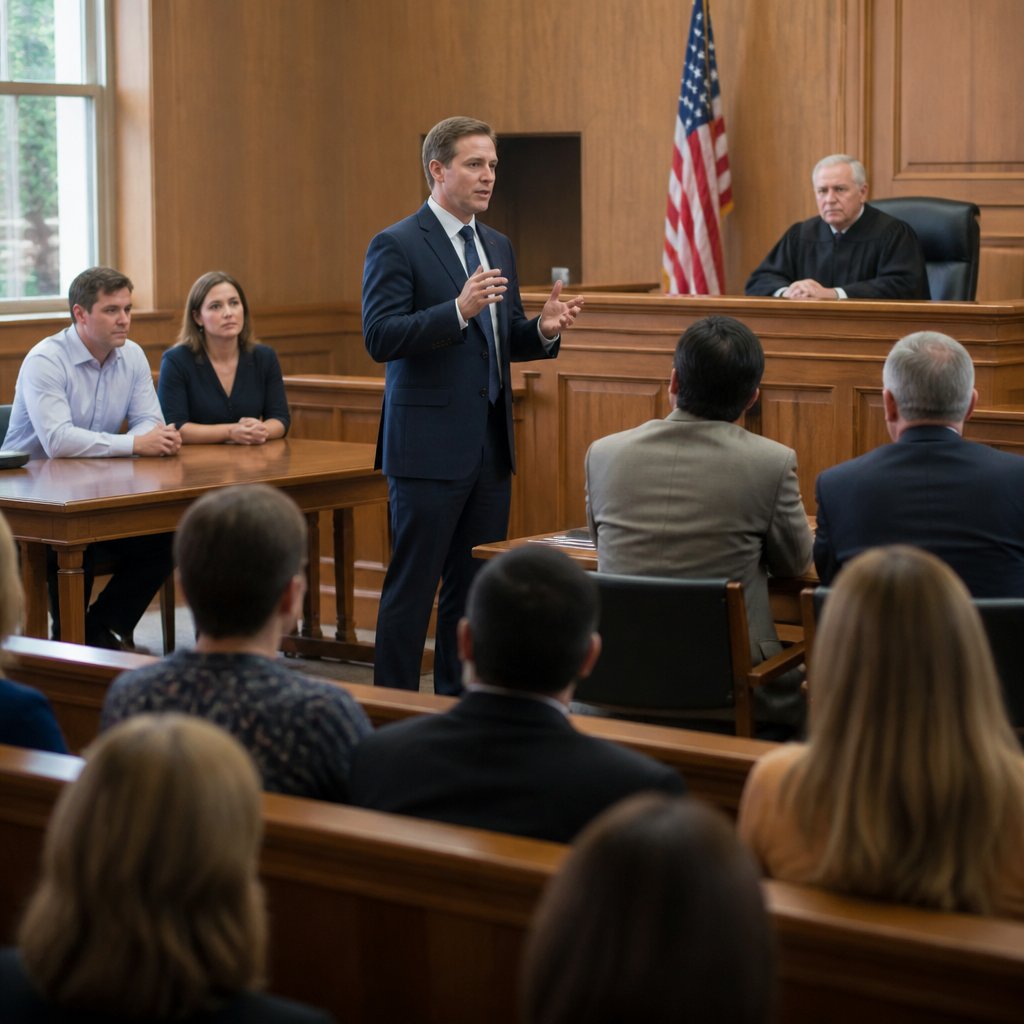
Eleven months after filing, we were in court. The courtroom was standard — wood paneling, flag, fluorescent lights humming. Rick Tessaro sat at the defense table in a blazer that didn't fit right, looking like a man who'd been dragged there against his will. Phil Corcoran had his reading glasses on and a yellow legal pad full of notes.
Martin gave our opening: $80,000 paid for work that was structurally deficient. A pattern of fraud. A contractor who vanished. Dave Soto's insider testimony. The engineering report. It felt strong. Then Phil stood and said two words that changed the temperature: "The pergola."
Dave Soto Was Devastating
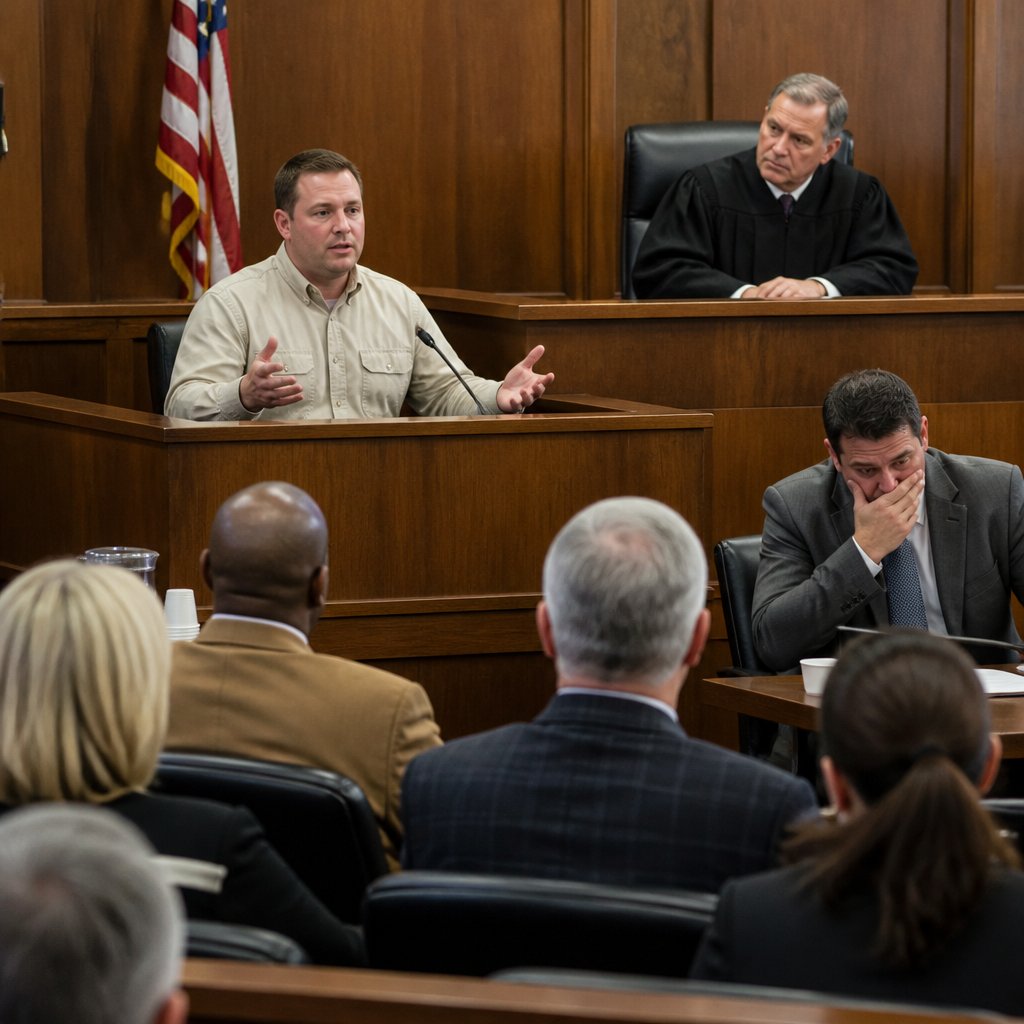
Dave's testimony was everything Martin promised. He described Rick's operation in detail: the wrong concrete mix, the underqualified crews, the skipped inspections. He showed the jury internal texts where Rick joked about "getting away with it." He described the day he left BlueWave — he said he couldn't sleep anymore knowing what they were building would eventually fail.
Phil's cross-examination was brief. He asked Dave if he had a personal grudge against Rick. Dave said yes — Rick owed him $14,000 in back pay. Phil nodded like that proved something. It didn't. The jury was already looking at Rick differently.
Then Phil Played the Pergola Card
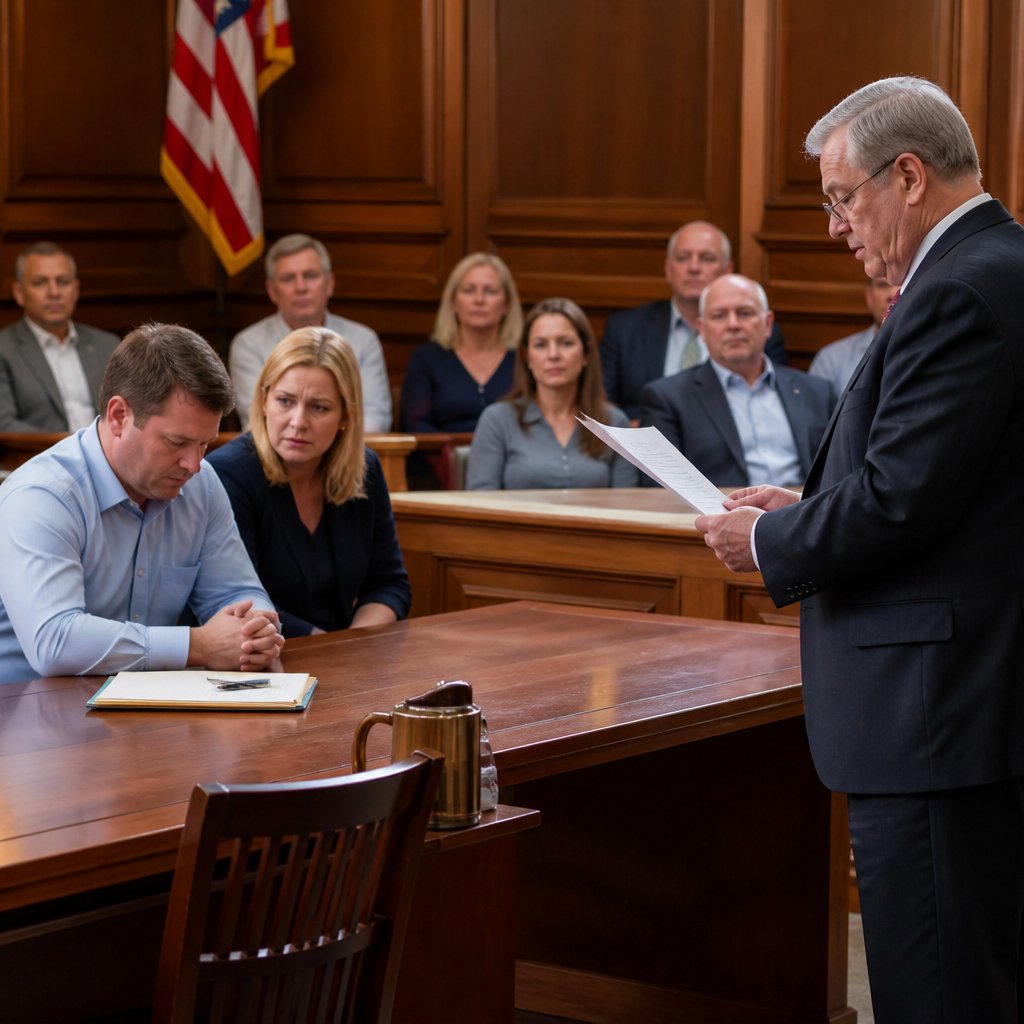
Phil's defense was simple. He didn't try to argue Rick was a good contractor. He argued that we'd voided our right to full damages by modifying the property. He put his engineer on the stand — a guy who sweated under the courtroom lights and admitted under cross that he couldn't prove the pergola caused the cracks. But he said it "couldn't be ruled out."
Then Phil read paragraph fourteen, section B of our contract out loud to the jury. Twice. He asked me on the stand: did you read this before you signed? I said yes. Did you get approval before building the pergola? I said no. He said thank you and sat down. Six words. That was his whole cross of me.
Martin Fought Back
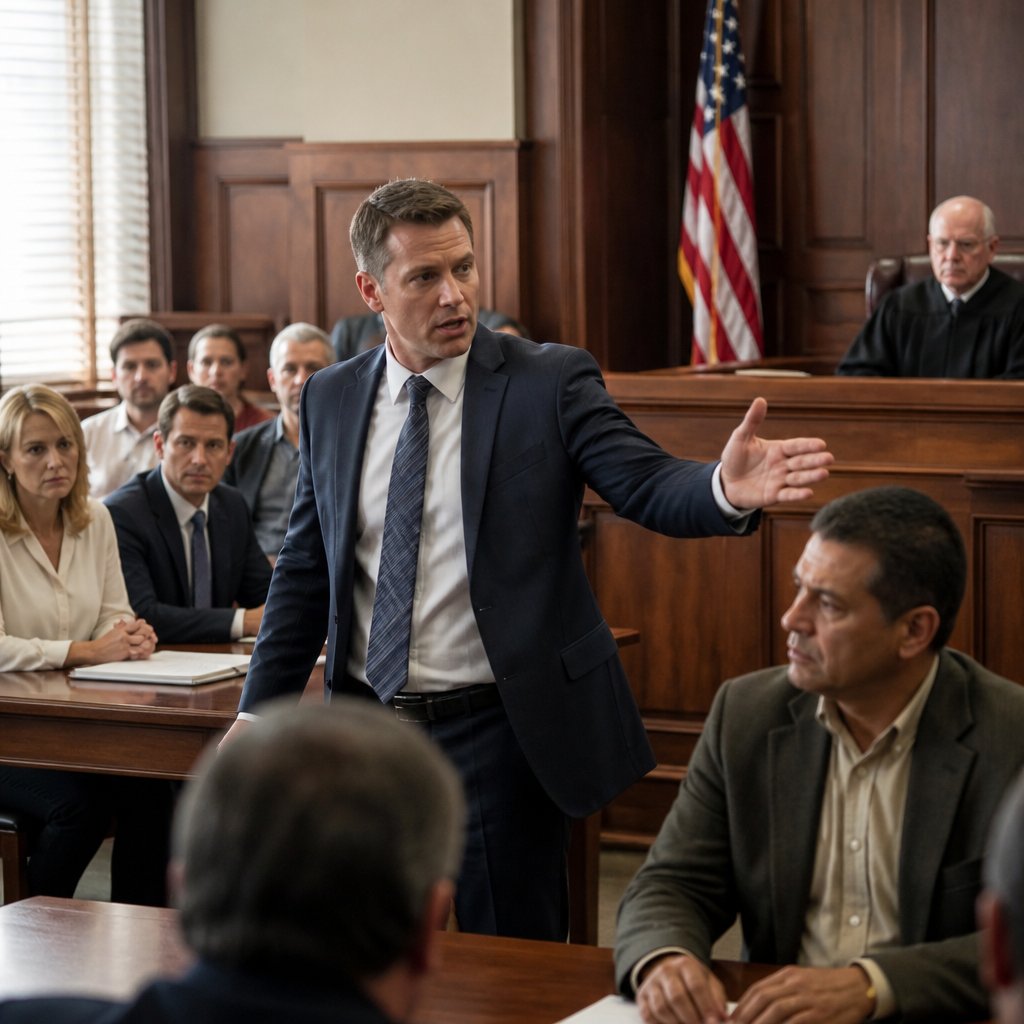
Martin's closing was his best work. He told the jury: Rick Tessaro is a con artist. He took $80,000 from this family and built them a pool out of garbage. He's done it before. His own partner couldn't stomach it. The cracks in that pool are from bad concrete — not from a pergola that's fifteen feet away with eighteen-inch footings. Don't let a contract clause written by a fraudster become his escape hatch.
It was good. The jury was nodding. But Phil's closing had that one line that stuck: "They signed a contract. They broke it. Now they want full damages anyway." Simple. Devastating in its simplicity.
The Jury Split the Baby
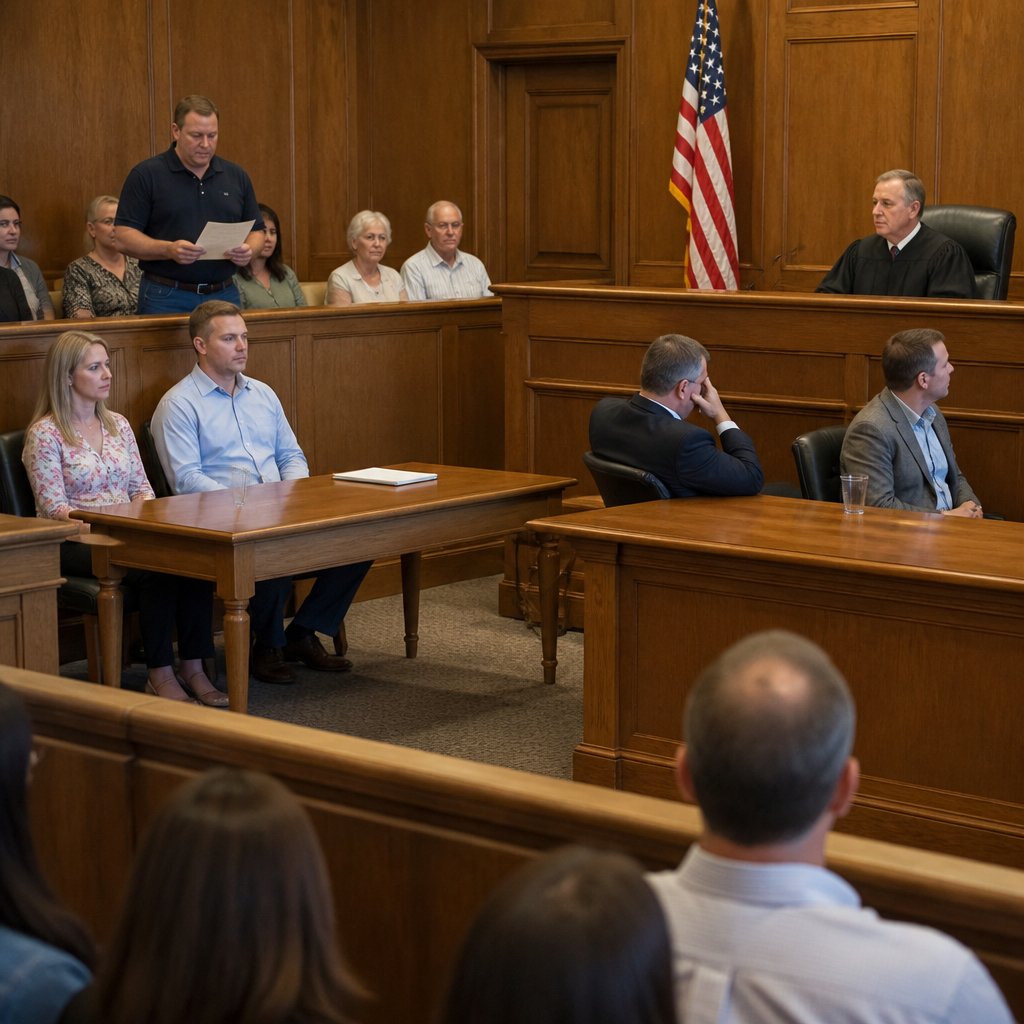
The jury deliberated for four and a half hours. When they came back, the foreperson — a retired electrician who'd been taking notes all week — read the verdict. They found BlueWave liable for fraud and breach of contract. They awarded $45,000 in damages.
Forty-five thousand. Not the $200,000 we'd asked for. Not even the $80,000 we'd paid. Forty-five thousand — basically the cost of materials Rick had actually used, minus the value of the "work" that was salvageable (which was almost nothing, but the jury apparently found something). The pergola clause had worked. Not enough to sink us completely, but enough to gut the award.
After Fees, We Got $28,000

Martin's contingency was thirty-three percent. After his fee and costs, we received $28,000. We'd paid $80,000 for a pool that needed to be demolished. The demolition alone would cost $15,000. We were in a deeper hole than when we started — financially, emotionally, all of it.
Martin said we could appeal the damages. He said the pergola argument was legally weak and an appellate court might see it differently. But appeals take a year. Another year of this. Sarah and I sat in the car outside the courthouse and looked at each other. She said, "I don't want to do this anymore." I didn't either. We drove home.
The Pool Is Still a Hole
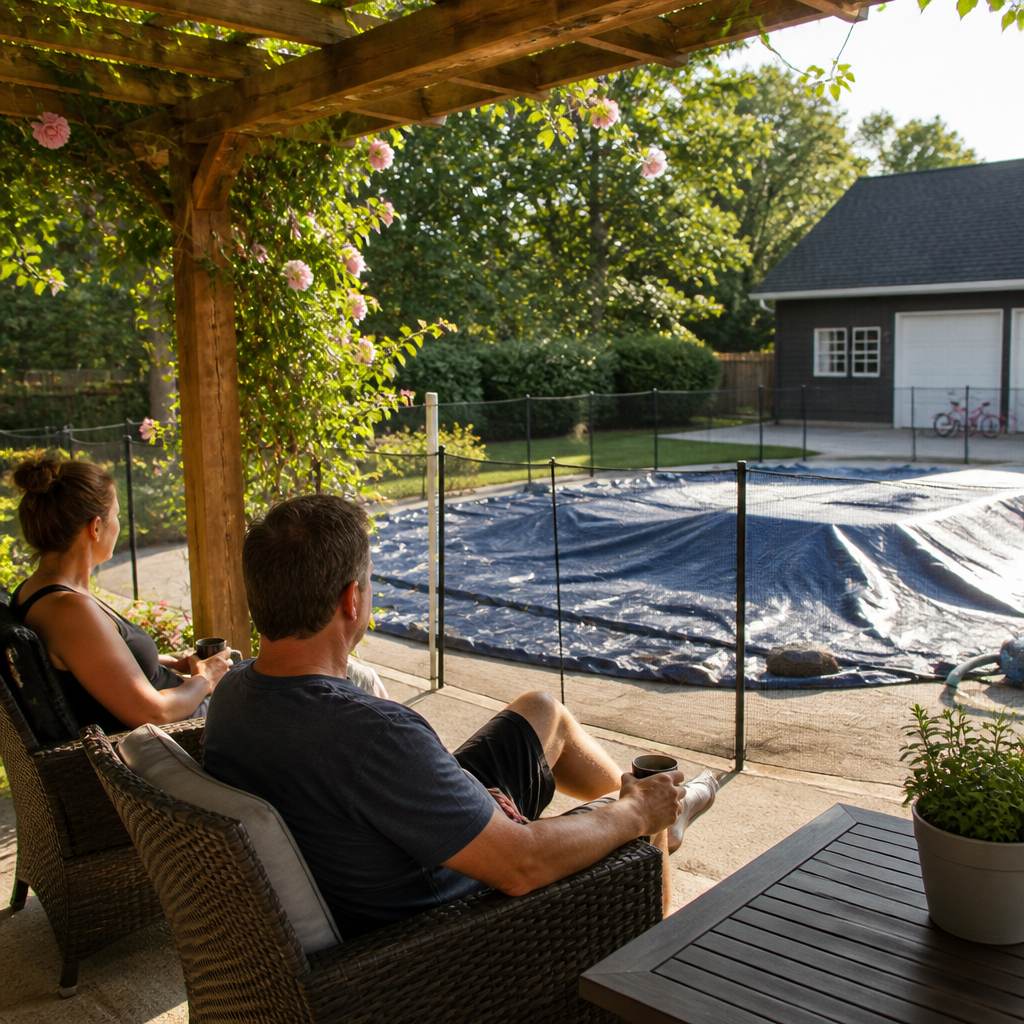
It's been eight months since the verdict. The pool is still in our backyard — an empty concrete shell with cracks in the walls and weeds growing through the floor drain. We can't afford to demolish it yet. We can't afford to fix it. We put a temporary fence around it because of the kids and threw a tarp over it so we don't have to look at it from the kitchen window.
The pergola is still there too. It's nice, actually — Sarah planted climbing roses on it last spring and they've started to fill in. We sit under it on weekends and drink coffee and don't talk about the pool. The $28,000 went to credit card debt we'd accumulated during the lawsuit. Rick Tessaro, according to Google, is operating under a new company name in the next county. Same game. Different families. We keep hoping someone else's case will stick better than ours did.
Should they have pursued the case despite the outcome?