



A Tall Hedge Appears Overnight
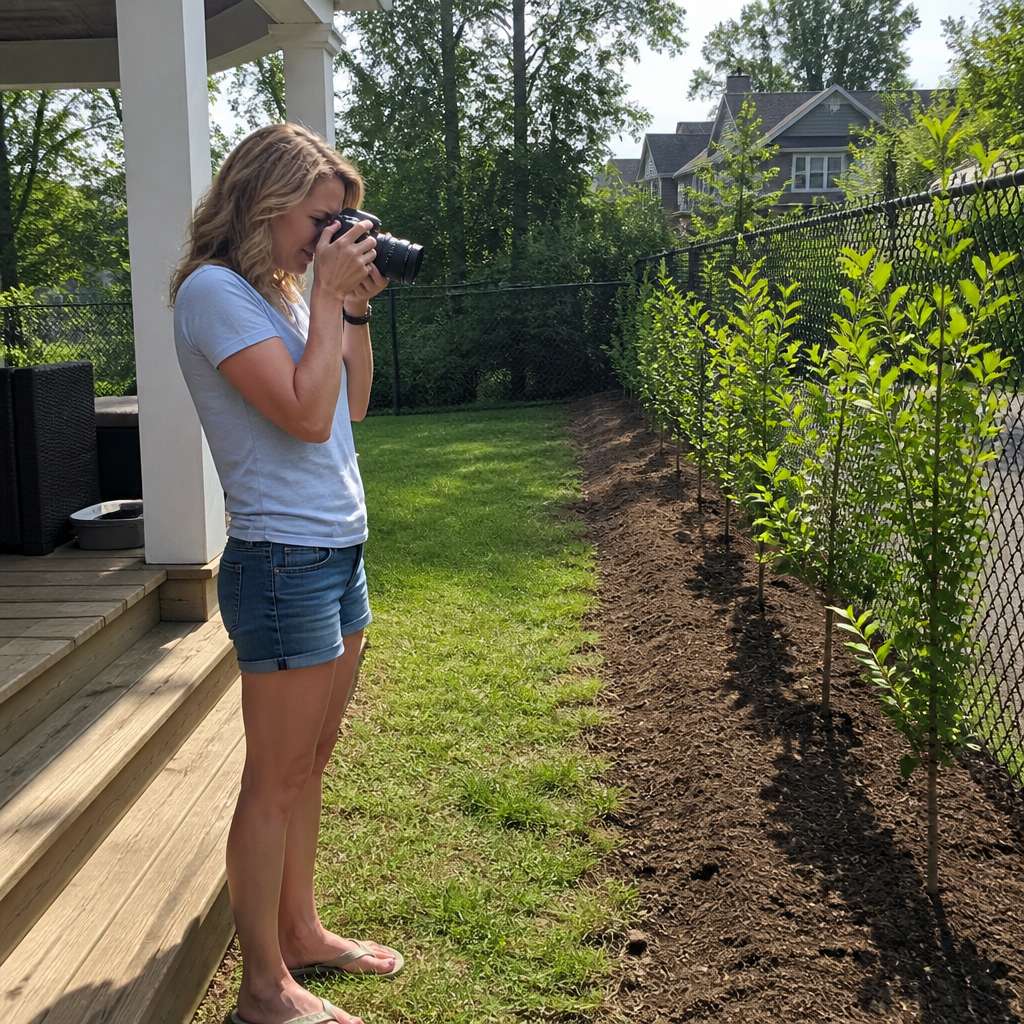
It started with a neat line of saplings right on the fence line between my yard and Darren’s. I noticed them one weekend afternoon, just small green spikes poking through the dirt. By the next weekend, they were already thicker and taller, casting thicker shadows over my patio. I took some photos from the back porch, framing the row against the chain-link fence. They looked less like a casual planting and more like a deliberate wall going up. The way they lined up perfectly and their uniform height made it clear: this wasn’t about landscaping. It was about blocking. The air smelled faintly of fresh earth, and the breeze carried the rustle of tiny leaves vibrating in the sun.
I wondered if the saplings’ quick growth had been planned for this exact spot — right where my protected view corridor from the kitchen window started. I hadn’t said anything yet, but in the back of my mind, I already felt a twinge of worry about what Darren’s intentions might be.
Hedge Blocks The Sunset View
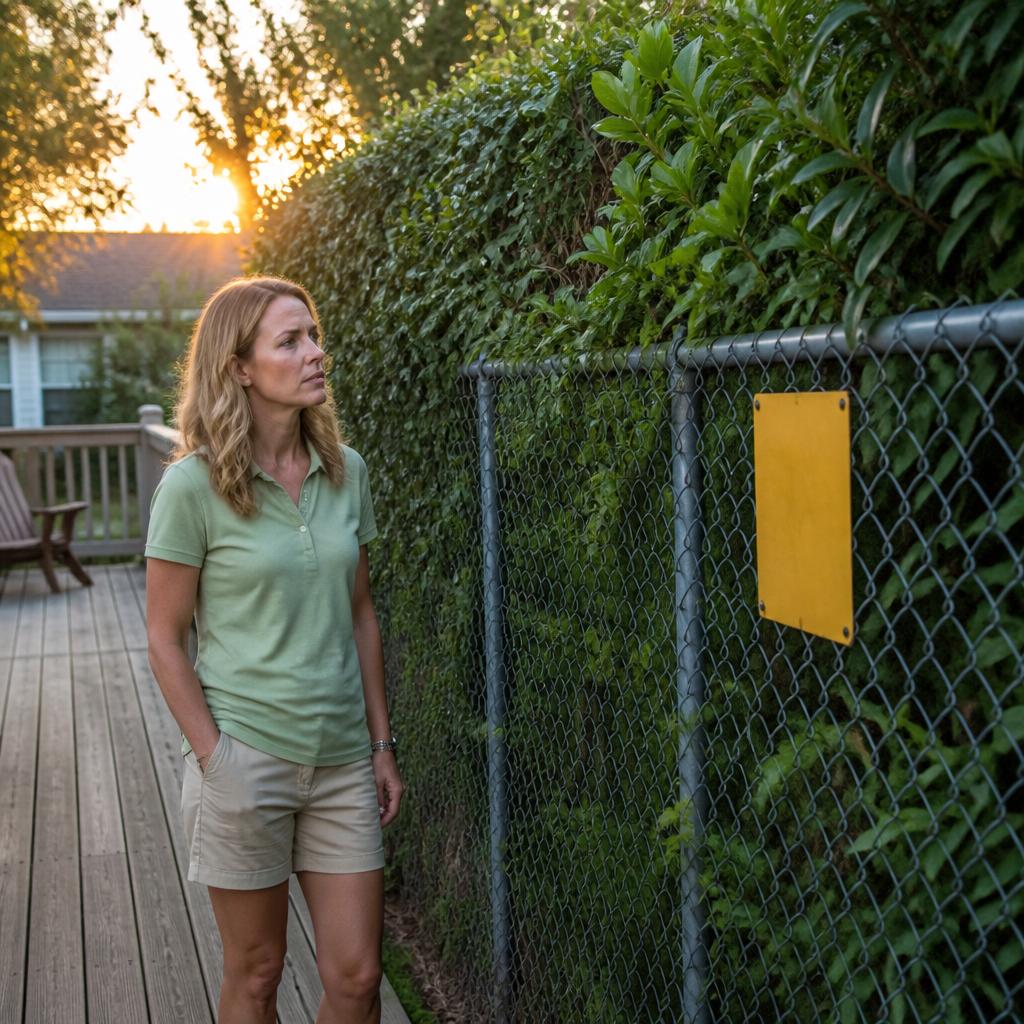
Within weeks, the saplings had shot up past my shoulder. I stood on the patio one late afternoon, watching the sunset light fade as the dense green wall crept higher. The corridor of sky and colors I’d enjoyed every evening was rapidly disappearing behind the thick hedge. I noticed a new "No Trespassing" sign nailed to the fence, angled right toward my side of the yard. It was the first clear signal that Darren wasn’t just planting for privacy—he was making a statement.
I stepped closer to the hedge, brushing my fingers over the prickly leaves. The scent was earthy, almost damp with the recent watering I’d seen him do when I walked by. My shoulders tightened as I realized this was more than an annoyance—it was a social escalation. Darren was telling me to keep out, to stay off the boundary, and maybe to stop complaining.
Measuring The Protected View Corridor

One morning, I pulled the city’s recorded view-protection map from their website and spread it out on the kitchen table. The paper felt rough under my fingers. Using a protractor and a tape measure, I taped strings across the window frame and along the wall to physically mark the protected angle projected from my kitchen window. It wasn’t just a vague idea anymore. I could measure it. I taped the strings so they stretched tight across the glass, slicing the light into a clearly defined corridor. It was precise, undeniable, and most importantly, enforceable.
The morning sun cast sharp lines of shadow through the strings onto the kitchen floor. I touched the corridor gently, feeling a small thrill that this wasn’t just a feeling anymore — it was a legal boundary in three-dimensional space. But would Darren respect that physical and legal reality?
Darren Denies And Provokes Fight
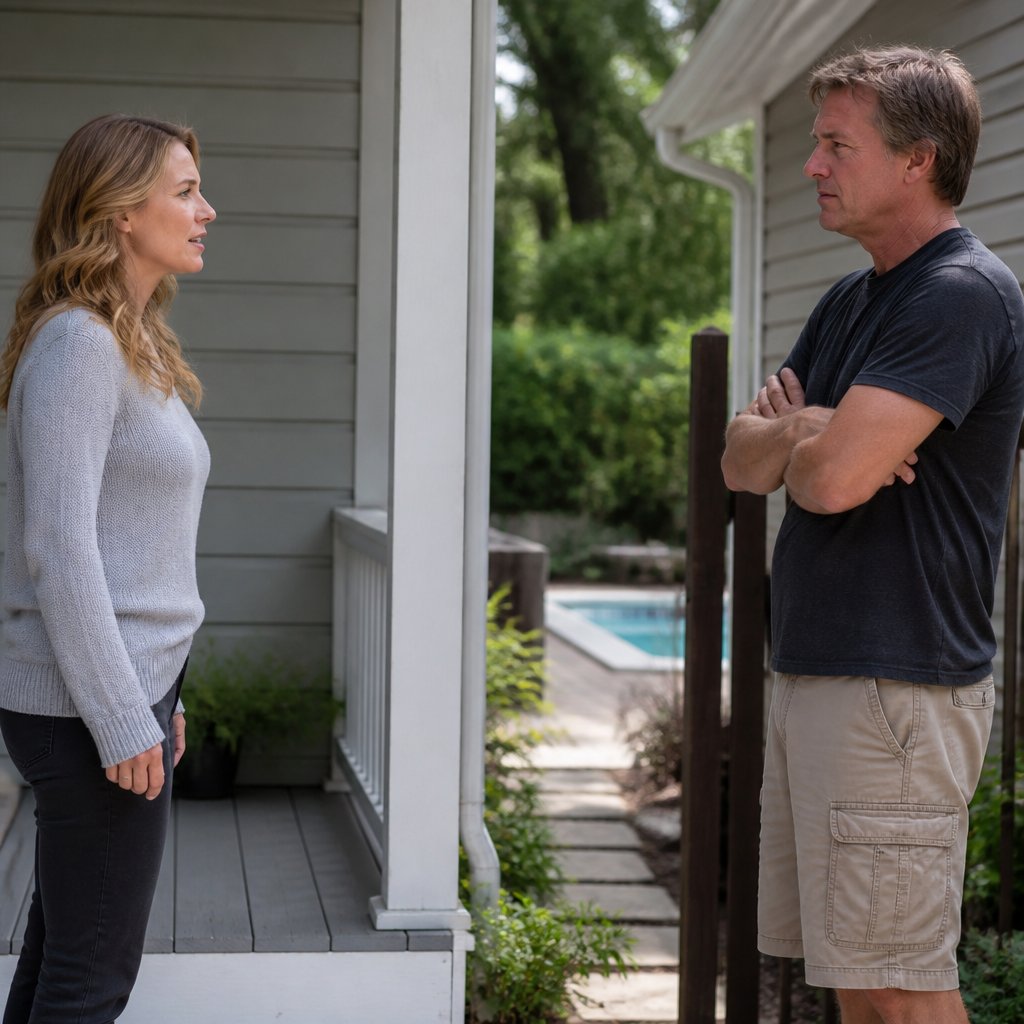
I went to Darren’s door to talk one morning, hoping to clear the air. He opened wearing a faded dark T-shirt and cargo shorts, eyes narrowed. Instead of listening, he accused me of staring into his backyard and watching his pool through the hedge. His tone was defensive, almost hostile. He said my concerns about the hedge were personal accusations against him, not valid property complaints.
He dared me to report him to the city if I thought the hedge was illegal. It was clear Darren wanted a fight, not a conversation. The faint smell of chlorine lingered from the pool behind him as he stood with his arms crossed. I left feeling heavier than before, thinking this wasn’t going to be a simple zoning issue but a personal battle.
No Permits Found For Hedge

I contacted the city’s building and code enforcement offices, requesting any permits filed for the hedge or landscaping on Darren’s property. After several calls and emails, I received confirmation: there were zero permits for any fence or hedge planting along that boundary in the past two years. I compiled the photos I’d taken, the dates I recorded, and the relevant ordinance language into a clean packet and sent it over to code enforcement.
Weeks later, the enforcement officer called. They explained that vegetation enforcement is treated as a gray zone, especially for privacy hedges. They said the ordinance language was clear but applying it to growing plants was complicated. I could almost smell the faint mustiness of old paper from their office as the officer described the challenge. It was getting obvious that the regulatory framework might not be enough to stop a determined hedge grower.
Survey Demand Raises The Stakes
The enforcement officer’s quiet warning stayed with me: "Vegetation cases are messy." They said that before taking any action, I’d need a professional land survey to prove exactly where the hedge sat relative to the fence and the ordinance setback. I realized suddenly that the clear ordinance wasn’t enough on its own — I had to pay for a precise survey to build my case.
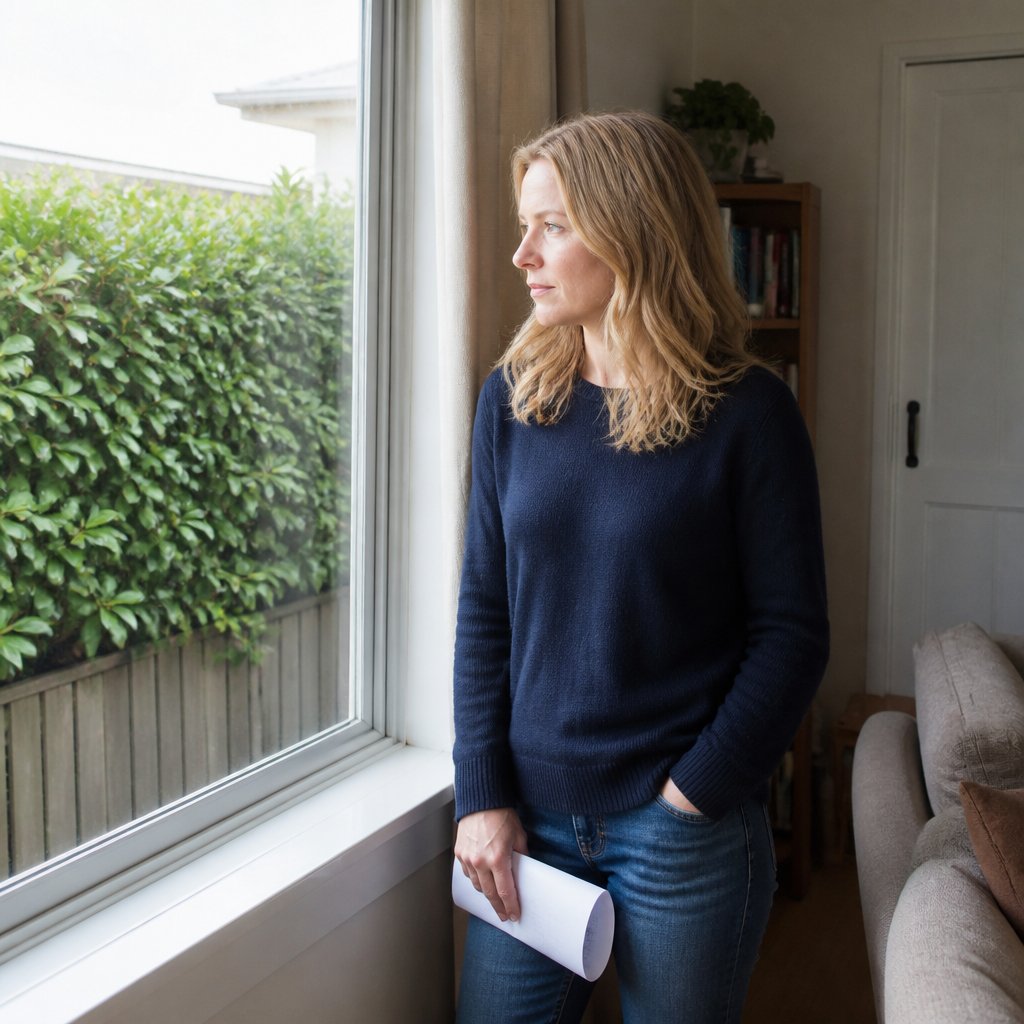
Standing in my living room wearing a navy sweater and jeans, I looked out the window at the rapidly growing hedge. The faint smell of fresh pine from the hedge drifted inside with the breeze, but inside, the weight of the cost and paperwork was heavier. I wondered where I’d find an affordable surveyor and how long this process might drag on.
Neighbors Rally Against Regulations
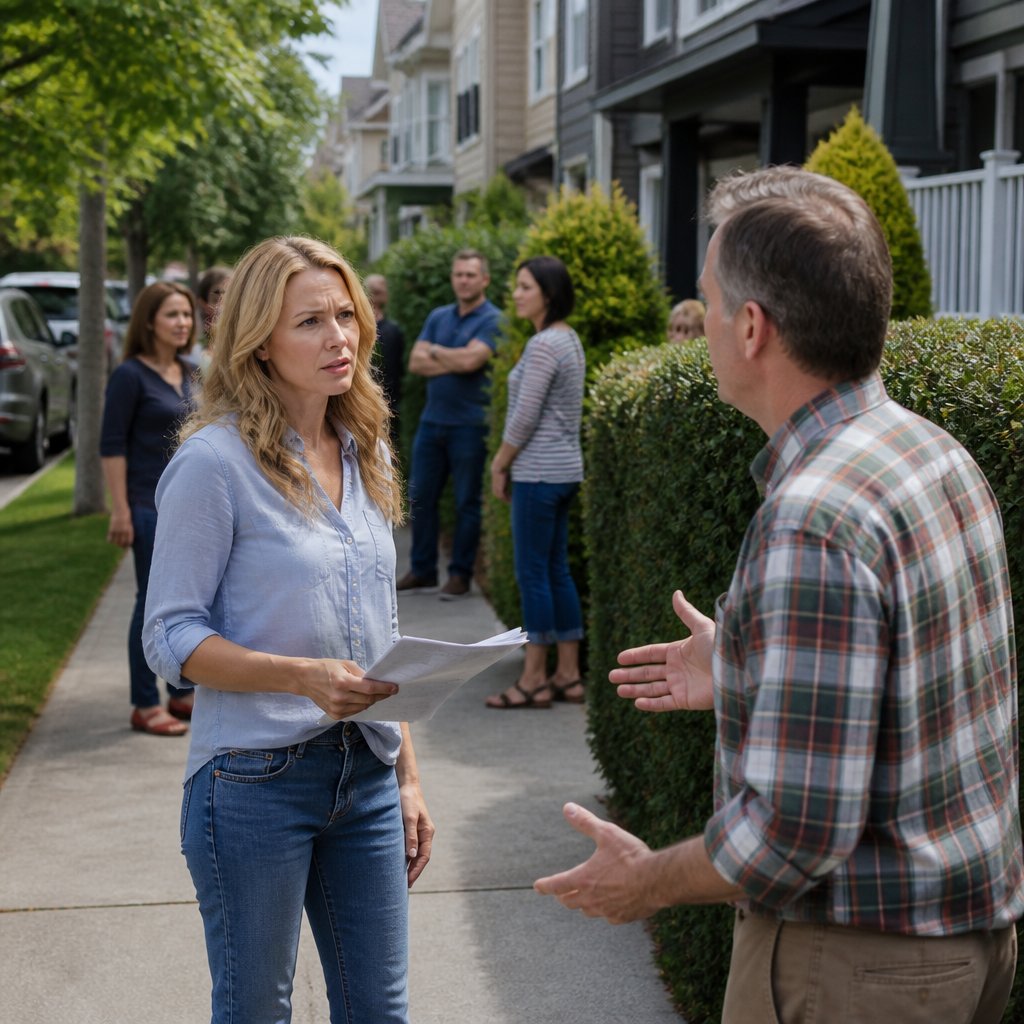
I filed the formal planning complaint with the city, hoping to get some official action on Darren's hedge. Within a week, I was notified of an administrative hearing date. I thought this might be the turning point. But then, an email started circulating through the neighborhood—the source was Darren. He framed the complaint as me "weaponizing regulations" to harass him and disrupt the community. The language was charged, warning neighbors about overreach and angry city officials meddling in property rights.
Over the next few days, I noticed a shift in the neighborhood’s mood. Some of the neighbors who had been silent before now approached me cautiously or avoided me altogether. Darren seemed to have stirred political pressure on the city, pushing them to reconsider before acting. I could feel the tension in the air during morning walks past their houses. The cedar hedge swayed thickly in the breeze, glaring like a green barricade.
Despite the pushback, the city confirmed the hearing was still on. But with the neighborhood turned against me and Darren rallying support, I wasn't sure if the hearing would be fair or just a formality. Could this political pressure from neighbors and the community prevent the city from enforcing the ordinance altogether?
Photos, Ordinance, And A Hearing

The day of the administrative hearing arrived, and I prepared as best as I could. Darren showed up with a thick folder of photos—pictures of me entertaining friends, kids playing loudly near my property, and scenes of what he called my "disruptive lifestyle." It felt like he was trying to make me appear unreasonable or a nuisance, rather than focusing on the hedge's violation.
In response, I laid out the city ordinance clearly. I presented the survey map, which showed the exact property lines and the view corridor the city protected. I also brought a timeline of the hedge’s growth, marked with photos taken over the months, documenting the hedge exceeding permitted heights. I spoke calmly about the ordinance’s intent; to maintain neighborhood character, light, and views.
But the hearing officer didn't promise anything. She listened, asked a few questions, then adjourned the session. The decision was out of my hands now. I could feel the weight of uncertainty as I left the room. The scent of fresh pine from Darren’s hedge lingered in the air as I stepped outside.
Would the hearing officer side with the city's regulations or Darren’s claims? The waiting began.
Violation Issued, Appeal Filed
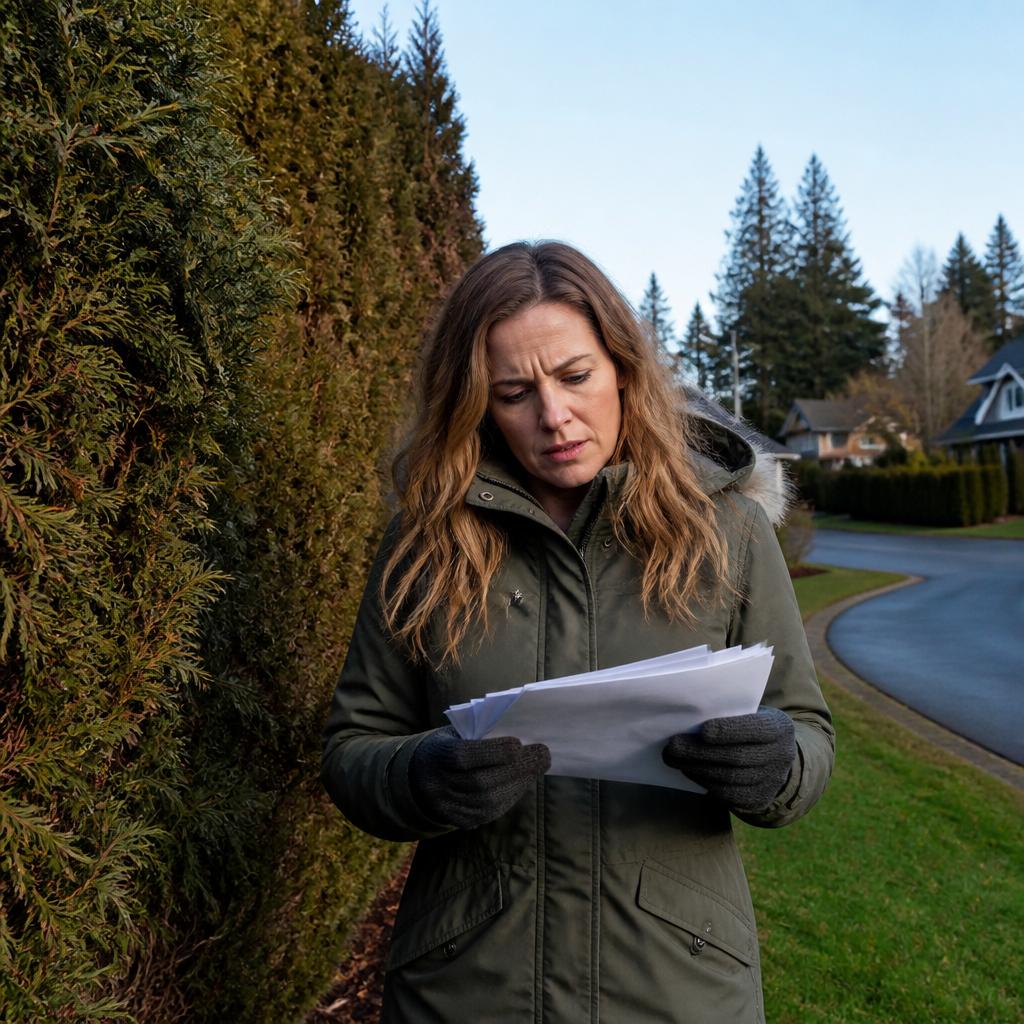
A few weeks later, the city sent me a notice: they had issued a violation against Darren for exceeding the maximum hedge height per the ordinance. The letter specified the maximum allowed height and gave a deadline for compliance. I felt a surge of hope. Finally, the city was enforcing the rules.
But then I learned Darren had filed an appeal against the violation. The appeal process triggered an automatic pause on enforcement until the city reviewed his appeal. This gave him legal breathing room. While the appeal was in process, none of the cutting or trimming could happen without risking further dispute.
With the hedge now protected by this pause, I could see Darren continuing to let it grow or at least not reduce it in any meaningful way. The thick smell of cedar resins filled the air whenever I walked past, a constant reminder that the hedge was still towering.
The delay was frustrating. How long would the appeal stall the enforcement? Could the process drag on indefinitely, leaving me with a blocked view and no real recourse?
Strategic Trimming Creates New Problems
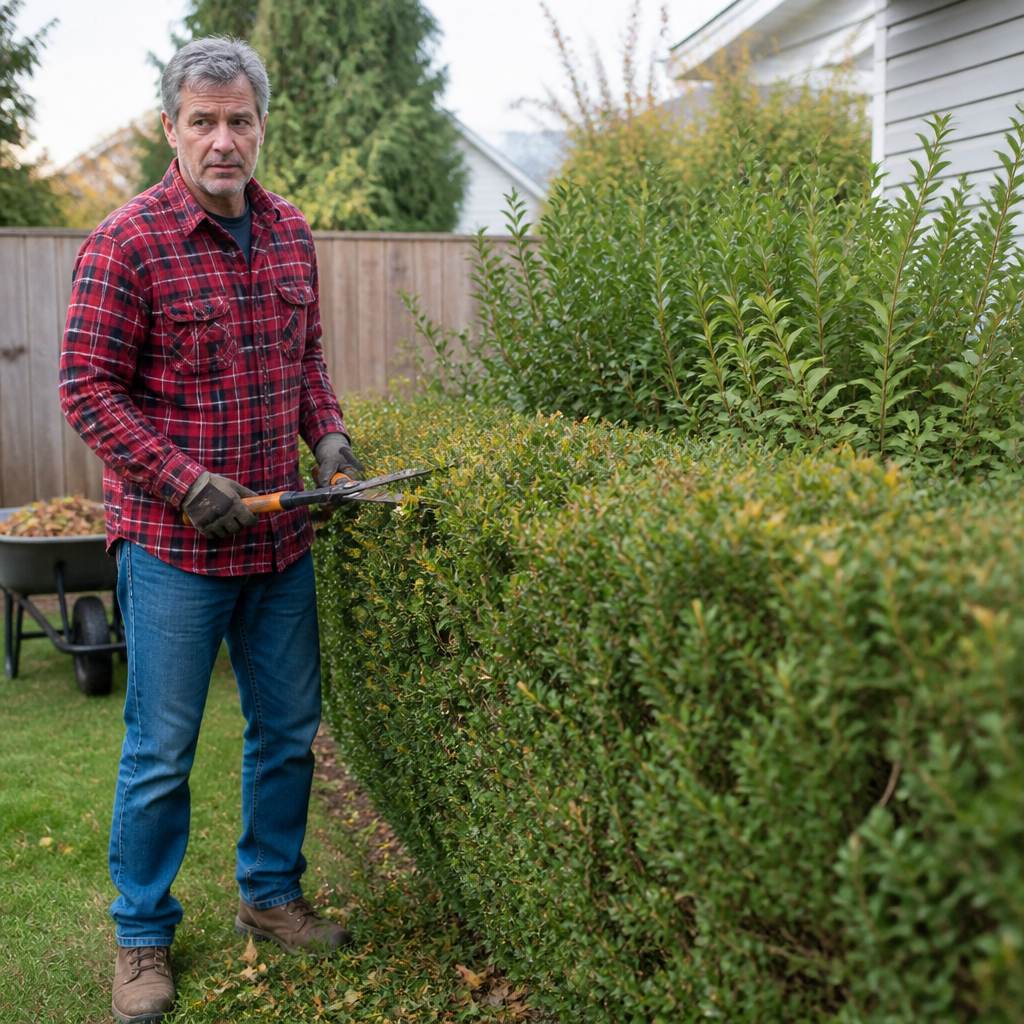
During the enforcement pause, Darren started "trimming" the hedge—but his cuts were uneven and strategic. He topped the front row just enough to appear compliant, but left a back row of dense branches surging upward beyond the allowed height. It was a patchy, jumbled barrier that still blocked my view.
He claimed any unevenness was “natural variation,” and that some parts would grow faster than others. But the way he trimmed felt deliberate, as if he was trying to confuse enforcement officials by maintaining the blockage without technically violating the maximum height.
The rough smell of freshly cut cedar branches drifted in the air when I passed by. I could see jagged stumps where cuts had been made unevenly and tangled branches pushing higher in the shadows behind.
It was clear Darren was using the enforcement pause to his advantage, making it difficult for the city to prove ongoing violations. But how long would this tactic work? And would the city step in before the hedge grew out of control again?
New Survey And Bamboo Screen

I decided to spend more money on a second survey to confirm the hedge’s height and boundaries. Along with that, I hired an arborist to get a professional report on the hedge’s growth and health. Their findings clearly supported my case—the hedge was growing well beyond the permitted height and blocking the protected view corridor.
But just as I was gathering these documents, Darren added a new wrinkle. He installed a tall, temporary bamboo screen that towered even higher than the hedge. It was set slightly behind the hedge, aligned with the property line but visually adding to the blockage.
He argued the bamboo was a separate structure, not part of the hedge, trying to shift blame away from the greenery. The fresh scent of bamboo leaves stirred in the wind, a new element in the neighborhood’s usual cedar fragrance.
With this new screen, the issue grew more complicated. How would the city treat a temporary structure? Would the bamboo be considered in the enforcement, or would Darren’s hedge get a pass now?
Should the city classify bamboo as a privacy structure?