




Noise Became A Tracked Pattern

The hum of chatter and clicking keyboards in the open-floor office was always there, just background noise. But over the weeks, it stopped being just noise. I noticed my migraines came right after the team’s loud morning stand-ups, the sudden blare of phones in the center pods, or the echoing footsteps near the break room. These weren’t random headaches anymore; they followed a pattern. Sometimes I had to shut down completely, retreating to the quiet corner by the plants that no one used. It was like the office itself was a trigger. I tried jotting down timestamps and situations, thinking it would help me explain the problem better. But without official recognition, it was still invisible—a nuisance to others, a minefield for me.
Redirected To Facility's Maze

I asked Jordan if it was possible to move to that empty wall row they’d noticed near the conference rooms. It seemed like a quieter spot, away from the center pod chaos. Jordan, a lean man with glasses and a calm demeanor, took my request seriously at first but quickly said I’d need approval from facilities. Then came the back-and-forth emails and phone calls that felt like a never-ending loop. Facilities told him to get HR’s okay. HR told him facilities had to clear it first. Every step bounced me around and drained my energy. It was like the system was designed to frustrate anyone trying to fix a problem. Jordan’s patience was thinning, and mine was running out too.
Formal Request With Paper Trail

I finally submitted a formal accommodation request with a letter from my clinician attached. It outlined my sensory overload and the specific accommodations I needed: a quiet workspace, noise-canceling headphones, flexible schedule, and fewer mandatory open-floor meetings. HR replied acknowledging receipt but said they’d review it in due time. For the first time, I had something official on file. The letter felt like a shield, proof that this wasn’t just me being difficult. But I still didn’t know how HR would respond. Would they take it seriously or use it against me? The silence that followed was heavy.
Glass Room Meeting Near Kitchen

HR scheduled the first meeting in one of those glass-walled rooms near the kitchen. I arrived early, the smell of reheated lunches wafting through the open door. Inside, two HR reps sat across from me, their posture stiff and scripted. They kept repeating "collaboration" like a mantra. It was clear the point was to remind me this was a collaborative office, and I was the one challenging the environment. The word felt like a wedge, as if my request was less about legitimate need and more about undermining teamwork. Their expressions were neutral, almost cold. I tried to explain my experience, but they kept steering the conversation back to how everyone had to adapt. My quiet space felt suddenly impossible.
Unexpected Shift In My Review
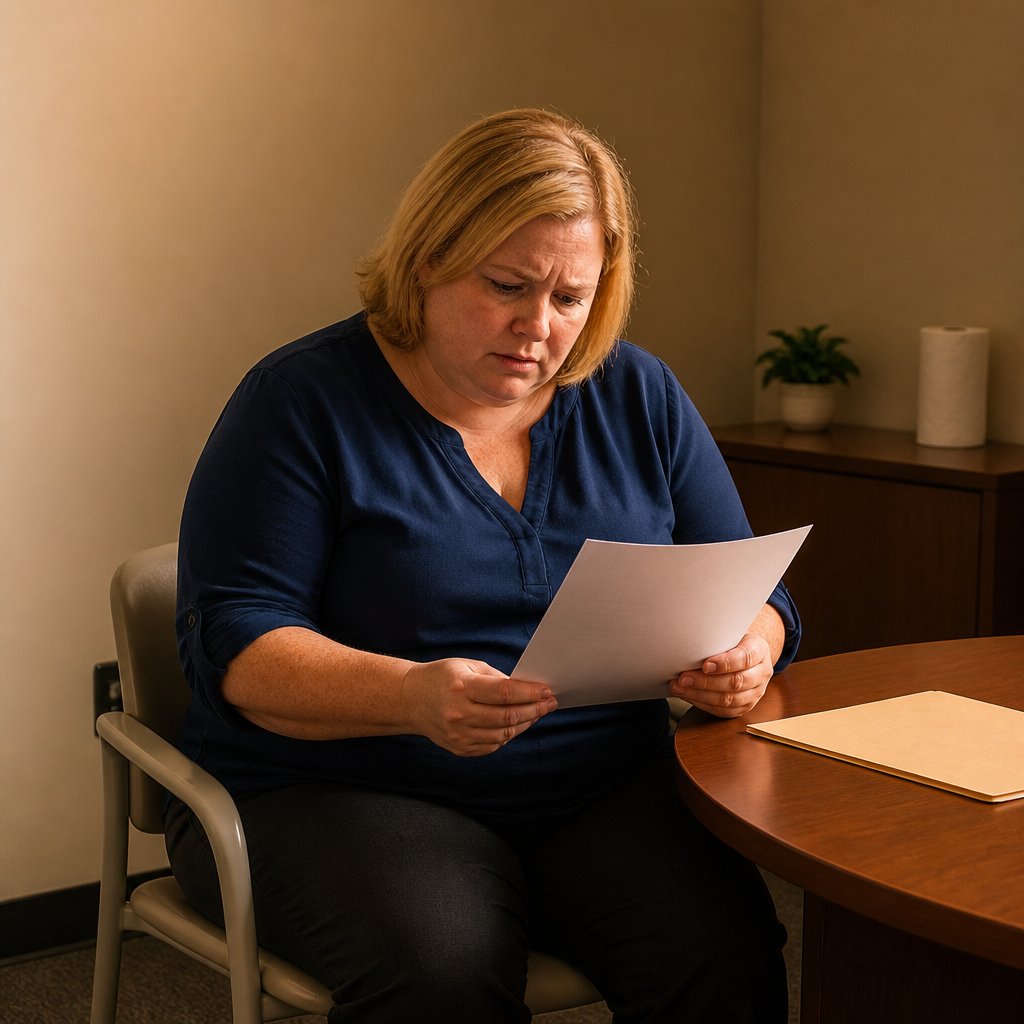
I’d received solid performance reviews in the past, but this time the tone changed abruptly. Instead of focusing on my work output, the review cited issues like "tone," "adaptability," and "culture fit." These weren’t new complaints, but the emphasis felt targeted. The evaluation read more like a critique of my attitude during the accommodation requests than any actual job performance.
It was clear they were reframing the friction caused by my disability needs into vague, easily weaponized claims. The wording suggested I was no longer a good fit for the team, implying grounds for termination if things didn’t improve. This shift felt like a direct response to my accommodation demands, rather than an objective assessment.
Holding the review paper, I noticed the faint smudge of coffee rings from the manager’s meeting room table. The smell of stale espresso lingered faintly around me as I sat in the HR office. The room’s sterile walls and the plastic chair beneath me contrasted sharply with the tension building inside. I kept thinking about the mounting evidence that the company was pivoting its narrative to set me up for failure, but what could I do next?
My Name In Secret Slack
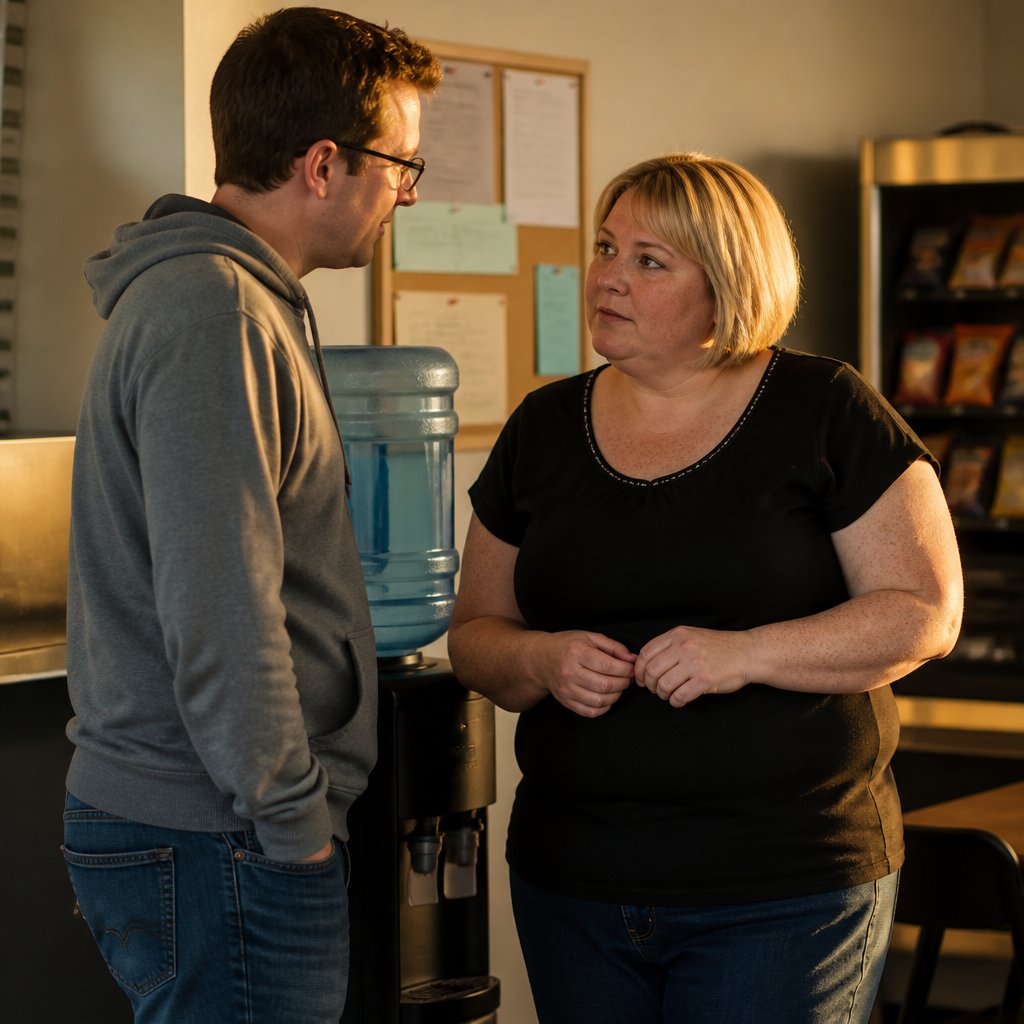
Later that day, I overheard Jordan, a colleague with short brown hair and glasses, mention overhearing something unsettling. He said my name was being floated in a managers-only Slack channel, referred to as "the one who complained." The phrase sounded casual, but the implication was chilling.
This was supposed to be confidential, but somehow the gossip was already spreading among leadership. It felt coordinated—an orchestrated effort to isolate me socially and justify future actions under the guise of professional concern. Yet no one would openly admit it if I confronted them.
Jordan wore a faded grey hoodie and jeans as we stood near the break room water cooler. The hum of the vending machines mixed with the quiet clatter of cups in the kitchenette. His face showed a mix of concern and unease as he glanced around, making sure no one else was close enough to overhear. The fact that even he seemed afraid to speak openly told me just how far this retaliation had spread.
Noise-Canceling App Disabled
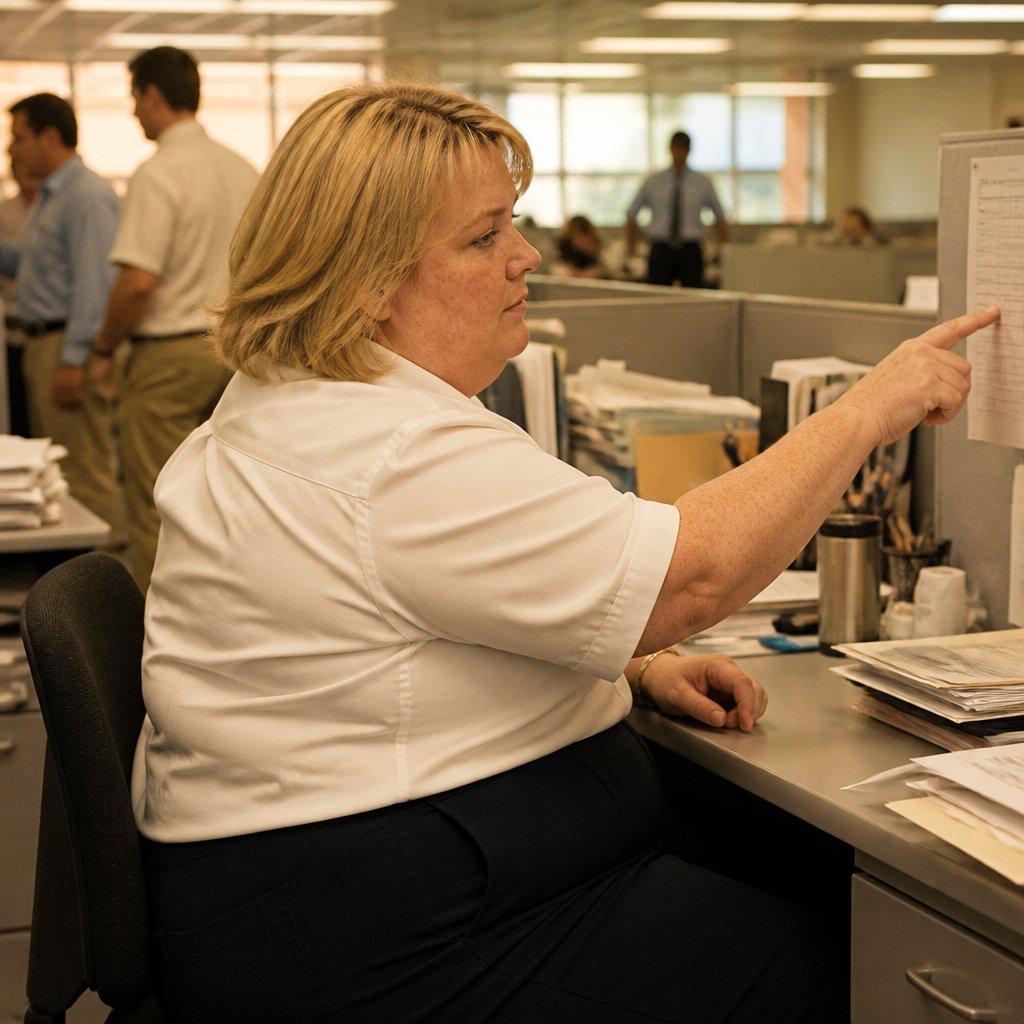
One morning, I noticed the noise-canceling app on my workstation had suddenly disappeared. When I reached out to IT, they told me a forced update had removed it, labeling it "nonstandard software." They refused to reinstall it or grant any exception. This was the one tool that helped me manage the sensory overload in the open-plan office.
Without the app, the constant hum of keyboards, ringing phones, and chatter became unbearable. The environment felt actively hostile, as if they were undoing any progress I’d made trying to cope. I felt more exposed and vulnerable than ever.
I sat at my desk wearing a simple white blouse and black slacks, fingers nervously tapping the edge of the laminated schedule taped to my monitor stand. Around me, coworkers moved about in casual office attire—button-up shirts, khakis—but all the noise that I’d tried to filter out now crashed back in. The stale scent of recycled air mixed with the faint aroma of someone’s lunch in the corner. I couldn’t understand how they justified making my workspace worse after I’d explicitly asked for these accommodations.
Break Room Instead Of Quiet Room

Desperate for a place to decompress, I asked HR if I could temporarily book a private room to retreat when overwhelmed. Their response was immediate but unhelpful: the private rooms were reserved for clients only. They suggested, with a hint of sarcasm I couldn’t ignore, that I could use the break room instead.
The break room was the last place I wanted to be. It was noisy, crowded, and filled with the clatter of dishes and the hum of the refrigerator. It felt less like a refuge and more like a gauntlet designed to test my limits.
That afternoon, I walked into the break room wearing a dark green sweater and jeans. The smell of burnt coffee lingered in the air, mingling with the sharp scent of cleaning supplies. A group of coworkers laughed loudly around a table nearby, oblivious to my attempt to find a quiet corner. The fluorescent lights buzzed overhead, making the space feel even more harsh and uninviting. I realized then their "solution" wasn’t a solution—it was a dare to prove I couldn’t handle the sensory chaos.
Confidential Email Went Public
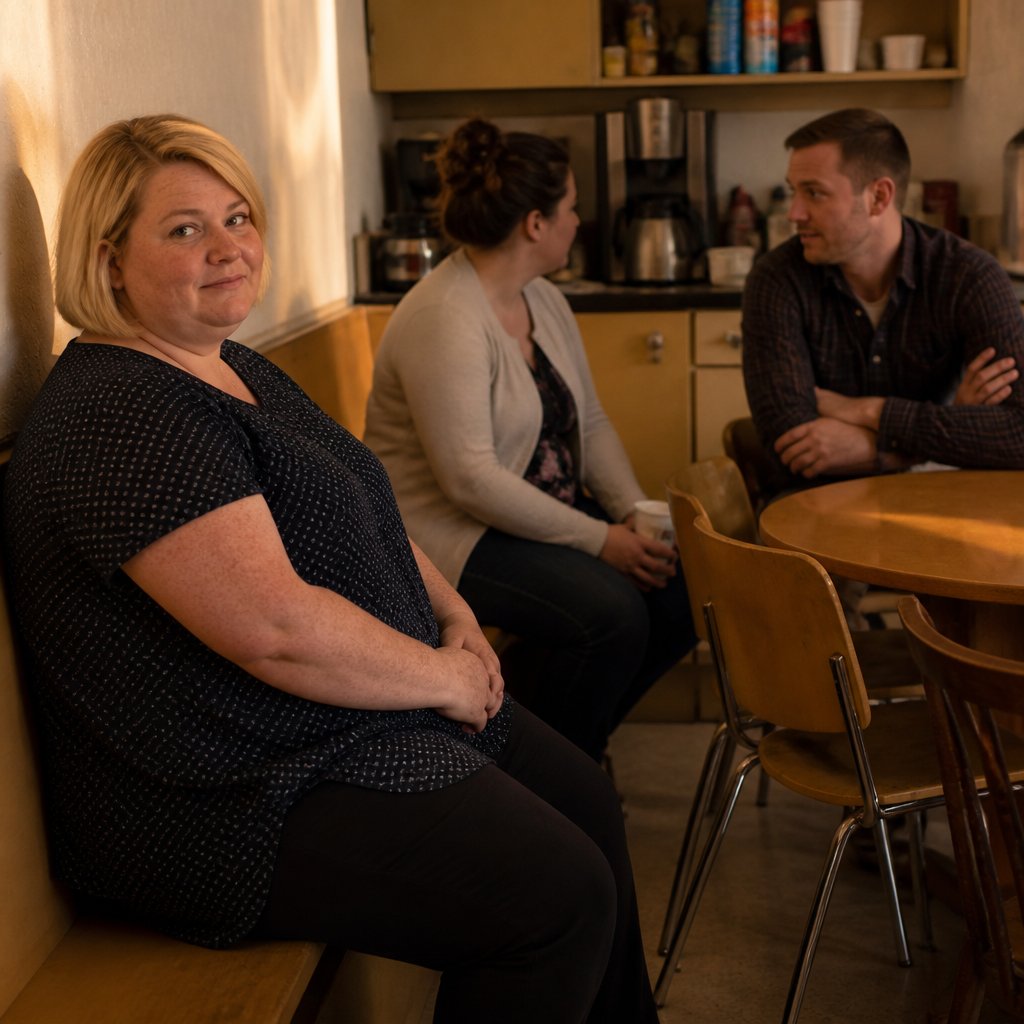
I found out that the accommodation email thread and my medical note had been forwarded to multiple people beyond HR and my manager. It wasn't supposed to happen. The confidential information was spreading.
In the noisy break room, as I tried to keep my head down, a coworker approached me cautiously. "Hey, I heard something about a special room for you?" she asked, eyes flickering around like she was afraid someone might overhear. It was clear the breach had turned my accommodation into office gossip.
My chest tightened. The breach wasn’t just a privacy violation; it was making me a target. People whispered behind my back, and their questions felt like barbs. The supposed mock solution of the break room was now a social trap. I kept replaying the conversation in my mind, wondering how far the information had spread and what everyone thought I was really "special" for.
Performance Plan Demands The Impossible
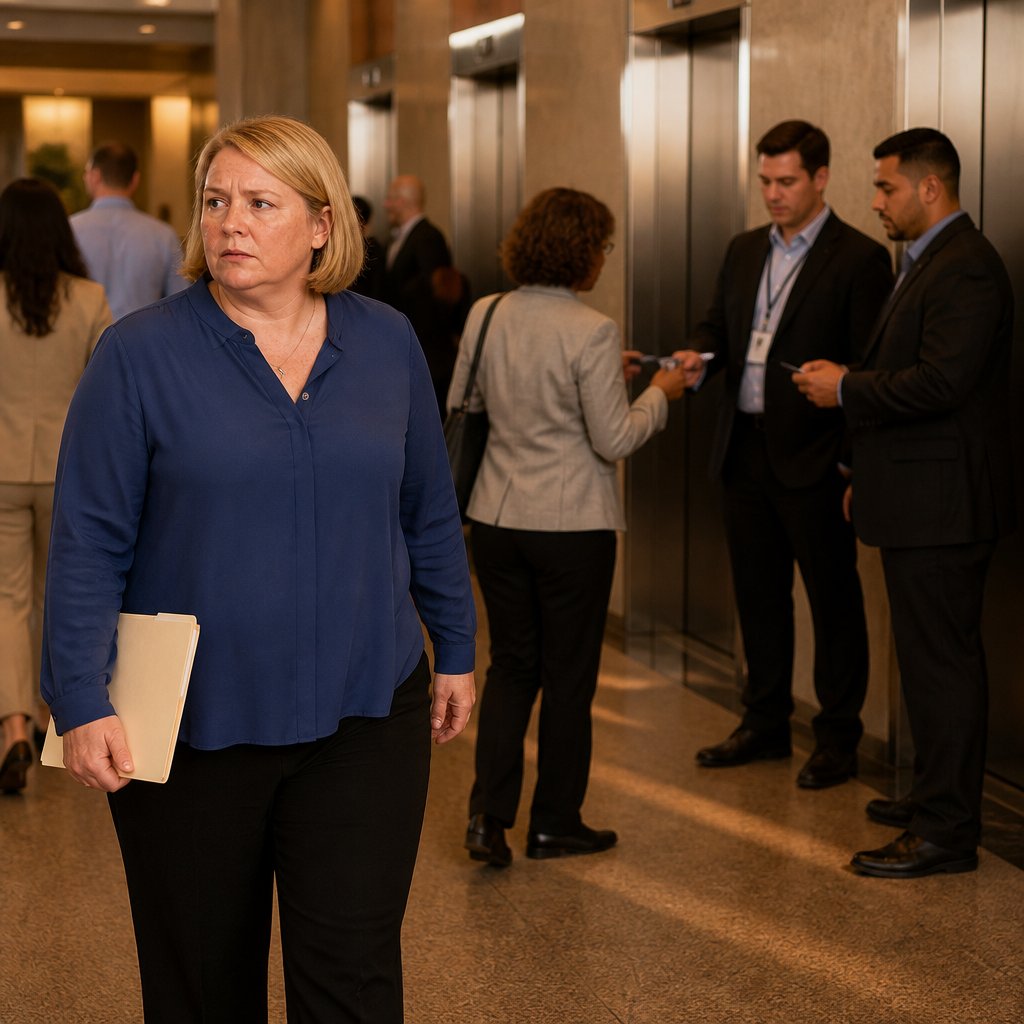
Days later, a 30-day Performance Improvement Plan landed on my desk. It required metrics demanding uninterrupted focus and participation in meetings, metrics impossible in our open-office chaos.
I emailed HR about the noise and distractions. Their response was curt: "Our workspace is a dynamic office environment." No offer of quiet space, just a reminder that I needed to adapt. Meanwhile, I noticed security officers checking badges more frequently, especially when I tried to leave or return.
The exit procedures seemed heavier, almost like the office was gearing up for a bigger push. The increasing surveillance, combined with the impossible PIP, felt like an invisible noose tightening around me. I tried to steady my breathing in the crowded hallway, but the fluorescent lights made everything feel harsher.
Denied Access To The Portal

After the PIP, I requested a written denial of my accommodation requests to have something concrete for records. The company's HR portal, where I usually tracked such communications, suddenly flipped to "closed" without explanation.
I called the Equal Employment Opportunity Commission next. It felt like the only option left. Beyond filing the complaint, I started to save every email and take pictures of meeting notes. Evidence was my only defense in this growing storm.
But before any termination meeting could happen, a separation agreement appeared in my inbox. It was the company’s way of fast-tracking my exit, trying to close the case quietly. I stared at the document, my heart pounding and hands trembling.
Badge Stops At The Elevator
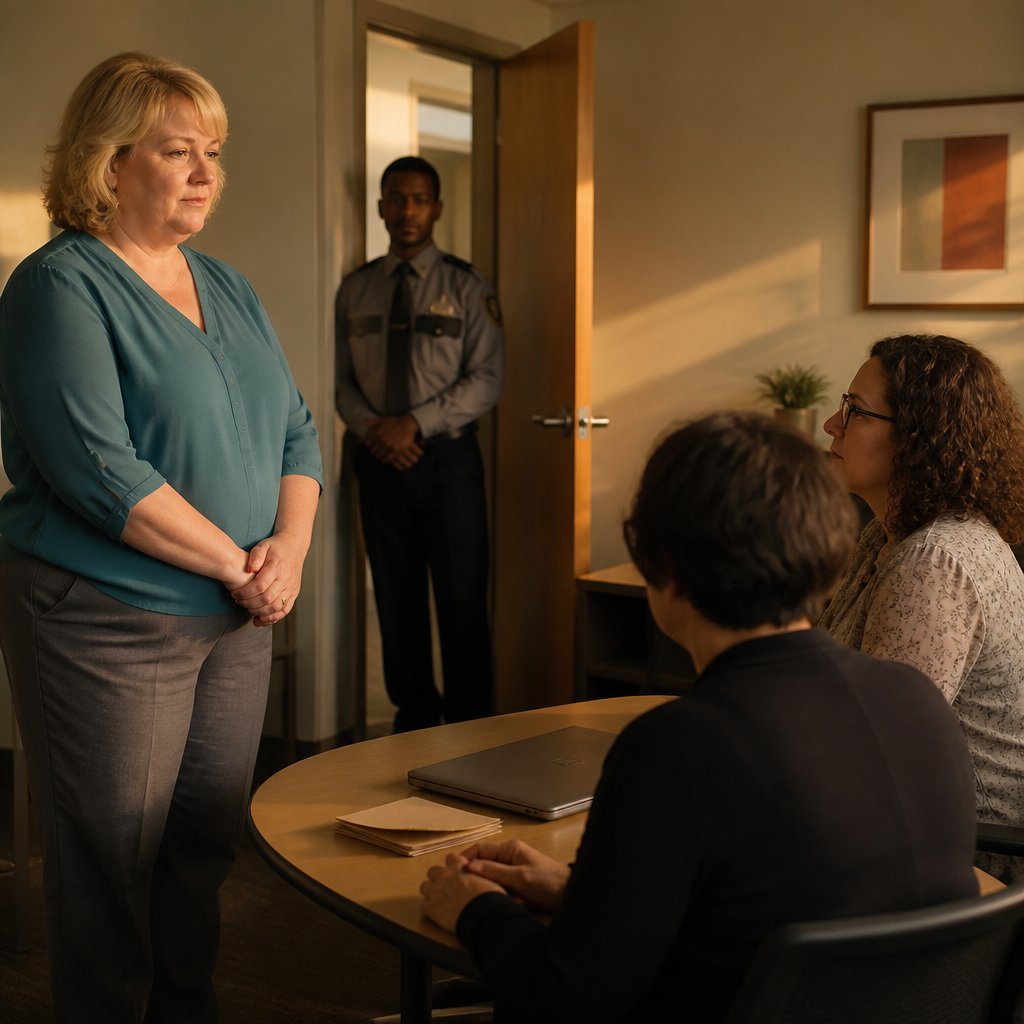
On what I thought was a normal morning, my badge failed at the elevator. The screen flashed red, denying me access. Security appeared immediately and escorted me to HR.
Tessa from HR and my manager sat waiting in the cramped HR office. They had a laptop open between them, showing cherry-picked incidents that didn’t feel fair or complete. Then there was the offer—sign now, and the laptop’s contents would be sealed.
I refused. My voice was steady despite the pit in my stomach. As they started imaging my laptop, I realized that the clock on preserving my evidence had officially started. What I saved could be the difference between truth and silence.
Preservation Letter Met With Silence

My lawyer sent a preservation letter demanding the company keep all related records. The response was dismissive. The company claimed I never completed the accommodation process correctly.
During discovery, I noticed key files were missing: emails, Slack messages heavily redacted, and logs that seemed to have vanished. It was clear the company was obstructing the case, possibly even spoliating evidence.
I sat at my kitchen table, sifting through printed copies and notes, the faint smell of coffee grounding me while uncertainty gnawed at my confidence. Could I really prove what they were hiding?
Insiders Offer Hidden Proof

Then two people reached out anonymously. An HR coordinator mentioned a "Manage Out Playbook"—a guide to pushing employees out systematically. A facilities analyst sent me photos showing empty desks that HR never offered me as a quiet workspace.
The pieces were starting to fit together. The company had a plan to force me out without real cause, hiding behind policies and dodging accommodation laws. If I could get these documents in front of a judge, it might change everything.
I looked over the photos on my screen, the dull yellow of empty desks contrasting the busy office around them. If only I could force the company to produce the rest.
Depositions Reveal The Truth
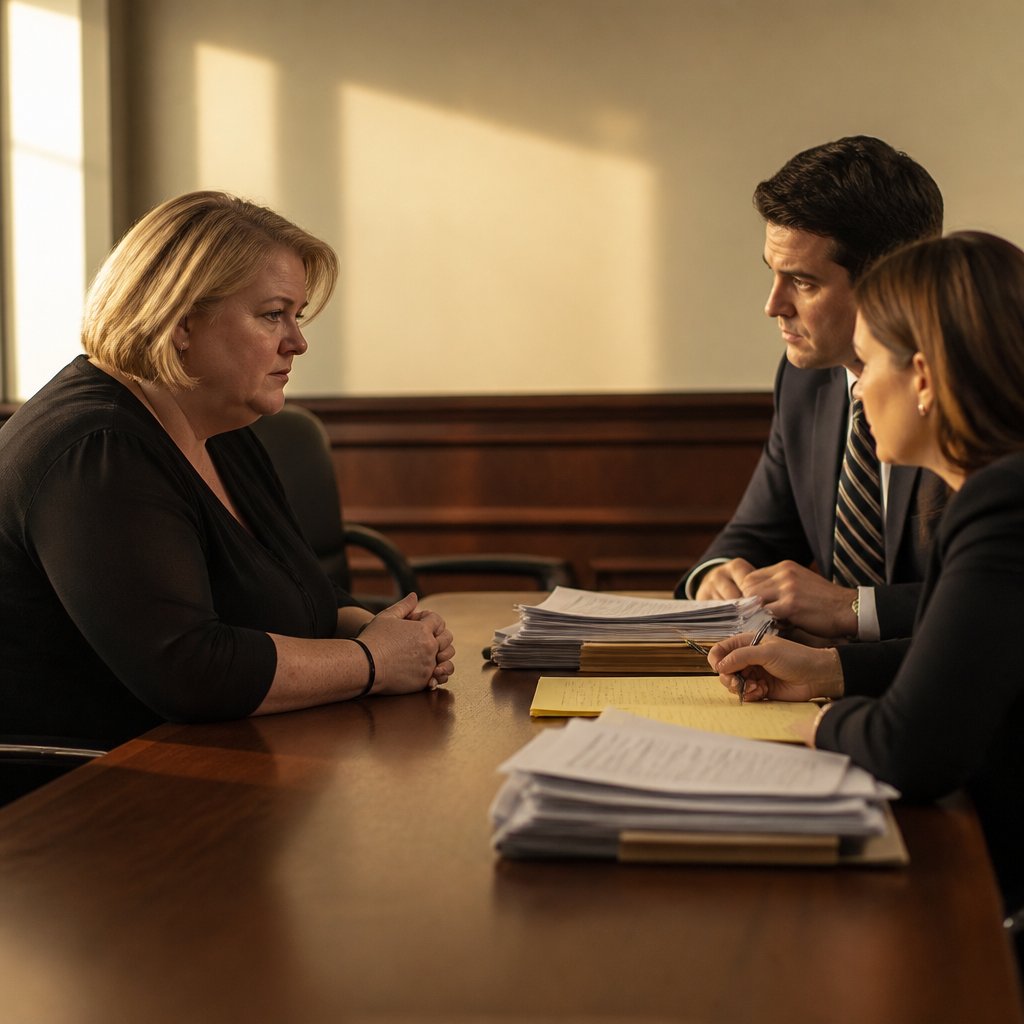
Depositions broke the story wide open. Witnesses confirmed empty desks existed and HR never even considered them for accommodations. Forwarding metadata exposed how my medical note had been blasted far beyond necessity.
Badge and IT logs laid out a timeline of retaliation, matching up with when the harassment intensified. The company’s counsel tried to downplay it, then pivoted to minimize damage by offering a low settlement with an NDA.
I felt the weight of the truth pressing against a wall of corporate stone. Settling meant silence. Fighting meant more uncertainty.
Manage Out Playbook Named

On the eve of summary judgment, defense counsel accidentally mentioned the "Manage Out Playbook" by name in a call. Suddenly, it was part of the record and had to be produced.
The judge denied most of the company’s motion, and more employees started coming forward with their own stories. The board began investigating, and the company scrambled to settle quietly before the evidence went public.
I sat in my small apartment, the buzz of city traffic outside my window mixing with my restless thoughts. Victory was within reach, but the final fight was just beginning.
Was HR justified calling sensory overload a 'preference'?