



Who Gets The Best Accounts?

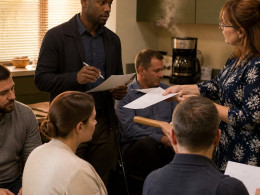
In the bullpen’s cramped space, I noticed Lila walking past my desk with a folder full of client briefs. It wasn’t the first time she’d landed top accounts without any mention of the usual rotation policy. Nate, our manager, called it "fast-tracking," but it didn’t sit right with me. Fast-tracking for whom? Lila had that sharp, confident gaze and always showed up in neat blouses and tailored slacks. Meanwhile, I was stuck chasing leftover leads no one else wanted.
The rotation rules were clear, or so I thought. Yet Lila seemed to skip them repeatedly. I caught myself jotting down notes on the back of a meeting agenda: "Lila—best accounts—no rotation." I shared a glance with Jules from across the room. He was the white guy in his mid-20s, shaggy brown hair and glasses, sitting at his desk with a spreadsheet open but distracted. Jules had been suspicious too, whispering something about favoritism baked into the system. The break room’s hum buzzed faintly in the background as the afternoon settled in.
But was this just luck, or something else? I leaned back in my chair and glanced at Nate’s office window. His door was slightly ajar, but he was nowhere to be seen. The quietness only made the tension heavier.
Late Meetings Behind Blinds

One evening, a coworker caught me in the kitchen grabbing coffee. She whispered about Nate and Lila staying late, behind the frosted glass conference room blinds. She said it wasn’t usual for them to be there alone this late, and something felt off. I remembered the faint clinking of mugs and low voices I’d heard the previous nights as I left the office.
The next day, I made a point to glance at the conference room during the last hour. The blinds were closed tight, but occasionally, I spotted a shadow move or a glint of a ring on a hand. Nate, known for his casual button-downs and jeans, and Lila, still dressed sharply in her usual polished look, seemed to be having private conversations that skirted the edges of policy. It blurred the line between favoritism and something against company rules.
I felt a knot tighten in my stomach. There was a policy about after-hours meetings requiring approval, especially for managers and direct reports. But no emails or notifications came through. I wasn’t sure whether I wanted to hear the whole truth or keep pretending it was nothing.
My Account Taken Away

During the weekly pipeline meeting in the cramped conference room, I sat across from Nate, shards of sunlight slicing through the dusty blinds. He cleared his throat and, without warning, announced that my biggest account was being reassigned to Lila. His voice carried a slight edge as he said, "Be a team player, Jules."
I looked at Lila, who was smirking quietly in her typical sharp blouse and slacks, then back at Nate. No explanation followed. The room felt colder, the hum of the projector louder in my ears. This wasn’t a routine shuffle—it was a public signal.
I felt the weight of stares settling on me from the rest of the team, some sympathetic, some indifferent. The meeting unfolded around me, but I was frozen on that phrase, "be a team player," like a warning wrapped in a command. I wanted to ask why, but the words stuck in my throat. What was Nate really telling me?
No Email, Just A Thumbs-Up
After the meeting, I demanded clarity. I sent Nate a direct email asking for the reasons behind the account reassignment, expecting at least a formal response. Hours passed. Then, a Slack message popped up—not a reply, but a thumbs-up emoji. No words, no official record.
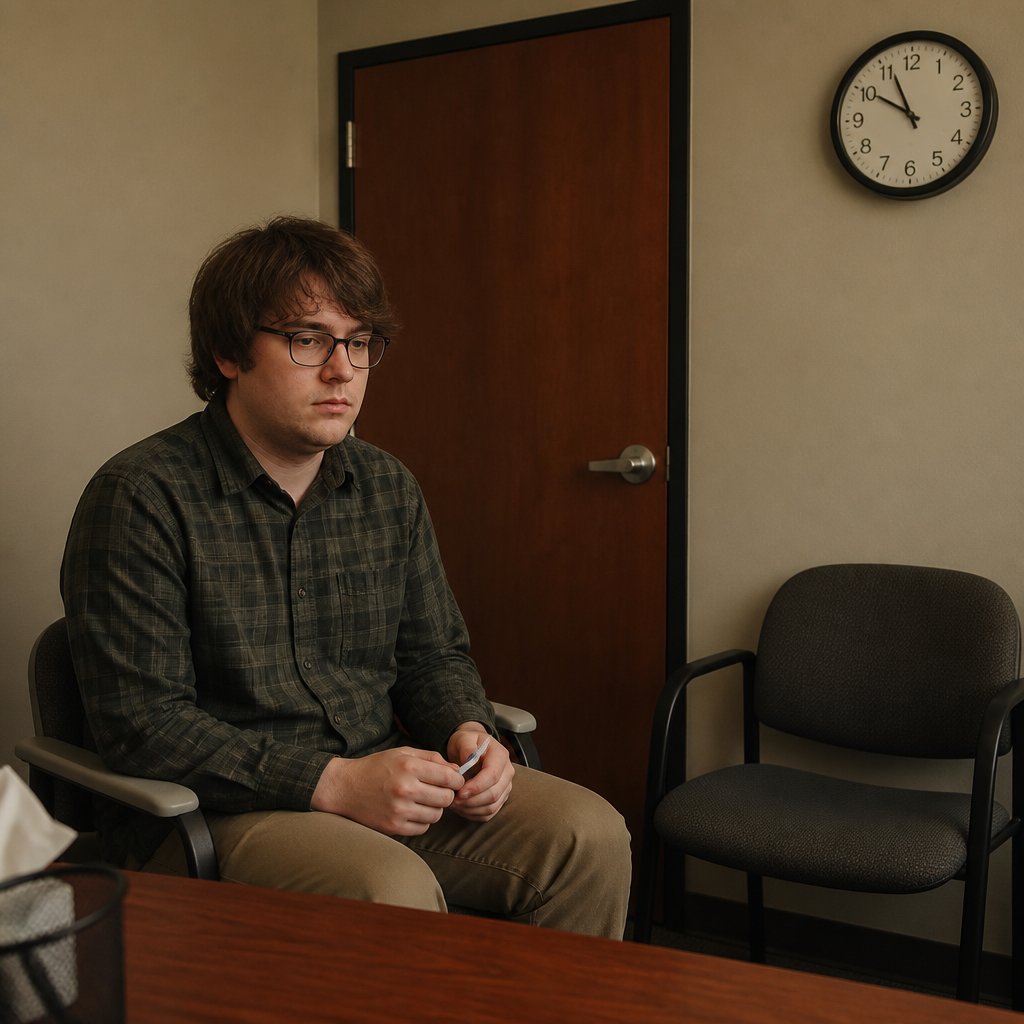
That reaction was telling. Nate wouldn’t put anything in writing that could tie him down. It was like being stuck in a loop where nothing was official, yet the punishment was clear. I sat in the HR office the next day, absently tapping my pen against the armrest. The sterile white walls and the faint hum from the air conditioner made the silence heavier.
I realized that without written reasons or policies cited, I couldn’t even start a documented conversation. Nate had mastered the disappearing act with accountability. I wondered if this was a trap designed so that any formal complaint I made would look baseless or unprofessional.
Private Notes And Hidden Screenshots

I started a private spreadsheet at home, logging dates, meetings, and account changes. I also saved CRM history screenshots—grim little records of client assignments shifting beneath the surface. Every image, every entry, felt like gathering ammunition.
But I didn’t share a single file at work. The idea of being caught collecting "evidence" made my skin crawl. I pictured Nate or HR labeling me as "unprofessional," an instigator who couldn’t play nice. The thought of my private efforts backfiring was a constant shadow.
One evening, I sat at my cluttered kitchen table, the cold glow of a lone desk lamp illuminating spreadsheets full of dry data. My hands hovered over the keyboard, indecisive. Was I crossing a line by digging this deep? I thought about the break room chatter, the tired coffee cups, and the blurred office hours. I needed proof, but what if proof became my undoing?
Admin Access Requested For Lila
Scrolling through the ops request logs I’d managed to access, I found something that didn’t add up. Nate had requested admin permissions for Lila. That kind of access wasn’t standard for her role, which was a red flag.
Admin rights meant Lila could potentially alter records or adjust account histories. The thought made my stomach tighten. Was Nate setting her up to rewrite the story later, or cover tracks if things escalated?
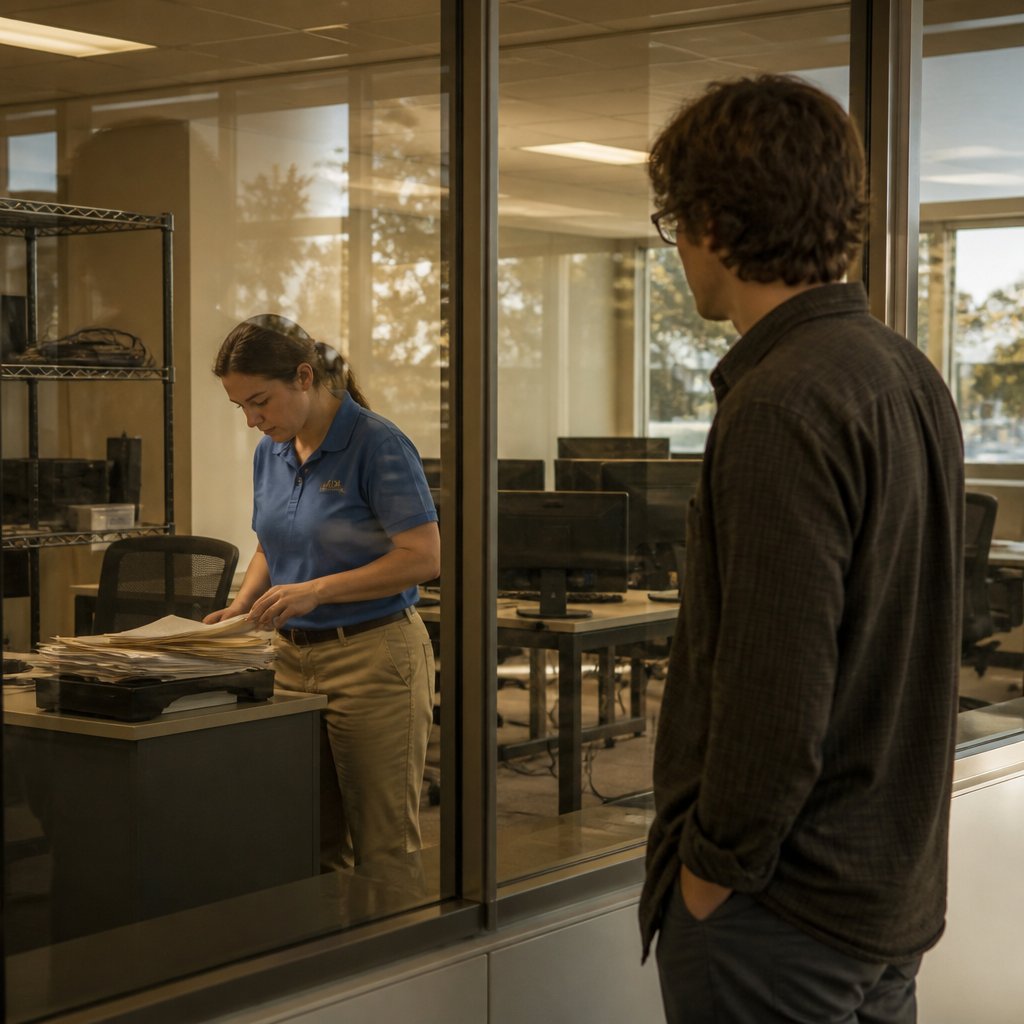
In the office’s glass-walled IT operations room, I watched a technician systematically filing papers, wearing a blue polo and khakis, their ID badge clipped sideways on the belt loop. The normal hum of keyboard clicks and printer noises contrasted with the strange chill of the discovery. I tried to keep calm while the knot in my gut twisted tighter.
Reporting To HR Hotline

I finally called the HR hotline and sent a detailed timestamped email from my work account reporting the suspected relationship and favoritism. The voice on the other end was polite but scripted, asking if I wanted anonymity.
After hanging up, I sat in the quiet, sterile HR waiting area with its bland chairs and magazines. I wondered who HR would warn first—me or Nate. The thought unsettled me more than I expected. What if they sided with management? I could practically hear the faint clicking of security badges echoing down the hallway.
The tension was suffocating. I’d crossed a line now. The next steps were out of my hands, but the consequences felt immediate. I glanced at my reflection in the glass wall—my shaggy brown hair unkempt, glasses slightly crooked. I wasn’t sure if this was courage or desperation.
HR Meeting Feels Like Judgment

The glass conference room was colder than usual during my meeting with HR. The two reps sat across from me, one a woman with neat blonde hair in a grey blazer, the other a man wearing a dark sweater. Their faces were polite but guarded.
Instead of asking about facts, they seemed focused on whether I was "jealous" or "bad at collaboration." The questions felt rehearsed. I noticed the woman tapping her pen rhythmically, as if waiting for me to confirm a narrative already set.
The faint smell of recycled coffee lingered as I sat stiffly, my hands gripping the table’s edge. Their eyes held a certain distance, and I wondered if this was less about investigating and more about choosing sides. There was no sign of notes or documents in front of them, just blank pads.
Badge Access Suddenly Revoked

On Monday morning, I tried to pass through the building’s turnstile, badge in hand. The red light flashed. No beep. I swiped again. Nothing. My heart raced as security approached, clipboard in hand.
They asked for my ID, scanned the badge, and then mumbled a few words into a radio. Suddenly, the light turned green, and the gate clicked open. The guard’s casual shrug and terse smile didn’t ease the chill spreading through me.
The lobby’s stark tile floors felt colder than ever in my polished shoes. I realized access could be turned off and on at anyone’s whim. It was a silent, unspoken message—control was tighter than I thought.
Surprise HR Check-In

Just as my day was settling, Nate cornered me near the elevator. I glanced up and saw an unfamiliar face beside him—a woman I'd never met, dressed in business casual with a clipboard. Nate’s usual easy smile was gone, replaced by something rehearsed.
They said it was a routine check-in, but I could feel the eyes of a file being prepared. The hallway was quiet except for the muffled chatter of coworkers passing by. I struggled to keep my tone neutral, matching their professional calm.
My stomach tightened as I realized this conversation wasn’t casual. HR was now directly involved and setting the stage. Every word I said felt weighed and measured, every glance recorded.
Impossible Goals And Wrong Metrics

The performance improvement plan arrived on a Monday morning in the HR office. The document was filled with metrics that didn’t match any project I’d worked on, and the dates were all out of order. It demanded daily check-ins at exactly 8:00 a.m., even though our team’s meetings never started before 9:30 a.m. The woman from HR handed it over with a tight smile and said these were non-negotiable requirements. I glanced at the plan again, confused. The goals seemed designed for me to fail rather than to improve. I asked about the metrics, but she deflected, saying Nate approved everything. This felt less like a plan to help me and more like a trap. I left the room clutching the paper, the faint scent of stale coffee lingering in the break room nearby as I tried to process the impossible demands laid before me.
Meeting Invites Suddenly Decline
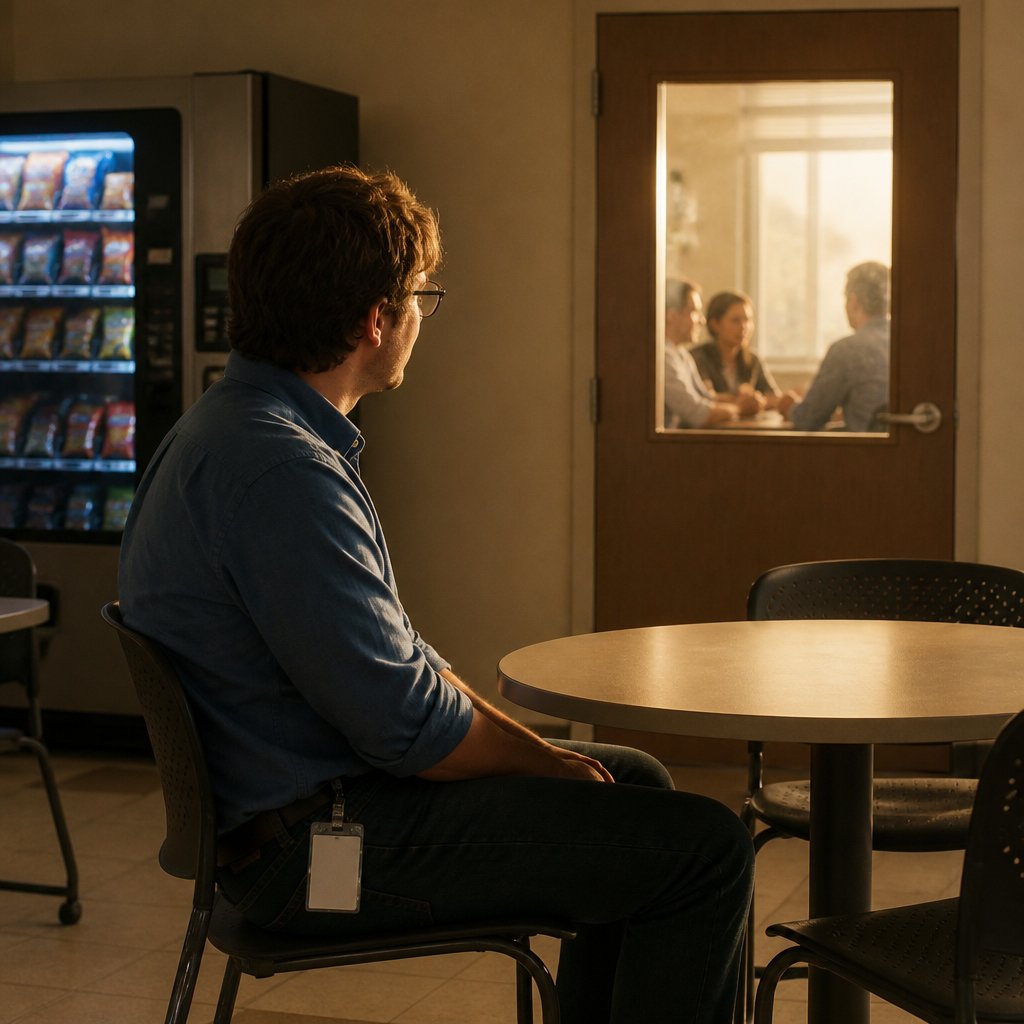
Within days, I started seeing meeting invitations from my manager auto-decline on my calendar. Permissions to shared calendars shifted, and access to important project files was suddenly restricted. I tried to join scheduled meetings, but the system blocked me at the door. This wasn’t a technical glitch; it was a calculated move to prevent me from doing my work. Without access, the expectations laid out in the PIP became impossible to meet. I felt like I was boxed in, trapped behind locked doors that should have been open. My inbox sat silent while the rest of the team moved ahead. I sat alone by the window of the break room, the faint hum of the vending machine the only sound, wondering how the company could claim I wasn’t meeting goals when they were cutting off my tools to succeed.
After-Hours Messages And HR’s Final Word

Late one evening, I got a vague email from Nate criticizing my recent work without specifics. The next day, he called it “coaching” in a quick hallway conversation. Meanwhile, HR told me bluntly that the PIP was "not negotiable." The standards kept shifting, but their message was clear: compliance was the only option. I tried to clarify what success looked like, but the responses were vague and unhelpful. I felt sealed inside a moving-target setup with no way out. The office felt cold and quiet after hours when I stayed late, the fluorescent lights flickering overhead. My mind raced over the contradictions—was this truly about improvement, or just a pretext to justify firing me?
Client Call Missteps And Edited Records

One morning, after Lila mishandled a client call, Nate accused me of poor "handoff" despite no prior mention. Later, I logged into the CRM and noticed that notes from the call had been edited. The edits came from an anonymous admin account, not me. It was clear someone was rewriting the record to shift blame. I sat in the sterile conference room, the faint smell of disinfectant lingering, scrolling through timestamps that didn’t add up. If the company was altering evidence in real time, I wondered how much I could trust the process. This was no longer about performance; it was about controlling the narrative. The quiet hum of the projector in the corner was the only sound as I pieced together what was happening behind my back.
Formal Rebuttal Ignored By HR

I submitted a formal rebuttal the next day, including screenshots and time stamps to prove the edits weren’t my fault. HR responded with a generic template email, ignoring the evidence completely. Then Nate escalated the issue, framing it as "attitude problems." The shift was jarring. It was like the company had a script to dismiss facts and widen accusations whenever I pushed back. I sat in the tiny HR waiting room, the plastic chairs hard and uncomfortable beneath me. The smell of old carpet filled the air as I reread their reply again and again, realizing the truth didn’t matter in this fight. They were building a case no matter what I said.
Laptop Swap And Data Warnings

After filing a second retaliation complaint, IT unexpectedly swapped my laptop. The new device arrived with all my saved PDFs erased. I felt blindsided. Then HR hinted at possible "data handling violations" but refused to specify. I sat in the small IT office, the scent of electronics and plastic in the air, watching as the technician finished the swap without answering my questions. My digital footprint had been wiped clean, and suddenly I was being accused of something I couldn’t explain. The sterile hum of the air conditioner filled the room as I realized I was isolated from my own work and left vulnerable to their next move.
Photo Slip And Final Warning Upgrade

A coworker discreetly handed me a photo of Nate and Lila together at a hotel bar, their company badges visible. The casual scene contradicted official claims of professionalism. Around the same time, Nate upgraded my PIP to a final warning. The new targets were impossible to meet because many accounts had been reassigned without my knowledge. I stared at the photo in the quiet kitchen, the smell of reheated leftovers filling the air. This personal evidence added a new layer to the unfolding story—there was more going on behind closed doors than anyone would admit. The snapshot felt like a secret signal that my fight was about to get harder, if not more dangerous.
Partial File And Legal Hold Arrival

I requested my full personnel file but received only a partial packet. Frustrated, I contacted an attorney. Shortly after, the company issued a legal hold notice. The next morning, my access to download Slack archives was suddenly restricted. It was clear the company was preparing for a battle. I sat at my desk in the open-plan office, the faint murmur of coworkers typing and walking nearby. My security badge felt heavier than usual clipped to my belt. The missing files and restricted access felt like the calm before the storm, and I wondered what they planned next.
Severance Rejected And Badge Taken
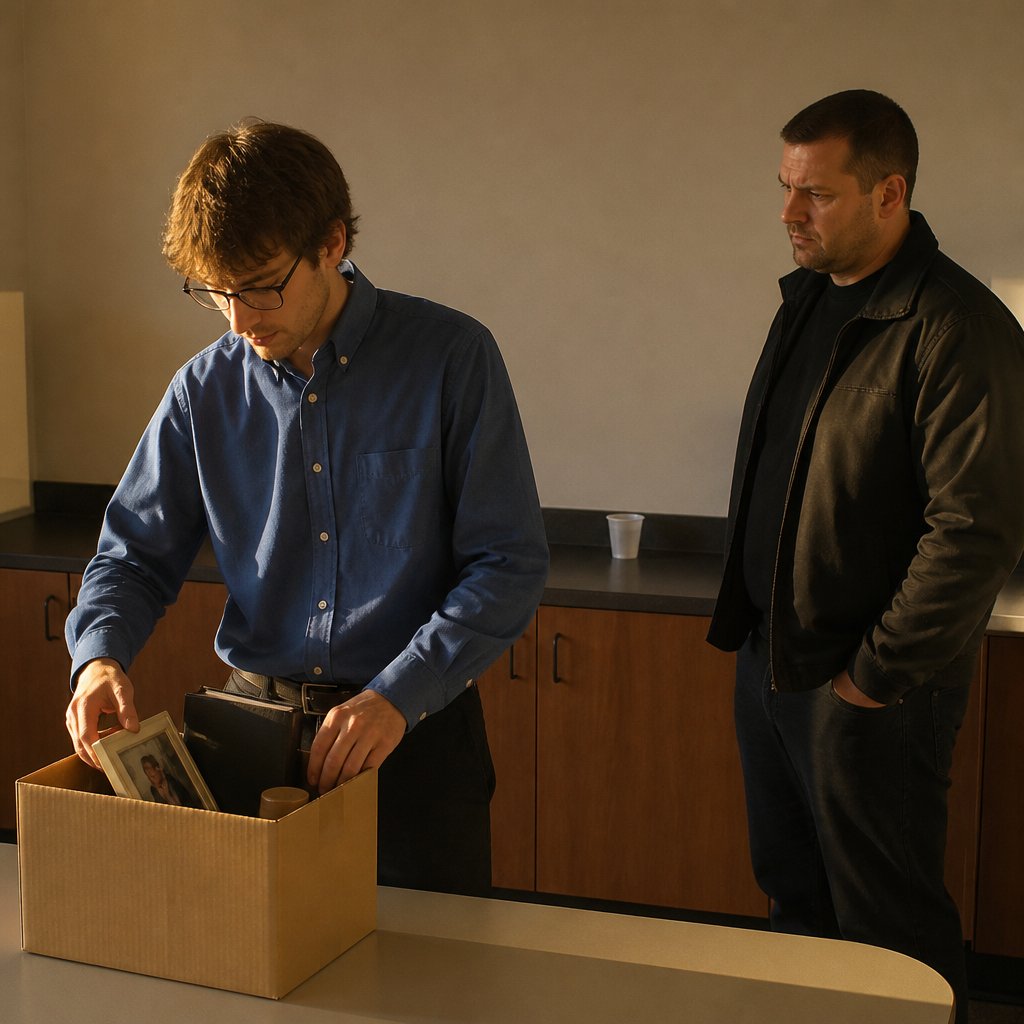
HR offered me severance with a 48-hour non-disparagement deadline. I declined. Within hours, security came to the floor, took my badge "pending investigation," and escorted me out. Later, the termination letter arrived, misspelling my job title. It was a glaring error that made me wonder how much care they put into this. The break room felt empty and strangely silent as I packed my personal items. The plastic cup I’d left on the counter sat untouched, a small reminder of the sudden end. It was clear the retaliation case was only beginning, ready to explode once discovery started.
Was the termination handled professionally and fairly?