



Bleeding Was Labeled Normal

After delivery, I noticed the bleeding was heavy. The pad soaked through in about twenty minutes. I called the nurse over, alarmed. She looked at my chart and said it was just "normal lochia," the usual postpartum discharge that happens after birth. She didn’t seem concerned. No one came to check on me more often or recommended extra monitoring. I felt my clothes damp with blood, the dark red staining the fabric. The nurse’s words implied my bleeding was expected and didn’t require escalation. But the pad’s weight and the wetness on my skin told a different story. Still, the medical team moved on, documenting the bleeding as routine and not initiating any special protocols for excessive blood loss. I lay back on the hospital bed, feeling uneasy as the wetness spread and no plan was made to address it.
Low Blood Pressure Brushed Off

I asked a nurse to check my blood pressure. I was feeling weak and dizzy, my head swimming. The reading came back low. Instead of concern, the staff told me postpartum vitals could be weird, and what I felt was probably anxiety. No one started a quantified blood loss chart or took further immediate action. I felt the cool plastic cuff tighten around my arm again and again. The numbers on the monitor didn’t seem to match what I was experiencing. The nurse’s voice was calm but dismissive, suggesting I was just nervous. It felt like they were downplaying my symptoms instead of investigating them. I wanted to believe them, but my body said otherwise. Still, no one ordered labs or a second opinion, leaving me with a sinking feeling of neglect but no clear plan.
Second Bleed Ignored By Supervisor
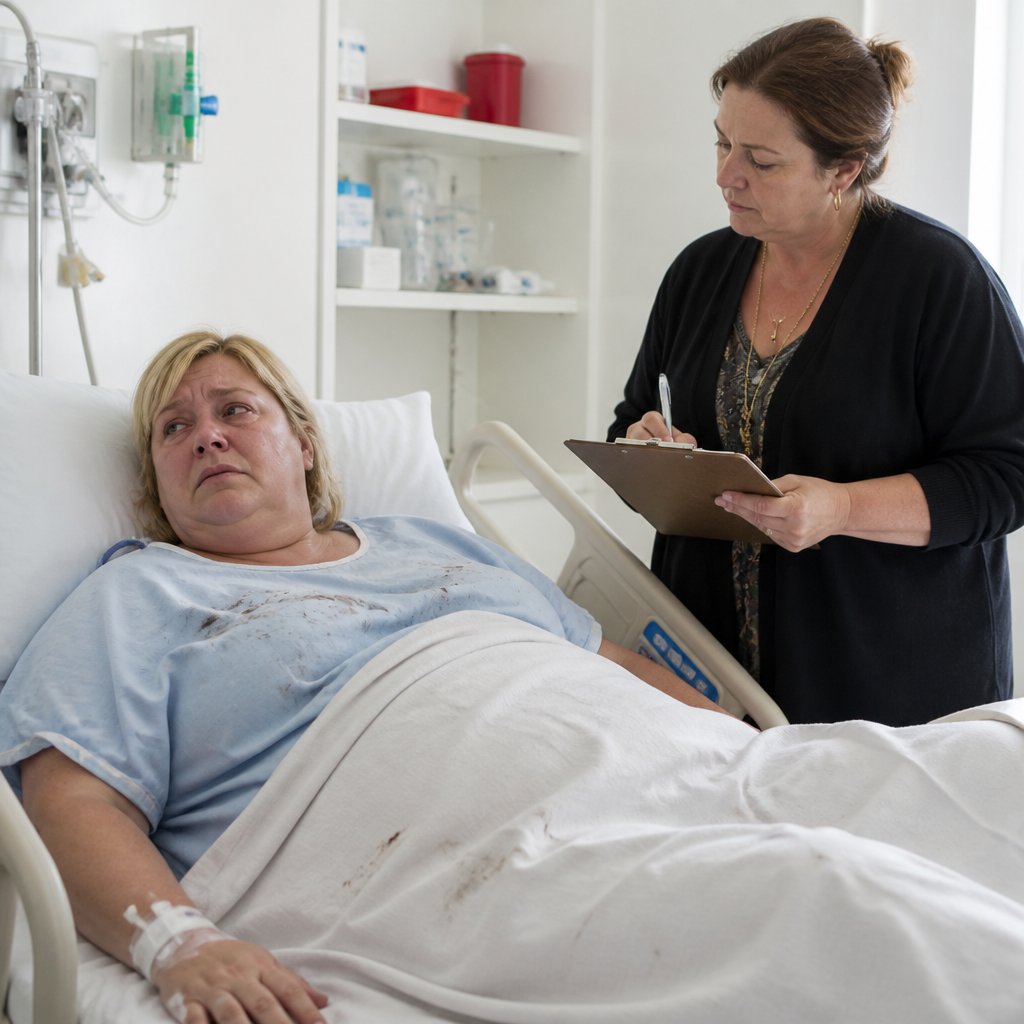
Later, a second heavy bleed soaked through my gown and sheets. The wetness spread quickly. Staff changed my pads but didn’t weigh them or track how much blood I was losing. A supervisor came in and wrote “tearful, reassured” in the notes instead of documenting severity. I felt cold and shaky, but the attention was emotional support, not clinical assessment. The fabric sticking to my skin was sticky with blood, and the smell was sharp. I wanted answers, but the focus was on calming me rather than treating the problem. No questions about blood loss volumes or vital signs came up. The gap between what I felt and what was recorded widened. The bleeding got heavier, but the chart stayed light, as if it wasn’t happening. I lay back, waiting to see if anyone would acknowledge the real risk before it was too late.
Request For On-Call OB Denied

I asked to see the on-call obstetrician. I wanted someone with surgical expertise, someone who might understand how serious this was. I was told he was in surgery and would round later. It wasn’t clear if he was even aware of my condition. The nurse’s tone was indifferent as if the request was routine and the delay expected. I felt like I was being put on hold indefinitely. The hours passed with no calls or visits from him. The uncertainty gnawed at me. If my bleeding was bad enough to need surgical backup, why wasn’t the attending OB informed immediately? I lay in my hospital bed, the sterile sheets feeling heavy against my skin, wondering if my care was falling through cracks in communication and protocol.
Rising Heart Rate Ignored In Chart

My heart rate kept climbing. I felt chills and a ringing in my ears. Despite all this, the chart said I was “ambulating, tolerating diet.” It was a mismatch I couldn’t ignore. I was sweating cold sweat, my pulse pounding hard enough to hear. I tried to sit up, but my vision blurred. Nurses continued with routine checks, but no one addressed the symptoms that screamed shock. The contrast between my experience and the clinical notes was stark. My heart hammered against the hospital bed’s sterile sheets. The ongoing symptoms should have prompted urgent care, but the documentation made me look stable. I felt like I was trapped in a record that didn’t reflect the urgent danger of my condition.
Fainting Triggered Rapid Response

I fainted in the bathroom. The world tilted and I collapsed against the cold tile floor. Staff called a rapid response code immediately. But when I came to, they canceled it quickly. No stat labs were drawn. I felt weak and shaky, my skin clammy, but the urgency disappeared as soon as I opened my eyes. The cold tile under my hand contrasted sharply with the warm rush of dizziness. The initial alarm faded fast, replaced by routine care that felt insufficient. A nurse hovered but didn’t order blood work or imaging. I was left confused, wondering if the fainting had been treated seriously enough or just brushed off as a faint without consequence.
Morning Labs Reveal Blood Drop

Morning labs were finally drawn hours after my fainting. The results showed a significant drop in hemoglobin, confirming I was losing blood internally. But the critical value sat in the system unacknowledged. Staff continued to reassure me the bleeding was normal lochia. The lab technician’s needle had been cold as it pierced my vein, drawing dark red blood into vials. Yet despite evidence of anemia, no one acted immediately to adjust my treatment or escalate care. I felt trapped between visible symptoms and unseen lab values, the disconnect growing dangerous. I lay back on the white hospital bed sheets, staring at the ceiling, wondering how long the abnormal test would go ignored.
Ultrasound Order Denied By Attending

A resident suggested an ultrasound to check for internal bleeding. But the attending physician refused, saying the lochia looked appropriate and there was no need for imaging. This blocked the first concrete attempt to find the bleeding source. The resident looked frustrated and hesitant to push back. The attending, in a crisp white coat, stood firmly with arms crossed, dismissing the ultrasound as unnecessary. I sat quietly in my bed, the tension palpable. The room smelled faintly of antiseptics. I wondered if the decision was based on genuine medical judgment or something else. The window was fogged, the outside world distant as the debate over my care played out within the walls. The chance to diagnose internal bleeding was slipping away, leaving my fate uncertain.
Catheter Placed Amid Shrinking Output
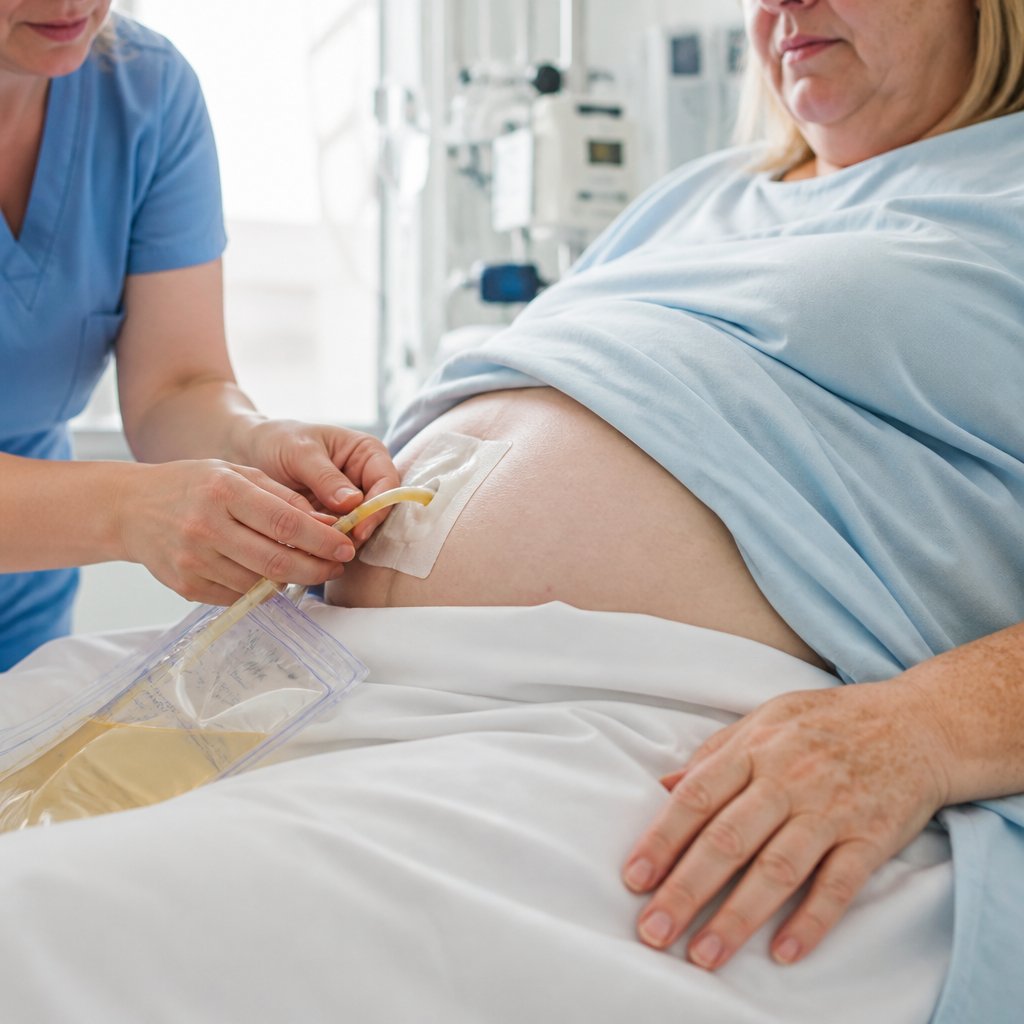
My urine output dropped sharply. Nurses said I was retaining urine and placed a catheter. They treated this symptom but didn’t address the underlying shock causing poor kidney function. The catheter’s cold tube slid uncomfortably as I tried to stay still. I felt a growing weakness and confusion but no one connected these with worsening shock. My chart noted the catheter but not the declining kidney function or blood pressure. I watched the clear urine collect in the bag, a stark reminder of how little my body was making. The hospital room felt colder now. The focus on a symptom rather than cause deepened my unease. Was I slipping further into organ failure while the medical team missed the bigger picture?
Bed Shortage Shapes ICU Decisions
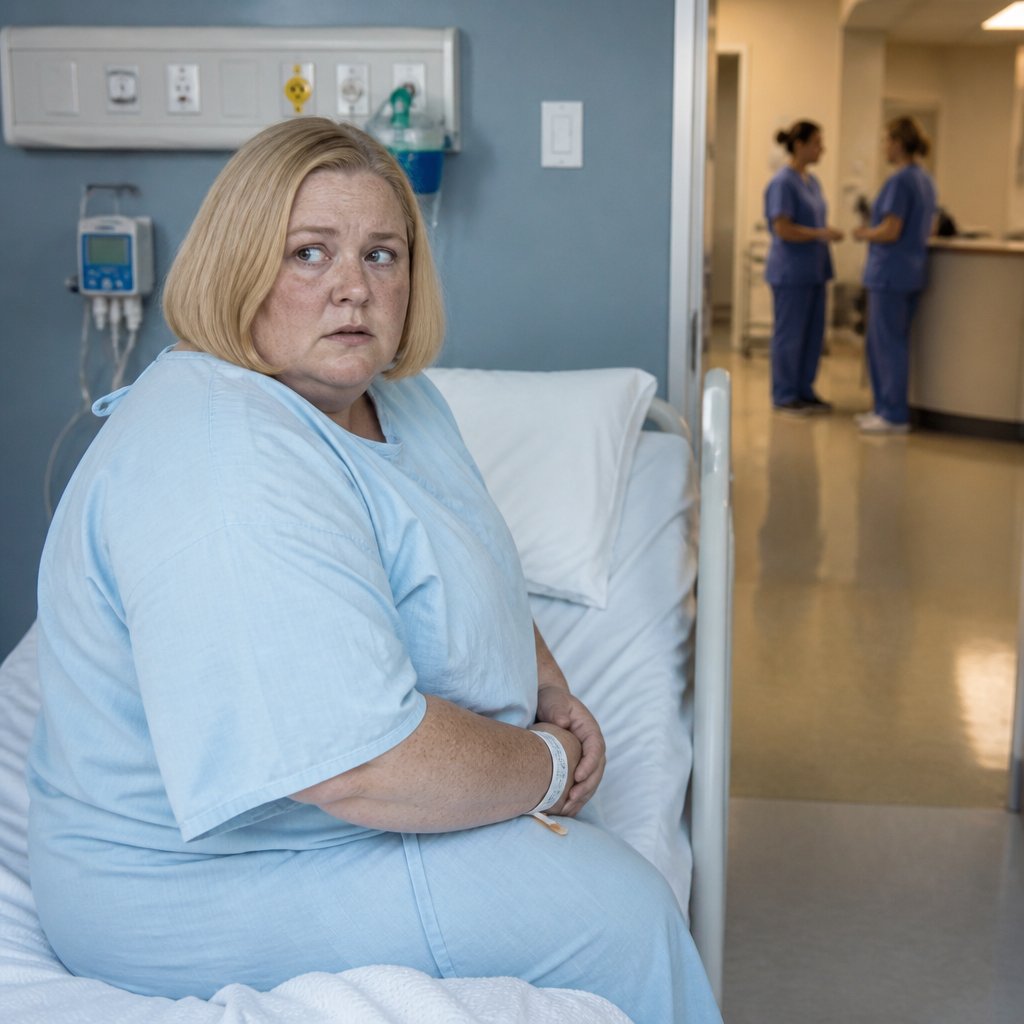
I overheard staff discussing bed shortages. They talked about keeping postpartum patients out of the ICU unless they were "truly crashing." The conversation hinted decisions were being shaped by capacity, not patient condition. I lay on the hospital bed in my pale blue gown, overhearing the whispers from the nurses’ station just outside. The talk was clinical but loaded—like a code for rationing care. My freckled face was flushed with fever and fear. I wondered if my worsening state was being overlooked because of a lack of ICU beds rather than my actual symptoms. The tension in the air was heavy as the hospital prepared to decide my fate without full transparency.
Denied Transfer Despite Declining Blood

I insisted on transfer to a higher-level facility with a blood bank and surgical backup. The nurse practitioner warned me that I didn’t meet the hospital’s criteria for transfer. She said insurance might deny the request if it appeared elective. Meanwhile, the chart showed a plan for oral iron supplements and discharge. No urgent interventions, no escalation to more invasive care.
The room smelled faintly of antiseptic and warm plastic as the staff debated quietly. My husband sat beside me, his face tight with worry. The nurse manager came in, reiterating the hospital’s stance: "We can manage this here. Your labs don't indicate immediate danger yet." But my pulse was racing, and I felt light-headed, a cold sweat breaking out across my forehead.
My complaints of dizziness and heavy bleeding seemed to fall on deaf ears. The discharge plan was being finalized, and no one was preparing for a transfer ambulance. Was this really about my medical need, or was it pressure from hospital capacity and insurance constraints? I wanted my husband to push harder, but his frustration was growing too. The words "routine" and "stable" echoed in my ears even as I felt increasingly unsteady.
Husband Photographs Bleeding Pads
After I developed shortness of breath, staff charted it as a "possible panic attack." I felt my chest tighten and struggled to breathe, but the documentation didn’t reflect my distress. My husband, frustrated by the dismissive notes, started photographing the saturated pads I was bleeding through. He wanted evidence — something concrete to prove the severity they refused to acknowledge.
The antiseptic smell mixed with the damp fabric scent of the blood-soaked pads as he carefully laid them on the bedside table to capture the images. Nurses glanced over but didn’t intervene. Meanwhile, the medical chart continued to mention only anxiety-related symptoms, ignoring the growing blood loss. Staff seemed intent on attributing physical symptoms to emotional causes, and I felt isolated in my worsening state.
My husband’s quiet determination to document what was happening gave me some hope. But the room felt colder despite the steady hum of the oxygen machine. Would these photographs actually change the narrative in my chart? Or would the staff continue to dismiss my bleeding as normal? The gap between reality and official notes was growing wider.
Critical Hemoglobin Warning Ignored

A stat complete blood count (CBC) finally flagged that my hemoglobin was critically low. The lab report indicated severe anemia, but the urgency never translated into immediate action. Instead, the blood transfusion was delayed for crossmatching. When the blood units finally arrived, I developed fever and shaking chills during infusion.
The nurse slowed the transfusion, concerned about the reaction. My body felt like it was burning despite the cold sweat on my skin. The infusion room's sterile metal and white plastic surfaces were a stark contrast to the burning sensation in my veins. That delay only compounded the critical time lost in treating my worsening hemorrhage.
Doctors and nurses hovered, debating whether to proceed faster or slow down. The clock was ticking, but protocol seemed to favor caution over rapid intervention. I was fading, but the system’s cautious approach was delaying what should have been lifesaving treatment. I could feel my strength draining, but the infusion slowed and hesitated, as if uncertain whether to save me or protect me from further harm.
Ultrasound Suggests Retained Products
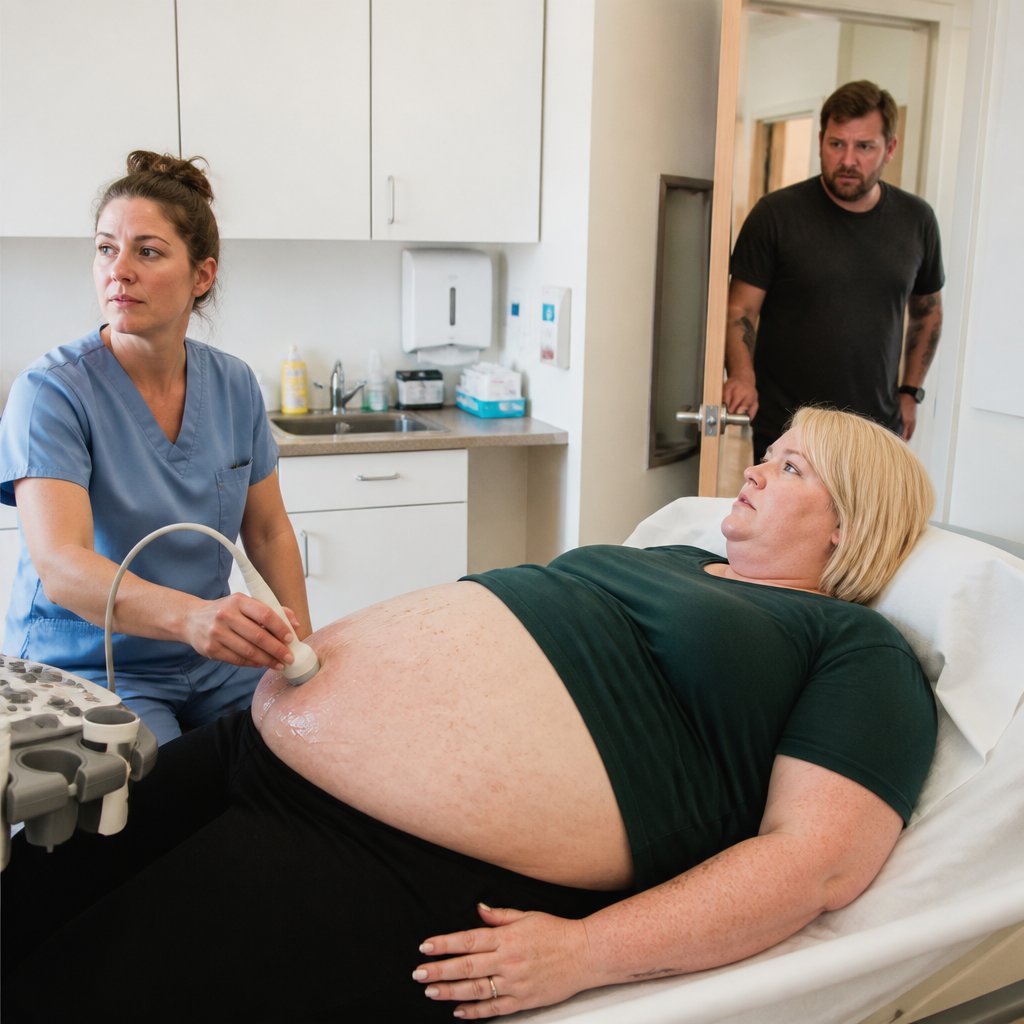
Finally, a late ultrasound was performed. The technician's voice was clinical but cautious: possible retained placental tissue remained in my uterus. The report recommended a dilation and curettage (D&C) procedure. The room smelled faintly of ultrasound gel as the cold probe moved across my abdomen.
The scheduling staff treated the procedure as routine, not emergent. I lay on the hospital bed, the chill of the gel contrasting with my mounting anxiety as I waited. No immediate preparations were made for surgery. The chart reflected a plan but no urgency; no additional monitoring orders, no calls to surgical teams marked as priority.
My husband asked the nurse if this was serious. The nurse shrugged, saying it was a common postpartum complication. But I knew my symptoms were worsening. The waiting felt endless. Would the D&C come soon enough to stop the bleeding and organ damage? Or would more time slip away before anyone acted decisively?
Missing Flowsheets Raised New Questions
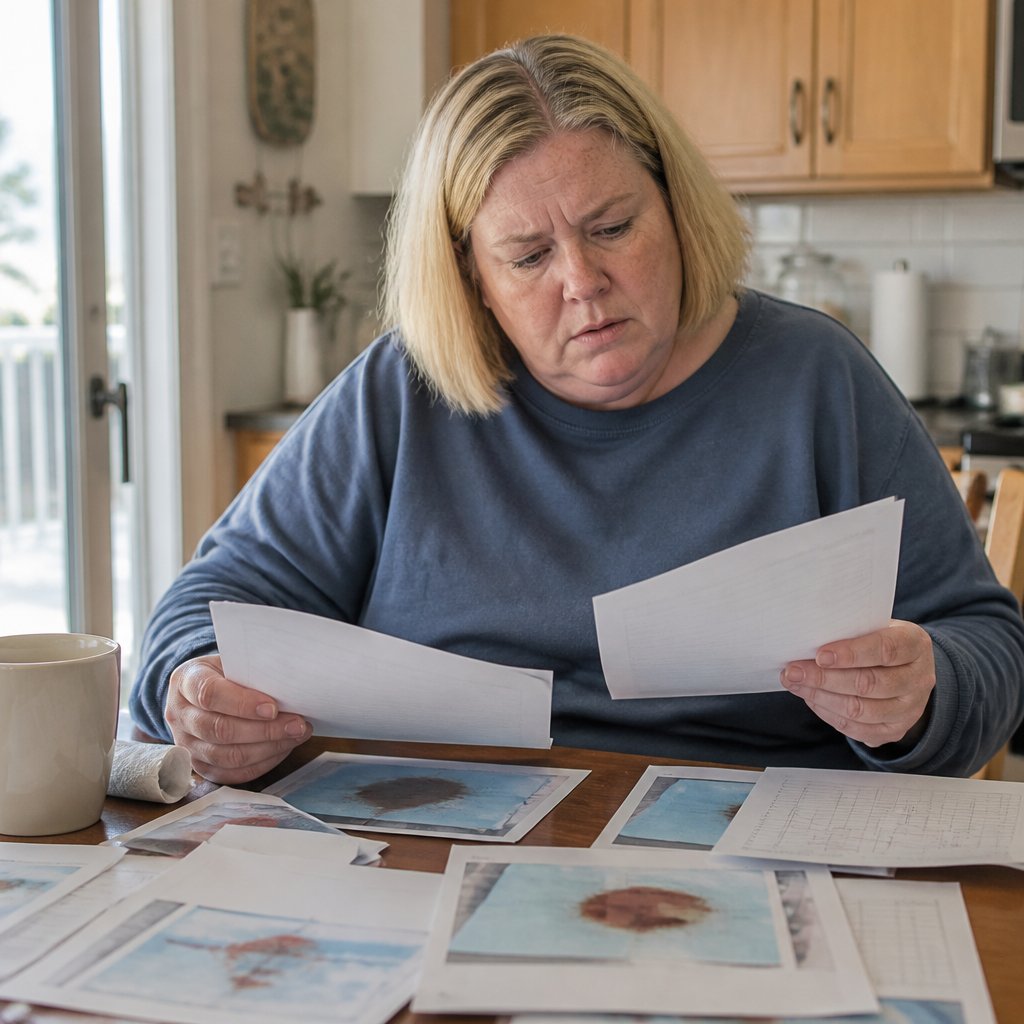
The records arrived days later, but crucial nursing flowsheets and pad counts were missing. I re-requested the full chart, and when it came, I found oddities. The nursing notes sometimes described my bleeding as "scant," contradicting the photos I had taken—images showing saturated pads piled on the hospital bed. A nurse friend reviewed the documentation with me and pointed out the hospital's own quantified blood loss standards, which I had never been given or explained.
Those standards define what constitutes heavy bleeding postpartum, but my charts didn’t reflect that reality. The nurse explained that such documentation is critical for timely intervention. Without it, my deteriorating condition may have been overlooked as "just normal lochia." I realized these discrepancies might be far more than clerical errors—they could be evidence of systemic dismissal of my hemorrhage. Yet, despite these troubling findings, the hospital’s records seemed determined to minimize my actual blood loss.
That night, I sat with the photos spread before me, comparing them to the notes. The contrast was stark. If my bleeding was deemed "scant" on paper while I was visibly soaked in blood, what else had been misrepresented? Why had the flowsheets gone missing in the first place? I knew I needed to dig deeper, but what else might be hidden in the shadows of those incomplete charts?
Emails And Phone Records Expose Lies
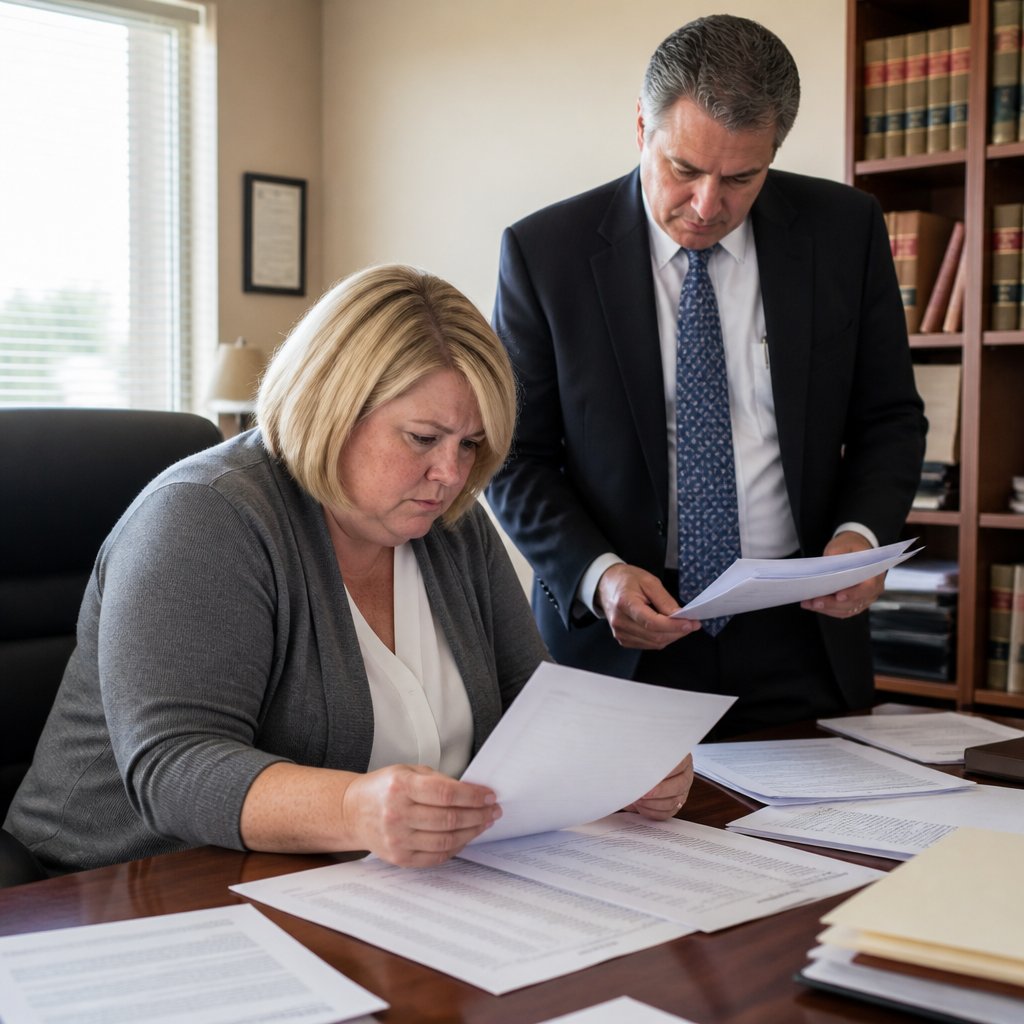
During discovery, a batch of internal bed-management emails surfaced, contradicting official testimony. The messages showed confusion about whether the obstetrician had been called promptly during my bleeding episodes. Depositions revealed conflicts: a nurse claimed she had informed the OB, while the OB denied receiving any call. Phone records then told a different story, confirming calls were made but ignored or delayed.
Even more revealing was the transfer-center audio. Hospital staff minimized my condition, describing me as "stable, just anemic," despite my escalating symptoms. This played starkly against my deteriorating vital signs documented elsewhere. Meanwhile, a flagged, back-entered chart correction raised red flags—it appeared someone altered notes after the fact, possibly to cover lapses in care.
As trial approached, the hospital franticly tried to exclude my photos from evidence, fearing their visual impact on the jury. The contradictions between their official records, staff statements, and objective phone and email logs painted a picture of negligence and deliberate minimization. I felt the story cracking wide open. But with so much on the line, how far would the hospital go to suppress the truth before my case was heard?
Expert Testimony Tightens The Timeline
Expert witnesses narrowed the timeline, meticulously reconstructing the hours from delivery to transfer. A tertiary obstetrician testified that earlier intervention and transfer to a facility with blood bank capacity would likely have prevented my hysterectomy and multi-organ failure. His testimony was based on standard care protocols and the physiological progression of postpartum hemorrhage.
The jury listened as the transfer-center audio played, underscoring the minimization of my condition. The absence of nursing flowsheets and pad counts further emphasized gaps in monitoring and documentation. Throughout the trial, the hospital’s credibility eroded under scrutiny.
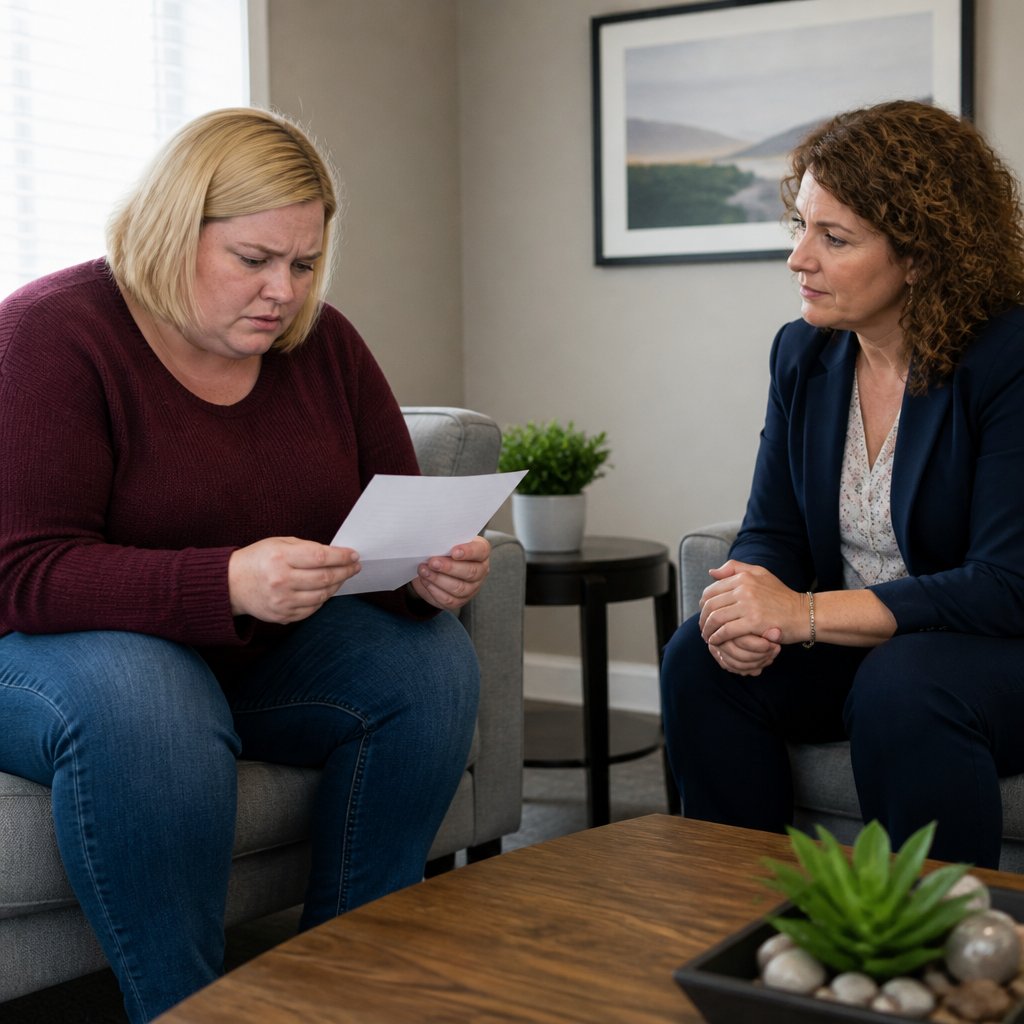
Then, unexpectedly, a last-minute settlement offer arrived. It included a strict confidentiality clause, demanding I decide quickly whether to accept or proceed to trial. The weight of a public trial promised potential vindication but also prolonged stress and uncertainty. The confidential settlement promised resolution but sealed the story from public disclosure. I faced a crossroads, with my fight for accountability hanging in the balance. What choice would I make?
Would you accept a confidential settlement or risk trial?