




Letter Found In Diaper Bag

I found the credit approval letter nestled inside a stroller's diaper bag at the pediatric clinic. The limit was $3,500, printed in bold on official-looking stationery. What caught my eye was the misspelled name on the letter—it matched the typo on a fake warranty card I’d recently examined. The warranty card had been linked to a fraud ring, and now this letter suggested someone was recycling the same "family" details to open credit lines. The address used was the same as the clinic's, and the phone number was oddly familiar—recycled from previous accounts flagged for fraud. The smell of baby powder lingered faintly in the bag, mixing with the sterile scent of the clinic waiting room where I stood, the letter slightly crumpled in my fingers. This wasn’t just random error; someone was deliberately reusing these patched-together identities tied to infants. It raised the question—who was behind this, and how deep did their operation go?
Toddler's DOB Didn’t Add Up

I ran an internal system lookup on the toddler’s Social Security Number and found a glaring inconsistency. The date of birth was brand-new—just a few months old—but the credit bureau file associated with that SSN claimed a history stretching back nine years. That disparity made no sense for an actual child. It wasn’t a clerical error or a mistaken identity; the identity had been synthetically stitched together by combining a real SSN segment with an infant’s demographic details. The records included inconsistent addresses and recycled phone numbers, but they’d built a nine-year credit footprint out of thin air. The bland fluorescent light above buzzed quietly as I scrolled through the exhibits: all fabricated. This wasn’t a simple mix-up but a deliberate fake constructed with care. The question was whether the company’s systems had recognized it—and if so, why hadn’t anyone stopped it?
Manager Forces 'Family Fraud' Label
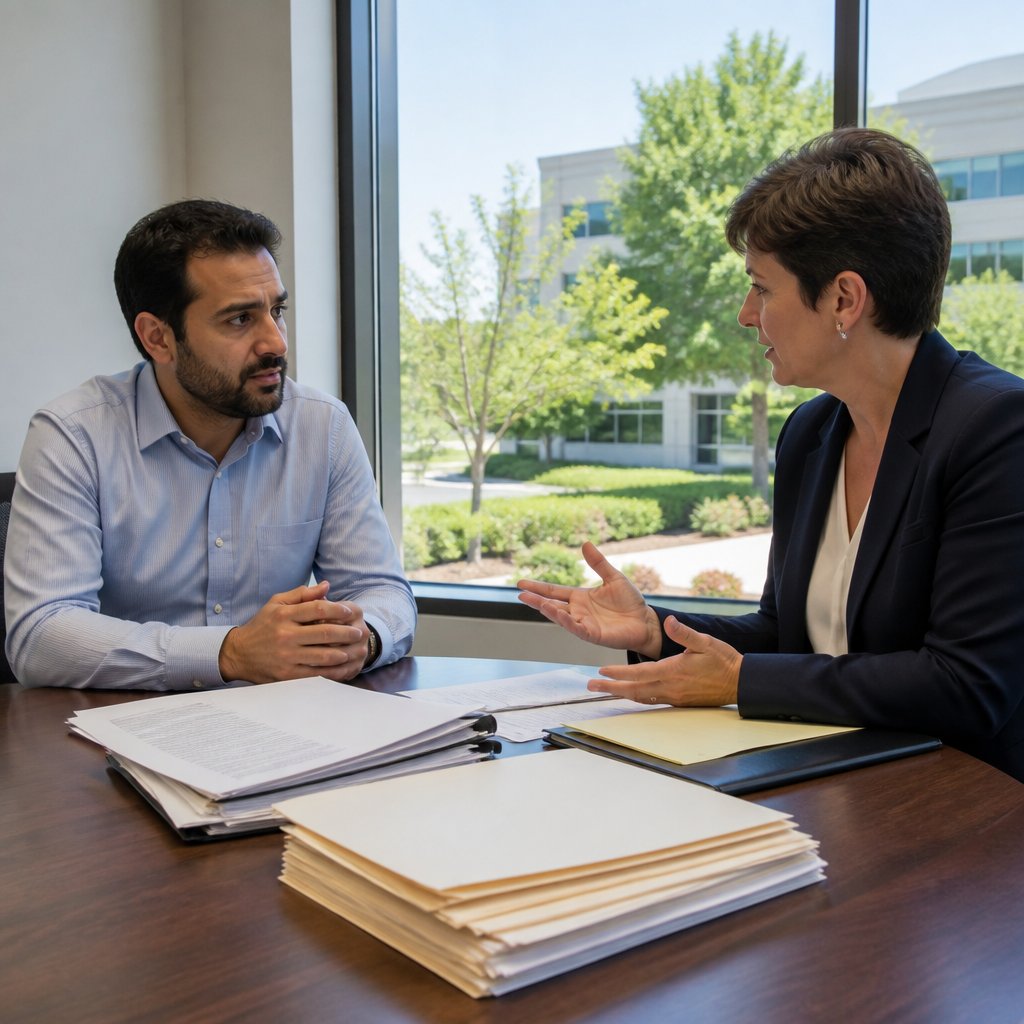
When I flagged the case as "synthetic identity" in our tracking system, my manager called me in. She was a woman in her early 40s, wearing a navy blazer over a white blouse, her short hair tucked behind one ear. She told me to recode the incident as "family fraud" instead, explaining that synthetic identity incidents skewed the company’s metrics negatively. I pressed her, asking why we’d hide synthetic cases, but she was vague, warning me not to escalate the issue. It felt like internal suppression. The subtle pressure to sanitize the numbers suggested someone wanted this fraud ring to continue unnoticed in the system. I left the meeting with an uneasy feeling as I glanced at the contract binder on her desk, the fine print listing compliance protocols that seemed ignored. It was clear the problem was bigger than just me, but who else was involved?
E-Sign IP Traces Across Country

I obtained the e-signature certificate linked to the credit applications. The signing IP address didn’t match any local network; instead, it traced back to a mobile carrier hotspot somewhere across the country. This detail ruled out my sister, who I’d initially suspected, since she lived nearby. The IP’s location was logged near a busy highway rest stop, far from any residential area. The hum of the office air conditioner mixed with the faint clatter of keyboards as I reviewed the digital logs. This indicated that the fraudsters used mobile hotspots to mask their locations, making it harder to track them down. It wasn’t a lone amateur but a coordinated operation using technology to evade detection. But if the hotspot was public or rented, who exactly was behind these accounts?
Five More Toddler Accounts Appear

Within 48 hours, I noticed five more credit accounts opened under different toddler names. Each had a different guardian listed, but the device fingerprint used to submit them was identical. It was like a fingerprint stamped on all applications, tracing back to the same device or software agent. I sat in the breakroom, wearing a green hoodie and jeans, sipping lukewarm coffee. The hum of the vending machine filled the small room as I lined up printed application records on the table. The different guardian names showed no pattern—completely fabricated. This clearly wasn’t random fraud but an organized ring flooding the system repeatedly. I wondered if anyone else inside the company was aware, or if these patterns were deliberately overlooked.
Gift Cards Mixed With Diapers

As I examined purchase and return logs tied to the suspicious accounts, a pattern emerged. The first purchase was always a batch of gift cards, accompanied by a tiny pack of diapers or baby wipes. This mix seemed designed to look legitimate, as if the credit lines were being opened for real baby needs. The scent of plastic gift cards lingered faintly on the receipts I held, the crinkle of diaper packaging audible in the background. Returns came rapidly, and the gift cards were drained in minutes through buy-online-pickup-in-store transactions. It was a calculated playbook, using small consumer goods to mask large fraudulent activity. I wondered if the system had any way to flag this unusual purchase-return cycle before credit lines were exhausted.
Application Passes With Invalid Employer

I ran a controlled test on the application system using fabricated data. I filled in "N/A" for the employer field and submitted the application. Despite this glaring omission, the application still passed approval. I sat at my workstation, wearing a white shirt with rolled-up sleeves, the hum of the office and distant conversation around me. The test results printed quietly as I folded the paper. This proved the identity gate was largely decorative, allowing nearly anyone to slip through if they met minimal criteria. The system wasn’t designed to catch synthetic identity fraud with thorough checks, making it vulnerable to abuse. This raised concerns about who had the authority to widen the gate and why they would do so, especially given the recent spike in fraud cases.
Match Threshold Lowered Last Quarter

I gathered vendor reason codes from all the toddler accounts that passed fraud checks. They were identical across the board, indicating the system used the same lenient rules each time. Exhibit B, a report from last quarter, showed that the company had lowered the match threshold for identity verification. This change effectively widened the door for synthetic identities to slip through unnoticed. I sat in a conference room wearing a dark sweater, surrounded by stacks of printed reports and spreadsheets. The hum of the air vent filled the space. It was clear the threshold wasn’t a glitch but an intentional adjustment. Someone inside had deliberately weakened defenses, but who benefited from this? The lowering of standards corresponded with the surge in toddler accounts tied to fraud.
Access Revoked After Compliance Email

I emailed Compliance screenshots showing the suspicious patterns and detailed reports. The next day, they scheduled a vague "process review" meeting that I wasn’t invited to. Suddenly, my access to device logs was revoked without explanation. Sitting at my desk in a navy polo shirt and khakis, I stared at the locked system screen where I used to pull network data. The silence in the office felt heavier. It was clear this was retaliation disguised as a procedural step. My attempts to expose the fraud were being quietly shut down. I wondered if anyone else was pushing back or if I was alone on this. The limits of corporate bureaucracy had become a wall I couldn’t climb. What next move could I make with these barriers rising?
Store Manager Reports Baby Collections Call

A store manager called me out of the blue. She was in her early 50s, wearing a red polo and jeans, speaking from a cluttered back office with boxes piled around. She said a woman had come in screaming because "her baby got sent to collections." This complaint showed that real families were being harmed by the fraudulent accounts tied to toddlers. The woman’s voice had been trembling, desperate and angry. The store manager explained the incident in detail, her hands nervously picking at a pen. This was proof that the fraud wasn’t just a numbers game—it had tangible consequences affecting innocent people. I felt a knot tighten as I realized how public this was becoming. But the question remained: how many more families were caught in this mess, and what would it take to stop it?
How The Bank Handled Charged-Off Accounts

I found collections notes showing that the bank partner automatically sold charged-off toddler credit accounts to a debt buyer within 120 days. These accounts, opened in babies' names using synthetic data, were not just written off internally—they were passed downstream to collectors. The notes included references to account numbers, charge-off dates, and the sale transactions. The bank’s internal documents pointed to a routine process of transferring these accounts, turning the initial fraud into a legal exposure for everyone involved. It raised questions about the bank’s due diligence and responsibility for these fraudulent accounts.
The smell of stale coffee lingered as I flipped through a stack of paperwork in a small conference room filled with empty cups and scattered pens. The air was thick with the quiet hum of a late-afternoon office, and I could hear distant keyboard clicks.
Scripts Mask Account Ownership Reality

Listening to recorded calls between customer service agents and account holders, I uncovered a scripted coaching message. Agents were instructed to tell callers that "minors can be authorized users," despite these accounts clearly being opened as primary accounts in the children’s names. The scripts were designed to mislead both customers and investigators, deflecting attention from the true nature of the accounts. This scripted misdirection had become official policy, ensuring consistent denial of fraud and pushing “customer error” as the explanation.
The faint scent of printer toner hung in the cramped cubicle where I replayed the calls through earbuds. The office buzzed with quiet conversations and occasional ringing phones. I adjusted my collar and glanced nervously around at colleagues in casual shirts and sweaters focused on their screens.
Clustered Shipping Points Raise Alarms

Mapping the shipping addresses linked to the fraudulent accounts revealed clusters around short-term rental properties and a pediatric clinic’s mailroom. This physical pattern suggested a coordinated drop network, where packages were sent to locations connected to the source of child data. The link between medical office addresses and transient housing pointed to an organized scheme exploiting trusted institutions for mail receipt. These findings were supported by delivery logs and address verification reports extracted from internal databases.
The faint scent of cardboard and tape filled the small warehouse-like room where I spread out printed address maps on a folding table. Outside, a delivery truck idled, its engine grumbling quietly. I wore a green polo shirt and khakis, sifting through piles of shipping labels and scanned logs.
Spreadsheet Reveals Executive Awareness
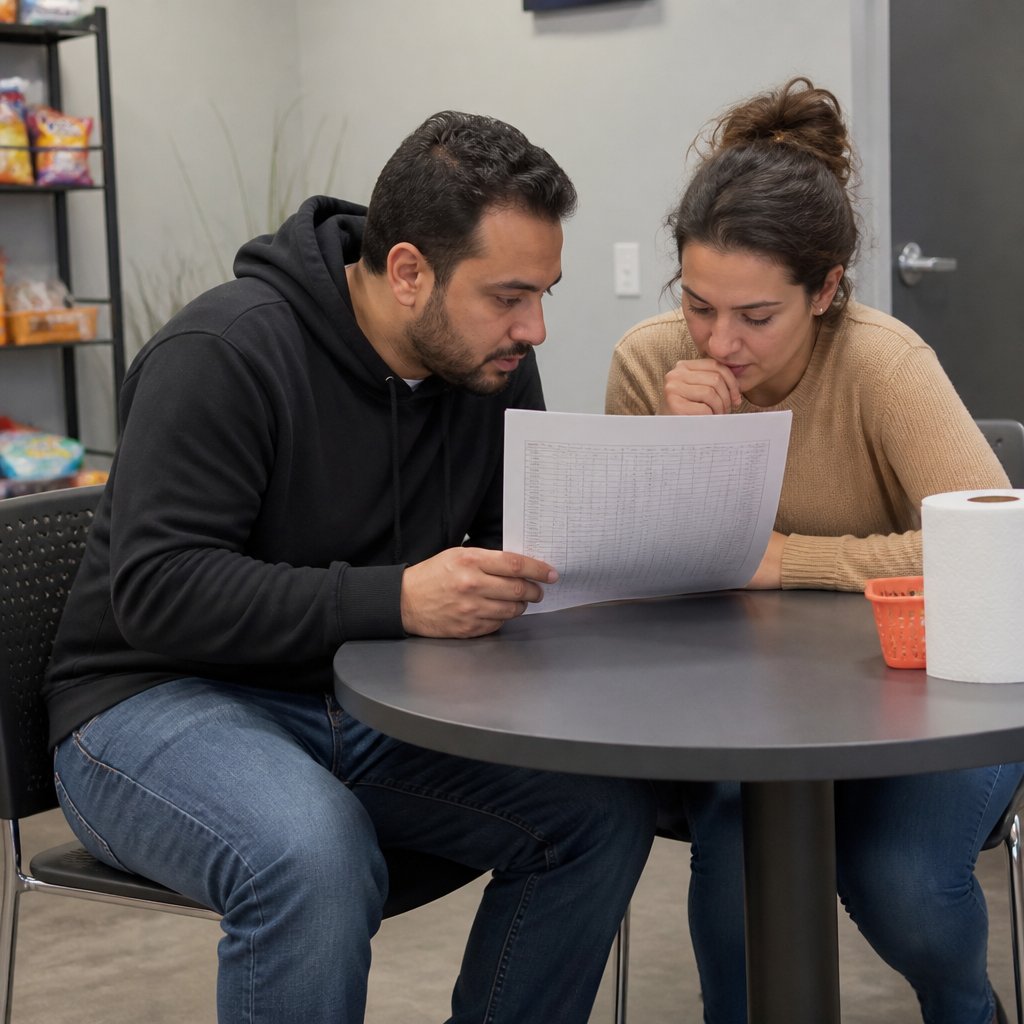
A coworker slid a spreadsheet across my desk labeled “KIDZ.” It contained 1,842 accounts flagged with notes like “Do not escalate—Exec review.” These weren’t isolated incidents; leadership was aware and actively suppressing further investigation. The sheet included account IDs, dates opened, flagged anomalies, and internal comments coded in shorthand. This document was a stark confirmation that the problem was not accidental but had reached high-level oversight, possibly complicity.
The faint smell of printer ink merged with the aroma of freshly brewed tea in the break room where we huddled. I wore a black hoodie and jeans, my eyes scanning the rows of data on a printed sheet, the tension palpable between us as we whispered urgently.
Fraud Crosses Into Our Marketplace

Further digging showed the fraud ring laundering merchandise through our online marketplace sellers. Seller IDs matched phone number blocks also linked to the toddler accounts. The same phone numbers appeared in app registrations for kids’ products, suggesting the fraud was cross-platform and integrated within our ecosystem. Evidence included seller registration documents, phone number logs, and transaction histories that mapped a complex web of fraudulent activity exploiting internal controls.
The faint scent of cardboard and ink mixed with the hum of chatter in a bright, open-plan office. Wearing a light blue denim shirt and dark jeans, I scrolled through printed seller ID lists and transaction reports spread across a whiteboard table, brow furrowed in concern.
Should the seller face criminal charges for fraud?