



New Security Tent Sparks Dawn Lines

When I arrived early that morning, the parking lot looked different. A large white tent had appeared near the main entrance, complete with folding tables and a guard checking IDs. The line stretched back into the lot, dozens of coworkers waiting quietly. I noticed the cold air smelled faintly of diesel from idling cars. A guard was stern but indifferent when someone complained about the wait. It quickly became clear: the company expected us to handle the added screening time ourselves, without adjusting start times or pay. I could feel the tension rise as clocks ticked past official shift start while we queued. The line moved slowly; people’s breath formed small clouds in the chilly dawn.
Signs Demand Clocking In Post-Screen
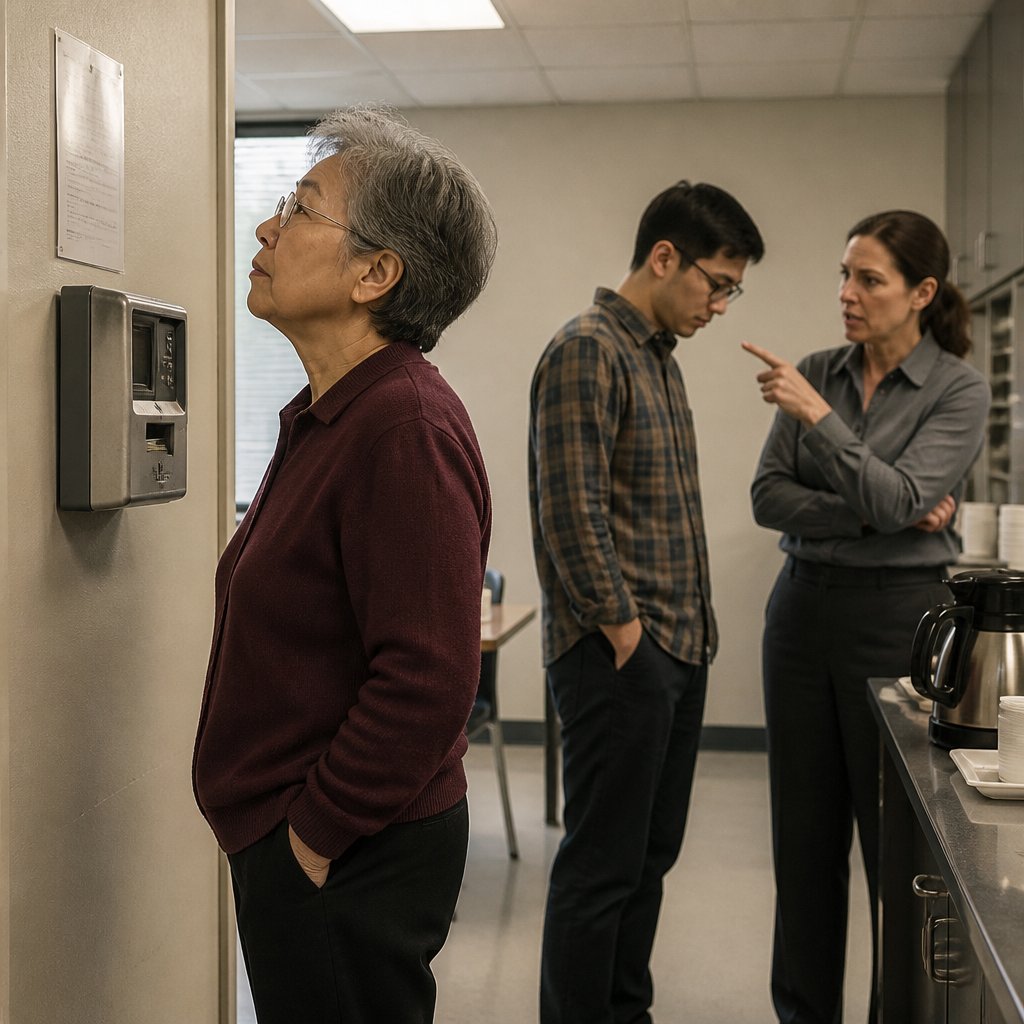
Inside the break room, I noticed new laminated signs taped near the timeclock. They instructed all employees to clock in only after completing security screening. Anyone who tried to punch in before was quietly but firmly redirected, sometimes even called out by name. I saw a young man corrected sharply when he tried to punch in early. The supervisor made a point of explaining the policy loudly enough for others to hear. This wasn’t just a reminder; it was a warning. The message was clear: trying to clock in before the screening was a violation and would be dealt with publicly. This created a trap. I realized if I wanted to be paid for the total time on site, I was stuck between the security wait and a strict clock-in rule. The sterile hum of the fluorescent lights in the break room contrasted with the tension building among coworkers.
Badge Swipes Reveal Missing Minutes

I started digging into my badge swipe times compared to my clock-in records. The security badge logged when I entered through the turnstiles, but the official punch times always began 15 to 30 minutes later. I charted the discrepancies over several days and shared the data with Lena, a detail-oriented coworker. Together, we verified that the missing minutes were consistent and measurable. It wasn’t an occasional glitch; it was a pattern. The fluorescent security checkpoint lights buzzed overhead as we sat at the cafeteria table, papers spread between us. The numbers made it clear: the company was not paying for the time spent waiting in security lines. This wasn’t just inconvenient; it was wage theft. I felt a mix of frustration and determination swell inside me as I looked over the exact minutes lost each day.
Coworkers Whisper About Time Shortage

In the break room, small groups huddled quietly. I overheard hushed voices sharing similar stories about missing minutes from their security checks. Most wore worried expressions, glancing around before speaking. Fear of retaliation kept these conversations low and private—no one wanted to be singled out. The air smelled faintly of stale coffee and cleaning spray. I noticed a younger man nervously tapping his fingers on the table, while a woman in a blue jacket kept checking the door. They all confirmed the pattern I’d uncovered but preferred to keep it as whispered grievances rather than formal complaints. The collective anxiety was palpable, but no one was ready to take action yet. The uneasy silence in the room was almost louder than words.
The Clock That Ran Fast

One afternoon during a break, I noticed the large wall clock near the security checkpoint didn't match my watch. It was about three minutes ahead. Over the next week, I paid closer attention. Each time I arrived, the security clock was consistently fast. It wasn’t a one-off; the seconds and minutes always seemed to speed past, making it impossible to clock in on time unless you rushed.
The break room buzzed quietly with murmurs about missed punches and unexpected write-ups for tardiness. I began jotting down the times on my phone—not the screen, just the time I arrived and the clock on the wall. It painted a clear picture: the company was manipulating time itself, intentionally setting the clock ahead to make workers look late.
I brought this up in the next safety meeting, hoping for answers. The manager gave a vague shrug and said, "It's company policy." That wasn’t a real answer. My badge had to pass through security, but with that clock running fast, they could deny our right to clock in on time.
The smell of stale coffee filled the break room. I wondered how many others noticed but stayed silent. This clock wasn’t just a timekeeper; it was a weapon against us. I felt the weight of hours stolen without pay but didn’t know what to do next.
The Ban On Talking Pay
The next morning, HR circulated a terse memo—no one was supposed to discuss pay policies on the floor anymore. This was announced during the pre-shift briefing, with a stern warning that violating the rule would lead to disciplinary action.
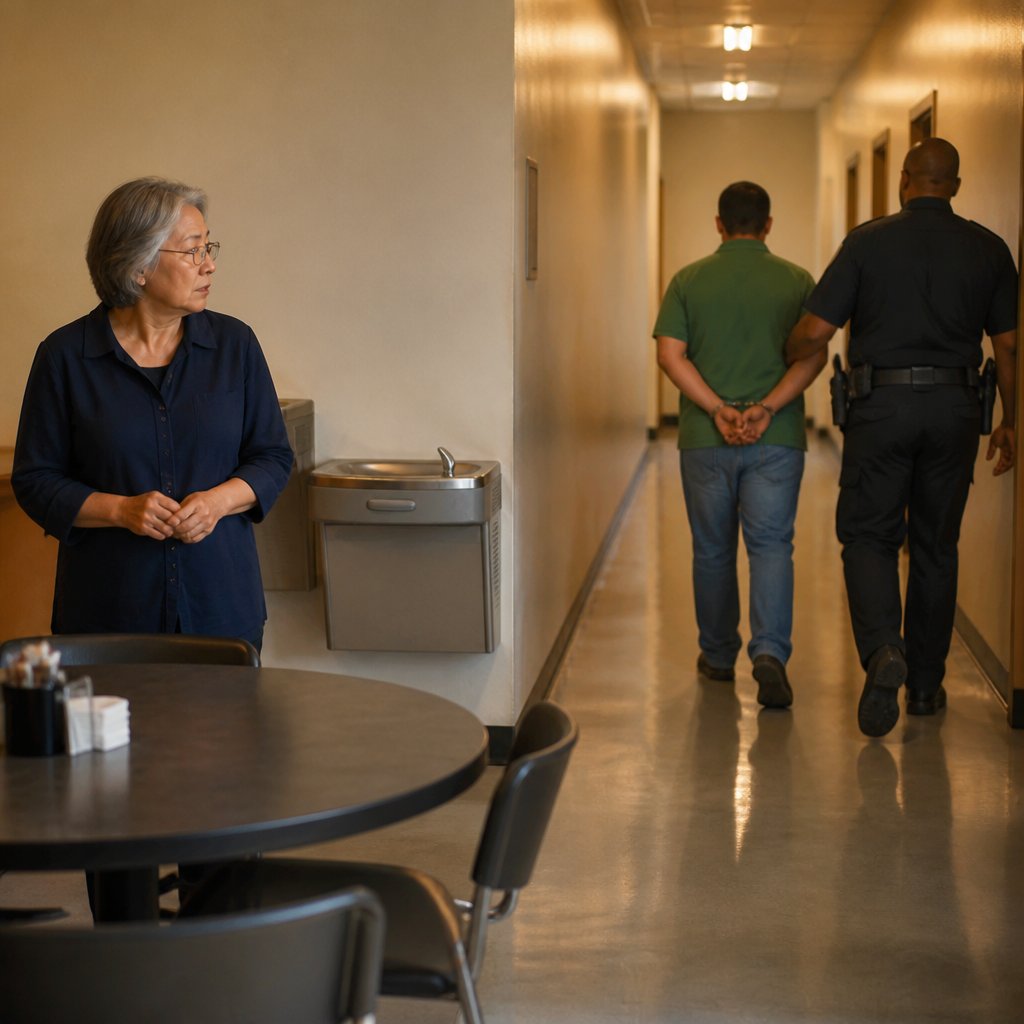
Later that day, one of my coworkers, Marco, got pulled aside. I saw him leaving the building minutes later, escorted by security. Rumors spread that he was accused of threatening a supervisor, but the truth felt different. Marco was the guy who had quietly asked questions about clock-in times and pay discrepancies.
The break room's usual hum was gone. People avoided each other's eyes. The scent of disinfectant lingered in the HR office down the hall where I caught a glimpse of the HR manager looking over a file with a grim expression. It was clear they were cracking down hard.
Without any clear explanation, the atmosphere shifted. The message was clear: silence was mandatory, and anyone who spoke up would pay the price. But no one dared to question what was really happening or why Marco had been taken away.
Schedules Scrambled, Screenings Added

After the incident with Marco, managers stopped responding to my emails altogether. There was no written acknowledgment, just silence. Meanwhile, my work schedule became erratic—shifts moved around without notice, some extended beyond normal hours, others shortened unexpectedly.
Then came the new instruction: post-shift security screenings were mandatory, just like the pre-shift ones. That added even more unpaid time at the end of my day. Before, we had to clock in after security on arrival. Now, we had to wait for security after clock out, but the clock-out time didn’t account for the screening delay.
The tension was palpable during the screenings. The metal detectors beeped as people shuffled through, tired and frustrated. I noticed the faint metallic scent of the screening devices mingling with the musk of sweat from a long day’s work. Everyone kept their heads down, resigned to losing more time without pay.
I realized the theft wasn’t just at the start of the day anymore. They were stealing minutes both before and after shifts, tightening the net to squeeze out more unpaid labor. I wondered how long workers would accept this without fighting back.
Lena Files Complaint, Faces Label

Fed up, I submitted a formal complaint through the company’s internal system and called the anonymous hotline detailing the unpaid time due to security screenings. I expected at least some acknowledgment, but instead, things escalated fast.
The next morning, I was informed I had been labeled "disruptive" by management. I overheard snippets of a chat among managers discussing how to prevent me from rallying others. They looked at me like I was a threat.
During my shift, I felt eyes watching me constantly. The air was thick with quiet hostility. I could smell the faint scent of printer toner from the nearby office as I passed by, a reminder of all the official memos and talks going on behind closed doors about me.
For the first time, I felt the isolation sharply, as if the company had decided I was an enemy to be contained. I had no idea what their next move would be, but it was clear this was no longer just about the clock-in policy.
HR Inspects Phone, Issues Write-Ups

One afternoon, HR called me into their office. They demanded to inspect my phone, insisting it was company property when used in the building. I hesitated but knew refusing wouldn’t help. I handed it over reluctantly.
They scrolled through my call logs and messages without my consent. The sterile room smelled faintly of lemon cleaner, contrasting with my rising anxiety. No one said outright what they were looking for, but the implication was clear: find something to use against me.
Shortly after, write-ups appeared in my file for alleged policy violations. Then came an accusation I couldn’t believe—a staged claim I bypassed security screenings. I knew I hadn’t, but the paper trail was suddenly against me.
It felt like a calculated setup to build a case for termination. I wondered if anyone else had been subjected to this kind of scrutiny and false accusations, or if I had become the sole target.
Badge Deactivated, Waited Outside

Not long after the write-ups, I arrived at the security desk to find my badge was suddenly "inactive." The guard told me I couldn’t enter without manager clearance. I stood there in the chilly morning air, clutching my backpack, waiting for someone to intervene.
My heart pounded as the wind carried the faint smell of damp concrete from the parking lot. Other employees passed through, their badges beeping smoothly. I was isolated, stuck outside without explanation.
A final warning letter arrived later that day, accusing me of a no-show on a shift I had worked. The timing was too coincidental. It all felt orchestrated—blocking my access, forcing me into a limbo, then penalizing me for being absent.
I felt trapped in a system designed to push me out, but no one had yet told me what was next. I was left waiting at the gate, the cold air sinking in as the company’s plan unfolded around me.
Guard Confesses Clock Was Ahead

During the deposition, I sat stiffly in the sterile HR office, the smell of bleach lingering in the air. The security guard, a middle-aged man with a tired face and rumpled uniform, sat across from me. Under oath, he admitted the clock at the screening checkpoint was set deliberately ahead by several minutes. Technical experts later confirmed that these pre- and post-shift screenings were mandatory and strictly controlled by the company.
Internal memos surfaced, detailed spreadsheets printed on crisp white paper showing the unpaid time piling up. The numbers were staggering—$1.2 million lost annually by employees like me. The company’s defense crumbled right there. Their official stance softened as settlement estimates quickly rose. I could feel the shift in the room, the weight of corporate walls starting to crack.
Yet, even with the growing pressure, no one in the room said what would happen next. The promise of a deal hung in the air, but the exact terms and timing remained unspoken. I glanced toward the clock on the wall, its second hand ticking steadily, as I waited to see if the company would finally admit how deep this went.
Settlement Arrives, Then A Message

The news came through the office break room’s bulletin board, a plain printed memo pinned under the week’s schedule. The company agreed to the class settlement and revised its policy to clock in before security. All my write-ups were erased from my record, clearing the way for my retaliation claim to settle quietly. The usual hum of the vending machine filled the room as I read the announcement, a small sense of relief rising.
My coworkers chatted in the corner, their casual t-shirts and jeans contrasting with the sterile memo. I reached for my coffee cup, feeling the warmth seep into my hands, but my mind was already racing ahead to payout day. When it came, the check was there, signed and official, but alongside it was something unexpected—a single email from an old account belonging to Darla, a former manager known for tough tactics.
The subject line wasn’t visible. The message simply said, “We need to talk.” My fingers hesitated over the unopened email as the break room door swung open. Someone stepped inside, but I couldn’t tell who. The quiet moment stretched, and I realized this might not be over after all.
Should HR have addressed the email before payout day?